

There is something special about a brick floor. The timeless charm it brings to a room is hard to match with other materials. But if you're looking at your floor right now, you might see that charm hidden under a layer of dirt and grime, wondering how to clean brick floors without it becoming a huge project.
You have found the right guide. Because brick is a porous material, it holds onto dirt differently than porcelain tile or wood floors. You need a specific approach to get it clean and maintain its classic look.
Here, you'll learn exactly how to clean brick floors, from simple daily touch-ups to deep cleaning methods that restore their original beauty. We will cover routine care, stain removal, sealing, and the differences between reclaimed and new brick floors so maintaining your space feels straightforward.
Table of Contents:
- Before You Start: Gather Your Cleaning Supplies
- Your Simple Weekly Brick Floor Cleaning Routine
- How to Clean Brick Floors: The Deep Cleaning Method
- Can You Use a Steam Cleaner on Brick Floors?
- Tackling Tough Stains on Your Brick Floor
- Sealed vs. Unsealed Brick: Knowing What You Have
- Should You Seal Your Brick Floors?
- Best Chief Bricks Products for Brick Floors
- Caring for Reclaimed Brick Floors
- Common Mistakes to Avoid With Brick Floors
- Conclusion
Before You Start: Gather Your Cleaning Supplies
When you prepare for cleaning, getting your tools ready first makes the whole job go much smoother. You do not want to be running around looking for a brush with a wet, soapy floor. Most of what you need is probably already in your home.
Here's a quick checklist of what you'll want to have on hand:
- A soft-bristle broom or a vacuum cleaner with a brush attachment.
- Two buckets: one for your cleaning solution and one for clean rinse water.
- A sturdy microfiber mop that can reach into grout lines effectively.
- Mild pH-neutral soap, such as a gentle dish soap or dedicated floor cleaner.
- A soft-bristle brush for scrubbing. Never use a wire brush.
- Baking soda for making a cleaning paste.
- White vinegar for specific stains on unsealed brick only.
- Several clean, dry towels or cloths.
- A pair of rubber gloves to protect your hands.
Having everything in one spot helps you work efficiently. This simple preparation lets you focus on getting the floor clean instead of searching for supplies. It is the first step in any successful brick cleaning project.
Your Simple Weekly Brick Floor Cleaning Routine
Keeping your brick floors looking great does not have to be a massive chore. A little regular maintenance goes a long way. This routine cleaning stops dirt buildup from becoming a bigger problem later.
First, sweep or vacuum your floor every couple of days to remove dirt. Loose particles, dust, and pet hair can act like sandpaper underfoot, slowly scratching the brick surface. A soft-bristle broom works well, but a vacuum cleaner is even better because it pulls dirt out of the small crevices in the brick and grout.
Once a week, it is a good idea to mop the floor. But this is where people often make a mistake. You do not want to flood brick flooring with water. Instead, fill a bucket with warm water, dip your mop in, and wring it out so it is only damp. A soaking wet mop can push dirty water into porous brick and grout, leading to discoloration or mildew over time. Think of it as a damp wipe-down rather than a full scrub.
How to Clean Brick Floors: The Deep Cleaning Method
Sometimes, a light mopping is not going to be enough. For those times when the dirt is really set in, you need to give your floors a proper deep cleaning. This process will lift out stubborn dirt and restore that rich color you love.

Here's how to get it done, step by step:
-
Get Rid of Loose Debris.
Before you introduce any water, you must clear the surface completely. Give the entire floor a very thorough sweep or vacuum. Pay extra attention to the corners and edges where dust loves to hide.
-
Mix Your Gentle Cleaning Solution.
Now, it is time to make your cleaning mix. Grab one of your buckets and fill it with a gallon of warm water. Add about a tablespoon of a mild, ph-neutral cleaner to the water and swish it around to create some light suds. You want to avoid harsh chemicals, as experts explain, because they can eat away at the brick and grout.
-
Scrub the Floor in Small Sections.
Do not try to tackle the whole floor at once. Instead, work in small sections, maybe a three-by-three-foot area. Dip your soft-bristle brush into the soapy water and scrub gently in circular motions. This technique helps lift dirt out of the pores without being too aggressive.
-
Rinse Away the Soap and Grime.
After you have scrubbed a section, you need to rinse it. This is what your second bucket is for. Fill it with clean, plain water. Use your mop, dipped in the clean water and wrung out well, to go over the section you just scrubbed. The goal is to lift all the soap residue off the floor. You might need to change your rinse water a few times as it gets dirty.
-
Dry the Floor Completely.
The final step is to dry the floor. You can use old towels to blot the area dry, or you can open some windows and set up a fan to speed up the air-drying process. Making sure the brick is completely dry helps prevent water stains and keeps moisture from sitting in the grout.
Can You Use a Steam Cleaner on Brick Floors?
A steam cleaner or steam mop can be a powerful tool for cleaning brick, but you must use it with caution. Steam can lift dirt from deep inside the brick's pores without chemical cleaners. However, the high heat and moisture are not suitable for all brick flooring.
Never use a steam cleaner on waxed brick or brick sealed with a topical acrylic sealer. Heat can soften or damage these film-forming finishes, leaving a cloudy or sticky surface. Penetrating sealers generally hold up better because they protect inside the brick rather than sitting on top of it, but you should still test a hidden area first.
If you decide to use steam, use a soft microfiber attachment and keep the machine moving. Do not concentrate heat in one spot for too long.
Tackling Tough Stains on Your Brick Floor
Sooner or later, a spill is going to happen. The key is knowing how to handle different types of tough stains. Since brick is absorbent, you want to act quickly to prevent a permanent mark.
Getting Rid of Grease and Oil Spots
Grease is common, especially if your interior brick floor is in the kitchen. For an oily stain, make a simple paste by mixing baking soda with a little water until it has the consistency of thick toothpaste.
Spread this paste directly onto the grease stain and let it sit for about 15 minutes. The baking soda helps draw oil out of the brick. Then gently scrub the area with your soft brush and rinse it clean with a damp cloth.
Removing Mold and Mildew
If you see dark, splotchy spots in a damp area, you might be dealing with mold or mildew. A mix of equal parts white vinegar and water can work well, but use this only on unsealed brick. The acid in vinegar can damage many sealers and leave sealed brick looking uneven.
Spray the solution on the affected area, let it sit for a few minutes, and scrub with your brush. Rinse thoroughly with plain water afterward. Good ventilation helps, so open a window while you work.
Dealing with Efflorescence
White, powdery residue on brick is called efflorescence. It happens when soluble salts move to the surface as moisture evaporates. It can look alarming, but it is usually manageable.
Start by scrubbing the brick with a dry, stiff nylon brush. If residue remains, use a small amount of plain water and brush gently. Avoid soaking the area, and let it dry completely to help prevent the salts from returning.
Rust and Hard Water Marks
Rust spots, often left by metal furniture legs or plant stands, can respond to a paste of lemon juice and salt on unsealed brick. Apply it for a few minutes, scrub gently, rinse, and dry the area right away.
Hard water marks near sinks or entryways may lift with a diluted vinegar rinse on unsealed brick. For sealed surfaces, use a non-acidic cleaner designed for mineral deposits, then rinse and dry thoroughly.
Sealed vs. Unsealed Brick: Knowing What You Have
How you approach cleaning your brick floor depends on one question: is it sealed or unsealed? A sealer forms a protective barrier that makes brick less porous and much easier to clean.
Use a simple water drop test to check. Place a few drops of water on an inconspicuous area. If the water beads up, your brick is likely sealed. If it soaks in quickly and darkens the brick, the floor is unsealed.
Cleaning Sealed Brick Floors
If your brick floor is sealed, cleaning is much simpler. Spills tend to bead on the surface instead of soaking in. For regular cleaning, a damp microfiber mop and a pH-neutral cleaner are usually all you need.
Stay away from acidic cleaners like vinegar and ammonia, which can wear down the protective coating. With the right cleaner, your sealed brick floor stays protected and easy to maintain.
Cleaning Unsealed Brick Floors
Unsealed brick is extremely absorbent. It acts like a tough sponge, soaking up liquids quickly. Be careful with water, since even clean water can leave a mark if it sits on the brick too long.
This is where the deep-cleaning method matters most. Use a soft brush, mild soap, minimal water, and a thorough drying routine. Baking soda paste is also useful for treating small stains before they have time to settle into the brick.
| Feature | Sealed Brick Floors | Unsealed Brick Floors |
|---|---|---|
| Appearance | Often has a subtle sheen or gloss. | Matte, natural finish. |
| Porosity | Low. Repels water and stains. | High. Absorbs liquids quickly. |
| Maintenance | Easier to clean; spills wipe up. | Needs more careful and frequent cleaning. |
| Stain resistance | High resistance to most household stains. | More likely to stain from spills. |
| Cleaning method | Damp mopping with pH-neutral cleaner. | Gentle scrubbing with minimal water. |
Should You Seal Your Brick Floors?
If you have unsealed brick, sealing is one of the best ways to protect your investment. A good sealer makes brick more resistant to stains and moisture while making weekly cleaning much easier.
There are generally two main types of sealers. Penetrating sealers soak into the brick and protect it from within while keeping a natural, matte finish. Topical sealers form a protective layer on the surface and can create a deeper color or glossy wet look.
Before sealing, deep clean the floor and let it dry completely. Sealing over moisture, dirt, or soap residue can lock problems into the surface. Most interior brick floors need resealing every one to three years, depending on traffic levels and the sealer type. Always follow the instructions for drying time, additional coats, and full cure time before placing rugs or furniture back on the floor.
Best Chief Bricks Products for Brick Floors
The best brick floor starts with the right material. Floor-grade reclaimed brick should have a relatively flat face, reliable thickness, and enough character to look better with age instead of worn out. Chief Bricks offers several reclaimed brick options that work especially well for interior floors, patios, entryways, kitchens, mudrooms, and covered outdoor spaces.
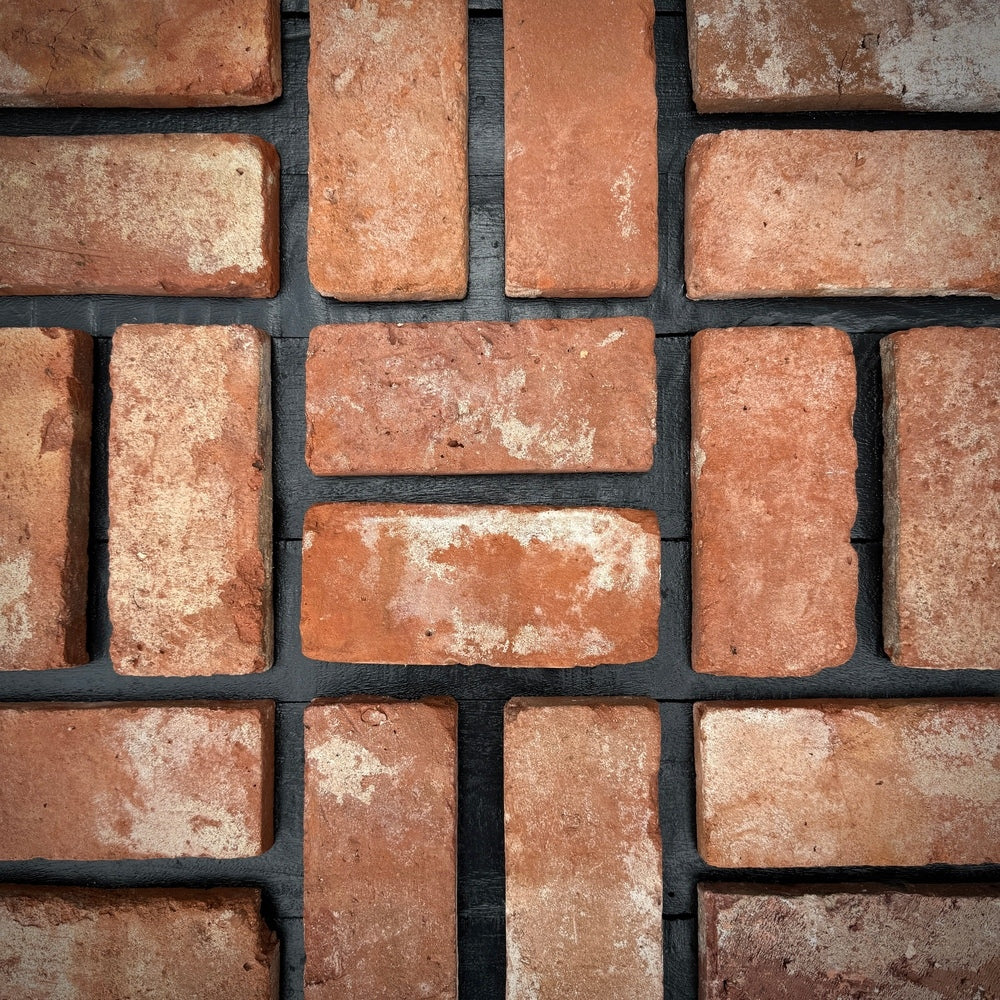
Reclaimed Flat No Frog Floor Brick Pavers
Reclaimed Flat No Frog Floor Brick Pavers are one of the most practical options for brick flooring. Their flat surface makes installation easier and helps create a more comfortable walking surface than bricks with deep frogs or recessed faces.
They work well in kitchens, hallways, mudrooms, wine rooms, patios, and covered porches. After installation, sealing helps preserve their aged texture while making everyday cleaning much simpler.
New York Reclaimed Thin Brick Floor Tile
New York Reclaimed Thin Brick Floor Tile is a smart choice when you want the appearance of historic full brick without adding as much floor height or structural weight. Each tile is cut from authentic reclaimed brick, so it retains the real color variation, wear, and surface texture that makes old New York brick stand out.
Thin brick floor tile is especially useful for renovations, basements, entryways, kitchens, and spaces where transitions into nearby rooms need to stay low. Treat the finished floor like any other brick surface: sweep regularly, mop lightly, and seal it once it is fully clean and dry.
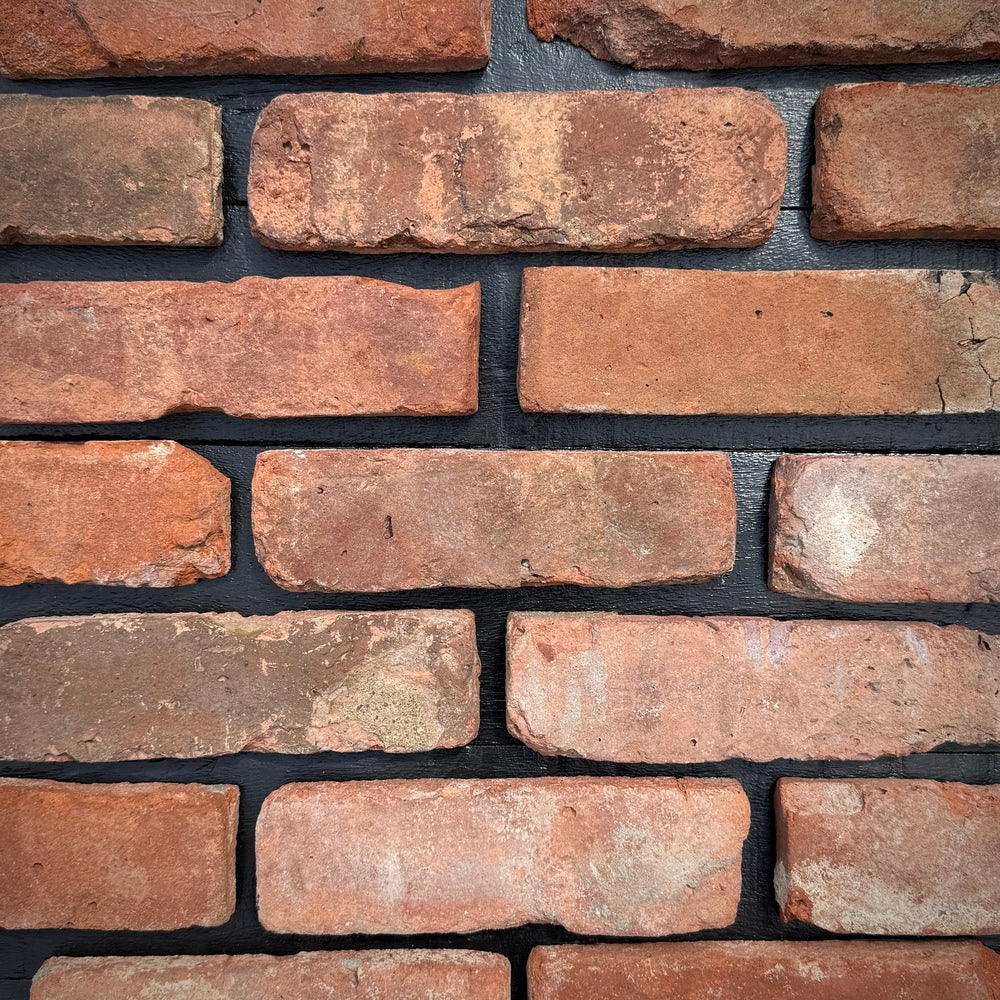
Reclaimed Red Bricks for Custom Floors
Reclaimed Red Bricks work well for custom floor layouts where a mason or installer can select flatter pieces during installation. Their warm reds, softened edges, and natural variation create the kind of floor that feels established from day one.
They are a strong fit for larger spaces, historic renovations, restaurant floors, garden rooms, and projects where full-depth brick is part of the design. For interior use, choose flatter pieces and use a suitable floor sealer after installation.
Reclaimed Antique Bricks for Feature Areas
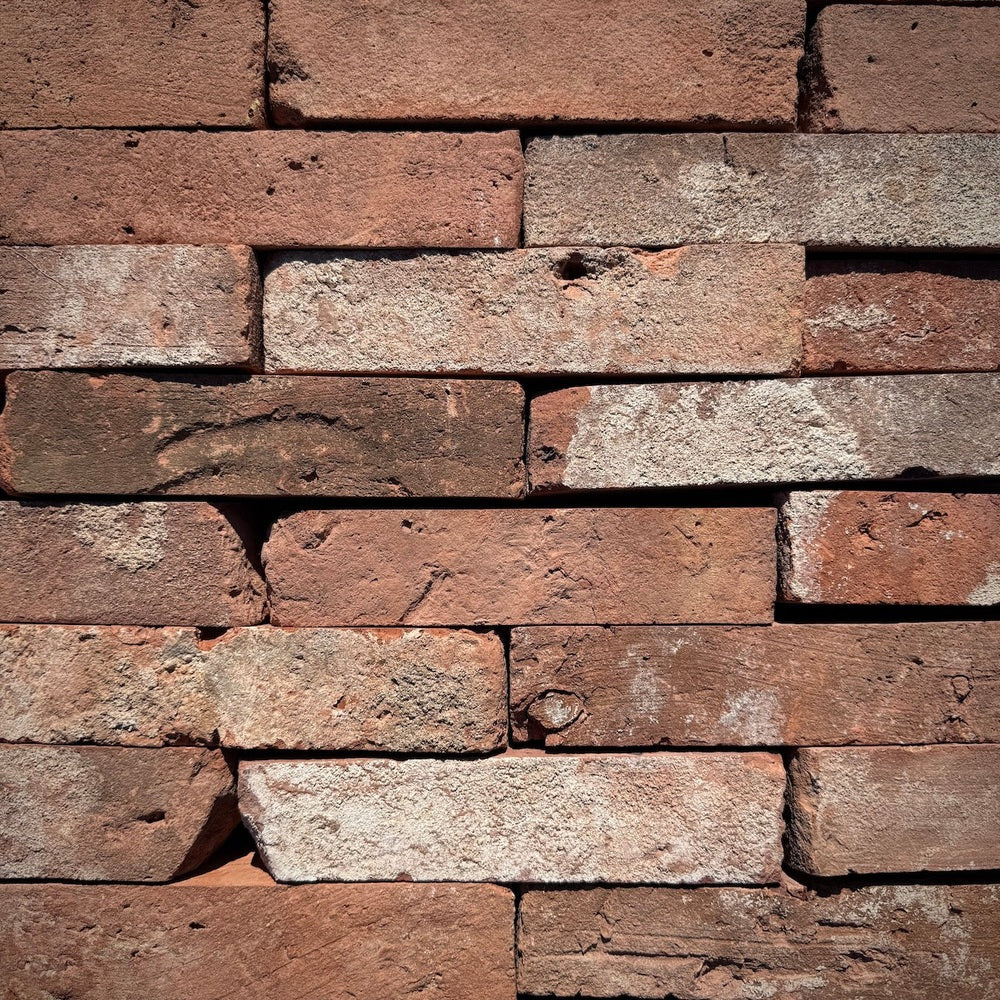
Reclaimed Antique Bricks Early to Late 1800s bring heavy age, deep patina, and hand-made character to a project. Because these bricks can vary more in texture and size, they are best used in feature areas rather than every square foot of a high-traffic floor.
Use them for a fireplace hearth, a small entry landing, a wine cellar, a bar floor, or a decorative inset within a larger brick paver layout. Their stronger variation creates a floor that feels personal, collected, and impossible to duplicate with new material.
Caring for Reclaimed Brick Floors
Reclaimed brick floors bring decades of character into a space, but that history also means each piece behaves a little differently than freshly fired brick. Older reclaimed brick, especially material salvaged from late-1800s and early-1900s buildings, can be softer and more porous. It deserves a gentler hand with cleaning solutions and a lighter touch with scrub brushes.
Flat, no-frog pavers made from reclaimed stock are popular underfoot because their smoother face holds up well to regular mopping and sealing. If you are working with reclaimed thin brick floor tile, treat it the same as full-depth reclaimed brick for cleaning purposes because the exposed surface has the same natural porosity and character.
Whichever reclaimed brick you choose, a quality sealer goes a long way toward protecting its patina while keeping your floor easier to maintain. That balance lets you enjoy all the warmth and history of old brick without making cleanup feel like a major project.
Common Mistakes to Avoid With Brick Floors
Knowing what not to do is just as important as knowing what to do. A few common mistakes can lead to damaged or permanently stained floors. Being mindful of these can save you a lot of headaches.
- Never use a wire brush or steel wool. They are too abrasive and can scratch or gouge brick surfaces.
- Do not use harsh acidic or alkaline cleaners, especially on sealed floors. They can discolor brick, damage grout, and wear away protective coatings.
- Avoid using too much water when mopping. Soaking the floor can lead to moisture stains, mildew, and weakened grout over time.
- Do not skip the rinse after scrubbing. Soap residue attracts dirt and can make the floor look dirty again quickly.
- Avoid waxes and oil-based polishes. They can make brick dangerously slick and are difficult to remove once they build up.
By avoiding these common mistakes, you can preserve the beauty and integrity of your interior brick for years to come. Clean brick is about using the right techniques just as much as it is about avoiding the wrong ones. A gentle approach is almost always best.
Conclusion
Brick floors bring history, texture, and warmth into a home in a way few materials can. While they need more thoughtful care than standard tile, keeping them clean is completely manageable once you establish the right routine.
Regular sweeping, careful damp mopping, and occasional deep cleaning will prevent most problems. When you understand whether the floor is sealed or unsealed, you can choose cleaning methods that protect its color, grout, and natural character.
Whether you have a reclaimed brick kitchen floor, a thin brick entryway, or a full-depth brick paver patio, gentle care will help it age beautifully. With the right material, a suitable sealer, and a simple maintenance routine, your brick floor can stay durable and distinctive for decades.


Share: