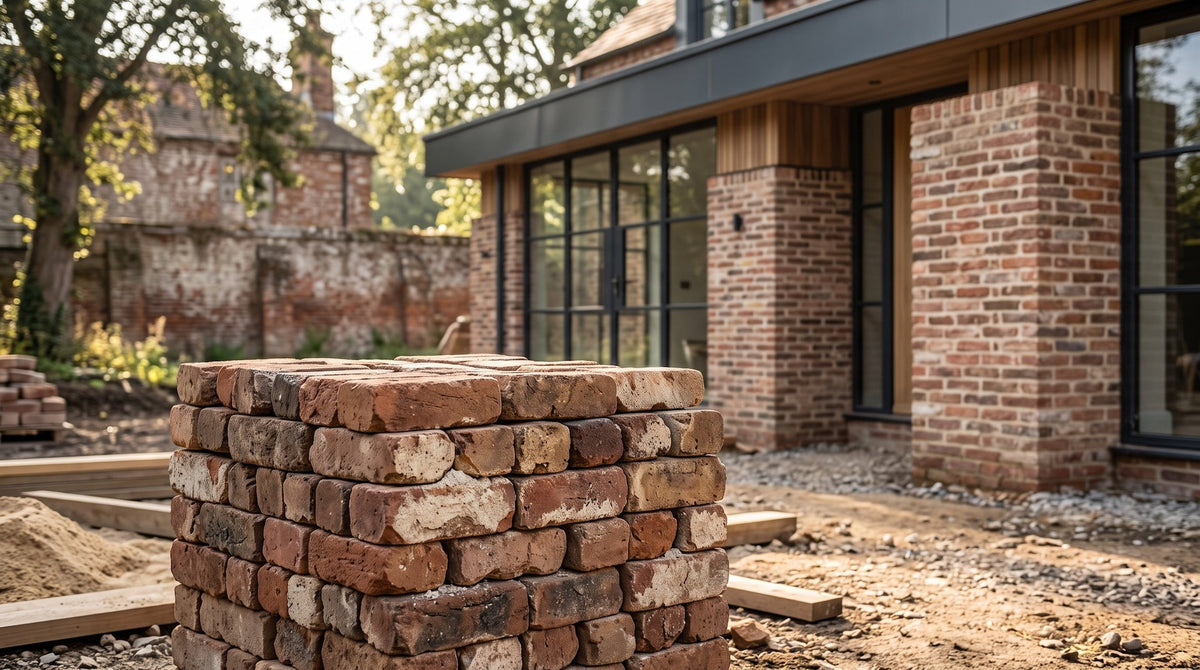
Pick up a reclaimed brick and you can feel where it has been. The faces are worn, the corners are softened, and there is often a trace of old lime in the texture. It is easy to see why people call it the green choice. But when a client, a planning board or your own conscience asks whether reclaimed brick is really better for the planet, you want an answer that holds up, not a slogan.
So here is the straight answer: in most cases, yes. A brick that already exists does not have to be made again, and keeping it in use keeps it out of the crusher and the landfill. But reclaimed brick is not automatically green in every project. How it is used, where it travels, and whether it suits the job all make a real difference.
Maybe you are a homeowner who wants your patio or fireplace to be a genuinely low-impact choice. You might be a designer or architect who needs to explain the choice honestly to a client. Or maybe you are a contractor who keeps hearing "reclaimed is greener" and wants to know where that is true and where it is a stretch. This guide breaks down where reclaimed brick clearly helps, what weakens the case, and how to make the choice count.
Table of Contents
- The Honest Answer at a Glance
- Why Reclaimed Brick Usually Wins
- Reuse Is Not Free
- Distance Matters for Any Heavy Material
- The Wrong Brick Is Never Green
- Ordering the Right Amount
- Building So the Brick Can Be Reused Again
- How to Judge a "Green" Claim
- Explaining the Choice to Others
- Is Reclaimed Brick Worth It for the Planet?
The Honest Answer at a Glance
If you only have a minute, this table sums it up. Reclaimed brick has a strong head start, but the way a project uses it decides how much of that head start survives.
| Question | Where reclaimed brick wins | What can weaken the case |
|---|---|---|
| Making the brick | The brick already exists. No new clay is dug or fired. | Nothing. This is reclaimed brick's biggest advantage. |
| Waste | Sound brick stays in use instead of being crushed or dumped. | Over-ordering, so spare pallets sit unused. |
| Getting it ready | Cleaned with hand tools, without chemicals. | It still takes handling, labor and trucking to the yard. |
| Getting it to you | Material from a nearby region travels less. | Any heavy material shipped a long way adds to its impact. |
| Fit for the job | The right brick in the right place can last for decades. | The wrong brick for the job can fail early and need replacing. |
| Future reuse | Laid in lime mortar, the brick can be saved again later. | Hard cement mortar makes the next round of salvage harder. |
Note: this is a plain comparison, not a carbon calculation. Projects that need measured figures should use a proper assessment by their project team.
Why Reclaimed Brick Usually Wins
The case for reclaimed brick starts with one simple fact: it already exists. The clay was dug, shaped and fired long ago. When you use a reclaimed brick, nobody has to make a new one for your project.
The second part of the case is what happens otherwise. A sound brick that is not saved is usually broken up, crushed for fill or hauled away. Putting it back into a wall, a floor or a path keeps a useful material doing useful work.
Reclaimed brick has also already proven itself. It has spent decades in real weather, and the bricks worth saving are the ones that came through intact. A material that lasts is a material you do not have to replace.
We cover this side of the story, and how lime mortar adds to it, in our sustainability story on reclaimed bricks and lime mortar. This guide looks at the other side: the trade-offs, and what you can do about them.
Reuse Is Not Free
It is tempting to think of reclaimed brick as having no impact at all. That is not quite true, and saying so makes the rest of the case more believable.
Bricks have to be taken out of a wall or a street, loaded, and moved to a yard. They have to be cleaned of old mortar and dirt, checked and sorted. Then they are stacked, palletized and shipped again. All of that takes labor, equipment and trucks.
The difference is that this work is mostly handling, not manufacturing. At Chief Bricks, every brick is checked by hand and cleaned with hammers, chisels and wire brushes, with no chemical treatments. That is slow, physical work, but it is a very different thing from digging fresh clay and firing it in a kiln.
So the honest version is not "reclaimed brick has no footprint". It is "reclaimed brick avoids making a new brick, and the work to reuse it is mostly hands and trucks". You can read more about that work in how we source, sort and clean reclaimed bricks.
Distance Matters for Any Heavy Material
Brick is heavy, and moving heavy things takes fuel. That is true of new brick, reclaimed brick, stone and concrete alike.
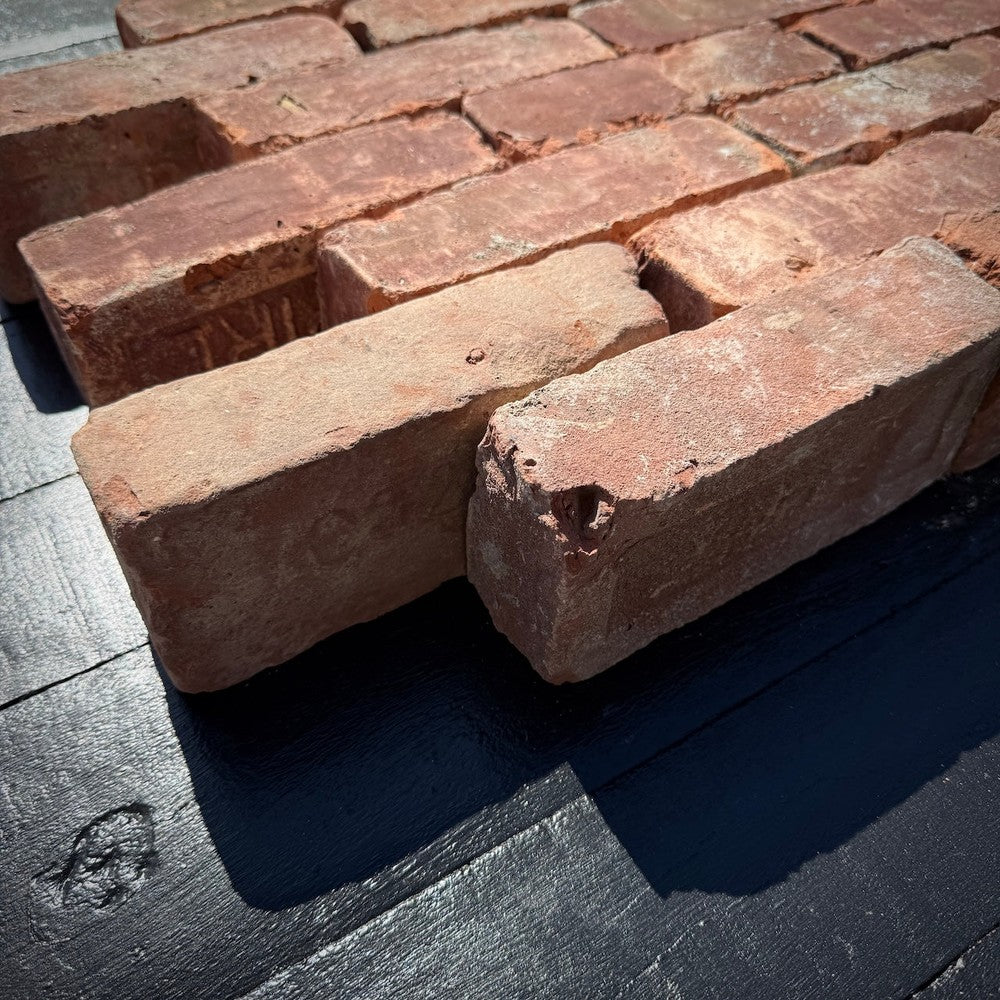
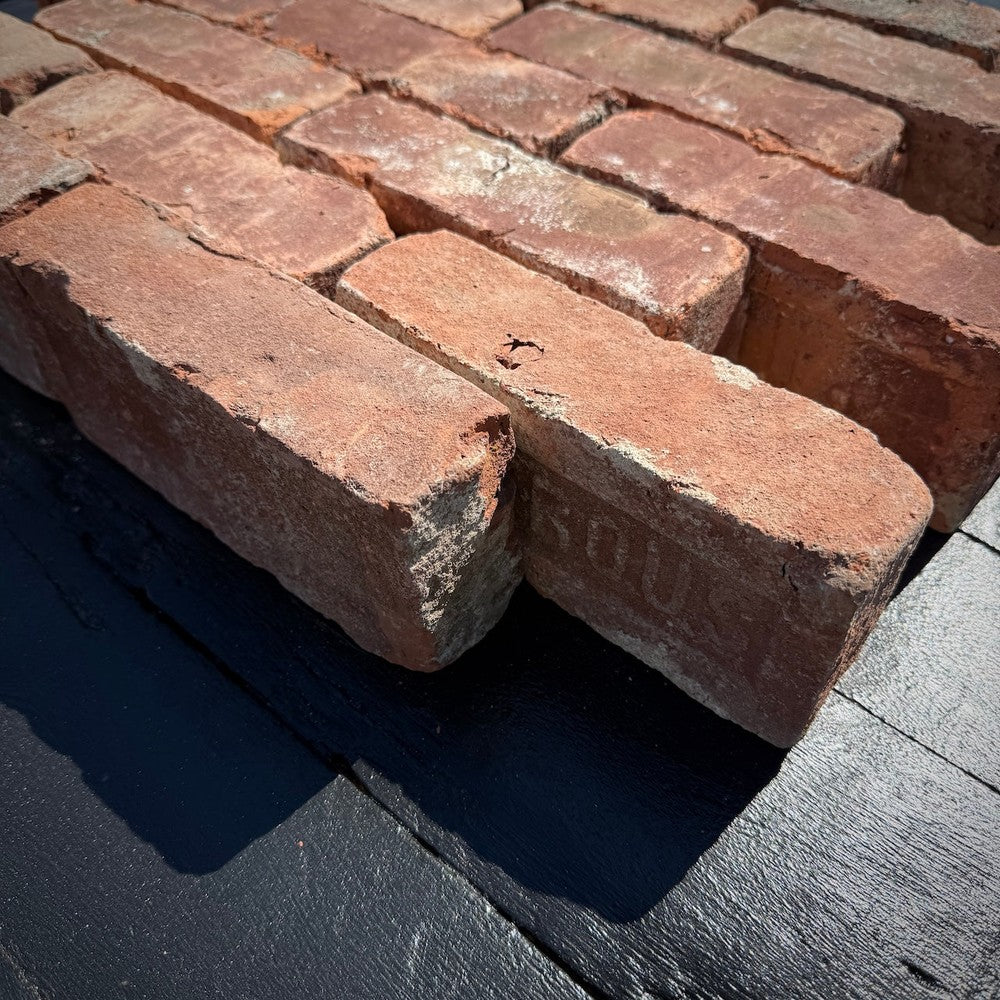
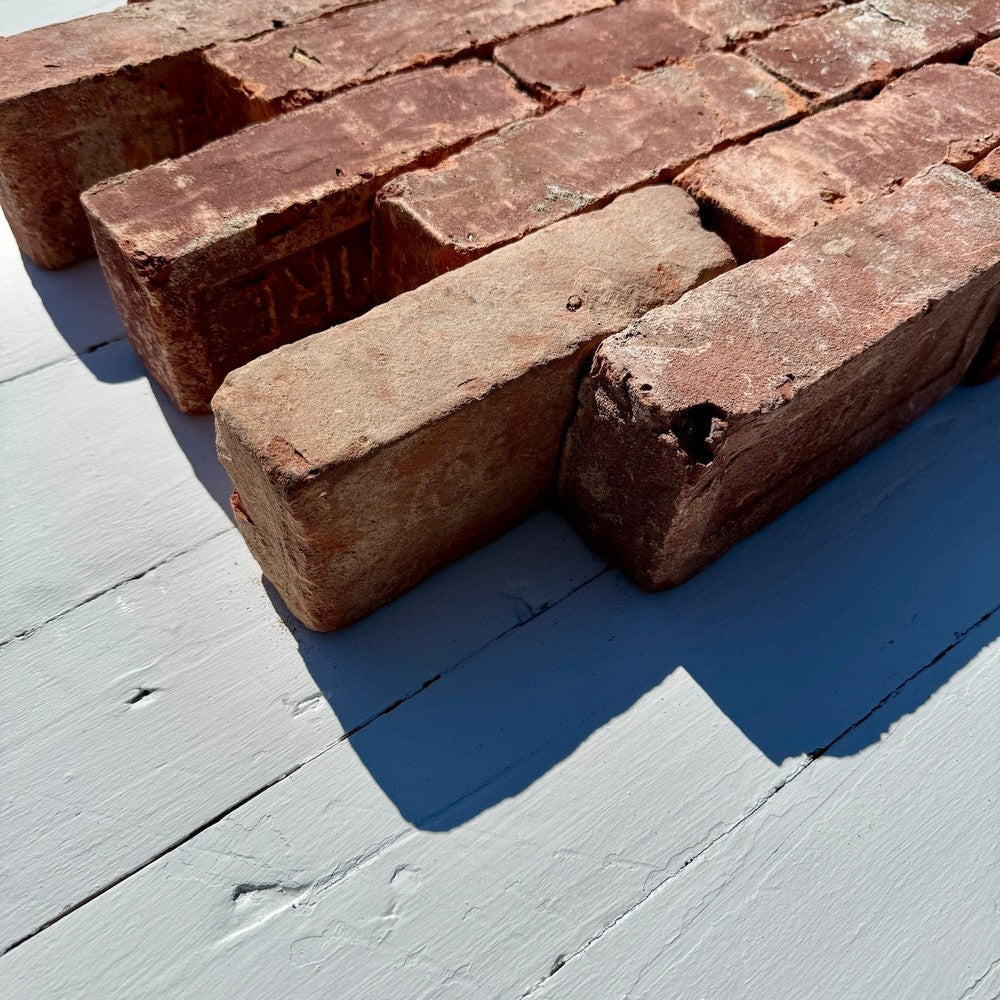
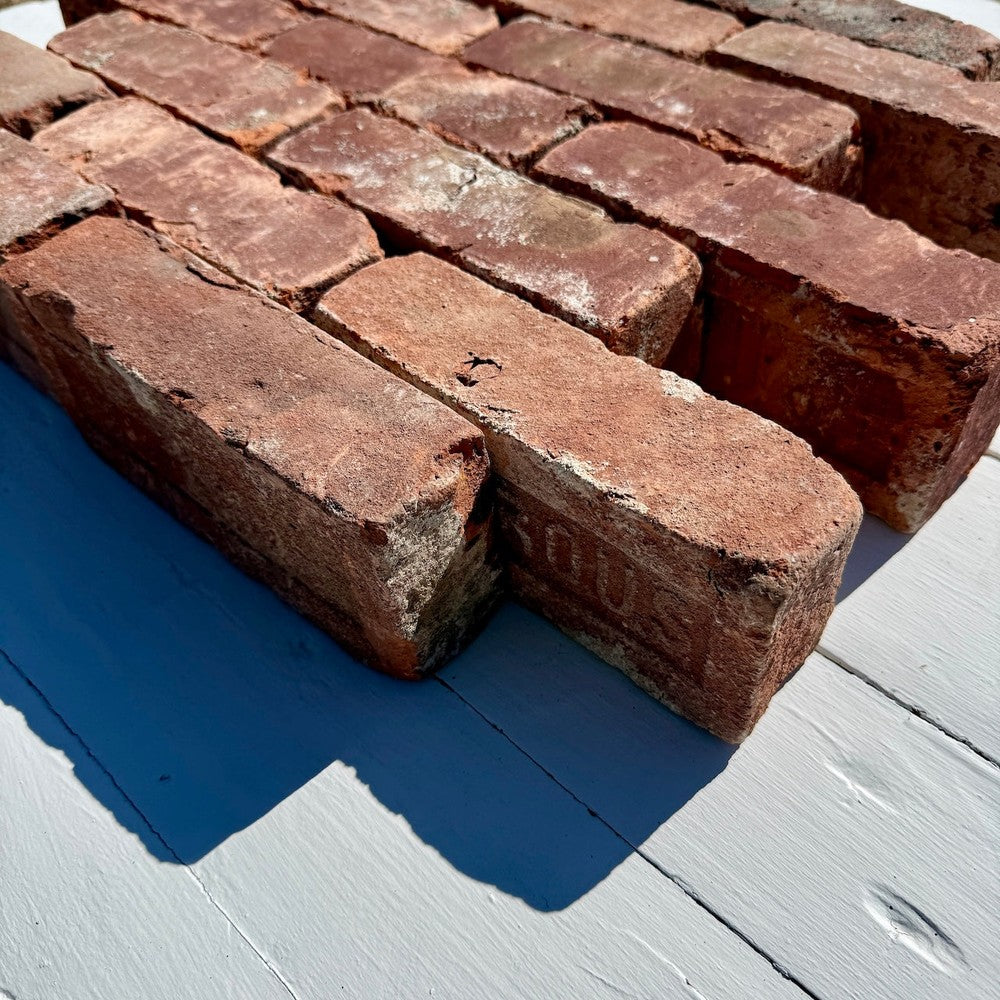
All of our reclaimed brick comes from the United States, and much of it from New York. Our New York reclaimed bricks were made in the Hudson Valley. For projects in the Northeast, that means the material has a relatively short trip from its old life to its new one.
We also ship nationwide, because many projects want a particular brick that is not available near them. In those cases, the trade-off is worth knowing. A long truck journey adds to the impact, as it does for any heavy material, new or reclaimed, so it is part of the picture.
The practical lesson is simple. Plan your order so it travels once: the full quantity, on as few deliveries as possible. Several small rush shipments add up faster than one well-planned one.
The Wrong Brick Is Never Green
The greenest brick is the one that stays in place for decades. The least green is one that fails early and has to be torn out and replaced, whatever its history.
That is why matching the brick to the job matters as much as choosing reclaimed in the first place. Dense street pavers were made to carry traffic, which is why our Reclaimed Flint Street Brick Pavers can be used for driveways. Our flat floor brick, on the other hand, is meant for patios, walks and interiors, not driveways. Building bricks suit walls, fireplaces, patios and walkways.
Use the wrong one and you may save the planet nothing at all. Tell us what the brick has to do before you order, and choose from there.
The same goes for installation. A good base, proper drainage and the right mortar are what let any brick, reclaimed or new, last. Cutting corners there undoes much of the good that reuse does.
Ordering the Right Amount
Quantity is one of the easiest places to lose the benefit of reuse, in both directions.
Order far too much and the spare pallets may sit unused, which wastes brick that someone else could have built with. Order too little and you may need a second shipment from a different batch, which can mean extra trucking and a mismatch in color or size on the wall.
The best approach is to measure carefully, add a sensible margin for cuts, breakage and future repairs, and order everything at once. Our Masonry Brick & Stone Calculator works out the quantity for you, and our guide on how many bricks you need explains how much extra to allow.
The spares you do keep are not waste. With reclaimed brick, a few matching bricks from the same batch are the easiest way to repair a wall or path years from now.
Building So the Brick Can Be Reused Again
Most of the older bricks we reclaim were laid in soft lime mortar. That is a big part of why they come free and clean up well, and why they could be reused at all.
If you want your wall to give the same gift to the next generation, lay it the same way. A breathable lime mortar lets the bricks be taken apart and reused again one day. It also suits reclaimed brick better while the wall is standing. Our guide on why reclaimed bricks need different mortar than new bricks explains why.
We carry Ecologic NHL 3.5 lime mortar for this job. It is not meant for thin brick or floors, which use thin-set and grout.
How to Judge a "Green" Claim
Many products are sold as sustainable, and it can be hard to tell which claims hold up. A few questions help sort them out, whoever you are buying from.
Is it really reclaimed? Some new bricks are made to look old. Reclaimed brick has had a real past life. Ask where it came from and what it was used for before.
What was done to it? Ask how the brick was cleaned. Ours is cleaned with hand tools and no chemicals.
Where does it come from? Ask what region the material came from, and how far it will travel to reach you.
Is it right for the job? A supplier who asks what the brick is for, and steers you away from the wrong product, is looking after your project and its footprint.
Is the claim specific? Be wary of big numbers with no explanation behind them. An honest supplier can explain what reuse does and does not do, in plain words.
Explaining the Choice to Others
If you are an architect, designer or contractor, you may need to explain reclaimed brick to a client, a board or a project team. The honest version is usually the most convincing.
Say what reclaimed brick avoids: making a new brick. Say what it keeps out of the waste stream: sound material that would otherwise be crushed or dumped. Then say what you are doing to protect that benefit: choosing the right brick for the job, ordering the right amount in one delivery, and laying it in lime mortar so it can be reused again.
For projects pursuing green building certification, reused materials can count toward material reuse credits in LEED v4 and v5, depending on the project and how the material is documented. Your project team decides what qualifies. Our guide on reclaimed bricks, stone and LEED v4 and v5 explains what to keep track of.
You are welcome to bring a client to see the brick in person at our yard in Nanuet, NY. No appointment is needed, but if you call ahead at (718) 379-1232, we will make sure you get our full attention.
Is Reclaimed Brick Worth It for the Planet?
Yes, in most projects. A reclaimed brick avoids the making of a new one and keeps a sound material in use. That is a real benefit, and it does not depend on any marketing.
The benefit is not automatic, though. Long shipping, the wrong brick for the job, over-ordering and hard cement mortar can all chip away at it. Choose the right brick, order it once, lay it in lime, and you keep most of the advantage reuse gives you.
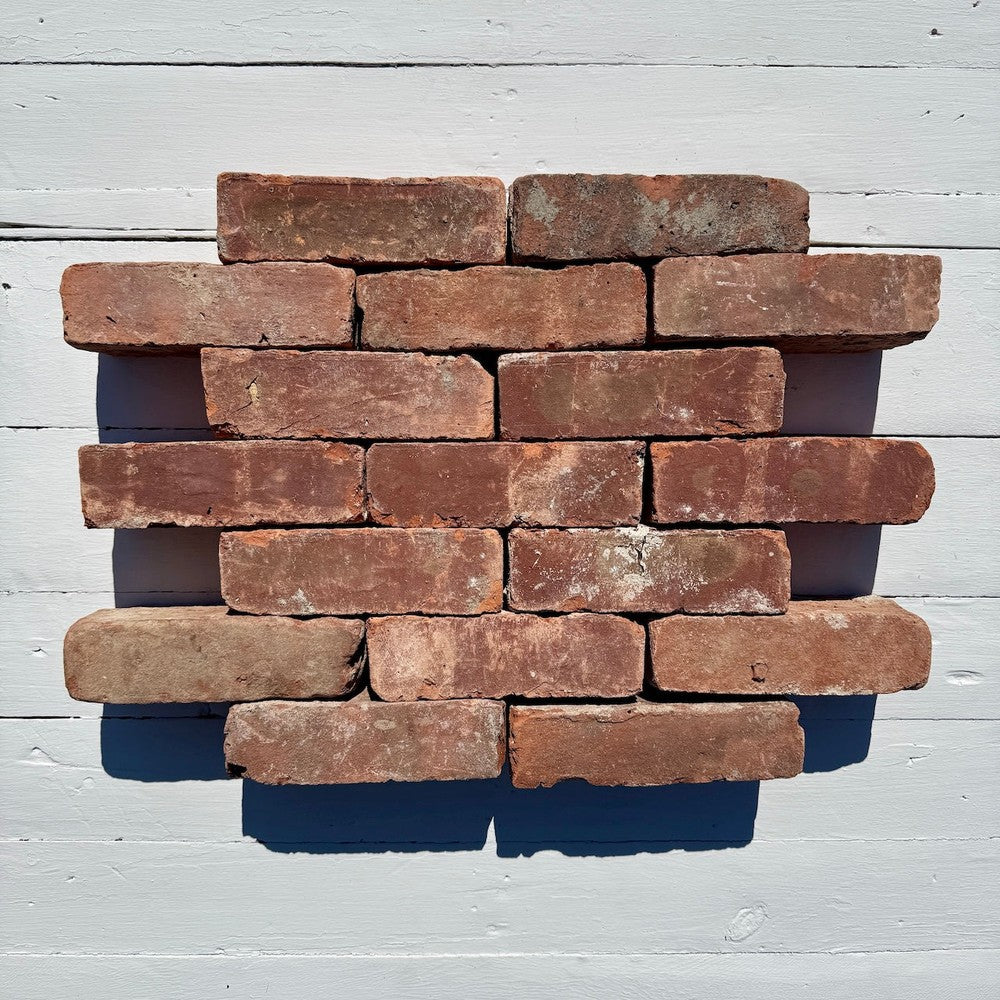
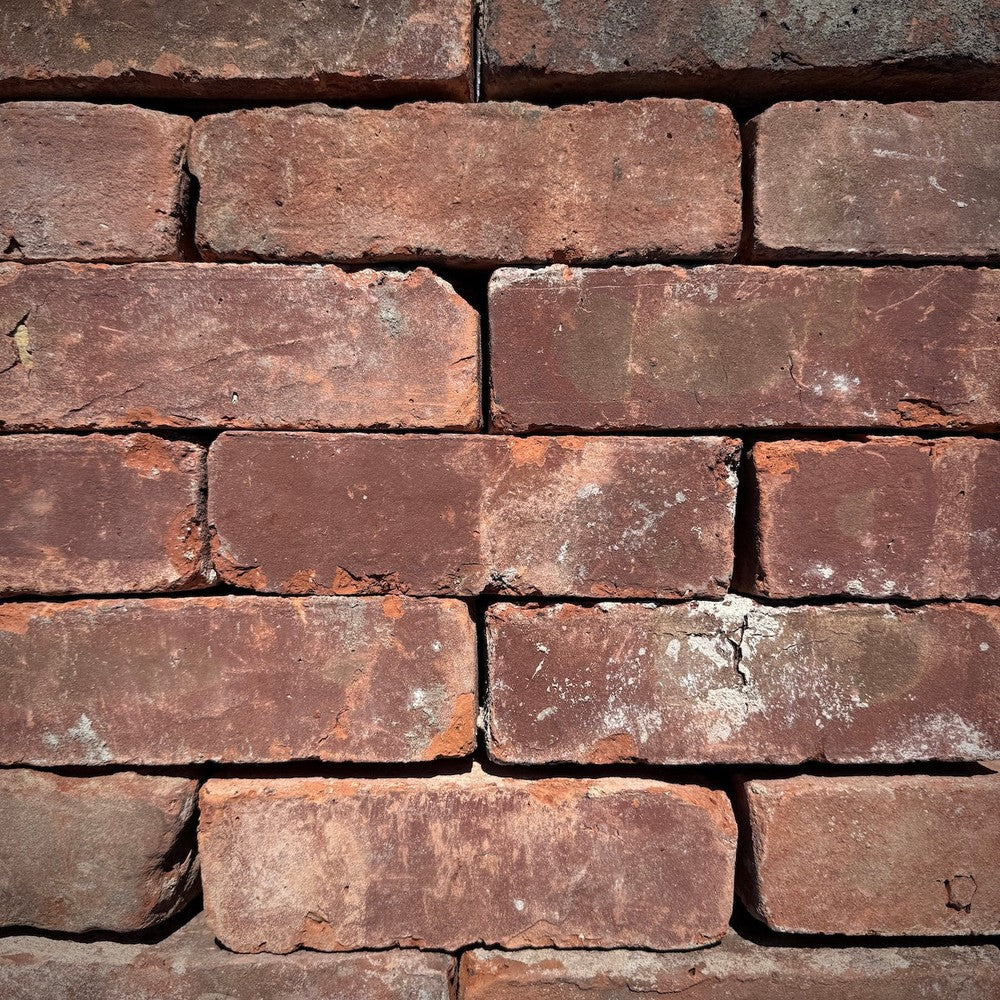
If you want to start with a brick that has already proven itself, look at our Reclaimed NY Red Bricks, or call us at (718) 379-1232 to talk through what your project needs.

Share: