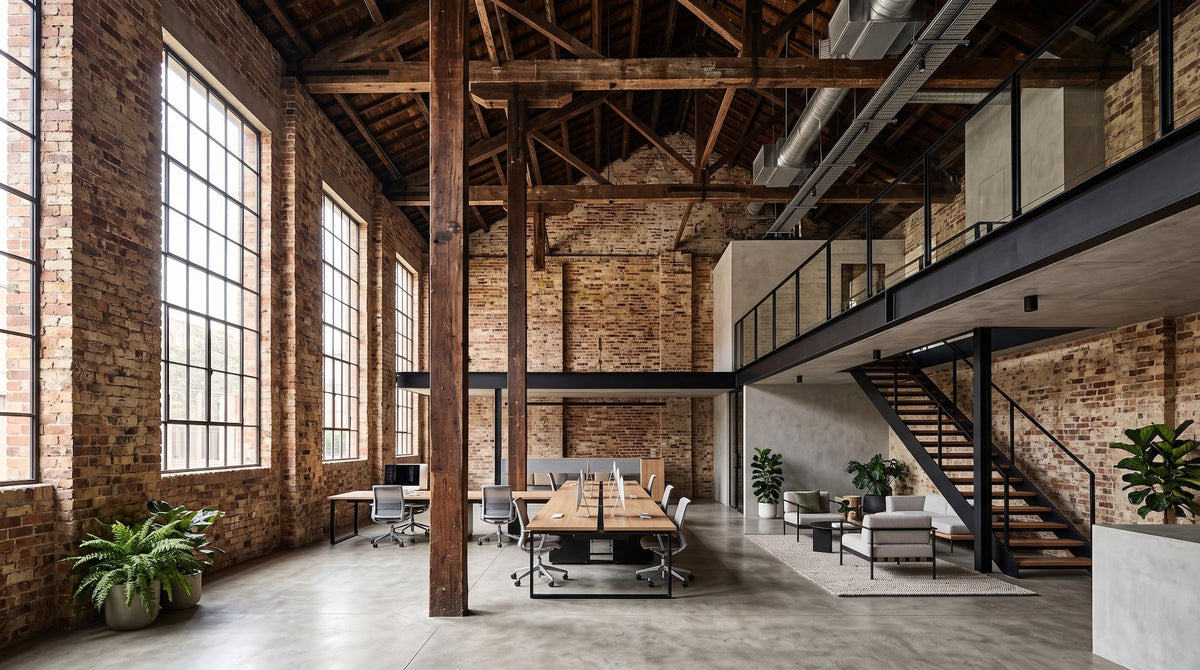
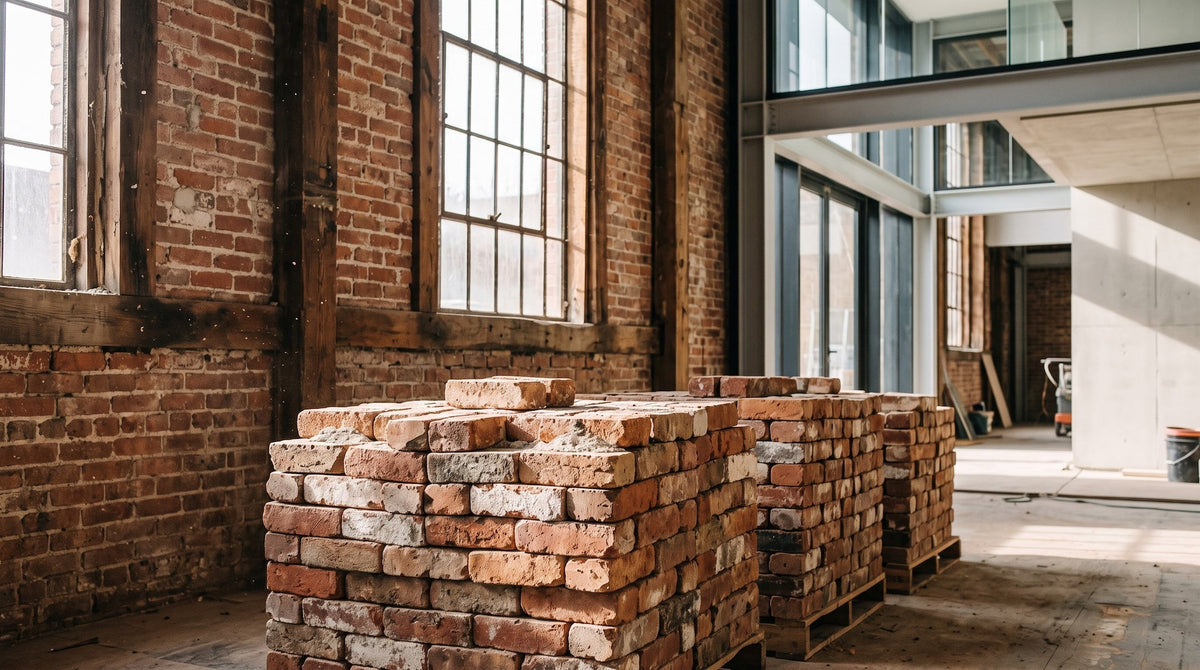
Step inside an old brick warehouse and the building does the talking. Heavy timber beams run overhead, the walls are a patchwork of reds and browns, and light falls through tall windows onto floors that once carried crates and carts. When a building like that gets a new use, the hardest part is not the new work. It is keeping what makes the old building worth saving.
That is the real challenge of adaptive reuse, the practice of giving an old building a new purpose instead of tearing it down. It shows up at every scale, from a full city block in Manhattan to a carriage house turned into a home office. And whenever new work has to sit next to old brick, the same question comes up: how do you add to the building without making it look fake?
Maybe you are a homeowner turning an old brick garage, barn or storefront into living space. You might be a designer or architect working on a loft, a restaurant or an extension to an older building. Or maybe you are a contractor who needs new masonry to sit comfortably beside walls that are a century old. This guide breaks down how big brick buildings keep their character when they change use, and how to use reclaimed brick so new work looks right next to the old.
Table of Contents
- Keeping Character at a Glance
- A New York Example: Terminal Warehouse
- Let the Old Brick Lead
- Make the New Work Look New
- When You Need More Brick
- Joints and Mortar: The Details That Give It Away
- Brick Inside a Converted Building
- Lessons for Smaller Projects
- Working in a Historic District
- Planning and Ordering
- Is Reclaimed Brick Worth It in Adaptive Reuse?
Keeping Character at a Glance
Most of the choices that keep or lose an old building's character are small ones, made again and again. This table shows the common ones.
| Decision | Keeps the character | Loses the character |
|---|---|---|
| Existing brick walls | Cleaned gently, repaired and left visible | Covered with drywall or painted over |
| New additions | Clearly modern, in glass, steel or concrete | New brick dressed up to imitate the old |
| Repairs and infill | Reclaimed brick close in color, size and texture | New brick that is too even, too bright or the wrong size |
| Joints | Matching the existing joint width and finish | Wide, flat or gray joints that frame every brick |
| Mortar | A breathable lime mortar suited to old brick | A hard cement mortar that works against soft brick |
| Interior walls | Real brick, full or thin, with genuine wear | Printed panels or faux brick |
Note: every building is different. Your architect, mason and, in a historic district, your local preservation office decide what is right for a specific project.
A New York Example: Terminal Warehouse
On Manhattan's west side, Terminal Warehouse shows adaptive reuse at full scale. It was built in 1891 as 25 separate "stores", together filling the block between Eleventh and Twelfth Avenues and West 27th and West 28th Streets. It sits in the West Chelsea Historic District, designated in 2008.
The building is being converted from storage into offices with shops on the ground floor. It covers about 1.2 million square feet, with about 3.2 acres of masonry facade.
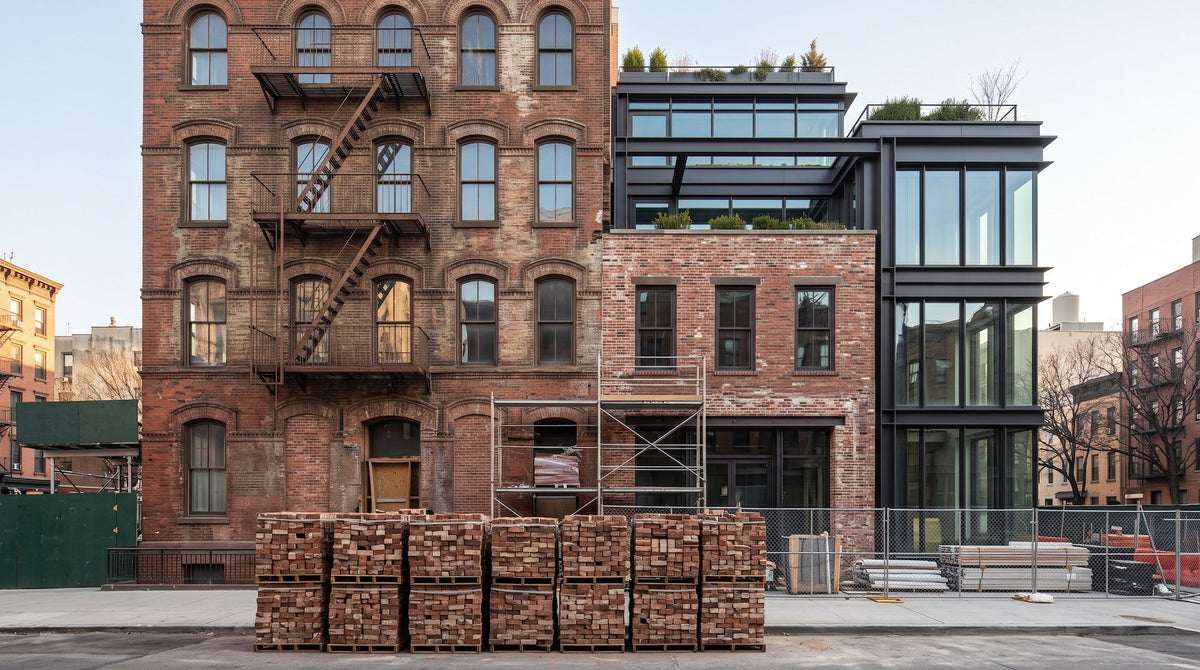
What makes it a useful example is how the work treats the old building. The brick, timber, windows and iron are being restored and put on show rather than hidden. The seven existing brick-and-beam floors stay, six new floors of glass and concrete go on top, and a central courtyard is cut out to bring in light.
In other words, the old part looks old and the new part looks new. Neither pretends to be the other. That simple idea is the most useful lesson for any project, whatever its size.
Let the Old Brick Lead
The first rule of keeping character is to keep what is already there. Old brick walls are often the strongest feature a building has. The color variation, worn faces and old marks took decades to form, and they cannot be added later.
That means resisting the urge to cover them. Drywall, paint and cladding can make a space look tidy, but they hide the very thing that makes it feel like an old building. Where walls are sound, clean them gently, repair what needs repairing and leave them visible.
Gentle is the key word. Harsh cleaning methods can strip away the surface that makes old brick special. The goal is to remove dirt and loose material, not to make the wall look new.
Where repairs are needed, repoint failing joints and replace damaged bricks rather than rebuilding whole sections. Our guide on how to repoint reclaimed brick with NHL 3.5 walks through the process.
Make the New Work Look New
It sounds backward, but one of the best ways to protect an old building's character is to let new additions look clearly modern. Glass, steel and concrete next to old brick create a contrast that makes both look better.
Problems start when new work tries to pass as old. A new wing in bright, perfectly even brick, with machine-sharp corners and uniform color, rarely looks original. Next to a century-old wall, it tends to look like a copy, and it can make the real thing look tired.
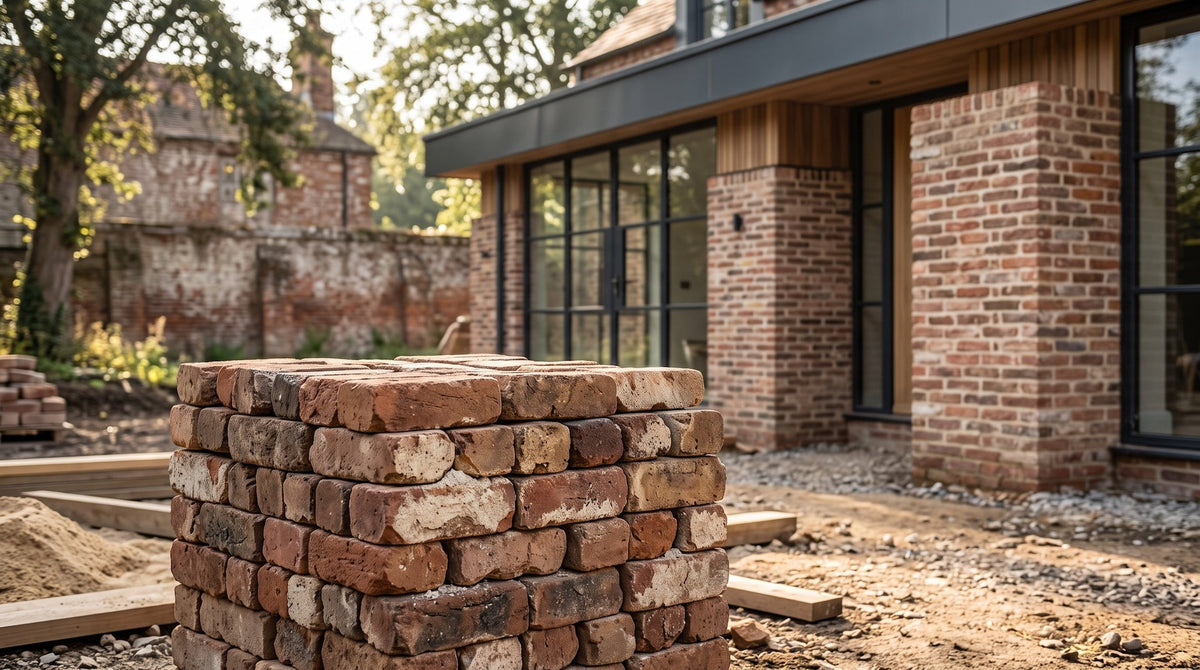
The choice for most projects is between two honest options. Either the new part is plainly new, or, where brick is the right material, it is built with brick that has the same kind of age and character as the old walls. That is where reclaimed brick earns its place.
When You Need More Brick
Almost every adaptive reuse project needs some brick. Openings get filled in, damaged areas get rebuilt, and new walls go up inside or next to the old building. The brick you choose for that work decides whether it blends in or stands out.
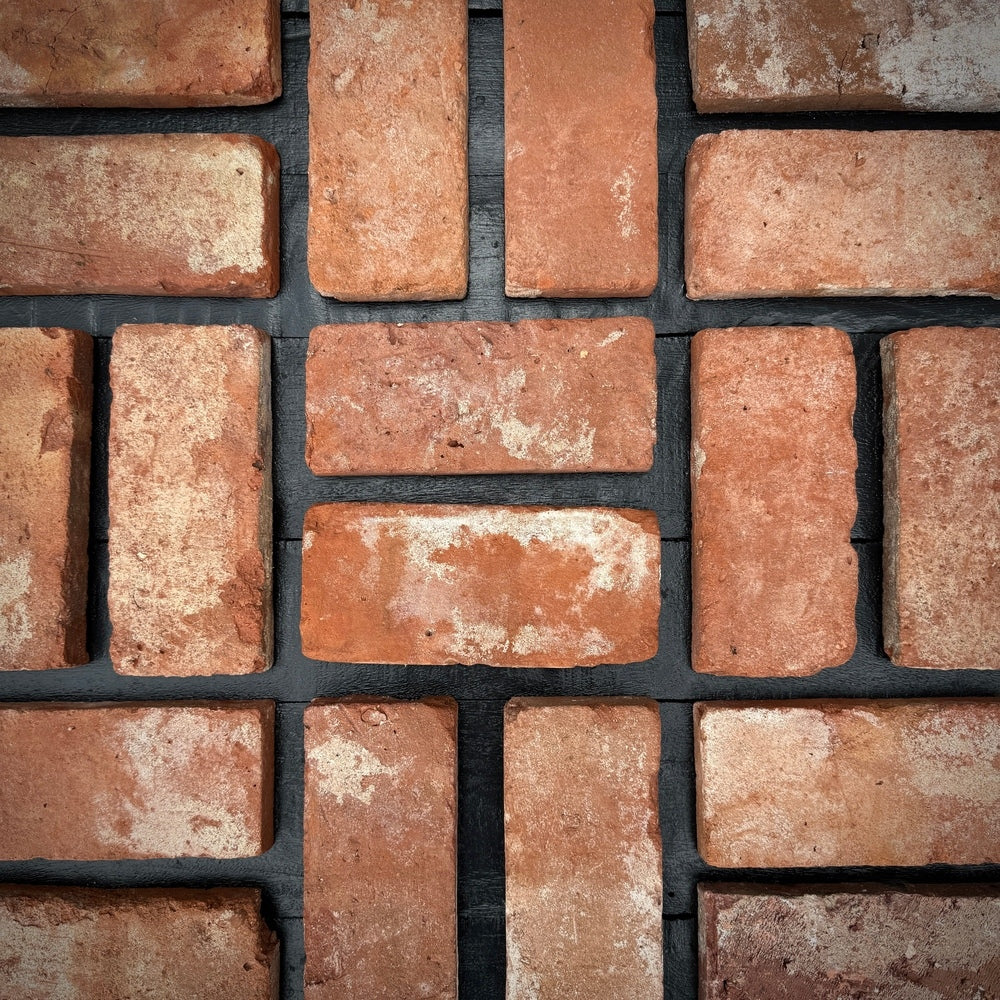
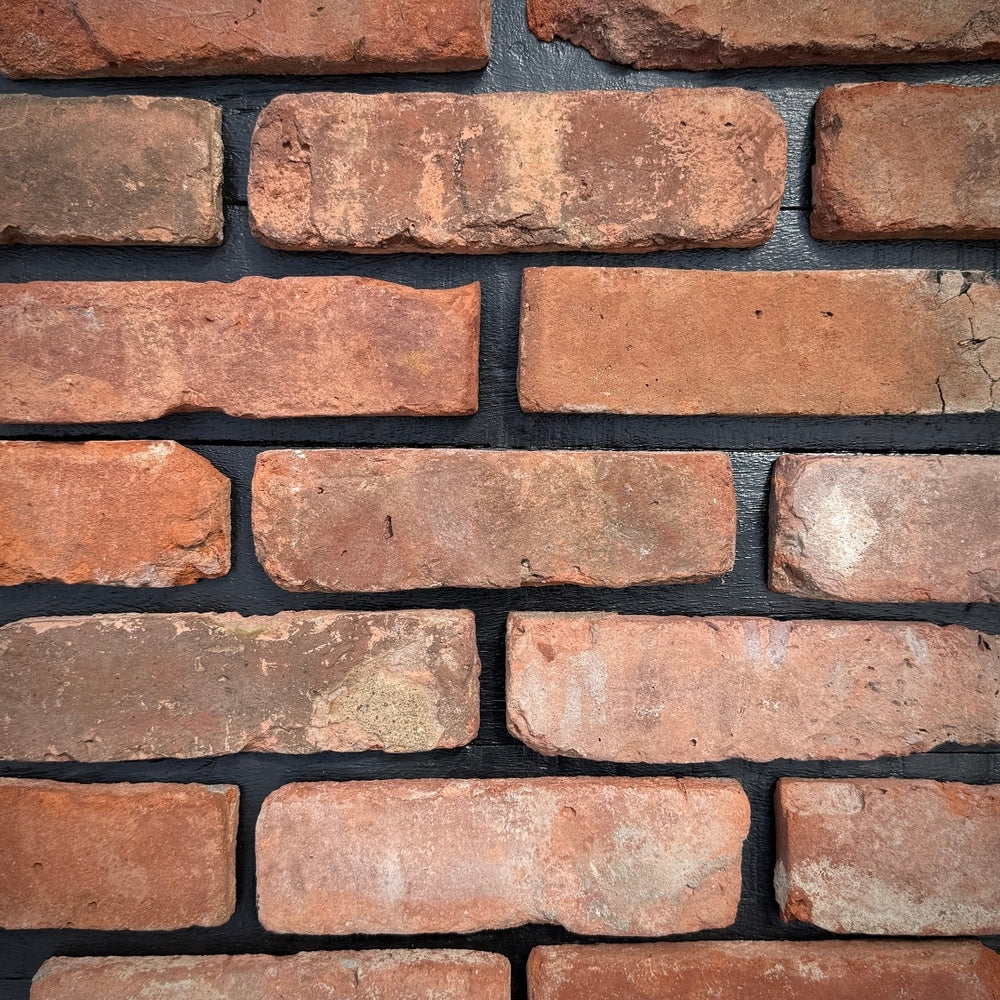
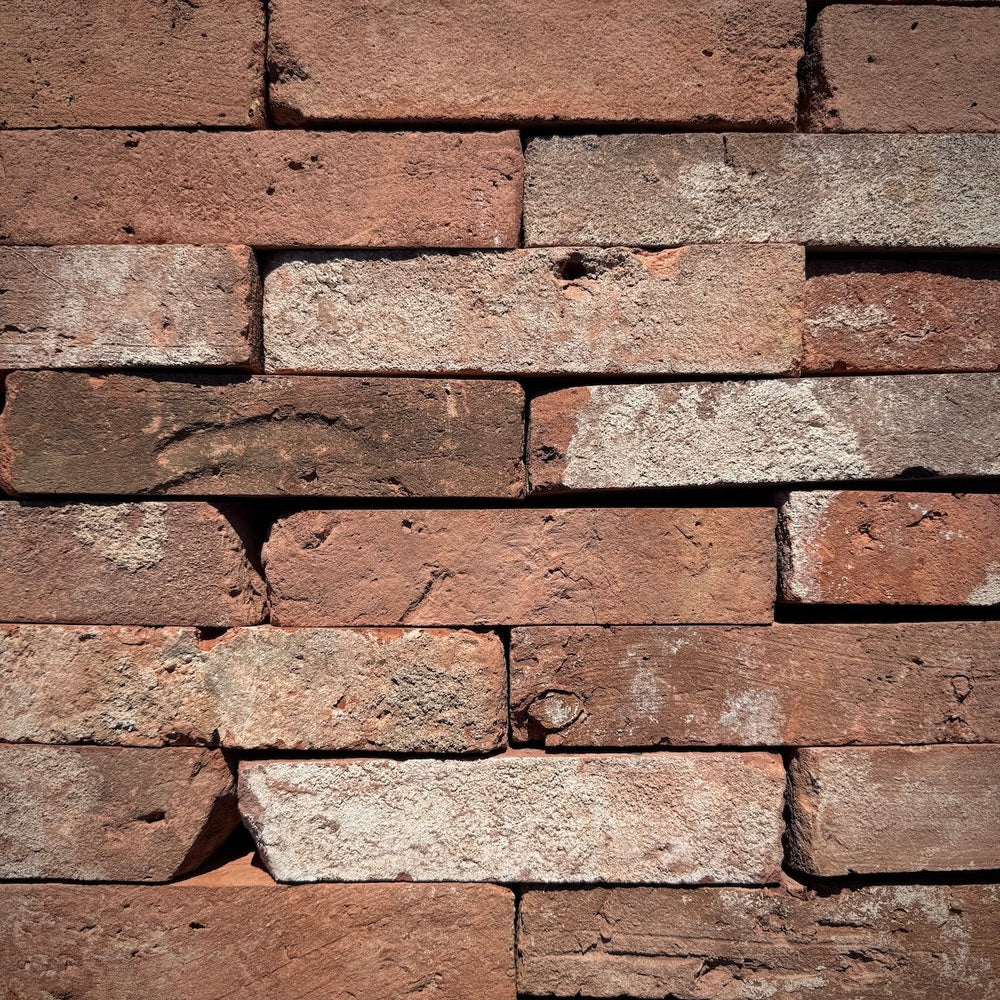
Reclaimed brick is the natural fit, because it has already lived the same kind of life as the walls around it. Our New York reclaimed bricks were made in the Hudson Valley and come out of older buildings and streets.
When choosing brick to sit next to existing walls, look at three things in this order. First, size: a brick that is the wrong height or length throws off the coursing and is obvious from across the street. Second, color range: match the overall mix of the wall, not a single brick. Third, texture: worn faces and softened corners blend in, while crisp edges stand out.
The best way to judge a match is to see the brick in person, next to a photo or a sample of the existing wall. Pictures are an indication only, and every brick is a little different. You are welcome to visit our yard in Nanuet, NY. No appointment is needed, but if you call ahead at (718) 379-1232, we will make sure you get our full attention. Many of our bricks are also available as a small sample by priority mail.
Joints and Mortar: The Details That Give It Away
New masonry often gives itself away not through the brick but through the joints. A joint that is too wide, too flat or the wrong color frames every brick and makes new work obvious from a distance.
Before any new work starts, look closely at the existing joints. Note how wide they are, how they are finished, and whether they sit flush, recessed or struck. Matching those details does more to make new work blend in than almost anything else.
The mortar itself matters too. Older brick was usually laid in soft lime mortar, and a breathable lime mortar suits reclaimed and older brick far better than a hard cement mix. Our guide on why reclaimed bricks need different mortar than new bricks explains why.
We carry Ecologic NHL 3.5 lime mortar for laying reclaimed brick. It is non-pigmented and coarse, for joints of 3/8 inch and wider. It is not meant for thin brick or floors, which use thin-set and grout.
Bond pattern is the last detail to check. If the existing walls are laid in a particular bond, new work in the same bond will read as part of the building. Our guide to brick bond patterns shows the common ones.
Brick Inside a Converted Building
Many adaptive reuse projects need new brick inside the building as well: a feature wall in a new office, a bar in a former warehouse, or a kitchen wall in a converted loft. Here, full brick is not always practical. Floors and framing in an existing building may not be designed for the weight, and every inch of floor space counts.
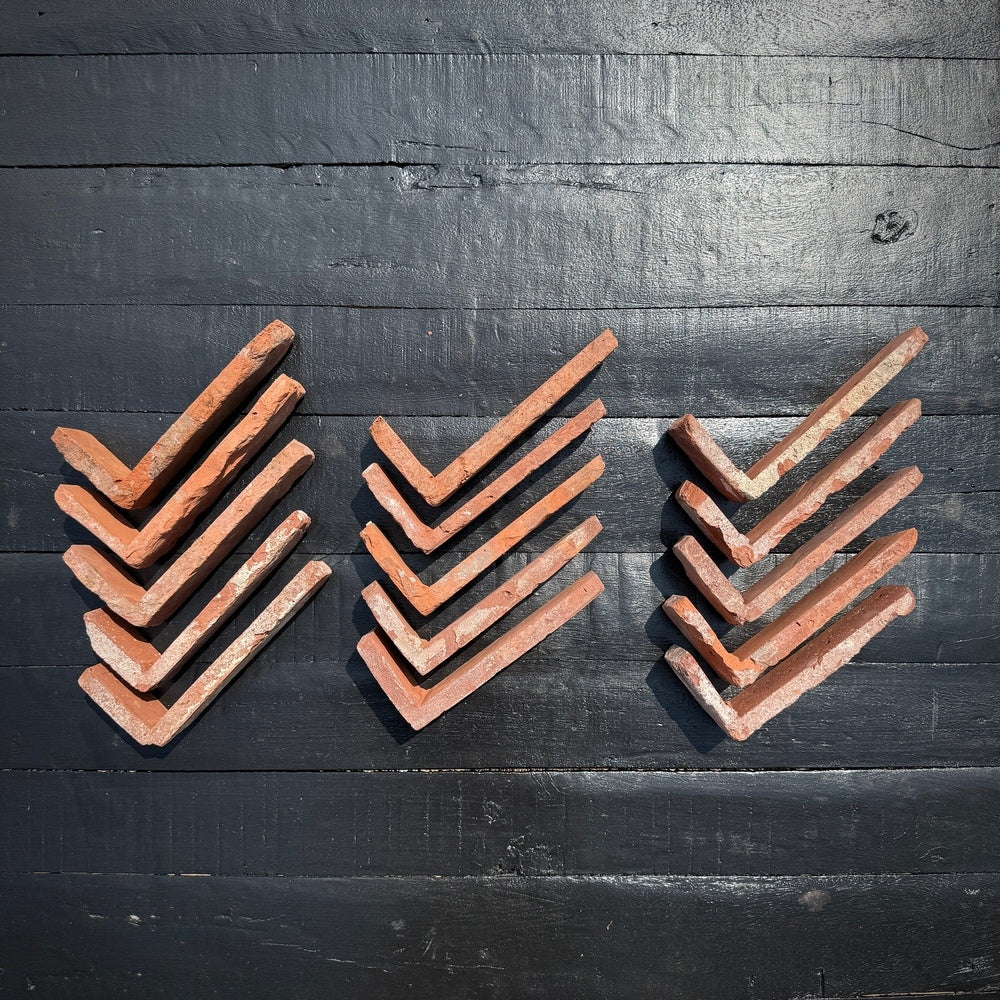
That is where thin brick wall veneer comes in. Our Reclaimed NY Thin Brick Wall Veneer is cut from reclaimed full brick, so it has the same worn faces, softened corners and natural color variation. The standard thickness is 3/4 inch, and a 1/2-inch cut is available to order, with a longer wait. For outside corners, our Reclaimed Thin Brick Wall Corner Veneer keeps the look of full brick at the edge.
Thin brick wall veneer is for walls, not floors. Our guide to reclaimed thin brick veneer covers where it works best and how it is installed.
Lessons for Smaller Projects
You do not need a city block to use these ideas. The same thinking works for a carriage house, a corner store, a mill building or a brick garage.
Keep the walls you have and show them off. Let new work look new where it can. Where you need more brick, use reclaimed brick that matches the old in size, color range and texture, and pay close attention to the joints.
Hotels and restaurants often use exactly this approach to give a renovated space a sense of history. Our project story on Chief Bricks at The Sohotel shows how reclaimed brick helped a historic Manhattan hotel keep its character through a renovation.
Working in a Historic District
If your building is in a historic district, or is a landmark in its own right, changes to the outside may need approval before work starts. In New York City, that means the Landmarks Preservation Commission. Other towns have their own commissions or review boards.
The rules depend on the building and the district, so check with the right office early, before materials are ordered. Bring photos of the existing walls and samples of the brick you plan to use. Keep a record of what you install.
We cannot tell you what a commission will approve, and no material guarantees an approval. But reclaimed brick of the right size, color and texture gives you a strong starting point for that conversation.
Planning and Ordering
Reclaimed brick varies from batch to batch, so the most important planning step is to order your full quantity at once. That keeps color and size consistent across the job and leaves you matching spares for future repairs.
For walls, full brick and thin brick wall veneer both come to about 6.98 pieces per square foot with a 1/4-inch joint. Add about 10% for simple layouts and 12% to 15% for complex ones with many cuts, openings or corners. Our Masonry Brick & Stone Calculator does the math for you.
Add the Reclaimed NY Thin Brick Wall Veneer to your cart and enter your address for a shipping quote. If it looks too high, call us at (718) 379-1232; we sometimes have alternative ways to get your Reclaimed NY Thin Brick Wall Veneer to your door for a more reasonable price.
Is Reclaimed Brick Worth It in Adaptive Reuse?
For most projects that add brick to an older building, yes. Reclaimed brick has the age, color variation and texture that new brick cannot copy, so new work can sit beside old walls without looking fake. And it keeps a sound material in use, which suits the whole idea of reusing a building.
The trade-offs are worth planning for. Matching takes care, reclaimed supply varies from batch to batch, and joints and mortar need as much attention as the brick itself. In a historic district, approvals come first.
If you are planning new brickwork in an older building, start with our Reclaimed NY Thin Brick Wall Veneer for interior walls or our Reclaimed NY Red Bricks for full masonry, or call us at (718) 379-1232 to talk it through.
Share: