

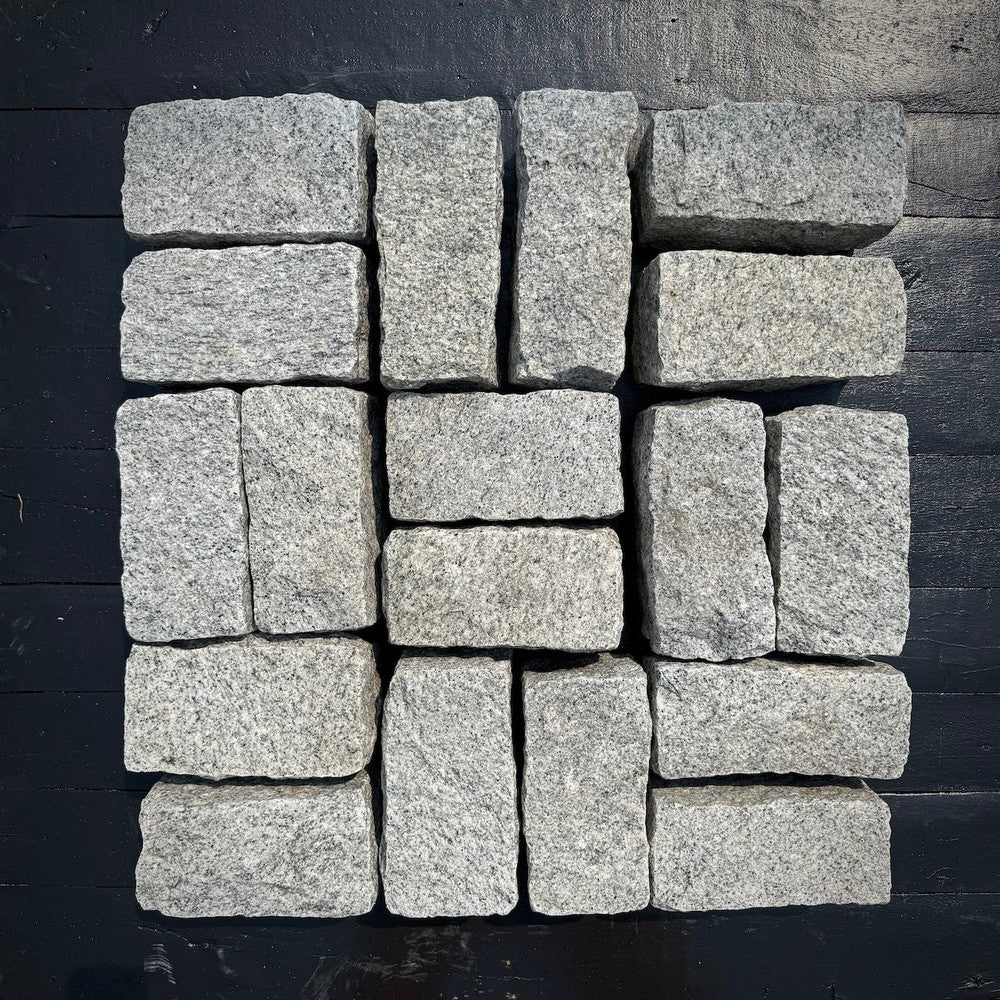
Granite Belgian blocks have a reputation for being “set and forget”, and to be fair, they mostly are. Once they’re sitting on a solid base, those heavy blocks don’t need constant attention or complicated products to keep doing their job. But just like any hardscape, a few small habits go a long way toward keeping them clean, safe, and looking intentional years after they were installed.
This guide breaks maintenance down into simple routines you can actually stick to: quick weekly habits, seasonal checkups, easy cleaning methods, and the right moment to call in a crew instead of fighting with a problem on your own. The goal isn’t perfection; it’s keeping your granite Belgian blocks working as quietly and reliably as the day they were set.
Maybe you are a homeowner with a new Belgian block border and want to keep it looking the way it did on day one. You might be a designer who wants to tell clients honestly what upkeep to expect. Or maybe you are a contractor or property manager looking for a simple care routine to hand over at the end of a job. The habits below work for all of you.
Granite is one of the hardest, most stable stones you can use in a landscape. It doesn’t soften in the rain, fade quickly in the sun, or soak up every stain that lands on it. That’s a big part of why granite blocks were used for streets and heavy traffic zones in the first place: they can take abuse and keep going. (Those old street stones are what we sell as reclaimed cobblestones; today’s Belgian blocks are newly quarried. Here is the difference between cobblestone and Belgian block.)
Most of the “maintenance” you’ll do has less to do with the stone itself and more to do with what’s around it — joints, surrounding soil, and whatever ends up sitting on the surface. When you think of Belgian block care as protecting the installation rather than babying the granite, the to‑do list gets much shorter and more manageable.
Day‑to‑day, granite Belgian blocks don’t ask much from you. A bit of basic housekeeping keeps dirt, organic matter, and weeds from gaining a foothold, which helps the joints stay full and the stone stay visible rather than buried.
These small habits take minutes, but they prevent bigger issues like stubborn staining, moss buildup, and loose, hollow joints that are much harder to fix later.
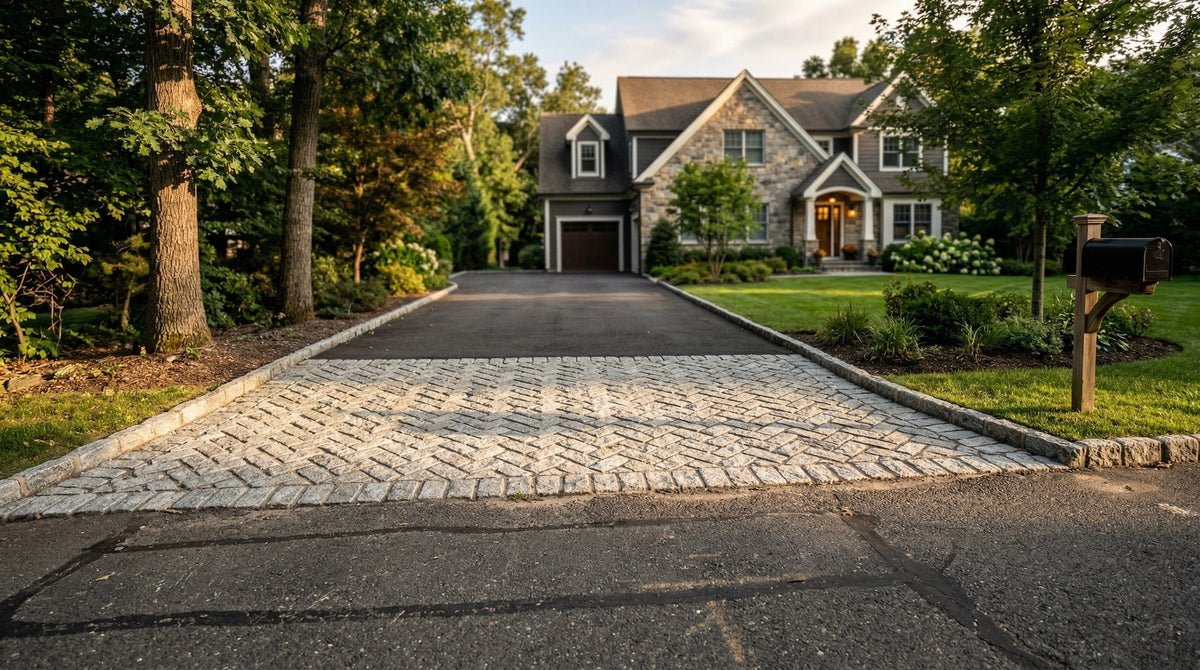
Even in moderate climates, seasons put different kinds of stress on stone borders, edging, and paved areas. Spring is usually when you see what winter left behind: a little joint loss here, a settled block there, maybe a light film from de‑icing products near the driveway.
Most of the time, these seasonal tweaks are simple: top up some sand, reset a stone or two, and rinse away residues. Leaving them alone for years is when you start to see wobbly blocks and larger sections shifting out of alignment.
Granite doesn’t love harsh chemicals, and the joints around it definitely don’t. The good news is that you usually don’t need aggressive cleaners to get Belgian blocks looking fresh again. A gentle, methodical approach is safer and more than enough in most situations.
Avoid acid‑based products, harsh bleach, or highly abrasive pads on granite Belgian blocks. They often do more harm to the finish and joints than good, especially when used repeatedly in the same spots. Sealing isn’t needed either; seal only if you want a wet look or extra stain protection near a grill or outdoor kitchen.
Joints do a quiet but important job: they help lock the blocks together, support their edges, and manage how water moves through the surface. When joints wash out or break down, you’ll usually feel it first underfoot or under tires before you really see it.
Small, targeted fixes like this are well within reach for most homeowners and keep a minor issue from turning into a bigger repair later on.
Cold‑weather care is mostly about protecting the joints and surrounding materials rather than the granite itself. The stone can handle freezing temperatures; it’s the repeated scraping, prying, and chemical cycles that tend to show up in the joints and nearby surfaces.
When the season changes, a good rinse and a close look at joints, edges, and transitions will tell you if anything needs a quick reset. Dealing with those small winter leftovers promptly is one of the best ways to keep your granite Belgian blocks looking solid year after year.
Yes. Compared with most paving and edging materials, granite Belgian blocks ask for very little: a sweep, a rinse, a joint top‑up now and then, and a quick look every spring. The stone itself does the hard part.
The honest trade‑off is that the joints and the base still need attention. Washed‑out joints, weeds, or a block that settles are normal over the years, and they are easy to fix if you catch them early. Most of what goes wrong later goes back to how the stones were set, so if you are still in the planning stage, start with our step‑by‑step Belgian block edging installation guide.
Need a few blocks to replace damaged ones or extend a border? Browse our granite Belgian blocks. If you are extending a border, the edging calculator works out the blocks for the new run.
The information provided in our guides, installation tips, and blog content is for general reference only. Every project is unique, and site conditions can vary. We strongly recommend consulting a qualified professional installer to review your specific project and provide final guidance.



Share: