

What Is a Cobblestone?
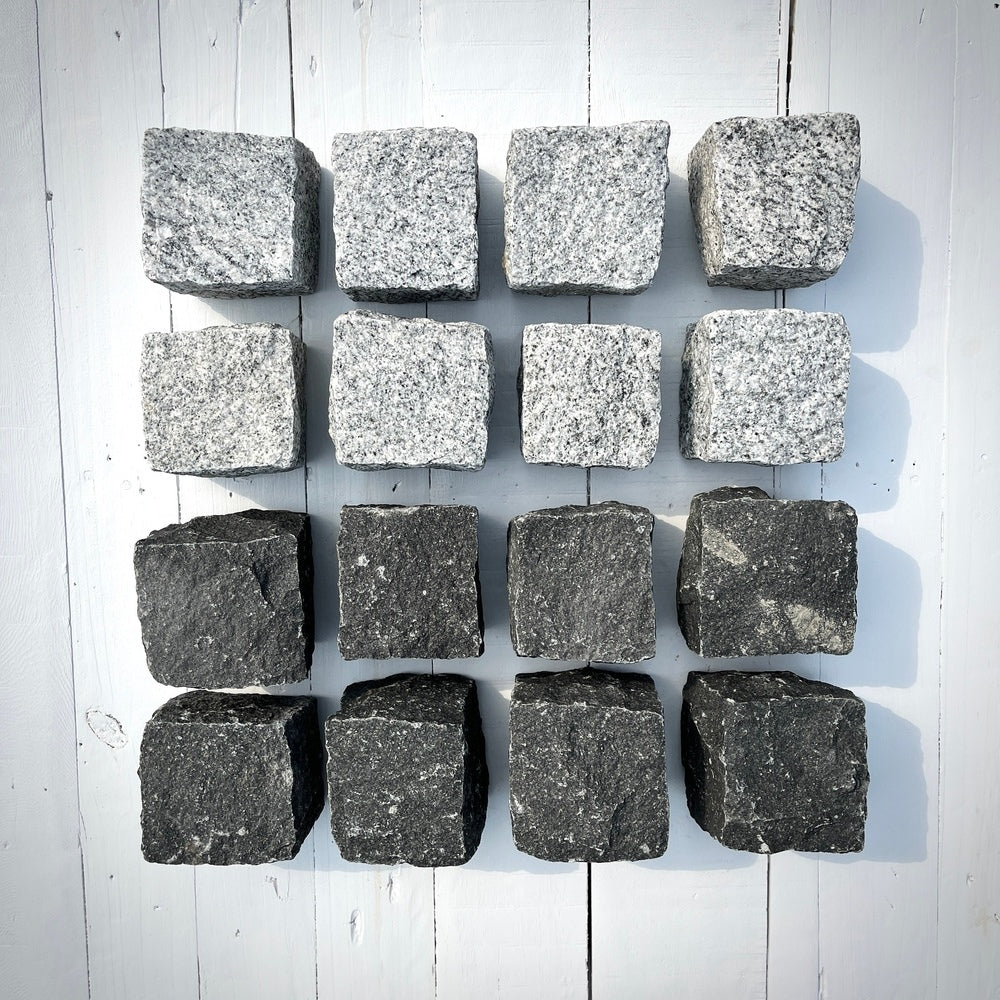
You can spot a true cobblestone the moment you see the rounded top and the irregular body. These stones started life as naturally worn river or field stones, not as cut blocks from a quarry.
Traditional cobblestones were gathered from riverbeds, beaches, or glacial deposits, where water and time softened their edges. Because they were never cut to an exact size, every piece is a little different in shape, height, and width. Once you lay a field of cobbles, the surface naturally undulates, with joints that open and tighten in a way no modern mold can fake.
Historically, cobblestones were some of the earliest paving stones in European and early American streets, especially before the mid‑1800s. They handled horses, carts, and early vehicles while standing up to repeated freeze‑thaw cycles. That is why so many old cobbled lanes are still intact today in historic districts.
In reclaimed form, cobblestones carry scuffs, worn corners, and color shifts that sit nicely beside reclaimed New York bricks and other aged masonry. On a site, they immediately signal that the project is rooted in history rather than trying to imitate it.
What Is a Belgian Block?
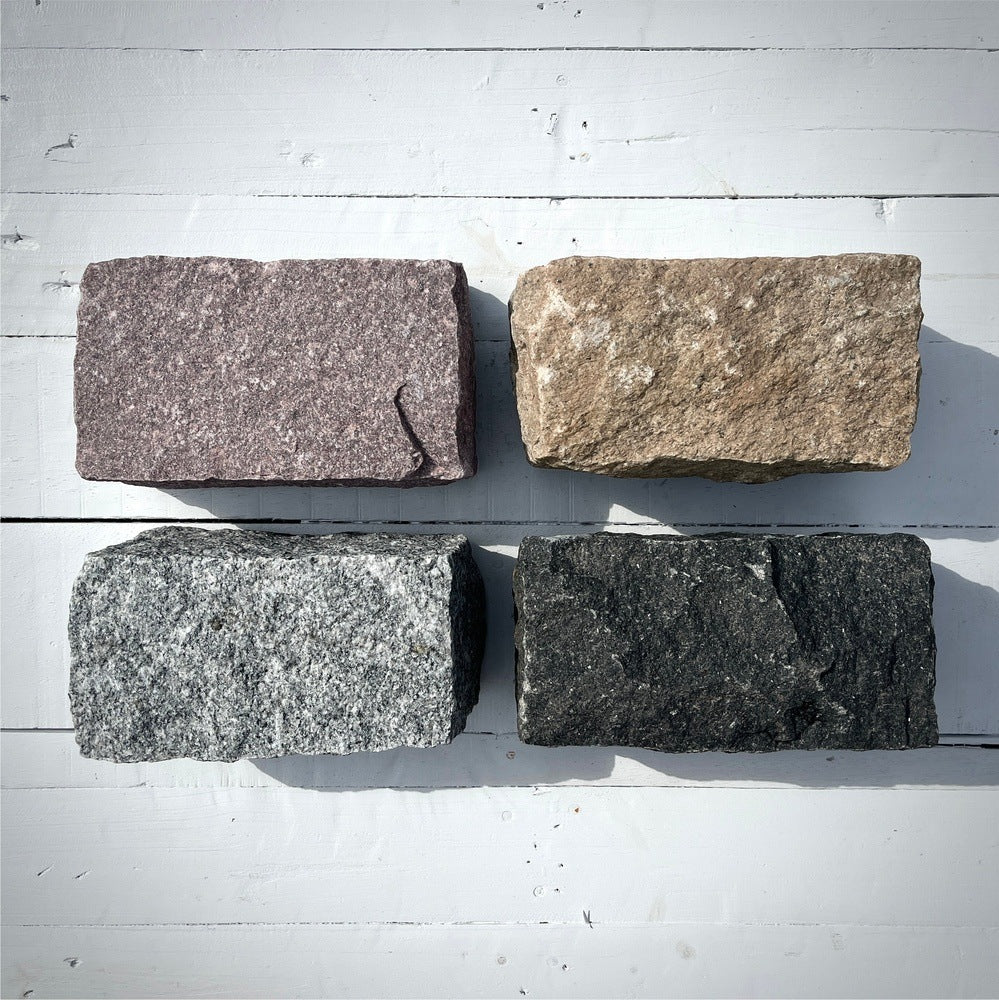
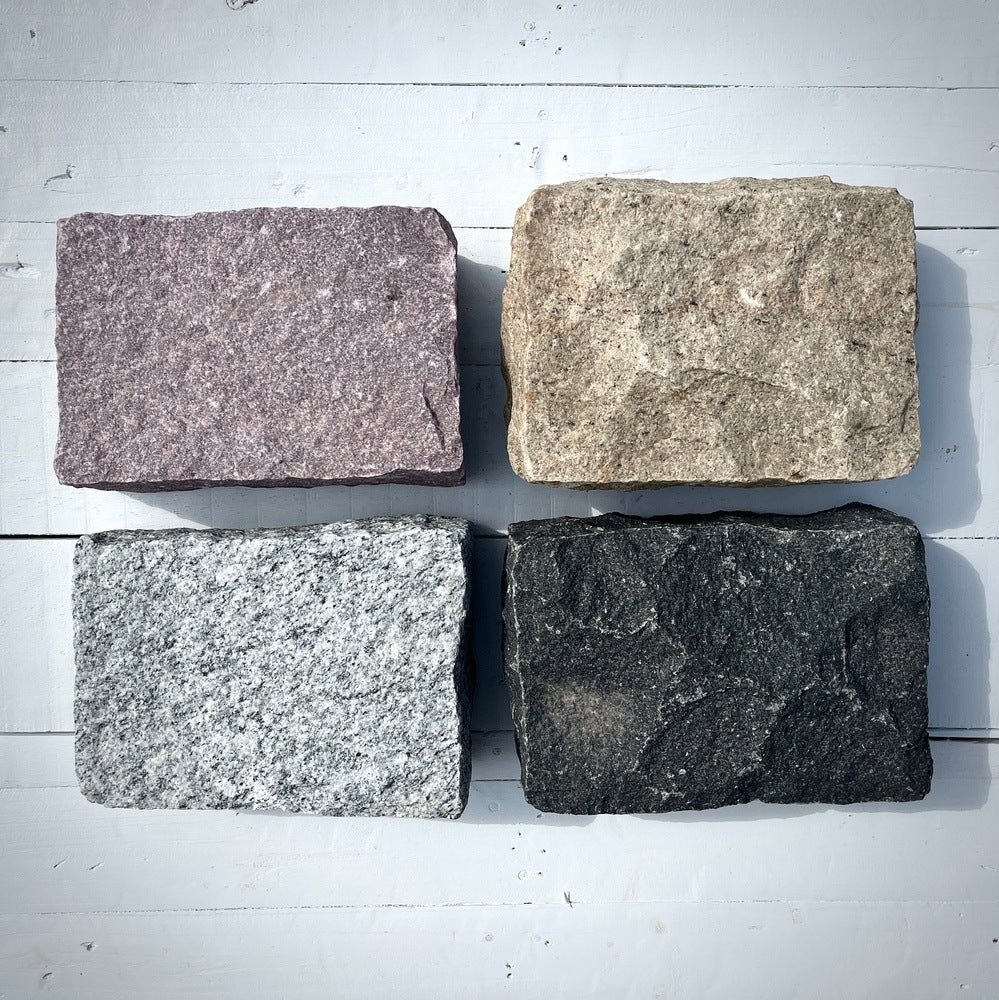
Belgian blocks, sometimes called setts, are quarried stones defined by their roughly rectangular shape. They are most often cut from granite, but the term refers to the format, not just the stone type.
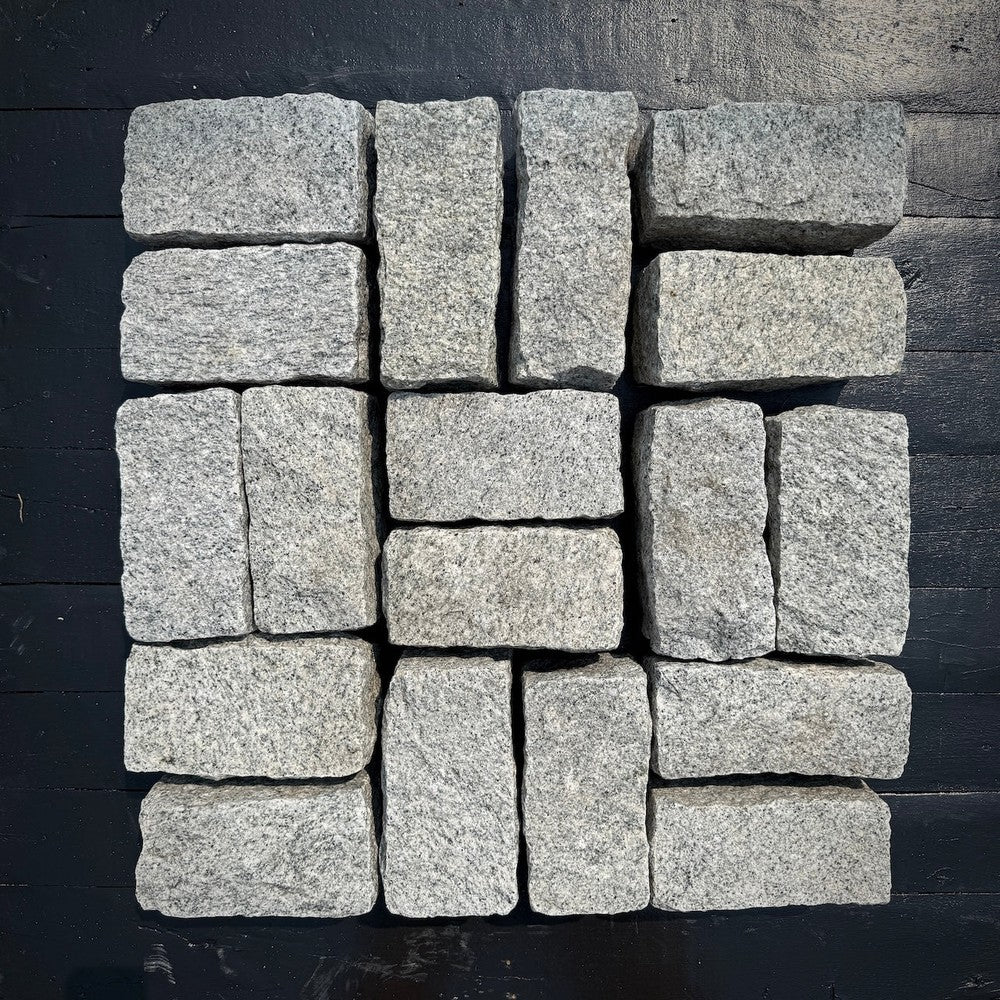
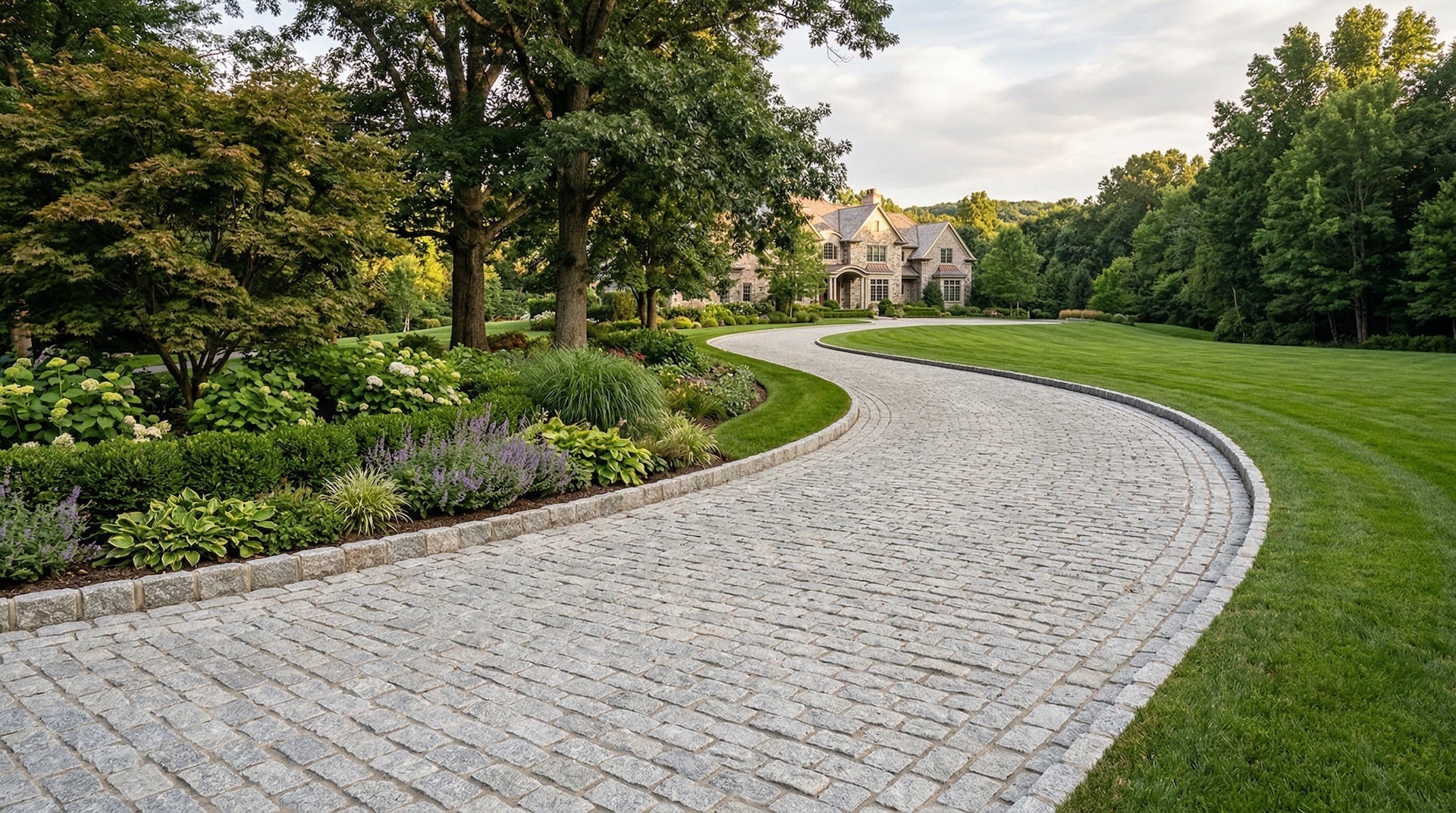
Instead of being rounded by nature, Belgian blocks are cut at the quarry to fairly consistent lengths, widths, and depths. Common sizes range from about 6–12 inches in length with proportional widths, giving you a block that can be lined up in tight courses. The straighter edges make it easier to create running bond, herringbone, or fan patterns that read very intentional.
These blocks became popular street pavers in the late 19th century, especially in port and warehouse districts that saw heavy wagon and later vehicle traffic. In New York, what many people casually call “cobblestone streets” in neighborhoods like DUMBO are actually Belgian block streets. The granite stands up to massive loads, road salt, and decades of use.
Reclaimed Belgian blocks often show tool marks from hand splitting, along with grooves and wear from decades of truck and rail traffic. When you lay them beside reclaimed brick, you get a strong industrial story that still feels warm and human scale.
Summary of Key Differences
| Aspect | Cobblestones | Belgian Blocks |
|---|---|---|
| Origin | Naturally rounded stones gathered from riverbeds, beaches, or glacial fields. | Quarried stone blocks (often granite) cut to rectangular or square shapes. |
| Shape & Size | Irregular, oval or rounded, with varied heights and widths from stone to stone. | Relatively consistent length, width, and depth, with straight or slightly split edges. |
| Surface Look | Soft, rustic, very textured surface with visible undulation across the field. | More structured visual field; patterns read as grids, fans, or straight courses. |
| Feel Underfoot | Bumpier, with more movement for carts, bikes, and shoes; slows traffic naturally. | More even and predictable; generally smoother ride for vehicles than traditional cobbles. |
| Historical Use | Earlier street paving in Europe and America, common before mid‑19th century. | Widespread in late 19th century, especially in port districts and heavy‑use routes. |
| Installation | More hand‑work: each stone is sorted and set individually to balance heights. | Faster layout thanks to regular sizes; easier to achieve tight joints and level surfaces. |
| Common Use Today | Historic alleys, intimate courtyards, accent bands for character‑driven spaces. | Driveways, parking courts, edging, and streets needing durability and clear pattern. |
| Design Mood | Romantic, old‑world, and relaxed, with strong texture and visible age. | Tailored, robust, and more formal, with an industrial or port‑city feel. |
How Each Option Feels in Real Projects
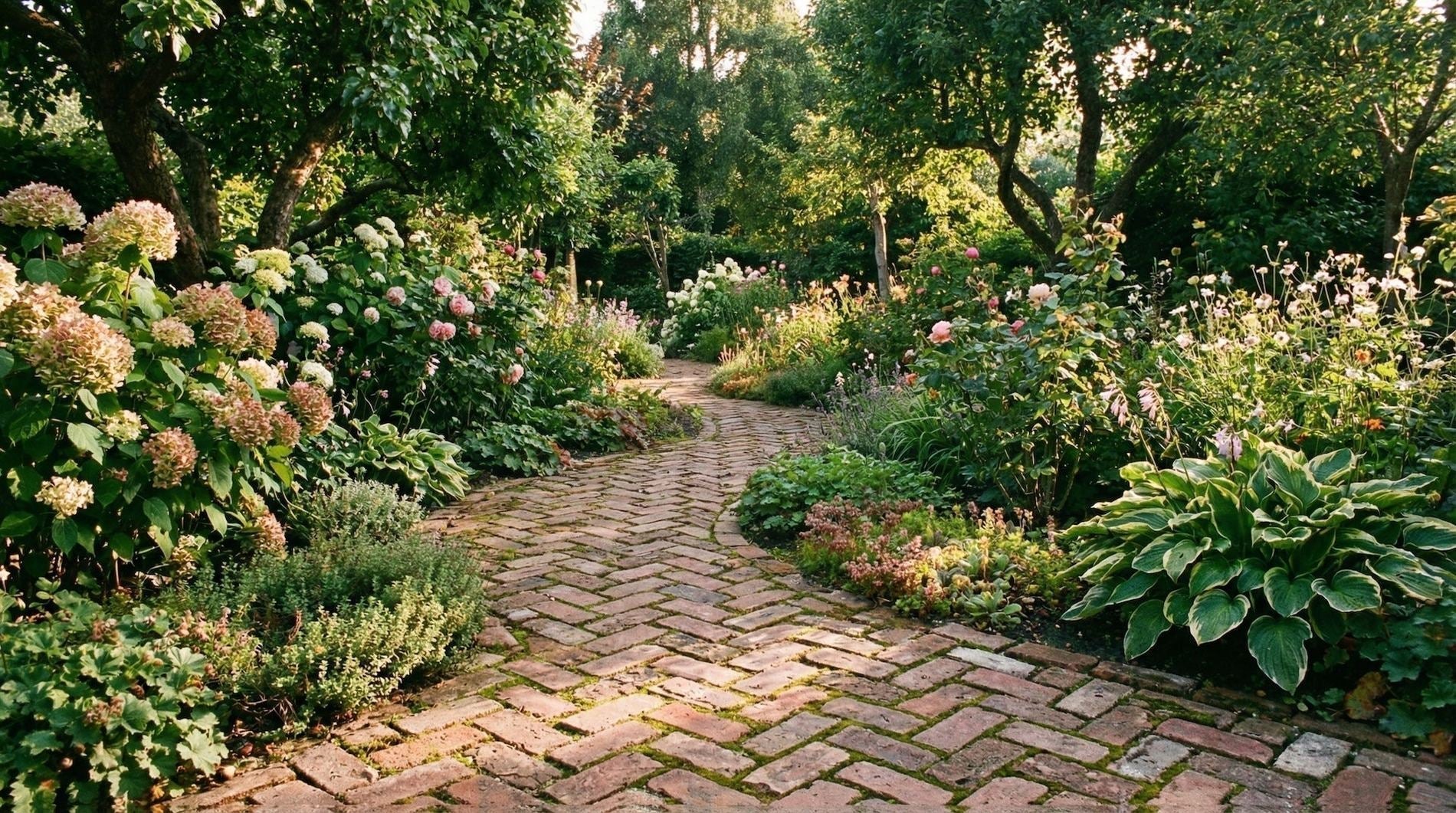
On a small courtyard or garden path, cobblestones bring a gentle, time‑softened surface that almost forces people to slow down. When you pair them with reclaimed New York bricks in walls or borders, the whole space feels like it has been there for decades, not months.
In contrast, Belgian blocks shine where you need structure and performance: driveways, arrival courts, and tight edging around asphalt or gravel. Their rectangular format makes it easier to align patterns, accommodate drainage, and keep snow removal relatively straightforward in Northeastern climates.
Many historic New York streets relied on granite rather than brick, and using reclaimed Belgian blocks alongside reclaimed city bricks roots a project in that local story. You see this mix in old industrial zones that are now lofts, and it translates beautifully to residential driveways, patios, and townhouse entries.
Check our inspiration gallery.
How to Choose the Right Stone for Your Space
Start with use and comfort. If the main goal is character for a small, people‑first space, like a courtyard, garden path, or intimate patio, cobblestones are hard to beat. The irregular texture feels authentic and pairs naturally with reclaimed brick facades and low garden walls.
For driveways, frequent parking, or routes that see snow plows, Belgian blocks tend to be the more practical option. Their more regular surface treats tires, strollers, and wheelchairs better, while still delivering a historic granite look that stands up to salt and heavy loads.
You do not have to choose only one material. Many of the strongest projects use reclaimed New York full bricks or thin bricks as the main field and then frame edges or transitions with cobblestones or Belgian blocks. That mix of brick and stone gives you a complete masonry story that feels grounded in place and built to last.
Check our article on Enhancing Farmhouse Design with Reclaimed Cobblestones and 9 Ways to Use Handcut Granite Belgian Blocks.
Learn more about Cobblestones.


Share: