Project Overview
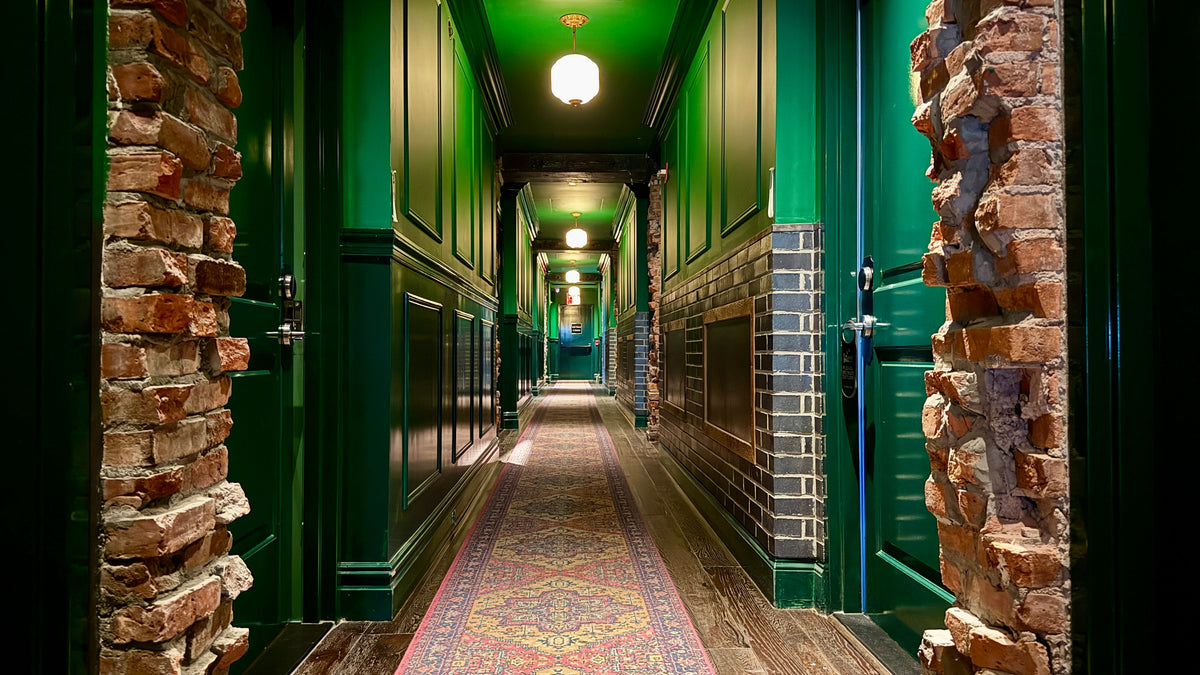
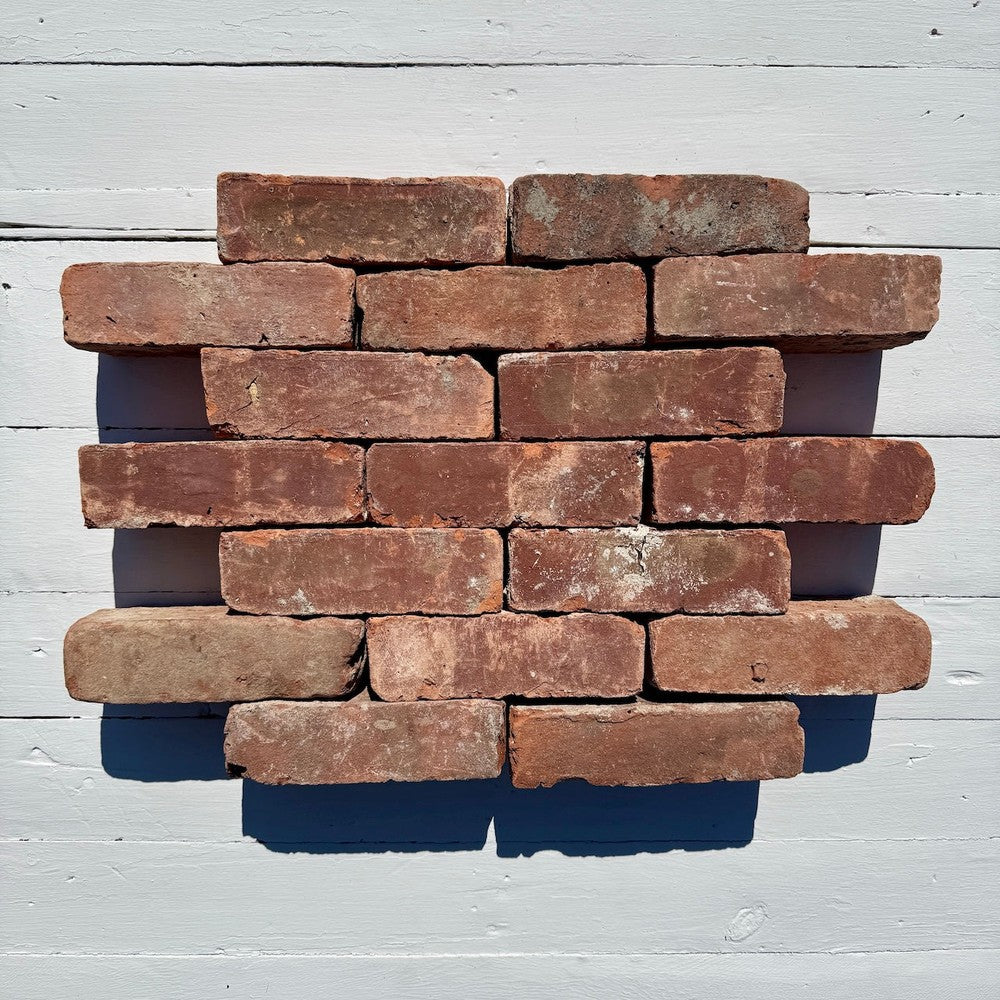
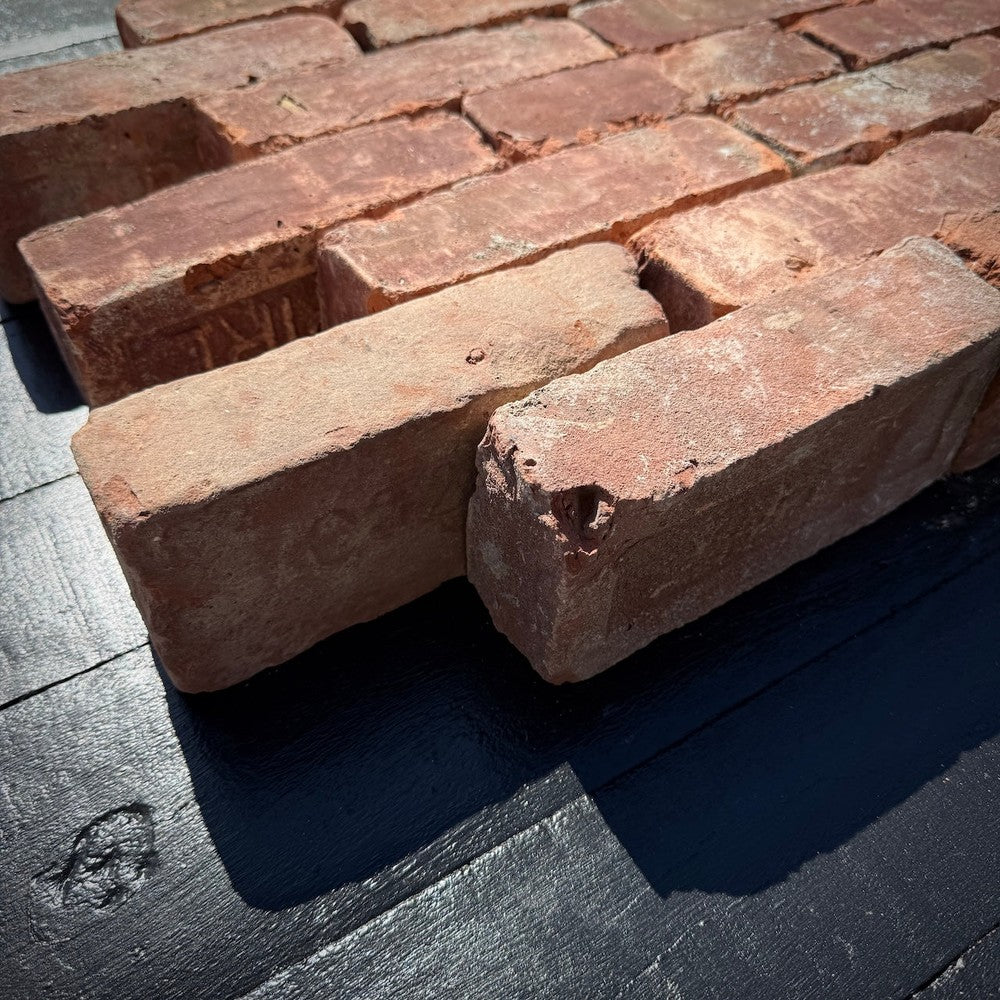
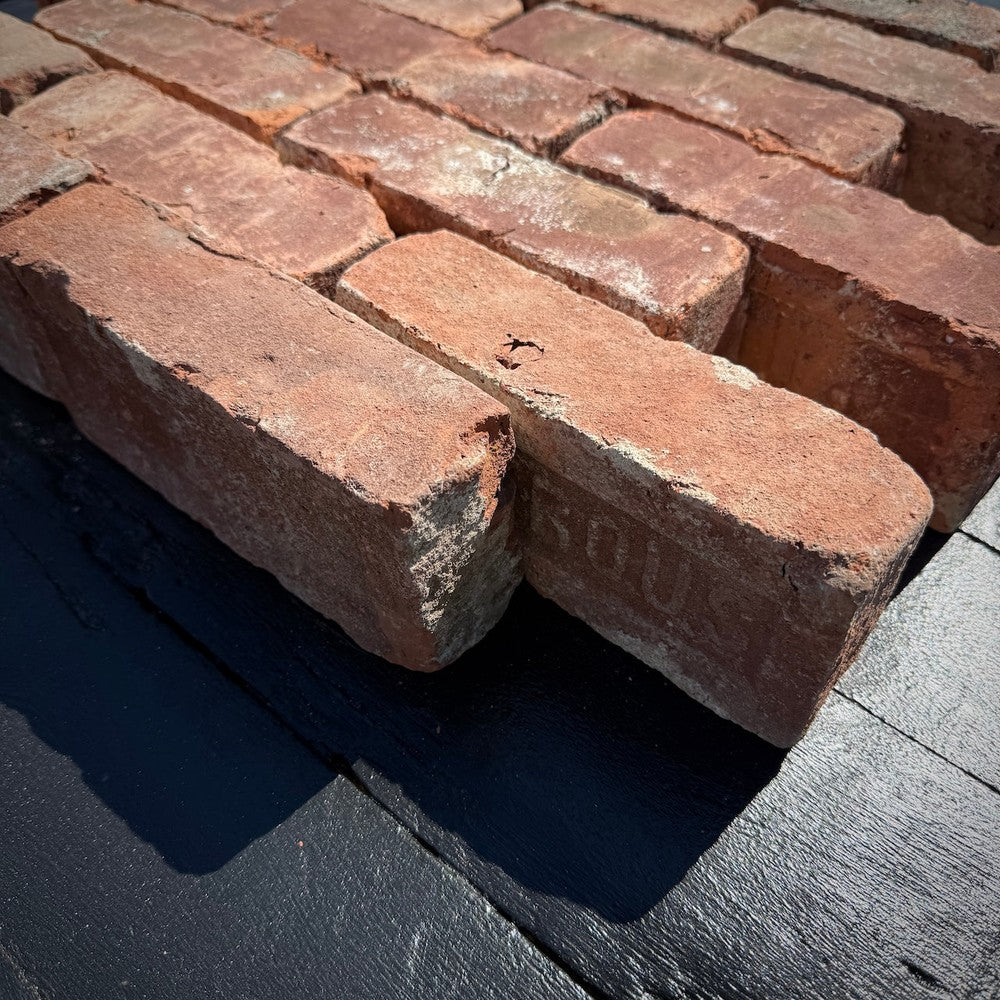
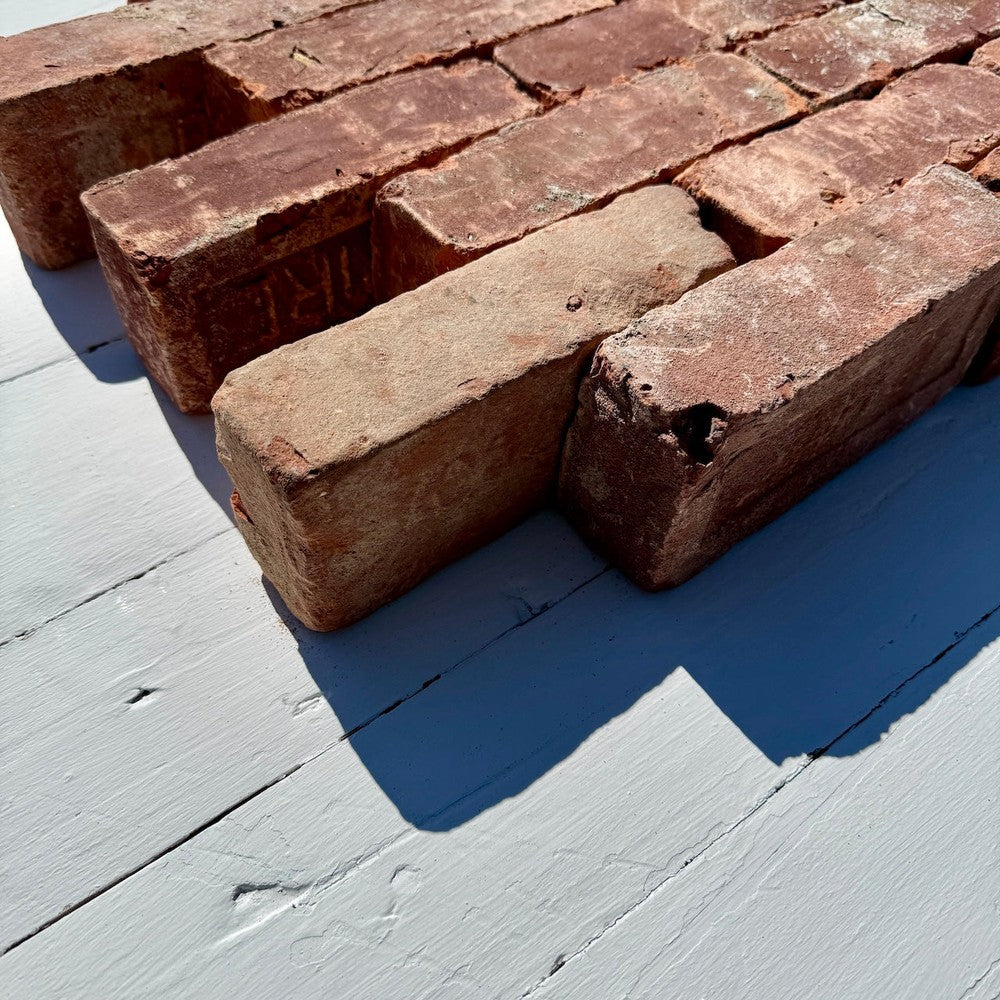
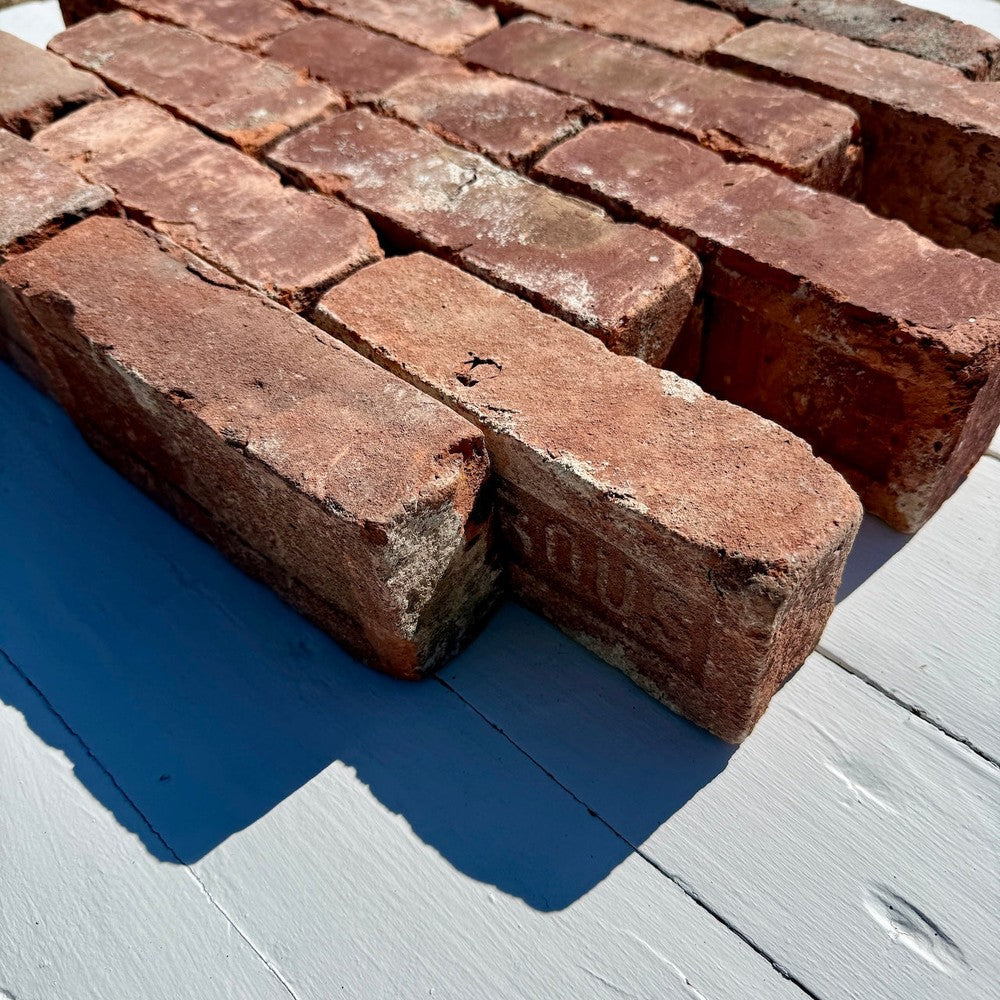
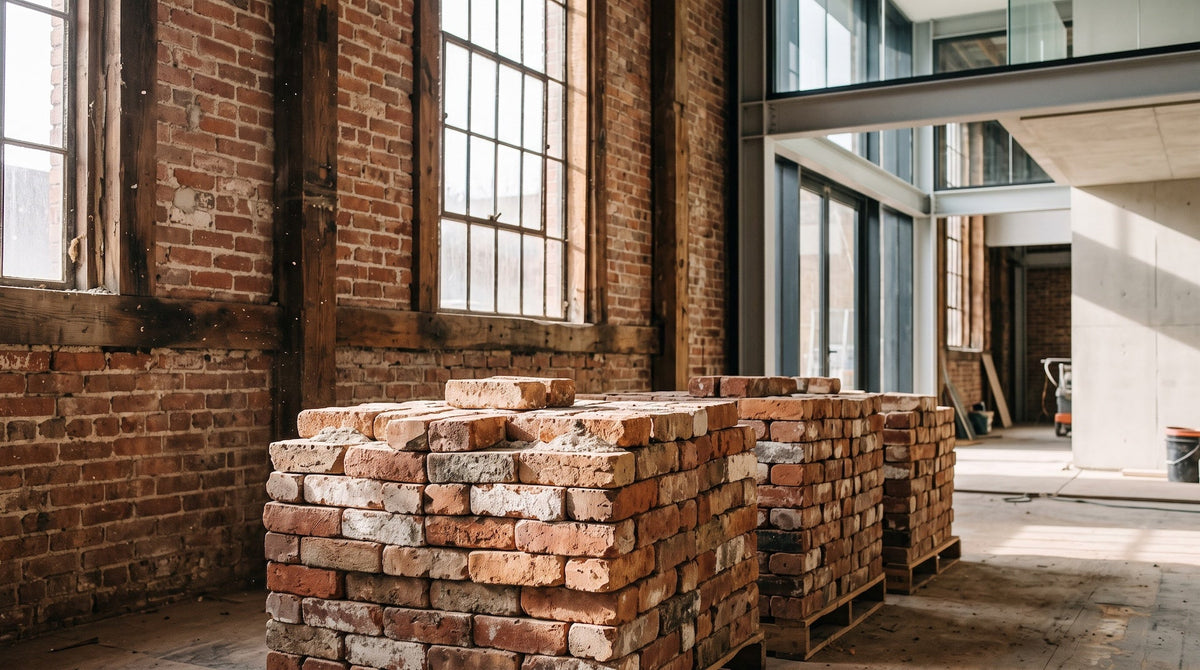
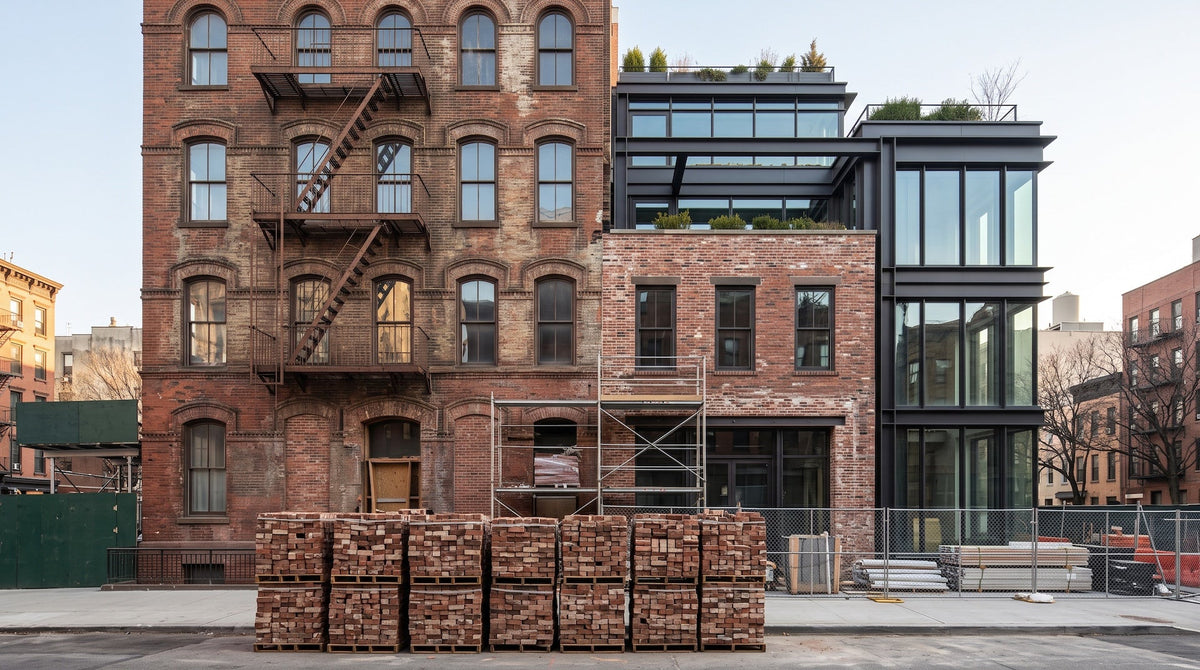
Chief Bricks recently supported a renovation at The Sohotel in Manhattan with reclaimed New York red common bricks selected to complement the property’s historic character. The work included brick replacement around windows that previously held AC units, along with brick repair and replacement in room walls, corridors, reception, and the lobby.
For a hotel with a long New York story, the material choice had to do more than solve a construction need. It had to feel native to the building, visually consistent with the past, and strong enough to support a modern hospitality experience.
That is where reclaimed brick made the difference. It helped the renovation look intentional, not inserted, while preserving the texture and tone that give historic interiors their power.
A Historic Hotel in Manhattan
The Sohotel describes itself as the oldest operating hotel in New York City, with roots reaching back to at least 1805. Over time, the building has been known as The Westchester, The Occidental, and The Pioneer before becoming the Sohotel. Its history page also explains that the property has long been a fixture in the Bowery, and that its interior includes large stretches of exposed brick that reveal its age and character.
This kind of setting demands restraint and respect. A renovation should support the building’s original story rather than overwrite it, especially when guests are already drawn to the hotel because it feels distinct from the polished sameness of newer properties.
In that sense, the project was about continuity. The reclaimed brick helped bridge the hotel’s historic identity with the needs of a contemporary boutique stay.
Why Reclaimed Brick Was the Right Choice
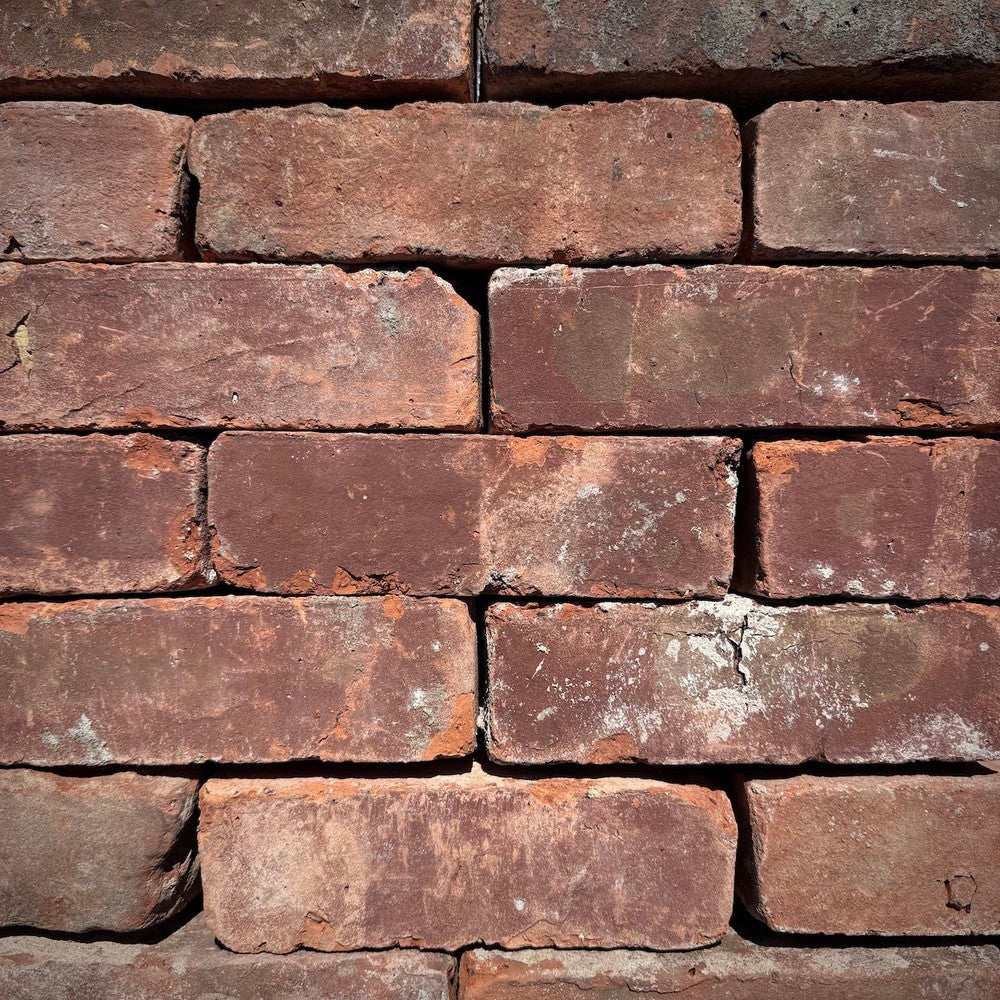
Reclaimed brick brings depth, variation, and age that cannot be convincingly manufactured. In hospitality design, those qualities matter because guests notice materials even before they consciously register them. A wall can feel warm, grounded, and authentic, or it can feel overly new and disconnected from the architecture around it.
For The Sohotel, the right brick had to do several jobs at once. It needed to blend with existing historic surfaces, support areas that had been altered over time, and keep the renovation visually aligned with the hotel’s original spirit. Reclaimed New York brick was a natural fit because it belongs to the same regional material language that shaped the city’s older buildings.
Chief Bricks specializes in materials that carry this kind of lived-in presence. For projects where authenticity matters, reclaimed masonry can elevate a space without making it feel staged.
Where the Brick Was Used
One of the most important parts of the renovation was the treatment of the spaces around windows where AC units had previously been installed. Those areas often leave behind visual interruptions that can weaken the flow of a façade or interior wall. Replacing and refining those sections with reclaimed brick helped restore a cleaner, more unified appearance.
The material was also used in guest room walls, corridors, the reception area, and the lobby. These are the spaces that shape a guest’s first impression and lasting memory of the hotel, so material consistency and authenticity were especially important.
In a boutique hotel environment, the lobby is not just a passageway. It is a brand statement. Corridors and rooms are not just functional spaces. They are part of the story the property tells. Reclaimed brick helped each of those areas feel connected to the same historic narrative.
Voices from the Project
“The Sohotel has a real sense of place, and that deserves materials with real history. I’m grateful to Blake and the team for trusting Chief Bricks to help preserve that authenticity with reclaimed brick that fits the spirit of the building’s origins.”
“The goal was always to honor the hotel’s character while improving the spaces for today’s guests. Chief Bricks understood that balance immediately, and the reclaimed brick helped us keep the renovation true to the building’s identity.”
Those two priorities, honoring the past and improving the guest experience, are often the hardest to balance in historic renovations. This project succeeded because both sides were treated as equally important.
Why Travelers Want Authenticity and Sustainability
Travelers are increasingly looking for places that feel genuine, locally grounded, and thoughtfully designed. At the same time, sustainability is becoming more important in how guests evaluate hotels and travel brands. That shift is visible across hospitality coverage, where authenticity and sustainability are now treated as core parts of premium travel value.
Reclaimed brick speaks directly to those expectations. It reduces the need for newly manufactured material, keeps usable building material in circulation, and gives hotels a tactile story that guests can see and feel. In an era where many properties compete on design but few offer a clear sense of place, that combination stands out.
The result is not just a better-looking renovation. It is a stronger guest impression, a more credible sustainability story, and a more memorable hotel experience.


Share: