You can feel the difference the moment a brick pattern starts taking shape. A plain wall becomes more deliberate. A patio gains movement. Even a narrow garden path can suddenly feel wider, warmer, and more connected to the rest of the property.
That is the power of brick bond patterns. The way bricks are arranged affects more than looks. It can influence how a masonry wall ties together, how a paved surface handles traffic, how water moves across a patio, and how your eye travels through a space.
Maybe you are choosing a pattern for a Brooklyn backyard. You might be designing a brick facade, restoring an older wall, or trying to give a new patio some real character with reclaimed materials. This guide breaks down the most common brick bond patterns and helps you choose the right one for walls, patios, paths, and driveways.
Table of Contents:
- What Is a Brick Bond?
- How to Choose a Brick Bond Pattern
- Brick Bond Patterns at a Glance
- Common Brick Bond Patterns
- Running Bond
- Stack Bond
- Basket Weave
- Herringbone
- Flemish Bond
- English Bond
- Diagonal Bond
- Spanish Bond
- Common Bond or American Bond
- Best Brick Pattern by Project Type
- Using Reclaimed Bricks in Different Patterns
- Brick Bonds and Patterns Worksheet
-
Brooklyn Herringbone Patio Case Study
What Is a Brick Bond?
A brick bond is the pattern created by the way bricks and mortar joints are laid. On a wall, the arrangement can help tie courses and wythes together. On a patio, path, or driveway, the pattern affects visual rhythm and how the paving units interlock.
Some brick bonds are mainly structural. English bond, Flemish bond, and common bond were developed to create strong masonry walls using headers and stretchers. Other layouts are mostly chosen for their visual impact, such as stack bond, basket weave, and diagonal patterns.
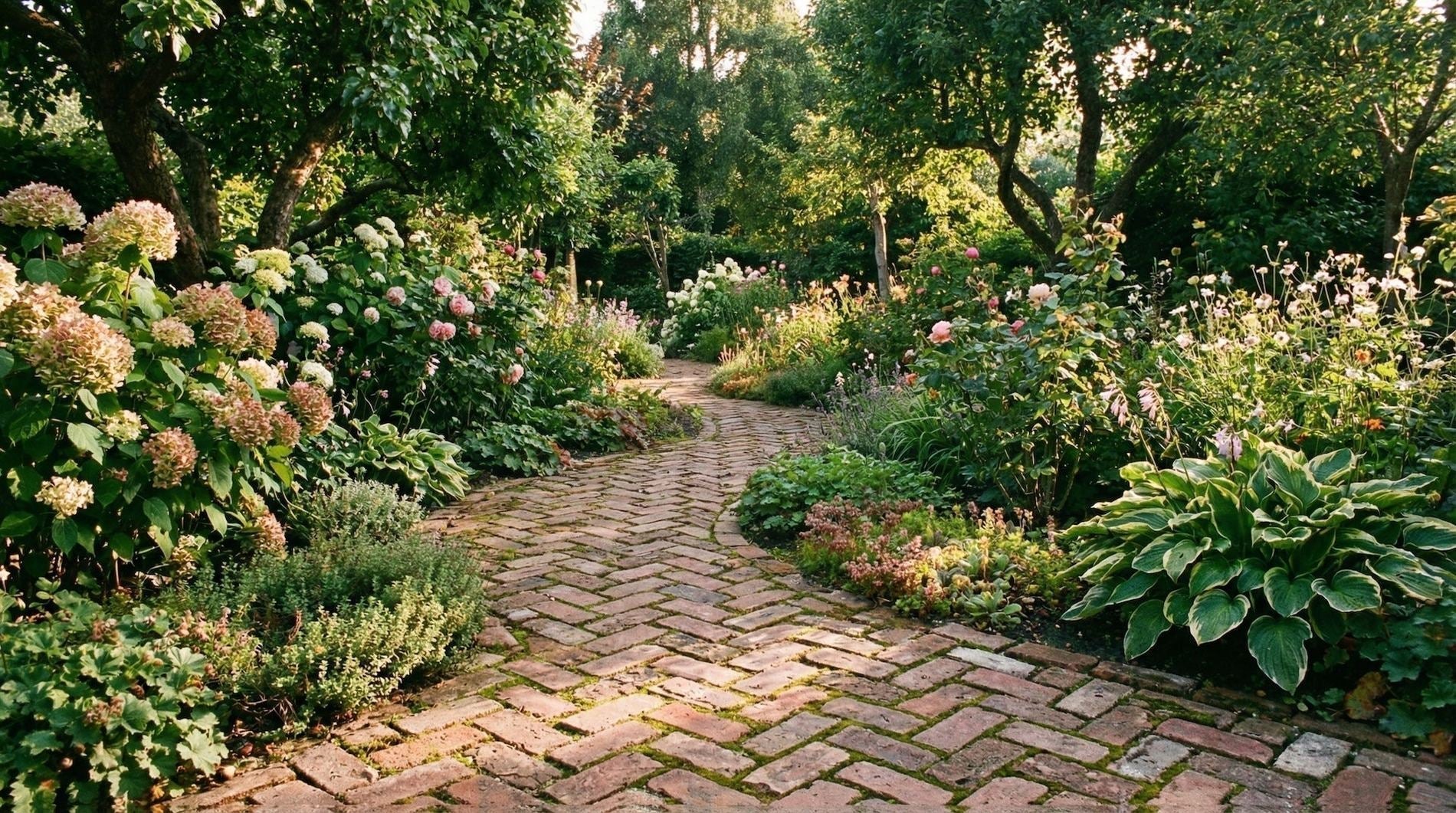
For flatwork, the decision is usually less about a load-bearing wall and more about stability, traffic, drainage, edge restraint, and appearance. A herringbone patio, for example, has a completely different feel from a running bond patio even when both use the same reclaimed brick.
How to Choose a Brick Bond Pattern
Before you get pulled into the look of a pattern, start with what the project needs to do. A driveway, a garden wall, and a fireplace surround all ask different things from the brickwork.
Think about whether the surface is vertical or horizontal. Consider foot traffic, turning tires, drainage, the amount of cutting at edges, and whether the wall needs engineering or structural backing. Once those practical pieces are clear, you can choose the pattern that gives the project the right character.
- For walls: Consider running, Flemish, English, or common bond depending on the wall assembly, design, and structural requirements.
- For patios and paths: Running bond, basket weave, and herringbone are reliable choices with very different visual effects.
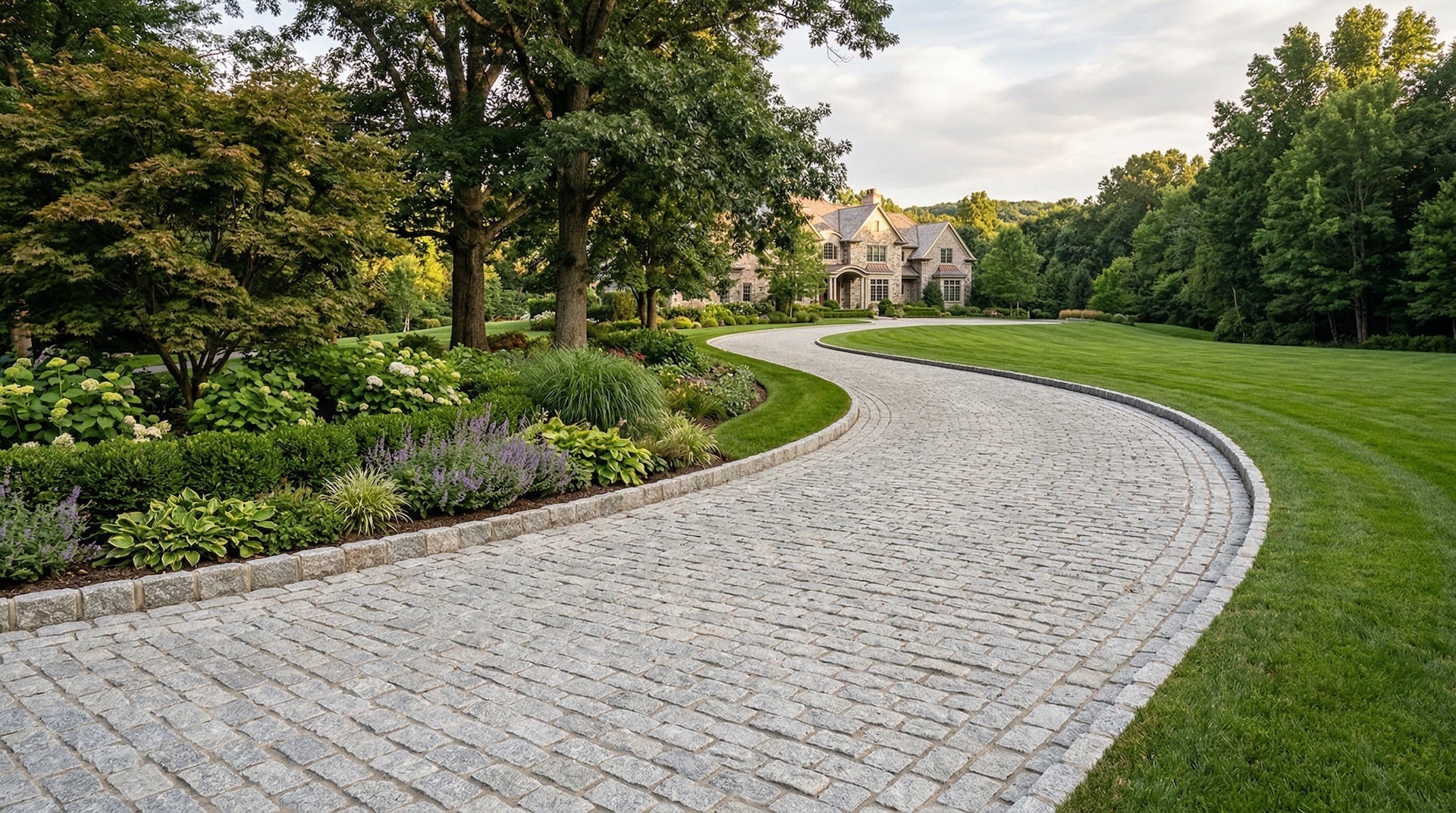
- For driveways: Herringbone is usually the strongest visual and practical starting point because the angled layout helps resist movement.
- For modern feature walls: Stack bond creates a clean, graphic look but generally needs proper backing or reinforcement when used beyond decorative veneer work.
- For reclaimed brick: Choose a pattern that works with natural variation in color, edges, and dimensions rather than fighting it.
Brick Bond Patterns at a Glance
| Brick bond | Best use | Visual feel | Practical note |
|---|---|---|---|
| Running bond | Walls, paths, patios, veneers | Simple, calm, familiar | Efficient layout with relatively little cutting |
| Stack bond | Feature walls, interiors, modern facades | Minimal, graphic, clean | Best treated as decorative unless properly supported |
| Basket weave | Patios, courtyards, garden areas | Warm, traditional, patterned | Works especially well in smaller outdoor rooms |
| Herringbone | Patios, paths, driveways | Dynamic, directional, energetic | Excellent choice for high-traffic paving |
| Flemish bond | Historic facades, decorative walls | Refined, detailed, classic | Alternates headers and stretchers in each course |
| English bond | Traditional structural walls | Strong, horizontal, substantial | Alternates full header and stretcher courses |
| Diagonal bond | Statement walls, feature patios | Bold, angular, custom | Requires careful setting out and more border cuts |
| Spanish bond | Mediterranean-inspired walls and patios | Ornamental, rhythmic, historic | Layout can vary by region and design |
| Common or American bond | Historic North American walls | Balanced, traditional, familiar | Uses header courses at regular intervals |
Common Brick Bond Patterns
You do not need to memorize every bond ever used in masonry. You just need to understand the ones that show up most often in real projects. These are the patterns architects, landscape designers, masons, builders, and homeowners return to again and again.
Running Bond
Running bond is the pattern most people picture when they think of brickwork. Each brick is laid lengthwise, with the next course offset by about half a brick. This creates a simple staggered rhythm that works almost anywhere.
It is a strong choice for brick veneer, garden walls, walkways, patios, and straightforward hardscape areas. It lays out efficiently, keeps cuts manageable, and gives reclaimed brick plenty of room to show natural color variation.
If you are working with reclaimed red bricks, running bond lets the material do most of the talking. The pattern stays calm while the aged faces, chips, and color shifts create depth.
Stack Bond
Stack bond lines every brick up directly above and beside the next one. Instead of a staggered pattern, you get clean vertical and horizontal joints that create a strong grid.
This is why stack bond feels so modern. It works beautifully on interior feature walls, fireplace surrounds, retail spaces, and contemporary facades where the goal is order and simplicity. The pattern makes the dimensions, texture, and color of each brick more noticeable.
The tradeoff is that stack bond does not have the same natural overlap as running bond or traditional structural bonds. For anything beyond a decorative application, talk with your mason, architect, or engineer about backing, reinforcement, and the wall system behind it.
Basket Weave
Basket weave alternates pairs of bricks laid horizontally and vertically. The result looks like small woven squares across the surface. It is one of those patterns that instantly makes a patio or garden area feel more settled and inviting.
This bond works especially well in courtyards, seating areas, garden paths, and smaller patios. It has enough movement to feel special without being as directional as herringbone.
Basket weave is also a good match for reclaimed brick because the pattern has a relaxed, historic feel. Slight changes in tone or worn edges do not look like flaws. They become part of the texture that gives the space personality.
Herringbone
Herringbone is one of the most recognizable brick paving patterns. Bricks are laid at 45-degree or 90-degree angles to form repeating V shapes. The result feels active, almost like the ground is moving outward beneath your feet.
It is a favorite for patios, garden paths, walkways, and driveways. The angled arrangement creates strong interlock, which is especially useful where there is steady foot traffic or vehicle movement.
Herringbone can also change the way a small space feels. In a tight yard, the diagonal lines pull the eye into the corners and make the area feel broader. With reclaimed orange bricks, the pattern catches light differently across every course and gives a patio real energy.
Flemish Bond
Flemish bond alternates headers and stretchers within the same course. A header shows the short face of the brick. A stretcher shows the long face. Together, they create a detailed repeating pattern that has been used on refined brick buildings for generations.
You see Flemish bond on historic homes, row houses, civic buildings, and facades where the brickwork is meant to be noticed up close. It has more visual texture than running bond and feels lighter than the strong horizontal bands of English bond.
For a restoration, a traditional facade, or a new project that needs a more formal masonry look, Flemish bond is hard to beat. The exact wall construction still matters, so confirm the structural assembly with your mason or design team before treating any historic bond as a stand-alone engineering solution.
English Bond
English bond alternates a full course of stretchers with a full course of headers. One row shows the long face of the brick, and the next row shows the short face. This gives the wall a strong, steady rhythm.
It is one of the most substantial-looking traditional bonds. You will often see it on older industrial buildings, boundary walls, foundations, and masonry that was built to feel permanent.
English bond works well when you want a wall to read as sturdy and historic. It has more visual weight than Flemish bond, making it a natural fit for garden walls, restoration work, and projects that need an old-world masonry presence.
Diagonal Bond
Diagonal bond sends brick lines across a wall or patio at an angle. It can begin from a centerline, a corner, or a framed field depending on the design. The pattern creates a custom look that catches light and pulls the eye across the surface.
This layout is mostly about visual impact. It works well for a feature wall, a framed patio field, or a special focal point in a larger hardscape plan. It takes more planning than a simple running bond because the edges often require more cuts.
If you are using a diagonal pattern, take time to dry lay a section or review a scaled layout before installation. A good setout makes the pattern look intentional. A rushed one can create awkward slivers at borders and openings.
Spanish Bond
Spanish bond is a decorative layout often associated with Mediterranean and Spanish-influenced architecture. The exact arrangement varies, but it usually combines groups of stretchers with headers to create a repeating ornamental rhythm.
This pattern works best when the goal is warmth and visual detail rather than a plain field of brick. It can be especially effective on courtyard walls, garden features, outdoor kitchens, and homes with stucco, stone, terracotta, or aged wood nearby.
Spanish bond needs careful planning because proportions and repeating modules matter. It is a good pattern to discuss with an experienced mason early, especially when using reclaimed brick with natural size variation.
Common Bond or American Bond
Common bond, often called American bond, uses several courses of stretchers followed by a header course. The header course appears at regular intervals and gives the wall a distinct banded rhythm.
This bond became common across North America because it balances efficiency with traditional masonry character. You can see versions of it throughout older neighborhoods in New York, Boston, Philadelphia, and other cities with deep brick-building histories.
If you want a classic North American facade or garden wall, common bond feels immediately familiar. It is more detailed than running bond but less formal than Flemish bond. Reclaimed brick gives it even more depth because the header courses often reveal a different face of the material.
Best Brick Pattern by Project Type
Most projects become easier once you narrow the choices by use. You are not choosing from every bond in masonry history. You are choosing the pattern that works best for the space in front of you.
- Brick wall veneer: Running bond is often the easiest and most versatile starting point.
- Historic or formal facade: Flemish bond, English bond, or common bond can create a more traditional look.
- Modern feature wall: Stack bond gives a clean, architectural grid.
- Small patio: Herringbone adds movement; basket weave feels softer and more relaxed.
- Garden path: Running bond is simple and calm, while herringbone creates a stronger sense of direction.
- Driveway or vehicle area: Herringbone is usually the preferred brick pattern where interlock and resistance to movement matter most.
- Courtyard or outdoor dining area: Basket weave, herringbone, or running bond all work well depending on the style of the home.
Using Reclaimed Bricks in Different Patterns
Reclaimed bricks make every bond look richer. The pattern gives the surface order, while the old material brings variation, age, and texture that new brick rarely has.
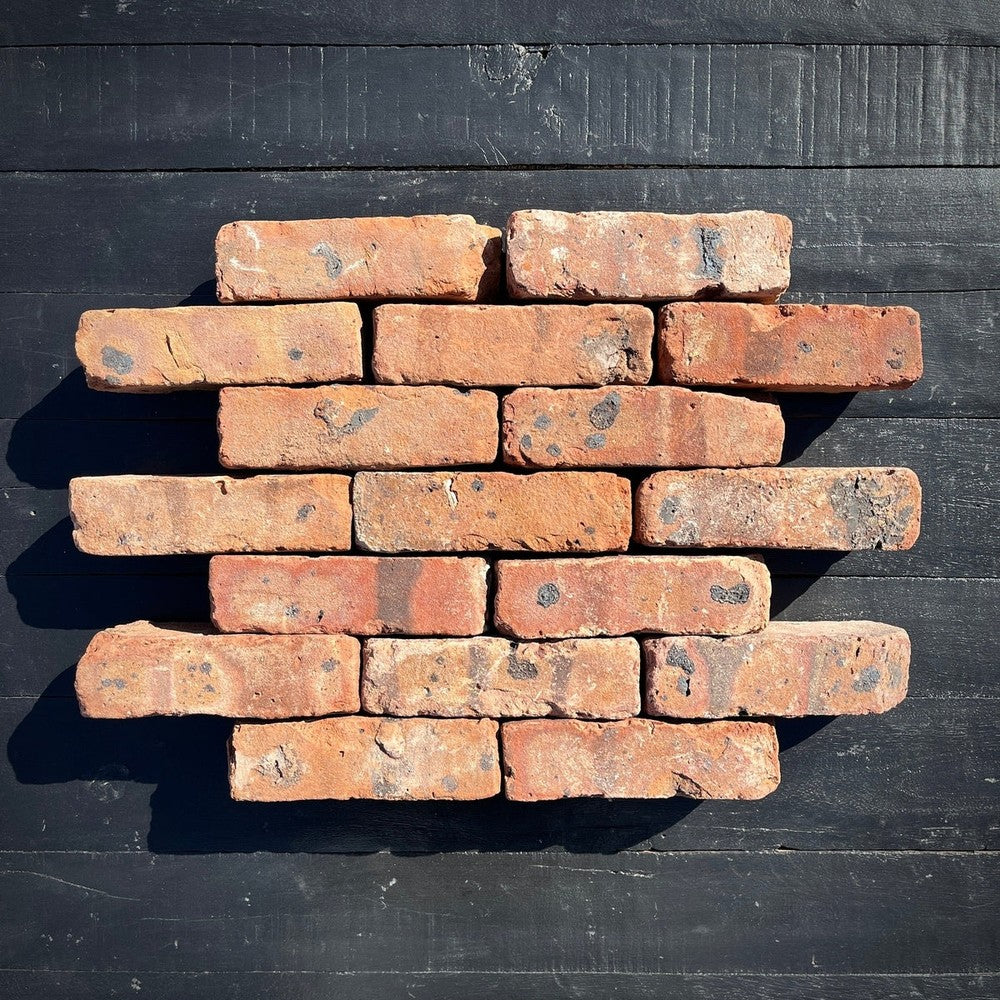
With reclaimed brick, do not expect every unit to be perfectly identical. That is part of the point. Slight shifts in size, worn arrises, old mortar traces, and color variation make a finished wall or patio feel established from day one.
For a warm traditional field, reclaimed red bricks work beautifully in running bond, basket weave, common bond, and Flemish bond. For darker feature walls or stronger contrast, reclaimed dark bricks can give a project more industrial depth.
Outdoor paving is where reclaimed material really shines. Herringbone made with orange, red, or mixed reclaimed brick has movement that feels impossible to fake. The brick faces catch sunlight differently, and the pattern becomes more interesting the closer you stand.
For floors, patios, and flatter walking surfaces, it helps to use material suited to the application. A flatter paver-grade brick makes installation easier and gives a more comfortable finished surface underfoot. Your installer can help determine the right material, base preparation, jointing approach, and edge restraint for the project.
Chief Bricks Brick Bonds and Patterns Worksheet
The Chief Bricks Brick Bonds and Patterns Worksheet is a quick visual reference guide featuring 20 commonly used brick bonds for walls, patios, and pathways. It is designed for architects, designers, contractors, and homeowners who want to compare layouts before committing to a final pattern.
Use it to get a clearer feel for how different bonds look, how they repeat, and where they may fit best. It is especially useful when you are comparing a few options for a patio, garden path, facade, or reclaimed-brick project.

Chief Bricks Brick Bonds and Patterns
Brooklyn Herringbone Patio Case Study
A good pattern can make a small space feel more generous. That was the goal for a Brooklyn patio designed and installed by Dragonetti Brothers using reclaimed orange brick from Chief Bricks.
The yard measured only 15 by 10 feet, but a diagonal herringbone layout helped pull the eye toward the corners and make the space feel more open. The pattern worked from both inside the home and out in the yard, turning the paved surface into the project’s main design feature.
New York-area landscape designer Chase Mitchell of Dragonetti Brothers explained it this way:
“Herringbone bond was ideal for this patio in Brooklyn because it enhances the client's view both from inside the home and outside it. The yard is only 15 by 10 feet but it's delightfully open to the sky with surrounding architecture of a singular scale and shape. We offset the periphery by bringing the eye toward the landscape's corners with diagonally laid 200-year-old orange bricks. Nancy and Alkis at Chief Bricks made sure every piece brought its own beauty to my client's cherished outdoor space.”

Herringbone patio designed and installed by Dragonetti Brothers using Chief Bricks reclaimed New York orange bricks.



Share: