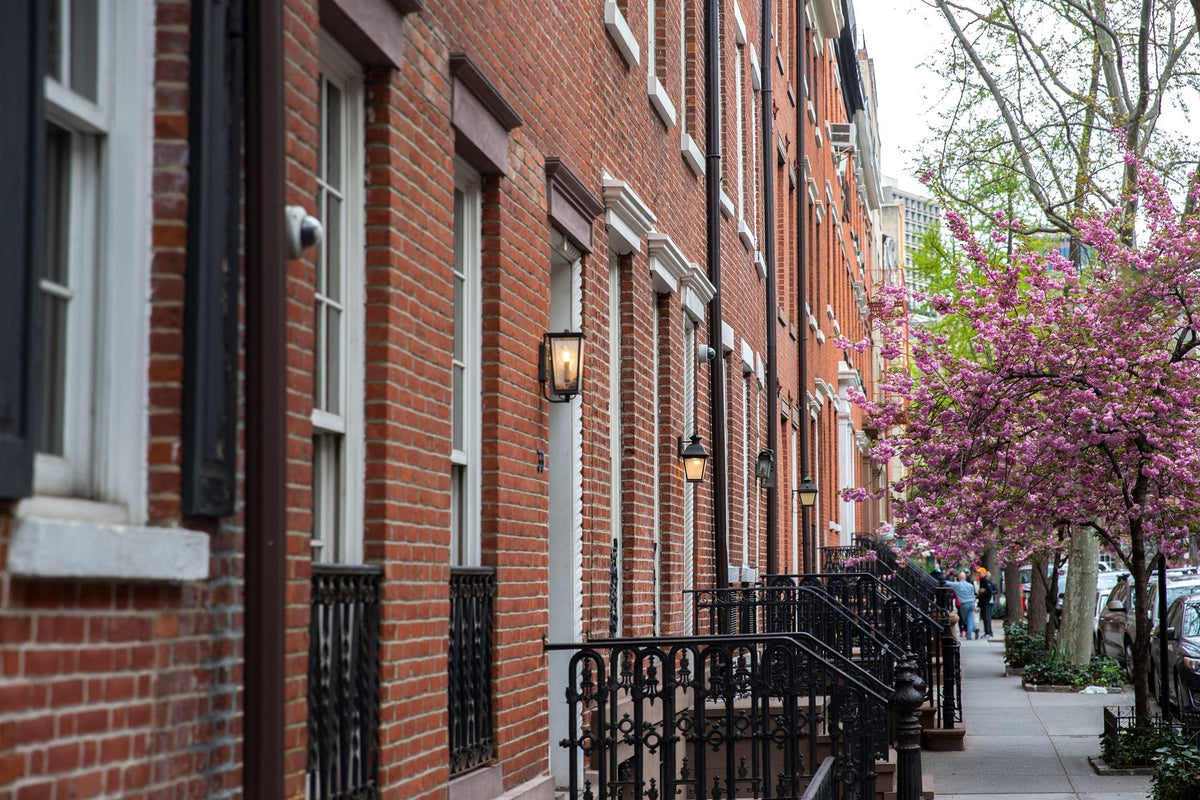
Pick up an old brick from a salvage pallet and it tells you where it has been. There may be a fleck of lime mortar still caught in its texture, a face darkened by decades of city air, an edge worn round by weather. It was made, laid, lived with and taken down again. Now pick up a new brick made to look old. It may be tumbled, chipped and colored to match, and from a few feet away the two can look alike. Both may be sold with words like "reclaimed", "antique" or "old". So what should "reclaimed" mean when you are the one buying?
At our yard, we see more and more new bricks made to look reclaimed. They are a real product with real uses. But they are new bricks, and a buyer deserves to know which one they are getting.
Maybe you are a homeowner who wants old brick for a wall, a fireplace or a patio. You might be a designer specifying reclaimed material for a client. Or maybe you are a contractor comparing quotes that use the same words for different things. This guide breaks down what "reclaimed" should mean, how new bricks made to look old differ from salvaged ones, how to tell them apart, and the questions to ask any seller before you buy.
The two can look alike in a photo. Side by side, they are different products.
| Question | Salvaged (reclaimed) brick | New brick made to look old |
|---|---|---|
| What is it? | A whole brick taken from an old building or street, cleaned and sold again | A new brick given an aged look when it is made, for example by tumbling or distressing |
| Has it been used before? | Yes, often for many decades | No |
| Where does the aged look come from? | Its first life: weather, wear and old mortar | The way it was made |
| Size | Varies from brick to brick, even after sorting | Made to the maker's size |
| Who can tell you its story? | The seller who salvaged, cleaned and sorted it | The maker, through its product information |
Note: these are general descriptions, not rules. Ask each seller what their product is.
For us, the answer is simple: a reclaimed brick is a salvaged brick. It was taken from a building that was demolished or taken apart, or lifted from an old street, then cleaned and sold for a new project. The brick itself is reused. Its age, color and wear come from its first life.
That is what you are paying for when you ask for reclaimed brick: real age, a natural range of color, and the knowledge that an old building's material is being used again.
Words like "antique-style", "old-look" or "tumbled" describe how a brick looks. They do not tell you whether it has had a first life. "Reclaimed" should.
A new brick can be given an old look in several ways: tumbled to round its edges, chipped or distressed, colored or coated to look weathered. The result can be convincing, and for some projects it is the right choice.
New bricks made to look old have real advantages. Supply can be steadier, sizes are made to a specification, and the maker can tell you how the brick is meant to be used. If you need a large quantity of one even look, or a brick made to a current specification, a new brick may suit you better.
What it is not is a reclaimed brick. It has never been in a wall. If you are matching an old building, want brick with real age, or chose reclaimed brick because it keeps old material in use, you want salvaged brick. Neither is good or bad. They are different products, and the label should say which one you are buying.
No single clue proves where a brick came from, and some new bricks are made to look old very well. But a few things are worth looking at, especially across a whole pallet rather than one brick.
If something does not add up, the simplest step is to ask the seller directly where the bricks came from.
Whatever word a seller uses, a few plain questions tell you what you are getting. Any seller should be able to answer them.
Here is how our New York reclaimed bricks answer the questions above:
We explain the whole process, from salvage to pallet, in how we source, sort and clean reclaimed bricks. For a wider comparison of old and new, see reclaimed vs new bricks. If you have a question we have not answered, ask through our contact page.
If you want the look, the variety and the story of old brick, yes. A salvaged brick has a surface and a color range that come from its first life, and choosing it keeps good material in use instead of in a landfill. Lay it in a breathable lime mortar, as old brick was laid; our guide to why reclaimed bricks need different mortar than new bricks explains why.
The trade-offs are clear. Old bricks vary in size and color, so a sample and a careful look are worth the time. They are for non-structural use. And if you need a large run of one even look, or a brick made to a current specification, a new brick, including one made to look old, may be the better fit. The important thing is to know which one you are buying.
To see what we mean by reclaimed, start with our reclaimed bricks guide, or visit our yard in Nanuet, NY. No appointment is needed, but if you call ahead at (718) 379-1232, we will make sure you get our full attention.
The information provided in our guides, installation tips, and blog content is for general reference only. Every project is unique, and site conditions can vary. We strongly recommend consulting a qualified professional installer to review your specific project and provide final guidance.

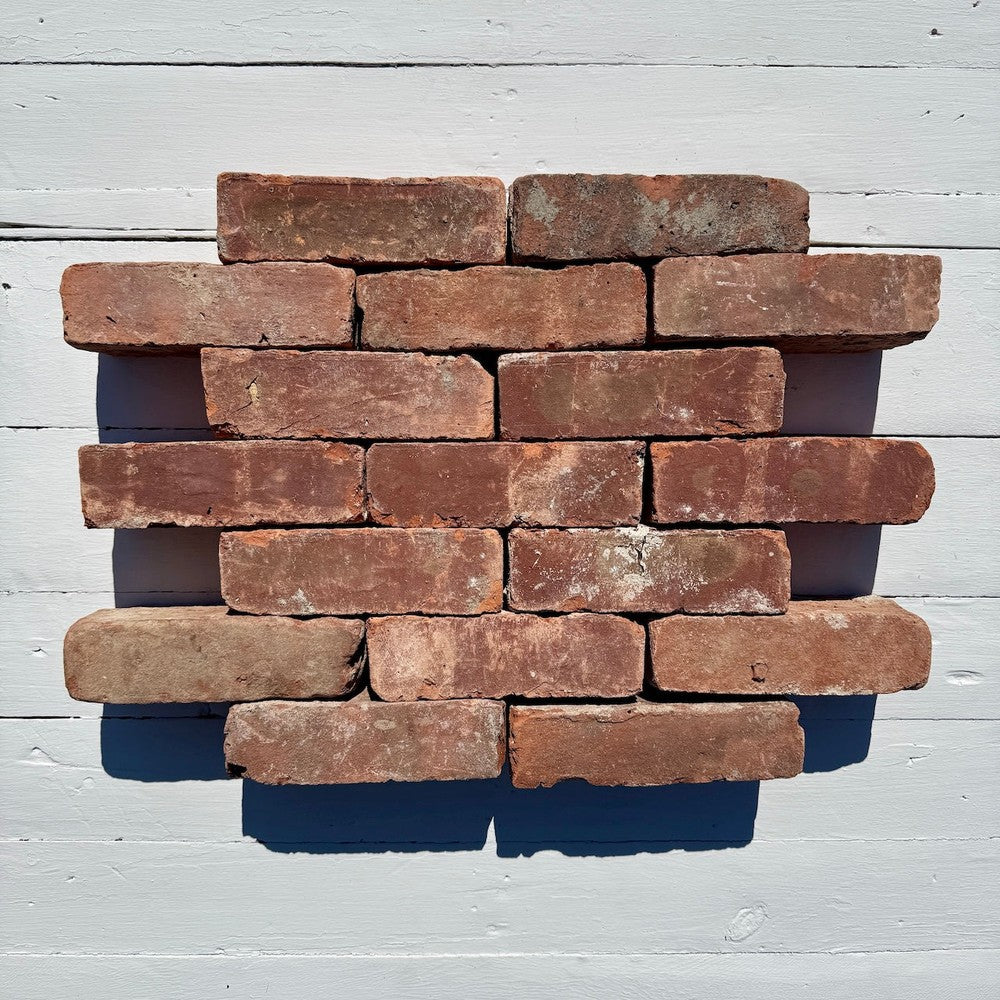
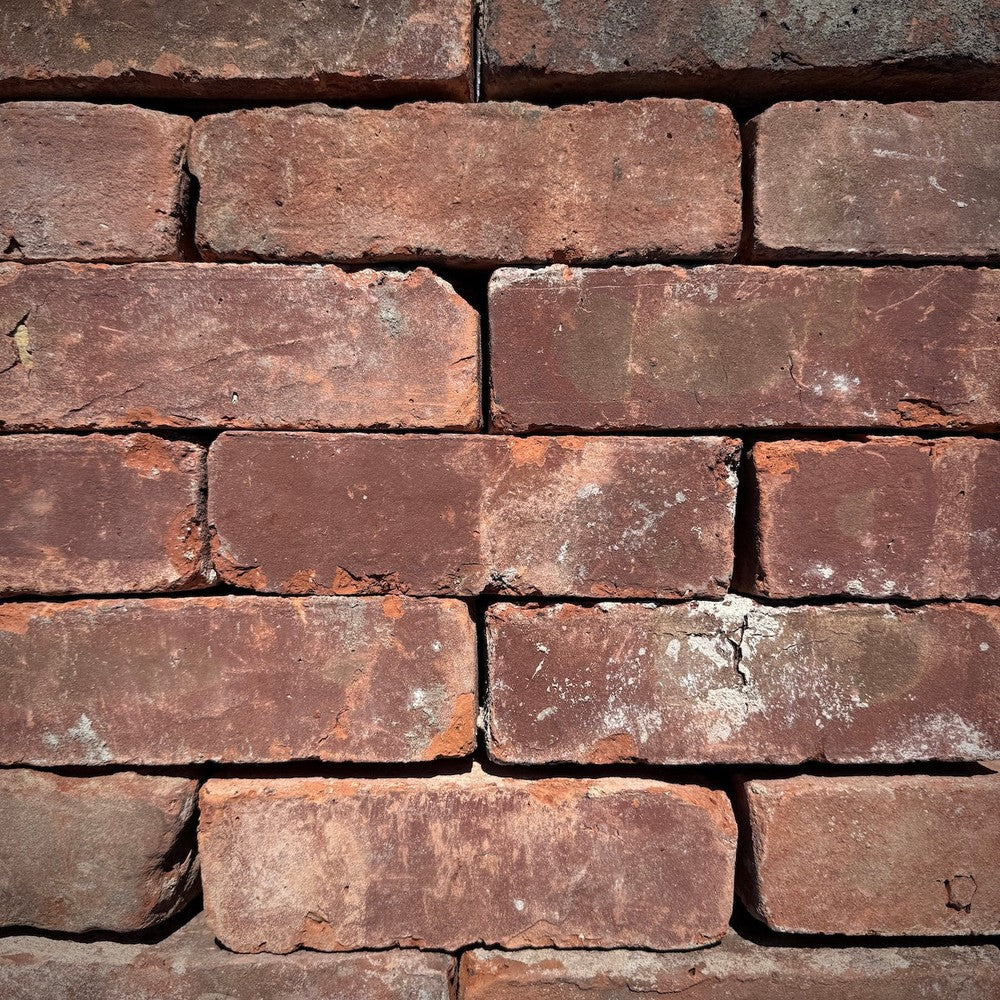
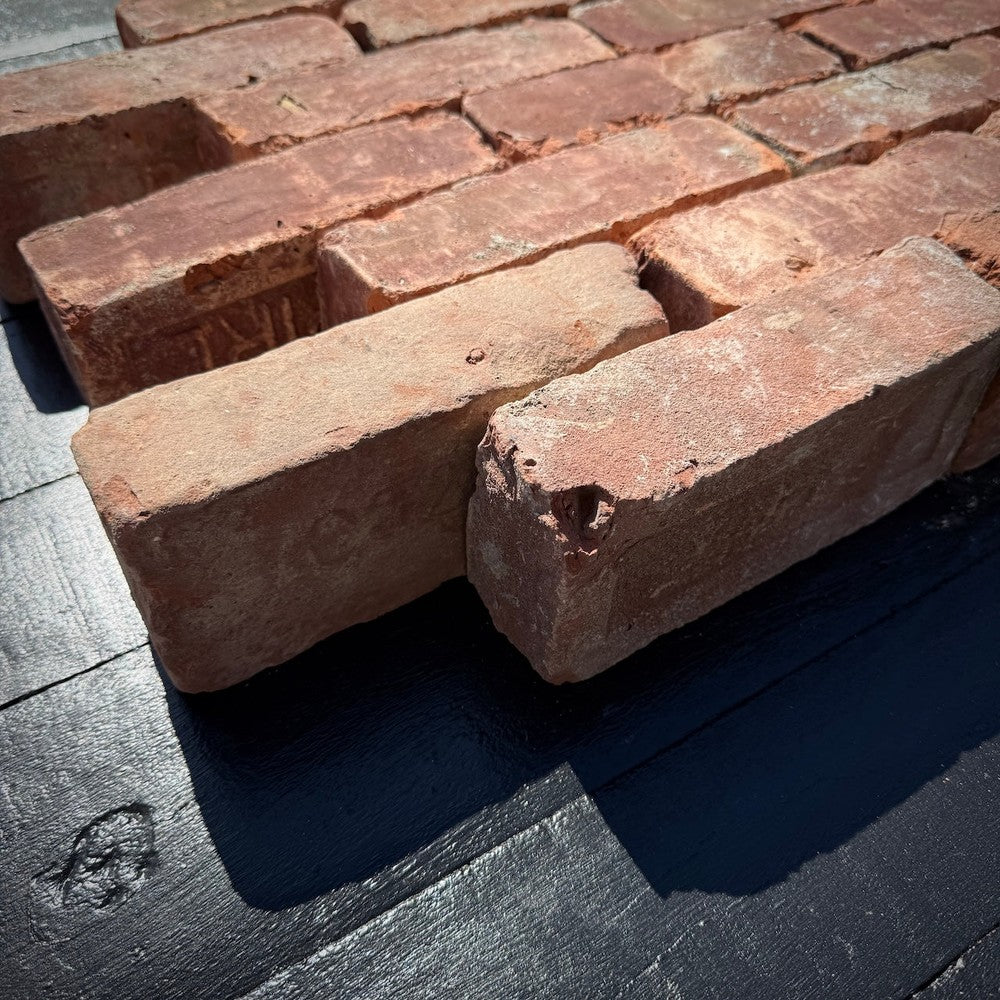
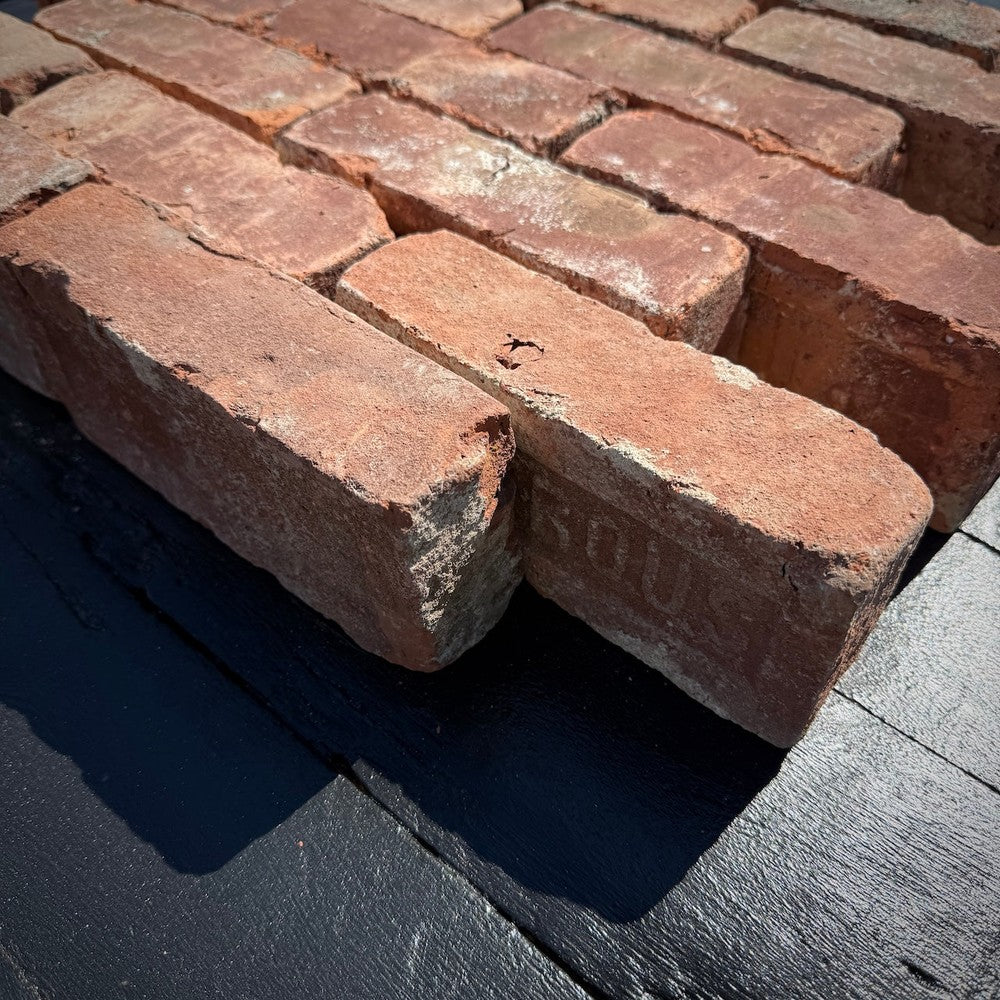
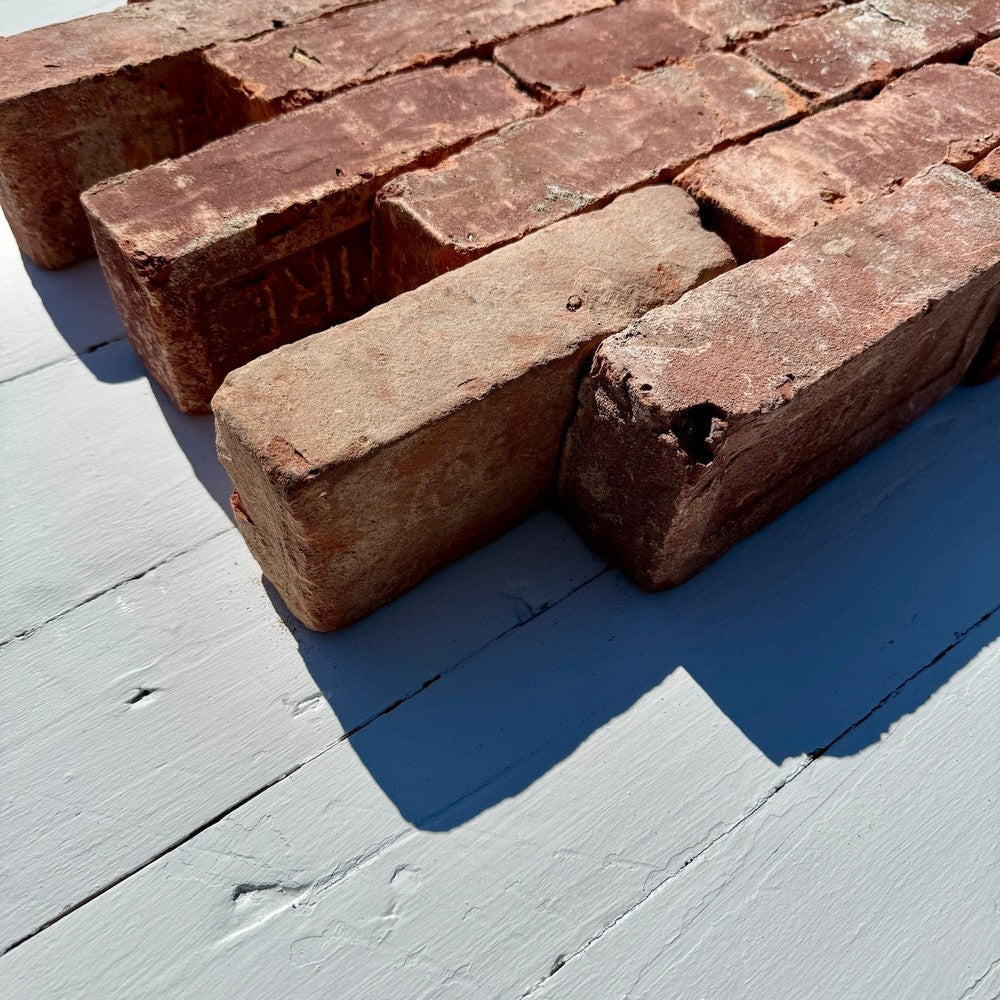
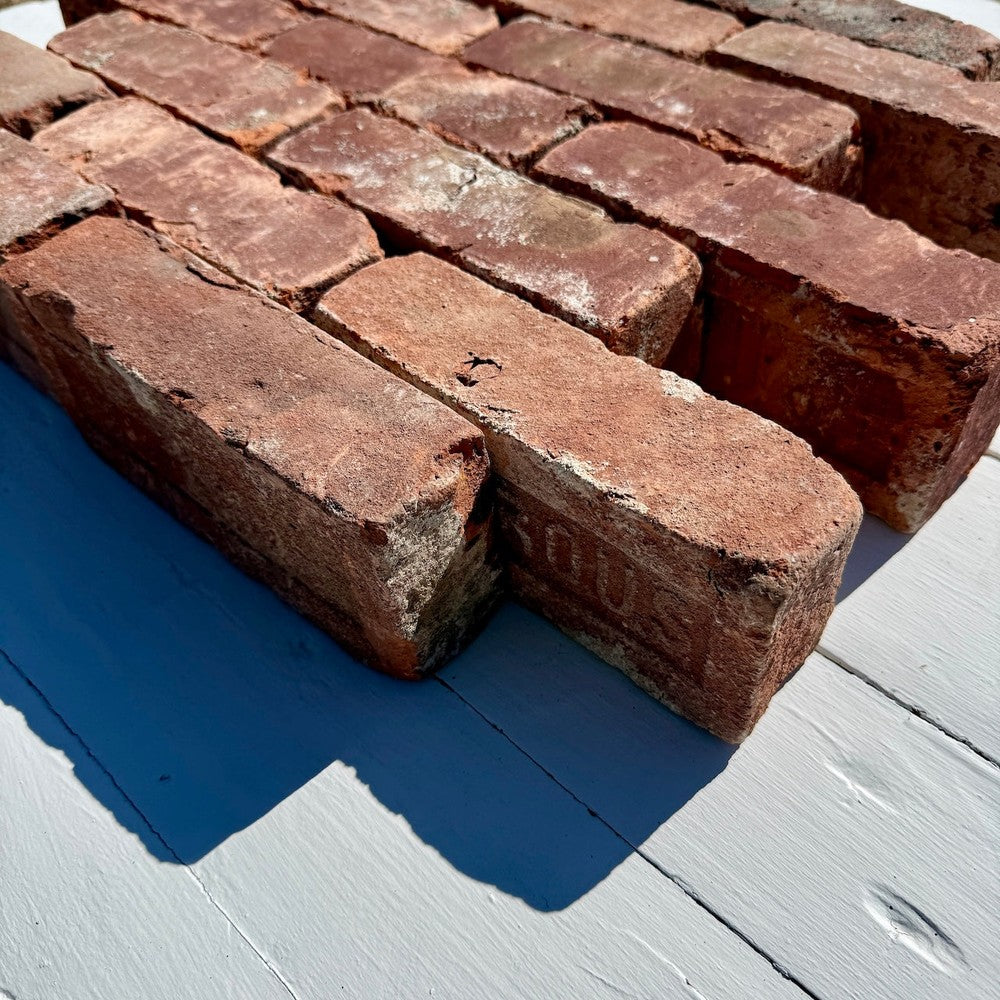
Discover the rich history and unmatched quality of Chief Bricks’ Reclaimed Red Bricks, carefully salvaged from iconic buildings in New York City. These handpicked bricks are meticulously cleaned and prepared for reuse, ready to add character to your building projects across America.
Crafted through a high-compression process, these bricks are exceptionally hard and durable, making them perfect for walls, decorative accents, or restoration projects. Reclaimed bricks aren't tested to current structural standards, so we sell them for non-structural use. Their eco-friendly nature minimizes waste, while their unique frog marks—distinctive imprints from Hudson Valley brickyards—add a touch of historical authenticity to each piece.
Work out how many bricks or stones you need for your wall, patio or walkway with our Masonry Brick & Stone Calculator.
Pictures are an indication only. Feel, look and color differ from item to item.

Share: