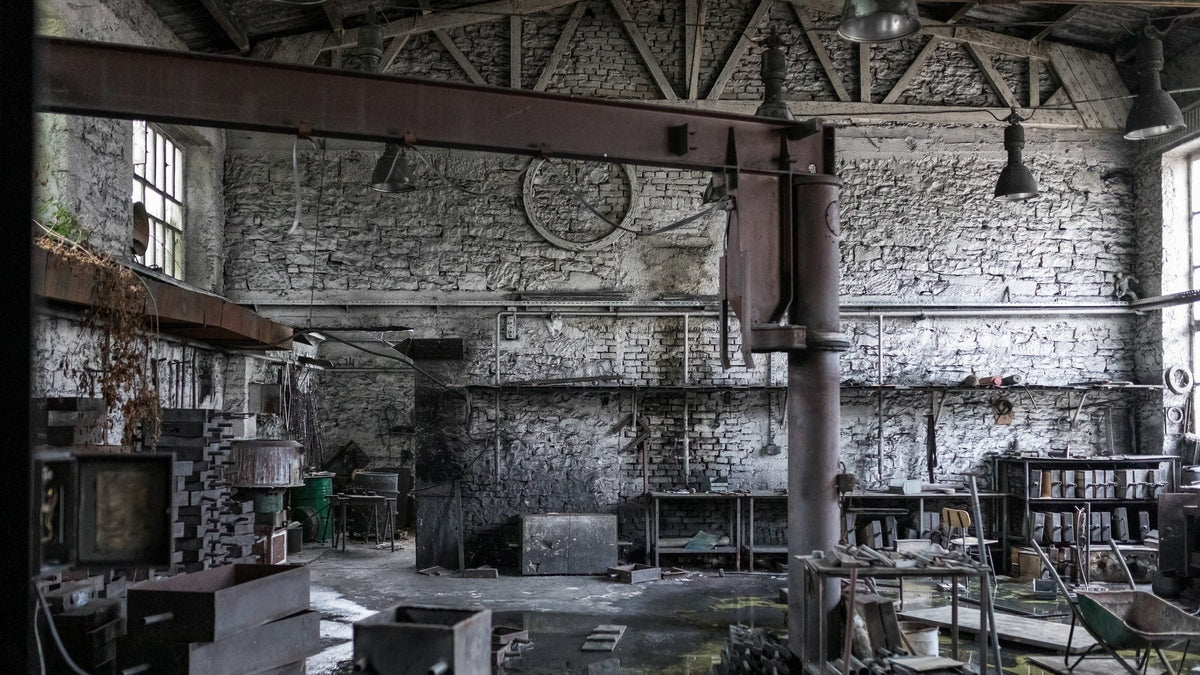
On a Sunday in late October, the corner of Sheridan and Irving Park Roads in Chicago's Uptown neighborhood was mostly rubble. A pile of broken masonry sat where a longtime nightclub had stood, with little more than its front wall still upright. Somewhere in that mess were whole bricks worth saving. Some had already been saved. What happens to them next is a question that comes up every time an old building comes down.
Salvage is the step people see, but it is only the first one. A brick that has been pulled from a demolition site is not yet a brick in a new wall. Between the two lie cleaning, sorting, storage, transport and, above all, a decision about where it will go.
Maybe you are a building owner with an old brick structure that will soon come down. You might be an architect who wants something of an old building to live on in the new one. Or maybe you are a contractor who has watched good brick go into a dumpster and wondered what else could have happened. This guide breaks down what is happening in Uptown, the difference between salvage and reuse, what decides whether salvaged brick is used again, and what you can plan for on your own project.
The two words are often used as if they meant the same thing. They describe different steps.
| Question | Salvage | Reuse |
|---|---|---|
| What is it? | Taking whole bricks out of a building or its rubble | Putting those bricks into a new wall, floor, patio or path |
| Where does it happen? | On the demolition site | On a new project, sometimes far from the old one |
| What does it need? | Time and care during the take-down | Cleaning, sorting, storage, transport and a project that wants the brick |
| What can go wrong? | Bricks break or are mixed into debris | Bricks are saved but sit unused, or never find a project |
Note: every site is different. This table describes the steps in general, not any one project.
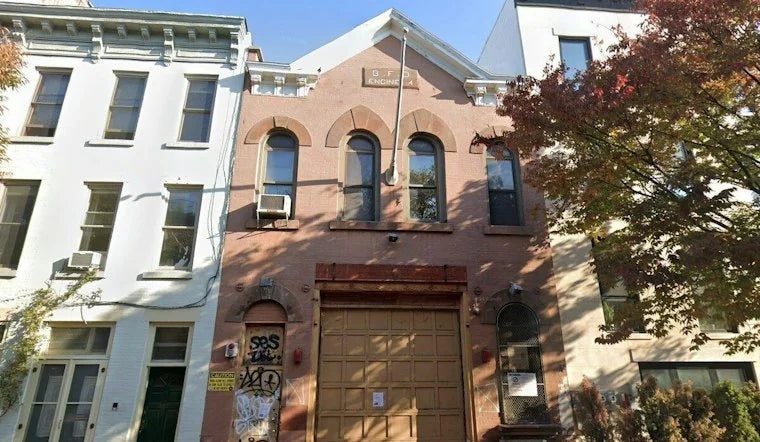
The former Holiday Club, at 4000 N. Sheridan Road in Chicago's Uptown neighborhood, is being demolished along with an adjacent apartment building and a row of storefronts at the northwest corner of North Sheridan and West Irving Park Roads. A local news report described the club as a neighborhood staple for 25 years.
The site will become a seven-story building with 91 apartments, 38 parking spaces and about 2,000 square feet of retail, according to local reports.
A few details in those reports stand out for anyone who cares about old brick:
Neither report says where the bricks went, or whether any of them will end up in a new wall. It is a clear, real example of the steps between salvage and reuse: the bricks have been saved and moved on, and where they end up has not been reported.
Our guide to what happens to the bricks when an old wall comes down explains how the way a wall comes down decides how many bricks survive. Our guide to how deconstruction works walks through taking a building apart for reuse. Both are about getting bricks out whole. This guide is about what comes after.
A salvaged brick has survived the take-down. That is an achievement, but it is not the end of the story. A pile of salvaged brick on a site still has:
Each of those steps takes work, space and time. When any one of them is missing, saved brick can end up waiting, or being thrown out after all.
There is no single answer, but a few questions decide most cases.
When those questions have good answers, salvaged brick is more likely to be used again. When they do not, even saved brick can be lost.
Owners and architects who want an old building to live on in a new one have several ways to do it. They are not mutually exclusive.
In Uptown, both reports mention terra cotta on the new building: one describes terra-cotta facade elements in homage to the club, and the other reads the renderings as re-using terra cotta from the former building, which is the second path. Neither says the bricks will go back in.
Each path keeps something of the old building's character. Only the first keeps the bricks themselves in use on the same site; when that is not part of the plan, the next best outcome is for salvaged brick to go somewhere it will be used.
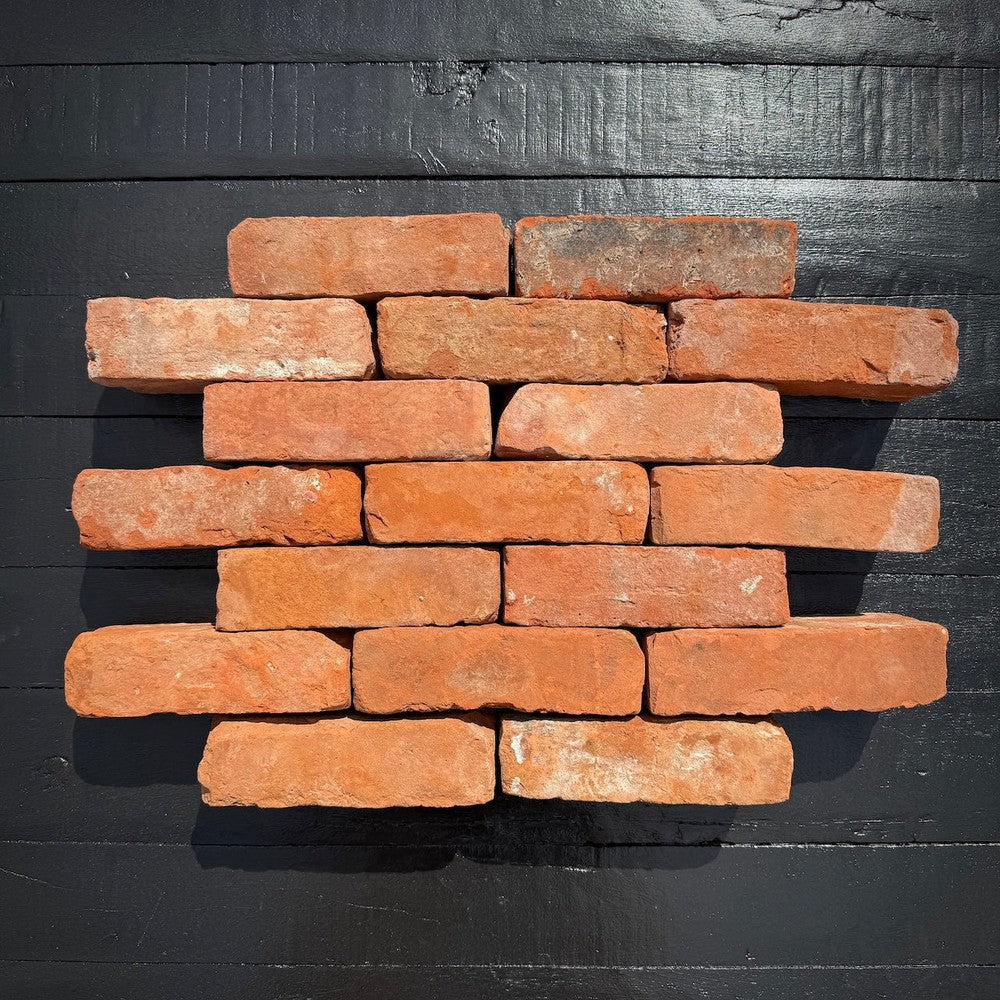
For brick that leaves the site, the next stop is a yard. Here is what that step looks like at Chief Bricks:
Only then is salvaged brick something a mason can order and lay. Our guide to how we source, sort and clean reclaimed bricks covers each step in detail.
The Uptown story is a reminder that the best time to decide what happens to the bricks is before the first one comes down. A few practical steps:
If you are taking down old brick in our area, our brick reuse and pickup page explains how we buy and pick up bricks.
For a building with sound brick, yes, as long as saving them leads somewhere. Salvage is worth the effort when there is a plan for the bricks: back into the new building, or on to a yard that will clean, sort and pass them to a new project. That is how an old building's brick becomes someone's new wall, patio or fireplace.
The trade-offs are real. Salvage takes time on site, cleaning takes labor, and not every brick is worth it. Saved brick without a destination can still end up as waste. The way to avoid that is to plan the bricks' next step before the demolition starts.
To see what salvaged brick looks like once it is ready to lay, start with our reclaimed bricks guide, or visit our yard in Nanuet, NY. No appointment is needed, but if you call ahead at (718) 379-1232, we will make sure you get our full attention.
The information provided in our guides, installation tips, and blog content is for general reference only. Every project is unique, and site conditions can vary. We strongly recommend consulting a qualified professional installer to review your specific project and provide final guidance.


Share: