Stand next to an old brick wall on a warm afternoon and you can feel it give back the heat of the day. Run a hand along it and you find softened corners, a chipped edge, and a lime joint that has gone almost white. That wall has been doing its job for eighty years or more. So what happens to all those bricks when the wall finally has to come down?
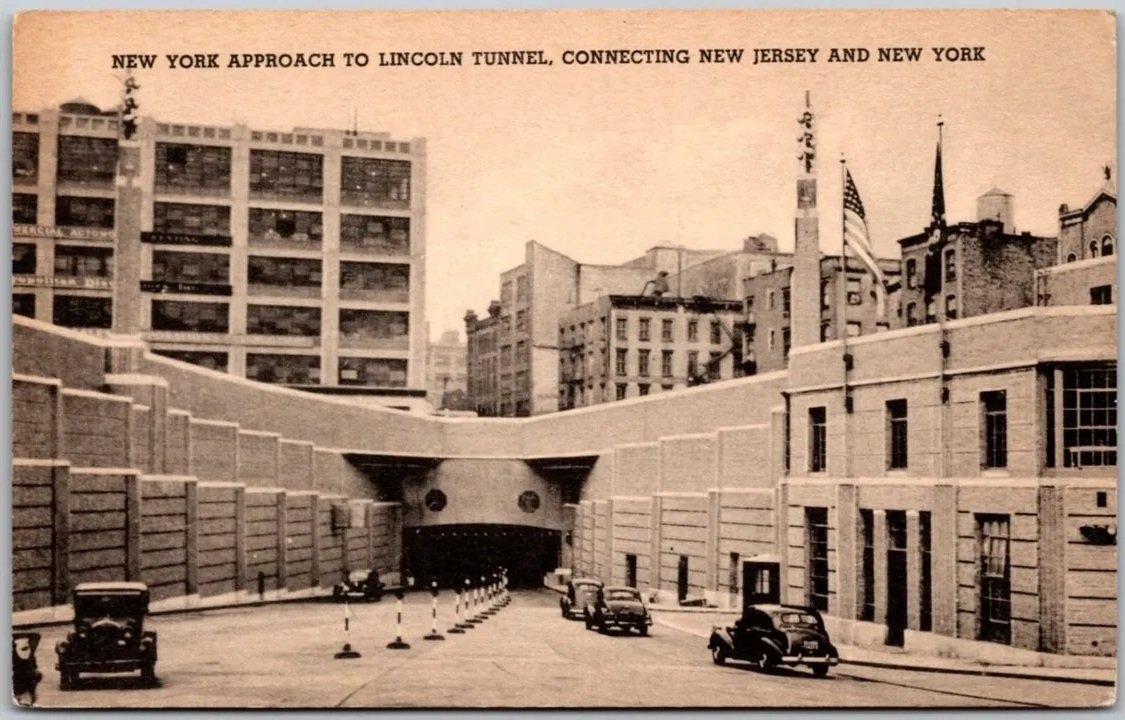
The honest answer is that it depends on a decision made long before the first brick moves. Some walls are knocked down, loaded into trucks, and crushed or hauled away. Others are taken apart with care, and their bricks are cleaned and sent on to a second life in a new patio, a restaurant wall, or a restored house. Right now, a clear example is happening in New York, at the Manhattan approach to the Lincoln Tunnel, and Chief Bricks is reclaiming those bricks.
Maybe you are a homeowner who has always wondered where reclaimed brick actually comes from. You might be a designer who wants to tell a client the true story behind the material on their wall. Or maybe you are a contractor weighing whether salvaged brick will hold up on your next job. This guide breaks down what happens to bricks when an old wall comes down, why some are saved and others are lost, and what to ask before you buy reclaimed brick for your own project.
Table of Contents
- Demolition vs. Deconstruction at a Glance
- A New York Example: The Lincoln Tunnel Walls
- Why Old Bricks Can Be Saved at All
- Demolition or Deconstruction: The Choice That Decides
- From the Wall to the Yard
- What Gets Lost Along the Way
- What to Ask Before You Buy Reclaimed Brick
- Planning Quantities and Ordering
- Why Saving Bricks Matters
- Is Brick From an Old Wall Worth Using?
Demolition vs. Deconstruction at a Glance
If you only read one part of this guide, read this table. When a brick wall comes down, the method decides whether its bricks become rubble or a building material again. Most real projects sit somewhere between the two columns.
| Question | Conventional Demolition | Careful Deconstruction |
|---|---|---|
| How the wall comes down | Pushed over or broken up with heavy machines. | Taken apart in sections or course by course. |
| What happens to the bricks | Mixed with rubble, then crushed, used as fill or hauled away. | Separated, stacked, cleaned of old mortar and sent on for reuse. |
| Breakage | High. Few whole bricks survive. | Lower. More whole bricks survive, though some always break. |
| Time on site | Usually faster. | Usually slower and more hands-on. |
| What it leaves behind | Waste to dispose of. | A supply of real, aged brick for new projects. |
| Best suited to | Walls with soft, damaged or unusable brick. | Walls built with sound brick in a mortar that lets go. |
Note: every wall is different. The age of the brick, the type of mortar, the condition of the wall and the time the job allows all affect how many bricks can be saved.
A New York Example: The Lincoln Tunnel Walls
At the Manhattan approach to the Lincoln Tunnel, the Port Authority of New York and New Jersey has been taking down brick retaining walls built between 1937 and 1945. The walls have to make way for new ramps that will serve the new Midtown Bus Terminal.
Walls like these could easily have been broken up and carted off. Instead, the bricks are being salvaged so they can be used again. Chief Bricks is reclaiming the bricks: they are cleaned, stripped of old mortar, and put back into circulation instead of being crushed.
The project is also being run as a pilot. It will look at the financial and embodied carbon savings of salvaging and reusing brick, compared with conventional demolition. That matters well beyond one set of walls. When a large public owner tests salvage on a real job and measures the result, it gives other owners, designers and builders a working example to learn from.
For anyone buying reclaimed brick, the Lincoln Tunnel walls are a good reminder of where this material really comes from. It is not made to look old. It was laid by hand decades ago, it did its job, and it is now being taken down with enough care to keep it useful.
Why Old Bricks Can Be Saved at All
Not every brick wall can give up its bricks. Whether a brick comes out whole depends mostly on two things: the brick itself and the mortar holding it in place.
Most of the older bricks we reclaim were laid in soft lime mortar. Lime mortar is weaker than the brick around it, so when a wall is taken apart, the joint gives way before the brick does. The mortar can then be knocked off, and the brick underneath is still whole. That is a large part of why bricks from older walls come free and clean up well.
The brick has to be sound too. A soft, crumbling or badly cracked brick will not be worth the effort of saving, however carefully the wall comes down. The bricks worth reclaiming are the ones that still have plenty of life in them.
This is also why we recommend laying reclaimed brick in a breathable lime mortar again. It keeps the brick working the way it was designed to. Our guide on why reclaimed bricks need different mortar than new bricks explains the reasoning in detail.
Demolition or Deconstruction: The Choice That Decides
The most important moment in a brick's second life happens before anyone picks up a tool. Someone decides how the wall will come down.
In a conventional demolition, the goal is to clear the site quickly. Machines push the wall over or break it up, and the bricks end up mixed with mortar, soil and everything else. Some whole bricks can still be picked out of the rubble afterward, but many break on the way down, and sorting them out of a pile is slow work.
In a careful deconstruction, the wall is taken apart rather than knocked down. Bricks are removed in sections or course by course and stacked on site. It takes longer and needs more hands, but far more whole bricks survive, and they reach the yard in better condition.
Many jobs land somewhere in between. Time, budget, safety and the condition of the wall all shape the plan. What makes the difference is planning salvage in from the start, instead of treating it as an afterthought once the machines are already on site.
If you are an owner or contractor with an old brick building, wall or street that is about to be taken down, the best time to think about the bricks is before the demolition plan is set.
From the Wall to the Yard
Whatever wall they come from, reclaimed bricks still have a way to go before they are ready for a new project. At Chief Bricks, they are brought to our yard in Nanuet, NY, where the real work begins.
Every brick is checked by hand. We handle about a million bricks a year this way. The bricks are cleaned of old mortar and dirt using hammers, chisels and wire brushes, with no chemical treatments. We clean enough to make the brick ready to lay, not so much that we strip away the age and patina that make it worth using in the first place.
After cleaning, bricks are sorted by type, size and color, so each pallet holds brick that works together. Our article on how we source, sort and clean reclaimed bricks walks through each of these steps in more detail.
All of our reclaimed brick comes from the United States, and much of it from New York. Our New York reclaimed bricks were made in the Hudson Valley, which is why so many of them carry the color and character people associate with the city's older buildings. You can read more about that history in our guide to reclaimed New York bricks.
What Gets Lost Along the Way
Even the most careful salvage never saves every brick. It helps to know this before you plan a project, because it shapes what reclaimed brick can and cannot be.
Some bricks crack as the wall comes apart. Others turn out to be too soft or too damaged once the mortar is off. A load can also arrive with more variation than expected, or with bricks that do not match the rest of the batch in size or color. Bricks like these are set aside rather than sent out as if they were the same as the rest.
That loss is part of why reclaimed brick is not an endless supply. Each wall gives what it gives. A particular color, size or stamp may be plentiful one season and hard to find the next. If a certain look matters to your project, it is worth asking early what is on hand.
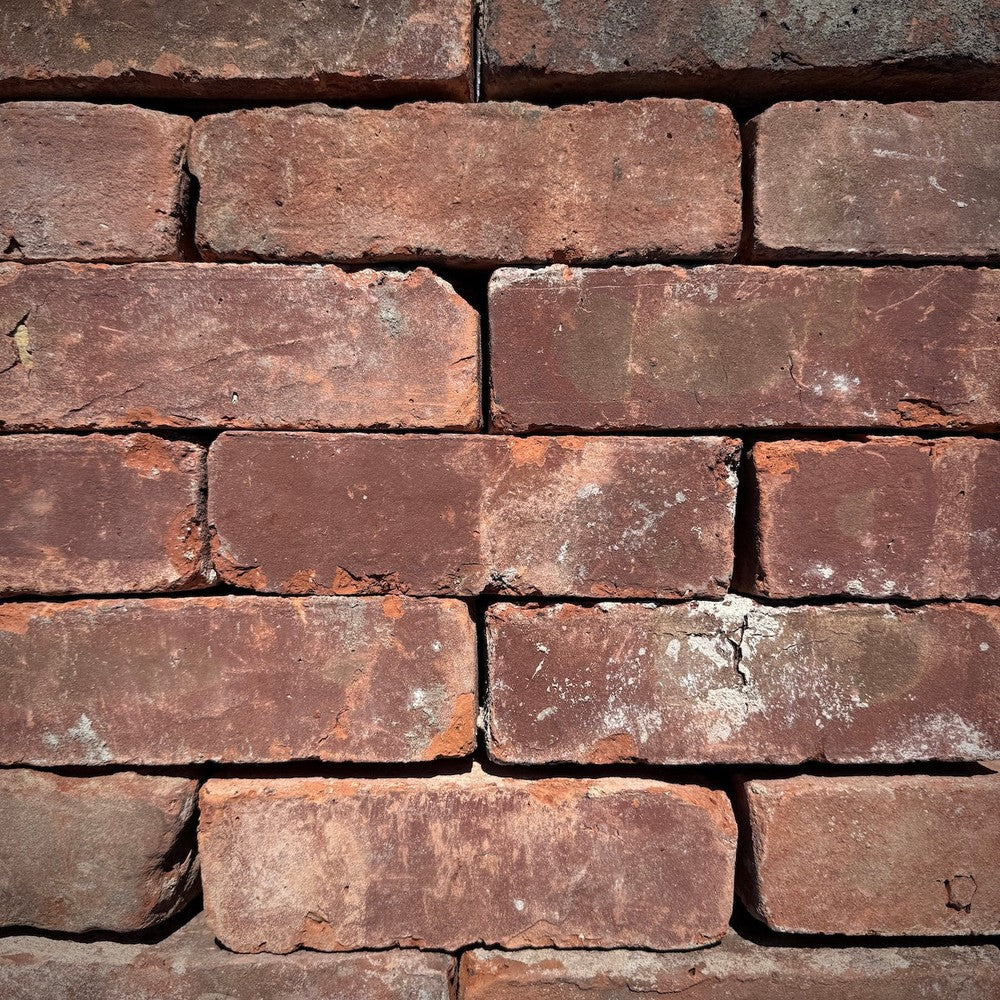
It is also why reclaimed brick will never be as uniform as new brick. Sizes vary slightly, faces carry old marks, and colors shift from brick to brick. For most of our customers, that variation is the whole point. For a project that needs perfectly matched units, it is something to plan around rather than discover on delivery.
What to Ask Before You Buy Reclaimed Brick
Whether your bricks come from a tunnel wall, a factory or an old street, the same practical questions apply. Asking them early saves surprises later.
What is the brick for? A garden wall, an interior feature wall and a driveway ask very different things of a brick. Street pavers are made to carry traffic, while building bricks suit walls, fireplaces, patios and walkways. Tell us the job first, and the right brick follows from it.
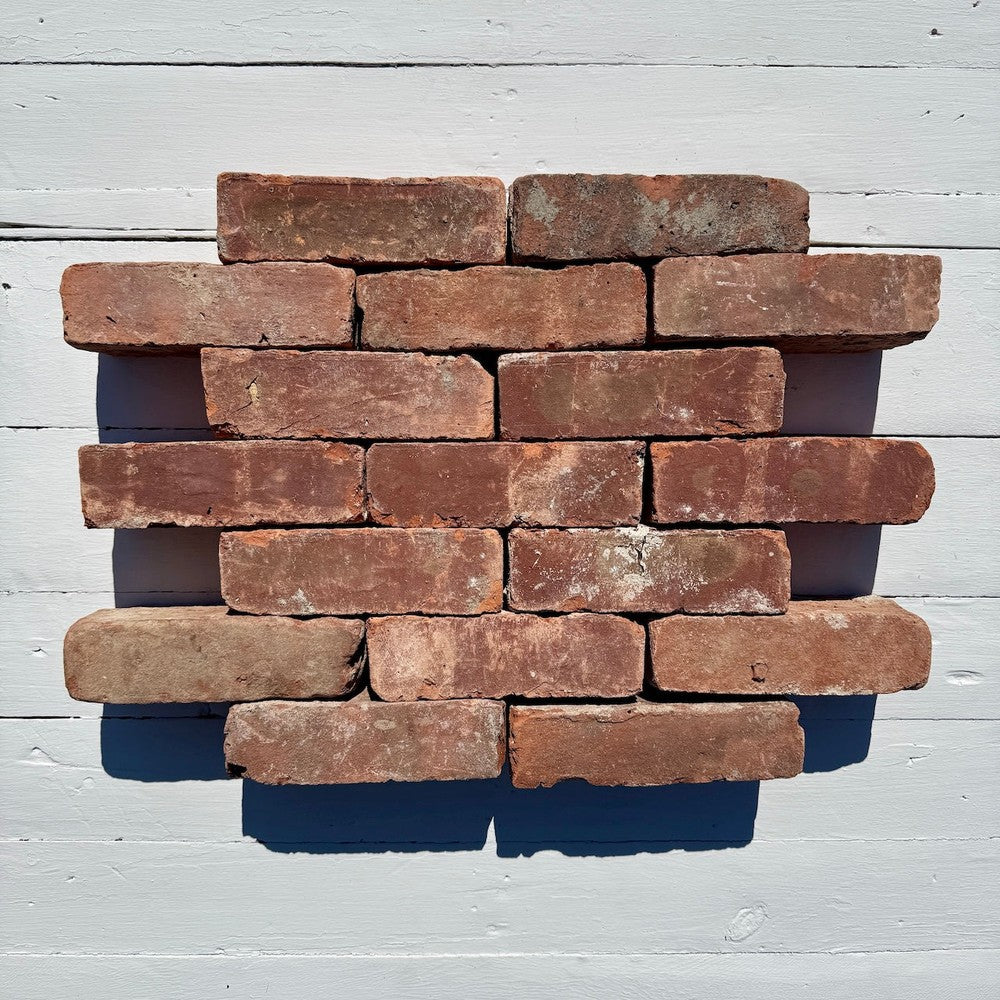
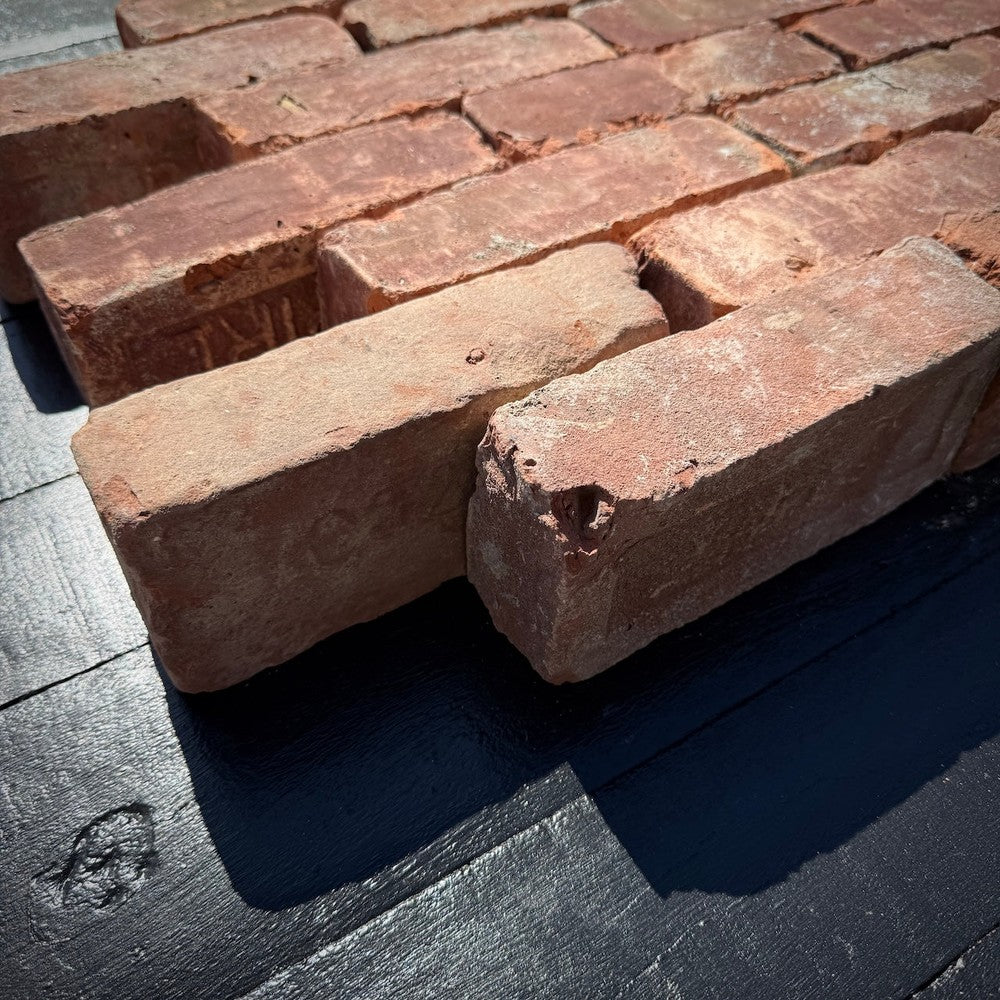
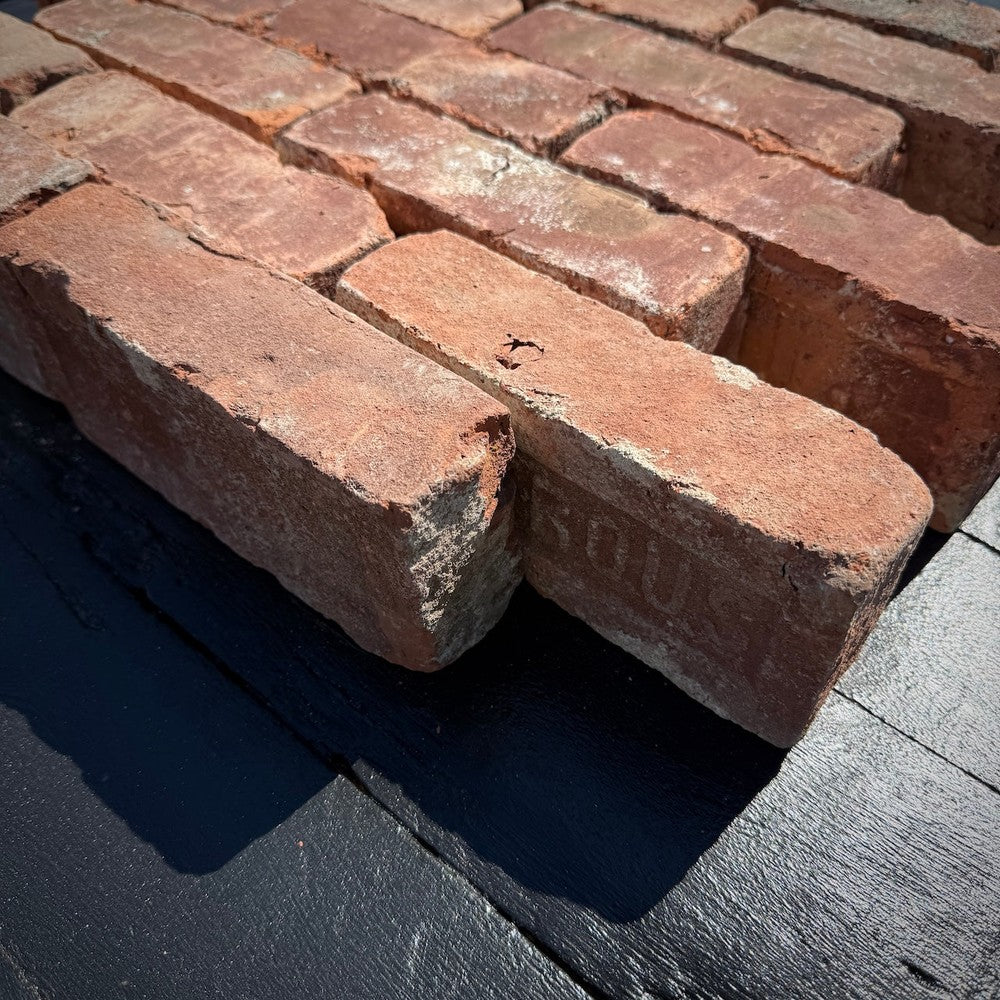
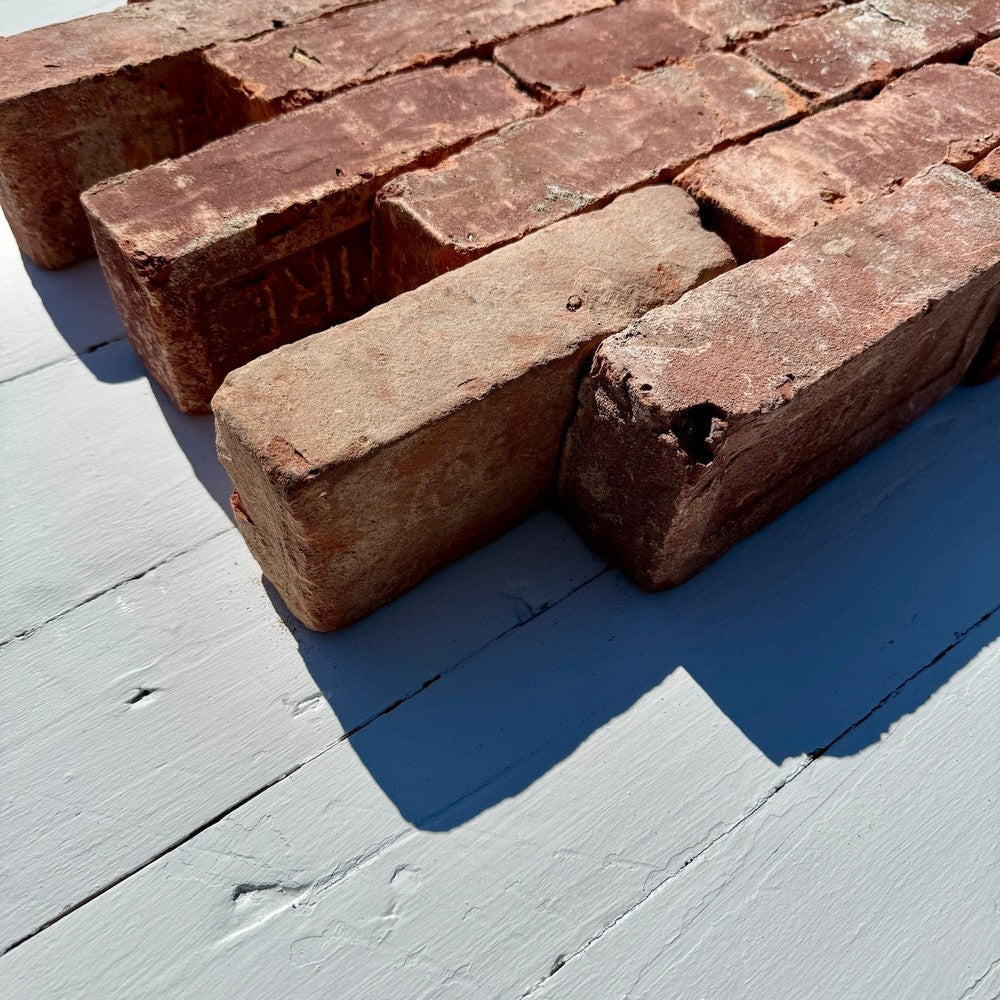
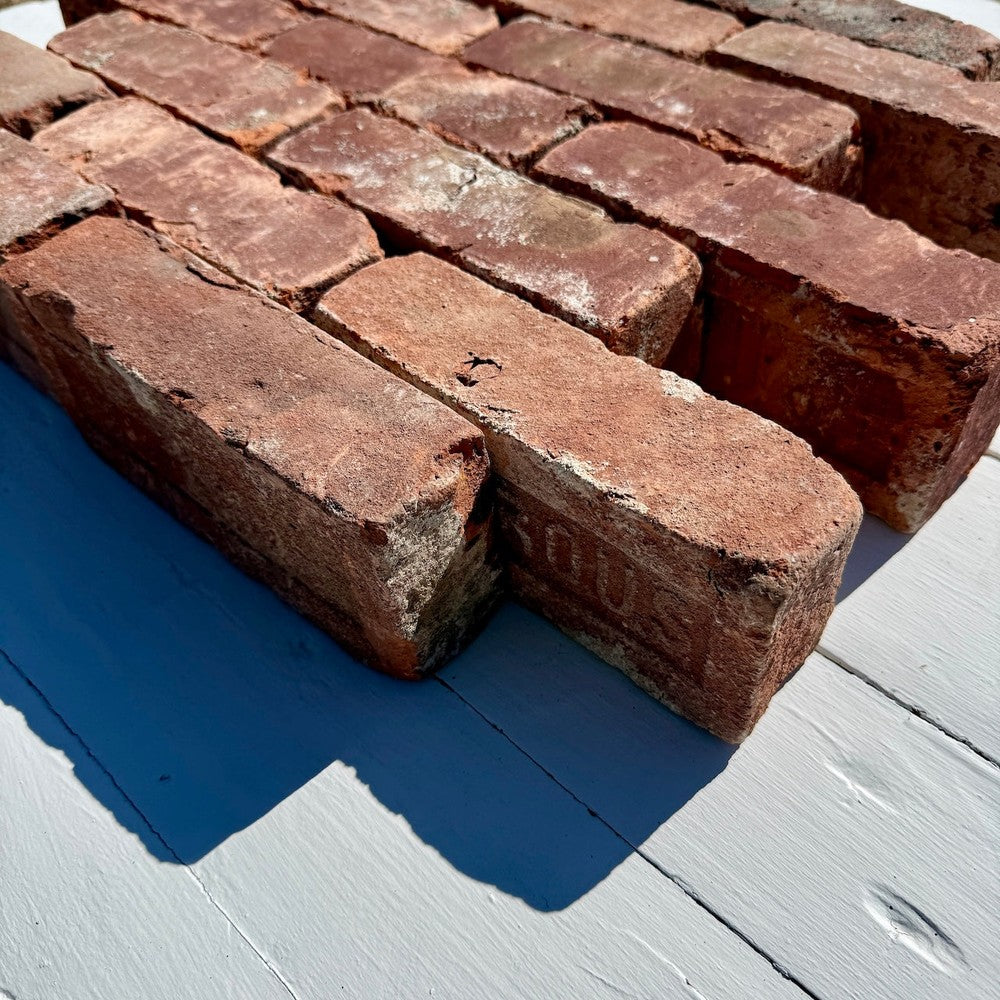
What condition should I expect? Reclaimed brick ships cleaned of old mortar and dirt, but it is not new. Expect softened edges, small chips, traces of old mortar in the texture and natural marks on the faces. That character is what you are paying for.
How much does the size vary? Reclaimed bricks are close in size within a batch, but not identical. Your mason should know this before setting out joints and coursing, especially when the new work meets existing brick.
How much color variation is there? Photos are an indication only, and every brick is a little different. The best way to judge color is to see the bricks in person or order a sample and look at it in your own light.
Can I get all the brick I need from one batch? This is one of the most important questions on any reclaimed project. Ordering the full quantity, plus extra, at the same time helps keep color and size consistent across the job and leaves you spare bricks for future repairs.
Can I see it first? Yes. You are welcome to visit our yard in Nanuet, NY. No appointment is needed, but if you call ahead at (718) 379-1232, we will make sure you get our full attention. If you are farther away, many of our bricks are available as a small sample by priority mail.
Planning Quantities and Ordering
Once you know which brick suits your project, the next step is working out how much you need. For walls, full brick and thin brick wall veneer both come to about 6.98 bricks per square foot with a 1/4-inch joint.
Add extra for cuts, breakage and layout. We suggest about 10% for simple layouts and 12% to 15% for herringbone patterns, curves and borders. With reclaimed brick, that extra also gives you matching spares from the same batch if a brick ever needs replacing.
Our Masonry Brick & Stone Calculator does the math for you, and our guide on how many bricks you need explains how coverage works for walls, floors and pavers.
As an example, our Reclaimed NY Red Bricks are $2.25 per brick, or $1.95 per brick by the pallet of 504.* At 6.98 bricks per square foot, that is about $15.70 per square foot of wall by the unit, or about $13.60 by the pallet, before mortar and labor.* A sample of four bricks can be sent by priority mail.
Add the Reclaimed NY Red Bricks to your cart and enter your address for a shipping quote. If it looks too high, call us at (718) 379-1232; we sometimes have alternative ways to get your Reclaimed NY Red Bricks to your door for a more reasonable price.
Why Saving Bricks Matters
A brick that is reused does not have to be made again. The clay was dug, shaped and fired decades ago, and all of that work is already done. Keeping that brick in use, instead of crushing it or sending it to a landfill, is one of the simplest forms of reuse in construction.
That is why projects like the Lincoln Tunnel pilot are worth watching. Measuring the cost and the embodied carbon of salvage against conventional demolition turns a good idea into real numbers that owners and designers can plan around.
For many projects, reclaimed brick can also support green building goals. Reused materials can count toward material reuse credits in LEED v4 and v5, depending on the project and how the material is documented. Your project team decides what qualifies. Our guide on reclaimed bricks, stone and LEED v4 and v5 explains what to keep track of.
Above all, saving bricks keeps something of a place alive. A wall that has stood for eighty years can become a garden path, a kitchen wall or a fireplace, and carry its history into a new building.
Is Brick From an Old Wall Worth Using?
For most patios, walkways, garden walls, fireplaces and interior walls, yes. Brick reclaimed from an old wall gives you real age and color that new brick cannot copy, and it keeps a sound material in use instead of throwing it away.
It does come with trade-offs. Reclaimed brick varies in size and color, supply depends on what each wall gives, and some looks are only available for a while. Plan for that by ordering your full quantity at once, adding extra, and seeing a sample before you commit.
If you want brick with a real past for your next project, start with our Reclaimed NY Red Bricks, or call us at (718) 379-1232 to talk through what is on hand.
* Prices as of October 2026. Confirm current pricing on each product page before ordering.



Share: