
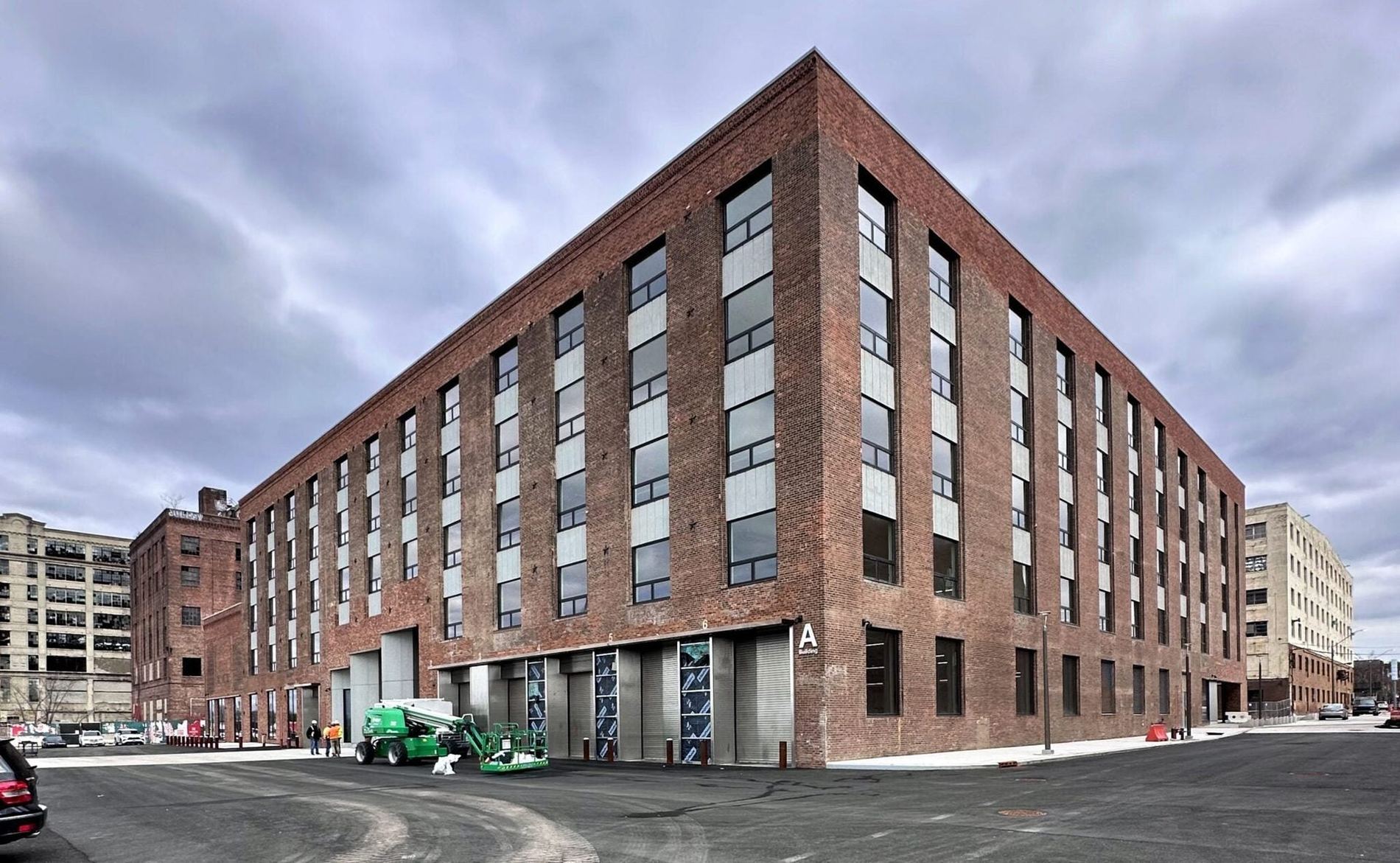
New York City is taking a practical step toward a more circular construction economy, and the first materials selected for the effort feel right at home in the city’s built landscape: reclaimed red bricks and reclaimed granite tiles.
NYCEDC has launched a year-long pilot for the Circular Construction Hub at MADE Bush Terminal in Sunset Park, Brooklyn. Operated by Our Temenos, the hub will recover, sort, store, and redistribute selected building materials that might otherwise be discarded during construction, renovation, and demolition work.
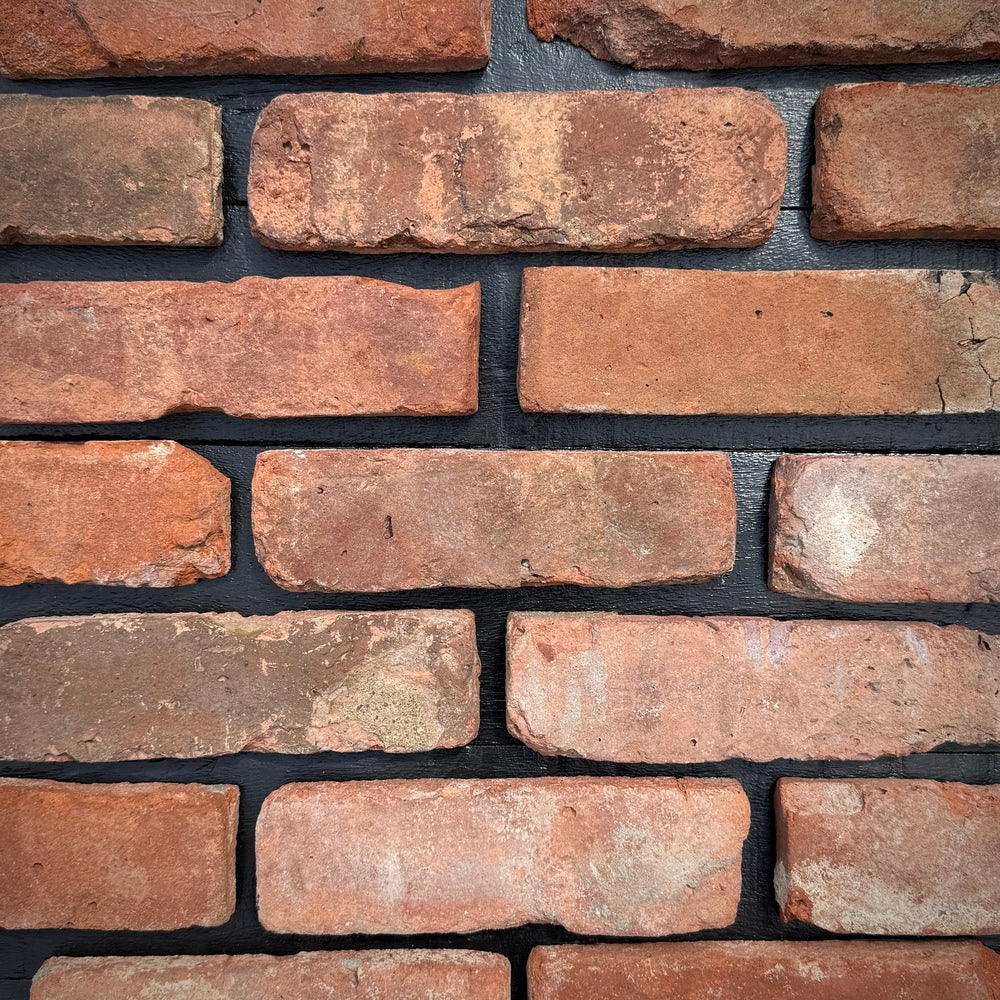
For its first material selections, Our Temenos chose New York Reclaimed Used Red Common Bricks and Reclaimed Granite Floor Tiles from Chief Bricks. It is a meaningful choice. Both materials carry real New York history, proven durability, and the kind of natural variation that gives new projects a sense of place from day one.
Table of Contents
- NYC Launches a Circular Construction Hub
- Why Material Reuse Matters in New York City
- Why Reclaimed Brick and Granite Came First
- The Case for Reclaimed New York Red Bricks
- The Strength of Reclaimed Granite Tiles
- Where These Materials Work Best
- What Circular Building Can Look Like
- Reclaimed Materials for Projects Nationwide
NYC Launches a Circular Construction Hub
Construction materials have always moved through New York City in massive volumes. Buildings are renovated, storefronts change hands, brownstones are restored, warehouses are adapted, and old infrastructure is upgraded. Too often, usable material leaves a job site as waste simply because there is no efficient way to recover, store, and match it with another project.
That is the challenge the new Circular Construction Hub is designed to address. NYCEDC announced the year-long pilot at MADE Bush Terminal, a historic 20-acre waterfront redevelopment campus in Sunset Park. The hub will be managed by Our Temenos, a Brooklyn-based ecological landscaping and green infrastructure firm with experience in low-waste design, material reuse, and resilient outdoor spaces.
According to NYCEDC’s announcement, the program will focus on recovering, sorting, storing, and redistributing select materials. It will also collect real-world information about the handling, logistics, demand, and economic feasibility needed to expand material reuse in New York City.
The idea is straightforward. A brick, stone, paver, beam, fixture, or other building component does not lose all of its value simply because a building changes. If it is still usable, it can be cleaned, sorted, stored, and given a new purpose.
Why Material Reuse Matters in New York City
New York is a city built in layers. Every neighborhood tells its story through masonry, granite curbs, cast iron, brownstone, old timber, and industrial infrastructure. When these materials are removed carefully, they can continue serving new homes, gardens, commercial spaces, public landscapes, and restoration projects.
NYCEDC reports that construction and demolition debris accounts for 40 percent of New York City’s total waste generation. That makes reuse more than a design preference. It is an opportunity to reduce waste, preserve material value, limit the need for new extraction and production, and create new work in deconstruction, logistics, material processing, and resale.
Still, reuse does not happen automatically. A contractor needs a reliable place to bring usable material. A designer needs to know what is available. A homeowner needs enough quantity for a patio or wall. A mason needs material that has been cleaned, sorted, and delivered with a realistic plan.
The Circular Construction Hub is meant to help close those gaps. It creates a physical place where materials can be treated as resources rather than leftovers. For anyone who has searched for authentic reclaimed brick or stone, that shift matters.
Why Reclaimed Brick and Granite Came First
The first materials selected by Our Temenos were reclaimed red common bricks and reclaimed granite floor tiles from Chief Bricks. That pairing makes sense because both materials are practical, hard-wearing, and deeply connected to New York’s architectural identity.
Brick and granite do not need to be trendy to work. They have already proved their value over decades, and in many cases over more than a century. A reclaimed brick may show a softened edge, a trace of old mortar, kiln marks, weathering, or color changes that only come with time. A piece of reclaimed granite carries the dense, natural texture and strength that helped build New York’s historic streets, curbs, yards, and hardscapes.
These are not materials that need a fake “aged” finish. They already have the patina people try to recreate with new products. The difference is visible the moment you see them stacked together. You get a mix of warm reds, muted oranges, charcoal marks, mineral tones, and surface variation that feels natural instead of printed.
For circular construction, they also make practical sense. Reclaimed brick and granite can be used in a broad range of projects, from small residential improvements to larger landscape and commercial applications. They are familiar to masons, landscapers, architects, builders, and homeowners. That helps turn the concept of reuse into something people can actually specify and build with.
The Case for Reclaimed New York Red Bricks
New York Reclaimed Used Red Common Bricks bring a classic masonry look to projects that need warmth, texture, and a connection to the city’s building history. Their red base tones are not perfectly uniform, and that is exactly the point. Small shifts in color and surface wear give a finished wall, patio, or garden edge more depth than a flat field of new brick.
Reclaimed red bricks are a flexible material to design with. Use them for a townhouse garden wall, an outdoor kitchen, a patio, a fireplace surround, a retail display, a mudroom floor, or an interior accent wall. They work especially well when a project needs to feel established rather than newly installed.
There is also a practical advantage to working with real reclaimed masonry. These units have already spent years in the regional climate. They were made for buildings and landscapes that deal with changing seasons, rain, snow, heat, and freeze-thaw cycles. As always, the final installation should match the intended use, substrate, drainage conditions, and local building requirements.
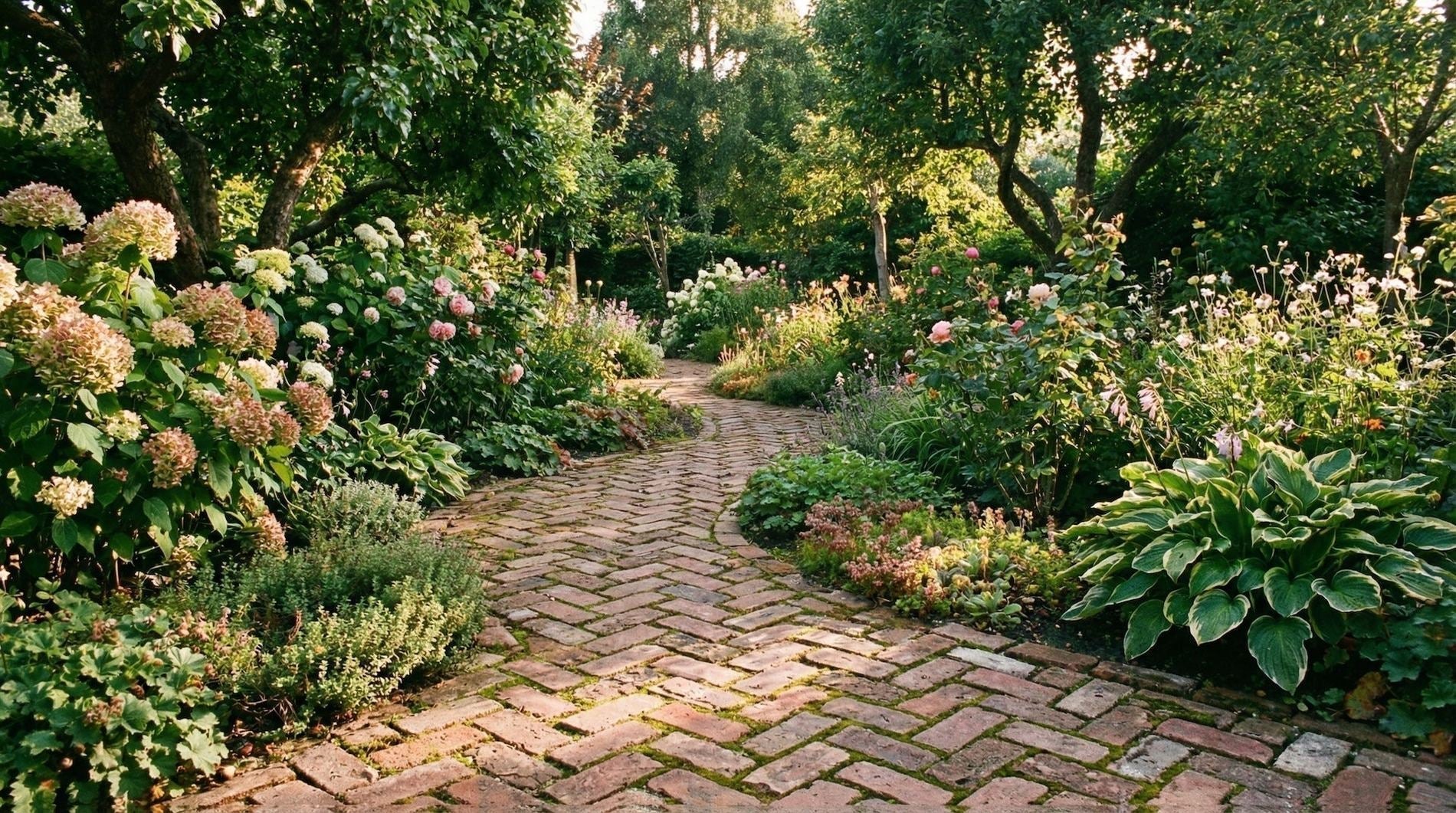
For designers, reclaimed brick offers a way to make modern spaces feel less generic. A clean kitchen with white cabinetry and steel hardware becomes warmer with a thin brick backsplash. A plain patio feels more grounded with red brick underfoot. A new garden wall gains the visual confidence of something that has been there for generations.
The Strength of Reclaimed Granite Tiles
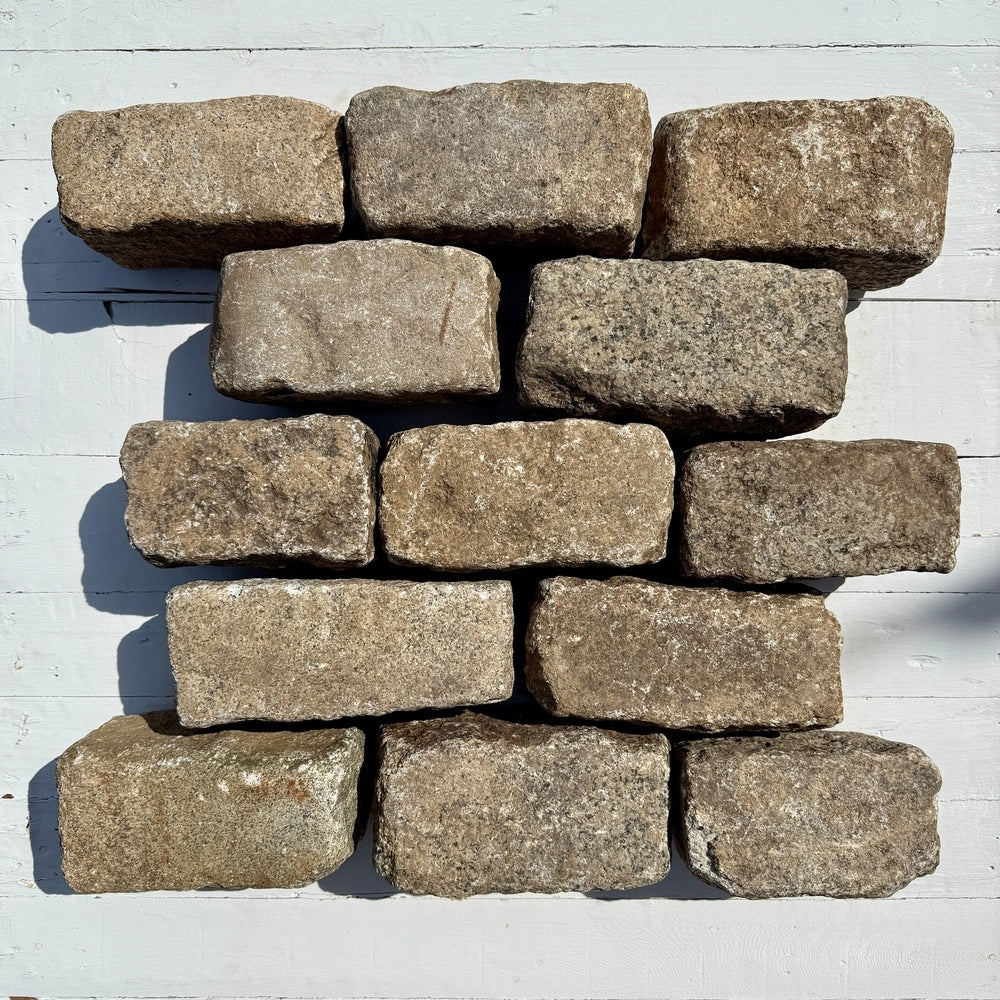
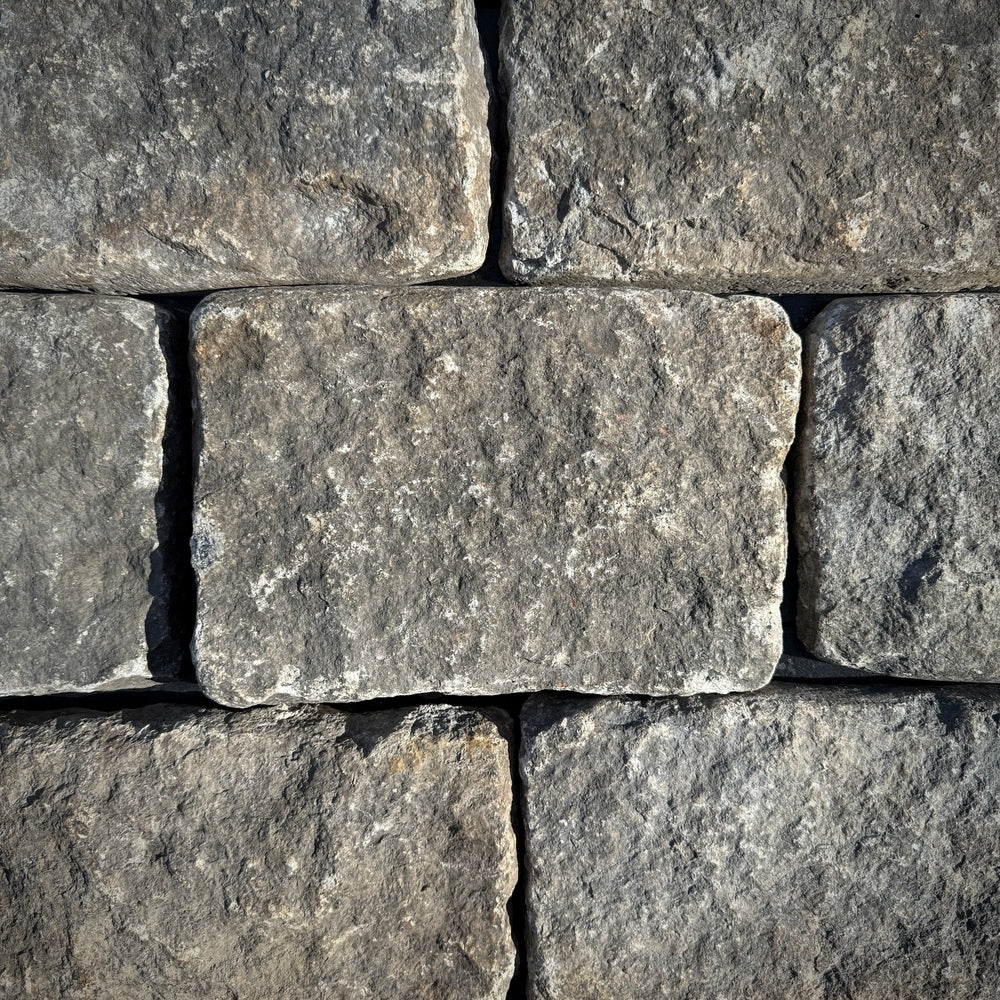
Reclaimed Granite Floor Tiles bring a different kind of character. Brick feels warm and earthy. Granite feels solid, mineral, and permanent. Put the two together and you get a material palette that feels distinctly New York.
These reclaimed granite tiles measure approximately 11 inches by 7 inches by 2 inches. Their thinner format makes them useful for patios, paths, entries, courtyards, garden areas, and other hardscape applications where the look and strength of natural stone are important but a full-depth cobblestone may not be necessary.
Granite is a strong choice for projects that need visual weight. It works beautifully as a border around brick paving, as a transition at an entry, as a landing surface, or as a durable field material for a courtyard. Its gray, charcoal, and mineral tones also balance the warmer colors found in reclaimed red brick.
Think of a brick patio bordered with granite. The brick creates warmth and movement. The granite gives the layout a crisp edge and a sense of permanence. In a garden, that combination can make a new outdoor space feel connected to the older streetscapes and service alleys that give New York so much of its character.
Where These Materials Work Best
One of the best things about reclaimed brick and granite is that they do not force a project into one style. They can look industrial, traditional, rustic, contemporary, European-inspired, or completely local depending on the layout and surrounding finishes.
Townhouse gardens and patios
Reclaimed red bricks make a natural patio field in running bond, basketweave, or herringbone. Add granite floor tiles as a border, threshold, or planting-bed edge. The result has warmth without looking overly polished.
Front walks and entry areas
Granite can create a durable, substantial path from sidewalk to stoop, while reclaimed brick softens the space around it. This approach works especially well for homes that need a stronger arrival experience without losing an aged, neighborhood-friendly feel.
Interior floors and feature walls
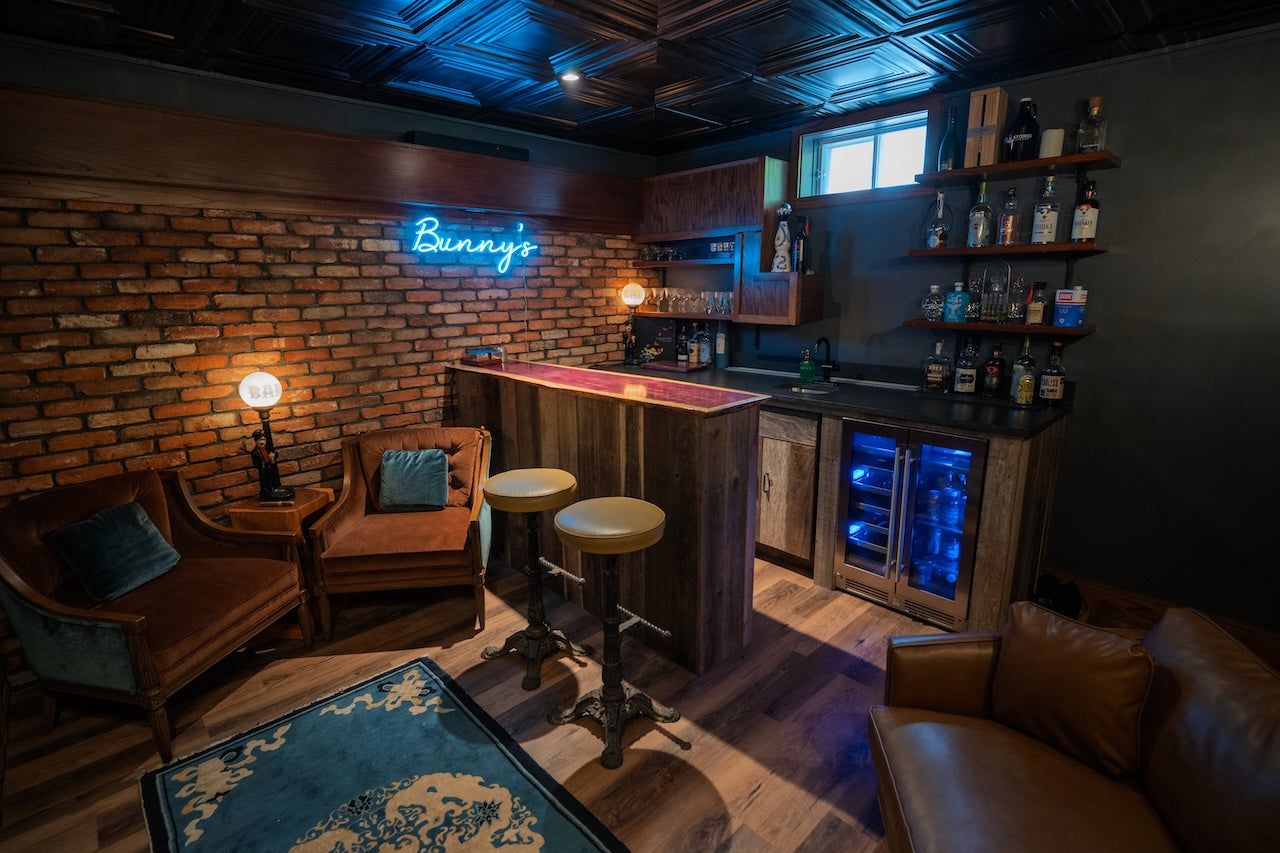
Brick is a strong choice for mudrooms, kitchens, wine rooms, fireplaces, and feature walls. Granite tiles can be used in entries, hearth areas, transition zones, and selected floor applications. The materials add texture that works well with plaster, oak, black steel, natural stone, and painted millwork.
Commercial courtyards and hospitality spaces
Restaurants, cafes, retail spaces, and event venues often need materials that feel memorable on day one. Reclaimed brick and granite help create that feeling. They can turn a basic exterior seating area or entrance into a space that looks rooted in its surroundings.
What Circular Building Can Look Like
Circular construction can sound like a policy term, but the best examples are easy to understand. It means looking at existing materials before ordering something new. It means taking a usable brick, stone, timber, or architectural component and giving it another useful life.
For a homeowner, that could mean choosing reclaimed brick for a patio instead of a manufactured product made to imitate age. For an architect, it could mean specifying salvaged granite for a landscape border or plaza. For a contractor, it could mean working with a supply chain that makes reuse more predictable and easier to plan.
The Circular Construction Hub pilot will test the behind-the-scenes work needed to make this approach more common. That includes intake, sorting, storage, handling, resale, and data collection. Those details may not be visible in the finished project, but they are what make material reuse possible at a larger scale.
There is also an emotional side to it. Reclaimed material helps a project feel connected to a longer story. Instead of starting from zero, you build with something that has already proven its place in the city.
Reclaimed Materials for Projects Nationwide
New York reclaimed material is not limited to New York projects. Chief Bricks ships nationwide, making it possible for homeowners, designers, builders, and landscape professionals across the country to bring authentic reclaimed masonry and stone into their work.
Whether you are planning a small residential patio, a restaurant courtyard, a historic-style garden wall, a brick feature wall, or a large landscape project, the process starts with the intended use. Think about where the material will go, how much variation you want, whether the surface is vertical or horizontal, and what delivery timeline the project requires.
Reclaimed material is not about making a new space look old for the sake of it. It is about choosing materials with depth, durability, and a history you can actually see. The launch of NYC’s Circular Construction Hub is a reminder that the best building materials are often already here. They simply need a thoughtful route back into use.
To learn more about the Circular Construction Hub, read the NYCEDC announcement. To learn more about the operator and its work in ecological landscape design and material reuse, visit Our Temenos.


Share: