
Reclaimed bricks, cobblestones, and stone from Chief Bricks can support multiple LEED v4, v4.1, and LEED v5 Materials & Resources (MR) strategies by prioritizing reuse and reducing embodied carbon.
If you are an architect, builder, homeowner, or landscape designer, you are likely balancing two pressures. One is the push to cut embodied carbon, waste, and costs. The other is the demand to create spaces that feel warm and timeless.
This page explains how design and development teams can align reclaimed masonry with LEED credits while maintaining high standards of quality and constructability.
Table of Contents
- Why Reclaimed Masonry Fits LEED
- LEED v4 & v4.1 MR Credits Supported by Reclaimed Brick and Stone
- How Reclaimed Masonry Aligns with LEED v5
- Where Reclaimed Brick and Stone Deliver LEED Value
-
Documentation Tips for LEED Project Teams
- Conclusion
Why Reclaimed Masonry Fits LEED
LEED’s Materials & Resources (MR) category explicitly prioritizes reuse and circular material strategies as the lowest-impact way to meet project needs. For the current MR structure, see the LEED section on USGBC.org.
Reclaimed brick and stone avoid new extraction and manufacturing, significantly lowering embodied carbon and supporting whole-building impact reductions under LEED v4, v4.1, and v5 frameworks.
- Circularity: Salvaged and reused masonry extends the life of durable materials already in circulation, aligning with LEED’s shift toward regenerative and circular material cycles.
- Embodied carbon reduction: Substituting reclaimed brick and stone for newly manufactured masonry reduces cradle-to-gate emissions, supporting life-cycle impact and embodied-carbon credits.
- Design integrity: Reclaimed units bring proven durability and patina that support both historic preservation and contemporary low-carbon design narratives.
LEED v4 & v4.1 MR Credits Supported by Reclaimed Brick and Stone
LEED v4 and v4.1 include several MR credits that reward building reuse, material reuse, responsible sourcing, and better construction and demolition (C&D) waste practices. Credit overviews and official language are available through the LEED credit library.
Reclaimed masonry can contribute when the project team documents cost, quantities, and salvage pathways correctly.
Building Life-Cycle Impact Reduction (MRc1)
The Building Life-Cycle Impact Reduction credit in LEED v4/v4.1 BD+C recognizes strategies such as building and component reuse and whole-building LCA that demonstrate reduced impacts compared with a baseline design.
Using reclaimed brick and stone in façades, structural walls, and hardscape helps show that the project avoids new material production, strengthening low-impact design and reuse narratives for MRc1 compliance.
For current details, see the MR category for LEED v4 BD+C under USGBC LEED.
Building Product Disclosure and Optimization – Sourcing of Raw Materials
In LEED v4.1, the Building Product Disclosure and Optimization – Sourcing of Raw Materials credit values reuse at 200% of cost, emphasizing the importance of salvaged materials in circularity strategies.
Reclaimed brick, cobblestone, and stone from Chief Bricks typically qualify as reused materials, allowing project teams to count their documented cost toward sourcing targets within this MR credit path.
For full sourcing requirements and acceptable documentation, consult the MR BPDO guidance in the LEED v4/v4.1 credit library.
Construction and Demolition Waste Management
LEED v4 and v4.1 update C&D waste management requirements to focus on source reduction, reuse, and higher diversion rates from landfill.
Salvaging brick and stone for reuse—either on-site or through specialized suppliers—supports source-reduction strategies and can help projects meet the more flexible C&D waste thresholds introduced in v4.1.
Credit details and updated thresholds can be found in the Construction and Demolition Waste Management prerequisite and credit descriptions via the USGBC LEED portal.
How Reclaimed Masonry Aligns with LEED v5
LEED v5 places even more emphasis on embodied carbon, circularity, and holistic product selection within the MR category. Public previews and commentary describing this shift are summarized in resources on embodied carbon and LEED v5 from USGBC and partner organizations.
Reclaimed brick and stone fit naturally into this framework because they reduce demand for new high-impact materials while supporting adaptive reuse and robust envelopes.
- New embodied carbon prerequisite: LEED v5 introduces a requirement to quantify and assess embodied carbon for structure, enclosure, and hardscape, bringing masonry clearly into focus.
- MRc Reduce Embodied Carbon: A new credit rewards demonstrated reductions in global warming potential via material substitutions, design efficiency, and increased use of low-impact or reused materials.
- Consolidated product credit: LEED v5 merges several product-level credits into a unified Building Product Selection and Procurement credit where circular and low-carbon materials score more highly.
Because masonry is a significant contributor to embodied carbon in many buildings, shifting a portion of brick and stone scope to reclaimed units can play a measurable role in LEED v5 MR outcomes.
Where Reclaimed Brick and Stone Deliver LEED Value
Thoughtful applications of reclaimed masonry can strengthen both LEED documentation and the architectural story of the project.
Chief Bricks focuses on consistent, buildable reclaimed units that work well in modern construction methods, as shown in its Reclaimed NY Red Common Bricks and other curated lines.
Building Façades and Walls
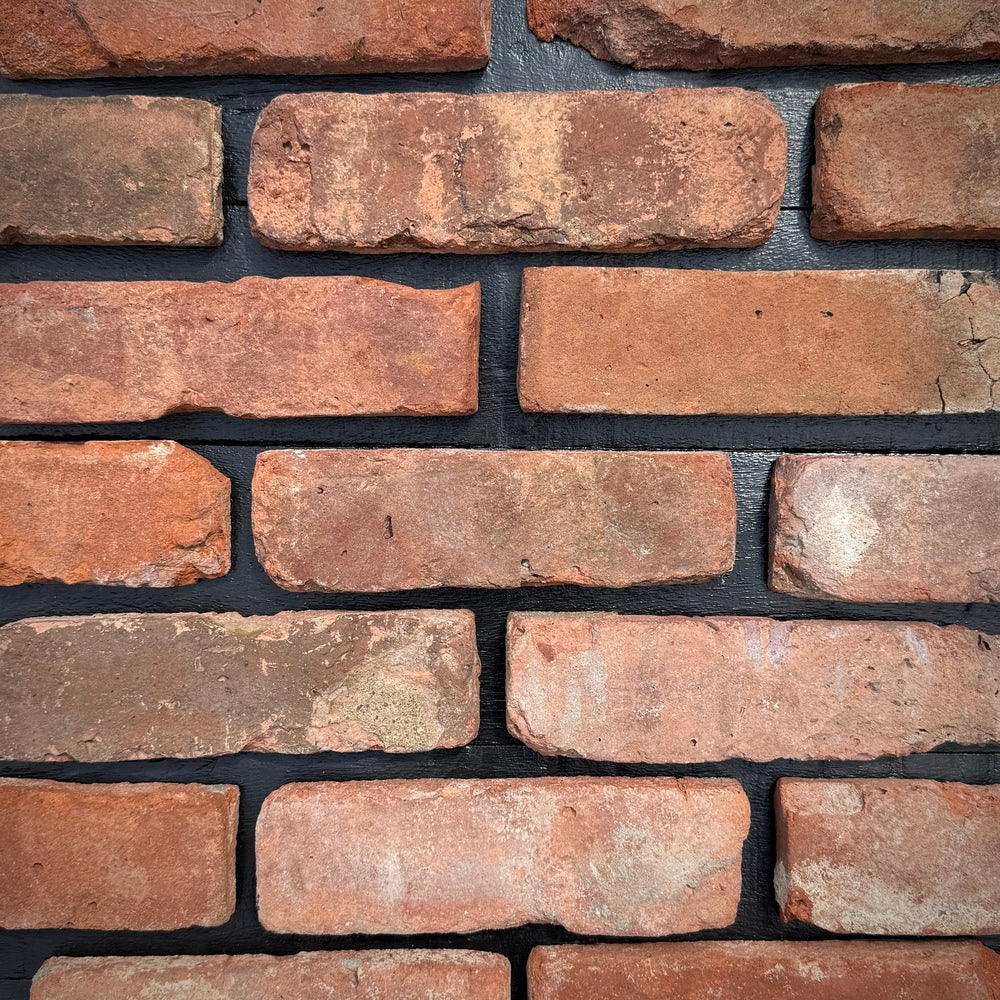
- Reclaimed NY Red Common Bricks are suitable for exterior façades, interior feature walls, and restoration work where classic New York red tones and historic texture are desired.
- Reclaimed Dark Bricks – 100+ yo can emphasize contrast, base courses, or accent bands while increasing the percentage of salvaged material in the building enclosure.
- Using reclaimed brick on major surface areas can support MRc1 strategies and LEED v5 embodied-carbon reductions when compared to new brick baselines modeled in LCA tools.
Landscape and Hardscape
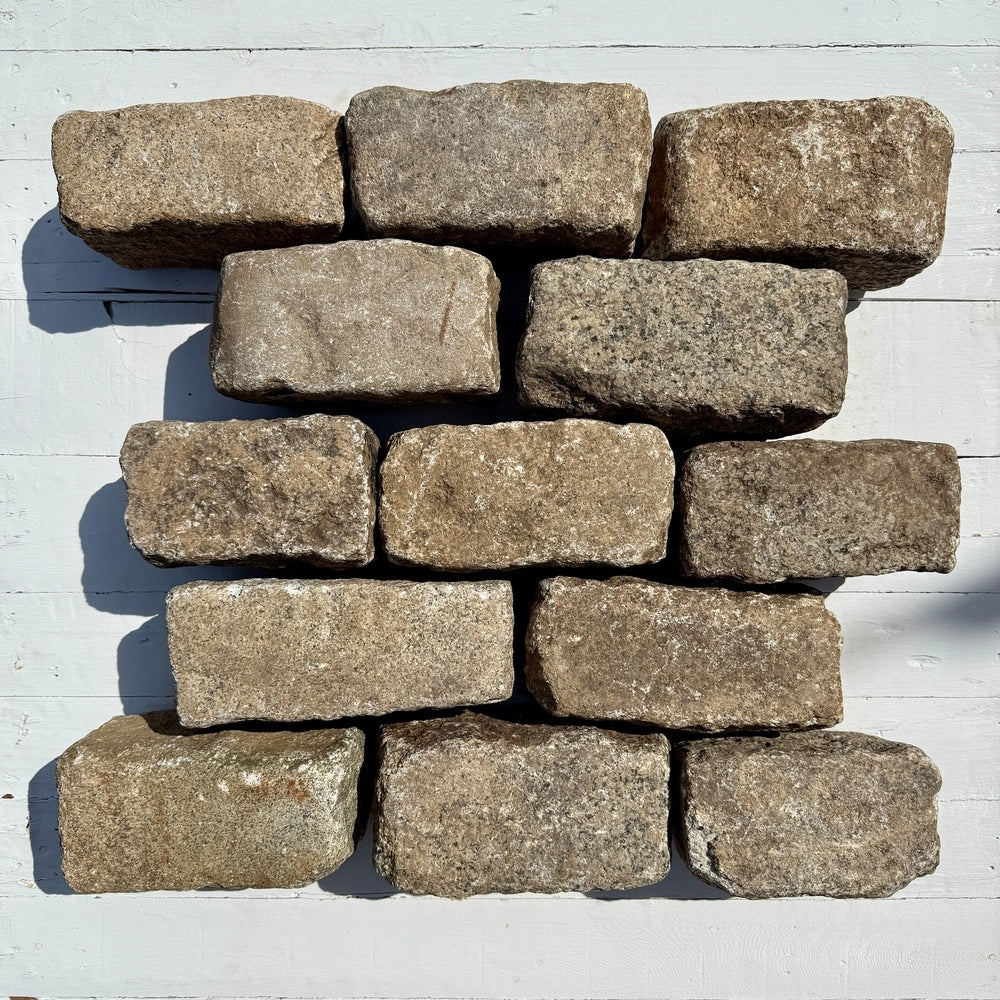
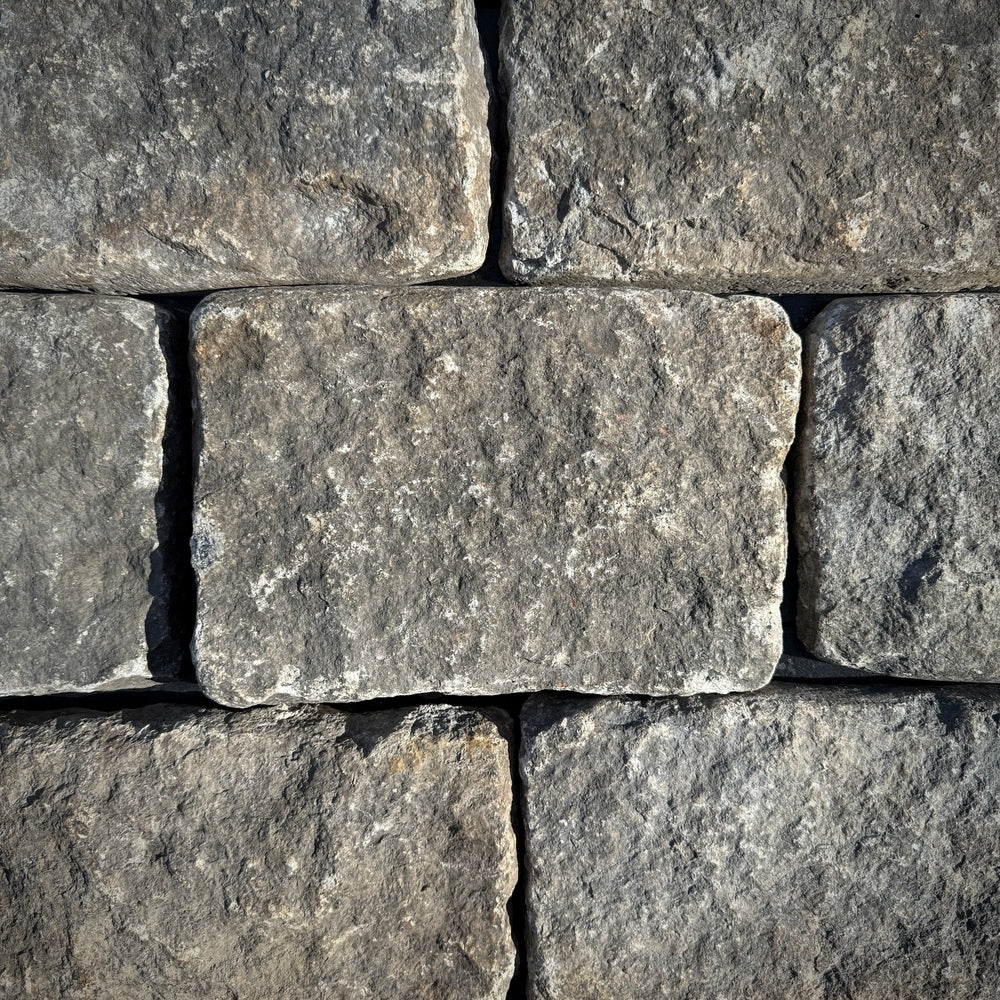
- Reclaimed cobblestones and Belgian blocks are ideal for driveways, aprons, walkways, and curbs, reducing demand for newly quarried stone in high-traffic site areas; see Chief Bricks’ stone and cobblestone collections for options.
- Granite Belgian Block layouts can also complement resilient and fire-safe landscaping strategies, as discussed in “Smart Landscaping Tips: Granite Belgian Block Fire Safety” .
- Because hardscape is part of the enclosure and site scope, reclaimed stone here contributes to embodied-carbon and circularity narratives in LEED v5 as well as reuse and waste strategies in v4/v4.1.
Detailing and Adaptive Reuse
- Reclaimed NY Half Bricks are cut from full reclaimed bricks to a nominal 4-inch length, making them effective for corners, returns, and infill without extensive jobsite cutting.
- Using standardized reclaimed units for details improves installation efficiency and limits breakage and waste, supporting C&D waste reduction and source-reduction strategies.
For more design inspiration with reclaimed New York brick, see “Transform Your Space with Reclaimed New York Bricks” .
Documentation Tips for LEED Project Teams
Turning reclaimed masonry into LEED points depends on clear documentation of product type, cost, quantity, and salvage source.
Early coordination between the architect, contractor, supplier, and LEED consultant is key to mapping reclaimed materials to the right LEED MR credits.
- Product descriptions: Ask for invoices and submittals that explicitly label materials as “reclaimed,” “salvaged,” or “reused” brick, cobblestone, or stone, including unit counts, total quantities, and installed cost for MR credit calculations.
- Provenance: Where available, document that materials were salvaged from New York City, the Hudson Valley, or other regional sources; this supports storytelling and may align with regional carbon and circularity narratives.
- Credit mapping: Work with the LEED AP to map reclaimed masonry to specific MR credits—such as Building Life-Cycle Impact Reduction, BPDO – Sourcing of Raw Materials, C&D Waste Management, and LEED v5 embodied-carbon and interior reuse credits—before procurement decisions are finalized.
The most current requirements and examples are found in the online LEED Reference Guides and credit library.
Conclusion
You have a lot of choices for site materials, and it is easy to fall back on standard catalog options. Those options often do nothing special for your scorecard. But if you look at how LEED v4 and the newer v5 system treat reuse, a different path opens up.
By choosing reclaimed brick, cobblestone, and Belgian block, you respond directly to the credit language in Sourcing of Raw Materials. You align with the zero waste hierarchy that LEED v5 has embraced. You create warmer spaces that clients notice.
This choice allows you to back up aesthetics with real recycled content criteria performance data. And as Chief Bricks continues to guide teams, strategies like this will gain value. You are helping your project tell a better story on day one.
Ultimately, checking the guide addenda resources and selecting reclaimed options simplifies your path to certification. It avoids complex content criteria hurdles found in other categories. It is a smart, actionable way to build better.


Share: