

Farmhouse Design with Reclaimed Cobblestones hits a very specific nerve for many homeowners today. You want a home that feels grounded, historic, and real, but still works for how you live in a modern world. Farmhouse Design with Reclaimed Cobblestones does exactly that, tying old stone and clean architecture into something that feels timeless instead of trendy.
If you are an architect sketching out elevations or a homeowner planning a major remodel, you are probably asking one core question. How do I use these reclaimed materials in a way that looks intentional and not random? This guide will walk you through the design moves, practical details, and real life ideas you can steal for your own project.
Table of Contents:
- Why Reclaimed Cobblestones Work So Well With Farmhouse Architecture
- Key Places To Use Reclaimed Cobblestones Around A Farmhouse
- Design Principles For Farmhouse Design with Reclaimed Cobblestones
- Practical Tips For Specifying And Laying Reclaimed Cobblestones
- Furnishing And Styling Spaces Around Cobblestone Floors
- Blending Historic Soul With Modern Function
- How Different Pros Can Use Farmhouse Design with Reclaimed Cobblestones
- Conclusion
Why Reclaimed Cobblestones Work So Well With Farmhouse Architecture
Modern farmhouse design can easily slide into feeling flat or staged if you are not careful. White siding, black windows, a barn light here and there, and suddenly every house looks the same. Reclaimed cobblestones cut through that copy and paste feeling because each stone carries texture and irregular color.
These ancient surfaces hold subtle wear from years of use that new materials cannot replicate. You see this effect clearly in historic European properties, where old stone floors and walls set the mood for the entire space. In one restored farmhouse, original stone walls and high wood beams give the main room the feel of a quiet cathedral, as seen in the photo documented at this reclaimed interior project.
That sense of volume and history is exactly what many people are craving in new farmhouse work today. Reclaimed cobblestones are usually reclaimed granite, basalt, or dense limestone. These materials age beautifully, especially in rural and mountain climates where the weather adds character.
They do not try to look perfect. They pick up lichen, soften at the corners, and give you that calm, grounded feeling underfoot. While concrete is functional, natural stone brings a spirit to the property that simply feels different.
Key Places To Use Reclaimed Cobblestones Around A Farmhouse
If you are working on a real project, you need specific placement ideas, not mood-board theory. This section focuses on high-impact zones where reclaimed cobblestones earn their keep for architects, home builders, and landscapers, and how to detail them so they feel intentional instead of random.
1. Driveways And Arrival Courts

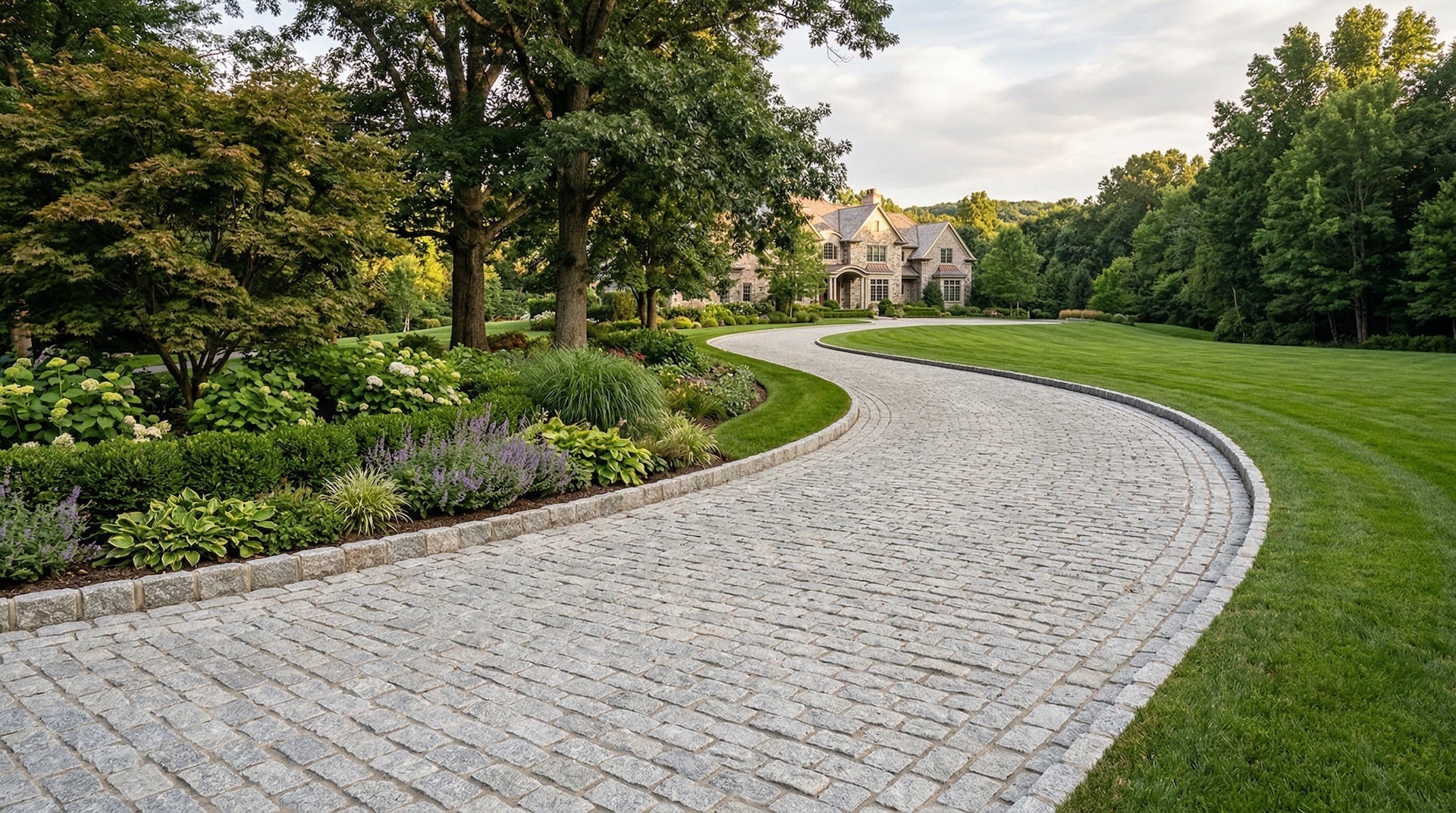
- Use cobblestones in continuous tire tracks or paired bands, with compacted gravel between, to control ruts while keeping a relaxed rural feel. This “ribbon drive” strategy works well on sloped or heavy-use lanes.
- At the house, widen the cobblestone field into an arrival court where vehicles can turn, then feather back into gravel or lawn toward fields and outbuildings so the stone feels like a destination, not a strip of roadway.
- Choose jumbo cobblestones or Belgian blocks for edges and aprons where trucks, deliveries, and snowplows will bite into the surface; their mass and thicker profile handle turning forces better than smaller setts.
2. Farmhouse Entry Walks And Stoops

- Create a cobblestone landing that bridges the gravel drive to a wood, brick, or limestone porch; keep patterns simple, running bond, fan, or basketweave, so the irregular stone and color do the visual work.
- Use thicker pieces or jumbo blocks as step treads or cheek walls, then infill with smaller cobbles at the sides to visually “root” the staircase into the grade rather than letting it float above it.
- Frame planting beds, pots, and hose bibs with a single or double band of cobbles to visually contain mud and mulch and to give the front door area a finished, tailored edge.
3. Terraces, Patios, And Pool Decks

- Use cobbles as perimeter frames, insets, or “rugs” within larger patios of brick, limestone, or concrete pavers, so furniture zones and circulation paths read clearly without using railings or walls.
- Around pools or hot tubs, reserve cobblestones for accent bands, steps, and coping transitions while keeping the main walking surface smoother and more uniform for bare feet and easier drainage.
- In fire pit or outdoor dining areas, a circular or oval cobblestone pad creates a visual anchor and heat-resistant surface that stands up to embers, chair movement, and heavy use.
4. Garden Paths, Potager Borders, And Outbuilding Edges

- Lay cobblestone ribbons for primary paths, then let secondary routes stay gravel, turf, or wood chips; this hierarchy helps visitors intuitively understand how to move from house to kitchen garden, barn, or orchard.
- Use cobbles on edge as garden edging to hold soil and mulch in raised beds, potager grids, and herb patches; the stone keeps a precise layout while still feeling rustic and handmade.
- At outbuilding thresholds, barn doors, sheds, workshops, install a single or double course of cobbles at the sill to manage mud, prevent erosion at the doorway, and visually tie the structure back to the main house stonework.
5. Interior Transitions And Mudrooms

- Use cobblestones at back entries, boot rooms, and dog-wash zones, then transition to wood, tile, or brick in the main living areas so the stone does the heavy lifting without making the house feel cold.
- Create small interior “hearth” zones of cobbles at the base of a woodstove, laundry side door, or French doors leading to a terrace; these pockets can handle snow, ash, and water, then hand off to softer flooring.
- Keep joints slightly tighter and surfaces more carefully leveled indoors than out, and consider lightly brushing or honing the tops of roughest stones in high-traffic zones for easier cleaning and safer footing.
Design Principles For Farmhouse Design with Reclaimed Cobblestones
Farmhouse design with reclaimed cobblestones works best when the materials feel honest to the house and landscape, not like set dressing. The goal is to let real stone, wood, and metal do the storytelling while the forms and furnishings stay calm and functional. These principles will help keep your project timeless instead of trendy.
Respect The Bones Of The House
Every successful farmhouse starts with a clear sense of structure and place. That might mean an existing stone shell, a strong gabled roofline, or a grid of heavy timber beams that naturally wants to stay in charge. Reclaimed cobblestones should support those elements, not compete with them.
Use cobbles to reinforce the paths and thresholds your architecture already suggests: the walk from driveway to porch, the connection from kitchen to terrace, or the line between barn and main house. If the house has warm barnwood siding, lean into warmer, earth-toned cobblestones; if it has pale limestone or fieldstone walls, echo those cooler grays and taupes underfoot so the whole property reads as one story.
Think in layers: primary structure first, then major surfaces like stone and wood, and only after that smaller details like hardware and textiles. When cobblestones take their cues from the existing “bones,” the house feels grown, not glued together.
Use A Simple Color Story
Old stone already comes packed with variation—flecks of iron, soft veining, and naturally weathered edges—so adding too many competing tones quickly becomes noisy. Most of the strongest farmhouse interiors and landscapes build around one dominant stone color and let everything else fall in line.
Start by reading the cobblestone blend: is it mostly cool gray granite, sandy buff, or deeper charcoal pieces? Pull wall color, cabinet paint, and large upholstered pieces from that same family so the eye experiences one continuous field rather than a patchwork.
Accent colors can then arrive in smaller, easily swapped items: textiles, pottery, art, and vintage finds. This approach keeps the focus on the authentic materials—reclaimed stone, wood, and metal—while still allowing the house to feel personal and layered.
Balance Texture With Clean Lines
Cobblestones add a huge amount of texture and visual movement; they are irregular by nature and catch light in different ways throughout the day. To keep that richness from feeling chaotic, pair it with simple, legible shapes in the architecture and furniture.
Flat-panel or Shaker cabinets, straightforward window and door casings, and uncomplicated stair rails give the eye places to rest against all that stone. In living spaces, choose sofa and chair silhouettes that are comfortable but not overly fussy—think broad arms, straight skirts, and minimal tufting—so the room feels grounded rather than busy.
Large glass openings, steel or wood-framed doors, and long runs of open wall also help counterbalance heavy masonry. When in doubt, simplify the geometry and let the reclaimed cobblestones provide most of the texture.
Make Comfort Visible
Because stone is hard and cool by nature, the fastest way to soften it is to layer in elements that signal warmth and everyday use. Rustic farmhouses that feel truly welcoming nearly always combine stone floors or walls with textiles, wood, and personal objects.
Over cobblestone and other natural stone floors, bring in natural-fiber rugs, thick curtains, and tactile upholstery in cotton, linen, and wool so the room reads cozy at a glance. Mix in a few pieces with patina—painted armoires, old pine tables, or vintage chairs—so the age of the furnishings matches the age of the stone rather than fighting it.
Open shelving with books, baskets near the door for boots, and simple hooks for coats all help the space look lived-in instead of styled. The stone becomes the quiet backdrop for real life, while the visible layers of comfort reassure guests that the house is meant to be used every day.
Practical Tips For Specifying And Laying Reclaimed Cobblestones
Nice images and mood boards are helpful, but the details will make or break a project. General contractors need clear instructions. Here are key practical notes architects, builders, and landscapers should line up early.
Know Your Stone Source And Mix
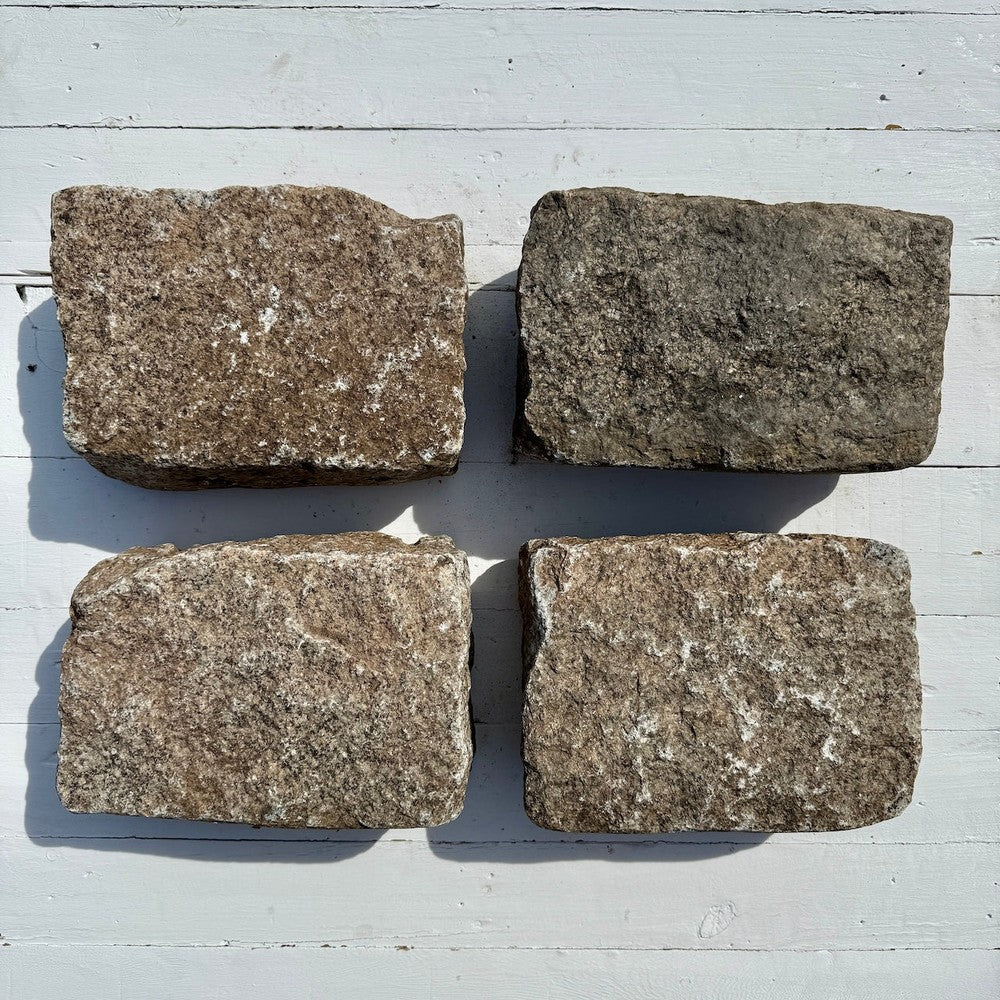
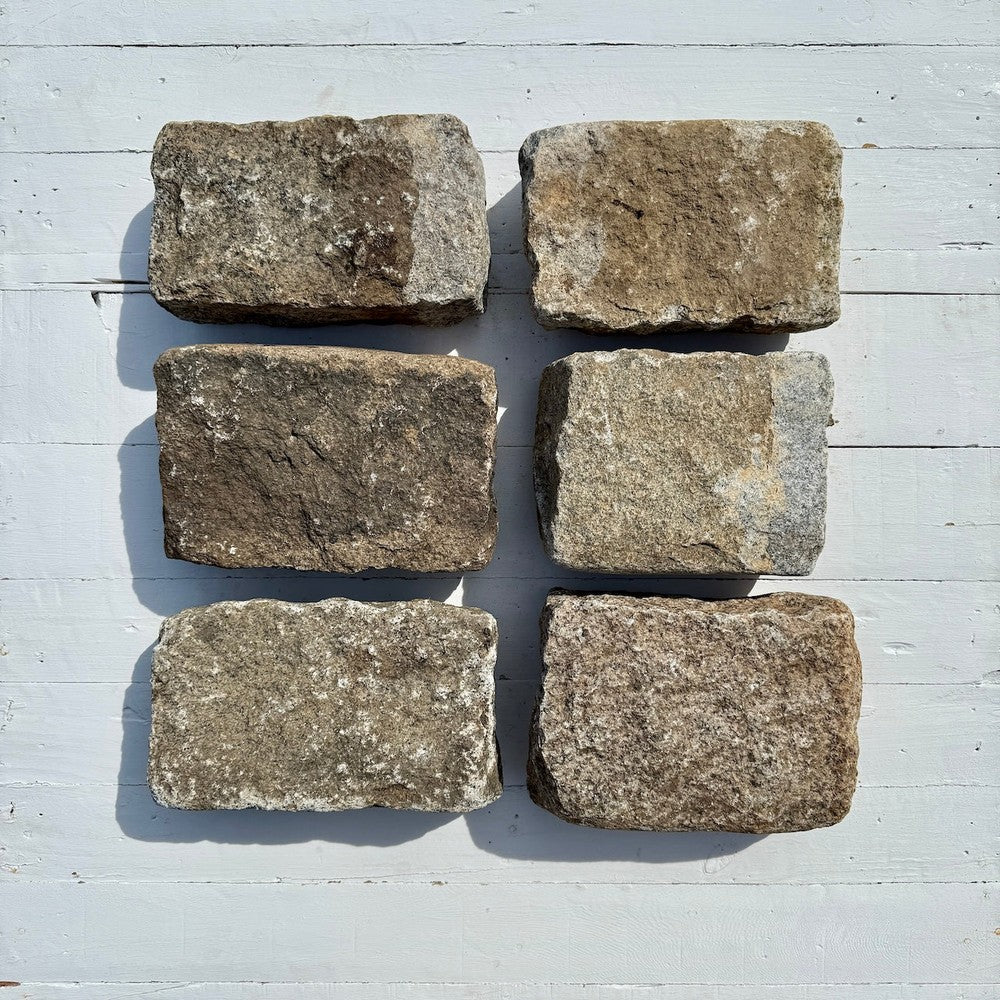
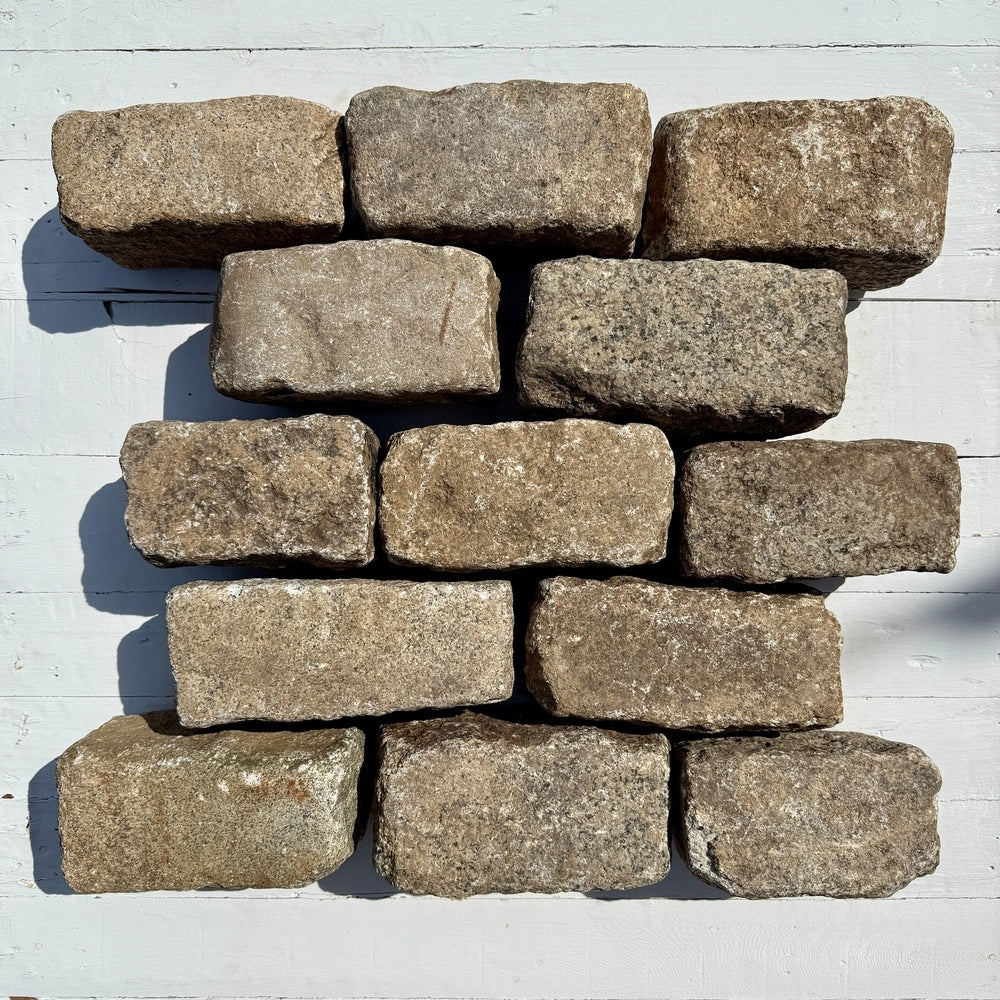
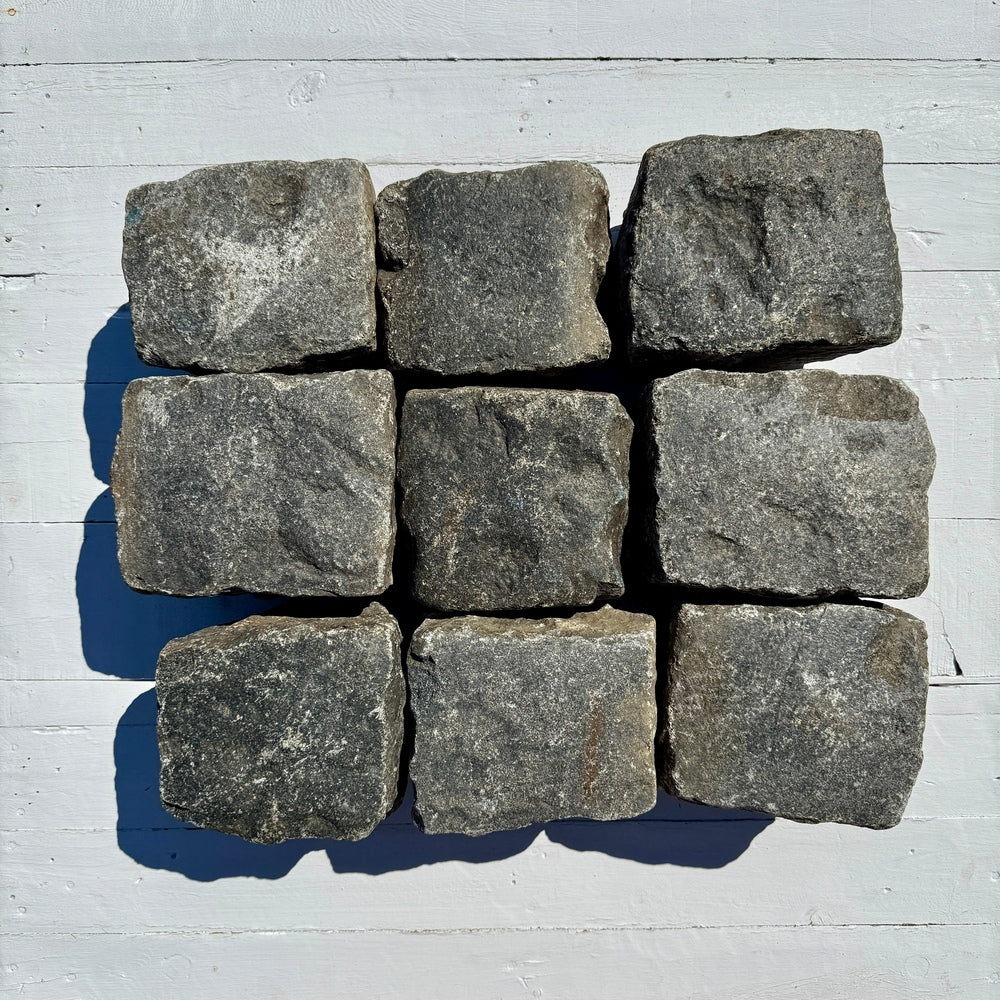
Reclaimed cobblestones are pulled from old streets, factory yards, and port sites. That means sizes and colors are never as consistent as new cut pavers. Before you sign off on a material, get real samples from Chief Bricks.
It is smart to dry lay a one square yard panel at your shop or yard. Look at joint widths, height variation, and color spread. Decide whether you want more or less variation before placing your final order.
The Chief Bricks reclaimed cobblestones product images will give you a clear sense of what heavy variation looks like installed at full scale. For a deeper look at driveway and hardscape layouts, check Transform Your Driveway with Reclaimed Cobblestone Elegance.
Pick Patterns That Fit The Architecture
The pattern you choose affects the style more than most people think. A simple running bond can feel modest and farm like. A tight fan or radial pattern reads more European and formal.
Here is a simple guide architects and homeowners can use while planning:
| Pattern | Best For | Design Mood |
|---|---|---|
| Running bond | Drives, straight walks | Honest, farm friendly |
| Herringbone | High traffic courts | Structured, traditional |
| Random fan | Plazas, terraces | Old world charm |
| Soldier course bands | Borders and transitions | Quiet, clean edged |
For simple farmhouse projects, many designers lean on running bond. Simple bands avoid drawing too much attention away from the architecture itself. It complements antique brick elements nicely.
Plan The Base For Your Climate
Even the best stone will fail if the base is poor. Frost heave, heavy truck loads, and drainage are the real threats. For high use farmhouse drives and courts, many contractors now favor a compacted stone base.
A concrete or stabilized sand bed under the cobbles helps in freeze and thaw climates. If your project is in a mild zone with well draining soil, a thick crushed stone base with sand setting bed may be enough. The key is consistent compaction and edge restraint.
Building materials must be chosen with the local environment in mind. Without this care, stones may slowly drift over years of vehicle movement.
Think Through Maintenance And Long Term Use
Most clients assume cobblestones are set and forget. They are low maintenance, but they still benefit from planning. Leaves can stain pale stone if left in wet piles.
Weeds can pop through joints in poorly prepared bases. Set expectations early about seasonal sweeping, light pressure washing, and spot sand refills. Old village streets kept their charm because they were actively used and cared for.
Your farmhouse will be the same. Using a stone veneer or brick veneer on vertical surfaces requires different maintenance than horizontal paving. Be sure to clarify this with your builder.
For more detailed care ideas around horizontal masonry, check Removing Weeds Between Cobblestones: Best Practices Guide and Reclaimed Patio Bricks: Design, Install, And Care Guide
Furnishing And Styling Spaces Around Cobblestone Floors
Once the cobblestones are down, the question becomes how to furnish the space so it feels inviting, not museum-like. Think of the stone as your permanent backdrop and everything on top as a set of changeable layers you can soften or sharpen over time.
Living Spaces: Large Sofas And Simple Textures
In living rooms and great rooms, cobblestone floors already give you all the character you need, so the furniture can stay simple and generous in scale. Deep, slipcovered sofas, oversized armchairs, and solid wood coffee tables let the room feel relaxed while the stone quietly holds the story underneath.
- Use fewer, larger pieces instead of many small ones to avoid visual clutter on a textured floor.
- Choose linens, canvas, and wool in a tight, neutral palette taken from the stone—warm grays, taupes, and soft creams.
- Add one or two large natural-fiber rugs to soften acoustic echo and make bare feet more comfortable in winter.
Kitchens And Dining Areas
Farmhouse kitchens with cobblestones underfoot can feel like hard-working workshops and cozy gathering rooms at the same time. The key is to bridge the gap between the stone floor and the dining furniture so the whole space reads as one continuous, livable zone.
- Anchor the room with a long farmhouse table in oak or pine and simple, sturdy chairs that can handle being dragged over stone daily.
- Use upholstered or slipcovered seats at the head of the table for a softer touch against the rugged floor.
- Bring in warm metal accents—aged brass pendants, iron hardware—to echo the history in the cobblestones.
If your kitchen opens out to a cobblestone terrace or drive, check How to Upgrade Your Home with a Cobblestone Driveway and Transform Your Driveway with Reclaimed Cobblestone Elegance so you can think through how your interior and exterior stonework connect.
Bedrooms And Retreat Spaces
In bedrooms and quiet retreats, cobblestones work best in smaller doses—entries, thresholds, or a sitting area—while softer flooring carries the main sleeping zone. This lets the stone keep its farmhouse authenticity without making the room feel cold.
- Use cobblestone at the foot of French doors, in a small reading nook, or in a connecting hall, then transition to wood or warm flooring under the bed.
- Layer in thick rugs, quilts, and upholstered headboards so the eye reads comfort first and stone second.
- Keep case goods simple: painted armoires, Shaker-style nightstands, and benches in natural wood tones that pick up the colors in the cobbles.
If you are interested in broader maintenance and design advice, have a look at Reclaimed Patio Bricks: Design, Install, And Care Guide to get help on cleaning, sealing, and long-term comfort in adjacent outdoor spaces.
Blending Historic Soul With Modern Function
One of the strongest arguments for using reclaimed stone on farmhouse projects is sustainability and story. Clients want to know their home choices support a bigger picture. Green building practices often favor reuse over new manufacturing.
Long running publications such as the Philadelphia Inquirer and its newsroom staff have covered the value of reuse and local history across neighborhoods for years. This gives weight to the idea that older materials can still do solid work in modern settings. Choosing cobblestones that have seen decades of service on a city street or an industrial yard keeps that narrative going.
This avoids sending material to a landfill. On the design side, this lets you tell your own clients a richer story about their project. The stone under their boots has lived a past life and now anchors their farm, garden, or retreat.
For readers interested in the reclamation process itself, have a look at Transforming Waste Into Worth: Chief Bricks’ Sustainable Mission.
How Different Pros Can Use Farmhouse Design with Reclaimed Cobblestones
You might love the idea so far but wonder how to plug it into your own role. Everyone from the architect to the mason plays a part. Here is how different players on a farmhouse project can move first.
Architects
Architects can sketch reclaimed cobblestones into concept diagrams early. Think through thresholds and axes where texture will mark movement. The walk from driveway to porch, from back door to kitchen garden, or from barn to main house are all opportunities.
Including cobbles on early plans also lets you discuss structure and thickness with civil engineers. This is better than bolting heavy stone on top of under built slabs later. You can incorporate wall veneer details into the elevation drawings.
Doors lead the eye, so pave the approach to them with intention. Consider the sightlines from the inside looking out. When you need to calculate quantities during this planning phase, check our Masonry brick and stone calculator.
Home Builders
Builders should bring cobblestone choices up while still pricing foundations and flatwork. Reclaimed stone will be heavier and more irregular than standard pavers. Crew time and base work must reflect that.
Showing owners or architects sample layouts from trusted stone yards or project archives like the ones shown at Reclamation Images can help them commit to the cost. The care the stone deserves is significant but worth it. An outdoor kitchen, for example, requires precise planning for stone installation.
Gardeners And Landscapers
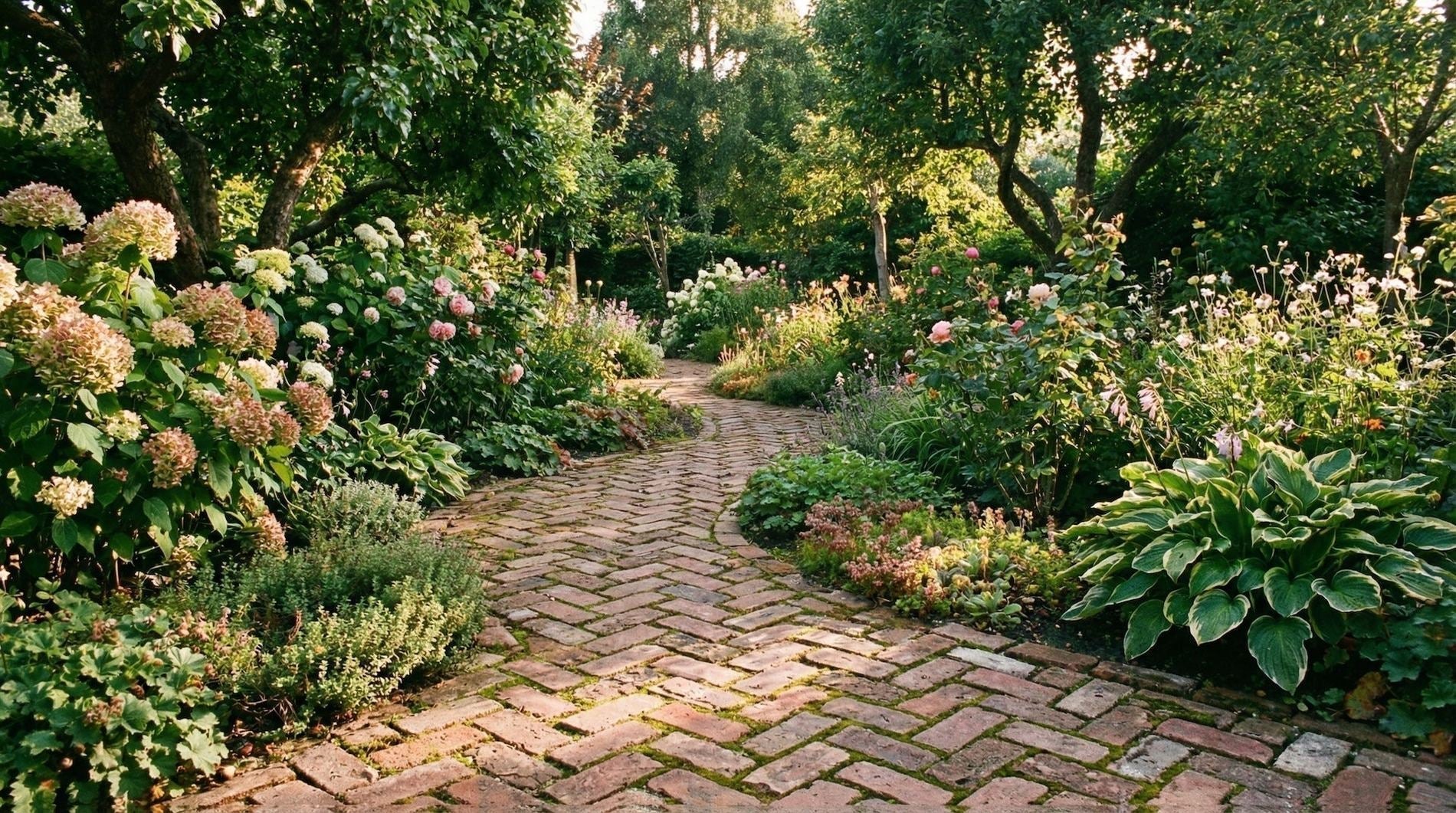
For gardeners and landscape designers, cobbles are a long term framework. Once the edging is right, planting designs become easier because the beds and paths stay clean. Mood images of summer plantings spilling over old stone help clients picture the future.
As captured in this planted stone border, these images help clients picture what their garden could look like a few seasons from now. It is better than just imagining it right after install. A red brick accent can also add color to the garden palette.
Conclusion
Farmhouse Design with Reclaimed Cobblestones is about more than swapping out concrete for old stone. It is about using materials with memory to shape a home that feels steady and lived in from day one. Architects, builders, gardeners, and owners all get a role in that story.
You can use reclaimed cobbles at key transitions, lean on simple patterns and clean forms, and soften the hard edges with fabrics, plantings, and warm light. Pull inspiration from real farmhouse projects. Look at high beamed great rooms or stone paved terraces by quiet pools.
You can see spaces like these shown across collections of restored stone houses and gardens. Do that, and your farmhouse will feel less like a staged photo set. It will feel more like a place that could stand for generations.


Share: