

You already know your pool has the potential to be the star of your outdoor space. The problem is, most concrete decks look tired after a few seasons and never really match the level of design happening inside the home.
That is where Granite Cobblestone Pool Deck Ideas come in. Granite cobbles give you that old world charm, serious grip under wet feet, and the kind of durability that shrugs off weather, salt, and high use.
If you design, build, or own pools, you are likely searching for inspiration that works in real backyards. You will find practical concepts here, with clear details you can hand to a client, a contractor, or your own crew. For ideas on how these same stones perform in driveways, paths, and patios beyond the pool zone, you can also share 9 Popular Ways To Use Handcut Granite Belgian Blocks as a companion piece.
Table of Contents:
- Why Granite Cobblestone Around A Pool Just Works
- How Granite Cobblestone Compares To Common Pool Deck Surfaces
- Granite Cobblestone Pool Deck Ideas That Actually Work
- Designing With Pattern, Color, And Scale
- Comfort, Safety, And Maintenance On Cobblestone Pool Decks
- Budget And Phasing
- Working Granite Cobblestones Into Larger Outdoor Plans
- Bringing Granite Cobblestone Pool Deck Ideas Into Your Next Project
- Conclusion
Why Granite Cobblestone Around A Pool Just Works
Start with the basics. Granite is one of the hardest natural stones on earth, so it stands up to freeze thaw cycles better than most materials. It resists damage from pool chemicals and constant use far better than many poured surfaces.
Reclaimed and newly quarried granite cobblestones both bring texture underfoot. That natural split surface offers excellent slip resistance, which is exactly what you need in wet areas. It prevents accidents when kids sprint from the water to the loungers.
As a specialist in granite sets and edging, Chief Bricks highlights how this material stays color true for decades. It weathers gracefully without peeling or spalling like a coating on concrete often does. This makes it an excellent choice for any high-traffic pool.
Beyond the look, the functional benefits are massive. The density of the stone means it offers exceptional durability against dropped furniture or heavy equipment. It creates a sophisticated environment that requires very little repair over time.
How Granite Cobblestone Compares To Common Pool Deck Surfaces
If you are pitching ideas to a client, they are usually looking at at least three options. They might consider a concrete deck, porcelain pavers, or natural stone pavers like marble or travertine. Each one has its place in modern designs.
Natural stone specialists show how marble with a sandblasted finish offers a cool, flat surface. This works well around pools where sleek lines are desired. However, marble needs careful selection in freeze zones and around heavy furniture to avoid cracking.
Granite cobbles lean more rustic and robust compared to delicate stones. They fit perfectly beside reclaimed brick, natural wood, and mature landscapes. You want character and depth rather than a slick hotel vibe in these outdoor living spaces.
It is also helpful to compare granite against limestone pool pavers. Limestone offers earthy tones and stays cool, but it can be porous. Granite is much denser, making it more resistant to deep staining from leaves or spilled drinks.
| Material | Grip When Wet | Heat Under Sun | Maintenance | Best Fit |
|---|---|---|---|---|
| Brushed Concrete | Medium | High | Crack repairs, sealing | Budget driven projects |
| Porcelain Pavers | Medium to high | Medium | Grout and joint care | Clean modern decks |
| Marble Pavers | High if sandblasted | Cooler underfoot | Seal as needed | Resort style spaces |
| Granite Cobblestones | High due to texture | Medium | Spot reset or re sand | Timeless, historic look |
Granite Cobblestone Pool Deck Ideas That Actually Work
Let us get into the specific layouts. You want design ideas that solve problems and sell projects. These Granite Cobblestone Pool Deck Ideas cover layout, patterns, edging, and how to mix materials without making a mess of things.
1. Cobblestone Framed Pool With Smooth Interior Pavers

Many homeowners love the texture of cobblestones but worry about bare feet on long walking paths. The easy fix is a hybrid layout that keeps cobbles where they perform best. This approach provides seamless integration between textures.
Use granite cobblestones as a strong border that frames the pool, spa, and main walkways. Then fill the larger central deck zone with larger format granite pavers. This balances visual appeal with foot comfort.
This border approach also works if you are renovating an older pool deck. You can keep an existing slab, overlay key sections, and then tie it together with cobble bands. It creates a defined pool area without the cost of a full stone replacement.
2. Full Cobblestone Pool Deck With Furniture Zones

If your client craves an old European courtyard vibe, a full cobblestone deck gives that feel instantly. Think of those historic streets and plazas where stone has handled carts, cars, and heavy foot traffic. It creates an outdoor oasis that feels established.
For long term comfort, combine cobbles with outdoor furnishings that include cushions, rugs and sectionals. Layered textiles soften the hardscape without hiding its character. This makes the living spaces feel inviting rather than stark.
Break the space into zones for lounging, dining, and maybe a fire feature. The pattern in the cobbles will help guide people through the space as much as your furniture layout. It handles heavy foot use in dining areas far better than wood decks.
3. Historic Look With Reclaimed Cobblestones

Sometimes new stone looks too perfect. If your project needs age and patina right away, reclaimed cobbles are hard to beat. These stones add visual weight and history to the property.
Chief Bricks reclaims granite cobbles from old streets in and around New York. These stones already carry color variation, worn edges, and slight size shifts. They mimic natural stone formations found in old riverbeds.
A reclaimed cobblestone pool deck fits farmhouses, city brownstones, or older neighborhoods. A glossy new surface might clash with the story the home is telling. This choice enhances visual appeal by connecting the new pool to the property's past.
4. Granite Cobble Bands On A Concrete Or Paver Deck

Sometimes the budget or schedule calls for concrete or standard concrete pavers as the main surface. That does not rule out granite. You can still use it to elevate the overall design.
You can set reclaimed or newly quarried cobblestone bands through the deck in a grid or radial pattern to break up wide fields of plain paving. That small detail lifts the whole design, especially near steps, raised spas, or fire pits. It turns a basic concrete paver job into a custom design.
Take a look at projects involving large inground swimming pools. It shows how scale and clear lines between water, coping, and deck make the space feel organized and generous. The bands offer affordable luxury by using expensive stone sparingly.
5. Curved Cobblestone Coping For Freeform Pools

Designers who love freeform or lagoon style pools often feel trapped by straight materials. Granite cobbles give you tiny modules that handle curves with ease. They allow for fluid lines that mimic natural shapes.
Set them as soldier course pool coping that tracks along organic pool shapes. Then choose a softer grout tone so the coping line reads as one ribbon rather than a series of rectangles. This creates clean lines even on irregular shapes.
This idea also works for round hot tubs where large coping stones would need lots of cuts. Those cuts never quite look clean with large slabs. Granite Paver Cobbles solve this by following the radius naturally.
6. Cobblestone Pool Deck Steps And Landing Pads

Stairs and elevation changes are where cobblestones really shine. Their size makes it simple to adjust for rise and run while keeping visual rhythm. They are an excellent choice for transition areas.
Use granite for step treads or for the landing at the bottom of a wide set of steps that lead from house to pool. This gives people extra grip exactly where water drips from swimsuits and towels. It prevents slips in high-traffic pool areas.
To make those transitions feel like part of a whole design, run a narrow cobble border around raised planters. You can also edge seating walls or the base of columns and pergolas. This creates a cohesive look across the entire outdoor space.
Designing With Pattern, Color, And Scale
Great decks never happen by accident. They come from strong planning on pattern, scale, and color. That is where your experience as an architect, builder, or landscape pro makes all the difference.
Patterns That Work Best Around Water
Random stone layouts look romantic in theory. Near pools though, you want order. Order helps people see where to walk and where the edges sit.
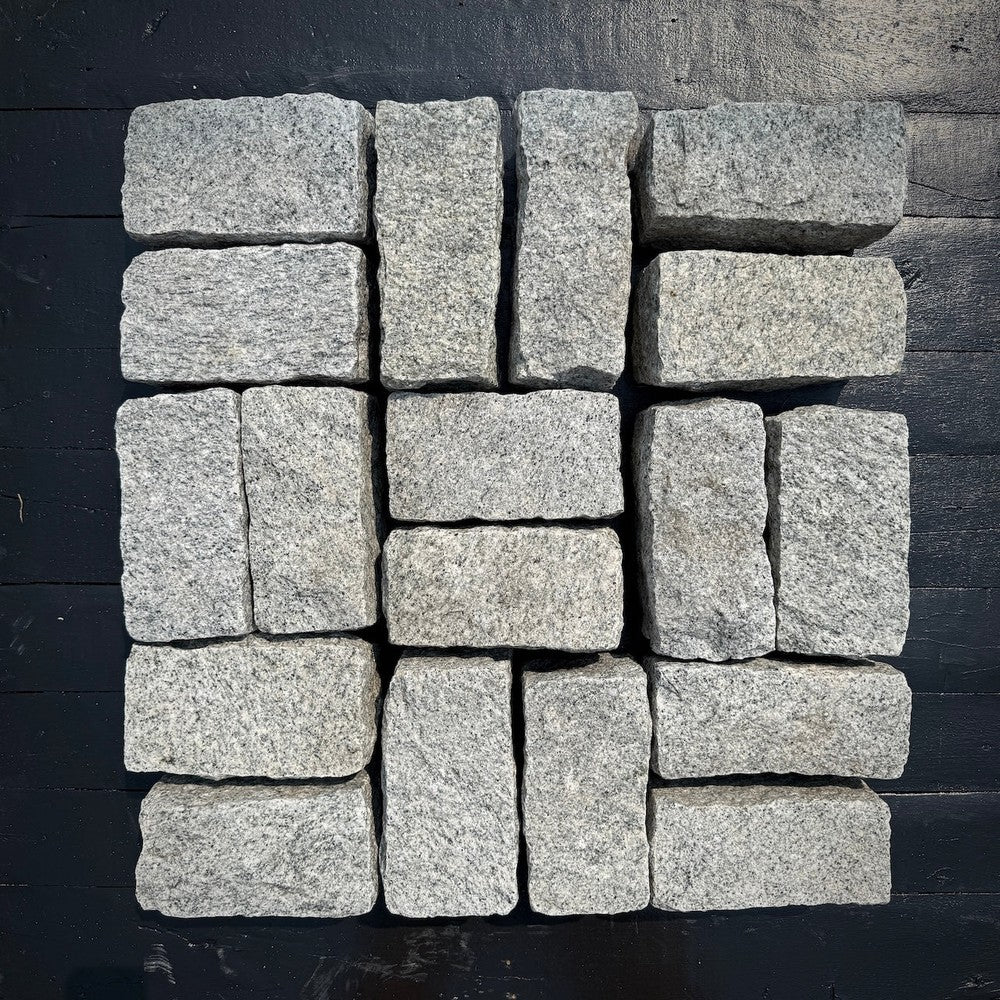
Common patterns that read clean near water include herringbone, running bond, and fan or radial layouts. These feel dynamic yet balanced, even across large decks. The grout lines in these patterns provide additional traction for wet feet.
If you want a refresher on general deck ideas for outdoor spaces, look at design publications. See how they lay out furniture, shade, and planting around solid floor patterns. The floor pattern should anchor the entire outdoor kitchen and lounge area.
For clients who respond well to visuals, you can also reference Brick Bonds – Patterns For Walls, Patios And Paths to show how running bond, herringbone, and fan layouts translate from patios and walkways to pool decks.
Balancing Color And Heat
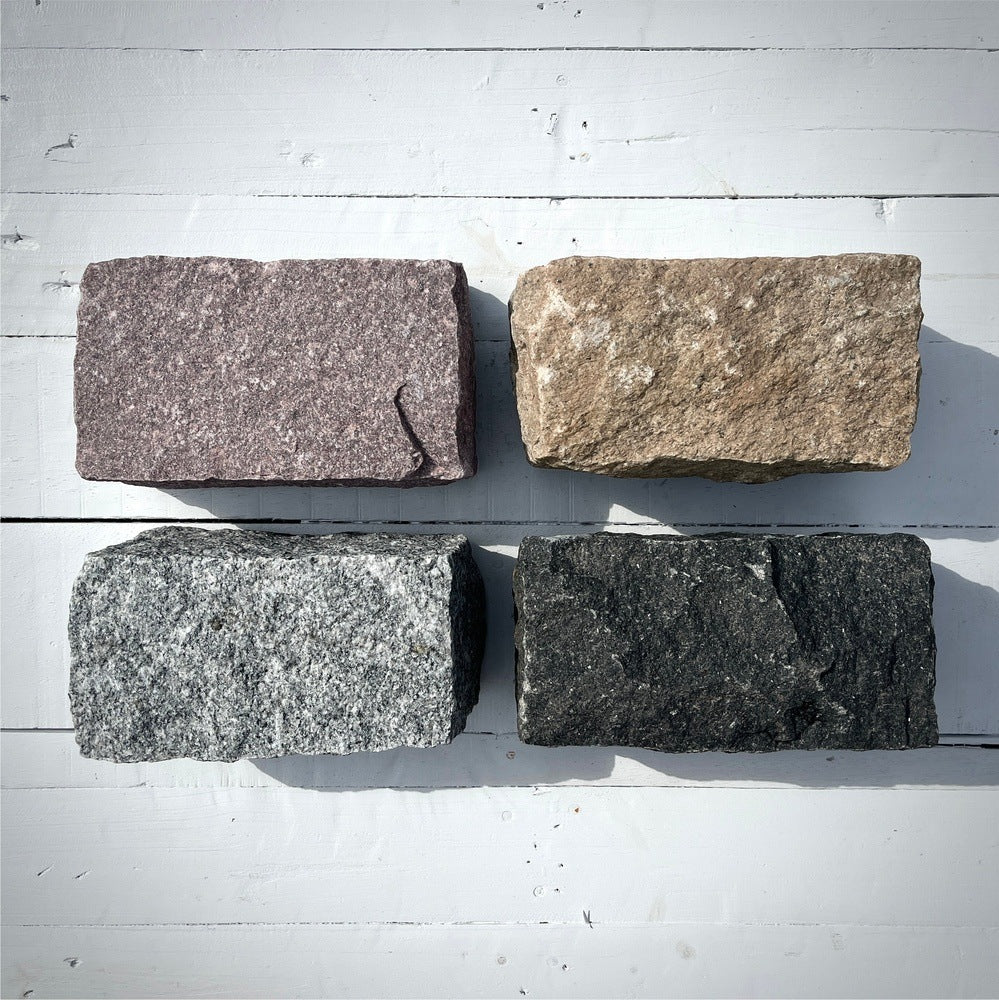
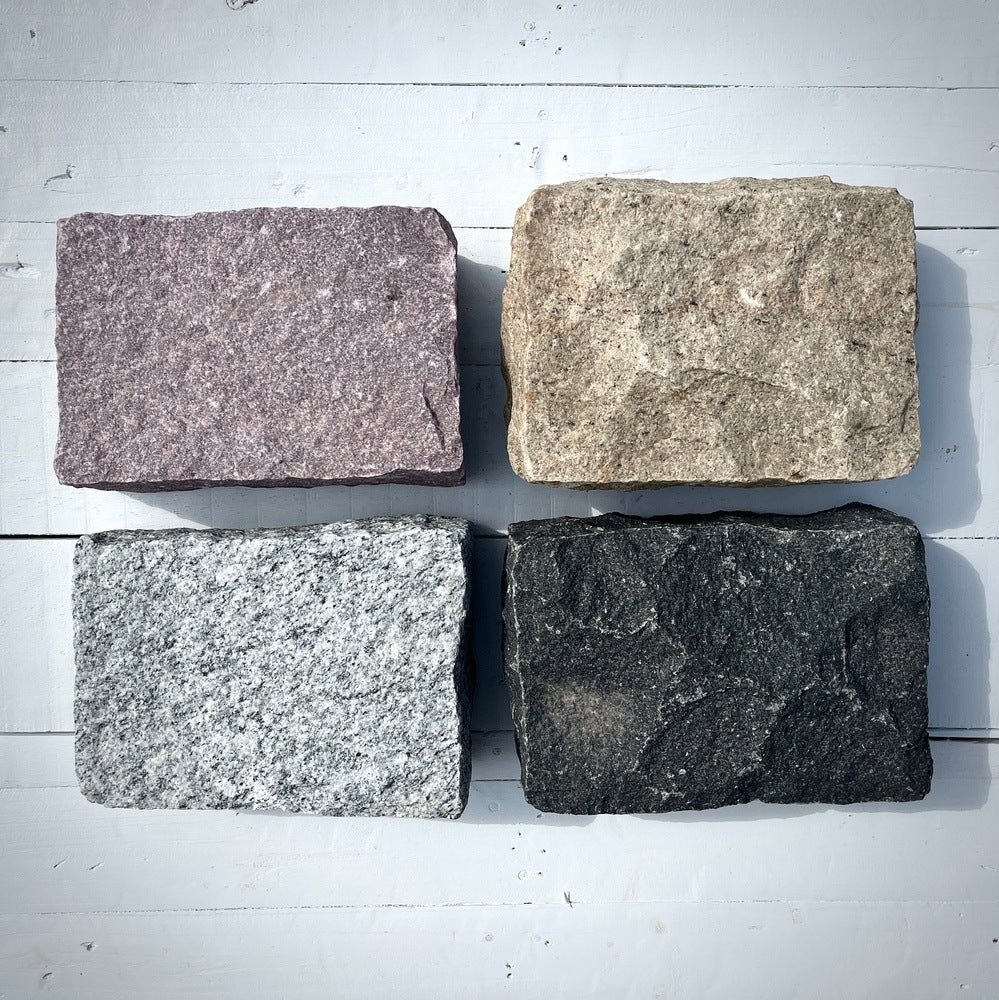
Color in granite cobbles often runs from cool grays through pink, buff and black. Darker stones tend to heat up more, especially in hot, high sun markets. This affects heat resistance and foot comfort.
If you work in places like Sacramento or central California, this matters a lot. Companies who build a high number of pools there lean toward lighter deck colors to keep surfaces more comfortable. Lighter stones stay cooler during peak summer months.
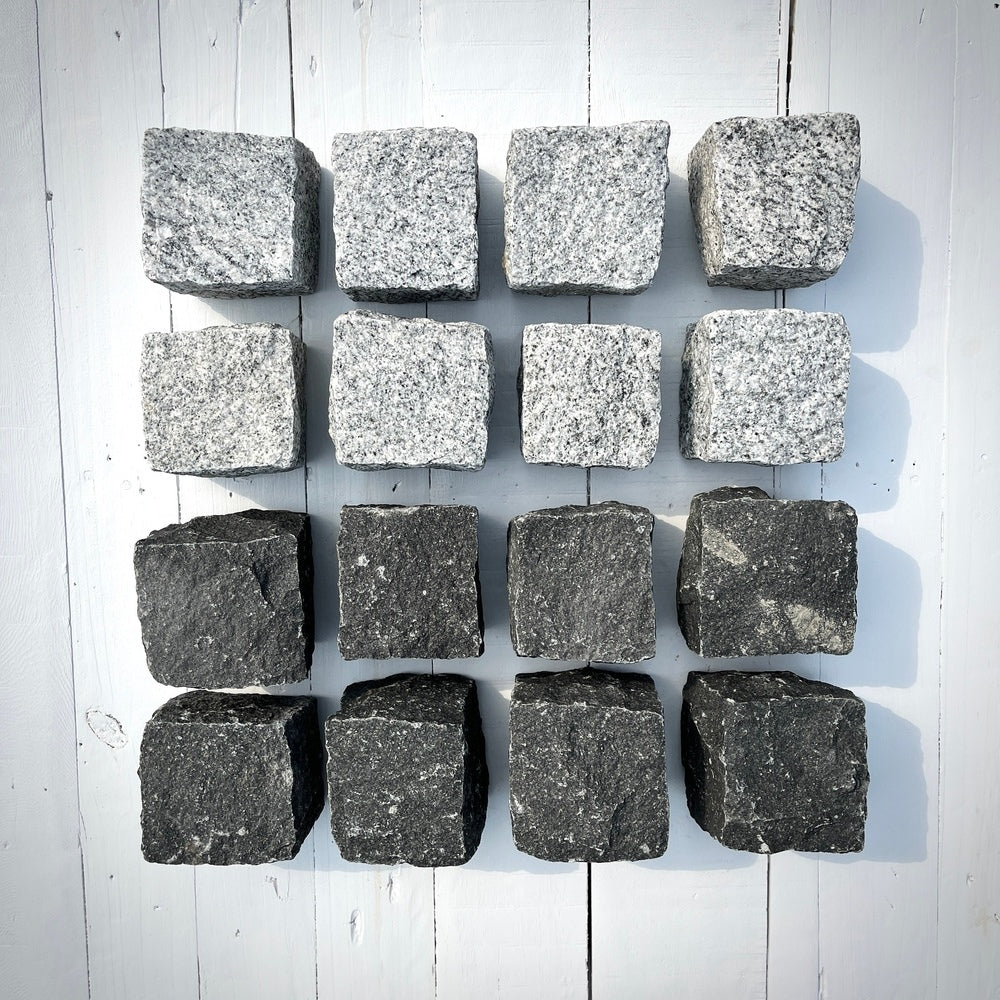
One smart play is mixing lighter gray stone with darker cobble bands. You still get depth in the design without making the entire deck too warm under bare feet. This satisfies design preferences for contrast while maintaining function.
Choosing The Right Cobble Size
Most granite cobblestones come as cubes or rectangles in sizes from about four inches to ten inches across. Smaller sets bring more joints and texture. This is great for natural slip resistance but can feel busy.
Larger rectangular cobbles laid in a running bond create smoother walk lines that feel more forgiving on tender feet. These are a solid choice in high traffic resort or community pools. They offer excellent durability without being too rough.
You can mix sizes on the same project. Use larger stones in main zones, then tighten the pattern with smaller units along curves. This works well at drains and equipment pads to hide cuts.
| Cobble type (Chief Bricks) | Approx. size (L × W × H) | Best pool-area uses | Underfoot feel | Visual impact around a pool |
|---|---|---|---|---|
| New Granite Cube Belgian Block | 4" × 4" × 4" | Curved pool borders, inlays in a larger paver field, decorative bands on pool decks, steps and sun ledges | Tighter joints and small faces create a more comfortable walking surface when laid flat, especially with narrow joints | Reads as fine texture; great for modern or detailed patterns where you want the water to stay the hero, not the stones |
| New Regulation Granite Belgian Block | 9" × 5" × 5" | Framing pool decks, edging lawns or planting beds next to the pool, small seating areas, pathways leading to the pool | Moderate relief; still walkable barefoot when laid flat and tightly joined, but feels more traditional and “cobbled” than cubes | Balanced look that works with most home styles and pool shapes; joints give classic character without overwhelming the deck |
| New Jumbo Granite Belgian Block | 10" × 7" × 4" | Strong visual borders around pools, driveways that meet the pool area, retaining edges for raised planters or spa walls | Larger faces and deeper joints read more rugged; better as a border or band than a full barefoot walking field | Bold, chunky scale that adds drama and frames the water; ideal when you want the stonework to feel substantial and architectural |
| New Granite Paver Belgian Block | 12" × 6" × 3" | Primary pool deck surface, tanning ledges, outdoor dining areas, wide walkways to and around the pool | Flatter, more paver-like surface makes this the most barefoot-friendly choice for large pool decks | Longer, wider faces read clean and tailored; great for contemporary pools or when you want a smooth, resort-style look |
| Reclaimed Regulation Granite Cobblestone | 9" × 5" × 5" (weathered) | Accent bands in a new granite deck, historic-style pool patios, garden paths and steps connecting to the pool | Softer, rounded edges and worn faces feel less sharp but more irregular; best mixed with smoother stones in high-traffic barefoot zones | Adds instant patina and story; color variation and weathering create a softly aged, European-street vibe around the pool |
| Reclaimed Jumbo Granite Cobblestone | 11" × 7" × 4" (weathered) | Statement borders, driveway-to-pool transitions, retaining details, raised planters and steps near the pool | Very pronounced cobble texture; better as edging or structural accents rather than the main walking surface | Big, historic blocks with strong shadow lines; perfect when the design leans rustic, farmhouse, or Old-World courtyard |
Comfort, Safety, And Maintenance On Cobblestone Pool Decks
Beautiful stone is one thing. Safe and comfortable stone that is still easy to live with ten years later is what you are really going for. You need materials that offer excellent slip properties and easy care.
Comfort Under Bare Feet
Most concerns around cobbles come from poorly set, uneven examples people have walked on in old streets. Around a pool, the installation standard is very different. You must focus on a flat plane.
Set cobblestones tight and level on a well prepared base with even bedding material. That way edges do not tip, rock, or catch toes. Many crews lightly chamfer exposed edges near lounging zones for more comfort.
Area rugs also help. Drop them near daybeds and dining sets to create softer islands on top of the hardscape. This breaks up the textured surfaces and adds warmth.
Drainage And Freeze Thaw Performance
Cobbles do not save a deck with poor grading. You still need at least two percent slope away from the pool edge so water drains. Standing water in joints can lead to issues over time.
Because granite does not soak water like a porous stone can, it usually handles freeze thaw very well if your base is built right. You are more likely to fix joint washout than broken stone. This lowers the environmental impact of having to replace materials often.
If your team is used to regular pavers, they will adapt fast. Granite sets work on very similar bedding systems and edge restraints as standard hardscape work. The transition for installers is usually smooth.
Cleaning And Sealing
Clients always ask how hard a stone deck will be to keep clean. Granite cobbles sit in the easy range. Regular cleaning usually involves just a hose and a broom.
A yearly light pressure wash and fresh joint sand keeps things looking sharp. Where decks collect tanning oil or tree stains, a good paver cleaner and Sealers can be used. Staining requires prompt attention, but granite is forgiving.
Some installers like to use breathable sealers on granite. This helps the stone resist oil and organic stains. While some stone requires sealing to survive, granite often does fine without a film in full sun.
In shaded areas, a sealer can be worth it to stop moss or mildew. Always test a small area first to ensure it does not make the stone slippery. Safety is the priority in any pool area.
If clients are nervous about long-term upkeep between joints, you can send them to future-facing maintenance content like Removing Weeds Between Cobblestones in the Tools section so they understand what care really looks like.
Budget And Phasing
Granite cobblestone is rarely the cheapest option upfront. But the value comes from how long it lasts and how good it looks aging in place. It adds classic elegance that concrete cannot match.
On larger jobs you can phase the install. First complete the primary traffic paths, pool coping, and a band around the waterline. Then extend out into secondary lounges and side yards in a later stage.
Homeowners that want the long game benefits without one huge outlay might look at financing options. Spreading costs makes it easier to step up to a deck material that fits the home for decades.
Using financing allows you to access a wide range of premium materials. You avoid compromising on quality just to finish the project this year. It turns a standard renovation into a true outdoor oasis.
Working Granite Cobblestones Into Larger Outdoor Plans
Your pool deck never lives on an island. It has to flow with driveways, paths, patios, and plant beds. The property feels resolved when these elements connect.
That is one reason many projects use the same family of stone and brick from driveway to pool. This consistency enhances visual harmony. Repeat the granite from the pool deck as an edge on walks, as borders for planting beds, or as risers on entry steps. This repetition makes even complex sites feel easy to read.
It also helps when adding an outdoor kitchen later. If you use granite accents on the pool deck, you can use the same granite for the kitchen kickplates or backsplash. This creates seamless integration across the backyard.
To show clients how reclaimed brick and stone tie together across patios and walkways leading to the pool, you can also reference Reclaimed Patio Bricks: Design, Install, And Care Guide as an example of whole-yard thinking.
Choosing And Sourcing The Right Granite Cobblestones
The last piece is knowing where to get good stone. Not all cobbles are cut, sorted, or shipped with pool decks in mind. You need consistent quality for a safe deck.
Proven landscape granite suppliers such as Chief Bricks can give size runs that are consistent enough for tight pool work. They also match edging stones with setts so your design looks thought through. From coping to border, the stones should match.
When looking at options, remember that with pavers marble generally offers a smoother finish, while granite offers texture. Consider a polished finish on granite only for vertical accents, never for walking surfaces. Polished granite is too slippery for wet pool decks.
Always ask for samples to wet down. You need to see how the stone looks when saturated. You also need to feel the grip it offers to ensure it meets safety standards for pool areas.
For homeowners who want to see even more non-pool uses for the same materials before they commit, send them over to 9 Popular Ways To Use Handcut Granite Belgian Blocks so they understand the versatility of what they are buying.
Bringing Granite Cobblestone Pool Deck Ideas Into Your Next Project
You have likely seen hundreds of basic concrete decks. After a while, they blur together. Granite cobblestones wake people up the moment they step outside.
Used smartly, these Granite Cobblestone Pool Deck Ideas give you grip, depth, and that grounded feeling stone brings. Whether you frame a sleek modern pool with crisp granite bands or build a fully cobbled courtyard, you win. You are creating an outdoor room that looks right twenty years from now.
If you already build or design pool deck projects, now is a good time to pull granite cobbles into your standards. They pair well with quality outdoor furnishings, layered plantings, and thoughtful lighting. Your clients notice that level of care.
It is about offering more than just a place to swim. You are offering a durable, beautiful surface that mimics natural stone outcrops found in nature. This approach sets your work apart from the competition.
Conclusion
Granite Cobblestone Pool Deck Ideas sit at that rare crossroads of beauty, grip, and staying power. For homeowners, they bring character and peace of mind every time people step out to swim or sit by the water.
For architects, home builders, and landscapers, they are a tool you can lean on to lift average projects into long term assets. The key is matching the right cobble, pattern, and layout with the home and site. Backing it with a proven supplier and strong installation details ensures success.
Whether you sketch your next concept by hand or build it in software, try swapping out a plain deck for a cobblestone scheme. Once you see that design built, you will find it hard to go back to basic concrete.
Learn more about Cobblestones.

Share: