

You can feel the difference the moment you walk up to a house with real granite steps. A basic concrete or brick stoop does the job, but granite steps, treads, and landings give a front entry more weight, more presence, and a sense of permanence that lighter materials cannot match.
Whether you own a brick row house, a classic suburban home, or a modern farmhouse, upgrading your front stoop with granite changes how the entire property feels. It is often the first thing guests notice and the last detail buyers forget.
In this article, you will learn what makes granite steps and treads such a smart choice for front entries, how to plan the layout of your stoop and landing, and what to consider for safety, drainage, and long-term performance in different U.S. climates.
Table of Contents
- Why Granite Steps Are So Popular on Front Stoops
- Key Benefits of Granite for Front Entries and Stoops
- Design Ideas for Front Steps and Landings
- Planning and Layout for Granite Stoops
- Installation Basics for Granite Steps and Treads
- Safety and Slip Resistance in All Seasons
- Maintenance and Longevity in Different Climates
- Working with a Stone Supplier and Installer
Why Granite Steps Are So Popular on Front Stoops
Walk through older neighborhoods in many U.S. cities and towns and you will see why people keep coming back to granite. Historic homes and civic buildings often have heavy stone treads that still look right after decades of use. Granite has the visual weight and durability to stand up to everyday traffic.
Unlike poured concrete, granite does not read as temporary or disposable. Unlike some brick or manufactured products, it is far less likely to spall or flake under repeated freeze–thaw cycles. It also carries a natural variation in color and grain that feels at home next to traditional masonry and modern facades alike.
Homeowners across the country choose granite steps when they want their entry to feel finished. The material ties in naturally with brick, natural stone, and paver walkways, which makes it easy to upgrade just the stoop or connect it to a broader landscape project.
Key Benefits of Granite for Front Entries and Stoops
Solid curb appeal that does not age quickly
Granite steps and treads bring a calm, consistent look to a front stoop. Soft color shifts, crystal flecks, and sawn or thermal textures give the surface depth without feeling busy. The material complements brick facades, stone veneers, siding, and stucco.
When you swap out a patchy concrete stoop for granite, the entire facade reads cleaner. The entry feels more intentional and the house usually photographs better for listings, short-term rentals, or resale.
Strength proven in real-world conditions
Granite has already proven itself on streets, plazas, and staircases that handle thousands of footsteps a day. It stands up to snow shovels, rain, sun, and temperature swings better than many cast products.
For residential front entries, that translates into fewer repairs, fewer call-backs, and a structure that feels as solid underfoot in year twenty as it did in year one when it is supported properly.
Low maintenance compared to other finishes
Once installed correctly, granite steps and landings require little day-to-day care. You sweep them, shovel them, and occasionally wash them down. There is no paint to peel and no thin overlay that needs re-coating every few seasons.
That matters in busy households and in regions where winters are hard on exterior finishes. Most homeowners want materials that quietly do their job without constant attention.
Design Ideas for Front Steps and Landings
When you are planning a granite stoop or entry, it helps to think in clear project types. Certain layouts come up over and over again because they work well on small, medium, and large lots.
Simple two- or three-step stoops
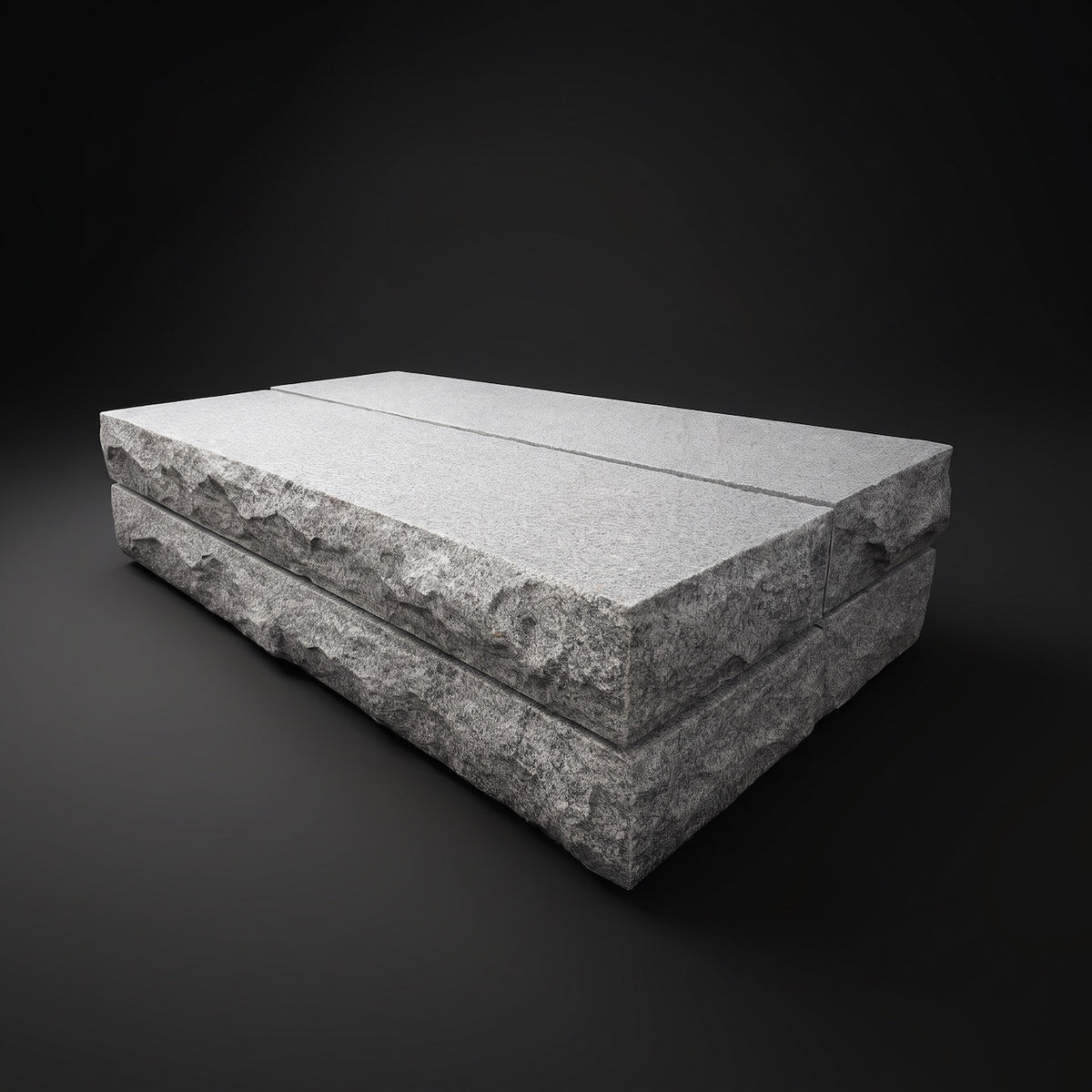
Many homes only need two or three risers to bridge from the walkway or drive up to the door. In these cases, a straightforward stack of granite steps with a matching landing can completely refresh the look without changing the footprint.
You can run full-depth granite treads over a masonry base, then finish the landing in the same stone or in a pattern of pavers that ties into nearby walkways or a driveway apron.
Taller stair runs for elevated entries
On higher entries, you might see longer runs of steps up to a main level or porch. Granite treads with smooth or thermal faces work well here. They keep a traditional feel while delivering a crisp, updated surface.
Paired with metal railings and brick or stone cheek walls, granite steps bring older facades back to life without fighting the original architecture.
Wider landings that act like small porches
Even on modest homes, a slightly oversized granite landing can act like a mini-porch. You gain a small space to pause, set down packages, or add planters, and the house feels more welcoming from the street.
In these cases, designers often run granite treads on the steps and use a combination of granite and pattern pavers or brick on the landing to keep interest high while managing cost.
Planning and Layout for Granite Stoops
Before you order a single tread, you need to plan the layout of the stoop. This is where projects either go smoothly or start to run into problems.
Start with rise, run, and code
Check the vertical distance from finished grade to the finished floor at the door, then divide it into comfortable risers that meet your local building code. Most residential projects aim for a consistent rise and run that feels natural when you climb the steps every day.
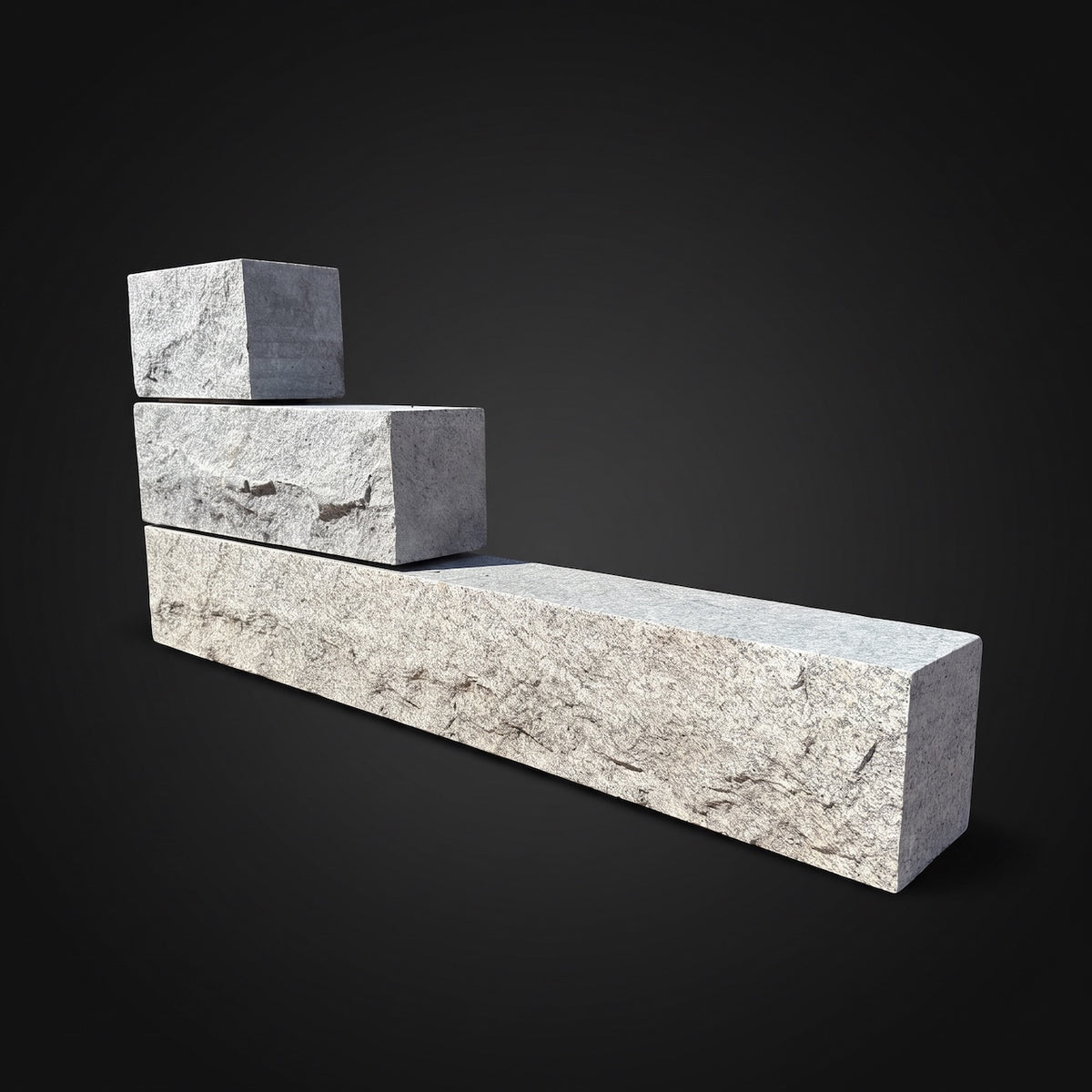
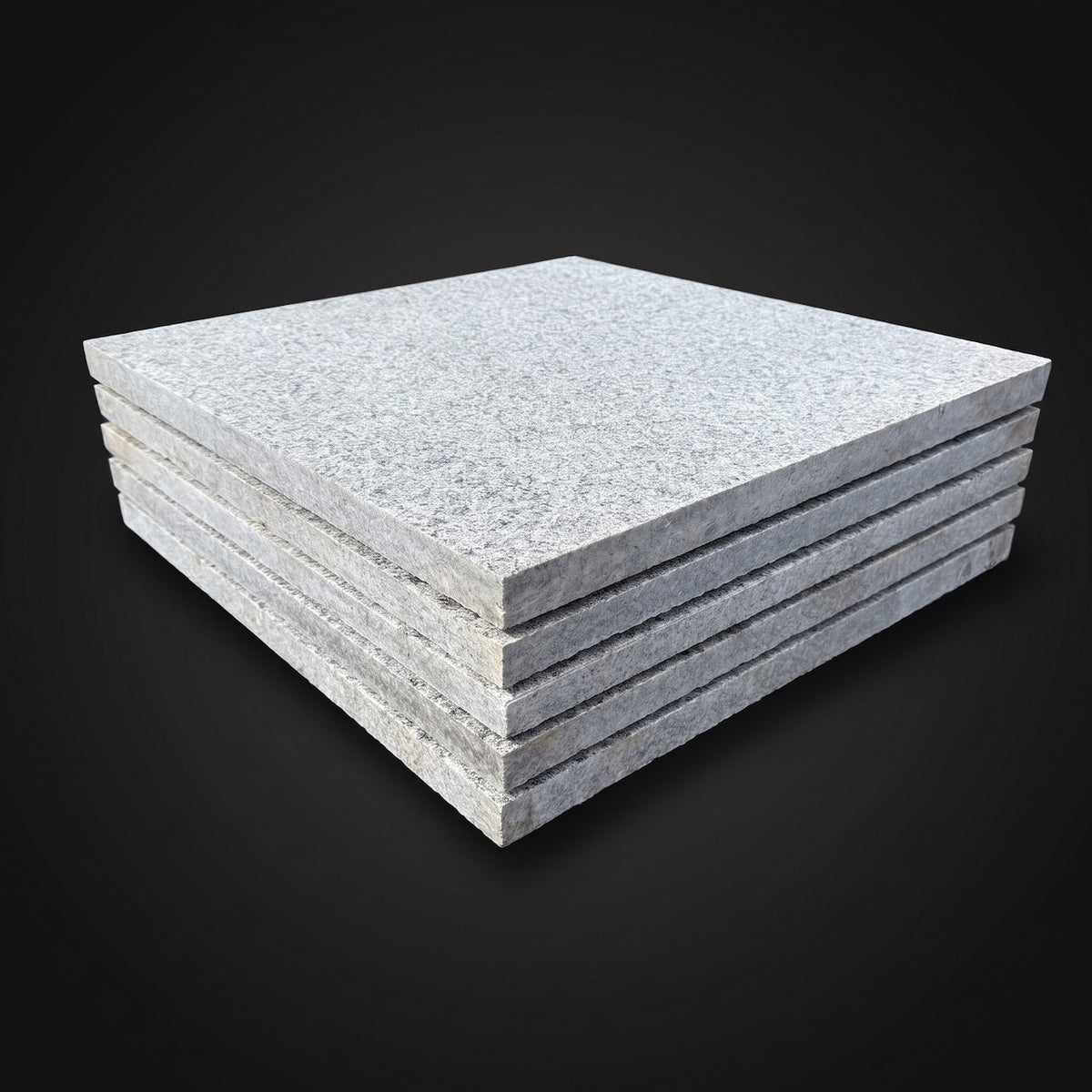
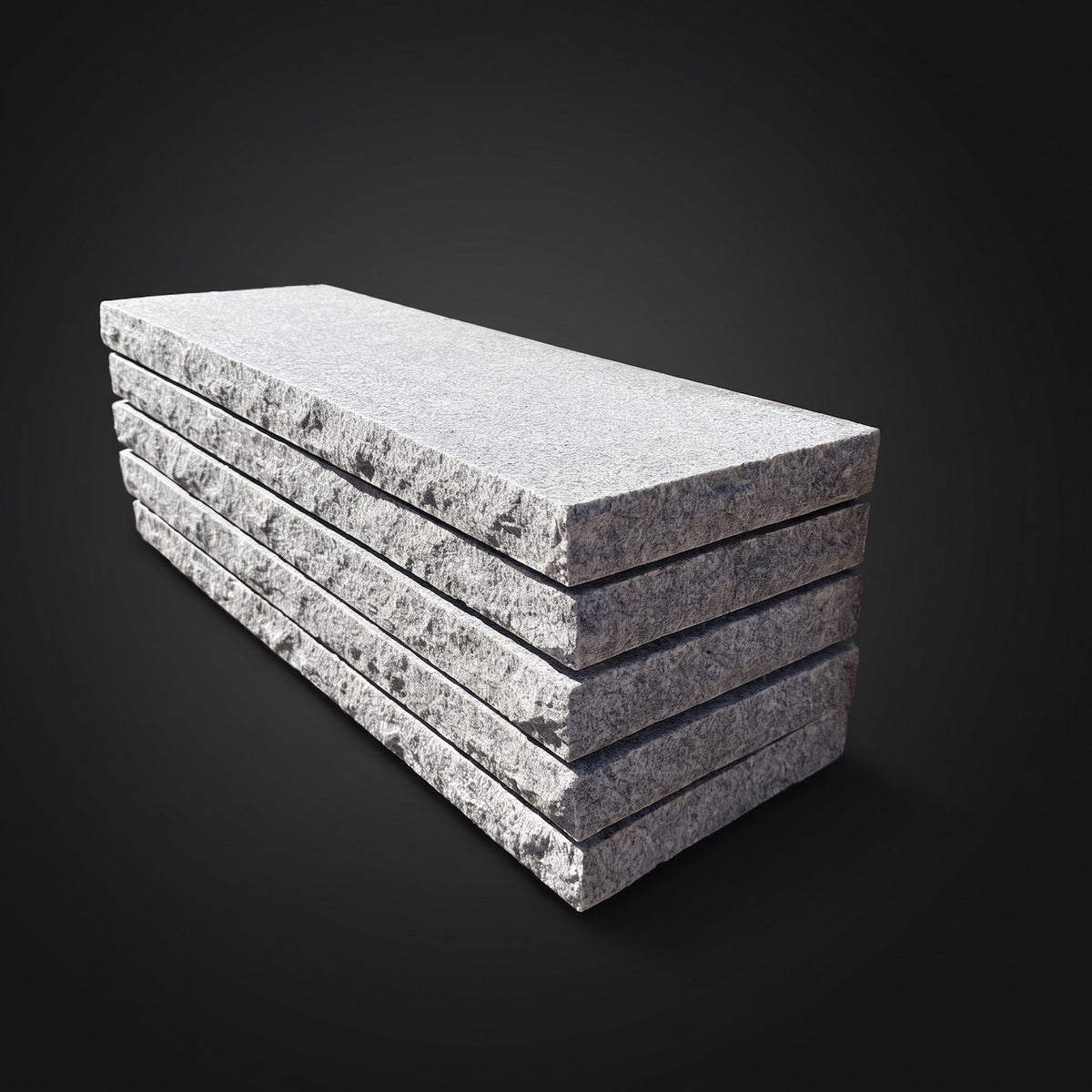
Once you lock in those dimensions, you can select granite treads in matching depths and thicknesses. Many suppliers carry standard sizes that work well with typical residential entries, and custom cutting is an option when you need something specific.
Think about traffic flow
Watch how people approach your house now. Do most guests come up from the sidewalk, from a driveway, or from a side path? Shaping the landing to catch that traffic makes the entry feel intuitive.
A landing that is too narrow forces people to shuffle or stand single file at the door. A slightly wider granite landing lets two people stand comfortably, which feels much more generous at both compact lots and larger homes.
Installation Basics for Granite Steps and Treads
Installing granite steps and treads is not complicated, but it does demand a stable base and careful setting. Skipping those steps is how you end up with rocking treads or hairline cracks over time.
Build a proper base first
Most residential entries use one of two approaches: a poured concrete or masonry base for the steps, or full granite step blocks supported on compacted stone and concrete footings. Either way, the support usually needs to extend below the frost line in cold regions and be properly drained.
A solid base keeps individual treads from settling unevenly. This is critical in climates with repeated freeze–thaw cycles, where unsupported elements can shift and move.
Set treads with a slight pitch
Granite treads should be set with a slight pitch away from the house, just enough to shed water without being noticeable underfoot. This keeps water from running back toward the threshold or pooling on the landing.
Joints between treads and cheek walls should be tight and properly filled so water does not easily sneak behind the stone and cause staining or movement.
Safety and Slip Resistance in All Seasons
Rain, snow, ice, and wet leaves all raise the risk of slips if the surface is not treated correctly. When you choose the right finish, granite can remain comfortable and secure underfoot.
Choose the right surface finish
For front entries and stoops, a thermal or flamed finish is a popular choice. These finishes lightly texture the granite surface, increasing grip without making the steps feel rough.
Polished or highly honed surfaces might look sleek in photos, but they can be slick when wet. Most homeowners prefer a finish that looks refined yet practical in everyday weather.
Plan for railings and lighting
Even the best stone surface benefits from good railings and lighting. Railings give people a secure handhold in bad weather. Low-profile step lights or sconces at the entry help guests see risers clearly after dark.
Building these elements into the design from day one avoids awkward retrofits and keeps the overall look cohesive.
Maintenance and Longevity in Different Climates
One of the big reasons people choose granite for their front stoops is that it holds up well with minimal fuss. A few simple habits will help your steps stay looking good in a range of climates.
Regular cleaning and snow removal
Sweeping off grit and leaves keeps the surface from looking dull and reduces slipped-on debris. In colder regions, using a snow shovel with a plastic edge or a careful technique protects the stone from unnecessary scratching.
Many homeowners still use de-icing products on granite, but choosing products that are less aggressive on natural stone is a smart move for long-term appearance.
Check our guide on How to De-Ice Granite Steps Safely in The Winter.
Sealing (or choosing not to seal)
Some homeowners prefer to seal granite steps to resist staining from grime, dirt, or spilled drinks. Others leave the stone unsealed and simply wash it periodically. Both approaches can work when you choose a quality stone and maintain it properly.
If you do decide to seal, make sure the product is suitable for exterior stone in your climate and follow manufacturer guidelines carefully.
Working with a Stone Supplier and Installer
Choosing the right granite for your stoop is easier when you work with a supplier who understands residential entries, local building habits, and climate conditions in your region. You want clear information on sizes, finishes, lead times, and how the stone will actually look against your brick, siding, or stucco.
Check the photos of installed granite steps on similar homes on our inspiration gallery. Chief Bricks can coordinate with your mason or contractor on tread dimensions, landing layouts, and any special cuts needed around railings or column bases.
When you combine good planning with the right stone and an experienced installer, your new granite steps, treads, and landings will feel like they were always meant to be there. For many homeowners, that one upgrade is enough to make the whole house feel more grounded, more welcoming, and more like home.
Share: