
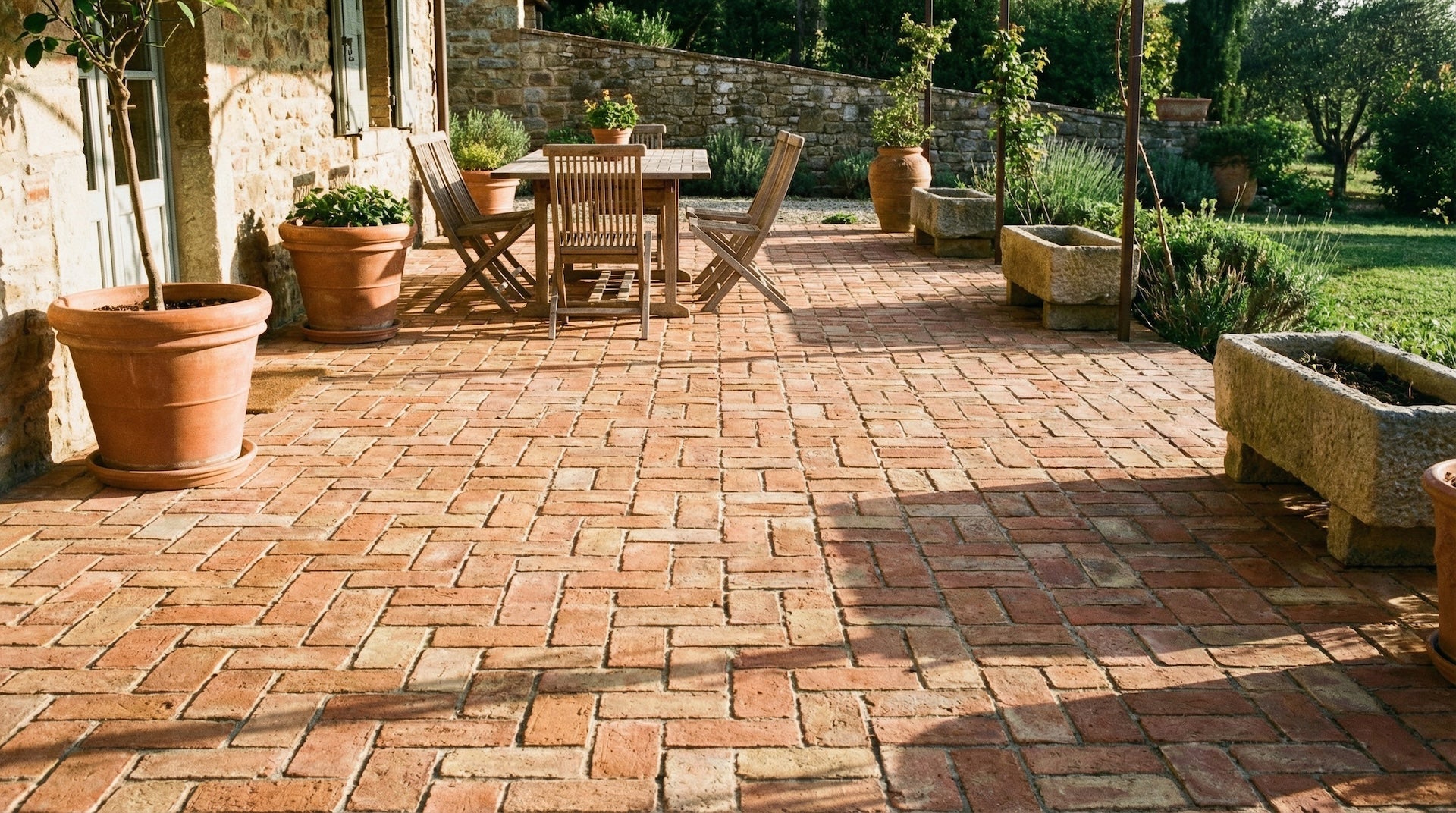
If you have stacks of old brick sitting around or you keep scrolling past Reclaimed patio bricks on Pinterest, you are not alone. These materials speak to anyone who loves history, rough texture, and outdoor spaces that feel settled in rather than brand new. Genuine reclaimed elements create a sense of permanence that is difficult to achieve with modern concrete.
Architects, homeowners, builders, and landscapers often circle the same question regarding this choice. Are reclaimed patio bricks worth the extra effort required for sourcing and installation? The answer is a resounding yes if you care about sustainability and a surface that ages with grace.
Reclaimed patio bricks give you a finish that new materials struggle to match. This remains true as long as you plan the project right from the ground up. You are creating a legacy space when you choose these authentic products.
Table of Contents:
- Why Reclaimed Patio Bricks Are Having A Moment
- Reclaimed Patio Bricks Vs New Pavers
- Where Reclaimed Patio Bricks Shine
- Planning A Patio With Reclaimed Bricks
- How To Install Reclaimed Patio Bricks Without Losing Your Mind
- Design Tips Architects And Homeowners Both Use
- Working With Pros And Suppliers
- Finding And Vetting Installers
- Maintenance And Long Term Care
- Conclusion
Why Reclaimed Patio Bricks Are Having A Moment
There is a reason reclaimed patio bricks keep showing up in high-end landscapes and design magazines. They look grounded on day one, as if they have always belonged in your yard, courtyard, or garden walk. It is impossible to fake that worn aesthetic with factory-perfect pavers.
Historic pavers were made to survive heavy traffic, horse-drawn carts, automobiles, and rough weather. Old street bricks from manufacturers like the Barr Clay Company were used across Chicago a century ago. Many of those exact units are still in service today.
That durability carries into your patio or path, which results in fewer repairs over the years. This resilience makes them a smart investment for both colder and warmer climates. The dense clay source material is extremely hard and resists wear.
There is also the green side to consider with reclaimed materials. Every pallet of reclaimed patio bricks you reuse is one less batch that must be fired and shipped from a new plant. For eco-focused architects and builders, recycled brick offers a tangible benefit beyond simple marketing.
Reclaimed Patio Bricks Vs New Pavers
You might wonder how reclaimed patio bricks compare to modern pavers. Both options have a place, so it helps to see the tradeoffs clearly. Reviewing the list of available materials requires understanding these differences.
Use the table below as a quick gut check while you plan your project. It highlights the differences between antique brick pavers and modern alternatives. This comparison will help you decide which route fits your lifestyle.
| Feature | Reclaimed Patio Bricks | Modern Concrete Pavers |
|---|---|---|
| Look and texture | Weathered faces, smooth texture, worn edges | Even color, sharp edges, consistent finish |
| Historical value | Often from old streets or historic buildings | No backstory, factory fresh |
| Durability | Extremely hard fired clay, proven over decades | Engineered for strength, tested ratings |
| Dimensional accuracy | Varies piece to piece, extra authenticity | Very consistent sizes, easy to predict |
| Sustainability | Reused material, recycled brick pavers | New production and shipping impact |
| Install speed | Slower, more fitting and sorting required | Faster, easier pattern layout |
If you are after a very controlled, modern look, a system from a regional maker with strong customer service might be best. But if your project calls for warmth, reclaimed patio bricks will pull their weight every day. They add character that standard building brick cannot replicate.
Where Reclaimed Patio Bricks Shine
Not every space is a perfect match for antique bricks, but many landscapes benefit greatly from them. Think about the story you want the outdoor area to tell before you order the first pallet. Then match the brick colors and textures to the mood.
Here are some spots where recycled brick pavers tend to outperform sleek concrete units. These locations benefit from the added charm and history.
Cottage And Historic Home Patios
Old homes often fight with plastic-looking hardscape materials. Reclaimed patio bricks help you avoid that clash and keep the era intact. They pick up details like clapboard siding and traditional window trims.
For historic restoration, thin brick veneer has become a vital tool for designers. New production of antique thin brick veneer lets you echo reclaimed surfaces on vertical faces. This allows you to keep full bed bricks underfoot for a cohesive look.
This mix is strong for porch transitions and steps leading to a brick wall. It creates a seamless visual flow from the ground up. You can achieve this look with various products reclaimed from demolition sites.
Garden Paths And Courtyards
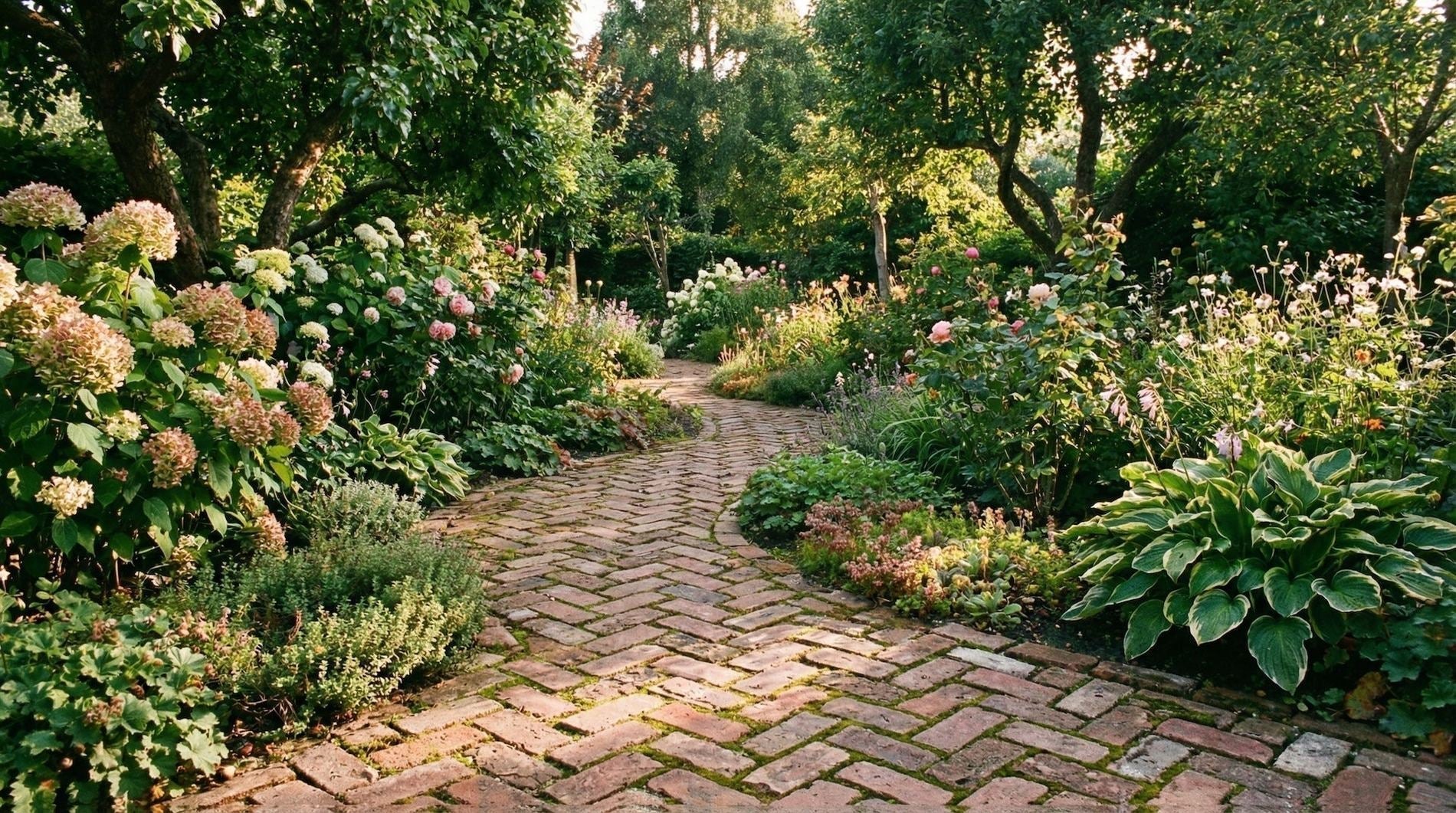
Gardeners know plants look better when the hardscape supports them instead of overpowering them. Soft, timeworn color in reclaimed patio bricks sets off foliage and flowers. This is especially true for greens and silvers found in natural plantings.
The old surface also hides dirt and leaf stains better than pale, flat concrete. Antique stone or brick simply absorbs the visual noise of nature. It looks natural rather than messy.
For narrow paths that wind through plant beds, small size pavers are easier to work with around curves. They break into casual herringbone, basket weave, or running bond layouts without heavy cutting. This makes them the perfect size for intimate walkways.
Driveways And Car Courts
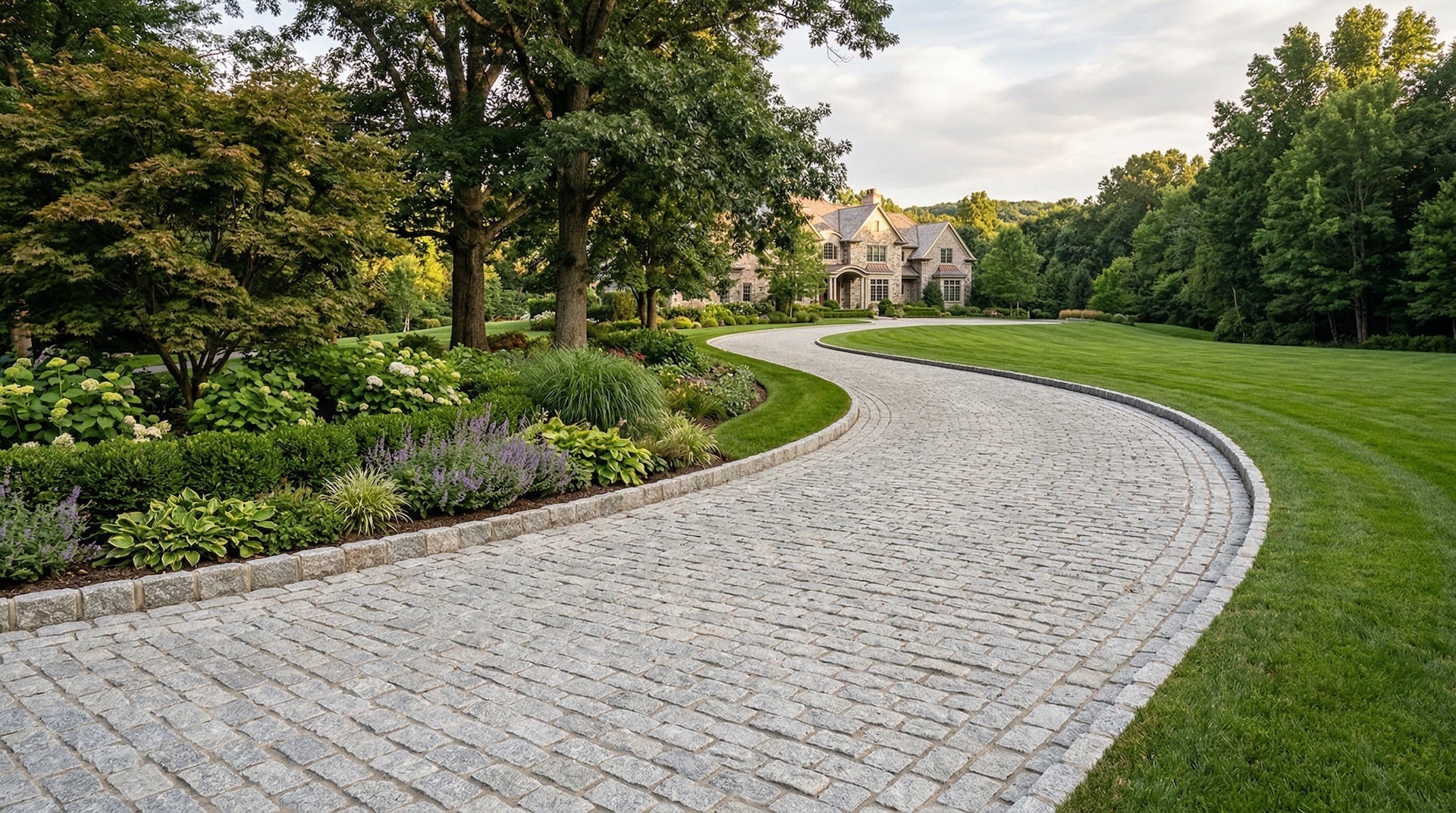
For a driveway or car court, strength matters just as much as style. Many older street pavers started their life under wheels and heavy loads. This history gives you confidence about long-term use under vehicles on a fresh base.
Famous varieties like those from New York are now sold as real antique New York thin brick veneer tile or full pavers. To support cars, work with a structural engineer. You must understand base thickness and edge restraint.
Pattern choice also matters significantly for heavy traffic areas. Tighter patterns like 45-degree herringbone help spread loads over a bigger area. This prevents rutting and shifting over time.
Planning A Patio With Reclaimed Bricks
A good reclaimed patio looks relaxed, but it never happens by accident. The quiet secret behind every great reclaimed patio is planning that covers grading and water movement. You must also consider the subbase and material sorting.
Skip that preparation, and you are staring at puddles later. Before you think about layout patterns, sit with a tape measure and string line. Look at how people will walk and where furniture needs space.
Consider where you want plantings to soften the edges of the reclaimed paving. Simple planning like this protects your budget. It saves your patience during the installation phase.
Questions To Ask Before You Order Bricks
Architects and pros tend to start with performance requirements. Homeowners sometimes pick based on color first, which can cause issues later. Use this short list to balance the two angles.
- How much load will the surface see from foot traffic or vehicles.
- What freeze-thaw cycles or de-icing salts are common on site.
- Will there be outdoor kitchens, fire pits, or water features.
- Do you need ADA considerations or wheelchair access slopes.
- How much variation in size and height can your installer work with.
Use those answers to talk with suppliers and installers. Ask for samples early to verify the clay source and texture. Good suppliers will have photo galleries and quick links to specifications.
How To Install Reclaimed Patio Bricks Without Losing Your Mind
You can have the best antique bricks on earth and still dislike your patio if the install is poor. The base makes or breaks any paver job. Reclaimed patio bricks need a bit more attention because of size variation.
Take the time to set the foundation right before you touch a single brick. Below is a high-level step-by-step guide for pros and brave DIY homeowners. You can adjust depths based on your soil, but the logic stays the same.

1. Strip And Prepare The Site
Start by removing sod, roots, and organic soil down to firm subsoil. This usually means six to ten inches below final patio height for a pedestrian space. You will need to dig deeper for a driveway.
Cut clean, straight edges so you have clear lines to measure from. To smooth the exposed soil, a rock rake and level help significantly. Keep a long straight board on hand to check your work.
Lay the board across the area in a few directions. Use the level on top to check the fall. You want a gentle slope away from buildings to shed water naturally.
2. Build A Solid Base
On top of that prepared subsoil, most pros use compacted layers of crushed stone or recycled concrete. Each layer should be dampened lightly and compacted thoroughly. A plate compactor should barely leave tracks when you are done.
For many backyards, a total stone depth of four to six inches is normal. If you are working over problem soils, consider a hybrid system. Brock Paverbase polypropylene sheets can sit over compacted soil to save labor.
Talk to your supplier about weight limits if you go this route. Proper drainage is critical for longevity. This step is the most physically demanding part of the process.
3. Add Fabric, Bedding Layer, And Edge Restraint
Many installers add a landscape fabric layer between soil and stone. This helps separate the layers and blocks weeds. overlap seams and pull the fabric tight so it does not bunch.
On top of your base, use a thin layer of bedding sand or stone screening. Set screed rails, then drag a straight 2 by 4 across. This creates a smooth, even bed for the pavers to rest on.
Install edge restraint before or during brick laying. The pavers reclaimed from streets need something to push against. You can use steel, aluminum, or even reclaimed granite curbing for a robust border.
4. Lay, Cut, And Adjust Bricks
Now comes the fun part. Start laying your reclaimed patio bricks from a straight reference line. This is usually along the house or a main edge.
Dry fit as you go, and sort bricks constantly. Place heavy chips or color outliers in low visibility areas. You can also save these imperfect bricks for cut pieces at the edges.
Cutting antique street bricks can be difficult because the material is hard. A quality porcelain tile diamond saw blade on a wet saw works well. Installers are often surprised by how clean these blades cut through vintage clay.
Keep checking with your straight edge as you move across the field. Nudge bricks up or down by adding or removing bedding material. Reclaimed projects reward patience at this stage.
5. Fill Joints And Compact
Once all bricks are down, spread sand over the surface. Sweep it into the joints until they are full. Some contractors prefer polymeric joint sands for stability.
However, plain sharp sand can work well for traditional looks. Run the plate compactor over the patio with a protective pad. Add more sand and sweep again between passes.
This process seats the bricks and locks the joints. It helps you find any last low spots while adjustments are easy. Finally, lightly mist the surface to settle the sand.
Design Tips Architects And Homeowners Both Use
You do not need to be a pro to think like one during layout. Many architects use the same tricks again and again with reclaimed patio bricks. Borrowing those tricks helps your space look curated.
Mixing Reclaimed Brick With Thin Veneer
One way to create a cohesive story is to echo brick color on walls. New York style products, such as New York veneer thin brick, pair well with reclaimed patio flat bricks bricks. Using both in one project pulls together retaining walls and the floor.
You can also incorporate floor tile elements indoors to match the outdoors. This blurs the line between inside and out. Designers like this mix where they want vintage flavor without deep relief.
Pattern, Borders, And Transitions
Because reclaimed bricks vary slightly, specific patterns feel better than rigid grids. Herringbone and basket weave hide small size differences effectively. Running bond can work if you embrace the natural waviness.
Borders are a smart place to use the most uniform bricks from your pile. Lay these as a soldier course to frame the field. This gives a clean visual read at the edges.
You can also switch from reclaimed patio bricks to granite cobblestones or stone. Reclaimed cobblestones make excellent aprons for driveways. They also serve as sturdy edging for garden beds.
Working With Pros And Suppliers
If you’re an architect, you likely already have preferred vendors. Remember that Chief Bricks ships reclaimed bricks nationwide, directly to your project site, so you’re not limited by local suppliers.
Reclaimed projects often involve special inventory considerations. For larger quantities or hard-to-find brick types, reach out to Chief Bricks for a direct quote and availability details.
A strong digital presence can elevate your reclaimed work. Sharing case studies and finished projects on your website or social media helps attract clients who value authentic, historic materials.
Finding And Vetting Installers
A reclaimed project demands an installer who likes puzzles. Some suppliers will connect you to experienced crews. Ask specifically how many reclaimed brick patios they have done.
Do not just ask about general paver jobs. Look for installers who share work on their Instagram Pinterest feeds. Photo streams on these channels help you see their attention to detail.
Check how they handle drains and border transitions. Look for clean cuts and tight joints. Review their privacy policy terms if you contact them through a website form.
Maintenance And Long Term Care
One of the joys of reclaimed patio bricks is how forgiving they are. New surfaces often look tired once the first stain appears. Old brick wears marks like patina instead of damage.
Still, some light care keeps everything safe. You can fold this into normal yard work easily. It does not require a new chore that consumes your weekend.
Routine Cleaning
Use a stiff outdoor broom occasionally to remove grit. Keep leaves from building up in the joints to prevent moss. A garden hose and mild cleaner handle most spills.
Skip harsh pressure washing directly on the brick face. You do not want to blast off the natural fired skin. These bricks are naturally waterproof to a degree, but high pressure can harm them.
If weeds sneak through, treat them early. Check that your landscape fabric is intact at the edges. Top up joint sand in low areas to prevent seeds from rooting.
Winter And Freeze Thaw
Historic clay pavers were often over-fired. This gives them better resistance to freeze-thaw cycles than soft building materials. They perform admirably even in harsh winters.
Go easy with de-icing salts and metal shovels. Use plastic shovels and sand for traction where possible. This preserves the surface of the antique street pavers.
If you live in a region with heavy winter swings, base prep is vital. Manufacturers connected through hardscape resources stress this constantly. The same guidance applies to reclaimed granite and brick projects.
Conclusion
Reclaimed patio bricks are more than old blocks you throw in the ground. They are fragments of history shaped by weather and wear. That story shows every time you step outside.
Reclaimed patio bricks give you a way to blend design goals and sustainability. They provide long-term durability without feeling cold or over-produced. With the right planning and a solid base, your patio will succeed.
Use simple tools like a rock rake and level for the install. Choose smart patterns like herringbone to hide size variations. Your patio will feel settled in on day one.
This is the kind of project that does not chase trends. It quietly outlives them while adding value to your property. Bricks create a timeless atmosphere that modern pavers simply cannot achieve.




Share: