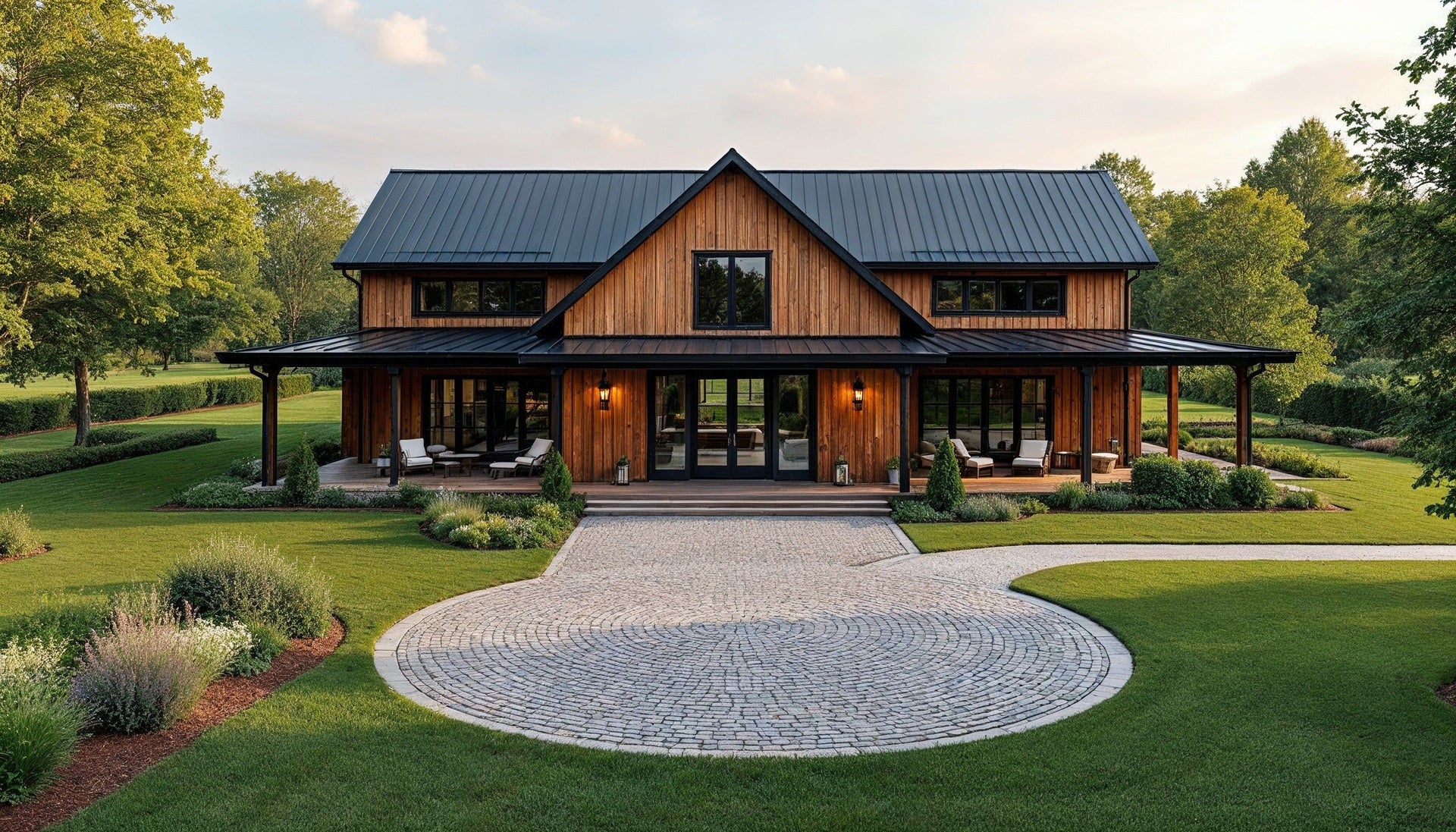
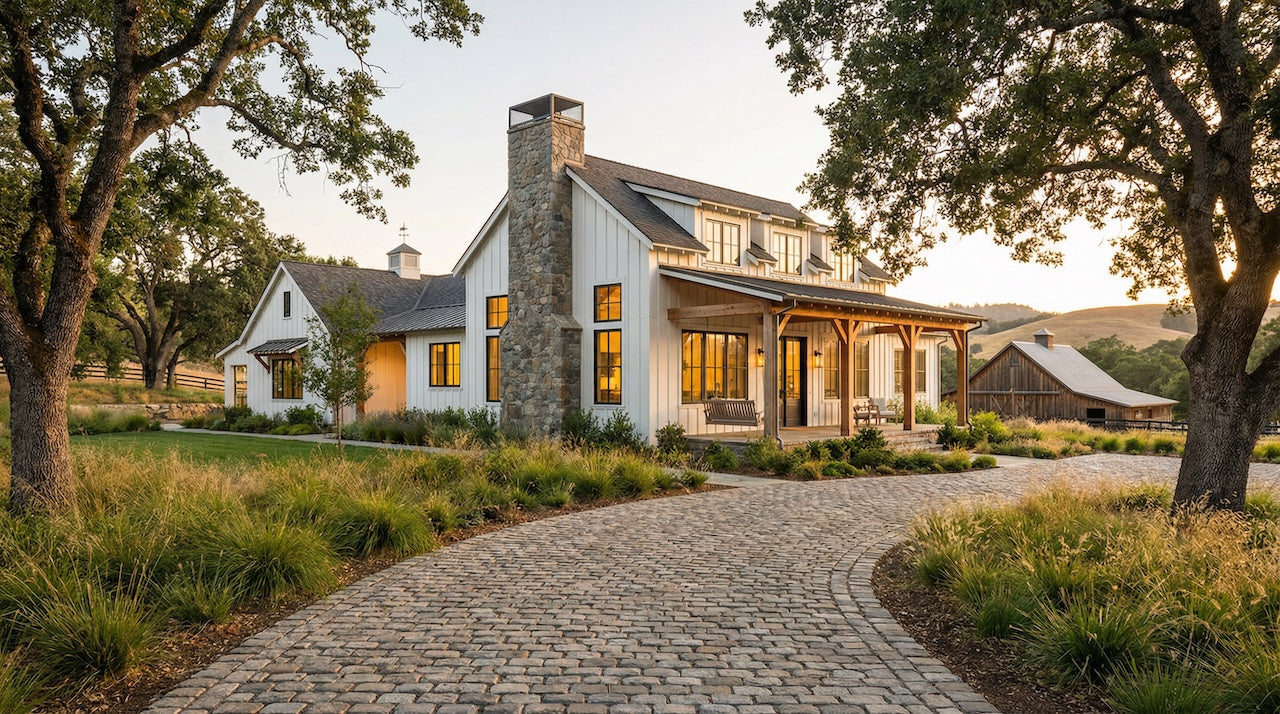
Belgian Blocks for Clean, Timeless Driveways and Borders
- New granite blocks with uniform dimensions and linear edges for easier installs.
- Multiple sizes: jumbo, regulation, paver, landscape, and cubes for any application.
- Ideal for driveways, aprons, borders, walkways, and curbs.
- Direct sourcing and consistent stock from trusted quarries.

What Are Belgian Blocks?
Belgian blocks are quarried granite blocks that are cut to relatively consistent dimensions, usually with flat tops and bottoms and straight sides. Unlike traditional rounded river cobblestones, Belgian blocks create more uniform lines and a smoother, more stable surface that still keeps a classic stone look.
Because they are made from dense granite, Belgian blocks stand up extremely well to vehicle traffic, de‑icing salts, and freeze–thaw cycles. Their consistent size makes layout faster for installers and gives driveways, aprons, and borders a crisp, orderly appearance that pairs well with both traditional and modern homes.
Why Choose Belgian Blocks?
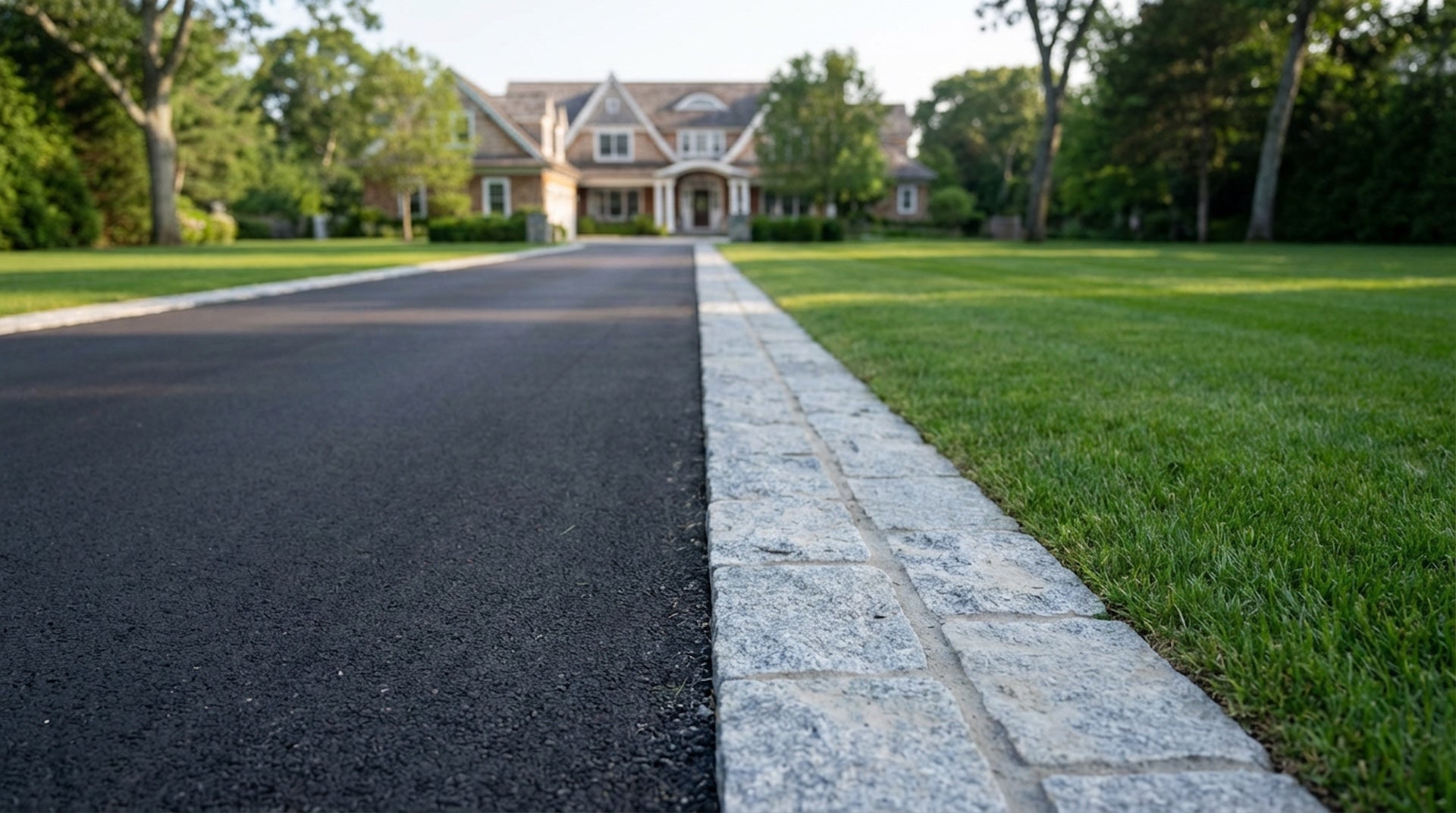
Belgian blocks are a great choice when you want structure and order along with natural stone character. Their straight edges and mostly uniform height make it easier to achieve tight joints, clean curves, and professional‑looking borders around asphalt, concrete, and planting beds.
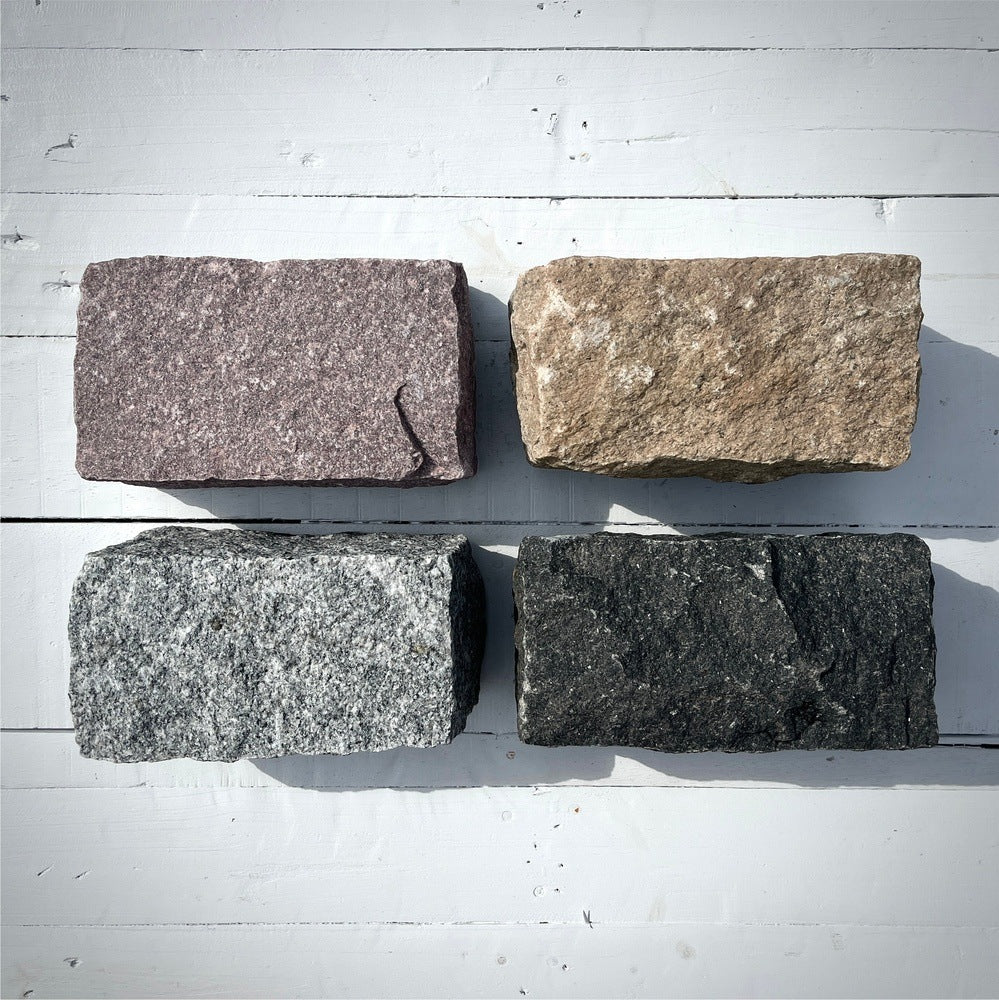
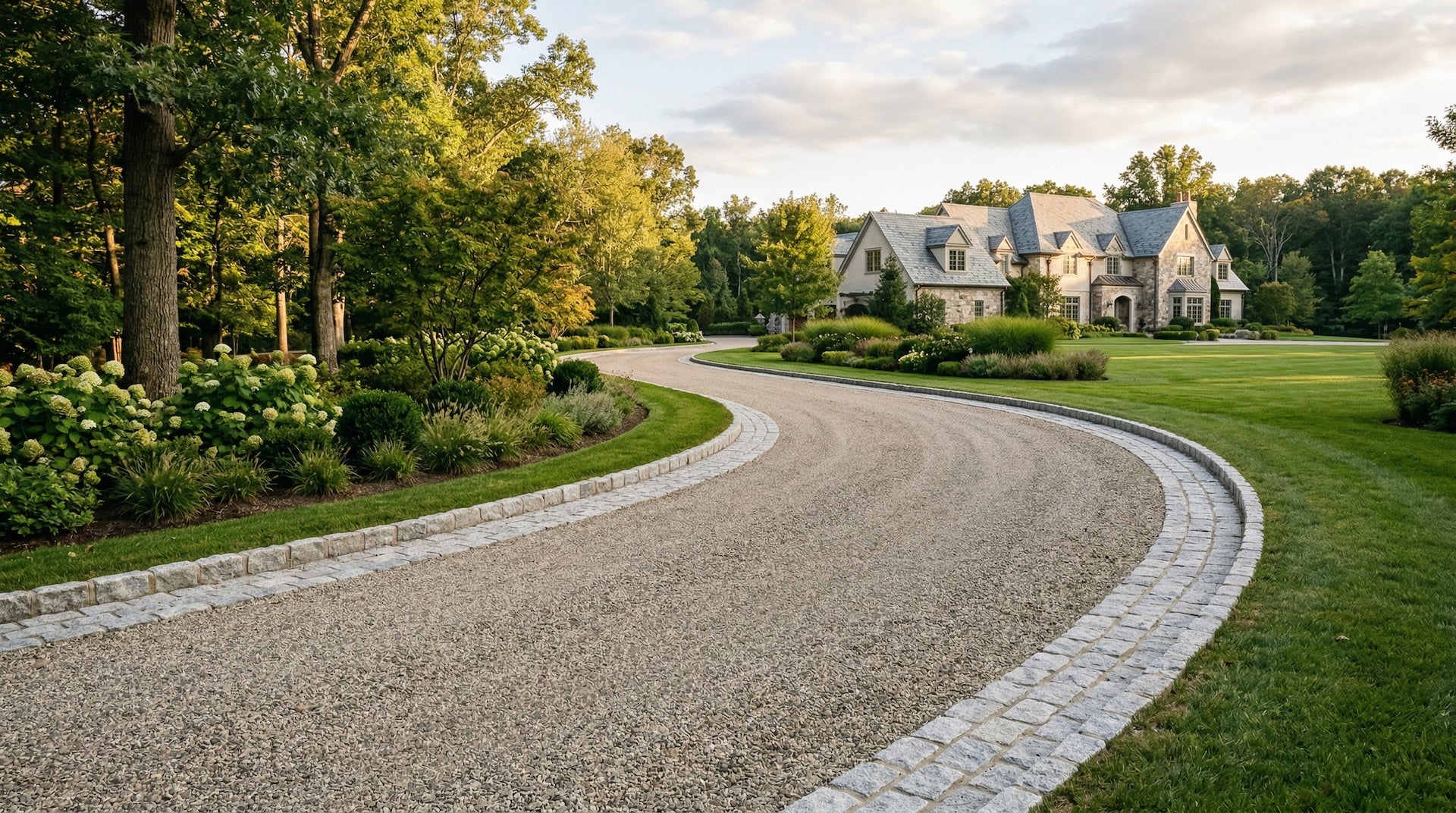
They also offer design flexibility: you can use them for full driveways, just the apron at the street, or as a single or double row of edging to frame existing surfaces. Multiple sizes and color blends, like grey, pink, buff, and black, let you match your home’s style or highlight specific areas of the landscape.
What Are Granite Belgian Blocks? History, Uses, and Lasting Curb Appeal
Belgian Blocks We Offer
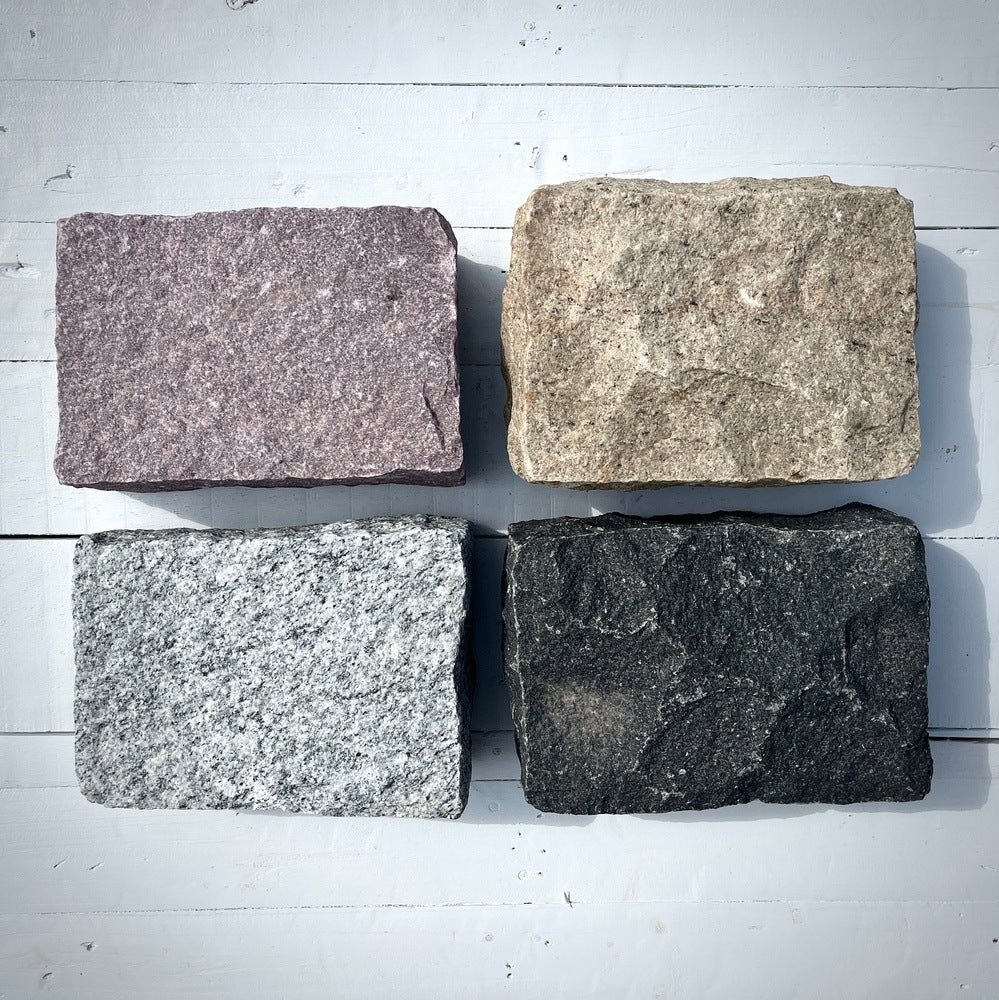
Jumbo Belgian Blocks
Jumbo Belgian blocks are large granite blocks with substantial presence, perfect when you want bold lines and a driveway or border that really stands out. Their larger footprint makes them ideal for full driveways, heavy‑duty aprons, and wide bands or ribbons through a landscape.
Highlights:
- Approximate size: 10” x 7” x 4”
- Best for: full driveways, aprons, parking areas, wide borders.
- Look: strong visual rhythm with pronounced, stately joints.
Regulation Belgian Blocks
Regulation (or standard) Belgian blocks are versatile mid‑sized blocks commonly used for edging and walkways. They balance scale and ease of handling, making them a go‑to choice when you want neat lines without overwhelming smaller spaces.
Highlights:
- Approximate size: 9” x 5” x 5”.
- Best for: driveway borders, walkways, small aprons, curbs.
- Look: classic, orderly stone border that works with many house styles.

Belgian Block Pavers
Belgian block pavers are thinner, broader blocks that create a flatter surface, especially comfortable underfoot and suitable for certain paving and overlay applications. They are great when you want the Belgian block look but need a shallower build‑up or smoother finish.
Highlights:
- Approximate size: 12' x 6" x 3". Slimmer profile designed for paving and overlays.
- Best for: walkways, patios, transitions, and decorative bands.
- Look: more continuous surface with the same crisp, cut‑stone aesthetic.
Belgian Block Cubes
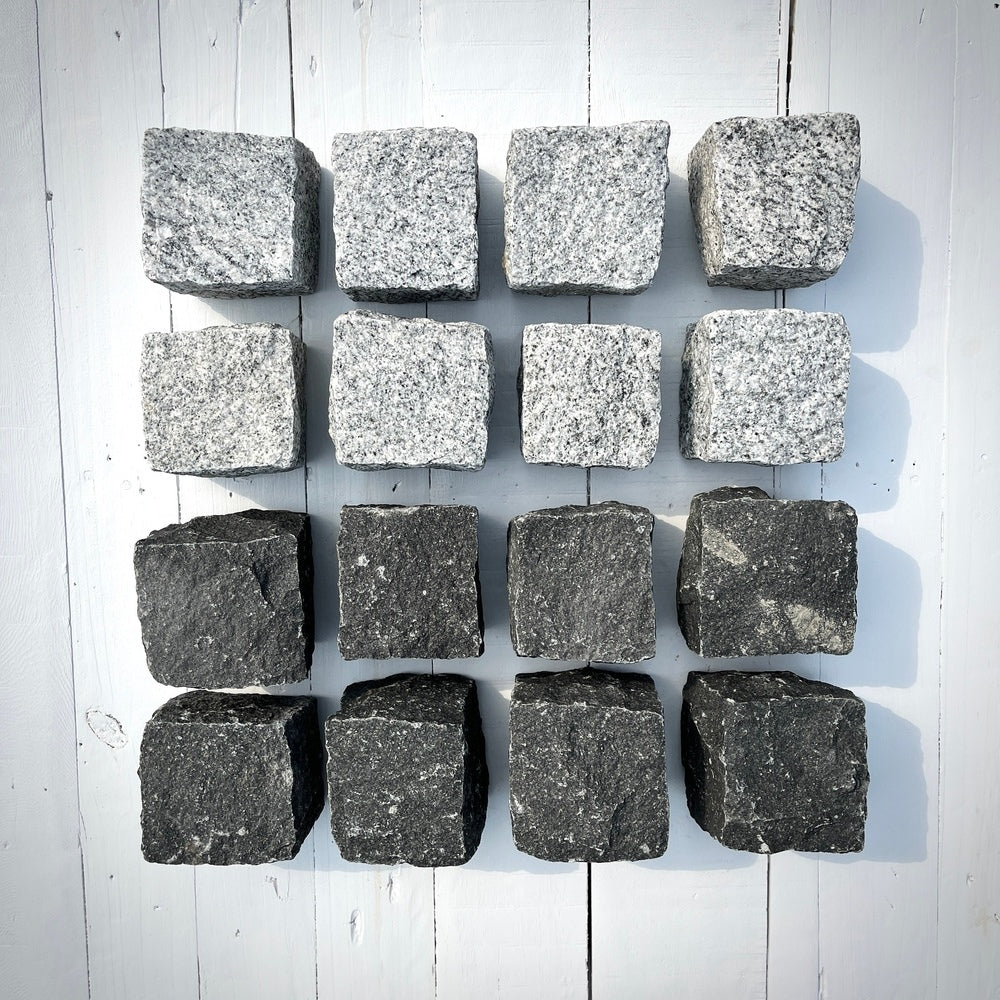
Belgian block cubes are smaller square or nearly square blocks suited to curves, detailed patterns, and tight spaces. They are a great choice for decorative insets, fan layouts, and transitions where larger blocks feel too heavy.
Highlights:
- Compact size 4" x 4" x 4" ideal for curves and intricate layouts.
- Best for: accents, borders around trees and beds, curved paths, inlays.
- Look: finely grained pattern with lots of visual interest in a small area.
Common Uses for Belgian Blocks
Belgian blocks can be used on their own or alongside other materials to give your project a finished, custom look.

Driveway Edging & Aprons
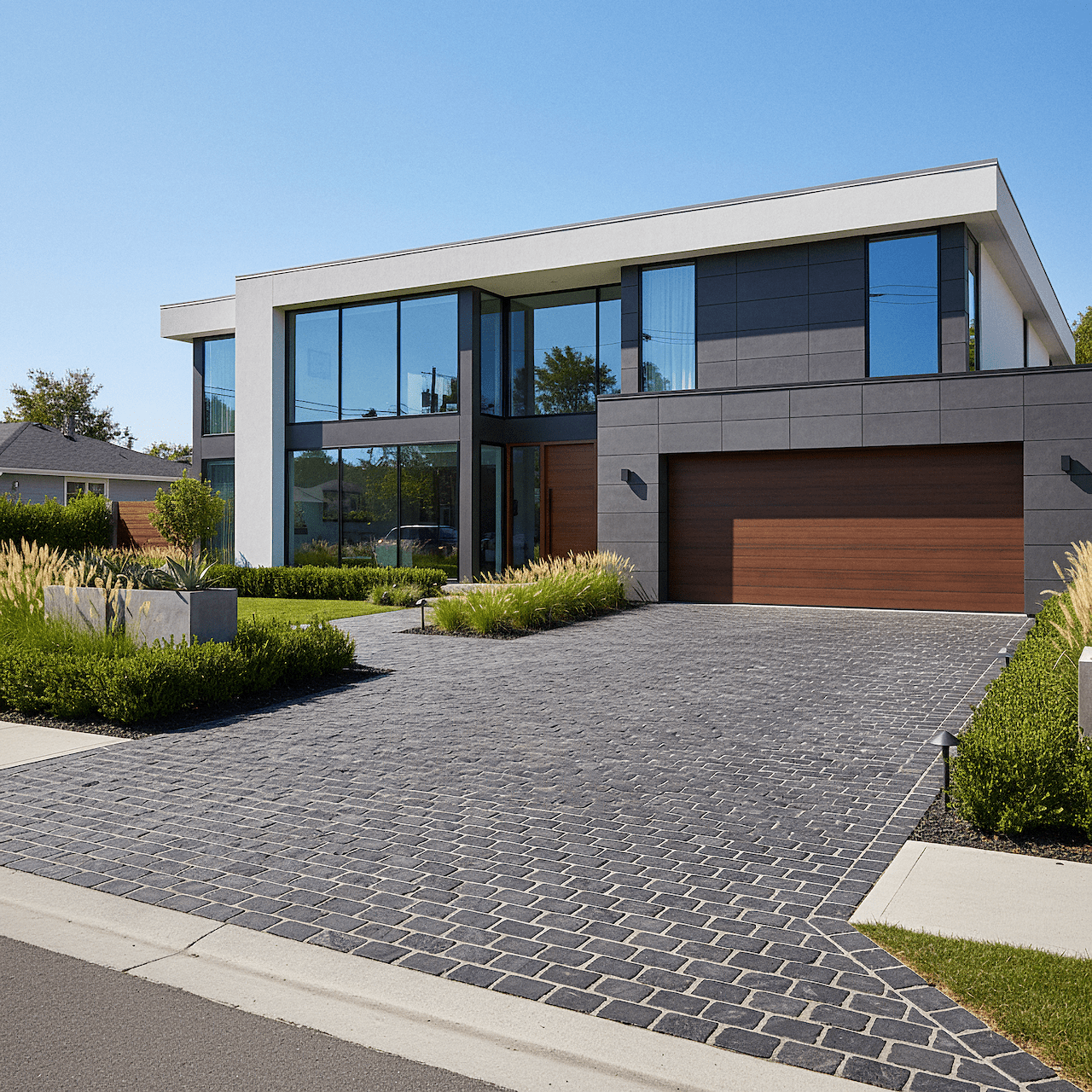
Granite Belgian block edging and aprons give driveways a stronger edge, a cleaner entrance, and that timeless, “this has always been here” look.
Styles of Driveway Edging & Aprons with Granite Belgian Blocks
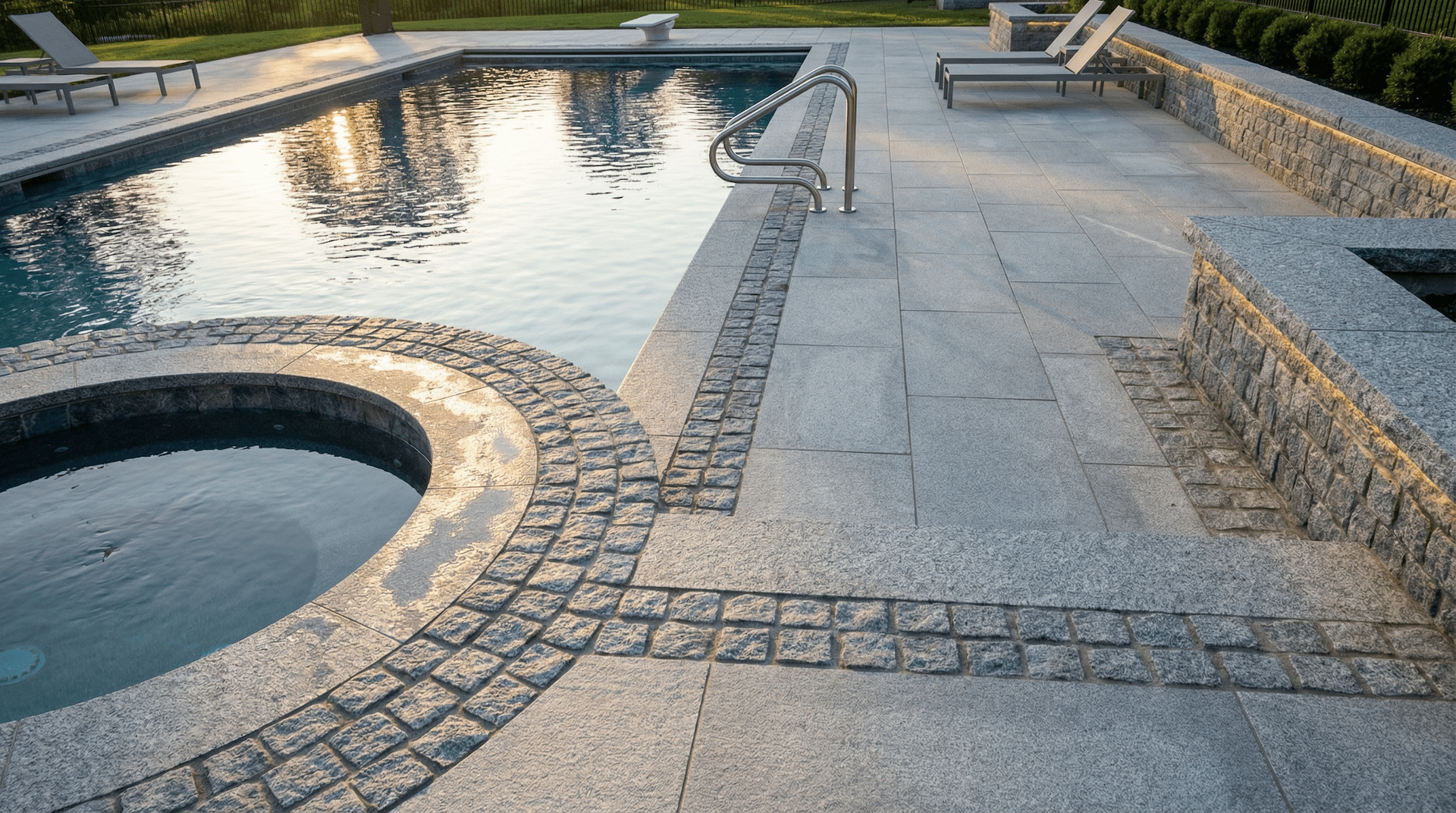
Pool Decks
Cobblestones make charming paths that feel solid yet organic. Smaller formats and cubes are comfortable underfoot and can follow gentle curves through gardens, side yards, and around patios. You can run cobblestone walkways independently or tie them into a cobblestone driveway or terrace for a cohesive look.
Fire Safety
When wildfires tear through neighborhoods, some homes stand strong while others crumble to ash. The difference often comes down to the materials used around the property. Granite Belgian block fire safety offers serious protection while looking absolutely stunning in your landscape.
Smart Landscaping Tips: Granite Belgian Block For Fire Safety

And so much more
Walkways and garden paths, patio frames and insets, lawn and garden bed edging, low retaining and seat walls, fire pit surrounds, water features etc.
Installation
Installation for Belgian blocks is similar to other segmental paving and edging systems and should be done on a compacted base with proper drainage.
A professional installer will know how to set consistent lines, maintain grade, and choose the right joint material, such as sand or polymeric sand, for your project.
DIY vs. Hiring a Pro: Who Should Install Your Granite Belgian Block Edging?
This guide walks you through a practical, step‑by‑step approach to installing granite Belgian block driveway edging. From layout and excavation to base prep, setting the stones, and finishing the joints. So your new border doesn’t just look good on day one, but keeps its shape through freeze‑thaw cycles and daily traffic.

Maintenance & Care
Belgian blocks require little ongoing maintenance once installed correctly. Periodic sweeping and occasional rinsing keep surfaces looking clean, and joints can be refilled with sand as needed over time.
If you use polymeric sand, it can help reduce weed growth and keep joints locked more firmly. As with any stone surface, avoid harsh chemicals and use de‑icing products that are safe for natural stone in winter.

Cost & Planning
The cost of a Belgian block project depends on block size, color, quantity, and whether you are building full surfaces or just accents and borders. Material is typically priced per block, per linear foot of edging, or by the area covered.
Installation costs are influenced by excavation depth, curves vs straight runs, and the complexity of patterns and transitions. When you share your measurements, preferred block size, and photos of your site, we can help you estimate quantities and suggest layouts that fit your budget and design goals.
WHY CHOOSE CHIEF BRICKS FOR BELGIAN BLOCKS
From Source to Site. Without Compromise.
Unmatched quality
New granite Belgian blocks with consistent sizing, straight edges, and zero waste so your project installs smoothly and looks clean from day one.
Direct from the source
Direct sourcing from our dedicated quarry so you get consistency in quality and color across materials.
Nationwide supply
We ship straight from our yard to your project across the United States.
Project-specific support
From homeowners to large-scale contractors, we provide tailored guidance to ensure the right materials, quantities, and delivery for every project.
FAQs
What’s the difference between Belgian blocks and cobblestones?
Traditional cobblestones were often rounded stones gathered from riverbeds, resulting in more irregular shapes and surfaces. Belgian blocks are quarried granite cut to relatively consistent sizes with flatter tops and straighter sides, which makes them easier to install in neat lines and patterns.
Are Belgian blocks strong enough for driveways and aprons?
Yes. Granite Belgian blocks are extremely dense and durable, making them ideal for driveways, aprons, and parking areas when installed on a proper base.
Do Belgian block borders help my driveway last longer?
Belgian block borders help hold asphalt and gravel in place, reduce edge crumbling, and create a firm edge to plow or shovel against. This can improve both the look and longevity of your driveway.
How much maintenance do Belgian blocks require?
Maintenance is minimal: periodic cleaning and checking joints are usually enough. If you use polymeric sand, it can help keep weeds down and joints tighter over time.
How many cobblestones will I need for my project?
The quantity depends on stone size, pattern, and the square footage of your project. If you share your measurements and preferred stone type, we can calculate an estimated stone count and number of pallets for you.
Can Belgian blocks be used on slopes or around curves?
Yes. With proper base preparation and layout, Belgian blocks work well on gentle slopes and can follow curves along driveways and beds. Smaller sizes and cubes make tight curves easier to achieve.