

What Are Granite Belgian Blocks? History, Uses, and Lasting Curb Appeal
Granite Belgian blocks are one of those materials you notice even if you don’t know what they’re called. A row of chunky stone running along a driveway, a tight band of rough‑cut granite holding back a garden bed, or an old street paved in massive rectangular cobbles – that’s Belgian block doing what it does best.
They started life as a practical solution for heavy traffic and tough climates and have quietly turned into a favorite tool for designers, landscapers, and homeowners who want something that looks solid, feels permanent, and only gets better with time. If you’ve been wondering what exactly these blocks are and where they fit into your next project, this guide walks you through the essentials.
Table of Contents
- What Exactly Are Granite Belgian Blocks?
- A Short History: From Ship Ballast to Streets and Driveways
- Common Sizes, Types, and Finishes
- Popular Ways to Use Granite Belgian Blocks Today
- Why Homeowners and Designers Keep Choosing Them
- Basic Installation Principles to Know
- How They Age and What Maintenance Looks Like
What Exactly Are Granite Belgian Blocks?
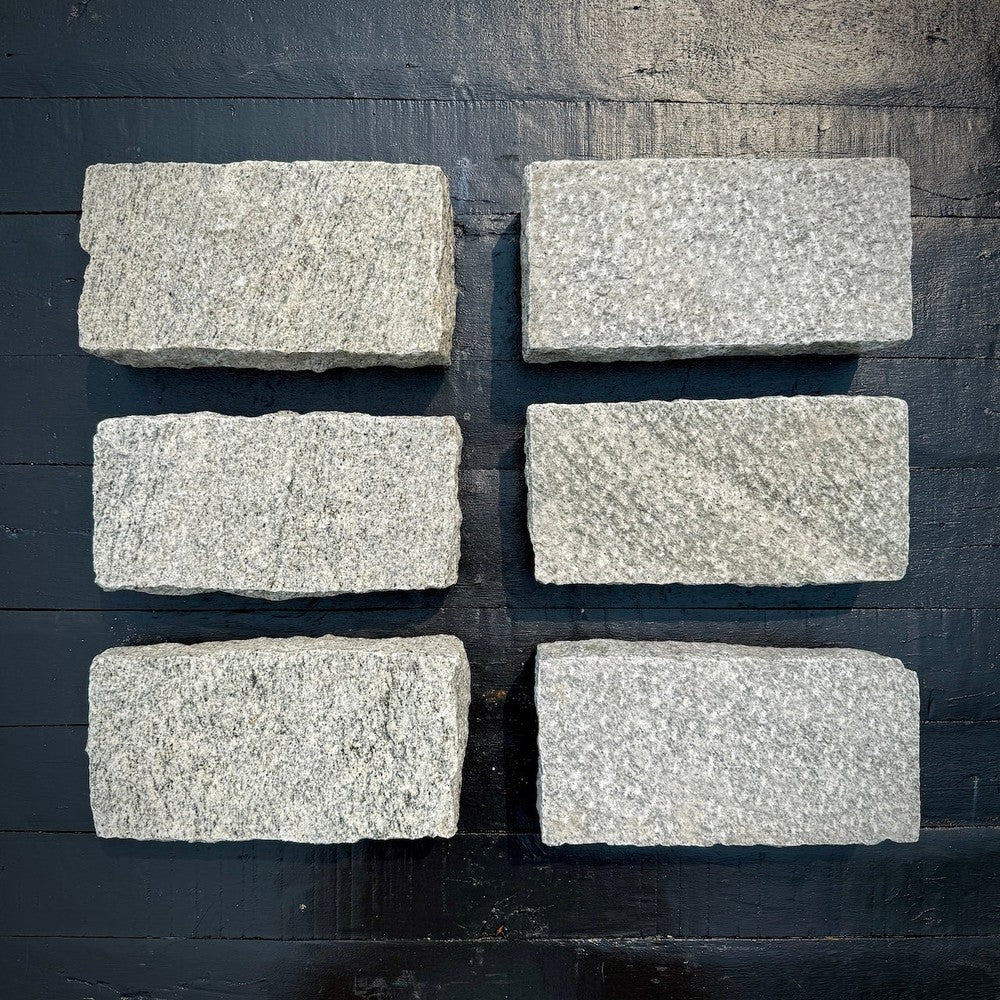
Granite Belgian blocks (often called Belgium blocks or just “block”) are hefty, rectangular or cube‑shaped pieces of natural granite used for paving, edging, and landscaping. Unlike small pavers or bricks, these are big chunks of stone with split faces and rough edges that read as unmistakably “old‑world” the moment you see them.
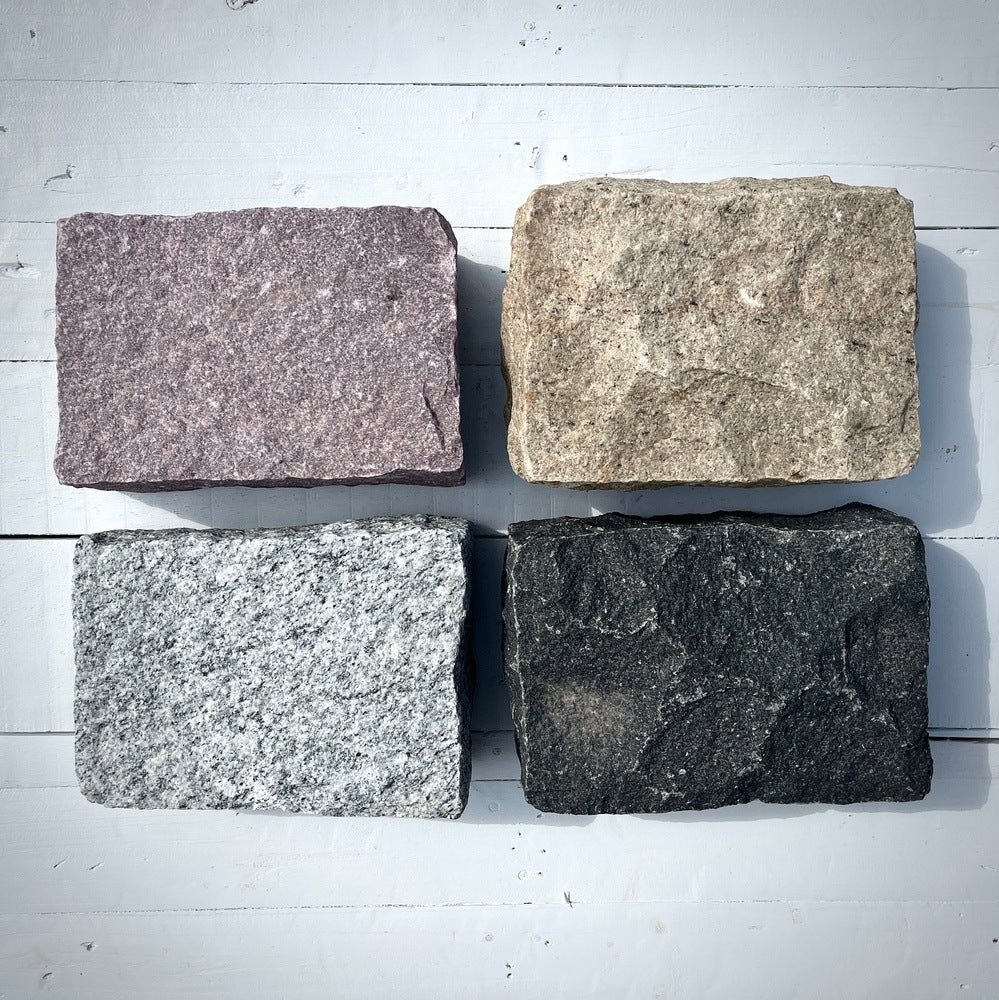
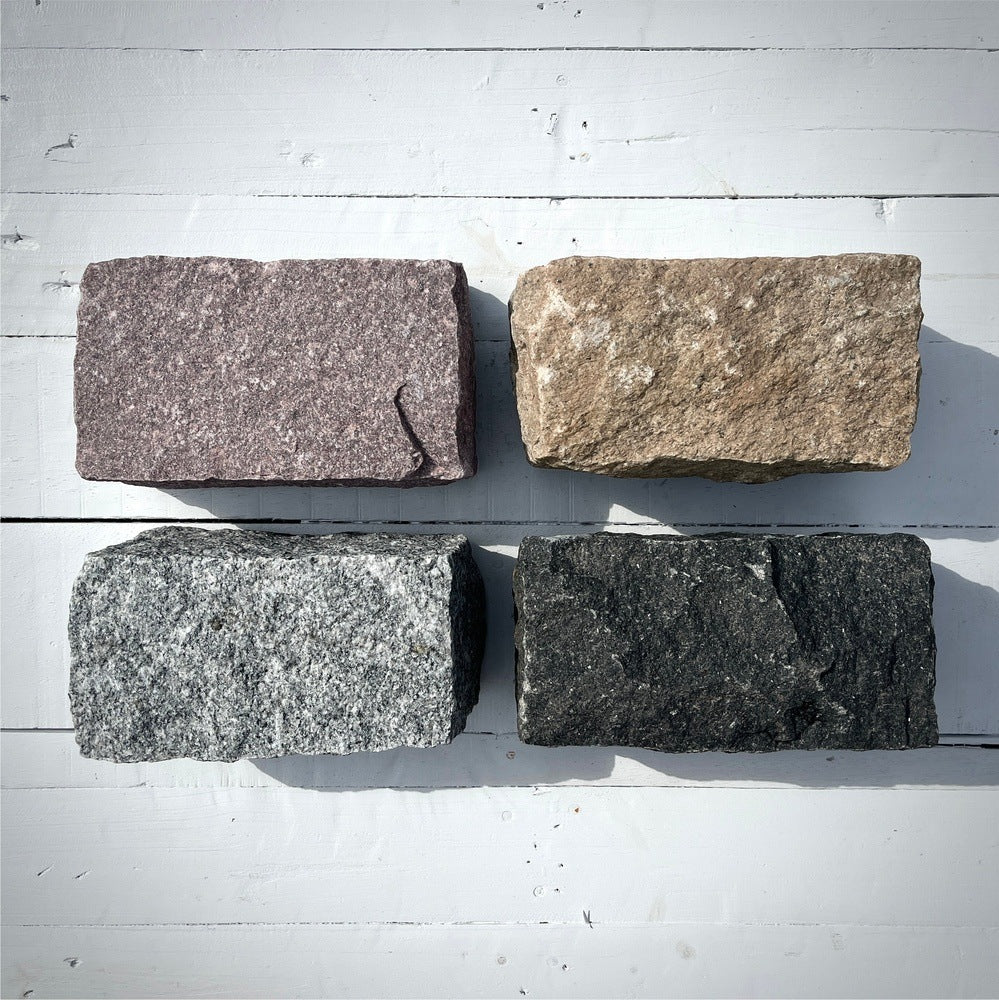
The stone itself is dense, weather‑resistant granite, usually gray, salt‑and‑pepper, or darker charcoal tones, sometimes with subtle color variations from quarry to quarry. Because they’re cut thick and tall, they can handle serious weight and freeze‑thaw cycles while still delivering a flatter, more regular surface than traditional rounded cobblestones.
A Short History: From Ship Ballast to Streets and Driveways
The story behind Belgian blocks is part engineering, part trade history. In the 17th and 18th centuries, ships leaving European ports like Antwerp used large stone blocks as ballast to stabilize their hulls on long crossings. When those ships arrived loaded with goods, the ballast stone was offloaded and often repurposed to pave growing port cities.
Those oversized granite setts turned out to be perfect for roads: they were tough, grippy when wet, and far more durable than many early alternatives. That’s why you still see them today in older districts and historic streetscapes, where the same blocks have been underfoot for generations. Modern granite Belgian blocks carry that same DNA, even when they’re freshly quarried rather than reclaimed.
Common Sizes, Types, and Finishes
Not all Belgian blocks are the same size, and that’s a good thing. Different proportions suit different jobs, from tight garden curves to driveways that need to carry real weight. Most are cut with split faces and square edges so they lock together while still looking natural. [web:5][web:8]
Typical sizes you’ll encounter
- Standard or “regulation” blocks: Often around 5″ × 5″ × 9″, versatile enough for edging, small aprons, and tight curves.
- Jumbo blocks: Larger pieces (often roughly 4″–7″ × 10″ or more) that are ideal for driveway borders, curbs, and areas with vehicle traffic.
- Cubes or minis: Roughly cube‑shaped pieces around 4″ × 4″ × 4″, great for accent bands, small paths, or decorative borders with more intricate patterns.
You’ll also see differences in finish and origin: freshly quarried blocks with consistent color, darker or lighter shades for contrast, and reclaimed granite with worn corners and a softer, time‑polished surface. Each option nudges the final look in a slightly different direction, from crisp and contemporary to fully historic. [web:5][web:8][web:25]
Popular Ways to Use Granite Belgian Blocks Today
Belgian blocks started as road paving, but they’ve become a kind of all‑rounder for hardscaping projects. Their size and strength mean they can do jobs that smaller pavers can’t, while the rough granite texture ties everything back to something that feels grounded and permanent.
Where they really shine
- Driveway borders and aprons: A band of granite along the edge or at the entrance protects the pavement and adds a strong visual frame.
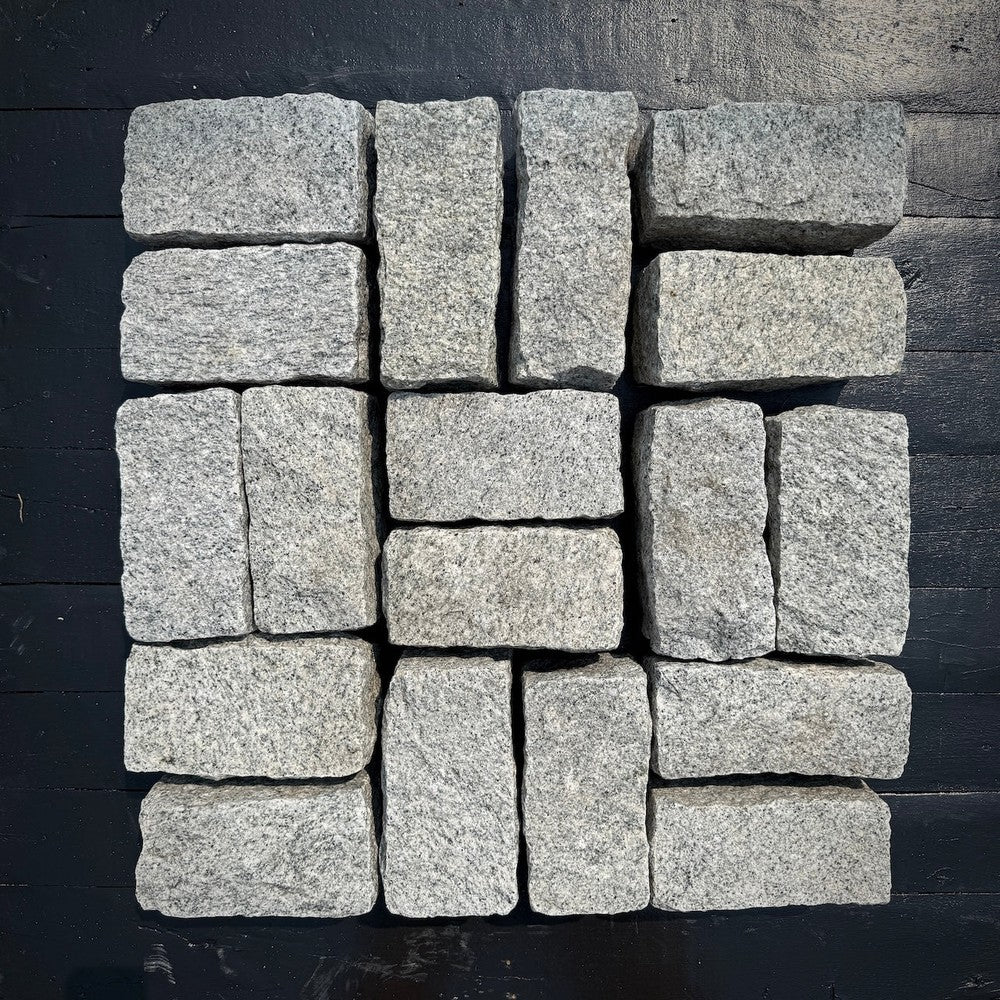
- Full driveways and parking areas: Laid in patterns like running bond or herringbone, Belgian block surfaces can carry vehicles for decades with minimal wear.
- Garden and lawn edging: Single or double rows of block hold back mulch, define planting beds, and give mowers a clear edge to follow.
- Walkways, steps, and landings: Used alone or as a border around other paving, they add weight and texture to everyday paths.
- Curbs and retaining edges: Stacked blocks can form low retaining edges for small level changes or transitions between driveway and landscape.
Because Belgian blocks are natural stone, they also play well with other materials: concrete pavers, asphalt, poured concrete, and natural flagstone all look more deliberate when they’re framed by that thicker granite edge.
Why Homeowners and Designers Keep Choosing Them
There are plenty of ways to edge a driveway or build a border, so it’s fair to ask why granite Belgian blocks continue to show up in high‑end landscapes and everyday projects alike. It usually comes down to three things: durability, character, and long‑term value.
Key advantages
- Serious durability: Solid granite stands up to vehicle traffic, de‑icing products, and harsh weather better than many cast products, often lasting for generations.
- Old‑world character: The split faces, irregular edges, and subtle color variation add warmth and depth that poured edges simply don’t have.
- Structural support: As edging or curbing, the blocks help keep asphalt, pavers, and soils in place, which reduces cracking and erosion along the edges.
- Design flexibility: Straight lines, curves, contrasting bands, formal or rustic – the same block can take on different personalities depending on how it’s laid out.
- Low maintenance over time: Once they’re set on a proper base, there’s very little to do beyond occasional joint touch‑ups and cleaning.
That combination makes Belgian blocks feel like a one‑time upgrade rather than something you’ll be revisiting every few years, which is a big part of their appeal for long‑term projects.
Basic Installation Principles to Know
You don’t have to become a mason overnight, but understanding the basics of how Belgian blocks should be installed helps you plan a project or have an informed conversation with your installer. The stone itself is almost never the weak point – the base and drainage are.
Foundations that last
- Proper excavation: Trenches or beds deep enough to bury part of each block plus a compacted base layer help prevent shifting and heaving.
- Compacted base: Well‑graded crushed stone compacted in layers provides drainage and support under the granite.
- Bedding layer: Sand, mortar, or concrete beds are used depending on whether the design calls for a flexible or rigid installation.
- Alignment and pitch: String lines and levels keep tops consistent, while a slight pitch directs water away from structures and pavement edges.
Even for smaller DIY projects, those core steps make the difference between a border that still looks tight after winter and one that starts to wander or settle after the first season. For larger, vehicle‑rated areas, most people opt to bring in a professional crew to get those details right.
How They Age and What Maintenance Looks Like
One of the best parts about granite Belgian blocks is how they handle age. Instead of looking tired, they tend to pick up a bit of patina, softening from bright new stone into something that feels comfortably established.
- Inspect edging and surfaces periodically and refill any joints where sand or mortar has washed out.
- Keep surrounding soil and mulch slightly below the top of the blocks to avoid staining and moss buildup on faces you want to keep crisp.
- Rinse off de‑icing products and dirt when the season changes to protect the stone’s appearance.
- Address any isolated movement early by re‑setting individual blocks rather than waiting for a larger section to shift.
With that minimal care and a solid installation, granite Belgian blocks often outlive the surfaces they’re framing, which is why you see them reused and reclaimed again and again in new projects.
Share: