

When wildfires tear through neighborhoods, some homes stand strong while others crumble to ash. The difference often comes down to the materials used around the property. Granite Belgian block fire safety offers serious protection while looking absolutely stunning in your landscape.
These massive stone blocks act as more than just decorative elements. They create a barrier that flames can't penetrate, giving your home a fighting chance when disaster strikes.
Table of Contents:
- Why Fire-Resistant Landscaping Matters Now More Than Ever
- What Makes Granite Belgian Blocks Fire-Resistant
- Granite Belgian Block Fire Safety in Landscape Design
- Real-World Success Stories
- Comparing Belgian Blocks to Other Fire-Resistant Options
- Installation Best Practices for Fire Safety
- Maintaining Your Belgian Block Fire Barriers
- Combining Belgian Blocks with Other Fire-Smart Strategies
- The Environmental Benefits of Choosing Granite
- Design Flexibility with Belgian Blocks
- Planning Your Belgian Block Fire Safety Project
- Long-Term Value of Belgian Block Investments
- Conclusion
Why Fire-Resistant Landscaping Matters Now More Than Ever
Wildfires have become more frequent and destructive across the country. States like California and Oregon face devastating losses each year, prompting a shift in how we approach property safety. Homeowners need to prioritize defense long before flames arrive at their doorstep.
Traditional landscaping materials often work against you during a fire event. Combustible materials like wood mulch and dry grass act like kindling, helping fires spread rapidly toward structures. That is where granite Belgian blocks come into play as a much smarter choice.
Creating defensible space around your property is no longer optional in many high-risk areas. It is a requirement that could save your biggest investment. Stone materials form the backbone of any serious wildfire safety strategy.
What Makes Granite Belgian Blocks Fire-Resistant
Granite forms deep underground under extreme heat and pressure. This natural process creates a stone that will not burn, melt, or crack under standard fire conditions. Belgian blocks made from granite can withstand temperatures that would destroy most other landscape materials.
These blocks do not contain organic matter that could fuel a fire. They do not release toxic fumes when exposed to heat. The blocks maintain their structural integrity even when direct flames hit them for extended periods.
The density of granite prevents heat from transferring through it easily. This quality helps protect whatever sits behind or beneath the blocks. Your home gets an extra layer of defense from radiant heat.
How Granite Performs Under Extreme Heat
Tests show granite can handle temperatures exceeding 1200 degrees Fahrenheit. Most wildfires burn between 800 and 1500 degrees. The stone will not contribute to fire spread the way wood or synthetic materials do.
Unlike concrete pavers that can crack and explode under rapid heating, granite holds together. The blocks stay in place and maintain their protective barrier. This stability matters when every second counts during a fire emergency.
Granite Belgian Block Fire Safety in Landscape Design
Smart homeowners are incorporating Belgian blocks into their defensible space zones. These zones create graduated areas of protection around structures. The closer to your home, the more fire-resistant materials you need.
Zone One sits within five feet of your house, often called the green zone. This area should have zero flammable materials. Belgian blocks work perfectly here as edging, pathways, or decorative borders that add beauty without adding risk.
Zone Two extends from five to thirty feet out. Here you can mix Belgian blocks with carefully selected fire-resistant plants. The stone creates fuel breaks that slow down fire advancement. These strategic breaks can mean the difference between survival and total loss.
Practical Applications for Maximum Protection
Use Belgian blocks to create a perimeter around your home's foundation. Stack them to form low retaining walls that double as fire breaks on steep slopes. Line your driveway with them to create a fire-resistant corridor for emergency vehicle access.
Build raised garden beds with Belgian blocks instead of wood to avoid fuel fires near your home. Frame your outdoor living spaces with stone rather than combustible decking materials. Each choice adds another layer of protection.
Consider replacing wood steps with granite steps and fillers or granite treads. Your entryways become safer while gaining timeless appeal. These are not just aesthetic upgrades but critical safety tips put into action.
Read: Enhance Your Home with Durable Granite Steps and Treads
Real-World Success Stories
A Malibu mansion survived recent wildfires while neighboring homes burned completely. The owner credited smart design principles including extensive stone work around the property. Belgian blocks formed part of the defensive perimeter that saved the structure.
In Northern California, homeowners who invested in stone landscaping reported less property damage during fire seasons. Their granite installations acted as firebreaks that gave firefighters time to protect structures. The investment paid off when it mattered most.
These success stories are not accidents. They result from thoughtful planning and smart material choices. Granite Belgian blocks played a starring role in each case.
Comparing Belgian Blocks to Other Fire-Resistant Options
Choosing the right materials is critical for wildfire safety. While many products claim to be safe, their performance varies greatly. Here is how granite stacks up against common alternatives.
| Material | Fire Resistance | Maintenance Needs | Durability |
|---|---|---|---|
| Granite Belgian Blocks | Excellent (Non-combustible) | Low (Occasional cleaning) | High (Lasts generations) |
| Wood Mulch | Poor (Combustible) | High (Needs replacement) | Low (Decomposes rapidly) |
| Concrete Pavers | Good | Medium (Sealing/Cracking) | Medium (Can crack in heat) |
| Gravel | Good | High (Weeding/Raking) | High (Displaces easily) |
Concrete blocks offer some fire resistance but lack the durability of granite. They can crack under temperature changes and need replacement more often. Belgian blocks last generations with minimal maintenance.
Metal edging might seem fire-proof but conducts heat dangerously well. It can transfer heat to nearby structures or ignite adjacent materials. Granite stays cool by comparison and does not conduct heat the same way.
Gravel provides decent fire resistance but shifts and spreads over time. It requires constant maintenance to replace bare spots. Belgian blocks stay put and maintain clean lines year after year.
Cost Analysis Over Time
Initial installation of Belgian blocks costs more than mulch or gravel. However, you will never need to replace them. Wood materials need refreshing every few years and increase fire risk each time.
Insurance companies in high-risk areas are starting to offer discounts for fire-resistant landscaping. Your Belgian block investment could lower premiums while raising property values. That represents a win on multiple fronts.
Maintenance costs drop to nearly nothing with stone. No annual mulch purchases or wood replacement means long-term savings. The blocks simply remain in place, looking great and keeping you safe.
Installation Best Practices for Fire Safety
Proper installation maximizes the protective benefits of Belgian blocks. Start by removing all combustible materials from the installation area. Clear away dead vegetation, wood debris, and anything that could catch fire.
Create a stable base with crushed stone rather than sand. The base should compact well and allow water drainage. This prevents shifting that could compromise your fire barrier over time.
Set blocks tightly together to minimize gaps where embers could collect. Use polymeric sand between joints if you want extra stability. The tighter your installation, the better your protection.
Working with Professional Installers
Experienced landscapers understand how to maximize fire safety with stone installations. They will grade properly to direct water away from structures. They know which patterns and layouts offer the best protection.
Ask potential installers about their experience with fire-resistant landscaping specifically. Request examples of previous projects in fire-prone areas. The right professional brings knowledge that goes beyond basic installation skills.
Maintaining Your Belgian Block Fire Barriers
Keep the areas around your blocks clear of leaves and debris. Organic matter accumulation defeats the purpose of non-combustible materials. A quick sweep every few weeks maintains your safety margin.
Inspect joints annually for weed growth or settling. Pull any vegetation immediately to reduce weed growth and add more joint sand if needed. These small maintenance tasks preserve your fire protection.
Pressure wash your blocks periodically to remove buildup. Clean stone performs better and looks better. This regular maintenance step takes minimal time but delivers maximum benefit.
Combining Belgian Blocks with Other Fire-Smart Strategies
Granite Belgian blocks work best as part of a comprehensive fire safety plan that involves careful selection of vegetation. You should combine stone features with fire-resistant plants that generally possess a high moisture content. Succulents and certain native species add beauty without adding significant fuel.
Install proper irrigation to keep your defensible space watered and conserve moisture in the soil. Well-hydrated plants are less likely to ignite compared to dry ones. The combination of stone and smart planting creates multiple layers of protection.
When creating defensible space, you must avoid planting flammable flora near the home. Highly volatile plants that contain resins or oils can explode into flames. Always pay attention to the plant species you choose from your local nursery.
Plant Selection and Spacing
You should select plants that are classified as drought-tolerant plants but maintain high moisture within their leaves. Deciduous trees are often better than conifers because they generally have higher moisture content and do not produce flammable pine needles. Proper tree spacing is vital to prevent fire from jumping between canopies.
Avoid unsightly patches of bare earth by using ground covers that resist ignition. Ground covers such as ice plant or creeping thyme can replace bare spaces while keeping the soil cool. Check with a local master gardener for specific species that thrive in your zone.
Do not use bark chips or pine needles as mulch near the home, as these are prime fuel for fires. Instead, use rock gardens or decorative rock to cover the soil. This reduces wildfire risk significantly while improving user experience in the garden.
Creating Effective Fire Breaks
Use Belgian blocks to divide your property into defensive zones. Create stepping stone pathways that act as fuel breaks between planted areas. These corridors give flames nowhere to jump and provide visitors with safe routes.
Build stone patios that create large non-combustible spaces near your home. These areas become safe zones during emergencies. They also add valuable outdoor living space for vegetable gardens or relaxation.
Design principles suggest breaking up continuous vegetation. Placing a stepping stone path through a garden bed stops fire from travelling across the ground. This careful plant spacing helps you manage the wildfire risk effectively.
The Environmental Benefits of Choosing Granite
Granite is completely natural and requires no chemical treatments. It will not leach toxins into your soil or groundwater. This makes it safe for families, pets, and the surrounding ecosystem.
Belgian blocks often come from reclaimed sources, giving new life to historic materials. Using reclaimed stone reduces quarrying demands and celebrates architectural history. You get sustainability along with safety.
The longevity of granite means less waste over time. Materials that last generations do not end up in landfills. Your fire safety investment becomes an environmentally conscious choice too.
Design Flexibility with Belgian Blocks
These versatile blocks suit any architectural style from modern to traditional. Their neutral tones complement virtually any color scheme. You do not have to sacrifice aesthetics for safety.
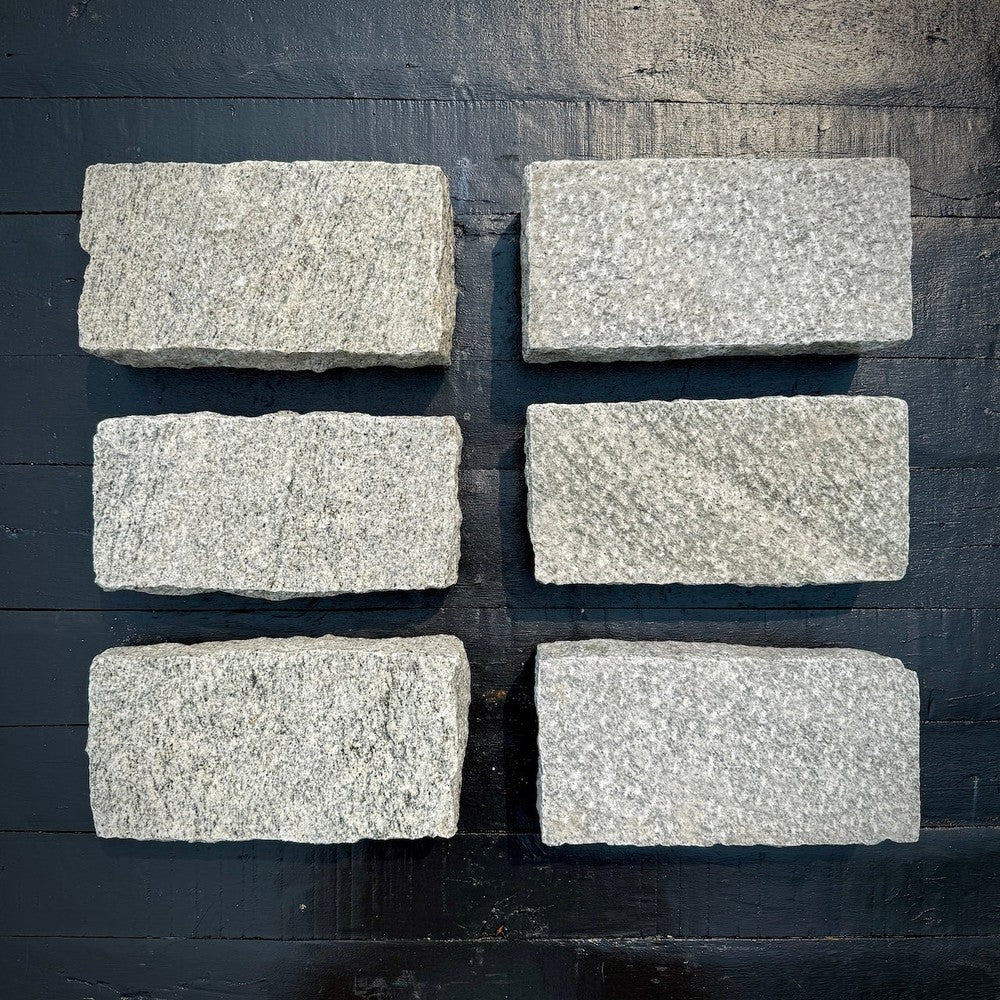
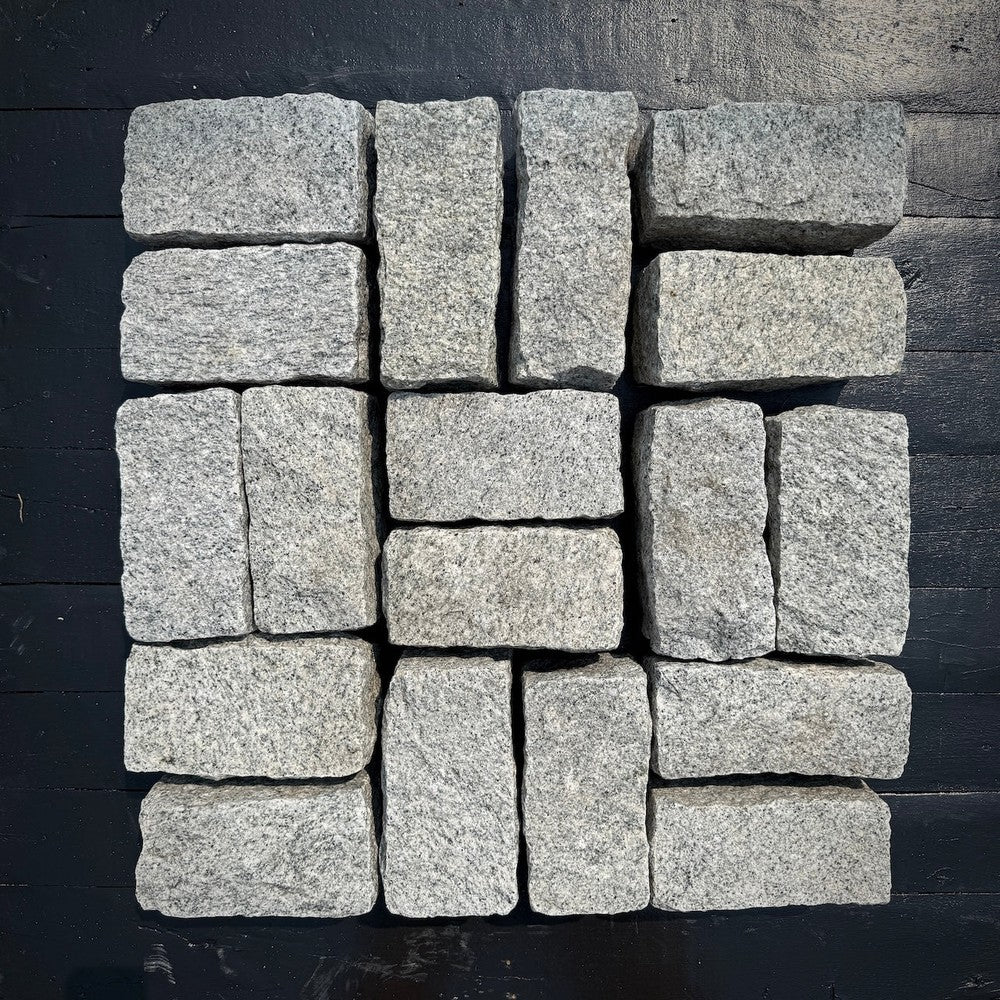
Mix different sizes of Belgian blocks to create visual interest. Combine them with other stone types for texture variation in rock gardens. The design possibilities are endless while maintaining fire protection.
Use blocks vertically as edging or horizontally as pavers for stepping stone pathways. Stack them into walls or lay them flat as borders. Each application offers the same fire-resistant benefits in different forms.
Color and Texture Options
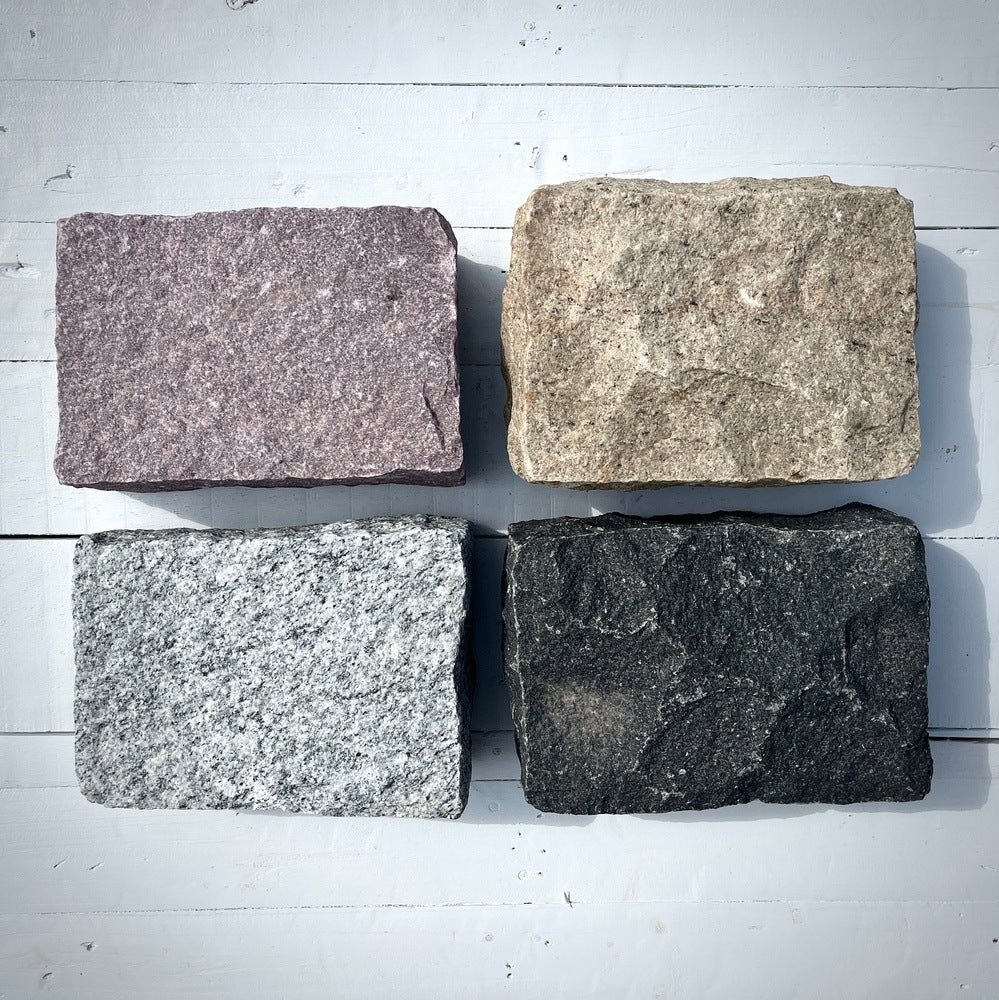
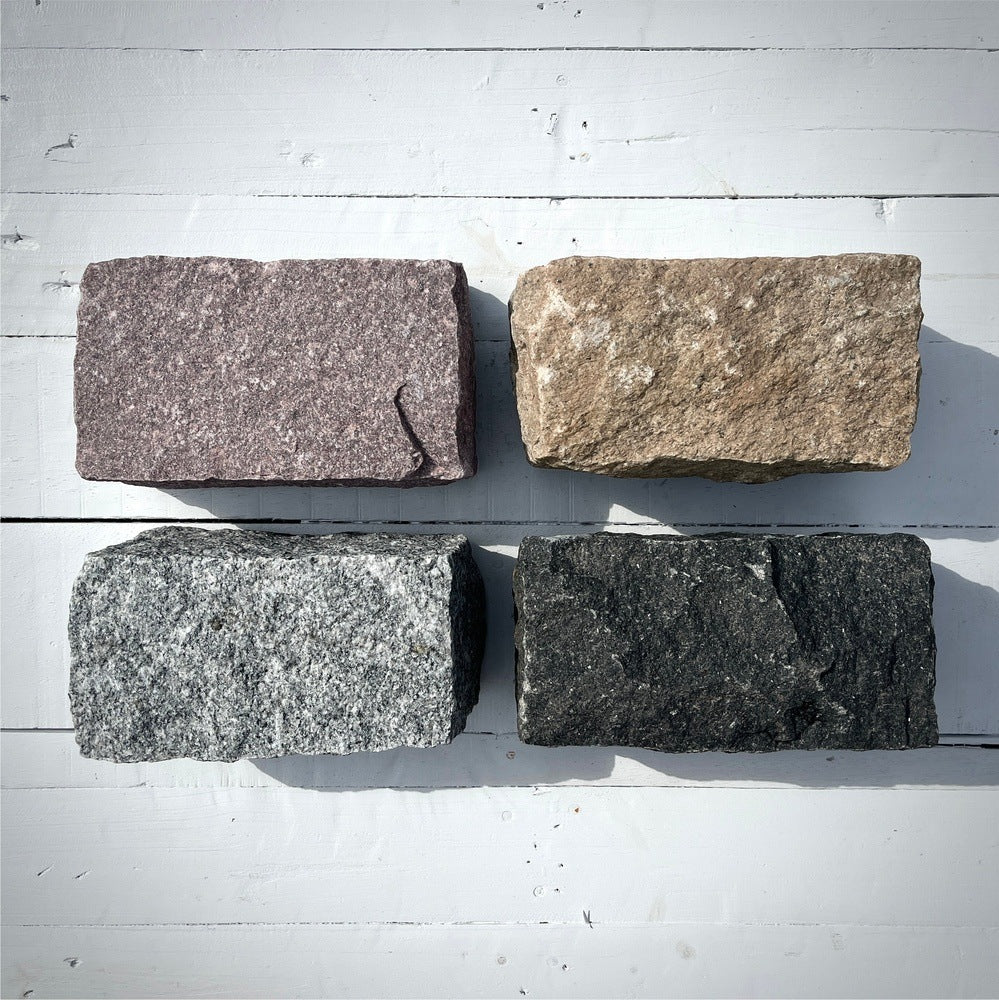
Granite comes in various shades from light gray to deep charcoal. Some blocks feature warm tones with hints of pink or gold. Choose colors that enhance your home's exterior palette.
Weathered reclaimed blocks offer rustic charm with their aged patina. New blocks provide clean, crisp lines for contemporary designs. Both options deliver equal fire resistance with different visual appeal.
Read: How to Upgrade Your Home with a Cobblestone Driveway
Planning Your Belgian Block Fire Safety Project
Start by assessing your property's specific wildfire risk. Consider your safe distance from wildlands, prevailing winds, and local fire history. This assessment helps determine how extensive your stone installation should be.
Prioritize areas closest to your home first. These defensible space zones need the most attention and offer the biggest safety returns. Expand your stone work outward as budget and time allow.
Consult with local fire authorities about specific requirements in your area. Many jurisdictions have defensible space regulations you will need to meet. Belgian blocks can help you exceed those standards while beautifying your property.
Budgeting for Your Installation
Get quotes from multiple installers to understand market rates. Factor in site preparation costs along with materials and labor. A proper budget prevents surprises and confirms quality work.
Consider phasing your project if full installation exceeds current funds. Complete the most critical areas first and expand over time. Each phase adds protection and value.
Research potential grants or incentive programs for fire-resistant landscape design. Some areas offer financial assistance for homeowners making these improvements. Every dollar saved can go toward expanding your project scope.
When purchasing materials online, always check the privacy policy and shipping terms. You may also find a photo credit useful for identifying exact stone types you see in magazines. Verify the url source of any safety claims to be sure they are legitimate.
Long-Term Value of Belgian Block Investments
Property values in fire-prone areas increasingly reflect fire safety measures. Homes with comprehensive stone landscaping sell faster and command higher prices. Your Belgian blocks become a selling point, not just a safety feature.
The durability of granite means your installation adds permanent value. Future owners inherit your fire protection without additional investment. This long-term benefit distinguishes Belgian blocks from temporary solutions.
Peace of mind has its own value that is hard to quantify. Knowing your property has serious fire protection lets you sleep better at night. That psychological benefit matters as much as the financial returns.
Conclusion
Granite Belgian block fire safety represents a smart investment in your property's future. These natural stone blocks offer unmatched protection against wildfire threats while enhancing your landscape's visually appealing nature. They create defensible space that could save your home when plants burn nearby.
The combination of durability, aesthetics, and fire resistance makes Belgian blocks the ideal choice for homeowners in fire-prone regions. Whether you are building new landscaping or upgrading existing features, incorporating these blocks adds critical protection. Start planning your Belgian block installation today and give your property the defense it deserves.
Share: