

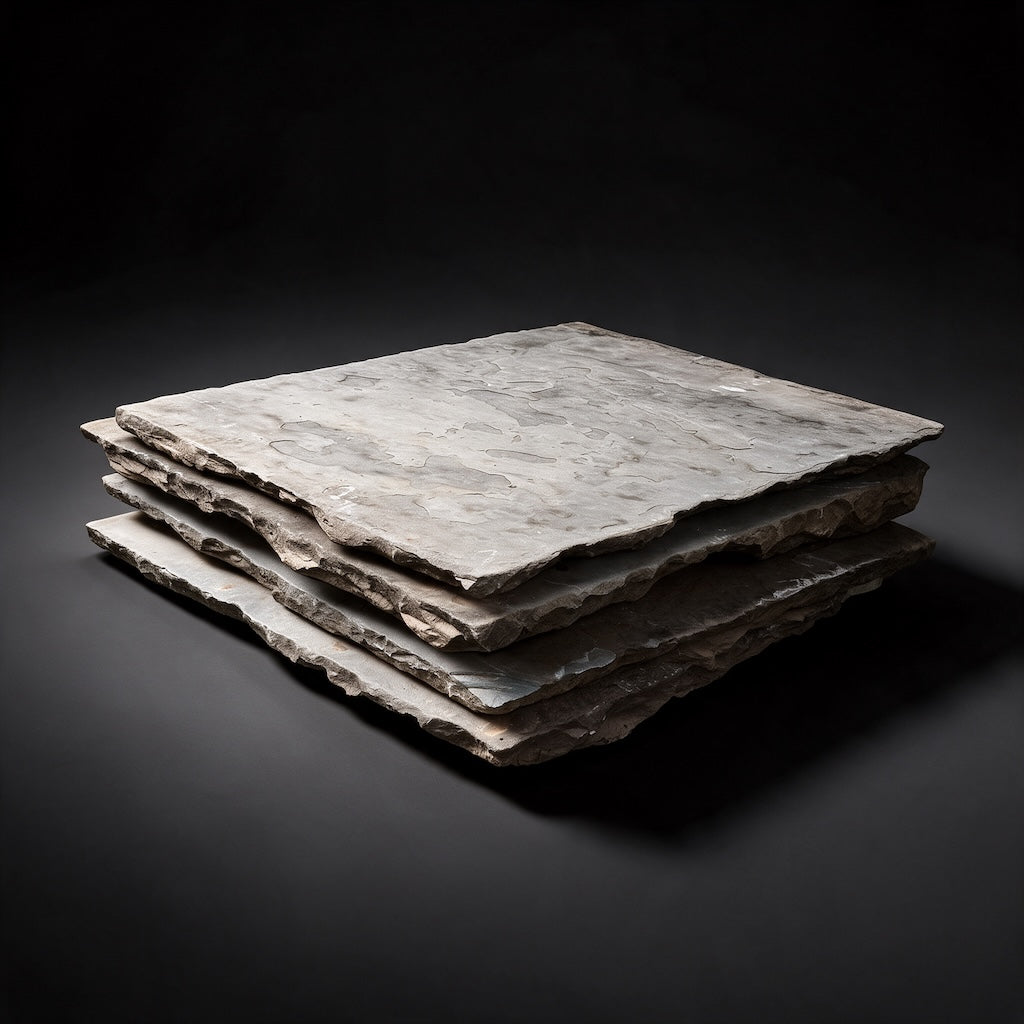
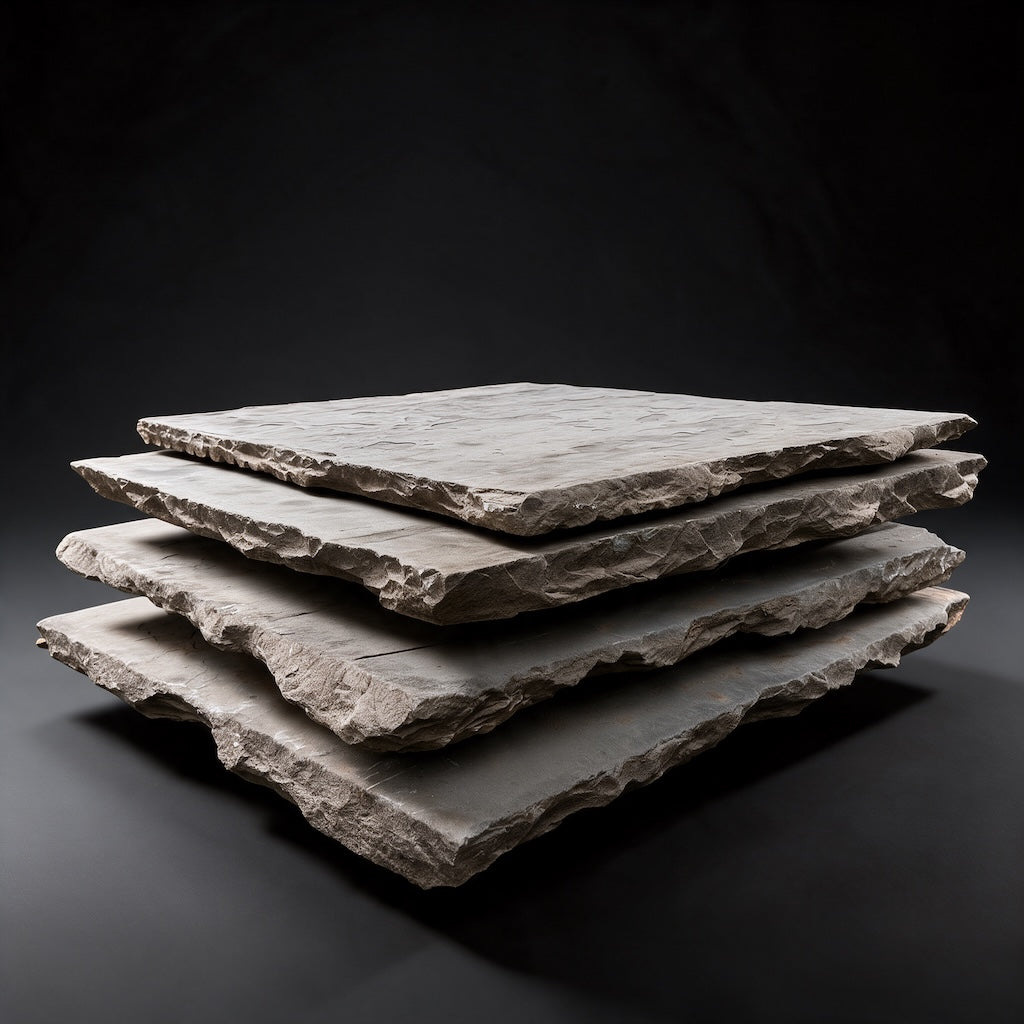
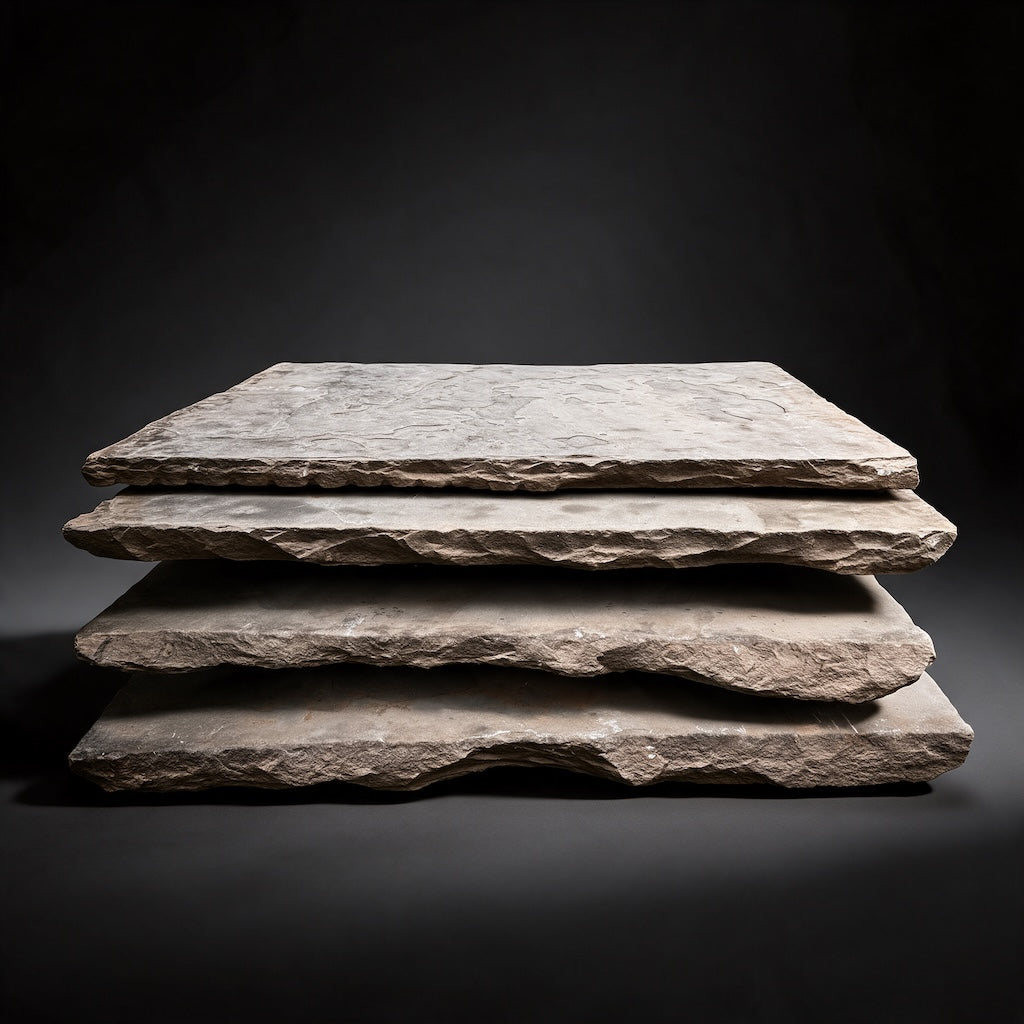
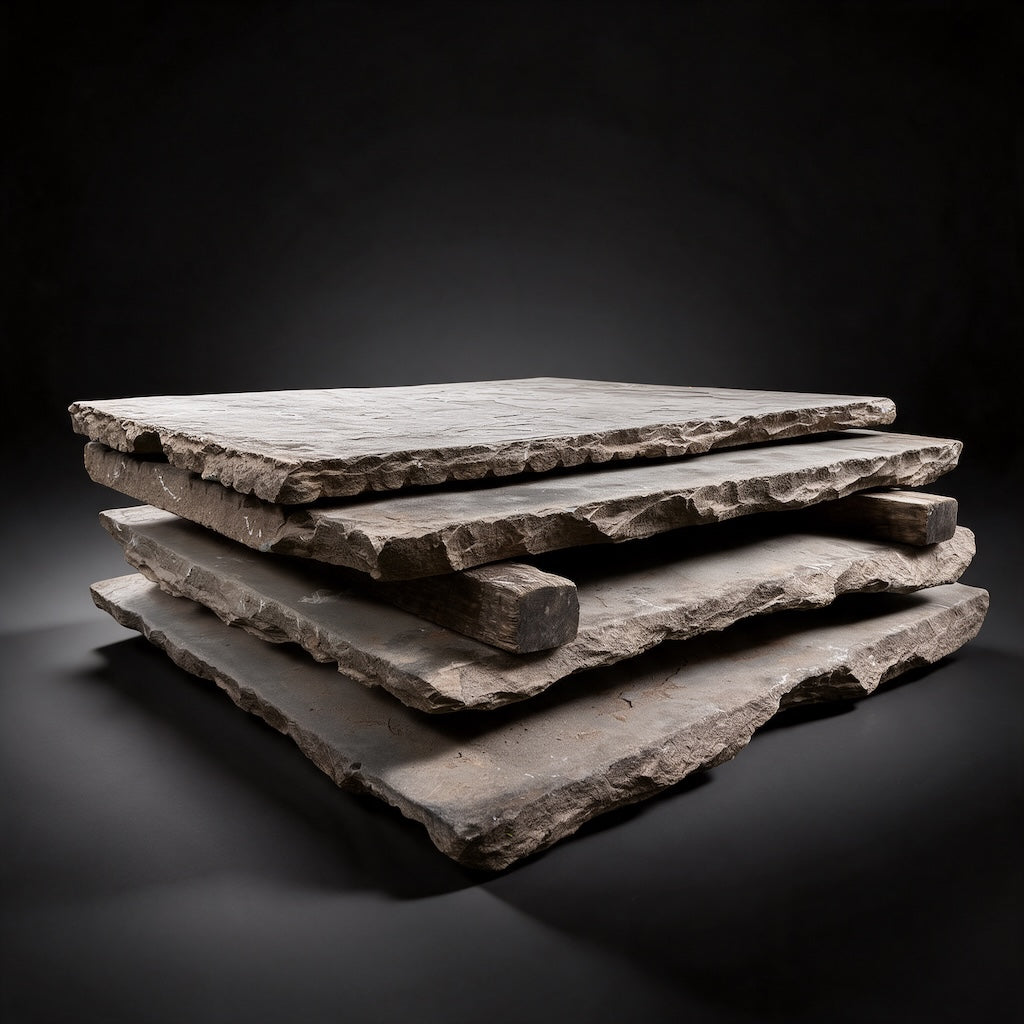
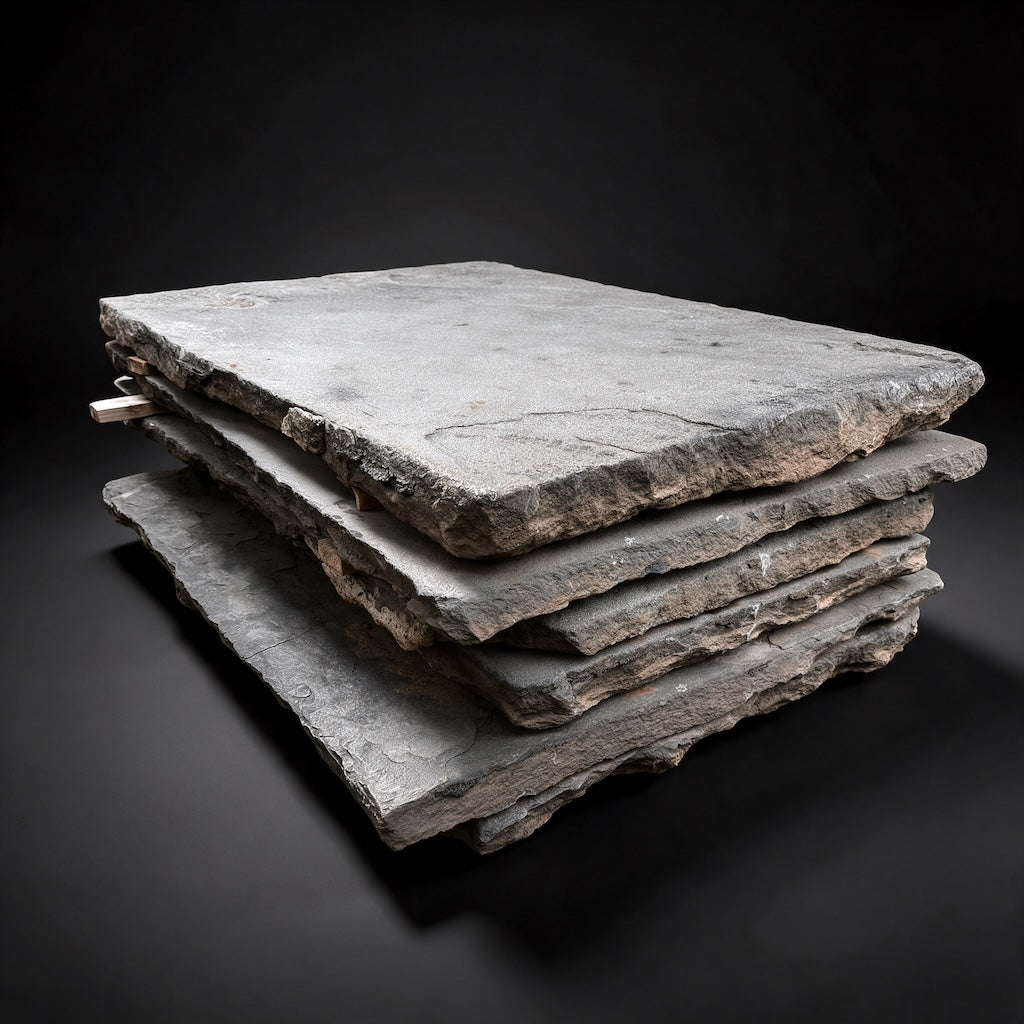
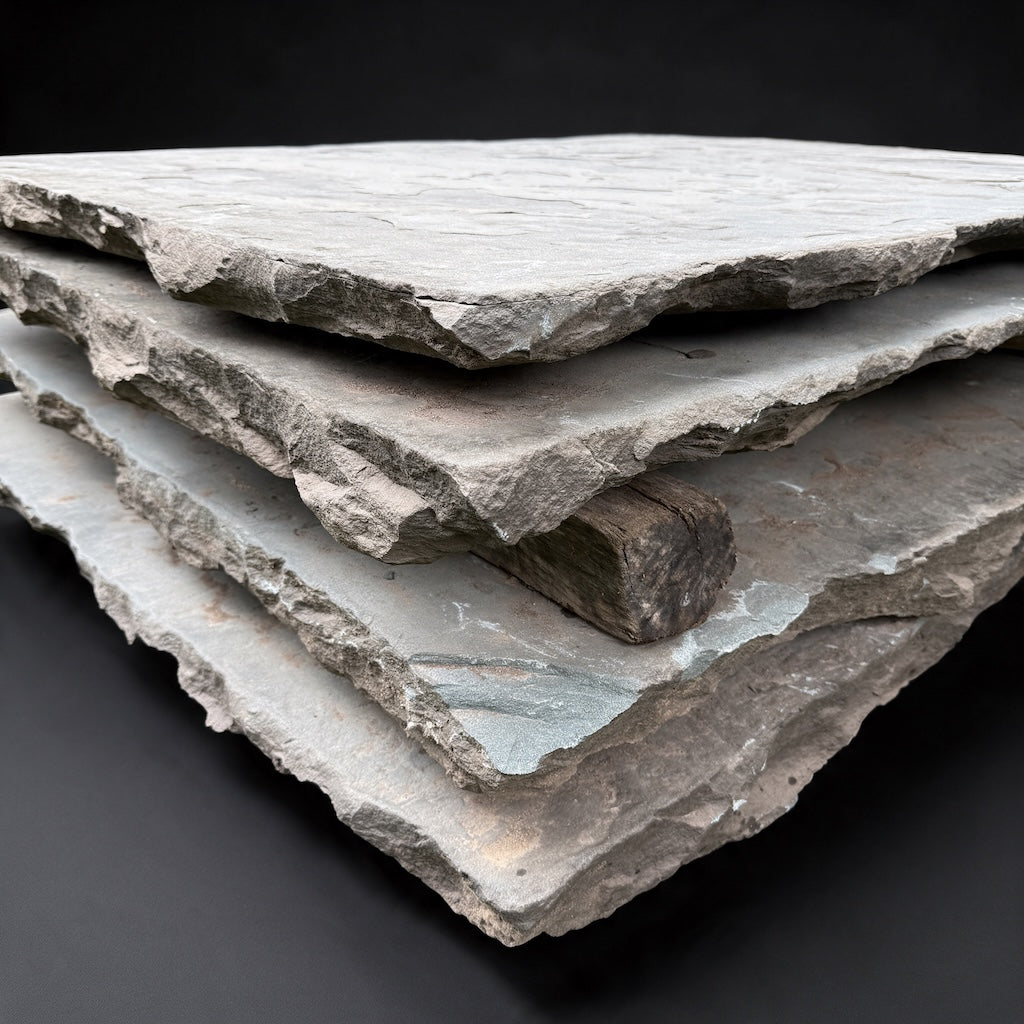
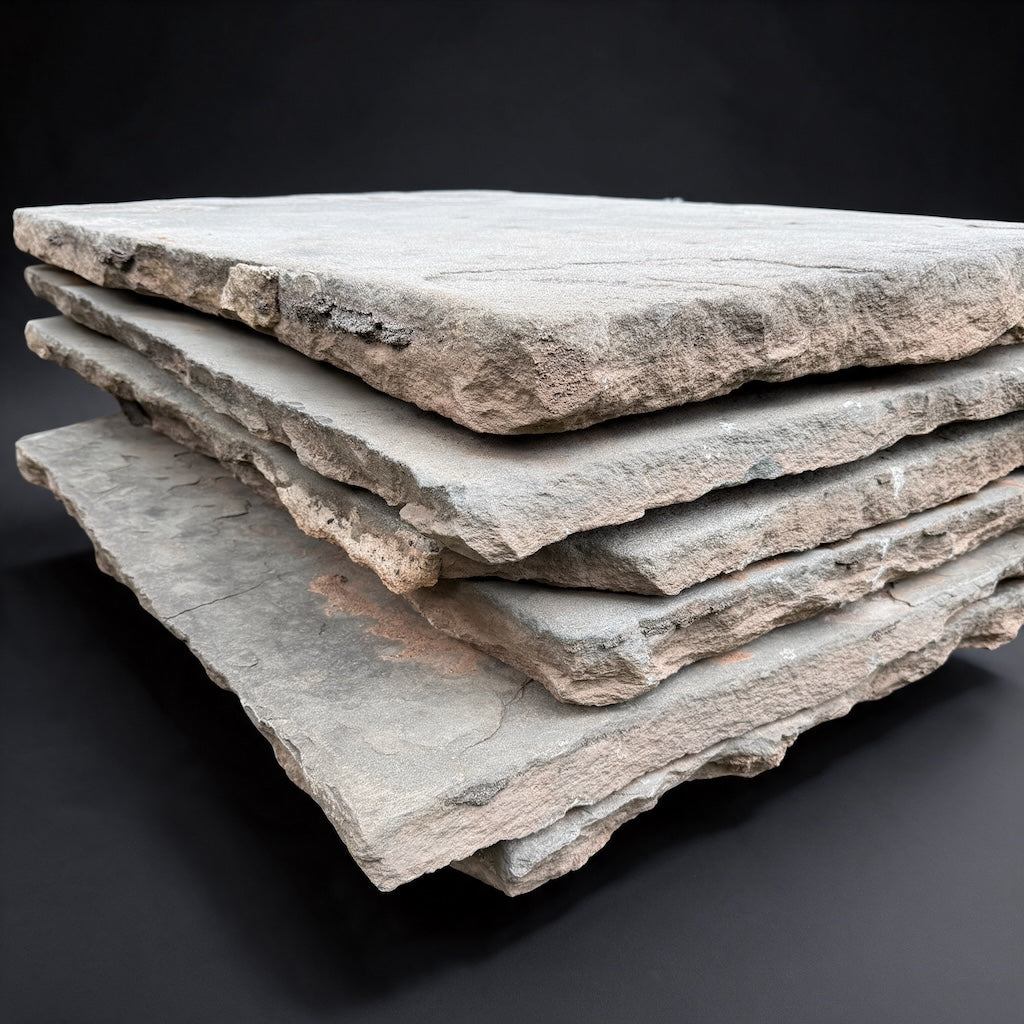
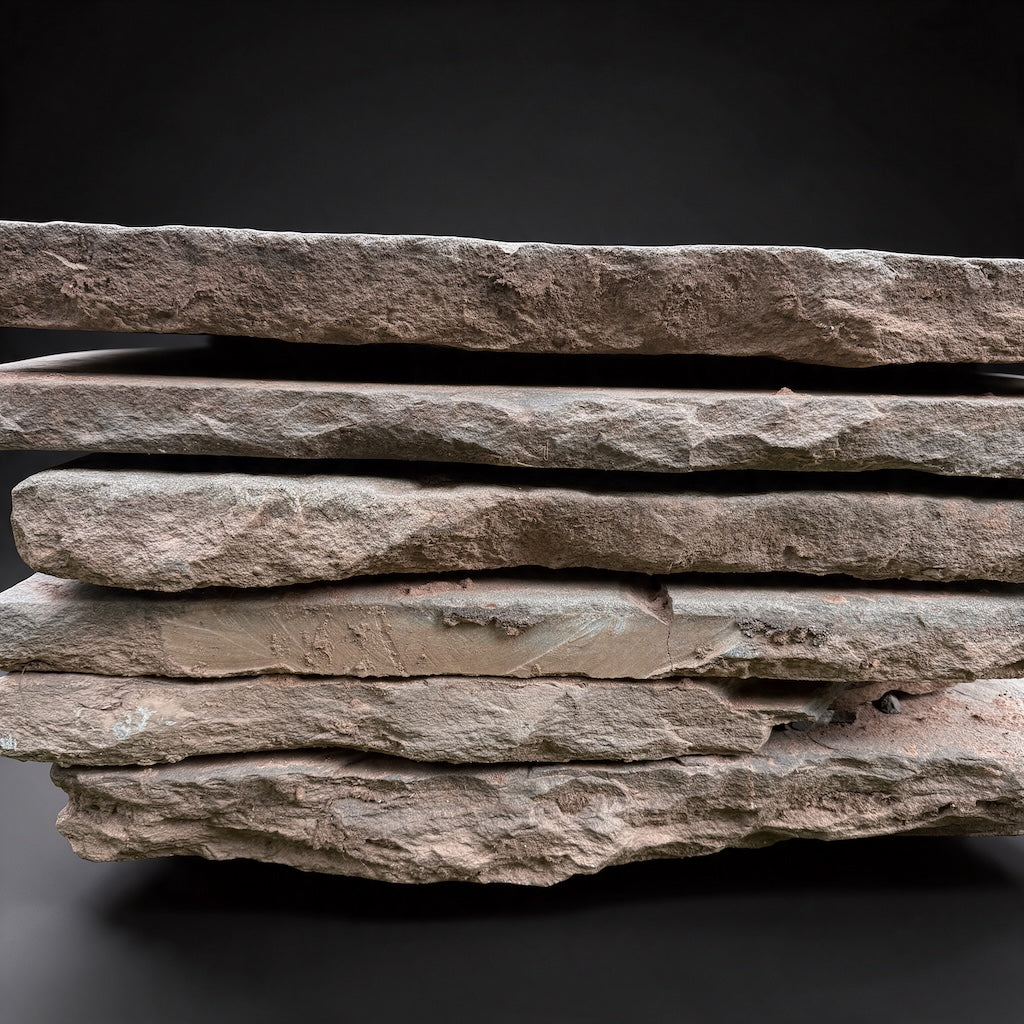
Reclaimed bluestone has already lived a long outdoor life before it reaches your yard. These slabs and curbs spent decades on city sidewalks, through snowstorms, salt trucks, summer heat, and millions of footsteps. That history is exactly why the stone looks the way it does, and it is also why it asks so little of you once it is installed.
Still, a little care makes a real difference. The right cleaning habits protect the weathered surface that makes reclaimed stone special. The right winter routine keeps freeze-thaw and the wrong ice melt from doing damage. And a quick look each season keeps a patio, front walk, or set of steps flat, safe, and looking the way it did the day it went in.
Maybe you just finished a new bluestone patio and want to keep it looking right. You might be a contractor who gets asked by clients how to look after the stone. Or maybe you are still deciding whether reclaimed bluestone fits your lifestyle and want to know what upkeep really involves. This guide covers cleaning, stains, sealing, winter care, and the simple checks that keep the stone performing for decades.
Table of Contents
- Bluestone Care at a Glance
- Why Reclaimed Bluestone Needs So Little Care
- Routine Cleaning
- Stains, Moss, and Green Growth
- Should You Seal Reclaimed Bluestone?
- Winter Care: Snow, Ice, and De-Icers
- Joints, Settling, and Rocking Stones
- A Simple Seasonal Checklist
- Nationwide Shipping and Seeing the Stone
- Is Reclaimed Bluestone Hard to Maintain?
Bluestone Care at a Glance
If you only want the short version, this table covers what to do and what to avoid. The details, and the reasons behind them, follow below.
| Task | Do | Avoid |
|---|---|---|
| Everyday cleaning | Sweep, rinse with a garden hose, and wash with water, a mild pH-neutral soap, and a stiff brush. | Acid cleaners, pressure washers, and wire brushes. |
| Stains | Treat grease quickly with an absorbent, then wash. Let sun and rain fade leaf and berry marks. | Harsh chemicals that have not been tested on a spare piece. |
| Sealing | Optional. If you seal, use a breathable penetrating sealer made for natural stone. | Film-forming, topical, or wet-look coatings. |
| Snow and ice | Shovel early with a plastic blade. Use calcium chloride or magnesium chloride sparingly, or sand for traction. | Rock salt, fertilizer-type ice melts, metal shovels, and ice choppers. |
| Joints and base | Top up joints each spring and reset any slab or step that rocks. | Leaving a loose step in place through the winter. |
Why Reclaimed Bluestone Needs So Little Care
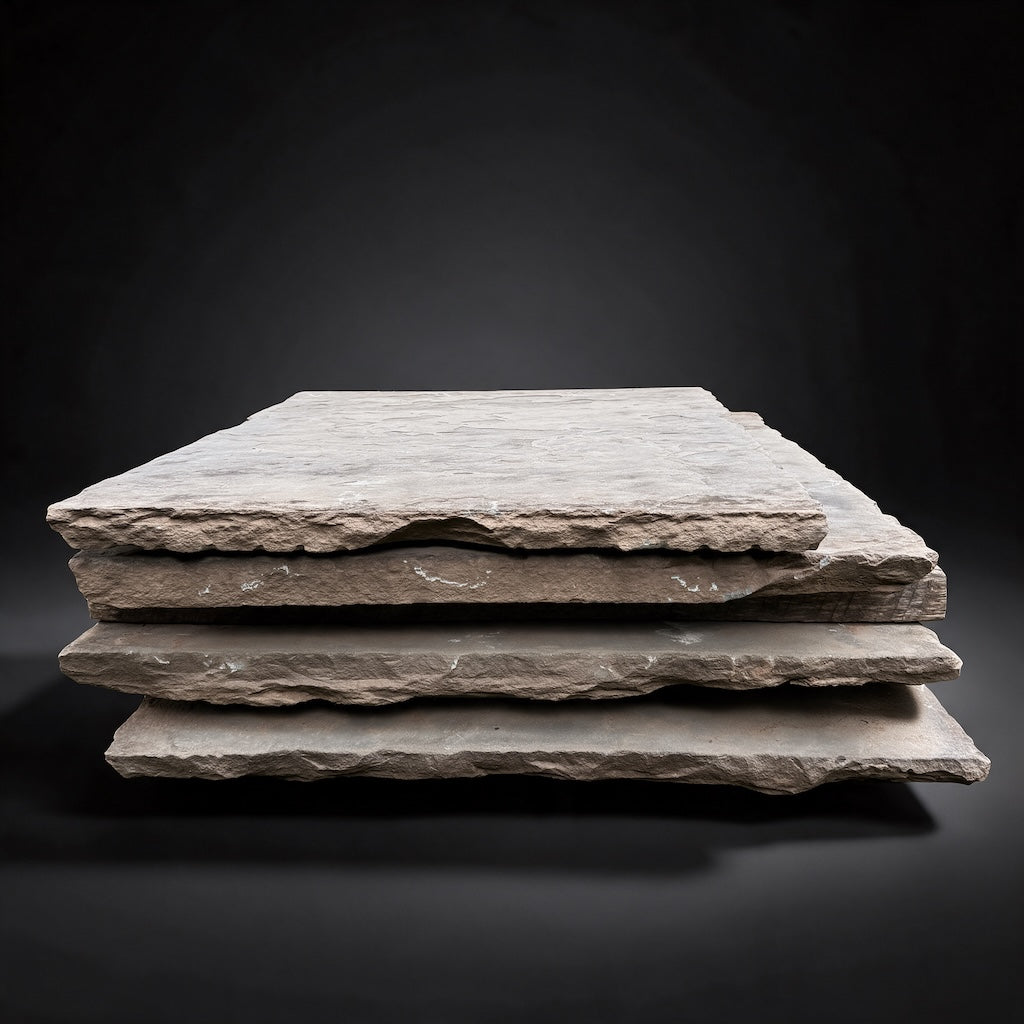
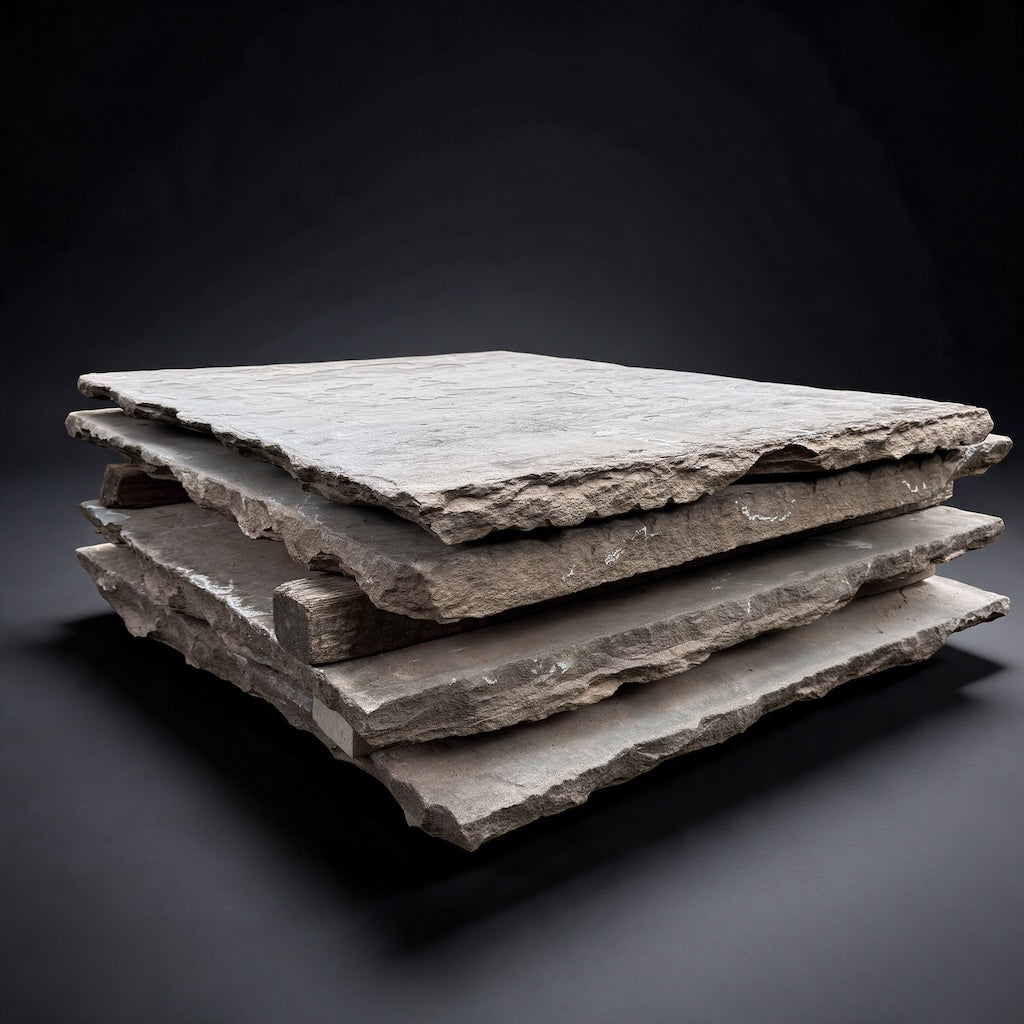
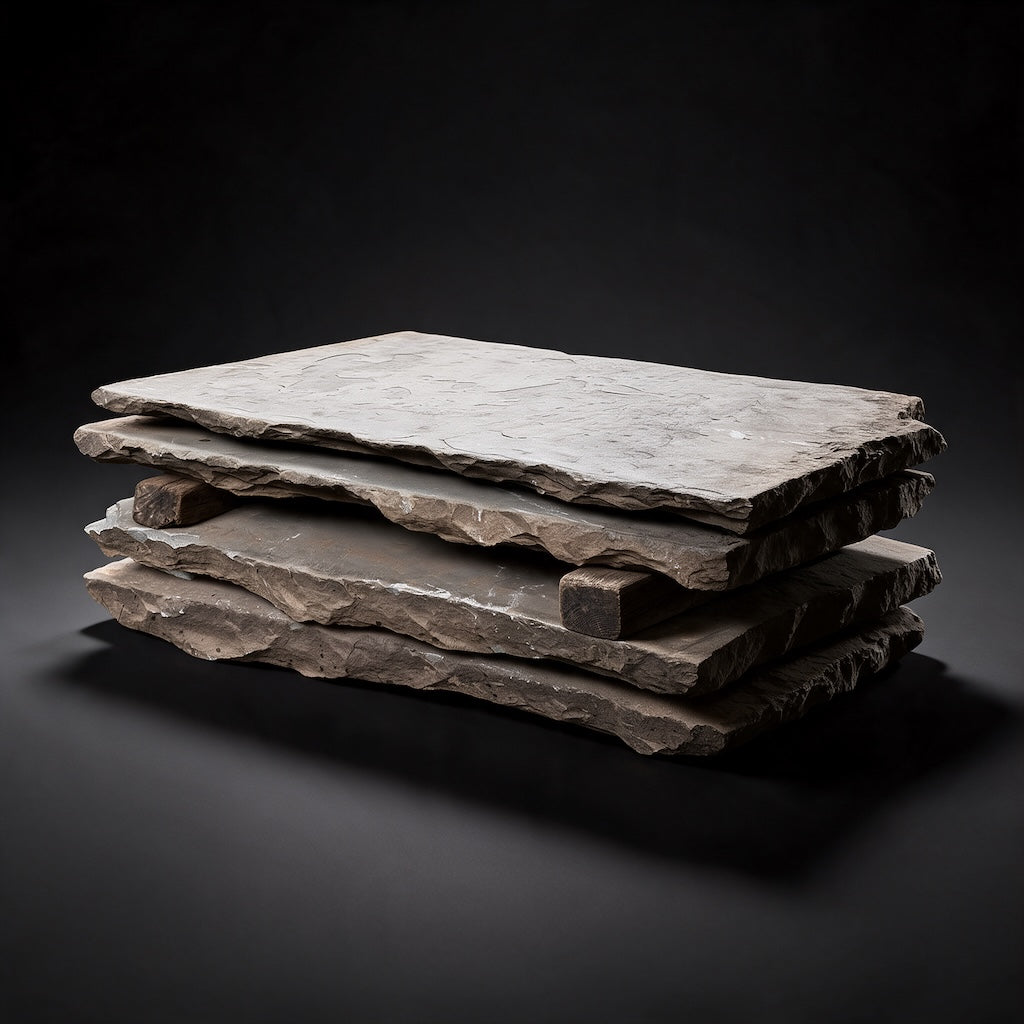
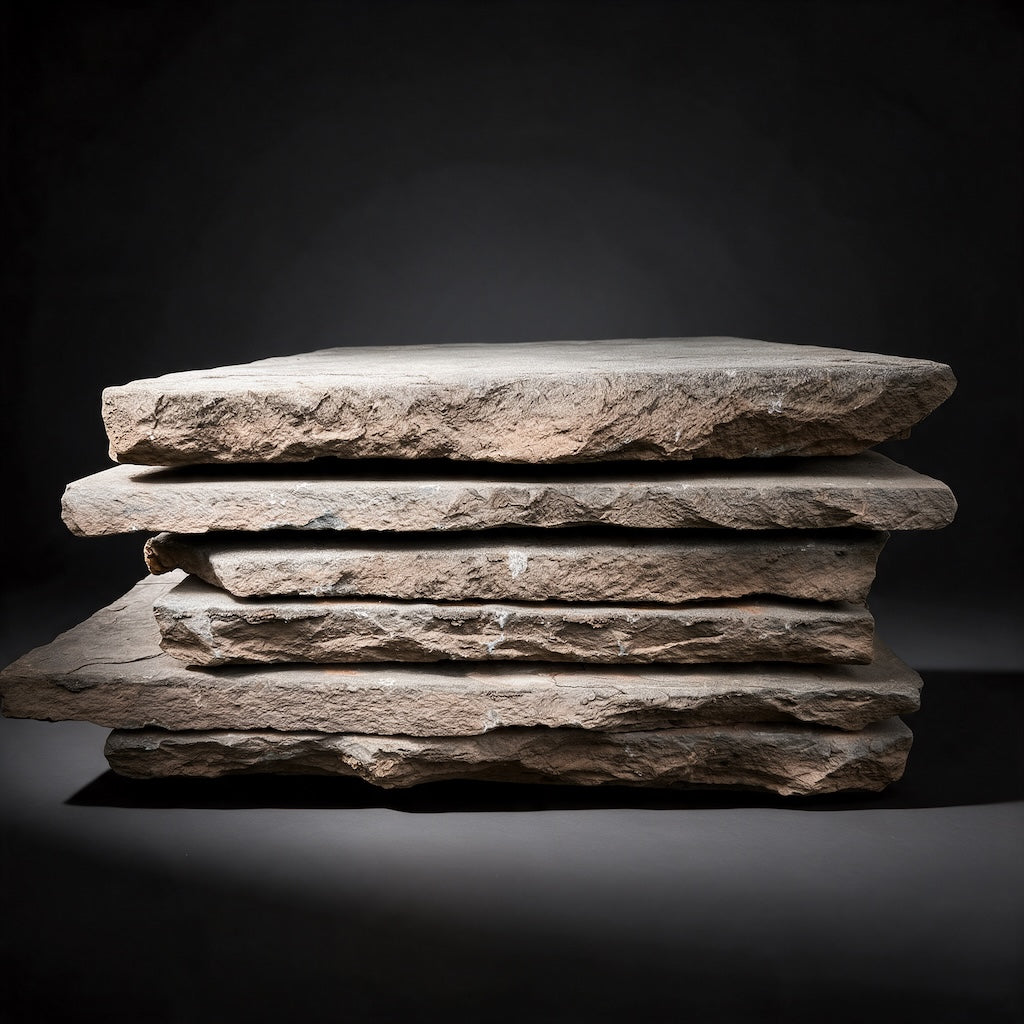
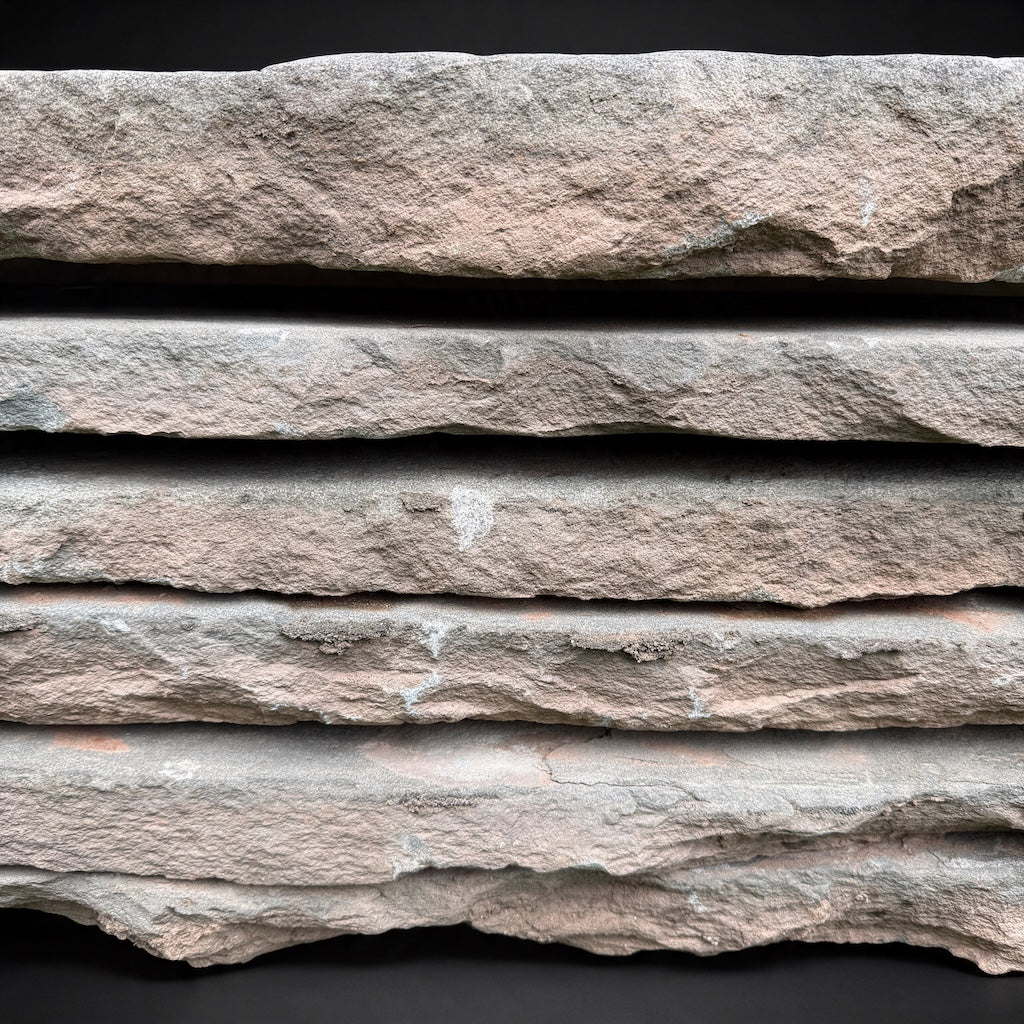
Bluestone is a dense, fine-grained sandstone. Reclaimed bluestone has already been through the hardest test a paving stone can face: years of city weather, salt, and constant foot traffic. The slabs and curbs that come out of that service intact have proven what they can handle.
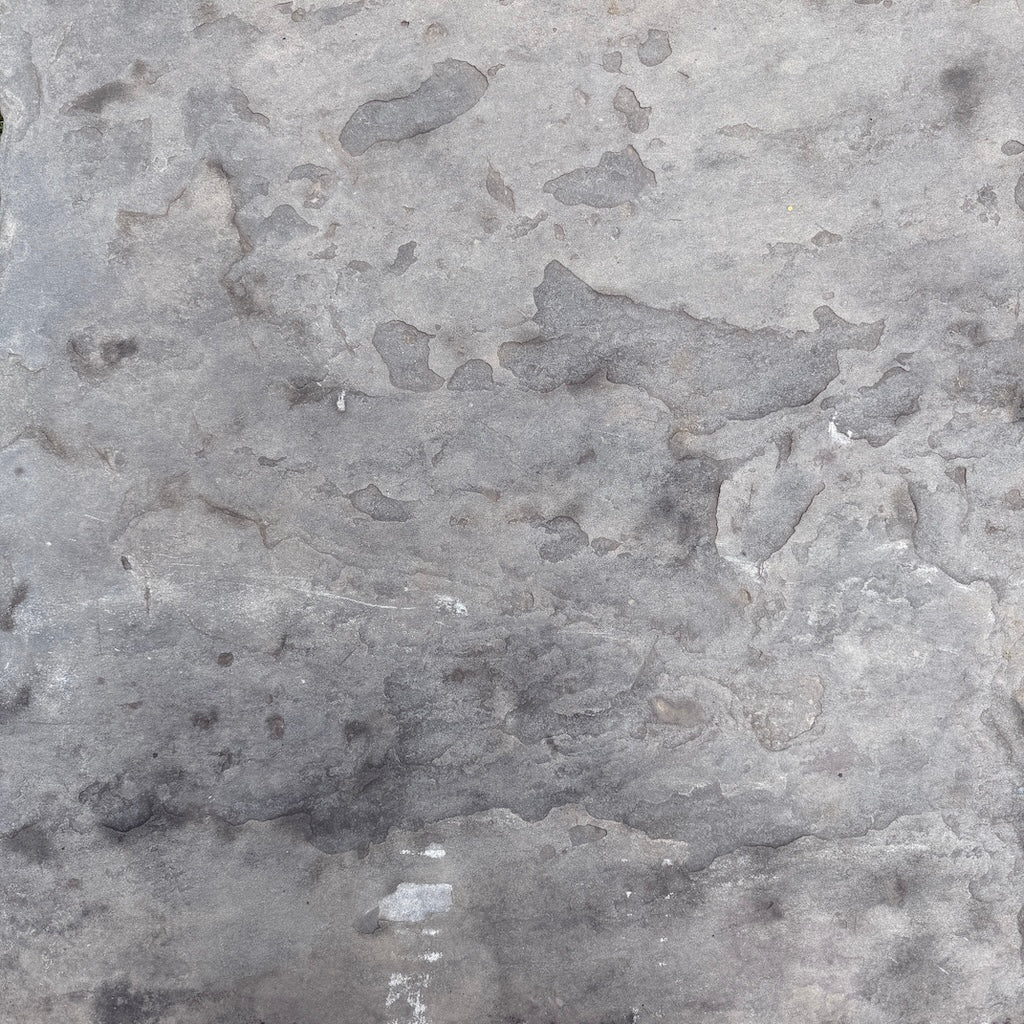
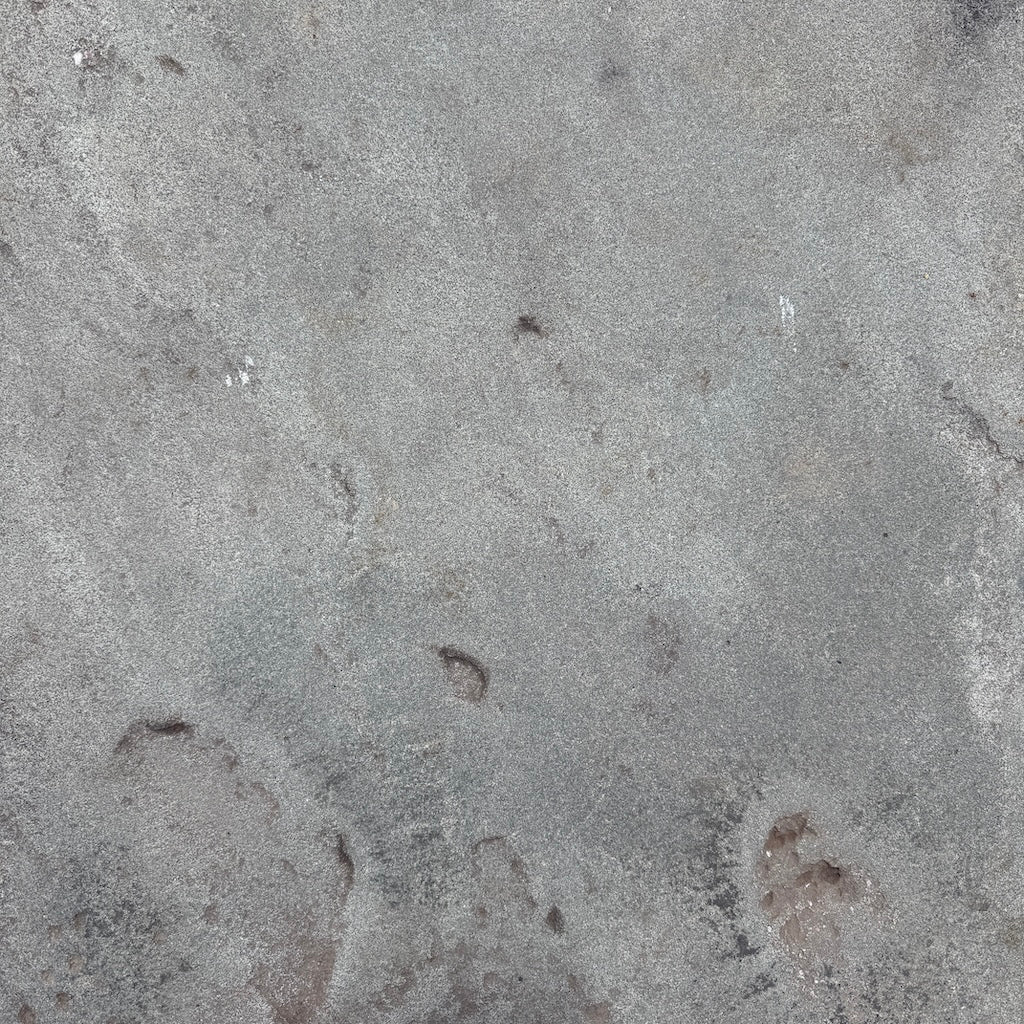
The surface is forgiving, too. Newly cut, smooth stone tends to show every scuff, water mark, and stray scratch. Reclaimed stone already has softened faces, subtle mineral shifts, and a timeworn texture, so everyday wear blends into its character instead of standing out against it. For more on that surface, see what makes reclaimed bluestone different.
That means most bluestone care is not about keeping the stone alive. It is about protecting two things: the weathered patina on top, and the base and joints underneath. Get those right, and the stone takes care of the rest.
Routine Cleaning
For most homes, routine care is simple. Sweep the stone regularly, because leaves, grit, and dirt hold moisture against the surface and grind into it when people walk over them. Rinse it with a garden hose after a dusty week, a storm, or a party. That alone keeps a bluestone patio or walk looking clean most of the year.
When the stone needs more, wash it with water and a mild, pH-neutral soap. Scrub with a stiff nylon or natural-bristle brush and rinse well so no soap film is left to attract dirt. Work in sections on a cool, cloudy day if you can, so the soap does not dry on the stone before you rinse it.
A few things do more harm than good. Acid cleaners, including muriatic acid and vinegar, can etch the stone and change its color. Pressure washers are tempting, but at high pressure they can strip the weathered surface that took decades to form and blow the stone dust or sand right out of the joints. A hose with a spray nozzle is enough. Wire brushes and metal scrapers scratch the face, so leave them in the garage.
Whatever product you use, try it on a spare piece or a hidden corner first and let it dry before you clean a whole area. Reclaimed stone varies from slab to slab, and a quick test avoids surprises.
Stains, Moss, and Green Growth
Grease and oil are the stains most likely to stick around, so act quickly. Blot up what you can, cover the spot with an absorbent such as clay cat litter, leave it overnight, and sweep it up. Then wash the area with warm water, mild soap, and a stiff brush. If your patio has an outdoor kitchen or grill, that is the one area where sealing can be worth considering.
Tannins from wet leaves and juice from fallen berries can leave brown or purple marks. They look alarming at first, but most fade on their own with a few weeks of sun and rain. A wash with mild soap speeds things along.
Shaded, damp areas, especially on the north side of a house or under trees, can grow a thin green film of moss or algae. Scrub it off with water, mild soap, and a stiff brush, then rinse. The growth tends to return wherever the stone stays wet, so the lasting fix is more sun and better drainage rather than stronger chemicals. Trim back overhanging plants and make sure the surface still pitches water away.
Should You Seal Reclaimed Bluestone?
Sealing is optional, and many reclaimed bluestone patios, walks, and steps are never sealed at all. The stone has already shown it can handle the weather, and an unsealed surface keeps its natural, matte look. Some sealers also darken the stone, which changes the very color many people chose it for.
That said, sealing can make sense where stains are likely. Outdoor kitchens, dining areas, and pool surrounds see grease, wine, sunscreen, and food, and a sealer gives you more time to clean up a spill before it soaks in.
If you decide to seal, the type of sealer matters more than the brand. Use a penetrating sealer made for natural stone or sandstone. It soaks into the stone and stays breathable, so moisture can still escape from below. Avoid film-forming, topical, or wet-look sealers. They sit on the surface, can trap moisture, may peel or turn cloudy over time, and can make the stone slippery when it is wet.
Wait until the installation is finished, any mortar or setting bed has fully cured, and the stone is clean and dry. Test the sealer on a spare piece and look at it once it dries. After that, reapply when water stops beading and the stone starts soaking it up again, which for many penetrating sealers is every few years.
Winter Care: Snow, Ice, and De-Icers
Winter is where a little care matters most. Water that gets into stone and joints expands as it freezes, and every freeze-thaw cycle puts a little more stress on the surface. The wrong ice melt makes those cycles worse.
Start with how you shovel. Clear snow early, before foot traffic packs it into ice. Use a plastic shovel or one with a rubber edge. Metal blades and ice choppers scratch the face and can chip the edges of steps, and once an edge is chipped, it stays that way.
Rock salt, or sodium chloride, is the ice melt to avoid. It can speed up freeze-thaw damage, cause the surface of the stone to flake, break down joints, and harm the plants next to your walk. Fertilizer-type and ammonium-based ice melts are also a poor choice; they can damage stone and wash nutrients into soil and waterways.
Better options are calcium chloride or magnesium chloride, used sparingly. A little goes a long way. Spread a thin layer, let it loosen the ice, then shovel the slush away rather than letting it sit. When you only need traction, sand works well. Just sweep it up in spring so it does not grind into the surface all season.
The same approach protects granite. Our guide on how to de-ice granite steps safely in the winter goes into more detail on products and technique.
Joints, Settling, and Rocking Stones
The joints and the base under the stone do as much work as the stone itself. On a dry-laid patio or walk, stone dust or sand slowly washes out of the joints with rain and sweeping. Sweep in fresh material each spring to keep the slabs locked in place. If the joints were filled with polymeric sand, refill low spots with the same product.
On a mortar-set installation, check for cracked or missing mortar, especially before winter. Open joints let water in, and water is what freeze-thaw needs to do damage. Pull weeds while they are small; a well-filled joint grows fewer of them in the first place.
A slab or step that rocks underfoot usually means the base below it has settled. Do not wait on it. A loose step is a trip hazard, and winter will only make it worse. One of the advantages of a dry-laid installation is that the fix is straightforward: lift the slab or step, add or remove bedding until it sits firm and level, and set it back in place. Clear leaves from drains and the low edge of the patio as well, so water keeps running off instead of pooling.
Our guide on how to build a reclaimed bluestone patio explains the base, joints, and pitch that make all of this easier, and reclaimed bluestone steps covers step layouts. If you are resetting a step, our guide on how to install reclaimed bluestone steps shows how the base and overlap should be built.
A Simple Seasonal Checklist
Bluestone care fits easily into the yard work most people already do. Here is how it breaks down across the year.
| Season | What to do |
|---|---|
| Spring | Sweep up winter sand, wash the surface, top up joints, pull weeds, and check for rocking slabs or steps. |
| Summer | Sweep and rinse as needed, clean grease and food spills quickly, and scrub any green growth in shaded areas. |
| Fall | Keep leaves swept off, clear drains, repair mortar joints, and reset anything that moves before the ground freezes. |
| Winter | Shovel early with a plastic blade, skip rock salt, use calcium or magnesium chloride sparingly, and use sand for traction. |
Nationwide Shipping and Seeing the Stone
Chief Bricks ships reclaimed bluestone nationwide, so homeowners, designers, and contractors can bring authentic Northeast stone into projects across the United States. Add the slabs or steps to your cart and enter your address for a shipping quote. If it looks too high, call us at (718) 379-1232; we sometimes have alternative ways to get your stone to your door for a more reasonable price.
You can also see the stone in person at our yard in Nanuet, NY; no appointment is needed, but if you call ahead at (718) 379-1232, we will make sure you get our full attention. If you are still pricing a project, our reclaimed bluestone cost guide walks through material, labor, and example budgets.
Is Reclaimed Bluestone Hard to Maintain?
Not really. For most homes, caring for reclaimed bluestone comes down to sweeping, an occasional wash, the right ice melt in winter, and a quick look at the joints twice a year. It asks far less than a wood deck that needs staining or a concrete patio that cracks and spalls under road salt.
What it does ask is that you protect what makes it special. Skip the acid, the pressure washer, and the rock salt, and the weathered surface that took decades to form will keep looking the way it should. Treat the base well, and the slabs and steps will stay flat and solid underfoot.
If you want a paving stone that already looks established on day one and only gets better as the landscape grows in around it, reclaimed bluestone is well worth the small amount of care it needs. Shop Reclaimed Bluestone Sidewalk Slabs for walks and patios, and Reclaimed Bluestone Curbstone Steps for entries, landings, and garden stairs.

Share: