
You've put so much thought into your home's modern aesthetic. The clean lines, the minimalist color palette, and the focus on natural materials all come together perfectly. But when you step outside, does that feeling continue?
Often, the connection between a modern home and its landscape is broken by outdated or mismatched steps. This is where we see exciting changes in design, and we will explore the latest Design Trends: Granite Steps That Blend With Modern Landscapes. It's about finding that perfect, durable material that speaks the same architectural language as your home's exterior.
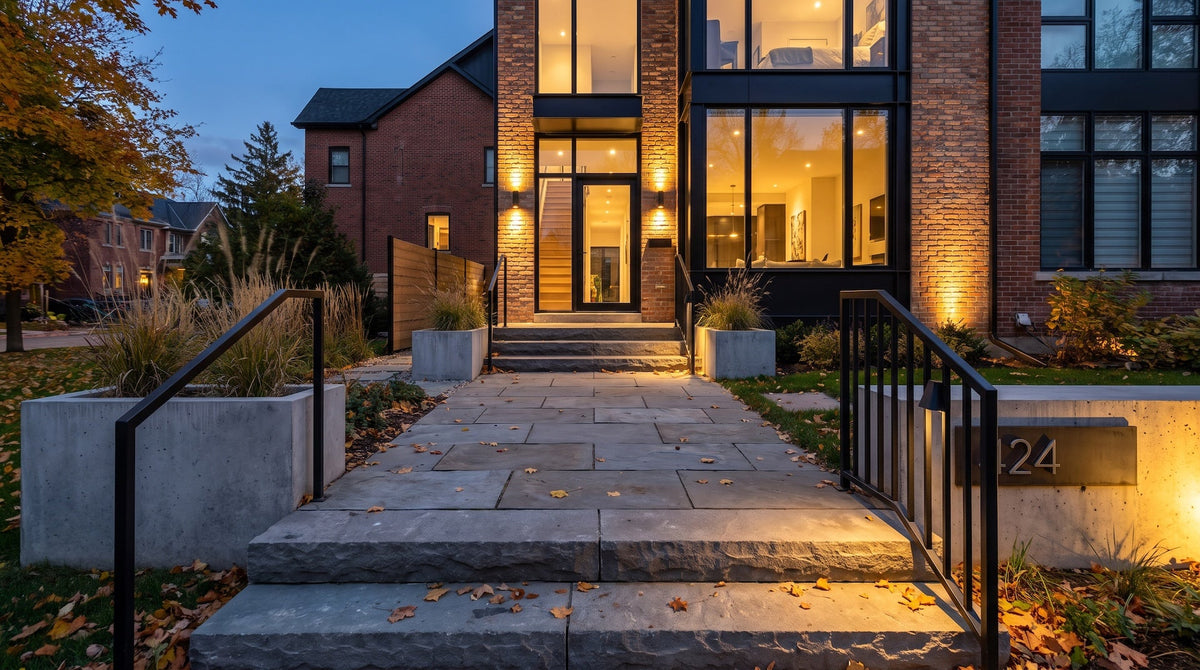
For so many designers and homeowners, granite is the answer. Granite is a natural stone that gives you both timeless strength and a surprisingly contemporary feel. It allows you to create an entryway that feels intentional, not like an afterthought, building a strong connection between your indoor and outdoor living spaces.
Maybe you are a homeowner who finished a modern renovation and now sees the old front steps with fresh eyes. You might be a landscape architect or designer looking for a stair material that holds a clean line against planting and gravel. Or maybe you are a builder who wants a modern entry that will not need rework in a few years.
Table of Contents:
- Why Granite is Dominating Modern Landscaping
- Top Design Trends: Granite Steps That Blend With Modern Landscapes
- Choosing the Right Granite Finish for Your Modern Design
- The Practical Side: Installation and Longevity
- Are Granite Steps Worth It for a Modern Landscape?
Why Granite is Dominating Modern Landscaping
There's a real shift happening in landscape design. People are moving away from purely manufactured materials like concrete steps or some porcelain paving options. We are leaning into authentic, sustainable elements that feel grounded and real, highlighting natural beauty.
Granite fits this movement perfectly. It's pulled from the earth, not produced in a factory, which gives every piece its own subtle character and natural textures. You're not just getting a stone step; you're getting a slice of geology.
But its popularity is not just about looks; granite's durability is a primary factor. As one of the toughest natural stones, it stands up to scorching summers, freezing winters, and heavy foot traffic without showing its age. This means you install your granite stairs once and enjoy them for decades, making it an ideal choice for any outdoor area.
The minimal maintenance it needs is a huge plus for anyone who would rather enjoy their yard than work on it. The wide range of granite colors is another big reason for its rise. Modern design loves neutrals like deep charcoals, soft greys, and speckled whites, and granite offers this exact palette naturally.
This makes it simple to find a shade that complements your home's exterior, whether you are matching siding, trim, or existing granite paving slabs. Unlike sandstone or limestone paving which can have dramatic color variations, granite often provides a more consistent tone. Its quiet elegance elevates an outdoor space without shouting for attention, which is the heart of modern design.
Top Design Trends: Granite Steps That Blend With Modern Landscapes
You might think a step is just a step, but modern landscape architecture pushes us to think differently. A staircase design can be a major architectural feature, serving as a focal point for your property. These modern granite step designs show just how creative you can get with this classic material.
The Floating Step Illusion
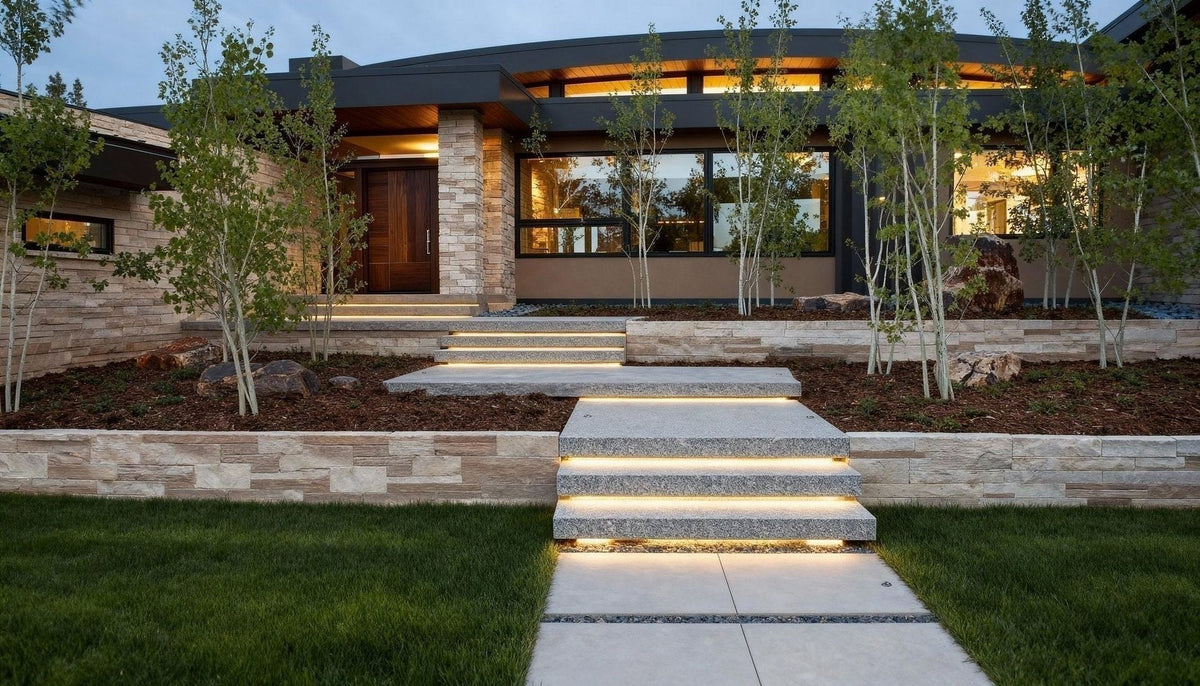
Imagine steps that seem to hover in mid-air, creating a sense of lightness and defying gravity. This is the magic of the floating granite step design. It's a clean, futuristic look that instantly adds a 'wow' factor and significant visual appeal to any landscape.
The trick is in the staircase design. Steps are often cantilevered from a hidden structural wall or supported by discreet steel posts that are not easily seen. This architectural sleight of hand creates a powerful visual statement, perfect for a grand entrance.
To amplify the effect, many designers add LED strip lighting beneath each tread. Good landscape lighting adds safety while highlighting architectural features. At night, this gives the granite steps a warm, inviting glow and makes the floating illusion even more dramatic.

Monochromatic Minimalism
Minimalism is about simplifying form to create a calming, cohesive space. This trend applies that thinking to your landscape steps. It involves using a single, consistent color of granite for the entire flight of granite stairs.
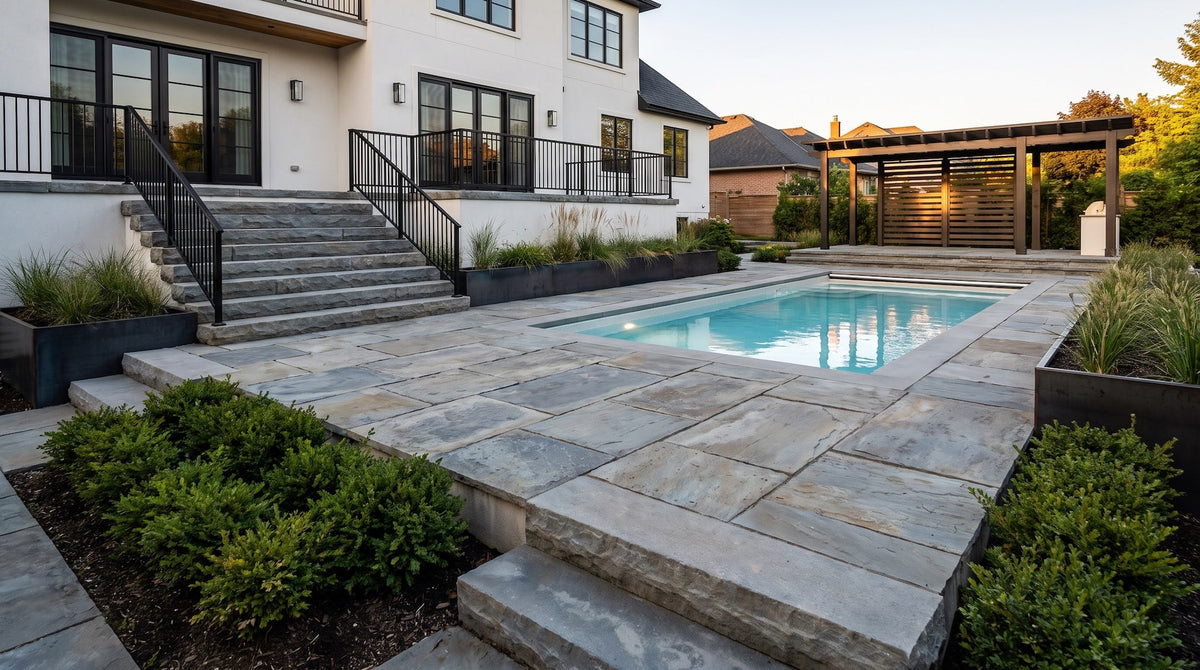
Think of a series of matching granite steps creating a smooth visual path up a gentle slope, with granite pattern pavers in the same stone on the landings and paths around them. This approach with uniform slabs avoids busy patterns or jarring color changes, letting the steps exude a quiet confidence.
The result is a clean and very intentional stairs design that feels both sophisticated and serene. To keep the look pure, you often see these granite staircases paired with simple, thin black steel railings or no railings at all. This lets the stone itself be the main feature, enhancing the home's curb appeal.

Mixing Materials for Rich Texture
While minimalism has its place, some of the most interesting modern designs come from contrast. This trend is all about pairing the smooth, solid nature of granite with other materials to create textural depth. You are playing with different surfaces to make the landscape more engaging and visually appealing.
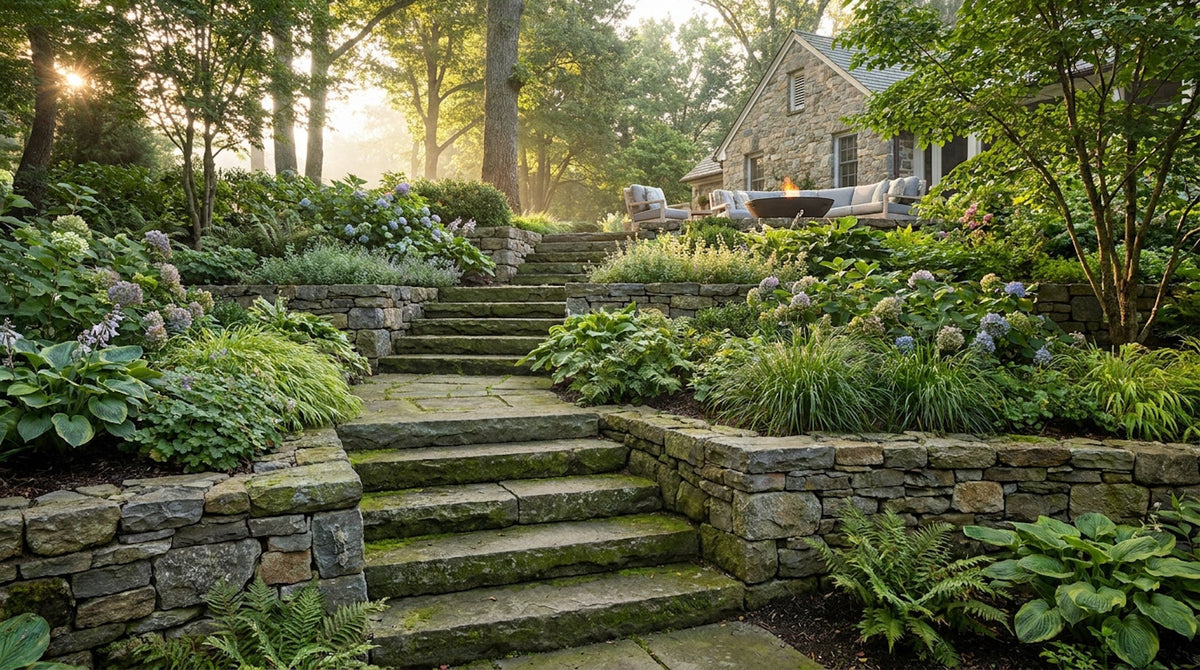
Picture a staircase with textured, thermal granite treads, but the risers—the vertical parts—are made from reclaimed bricks. The warm, rustic patina of the brick against the cool, steady grey of the granite is stunning. Another popular idea is to leave space between wide granite paving slabs and fill it with soft, creeping thyme or smooth river rock.
Landscape architects often use this technique of blending hardscape and softscape to blur the boundaries between the built and natural environments. You can also contrast granite with the rugged texture of slate paving or the softer look of high-quality wood. These intricate details allow the granite staircase design to blend seamlessly with other garden features.

Oversized and Asymmetrical Layouts
Say goodbye to narrow, traditional 36-inch steps. The modern trend is to think bigger and bolder, using massive, oversized paving slabs of granite for your steps. These large-format pieces make an immediate and powerful statement, grounding the landscape with a sense of permanence.
Instead of a straight, predictable path, designers are now creating asymmetrical or staggered layouts. One step might be six feet wide, while the next is four feet and offset to the right. This approach is excellent for designing outdoor paths on uneven terrain or sloped gardens.
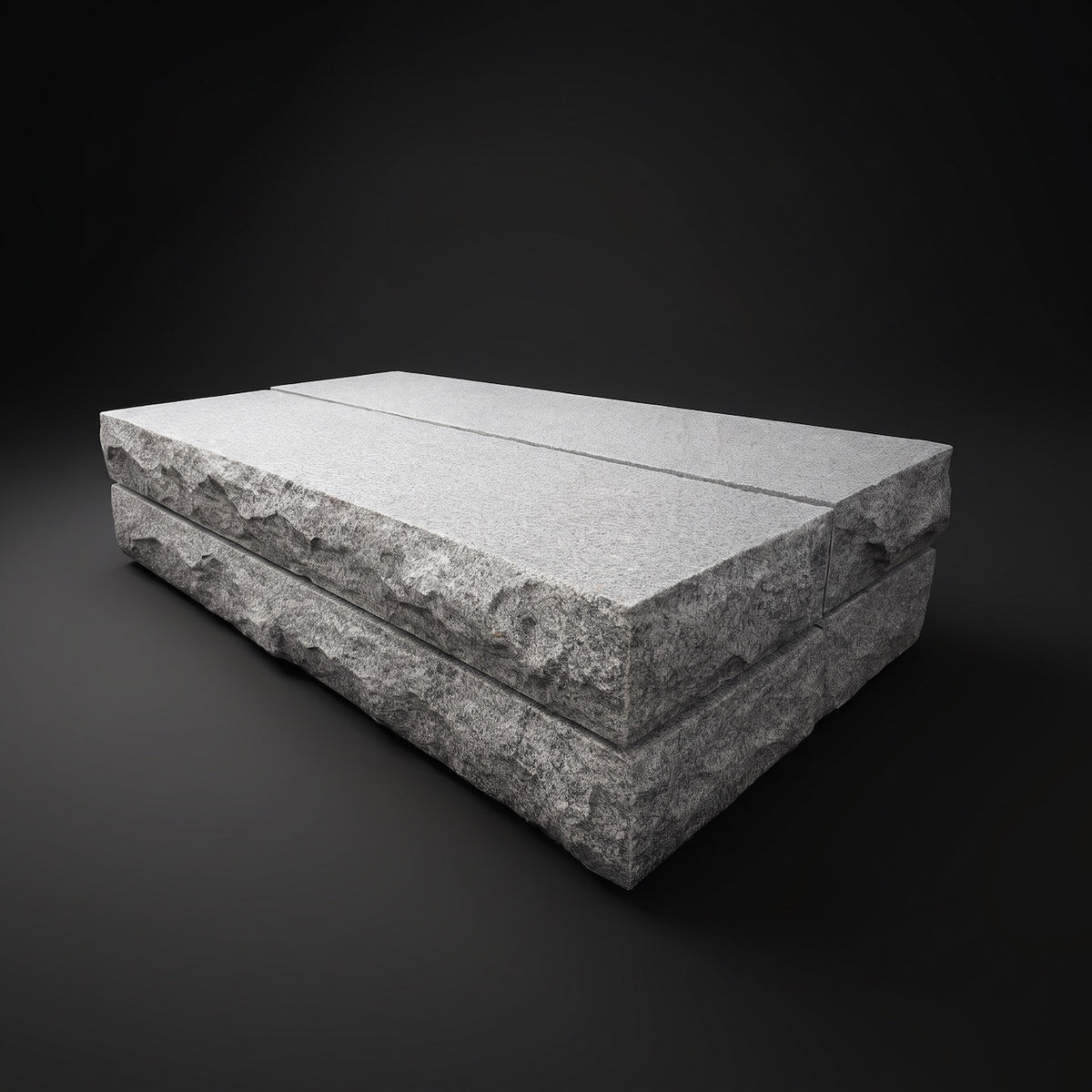
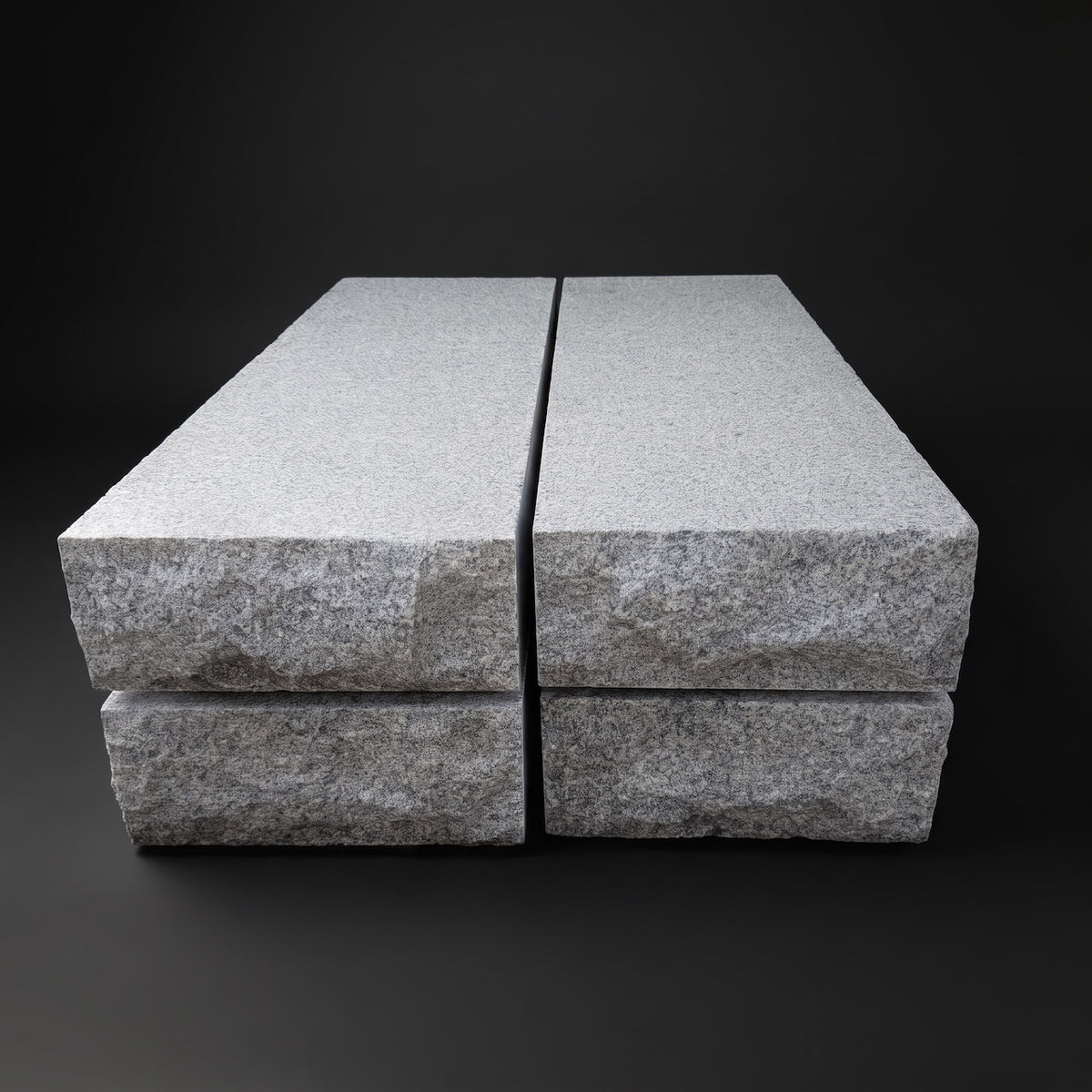
Chief Bricks’ granite steps come in stock lengths of 3 to 6 feet and depths of 13, 18, 24, 36, and 48 inches, so the deeper 36" and 48" pieces can act as wide landings between runs. Lengths of 7 and 8 feet are available by custom order only. Our guide to granite garden stairs and hillside paths shows how to lay out steps on a slope.
This creates a more journey-like experience as you walk through the garden paths. It directs your gaze and encourages you to slow down and appreciate the surrounding plantings. This style turns a functional staircase into an interactive art piece.

Bringing Nature In with Integrated Planters
One of the best design ideas in recent years has been the integration of green, living elements into hardscaping. This trend builds planters directly into the structure of a granite staircase. Imagine a wide set of granite garden steps where one side extends to become a multi-level planter box.
This is a brilliant way to soften the hard lines of the stone, adding charm and life right where you least expect it. Drought-tolerant plants suit these features best. Low-maintenance succulents, ornamental grasses, or trailing herbs are excellent choices because they thrive in the well-drained environment a stone planter provides.
This thoughtful detail makes the stair design feel like a part of the garden, not just a way to get through it. The steps embrace nature, creating a harmonious transition between your home and your garden. These steps create a truly integrated outdoor experience.

Choosing the Right Granite Finish for Your Modern Design
The color of your granite is only half the story. The finish, the texture applied to the stone's surface, plays a massive role in both the look and function of your granite stair design. A different finish can completely change the personality of the stone, so choosing the right finish granite is important.
| Finish Type | Description | Best For |
|---|---|---|
| Polished | A high-gloss, reflective surface that brings out the deep colors and crystal structure of the stone. | Covered porches or even some indoor granite applications. It can become slippery when wet, so it's not ideal for fully exposed stairs. |
| Honed | A smooth, matte, or satin finish. It reflects very little light and has a soft, velvety feel. | Mostly for outdoor applications. It provides a clean, modern look with a slightly better slip resistance than polished granite. |
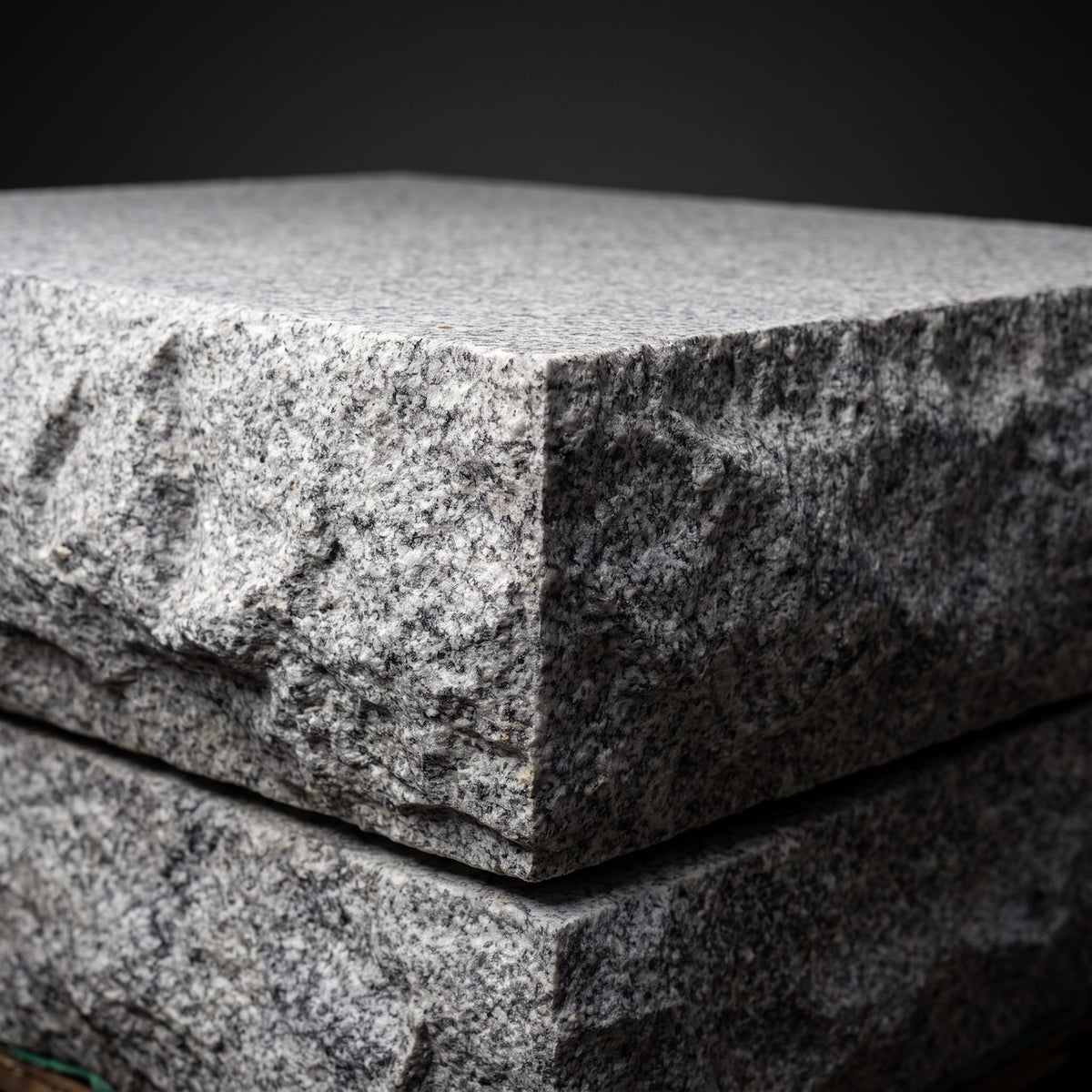
| Flamed (Thermal) | The surface is superheated and then rapidly cooled, causing crystals to pop and create a rough, textured surface. | The top choice for outdoor steps, especially in wet or icy climates. The texture provides excellent traction. |
| Leathered | A process that creates a soft sheen with a slightly textured, pebbly surface. It highlights the stone's natural character. | Modern designs where texture is desired. It offers good slip resistance and hides smudges or water spots well. |
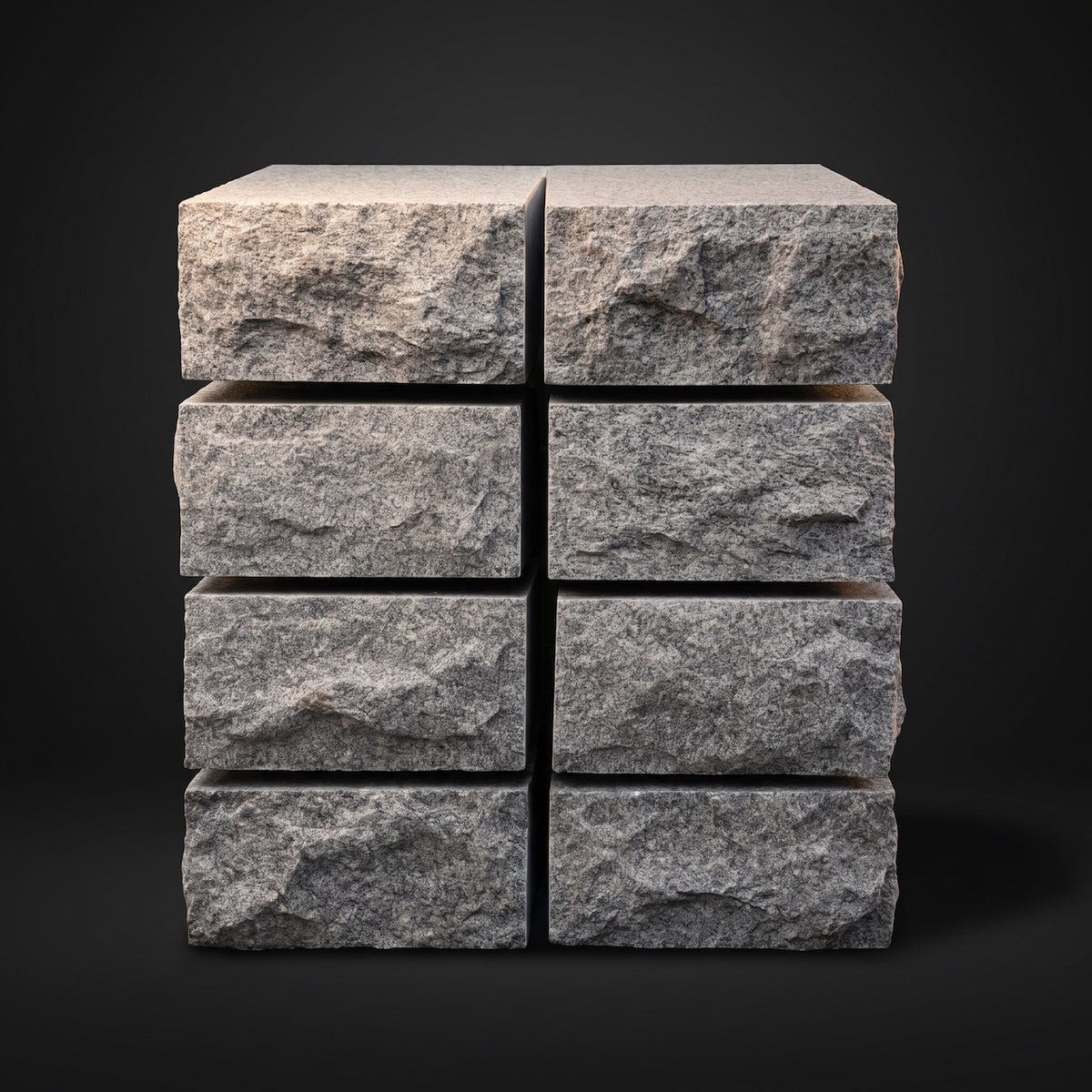
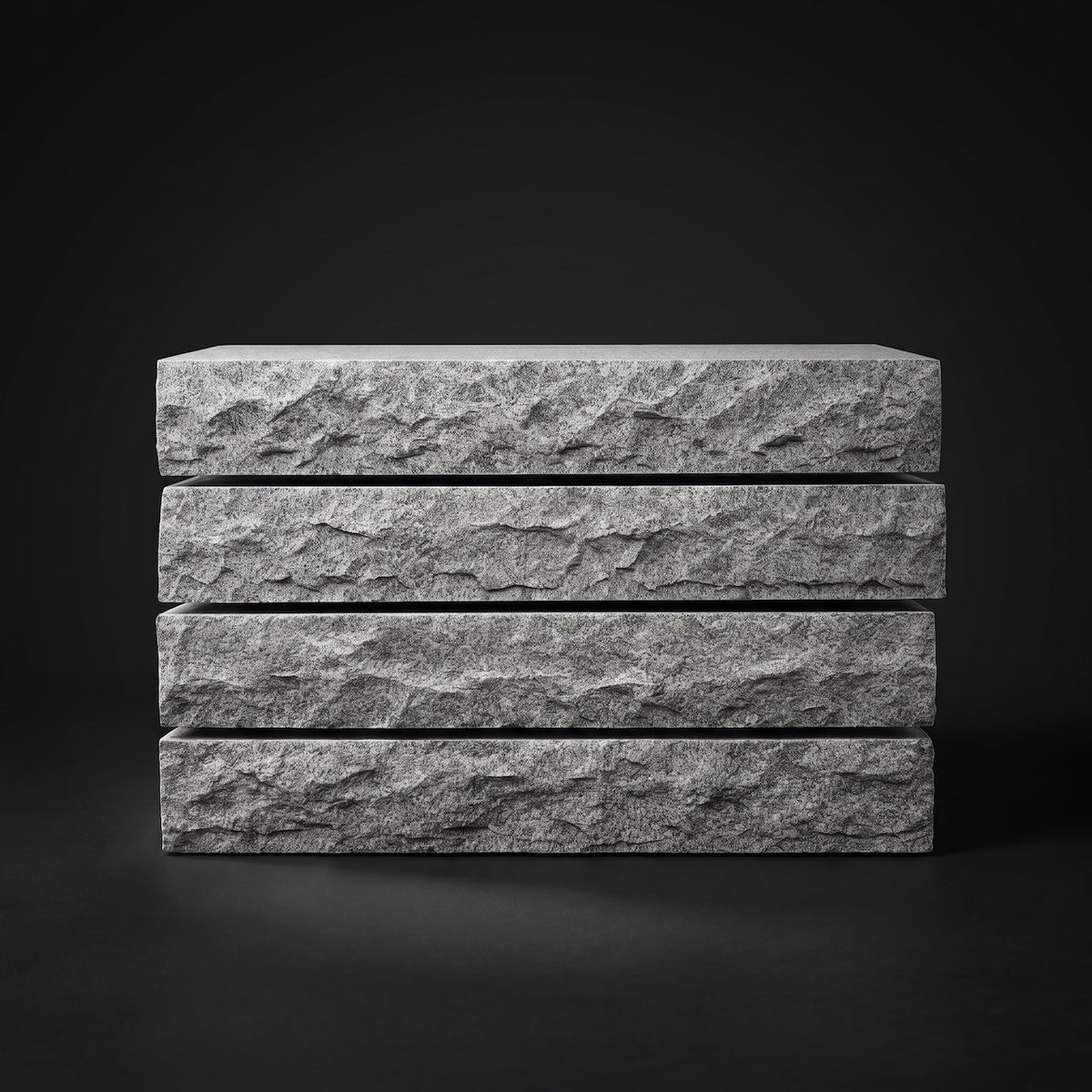
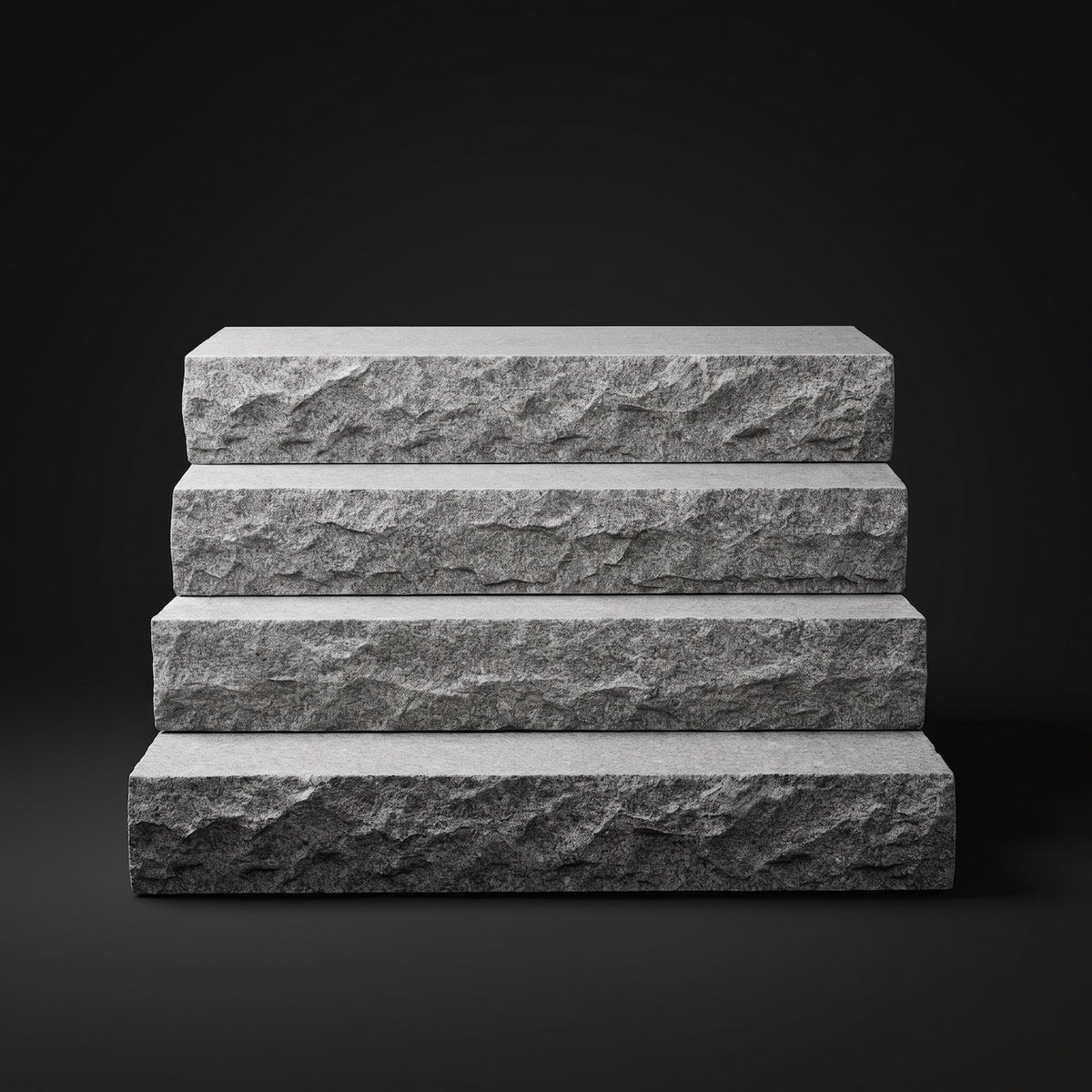
Chief Bricks’ granite steps and granite treads come with a thermal (flamed) top, sawn top and bottom, one long side sawn, and the other three sides rock face. The other finishes above are shown for comparison.
Your choice of finish directly impacts your design goals. If you aim for a high-end modern and yet organic look with a top-tier slip resistance, a flamed finish is the way to go. The crisp sawn top paired with rock-face edges gives that same mix of clean line and natural texture.
The Practical Side: Installation and Longevity
Great design is nothing without proper execution. Granite steps are incredibly heavy (a 4' x 18" step weighs about 605 pounds), and installing them correctly is not a casual weekend project. The base has to be ready before the delivery truck arrives, and the steps are usually set by crane truck or machine. Professional installation is highly recommended for all granite staircases and garden steps.
The process starts with a solid foundation, similar to the standards used for driveway paving. A deep, compacted gravel base is required to prevent shifting and settling: for small to mid-size step sets, excavate about 12 inches and compact processed gravel in 3 to 4 inch layers with a plate compactor. For larger slabs, front doors, or sloped ground, about 6 inches of concrete over compacted gravel is often necessary to ensure the steps remain level and safe for years. For a clean modern line, each step is set dry, shimmed out of sight, and pitched about 1/4 inch away from the house so water runs off.
The good news is that once they are in, you are pretty much done. Granite's dense structure makes it highly resistant to the freeze-thaw cycles that can crack and damage concrete steps or some types of sandstone paving. The stone does not easily stain or scratch, and cleaning usually just involves a simple sweeping or a rinse with a garden hose.
This long-lasting, low-effort nature is what makes granite such a smart investment for your home. You're adding permanent value and beauty to your property. Its durability means your modern granite steps should still look sharp twenty years from now.
Are Granite Steps Worth It for a Modern Landscape?
For most modern homes, yes. Granite gives you clean lines, a texture that works with minimal planting, and a surface that stays safe and sharp with very little upkeep. The trade-offs are real, though: the steps cost more than concrete, they are heavy enough to need a crane truck or machine, and the base has to be built right for the look to stay crisp.
Granite is much more than just a durable building material. It's a key that can help you create a seamless transition between your modern home and the nature outside its walls. It has the strength to last for decades and the versatility to fit any of the architectural styles popular today.
Whether you are drawn to the drama of floating steps, the calm of a monochromatic design, or the texture of mixed materials, there is a way to use this stone that will elevate your property. Designing outdoor steps with granite opens up a world of possibilities.
By looking at these current Design Trends: Granite Steps That Blend With Modern Landscapes, you can see how this timeless stone has found a fresh and exciting new life in contemporary gardens. A well-designed granite step can be the final piece that perfects your modern landscape.
For entries specifically, our guide to granite steps and treads for front entries covers proportion, landings, and lighting.
Read Enhance Your Home with Durable Granite Steps and Treads

Share: