

Walking into a lobby or dining room featuring reclaimed brick and cobblestone feels distinct. The weathered textures and aged patina offer a character that modern materials simply cannot replicate. These historic elements tell stories of past generations while creating spaces guests remember.
The hospitality industry recognizes the value of this aesthetic. Designers and architects frequently turn to salvaged materials to build atmospheres that feel authentic in restaurants, boutique hotels, and resort properties. Using reclaimed brick and cobblestone in restaurants and hotels serves more than just a decorative purpose; it becomes part of the brand story.
These elements bring durability and sustainability to commercial spaces. They create environments where guests feel connected to history. Additionally, these textures photograph beautifully for social media marketing, particularly when paired with distinct materials like reclaimed cobblestones from historic streets or reclaimed New York bricks.
Table of Contents
- Why Reclaimed Brick and Cobblestone Matter in Hospitality Design
- Hotel Case Studies Using Reclaimed Materials
- International Adaptive Reuse and Masonry Inspiration
- Reclaimed Brick and Cobblestone Flooring in High-Traffic Areas
- Installation Best Practices for Reclaimed Floor Pavers
- Reclaimed Brick and Stone Veneer Feature Walls
- Structural Masonry vs Thin Brick Veneer in Hospitality
- Matching Material Palettes to Brand Aesthetics
- Designing Outdoor Patios with Reclaimed Cobblestone
- Indoor–Outdoor Transitions Using Matching Reclaimed Pavers
- Managing Open vs Closed Renovation Projects
- How to Source Quality Reclaimed Brick and Cobblestone
- Cost and Value: New vs Reclaimed Masonry
- Sustainability Benefits of Reclaimed Masonry in Hospitality
- Future Hospitality Design Trends in Reclaimed Materials
- Expressing Regional Character with Local Reclaimed Materials
- Conclusion: Creating Memorable Spaces with Reclaimed Brick and Cobblestone
Why Reclaimed Brick and Cobblestone Matter in Hospitality Design
Guests today desire more than a simple place to eat or sleep. They look for an immersive experience that feels genuine, and reclaimed brick and cobblestone in hospitality design deliver that sense of authenticity. Reclaimed materials fulfill this expectation in ways new construction often misses.
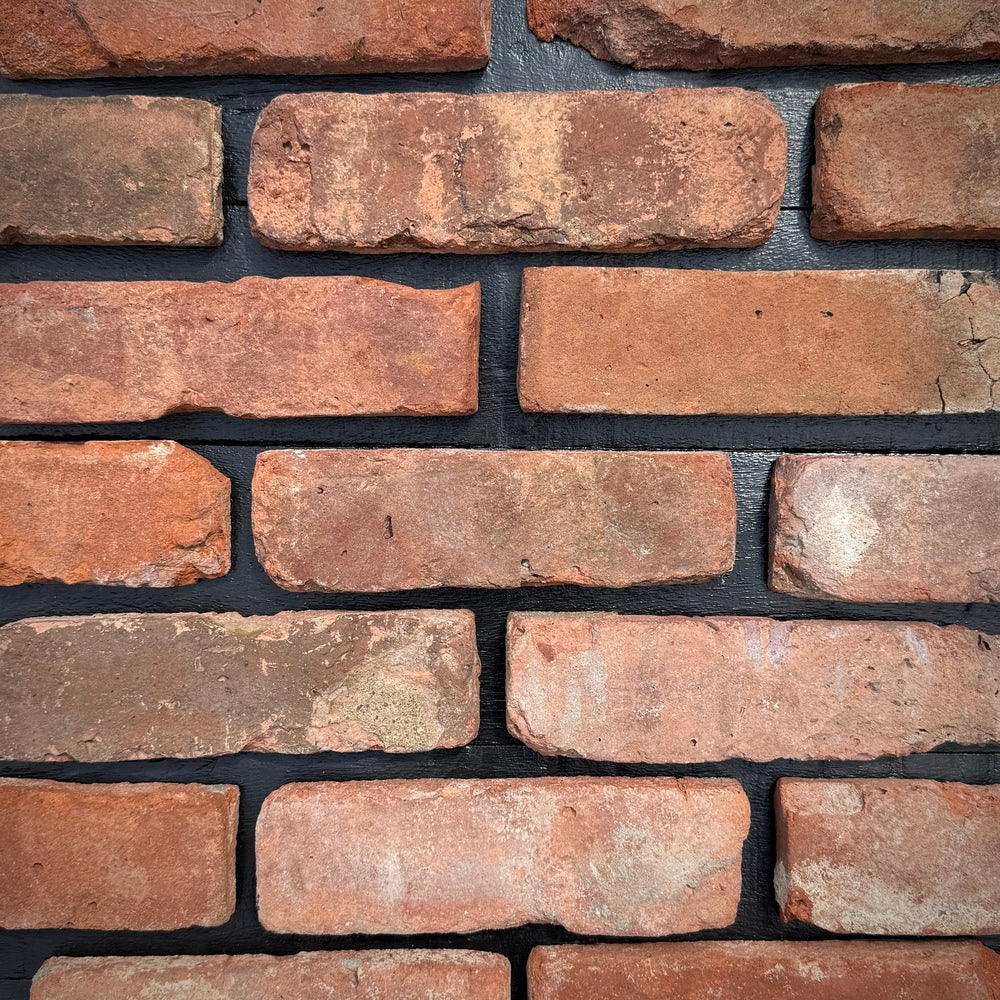
A brick wall constructed from salvaged material adds instant warmth. The Census Bureau notes that brick remains a popular choice for siding due to durability, and reclaimed brick takes those qualities and adds layers of visual history. For inspiration on how reclaimed units perform over time, designers can explore how reclaimed New York bricks are used in facades and interiors.
Each piece carries marks from its previous life. Weather patterns and old mortar traces create a rich story on every surface, and these imperfections become assets in a boutique hotel or restaurant setting. Establishments incorporating these materials stand out in a crowded market and create distinct backdrops that guests love to share online.
Properties using reclaimed masonry gain organic promotion through photography and social media. Character-rich brick and cobblestone provide the kind of visual texture that performs well in hospitality marketing content, especially when paired with curated products like reclaimed cobblestones or thin brick veneer that highlight surface patina and color variation.
Hotel Case Studies Using Reclaimed Materials
Examining actual building projects reveals the power of salvaged elements. Hotels across the country have successfully transformed historic structures using original brick and stone, often complemented with newly sourced reclaimed materials where needed. These examples demonstrate the potential of adaptive reuse and reclaimed building practices in hospitality.
Detroit's Shinola Hotel sits in the historic Woodward shopping district. This property celebrates the city's industrial heritage through thoughtful material choices, using historic masonry and reclaimed details to anchor the aesthetic. Rivet House in Athens, Georgia, operates within the Southern Mill development, a campus of restored factory buildings that shows how industrial spaces become welcoming venues.
Exposed brick and original details in these projects create an atmosphere impossible to duplicate with new materials. For similar projects, hospitality designers can look at guides like “Reclaimed vs New Bricks, What Should I Pick?” to decide when to lean into reclaimed masonry versus modern units. The Lancaster Arts Hotel in Pennsylvania began as a tobacco warehouse and now demonstrates the lasting appeal of adaptive reuse, with original masonry and timber beams reminding guests of the structure's agricultural past.
Buffalo's Richardson Hotel revitalized the 1870s Buffalo State Asylum, preserving historic masonry while adding modern accommodations for a compelling guest experience. For new-build or expansion wings, pairing existing masonry with reclaimed brick or cobblestone from a dedicated supplier helps keep the look cohesive across old and new structures.
International Adaptive Reuse and Masonry Inspiration
The trend toward reclaimed and historic masonry in hospitality extends globally. Finland's Uumen Hotel opened within a former factory setting, transforming industrial spaces into compact rooms that pair original brick and concrete with modern design elements. This type of adaptive reuse shows how reclaimed and existing materials can feel contemporary and efficient. [1]
The Asher Adams, Autograph Collection, saw a rebirth in late 2023, with original masonry and architectural details remaining central to the conversion. These elements anchor the design while supporting modern amenities, reinforcing how stone and brick can bridge historical character and current guest expectations. Casetta Hotels is developing a property within a 1931 church, where sacred architecture and antique stone will create an unforgettable stay.
Religious and institutional buildings offer compelling opportunities for adaptive reuse using antique stone and brick. Designers working on similar projects can draw from practical guidance in the Chief Bricks tools library, which covers reclaimed cobblestone, thin brick veneer, and patio bricks in detail. Preserving arches, columns, and masonry walls lets hospitality projects capture the emotional resonance of the original structure while still meeting contemporary performance needs.
Reclaimed Brick and Cobblestone Flooring in High-Traffic Areas

Floor surfaces endure tremendous stress in commercial hospitality settings. Thousands of footsteps and luggage wheels test materials daily, and reclaimed hardscapes like brick and cobblestone excel in these demanding applications. Historic pavers were originally built to withstand heavy traffic and harsh weather.
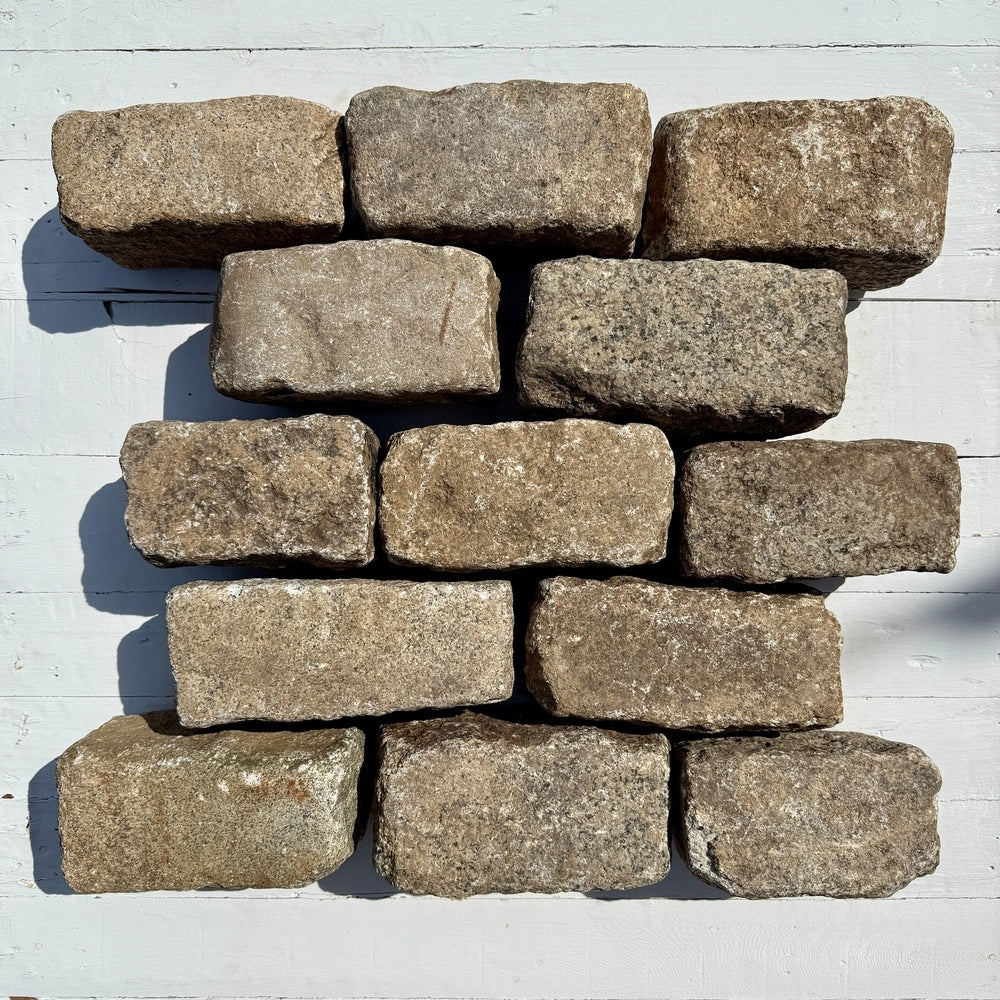
Many reclaimed cobblestones come from streets that handled horse-drawn carriages and later vehicle traffic. That proven durability translates perfectly to hotel lobbies, restaurant entries, and bar floors that need to look good under constant use. For example, New York reclaimed granite cobblestones are sized for robust commercial walkways, plazas, and entries.
The varied textures provide practical safety benefits. Slightly irregular surfaces often offer better traction than polished tile, helping reduce slip incidents while adding visual character. Color variations in reclaimed street bricks and cobblestones hide dirt effectively, as small stains blend into the existing patina between deep cleaning sessions, one reason reclaimed patio bricks remain popular for outdoor dining and bar areas.
Installation Best Practices for Reclaimed Floor Pavers

Working with antique bricks and cobblestones requires specific techniques. Each piece possesses its own dimensions and slight irregularities, so installers need experience with reclaimed street materials to achieve quality results. Careful layout and sorting help balance joints and maintain consistent walking comfort.
Proper substrate preparation is critical. The base must be level, well-compacted, and designed for the expected load to prevent cracking or shifting over time. Uneven settling becomes obvious with irregular historic street pavers, so attention to bedding layers and drainage is essential on both interior slabs and exterior base systems.
In food service areas and bar zones, sealing is essential. Natural stone and brick are porous and absorb spills if left unprotected, so quality penetrating sealers preserve the material while allowing it to breathe. For exterior patios and pool surrounds, choosing sealers and joint materials rated for freeze–thaw cycles helps maintain the long-term integrity of reclaimed paver installations. Chief Bricks’ reclaimed cobblestone resources offer practical notes on sizing and installation expectations.
Products like the reclaimed granite cobblestone thin floor paver 11" x 7" x 2" from Chief Bricks provide the same historic character in a lighter-weight, thinner format, making indoor installations easier while preserving the authentic look of traditional street stone.
Reclaimed Brick and Stone Veneer Feature Walls

Brick wall veneer creates warmth that painted drywall cannot match. Reclaimed brick veneer takes this effect further with genuine weathering patterns, chipped corners, and color variation that immediately signal age and authenticity, making it ideal for hotel lobbies and restaurant bars.
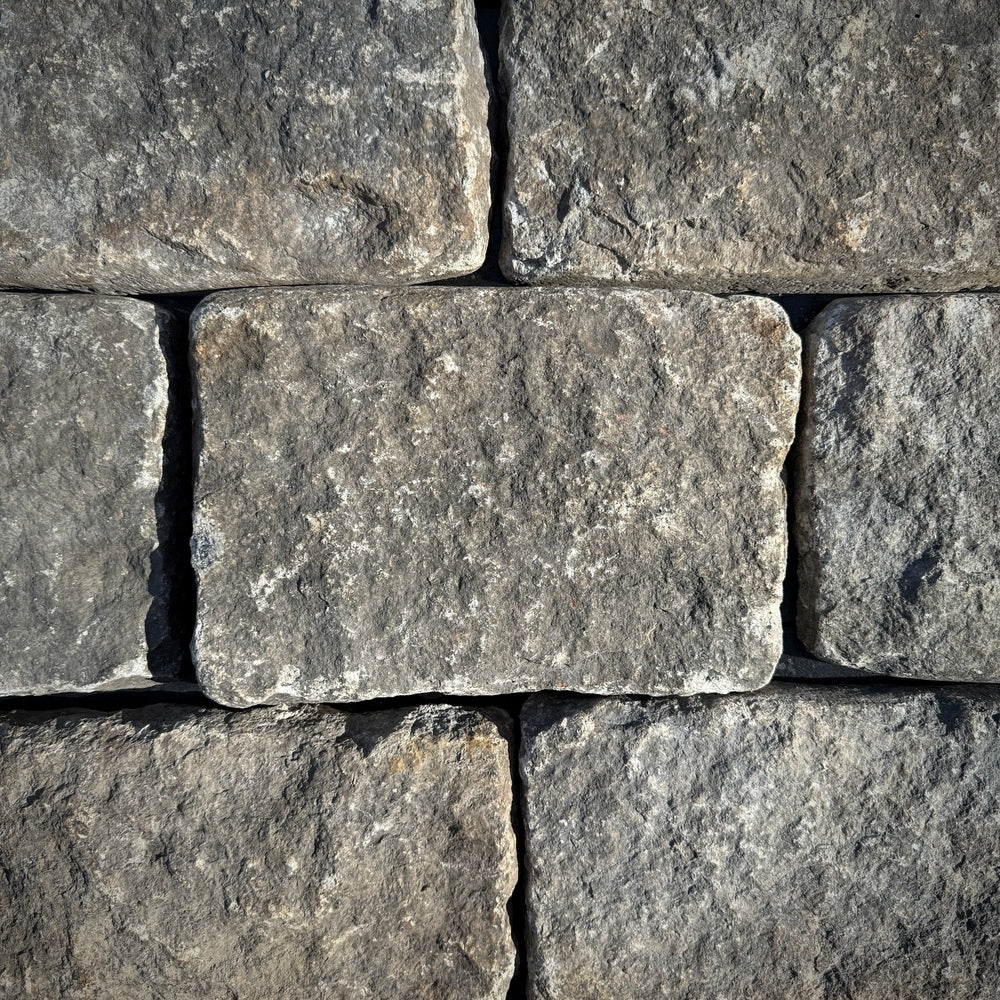
Stone veneer accent walls make bold statements in dining rooms, lounges, and hotel reception areas. The rounded surfaces of a cobblestone feature wall catch light differently throughout the day, creating constantly changing shadows that add movement to the interior. Reclaimed Granite Cobblestone Wall Veneer 11” x 7” x 1.5” preserves the historic face of the stone while reducing thickness for easier wall installation.
Mixing vintage brick with sleek surfaces such as steel, glass, or polished concrete creates a look that feels both industrial and inviting. In boutique hospitality spaces, these layered treatments turn ordinary circulation paths into memorable design moments. When paired with good lighting and targeted signage, reclaimed brick and stone veneer walls become natural backdrops for photography and social media content.
Structural Masonry vs Thin Brick Veneer in Hospitality

Some hospitality projects preserve original structural masonry walls. This maintains authentic architectural elements but requires engineering oversight, especially when changing loads or opening new doorways. Load-bearing brick and stone walls must be evaluated and supported during renovation to protect both the building and construction crews. [1]
Antique brick veneer, often cut from reclaimed units, attaches thin slices of brick to modern wall systems. This gives the appearance of solid masonry at a lower cost and weight, making it easier to meet structural limits in new-build hotels or restaurant fit-outs. The article “Transform Your Space with Reclaimed Thin Brick Veneer” provides detailed guidance on applications and installation considerations for these systems.
Both approaches function well in hospitality design. Structural preservation tells an authentic story when you can work within an existing envelope. Veneer applications bring character to new construction that lacks original masonry, letting designers deliver the reclaimed look on projects with tight timelines or limited structural capacity while still specifying true reclaimed material from collections such as All Reclaimed Bricks.
Matching Material Palettes to Brand Aesthetics
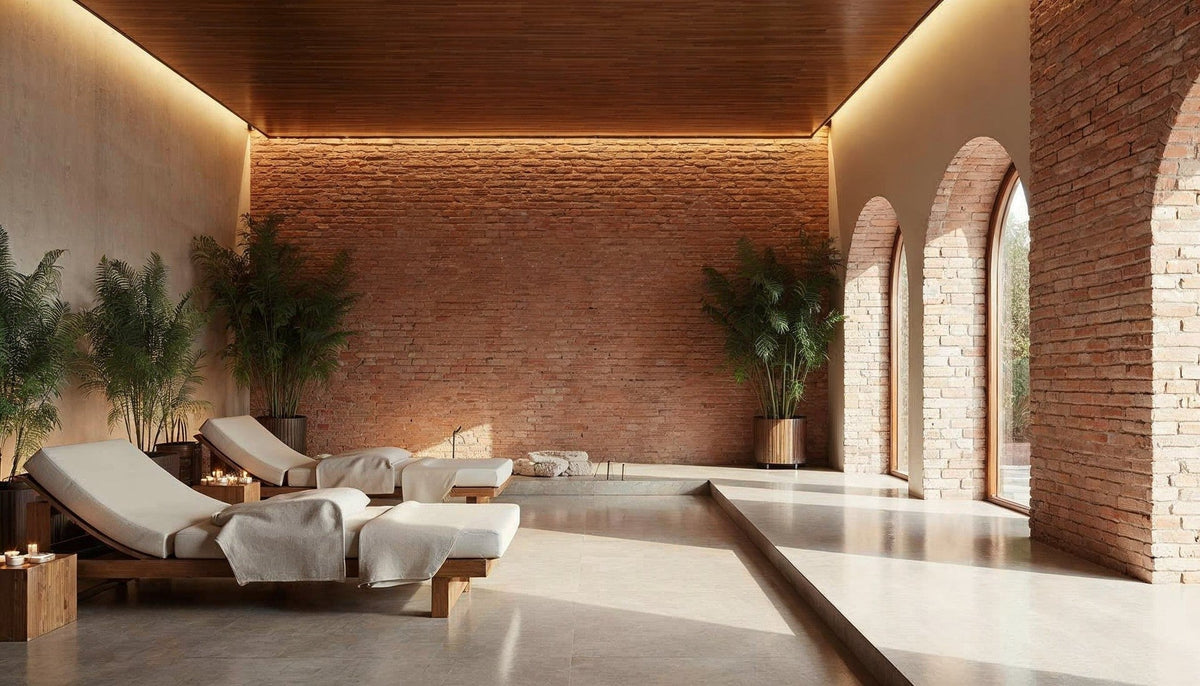
Different material blends evoke different moods. A Jamestown Rustic brick blend might offer warm, earthy tones suitable for a cozy pub or casual restaurant, with reclaimed brick suggesting comfort and familiarity. Alternatively, cooler stone palettes create a more refined, spa-like mood in wellness-focused hospitality spaces.
An Italian restaurant often benefits from the look of reclaimed antique stone and brick because it mimics old-world villas and historic streets. This material blends seamlessly with fine dining decor, arches, and traditional millwork, and can be paired with specific reclaimed brick collections to maintain consistency across multiple locations. Natural stone veneers with subtle color shifts work well in modern wellness and retreat spaces where calm and texture matter more than bold contrast.
Selecting the right natural stone and brick profile helps define the brand identity. For hotel groups and restaurant operators, documenting a palette of specific reclaimed blends and stone types, referencing actual product lines from suppliers like Chief Bricks, ensures consistency across locations and simplifies procurement.
Designing Outdoor Patios with Reclaimed Cobblestone

Restaurant patios benefit tremendously from reclaimed driveway materials like granite cobblestones. These spaces must handle constant weather exposure while remaining inviting, and historic stone pavers deliver on both requirements. Reclaimed cobblestone has already proven its performance on streets, plazas, and historic courtyards.
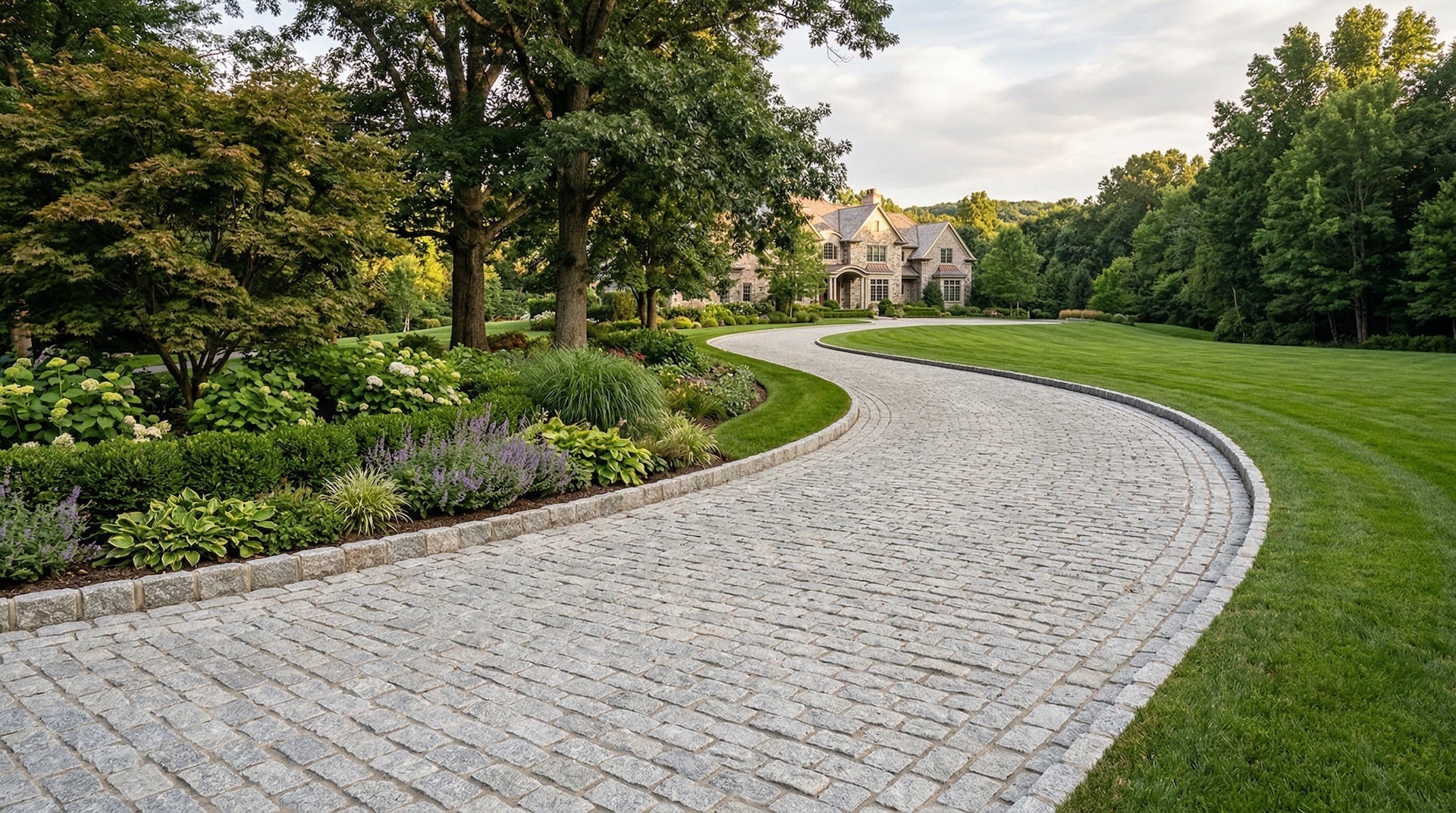
A cobblestone driveway converted into a patio withstands rain and temperature swings with minimal degradation. Products like Reclaimed Granite Cobblestone - Jumbo 11" x 7" x 4" are designed to handle demanding applications such as hotel drop-offs and restaurant plazas. Reclaimed curbing can define planting beds, separate circulation from dining areas, or frame outdoor bars and fire pits.
These materials require less maintenance over time than many wood or composite decking systems in busy commercial settings. Textured surfaces manage water drainage naturally, as gaps between street bricks or cobbles allow rainwater to percolate into the base. This creates safer walking surfaces and supports more sustainable site drainage strategies on hospitality projects.
Indoor–Outdoor Transitions Using Matching Reclaimed Pavers

Using reclaimed driveway pavers both inside and outside blurs spatial boundaries. Floor tile or pavers that visually match outdoor cobblestone make spaces feel larger and more connected, especially when large doors or operable walls are open. Guests perceive a more expansive environment, which is valuable for restaurants with limited interior square footage.
This technique works well for restaurants with seasonal operations. Opening doors during pleasant weather creates one large, unified space, and the consistent floor finish reinforces this connection. Hotels can use this approach around pool areas, courtyards, and garden bars, where reclaimed antique pavers create resort-like atmospheres and support barefoot-friendly textures when carefully installed.
The aged materials suggest permanence and a sense of place. When paired with consistent lighting and planting strategies, matching reclaimed brick or cobblestone inside and out helps guests intuitively navigate the property. Collections such as Stone Products and All Reclaimed Bricks give designers a broad palette to coordinate both interior and exterior surfaces.
Managing Open vs Closed Renovation Projects
Renovation planning requires defining the project type early. Owners must decide between an open project or a closed project strategy when adding reclaimed brick floors or cobblestone patios to an operating restaurant or hotel. An open project type keeps the business running during work, phasing construction so guests can still access key areas.
A closed project type involves a complete shutdown. This allows for faster heavy construction, like laying a new brick floor over a structural slab or installing a large cobblestone courtyard, without having to maintain guest circulation. However, many commercial projects need revenue flow, which often favors the open approach in hospitality settings.
Designating a project type open to the public requires robust safety barriers, clear routes, and dust control. A project type closed to visitors allows for total site control and potentially more aggressive structural work. Whether you choose an open project or a closed project type, communication is vital, with clear signage, updated timelines, and realistic reopening dates to protect guest satisfaction and brand perception.
How to Source Quality Reclaimed Brick and Cobblestone
Finding authentic reclaimed building materials takes effort and the right partners. Reclaimed antique stone supplies vary by region, and availability is influenced by local demolition, infrastructure projects, and historic preservation efforts. For hospitality venues, consistency and volume matter as much as character.
Architectural salvage yards specialize in reclaimed street bricks, granite cobblestones, and curbing. They carefully deconstruct old structures and pavements to harvest usable goods, often stocking antique bricks and street pavers suitable for commercial applications. Suppliers focusing on reclaimed hardscapes clean, sort, and grade materials so designers can specify by size and thickness with confidence.
Chief Bricks, for example, offers reclaimed bricks, reclaimed cobblestones, and a variety of stone products curated for architects, landscape designers, and contractors on large commercial projects. Building relationships with such suppliers makes it easier to secure consistent batches for multi-property hotel or restaurant rollouts.
Cost and Value: New vs Reclaimed Masonry
Budgeting for reclaimed materials differs from new construction. While material costs can be higher upfront due to labor and sourcing, the long-term value is significant for hospitality spaces that rely on distinct environments. Reclaimed brick pavers, thin brick veneer, and cobblestones often offer superior durability and marketing value compared with many new alternatives.
Cost and value of new vs reclaimed masonry for hospitality interiors and exteriors
| Factor | New Materials | Reclaimed Materials |
|---|---|---|
| Initial cost | Generally lower | Higher (labor and sourcing) |
| Durability | Varies by product | Extremely high (proven performance over decades) |
| Aesthetic | Uniform, consistent color | Character-rich, historic appearance |
| Sustainability | Higher energy to produce | High (saved from landfill, reduced new mining) |
| Marketing value | Lower storytelling impact | High (history, authenticity, social-media appeal) |
Reclaimed brick veneer creates high impact for a moderate price relative to full structural masonry. Using brick siding or veneer on exterior facades improves curb appeal and signals quality to guests and passersby, which is why many hospitality and retail projects choose reclaimed over new units. Exterior brick and stone generally hold perceived value better than many synthetic finishes, supporting both nightly rates and long-term asset value.
Sustainability Benefits of Reclaimed Masonry in Hospitality
Travelers increasingly consider environmental impact when booking. Using reclaimed bricks and cobblestones demonstrates a commitment to green building and circular material use, which resonates with eco-conscious guests and corporate travel programs. For hospitality brands, material choices become part of their sustainability story.
Salvaging materials avoids the emissions associated with manufacturing new building materials. Brick production and quarrying involve high-temperature firing and energy-intensive extraction, while reusing antique stone and brick eliminates this additional consumption. Reclaimed materials can also contribute to sustainability certifications when used strategically in projects targeting LEED or similar frameworks.
Keeping reclaimed driveway materials and structural masonry out of landfills reduces waste in a sector where construction debris is substantial. The history behind reclaimed antique materials engages guests on a narrative level, and properties can share stories about where the reclaimed brick and cobblestone came from—sometimes down to specific city streets or buildings. Articles like “Transforming Waste Into Worth: Chief Bricks' Sustainable ...” explore this perspective in more depth.
Future Hospitality Design Trends in Reclaimed Materials
The use of reclaimed bricks and cobblestones in hospitality continues to grow. Trends point toward increased adoption of antique brick veneer for interior walls and reclaimed pavers for outdoor spaces, especially in boutique and lifestyle segments that value narrative-rich design. Properties embracing these materials position themselves well as guests seek more meaningful environments.
Younger travelers and design-conscious guests appreciate authentic brick construction and visible material honesty. As this demographic spends more and influences brand perception, hotels and restaurants catering to their preferences can benefit from higher engagement and loyalty. Reclaimed materials align with values around sustainability, locality, and craft, which are reinforced in Chief Bricks’ educational content and product storytelling.
Social media drives many design decisions in hospitality. Guests share photos of unique brick wall veneer features, cobblestone courtyards, and textured lobby floors that feel different from standard finishes. Properties with distinctive stone and brick elements earn free exposure and can weave those visuals into their own content strategies, especially when those elements tie back to recognizable reclaimed products guests can learn about online.
Expressing Regional Character with Local Reclaimed Materials
Properties increasingly focus on expressing local character through design. Using reclaimed street pavers, brick, and stone from the area strengthens this bond, weaving local infrastructure and history into the hospitality environment. Vintage brick from nearby demolitions carries regional history guests can literally walk on.
This approach works well in destination markets where visitors seek authentic local experiences. In cities with strong architectural identities, reclaimed materials help hotels and restaurants feel rooted rather than generic. For example, New York reclaimed cobblestones and reclaimed bricks give properties in and around New York a direct link to the history of local streets and buildings.
Hotels and restaurants that reflect regional history through material choices create a stronger connection with their guests. Storytelling around locally sourced reclaimed cobblestones or bricks, from specific streets, factories, or institutional buildings, adds depth to the brand. For groups operating in multiple regions, tailoring reclaimed materials to each location becomes a powerful way to differentiate properties within the same portfolio while still relying on a single, trusted supplier.
Conclusion: Creating Memorable Spaces with Reclaimed Brick and Cobblestone
Incorporating reclaimed brick and cobblestone into restaurants and hotels offers a path to distinction. These materials provide unmatched durability while telling a story that modern products cannot replicate, making them ideal for lobbies, dining rooms, courtyards, and patios in both new and adaptive reuse projects.
From the tactile experience of a cobblestone floor to the visual warmth of an exposed brick wall, these elements transform spaces into places guests remember. The investment in sourcing and installing reclaimed materials pays off through guest engagement, sustainability benefits, and lasting beauty; collections such as All Reclaimed Bricks and Stone Products at Chief Bricks give designers a practical starting point.
As the hospitality industry evolves, the demand for authenticity and character-rich design will only grow, and reclaimed materials help property owners create timeless environments that invite guests to return again and again.
[1](https://tileoptima.com/the-timeless-appeal-of-natural-stone-in-hotel-design/)



Share: