
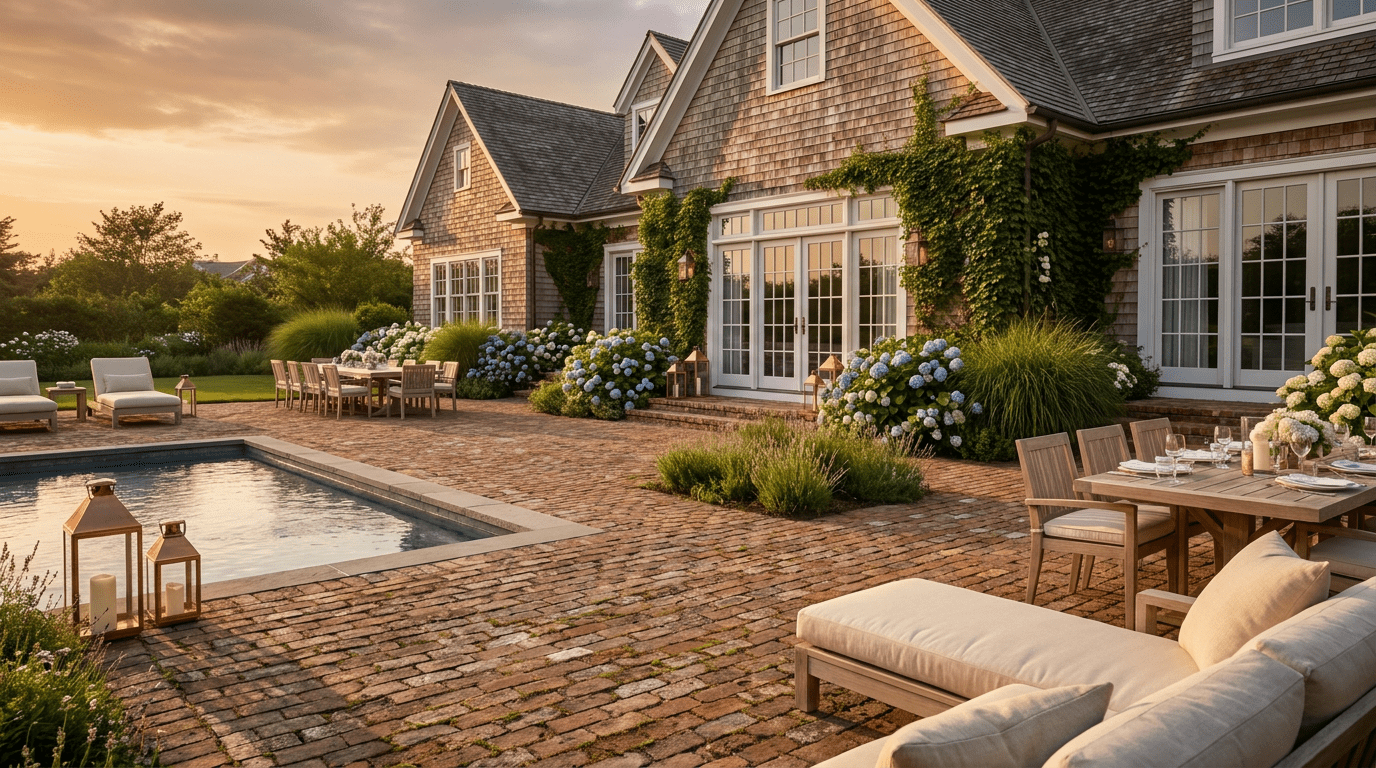
When you start planning a patio, walkway, or driveway, the paver aisle can feel overwhelming. You have reclaimed brick street pavers with their worn character and proven history, new clay pavers that promise consistency and modern engineering, and concrete pavers in every imaginable shape, color, and texture. All three can create beautiful, functional outdoor spaces, but they are not interchangeable.
Understanding the real differences between reclaimed brick, new clay, and concrete pavers helps you match the right material to your project goals, budget, and aesthetic preferences. This guide walks through how these three options compare across durability, appearance, cost, installation, maintenance, and sustainability, so you can make a choice that fits both your vision and the way you actually use your outdoor spaces.
Table of Contents
- 1. Quick overview: reclaimed brick, new clay, and concrete pavers
- 2. Durability and long-term performance
- 3. Appearance, color, and character over time
- 4. Sizing, tolerances, and consistency
- 5. Installation: ease, complexity, and base requirements
- 6. Cost comparison: material, installation, and lifetime value
- 7. Maintenance and repair over the years
- 8. Climate considerations and freeze-thaw performance
- 9. Sustainability and environmental impact
- 10. How to choose the right paver for your project
- Summary table: Material comparison
1. Quick overview: reclaimed brick, new clay, and concrete pavers
Before diving into detailed comparisons, it helps to understand what each material actually is and where it comes from.
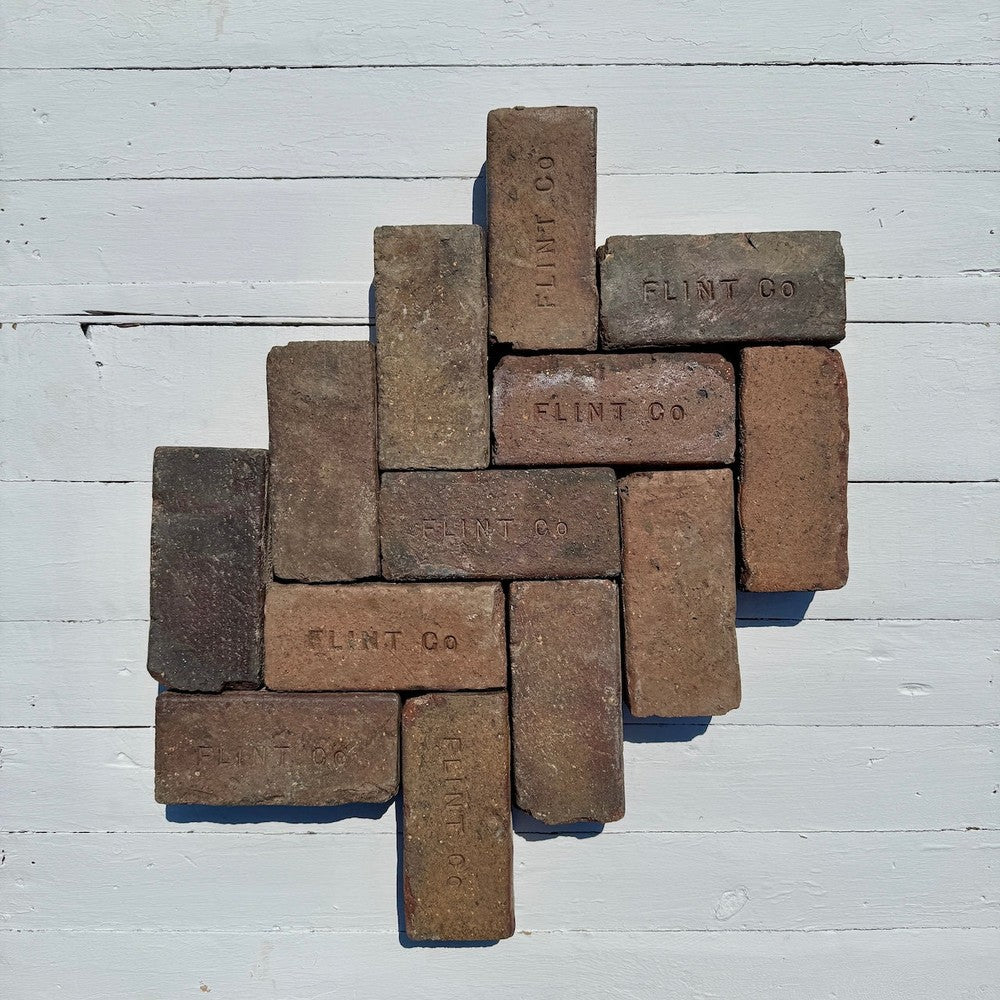
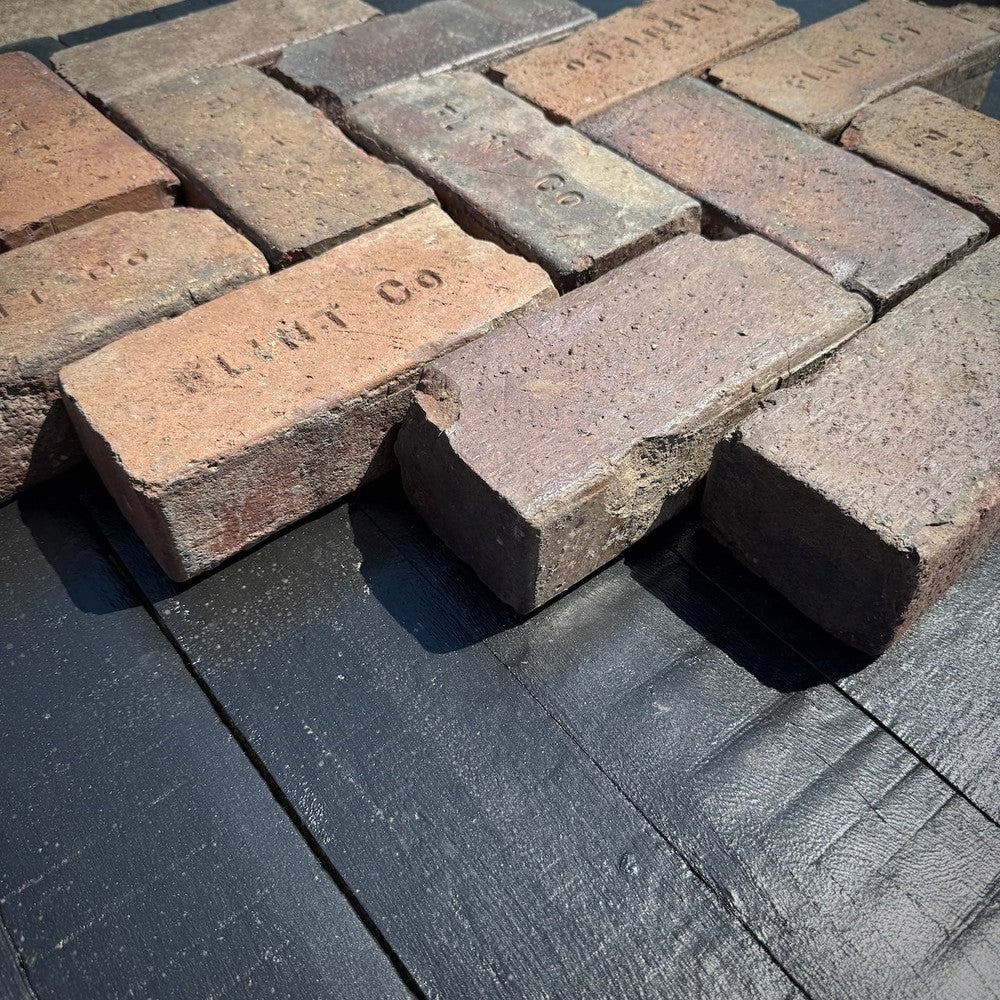
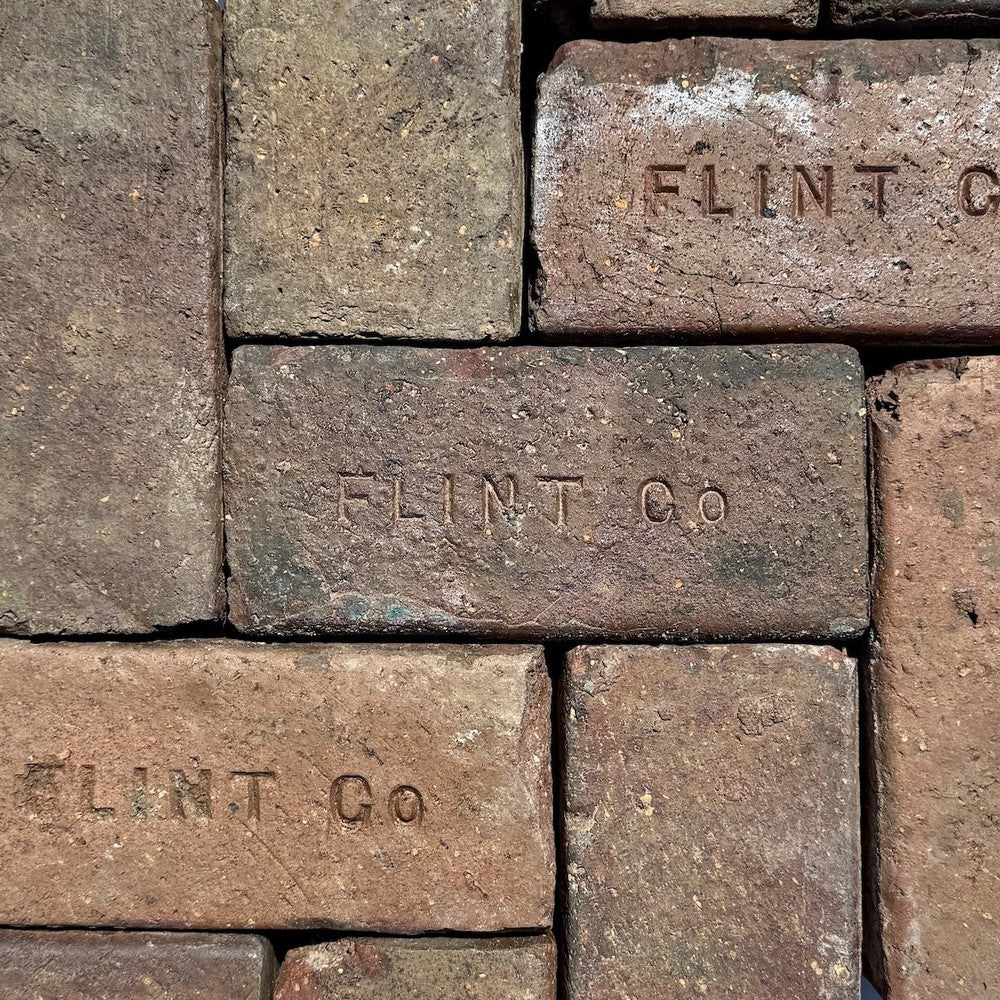
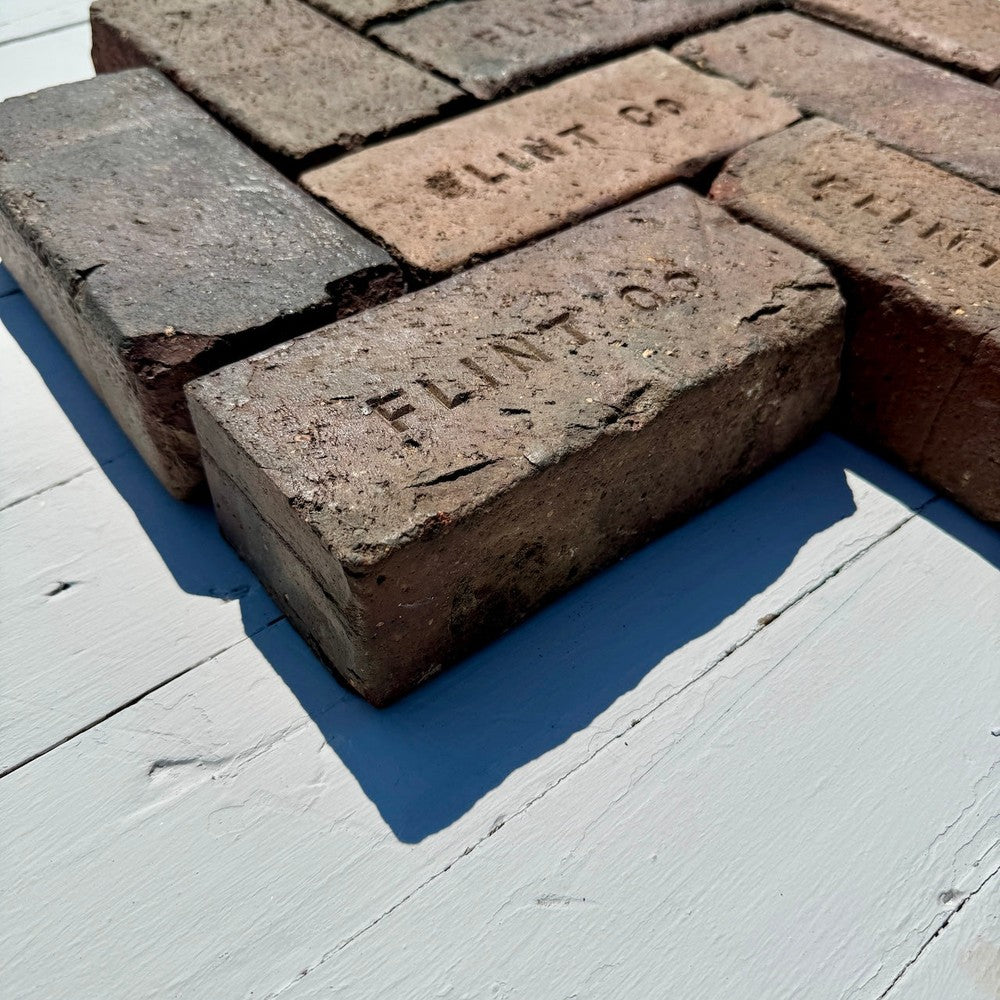
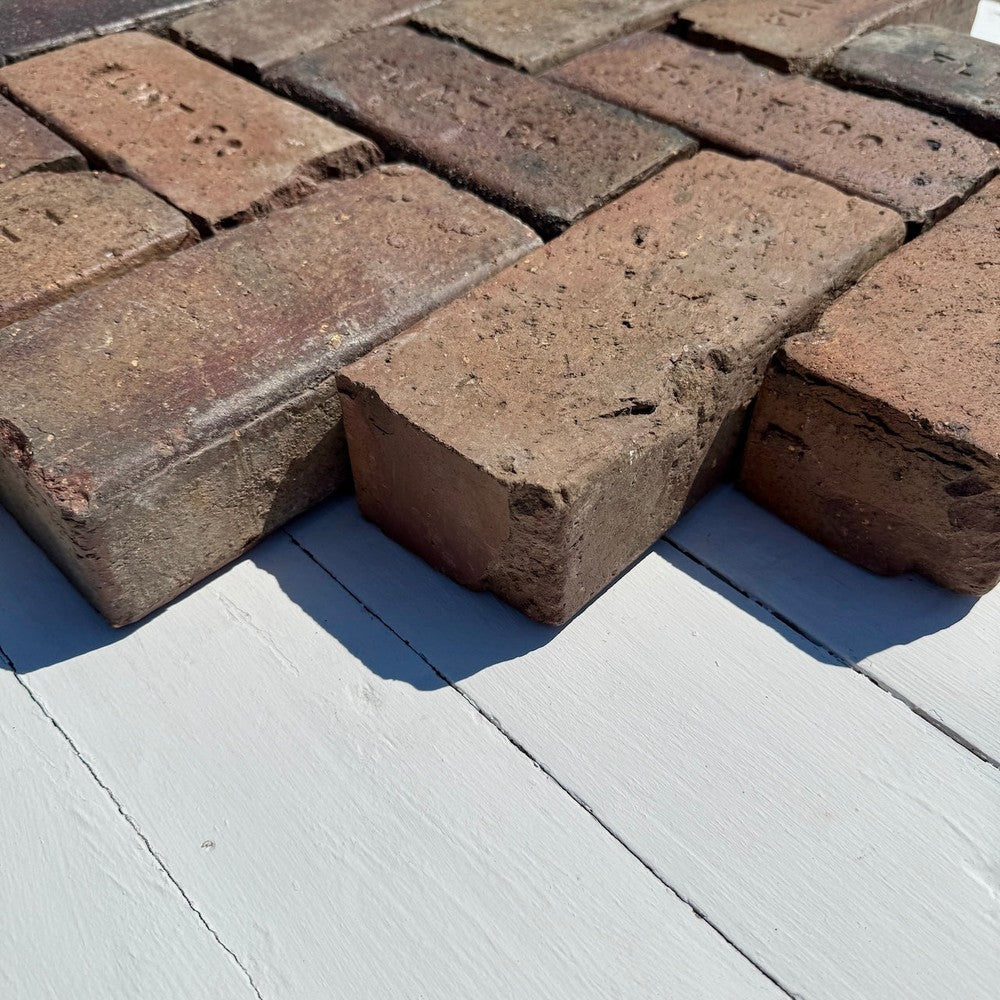
Reclaimed brick street pavers are salvaged from historic streets, roads, and industrial sites. They were originally fired from clay decades ago to handle vehicle traffic and weather. When those streets are resurfaced, the bricks are cleaned, sorted, and made available for new projects. You are buying proven durability and authentic patina.
New clay pavers are freshly manufactured from natural clay, shaped, and fired in kilns similar to traditional bricks. They offer modern color consistency, precise dimensions, and engineered performance standards. You are buying reliability and uniformity with materials designed specifically for today's hardscape projects.
Concrete pavers are molded from a mixture of cement, aggregates, and pigments, then cured. They can mimic almost any look, from brick to stone, and come in countless shapes, sizes, and finishes. You are buying flexibility and cost-effectiveness, with options ranging from basic utility pavers to high-end designer systems.
2. Durability and long-term performance
All three paver types can last for decades when installed properly, but they get there in different ways.
Reclaimed brick street pavers arrive with their durability already proven. They survived real traffic, weather cycles, and decades of use before you ever saw them. Dense, fully fired clay units resist wear, hold up under vehicle loads, and show age gracefully rather than catastrophically. Their track record is part of what you are buying.
New clay pavers are engineered to meet modern performance standards for strength, freeze-thaw resistance, and abrasion. When made by reputable manufacturers, they offer predictable, reliable performance. You know exactly what you are getting in terms of compressive strength and durability ratings because those specs are printed on the packaging.
Concrete pavers vary widely depending on quality and manufacturer. High-end concrete units can be extremely durable and meet rigorous standards. Budget options may show surface wear, color fading, or cracking sooner, especially in freeze-thaw climates or under heavy traffic. The key is to choose concrete pavers rated for your specific use and climate, not just the cheapest option on the rack.
3. Appearance, color, and character over time
This is where the three materials diverge most clearly, because each one ages and weathers differently.
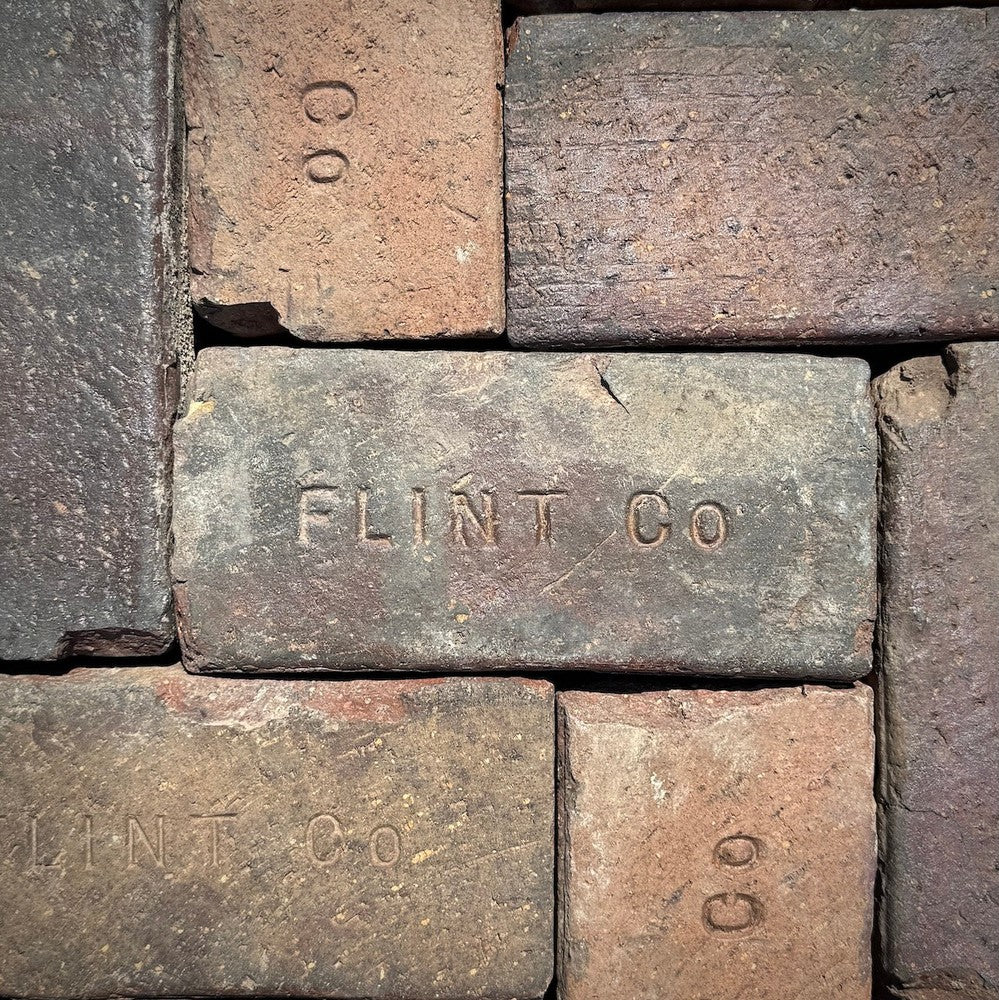
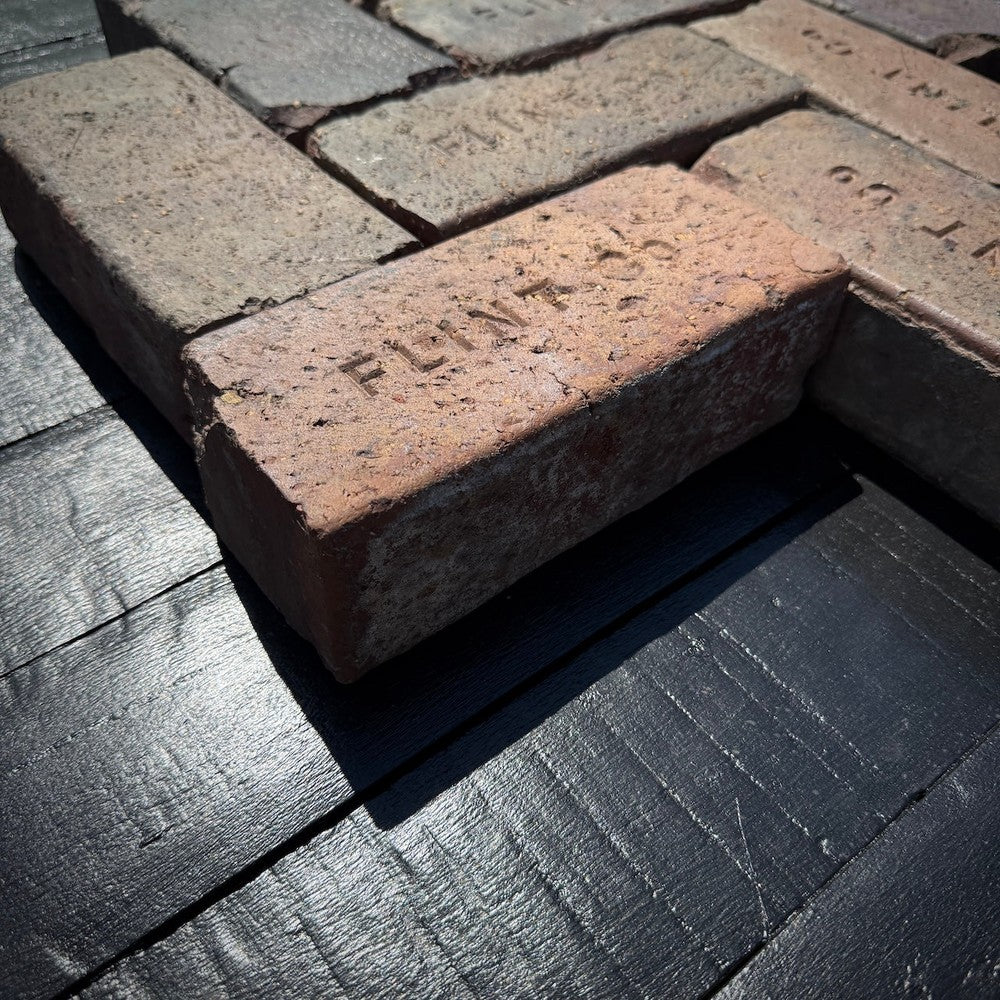
Reclaimed brick street pavers come with built-in character: worn edges, color variation, surface texture, and sometimes stamps or markings from their first life. That patina deepens and softens over time rather than looking "new" and then "worn." If you want a surface that feels like it has always been there, reclaimed brick is hard to beat.
New clay pavers start crisp and uniform, with consistent color and sharp edges. Over the years, they develop their own patina through UV exposure, weathering, and use. The aging process is slower and more predictable than with reclaimed material. If you prefer a clean, orderly look that gradually softens, new clay delivers that progression.
Concrete pavers are the chameleons of the group. They can be molded and colored to mimic almost anything, from tumbled brick to natural stone. The trade-off is that pigments can fade over time, especially in sunny climates, and surface textures may wear down in high-traffic areas. Higher-quality concrete pavers use through-color and advanced finishing techniques to minimize these issues, but budget options often show their age more obviously.
4. Sizing, tolerances, and consistency
Precision and consistency affect both installation and the finished look of your project.
Reclaimed brick street pavers have slight size variations because they were made before modern manufacturing tolerances became standard. Good suppliers clean and grade reclaimed stock to keep those variations within a usable range, but expect more personality than perfection. On site, installers sort and adjust as they work, which is part of creating that authentic, hand-laid look.
New clay pavers are manufactured to tight tolerances, so length, width, and thickness are highly consistent from unit to unit. That makes layout faster and patterns cleaner, especially for intricate designs or large, uniform fields. If you value precision and straight joint lines, new clay pavers make installation more straightforward.
Concrete pavers also offer high consistency, and because they are molded rather than fired, manufacturers can produce a huge variety of shapes and modular systems. Interlocking designs, multi-size kits, and dimensional precision are all strengths of concrete. The trade-off is that this uniformity can sometimes feel too perfect or manufactured compared to the subtle irregularities of clay.
5. Installation: ease, complexity, and base requirements
Installation requirements are similar across all three paver types, but small differences in handling and tolerance can affect labor and timeline.
All three need a properly compacted base, edge restraints, a setting bed, and jointing material. The fundamentals do not change. What does change is how forgiving the material is during installation and how much sorting or adjustment is required on site.
Reclaimed brick street pavers require a bit more hands-on sorting and mixing from different pallets to distribute color and wear evenly. Installers also need to account for slight variations in thickness, which can mean adjusting bedding material piece by piece. This takes more time but results in a surface that feels curated and intentional.
New clay pavers install more quickly because of their dimensional consistency. Less sorting, fewer adjustments, and cleaner joint lines mean faster progress, especially on large projects. If you are hiring labor by the hour, that efficiency can translate into cost savings.
Concrete pavers are often the easiest to install because of modular sizing and interlocking systems. Many concrete paver lines are designed specifically for DIY installation, with guides and accessories that simplify layout and edge work. That accessibility is a big part of their popularity, especially for homeowners tackling projects themselves.
6. Cost comparison: material, installation, and lifetime value
Cost is always part of the decision, but it helps to think beyond just the price per square foot on day one.
Reclaimed brick street pavers typically sit in the mid-to-upper range for material cost, depending on the specific batch and sourcing. You are paying for salvaged, graded material with proven durability and historic character. Installation may cost slightly more because of the sorting and adjustment required, but the trade-off is a surface with strong visual impact and long service life.
New clay pavers often fall into a similar or slightly higher price range as reclaimed brick, depending on brand and finish. Premium clay pavers with special colors or textures can push costs up, but standard lines are competitively priced. Installation is usually efficient because of tight tolerances, which can offset some material cost.
Concrete pavers are generally the most budget-friendly option, especially at the lower end of the market. Basic utility pavers can be very affordable, while high-end designer concrete systems can approach or exceed the cost of clay. Installation is often less expensive because the pavers are easy to handle and lay, making them a good fit for cost-conscious projects.
When you factor in lifespan, repairability, and how the surface ages, reclaimed brick and quality clay pavers often offer strong long-term value. Concrete can be excellent value as well, especially when you choose quality products and maintain them properly.
7. Maintenance and repair over the years
All paver surfaces benefit from routine care, but the specifics vary by material.
Reclaimed brick street pavers are low-maintenance by nature. They were built to live outdoors, and their existing patina means they do not show wear the way new materials do. Sweeping, occasional rinsing, and topping up joint sand is usually enough. If a brick cracks or you need to access utilities, you can lift and replace individual units without the repair looking obvious.
New clay pavers are similarly low-maintenance. They resist staining, do not fade significantly, and clean easily with standard masonry-safe products. Sealers are optional but can enhance color and provide extra stain resistance in high-use areas. Repairs blend in well because new clay units maintain consistent color over time.
Concrete pavers require a bit more attention to color and surface condition. Sealing is often recommended to protect pigments and slow fading, especially in sunny climates. Stains can be more visible on lighter concrete, and surface wear may show sooner in driveways or high-traffic zones. The good news is that concrete pavers are modular and easy to replace, and sealers and enhancers can restore or refresh the look periodically.
8. Climate considerations and freeze-thaw performance
Climate plays a significant role in how pavers perform, especially in regions with freeze-thaw cycles.
Reclaimed brick street pavers already proved they can handle real-world weather in their first life, often in harsh climates. Dense, fully fired clay resists freeze-thaw damage when installed over a well-drained base. Proper drainage and joint fill are still critical, but the bricks themselves are rarely the weak point.
New clay pavers from reputable manufacturers are rated for freeze-thaw performance and tested to meet industry standards. When you choose pavers appropriate for your climate zone, they perform reliably year after year. Look for ASTM ratings and ask about freeze-thaw cycles if you live in a cold region.
Concrete pavers vary widely in freeze-thaw resistance depending on mix design and quality. High-quality concrete pavers with low water absorption perform well in cold climates. Budget options with higher porosity can crack, spall, or degrade faster when water freezes inside the material. Pay attention to manufacturer specifications and choose concrete rated for your conditions.
9. Sustainability and environmental impact
Environmental impact is an increasingly important consideration for homeowners making material choices.
Reclaimed brick street pavers score high on sustainability because they extend the life of existing material and keep bricks out of landfills. No new firing is required, so you avoid the energy and emissions associated with manufacturing new units. You are reusing a durable material that already did its job once and is ready to do it again.
New clay pavers involve firing in kilns, which consumes energy and produces emissions. However, clay is a natural, abundant material, and modern manufacturing processes are becoming more efficient. When sourced locally, transportation impacts are lower, and clay pavers are fully recyclable at the end of their life.
Concrete pavers have a mixed environmental profile. Cement production is energy-intensive and a significant source of carbon emissions. On the other hand, concrete can incorporate recycled materials and local aggregates, and permeable concrete pavers support stormwater management goals. The environmental impact depends heavily on the specific product and manufacturer practices.
10. How to choose the right paver for your project
With all this information in hand, how do you actually decide? Start by thinking about what matters most to you: appearance, budget, durability, ease of installation, or environmental impact.
Choose reclaimed brick street pavers if you want authentic character, proven durability, and a surface that feels timeless from day one. They are ideal for projects where visual warmth and sustainability are priorities, and you appreciate materials with history.
Choose new clay pavers if you value precision, consistency, and modern engineering standards. They are a great fit when you want the natural beauty of clay with predictable performance and clean, orderly patterns.
Choose concrete pavers if you need maximum design flexibility, budget-friendly options, or specific shapes and systems that clay cannot provide. They work well for large projects, DIY installations, and situations where you want to mimic other materials at a lower cost.
In the end, all three materials can create beautiful, long-lasting outdoor spaces. The "right" choice is the one that aligns with your project goals, aesthetic preferences, and the way you want your patio, walkway, or driveway to age over time.
Summary table: material comparison
| Feature | Reclaimed Brick Street Pavers | New Clay Pavers | Concrete Pavers |
|---|---|---|---|
| Material Origin | Salvaged from historic streets and industrial sites | Freshly manufactured from natural clay | Molded from cement, aggregates, and pigments |
| Appearance | Authentic patina, worn edges, color variation, and historic character from day one | Crisp, uniform color and sharp edges that develop patina slowly over time | Can mimic any look; colors may fade over time depending on quality |
| Durability | Proven track record from decades of real-world use in streets | Engineered to modern performance standards with predictable ratings | Varies widely by quality; premium options are very durable |
| Size Consistency | Slight variations; requires on-site sorting and adjustment | Tight tolerances; highly consistent dimensions | Precise molded sizing; modular systems available |
| Installation | Requires sorting and mixing pallets; more hands-on adjustment | Fast and efficient due to consistency; clean joint lines | Easiest to install; often DIY-friendly with interlocking systems |
| Cost | Mid to upper range; value in character and longevity | Similar to reclaimed or slightly higher; premium options cost more | Most budget-friendly; wide range from basic to high-end designer |
| Maintenance | Low-maintenance; patina hides wear; easy to repair individual units | Low-maintenance; resists staining; optional sealing for enhancement | Moderate; sealing recommended to prevent fading and staining |
| Freeze-Thaw Performance | Excellent; already proven in harsh climates during first life | Excellent when rated for climate zone; meets ASTM standards | Varies by quality; high-end options perform well, budget options may crack |
| Aging and Weathering | Deepens existing patina; looks better with age | Develops gradual, predictable patina over years | Surface pigments can fade; texture may wear in high-traffic areas |
| Sustainability | High; reuses existing material, no new firing required | Moderate; natural material but requires energy-intensive firing | Mixed; cement production is carbon-intensive; can include recycled content |
| Best For | Homeowners seeking authentic character, proven durability, and timeless appeal | Projects requiring precision, consistency, and modern engineering standards | Budget-conscious projects, DIY installations, and maximum design flexibility |


Share: