

You are probably here because plain concrete paths are not cutting it for you anymore. You want something with character under your feet, not just another gray slab. Patio & Walkway Design Ideas Using Reclaimed Materials open a door to spaces that look like they have a story to tell the moment you step outside.
Reclaimed cobblestones, salvaged brick, old Belgian blocks, even pieces of broken flagstone can all be reused. Patio & Walkway Design Ideas Using Reclaimed Materials give you texture, age, and that lived in feeling architects, homeowners, and landscapers are always hunting for. Let's talk about how to turn those old stones into paths and patios people remember.
Table of Contents:
- Why Reclaimed Bricks & Stones Work So Well For Patios And Walkways
- Planning Your Layout With Reclaimed Stone
- Patio & Walkway Design Ideas Using Reclaimed Bricks & Stones
- Building A Solid, Drainage Friendly Base
- Styling Your Patio Around The Stone
- Small Space Patio Ideas With Reclaimed Stone
- Finishing Touches That Bring Everything Together
- Conclusion
Why Reclaimed Bricks & Stones Work So Well For Patios And Walkways
There is a reason you stop and stare at an old brick street or a weathered stone courtyard. Reclaimed stones have soft edges, worn faces, and color shifts you cannot fake with brand new pavers. That patina comes from years of use and exposure.
Brick pavers are known for giving outdoor spaces a classic look, which you can see in many featured projects on Chief bricks that celebrate their timeless feel through creative layouts and color mixes. When those bricks are salvaged, that classic look gets even richer because every piece carries its own marks and tone. This timeless appeal makes them a great option for any home style.
There is also a clear sustainability story here. You are keeping heavy material out of landfills and cutting demand for newly quarried natural stone. For clients who care about responsible building, that matters as much as the look.
Using these items allows you to create outdoor living areas that feel grounded. It instantly adds a modern rustic vibe that is hard to achieve with concrete. Plus, reusing stone can sometimes help you save money on raw materials.
Planning Your Layout With Reclaimed Stone
Before you touch a shovel, slow down and plan. Reclaimed materials almost never come in neat pallets of identical sizes. That is actually your advantage, but you need a landscape design that leans into it.
Many successful patios borrow layout ideas from other fields. Designers often adapt clever layouts and small space solutions from home interiors, the same way interior pros steal smart design ideas from compact bathrooms to get more use out of every square foot. You can think the same way with a tight backyard or side yard path.
Ask yourself a few key questions as you plan. Who will use this space daily. Do you want straight, formal clean lines or a meandering garden feel. Is this patio a destination or more of a pass through zone between areas.
Consider if this will be a DIY project or if you need professional help. If you want a complex basket weave pattern, expert help might be best. However, a simple stepping stone walkway is often a manageable task for homeowners.
Patio & Walkway Design Ideas Using Reclaimed Bricks & Stones
You can shape reclaimed stone into clean lined modern spaces or into soft, cottage style paths. The material is flexible as long as the base and layout are right. Here are several approaches that work well in real yards, gardens, and courtyards.
1. Classic Herringbone With Old Brick
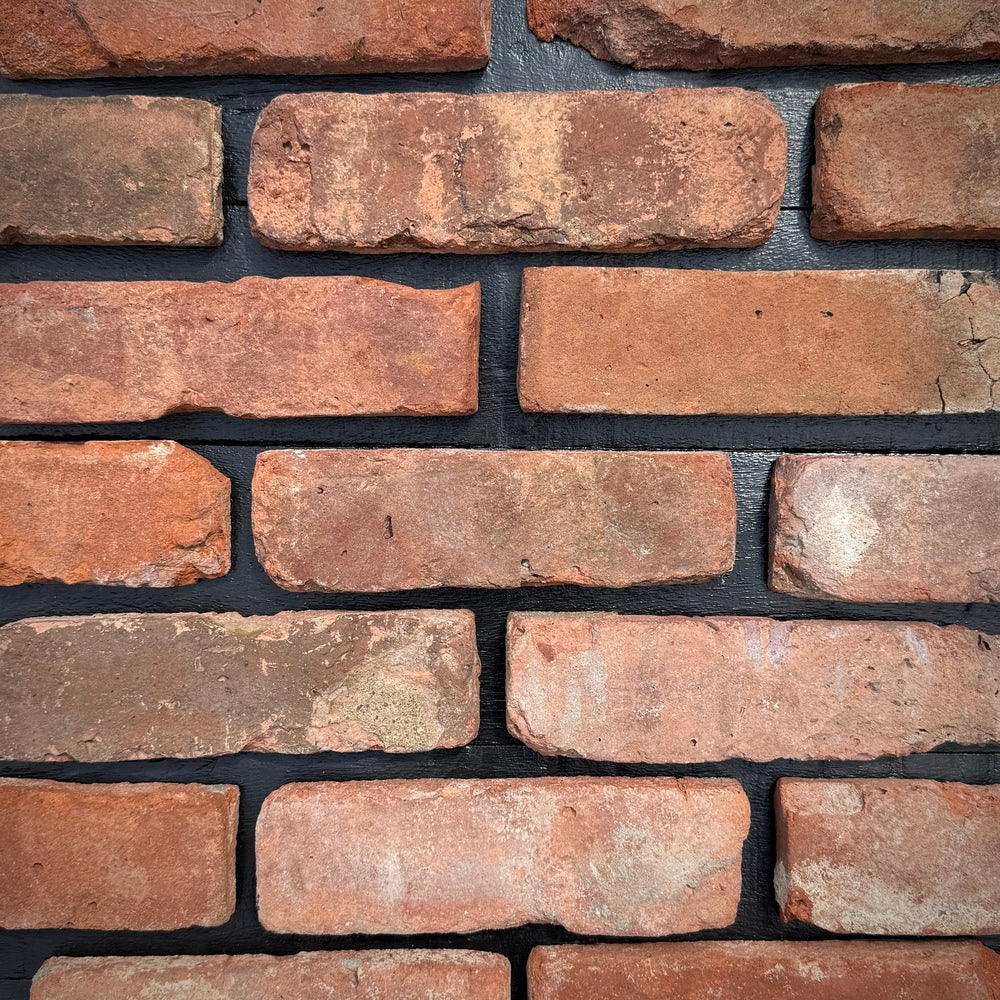
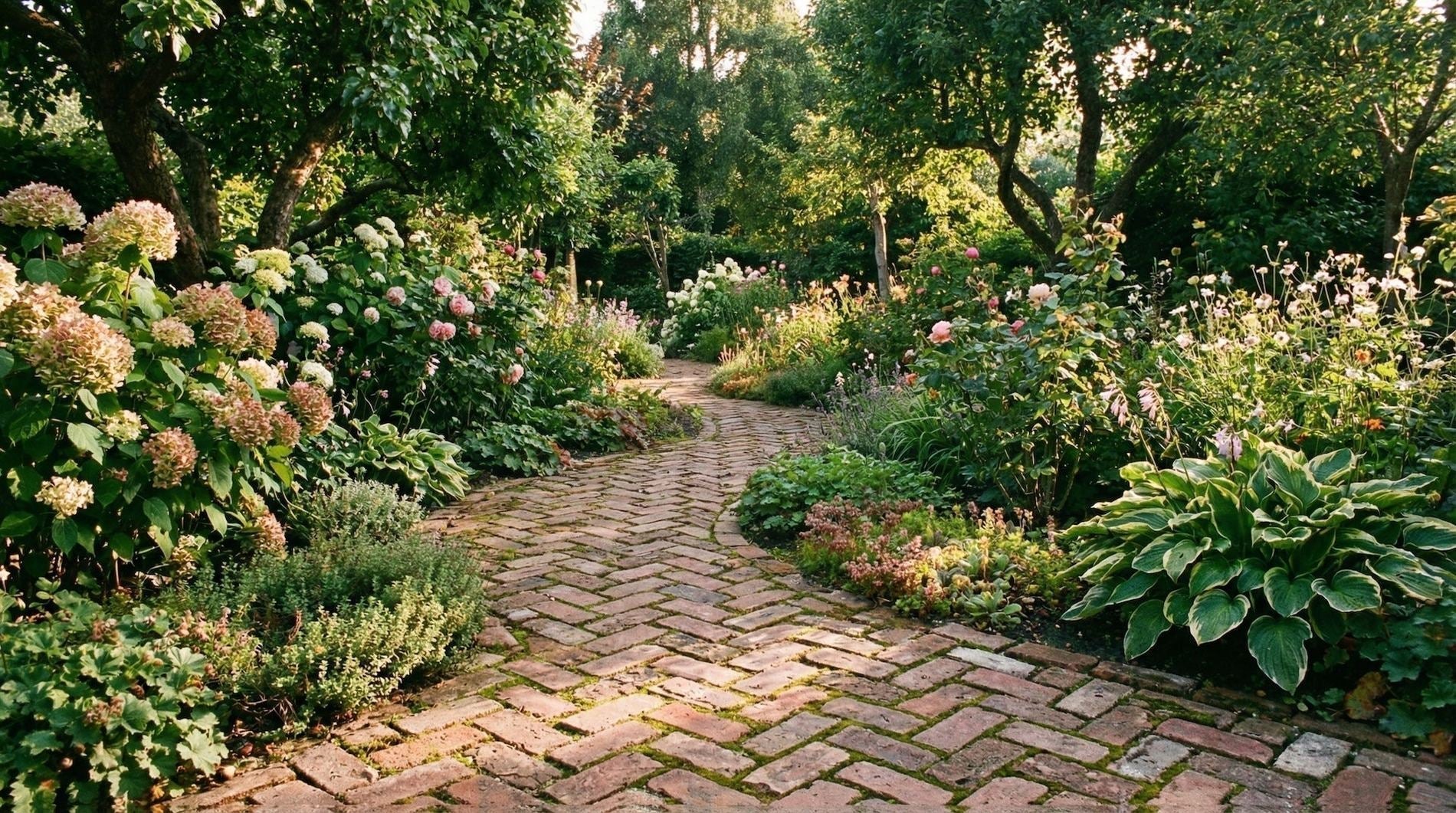
Herringbone is a workhorse pattern that has handled carriage traffic and cars for centuries. It also looks good at human scale for patios and garden paths. With reclaimed antique brick, you get a tight woven surface that feels both orderly and warm.
Herringbone works especially well if your brick batch has color shifts. The zigzag helps blend lighter and darker tones. You see similar ideas in many brick walkway galleries where designers lean into pattern and color instead of hiding variation, as seen in many backyard paver walkway ideas.
To keep a reclaimed brick herringbone patio from feeling too rigid, you can border it with a row of bricks set on edge. That little vertical detail catches light and helps frame the space. It is a visually striking way to define your outdoor design.

2. Cobblestone Ribbons With Groundcover Joints
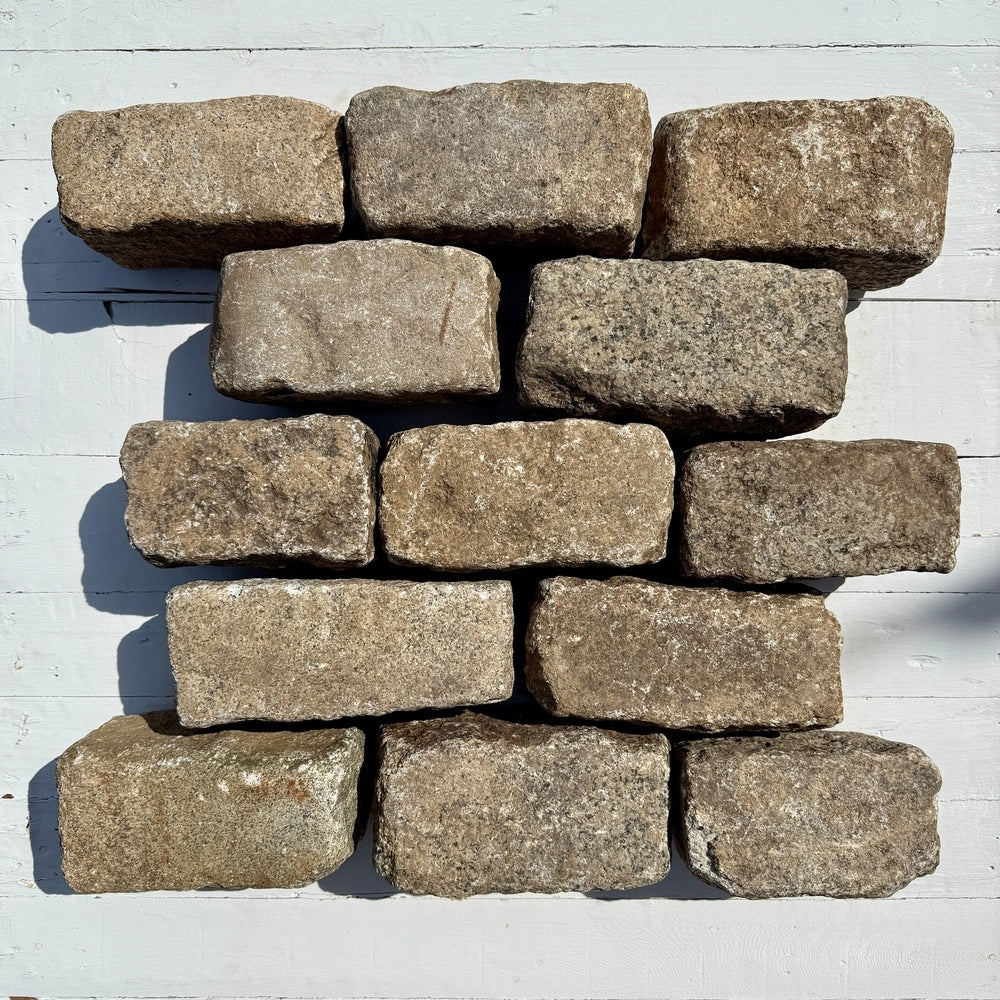
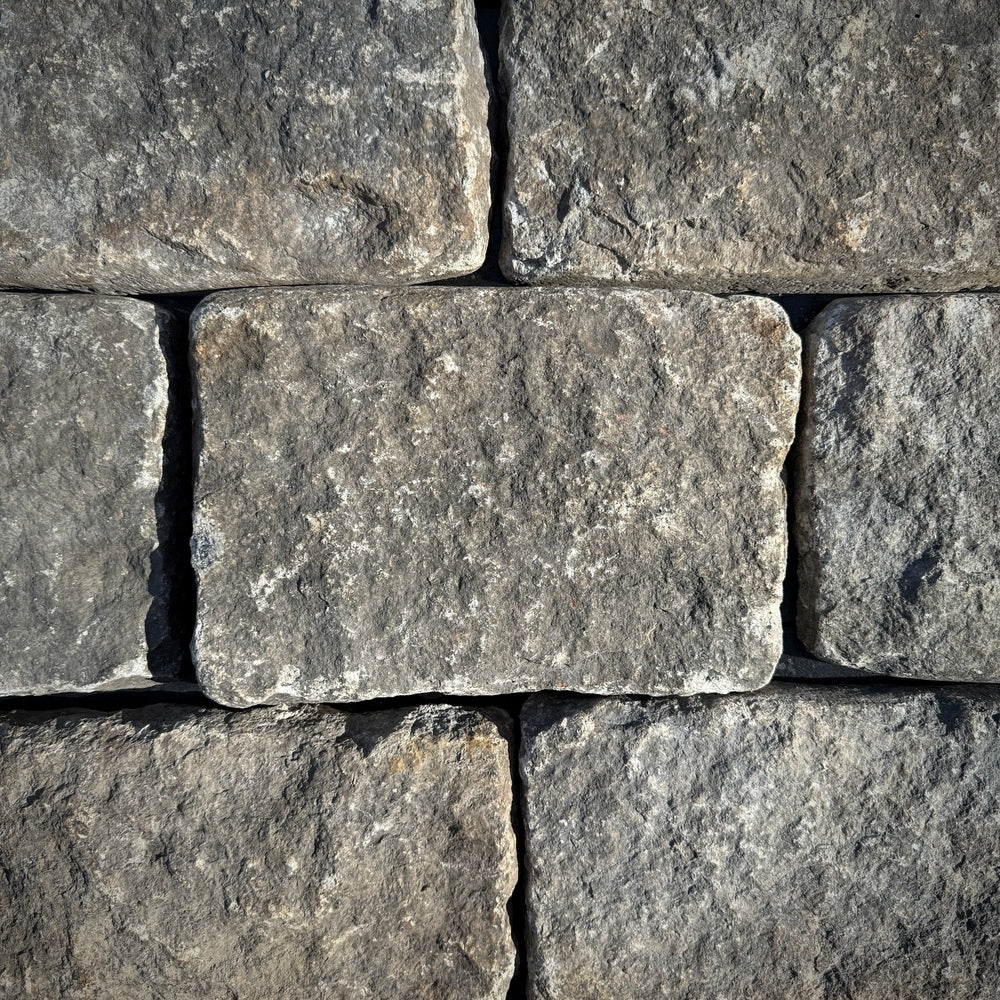
Old granite or basalt cobbles have rounded tops and plenty of texture. On their own they can feel a bit bumpy under furniture. But when you set them in "ribbons" or bands with planting gaps, the look turns soft and romantic.
Use strips of cobblestone with 4 to 6 inch spaces between, then fill the joints with soil and creeping plants. This kind of mixed surface is popular in many modern gardens because it lets you bring green right underfoot and soften hard lines. People often pair similar ideas with rustic accessories or stenciled signs for a cottage feel.
Good low growing joint plants include thyme, Irish moss, or creeping sedum. If your climate runs wet, choose species that handle moisture well so your path stays lush rather than muddy. This living ground cover acts as natural weed control and reduces upkeep.

3. Random Cobblestone With Crushed Stone Infill
Cobblestone pieces that are odd shaped or broken work beautifully in loose, random layouts. The trick is to treat the gaps as a feature instead of trying to force perfect joints. That is where crushed stone infill shines.
Lay your reclaimed irregular stones over a stable base, leaving even spacing between them. Then brush fine crushed stone or pea gravel into the gaps. Many pros like open graded bases for these types of surfaces because they allow water to drain freely through the joints, which helps reduce heaving in freeze and thaw cycles as covered in articles that discuss proper drainage.
This style works well for fire pit areas, side yard patios, and informal sitting spots that blend right into the planting beds. You get structure without losing that garden feel. It creates a textured walkway that feels organic.

4. Straight Walkways With Steps And Stone Borders
Yards with slopes or changes in elevation often feel chopped up until you knit them together. Reclaimed stone walkways with steps are one of the best fixes for that. You gain safe movement through the space and give it a stronger backbone.
Even simple runs of stone treads cut into a slope can reshape the way you use the yard. Writers at real estate and home sites point out that walkways with steps make yards more usable while improving curb appeal at the same time. This can serve as a functional stone retaining element.
You can build these runs from salvaged large stone slabs or thick reclaimed timbers if they are sound. For a more finished look, edge the steps and straight paths with smaller Belgian blocks or brick soldiers that guide the eye. Adding a nearby retaining wall with stone veneer can match the aesthetic.

5. Reclaimed Brick And Stone Mixes
Sometimes your supply of reclaimed stone is limited or mixed. Instead of seeing that as a problem, treat it as a chance to combine textures. Mixing materials has become common in high end projects where designers are always looking for fresh design ideas they can carry from one building type to another.
You can build a patio field out of old brick and set large reclaimed stone slabs as insets under key furniture pieces. Or flip the approach and use stone as the field with brick in bands or medallion shapes. This allows you to mix natural elements creatively.
The trick is to pick one "hero" material and treat the other as an accent. That keeps things grounded and avoids the jumble effect that sometimes happens when people dump everything they found at the salvage yard into one small patio. This approach works well with modern architecture or traditional homes.

6. Rustic Paths With Reclaimed Wood And Stone
Hard edges are not the only way to shape movement through a garden. Mixing reclaimed wood and stone can give you that woodland path look that many clients ask for now. It feels like something that might have always been there.
Some designers use sections of reclaimed wood planks as "sleepers" set between runs of small stones. Others cut weathered cedar fencing into shorter sections and place those like mini decks between clusters of cobblestones, an idea often seen in reclaimed wood projects such as the ones featured at Funky Junk Interiors. This creates a charming garden stepping experience.
If you like a bit of artistry, you can stencil words or simple graphics on some of those wood pieces using durable outdoor paints such as the ones from Fusion Mineral Paint, described in detail at Fusion Mineral Paint in Ash. It is an easy way to tuck personality into the path itself. This is a perfect DIY garden path concept.

Building A Solid, Drainage Friendly Base
The beauty of reclaimed stone means nothing if your base fails. Loose, heaving, or ponding surfaces will haunt you, and clients will blame the stone. Good prep fixes most of that before it starts.
Many contractors have moved to open graded bases for patios and walks because of how they drain and compact. Articles in industry and home media that cover landscape work highlight that open graded layers can be helpful in areas with frequent storms where proper drainage would otherwise be hard to manage. Using quality landscape fabric separates the soil from your base material.
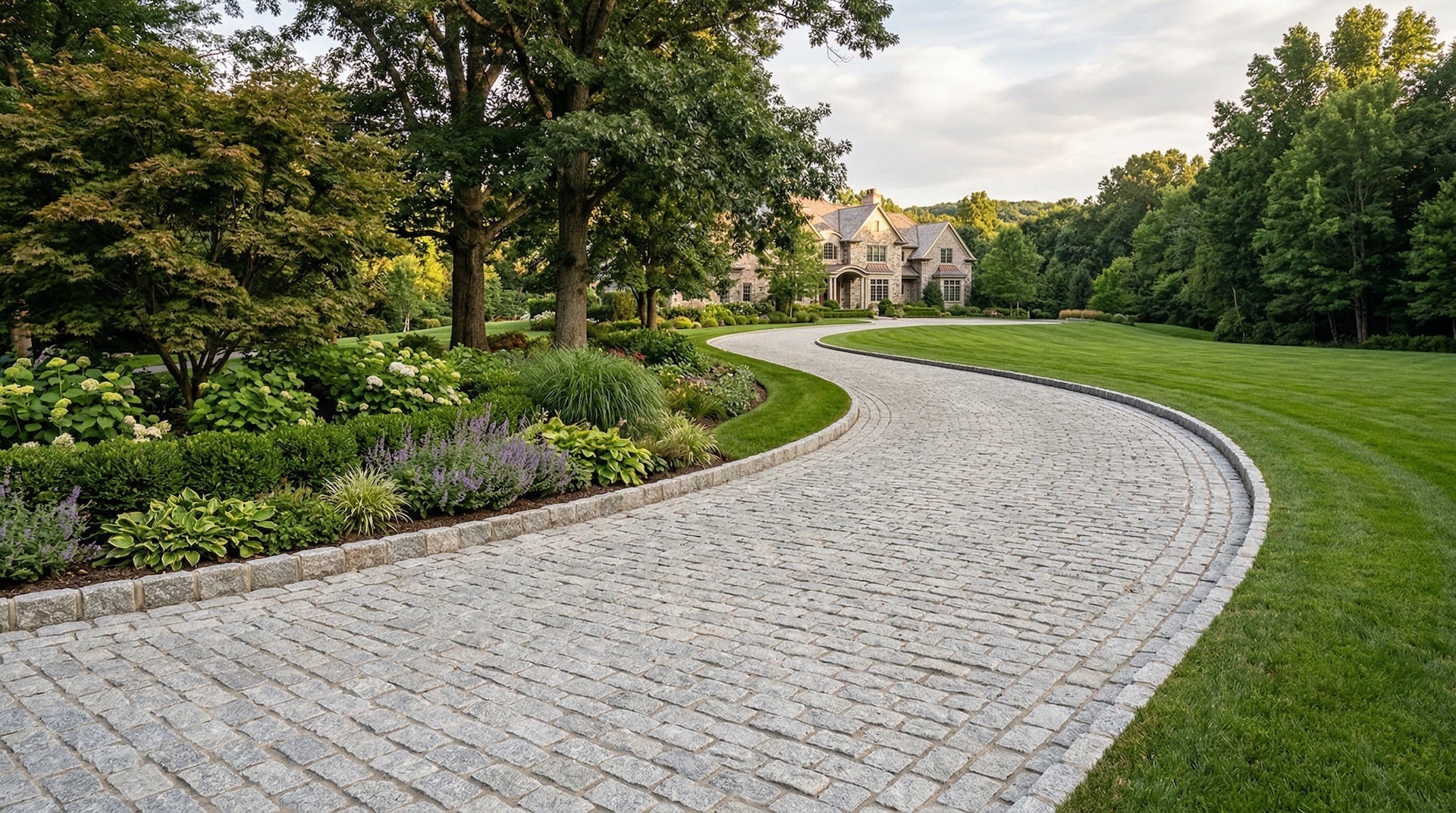
Think about the loads your surface will see. A light garden path can live on a thinner base. A driveway in reclaimed stone that must handle vehicles needs more depth and better edge restraint.
Suggested Base Layers For Typical Walks And Patios
| Use | Base Depth | Notes |
|---|---|---|
| Light garden path | 4 to 6 inches | Crushed stone base over compacted soil |
| Patio for furniture | 6 to 8 inches | Open graded base for better drainage |
| Driveway or heavy use path | 8 to 12 inches | Layered base with strong edge restraint |
This table is a guide, not a rigid rule. Local soil conditions and freeze depth should shape your choices. When in doubt, a bit more base and compaction pays off over time.
Styling Your Patio Around The Stone
Reclaimed patios feel even better once the furniture and lighting are right. You can ruin beautiful stone with the wrong furnishings. Or you can turn a small reclaimed space into a place guests refuse to leave.
If you want a softer lounge area, you can source comfortable outdoor sofas, low tables, and rugs from places that focus on patio furniture, such as the outdoor and patio sections listed at Houzz patio furniture. Pick frames and fabrics that pick up the tones in your stone rather than fighting them. This creates a cohesive outdoor living space.
Look at the best performing short term rentals online and you see a pattern. They layer textures and mix old and new pieces in simple ways. Some of those ideas are broken down into practical tips in this overview of design ideas borrowed from popular Airbnbs, which you can easily bring outside with throws, cushions, and soft lighting around your reclaimed patio. Define your seating area clearly to maximize comfort.
Lighting Ideas For Evening Drama
Stone shows its best face in angled, low light. Harsh overhead lighting washes it out. Use multiple smaller sources of light so surfaces can glow rather than blast.
Consider a mix of path lights, step lights set into risers, and subtle wall or fence lights around the patio. Outdoor rated fixtures like those in curated lighting sections of major decor sites such as the outdoor lights collection can give you both safety and atmosphere without overpowering the stone. Properly lighting walkway pavers improves safety at night.
If you want an easy win for clients on a budget, low voltage kits are simple to install and upgrade later. Focus light at the edges of the path or patio, not directly at people's eyes. This technique works well to create pathways that are safe and inviting.
Small Space Patio Ideas With Reclaimed Stone
Not every client has a big backyard. Some have tight urban courtyards, skinny side yards, or odd corners by the driveway. Reclaimed stone still works in these areas if you adjust your expectations.
Designers who live in compact city apartments are already pros at this kind of thinking. They squeeze storage, comfort, and style out of a few square feet. The same mindset runs through guides packed with small space design ideas for baths and other tight rooms.
On a small patio, focus on one main function instead of trying to do it all. Maybe it is a cafe table zone, or a reading corner, or a simple grill spot. Then choose stone sizes and patterns that match that single story.
Tricks That Make Reclaimed Patios Feel Bigger
- Run stone patterns in the direction of the longest dimension to stretch the space visually.
- Keep furniture light and movable, so the stone is visible and not fully covered.
- Use raised planters or slim borders to frame the patio instead of thick, bulky planting beds.
- incorporate geometric shapes to distract the eye from the small footprint.
Light colored stone or brick usually makes small spaces feel more open. Dark tones can be dramatic but work best when paired with good lighting and simpler furniture. Even small gardens can feel grand with the right layout.
Finishing Touches That Bring Everything Together
Once the stone is down and the furniture is placed, most spaces still need a few layers. Those small touches shift your project from "installed" to "lived in." This helps transform a basic yard into a natural garden oasis.
For clients who enjoy craft details, custom wood pieces painted with durable outdoor paints are a great fit. Some makers use long lasting paints similar to those highlighted at Fusion Mineral Paint for outdoor signs or small furniture that stand up well beside a stone patio. This adds a custom flair to your DIY garden.
Consider placing a small water features nearby to add sound and movement. The contrast between liquid water and solid stone is visually striking. It turns a simple walkway into a sensory experience.
How Pros, Homeowners, And Gardeners Can Work Together
Architects, landscapers, and homeowners all come to reclaimed stone projects with different goals. The best spaces come together when each person understands the others' priorities early on. It cuts stress and avoids waste.
Landscape contractors that focus on quality outdoor construction know the logistics that go into moving, cutting, and setting heavy reclaimed material safely. That knowledge makes it easier for designers to draw bolder plans and for homeowners to trust that those plans will work in real soil. They understand how to properly install stone paths.
Gardeners often see how people move through a space season by season. Listen to their feedback on where paths naturally want to be and where patios will actually get used. They notice which joints stay too wet, where roots push stones, and where more edging might be needed.
Homeowners can help by gathering inspiration early in the process. You can search search engines for images of historic streets or look at the Chief Bricks guides for construction tips. Sharing these visual goals helps everyone visualize the final stepping stone walkway ideas.
Conclusion
Reusing old brick, cobblestone, Belgian block, and salvaged slabs lets you create outdoor spaces that feel grounded from day one. The surface underfoot tells a story, and every chip, groove, and color shift adds to it. With good planning and a solid base, those Patio & Walkway Designs can stay strong and beautiful for decades.
Take your time picking patterns, materials, and furnishings that fit how the space will truly be used. Pull inspiration from curated project galleries, creative design ideas in other fields, and from the small space tricks that make tight yards feel generous. The goal is simple, create patios and walkways that feel honest to your home and welcoming to everyone who steps on them.
Whether you are an architect drawing your next plan set, a builder guiding a client, or a homeowner sketching on grid paper at the kitchen table, reclaimed stone gives you tools with real character. Start with one stone walkway ideas project, like a path or a small sitting area, if that feels easier. You can keep expanding over time, one weathered stone at a time, until your entire landscape feels connected and complete.


Share: