

You choose New York reclaimed cobblestones for their story, their strength, and their ability to make a driveway or walkway feel instantly established. The good news is that once they’re installed correctly, they don’t ask for much in return. With a few simple habits, you can keep your cobblestone surfaces looking authentic, functional, and safe for decades.
This guide walks through everyday care, seasonal maintenance, and what to do when life happens, like oil drips in the driveway or a loose stone along the edge.
Table of Contents
- Why New York reclaimed cobblestones are naturally low maintenance
- Routine care: weekly and seasonal habits
- Keeping joints tight and surfaces level
- Cleaning stains without damaging the stone
- Should you seal reclaimed cobblestones?
- Winter care: snow, ice, and de-icing products
- When to call a pro vs DIY fixes
Why New York reclaimed cobblestones are naturally low maintenance
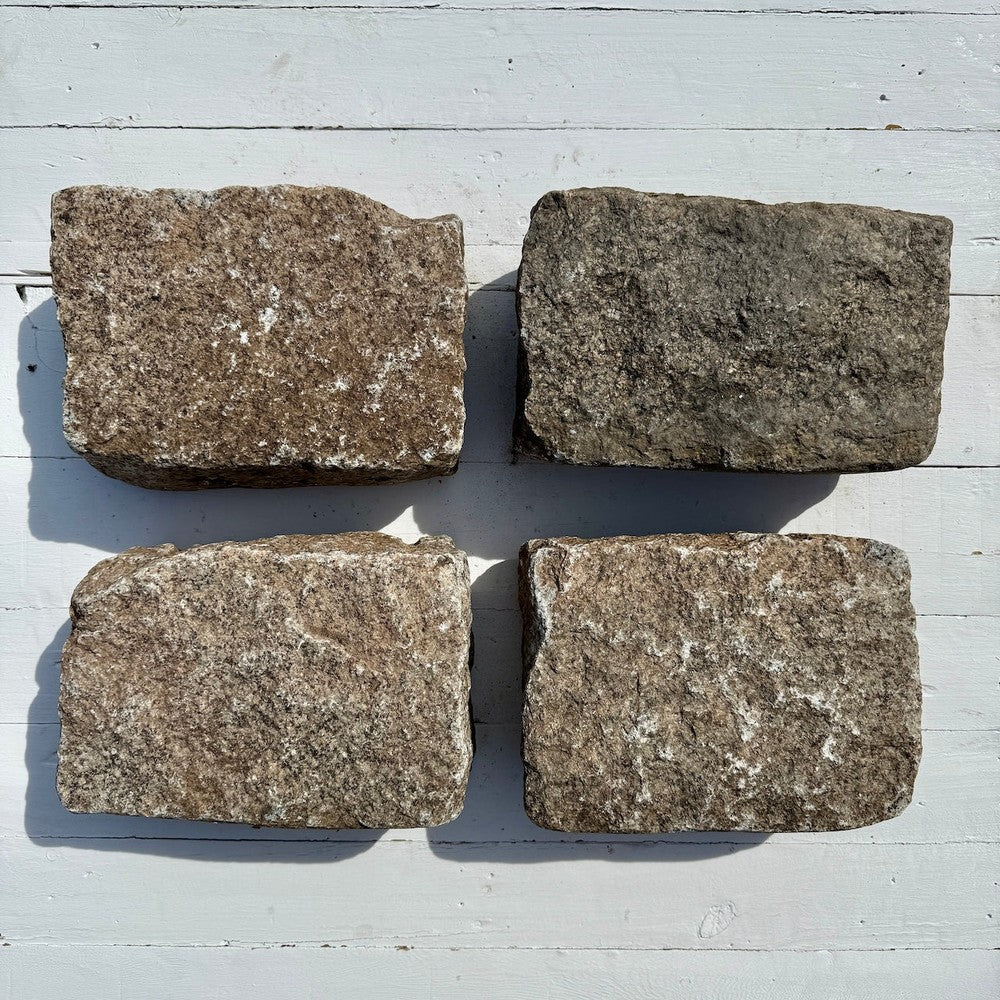
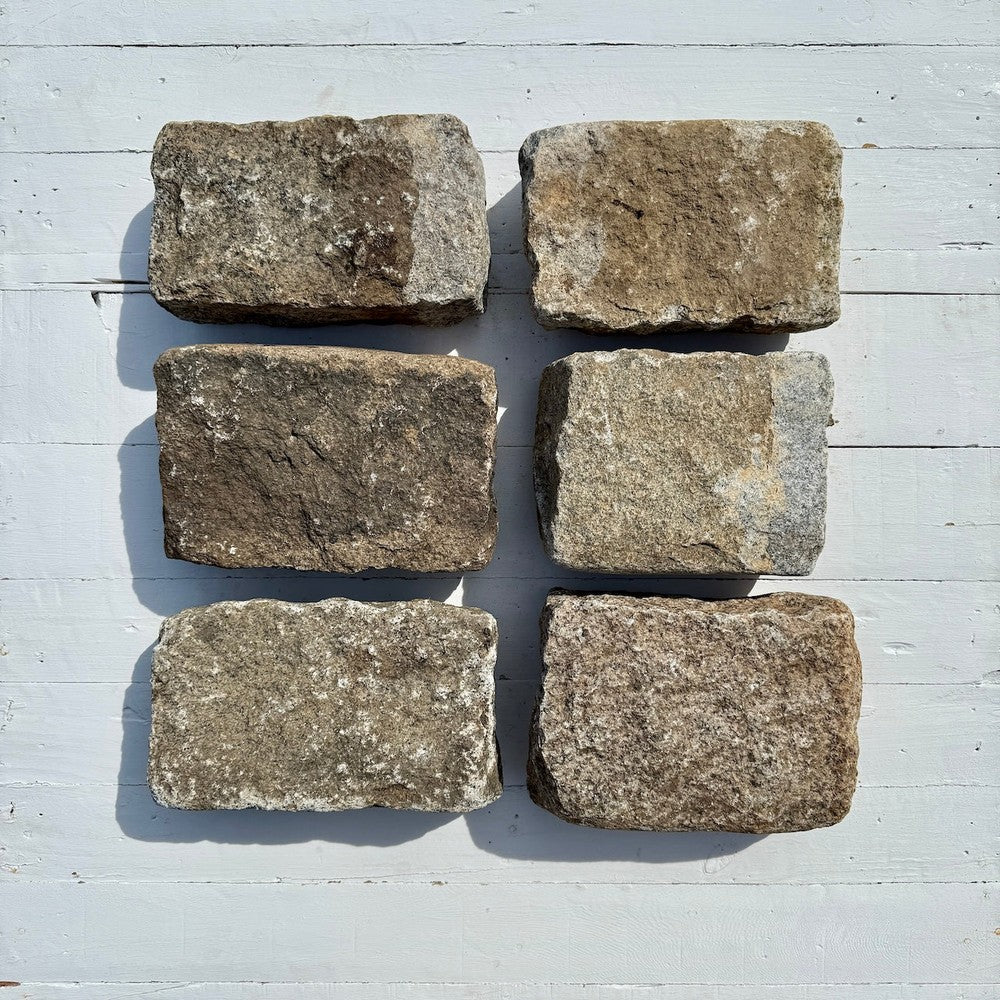
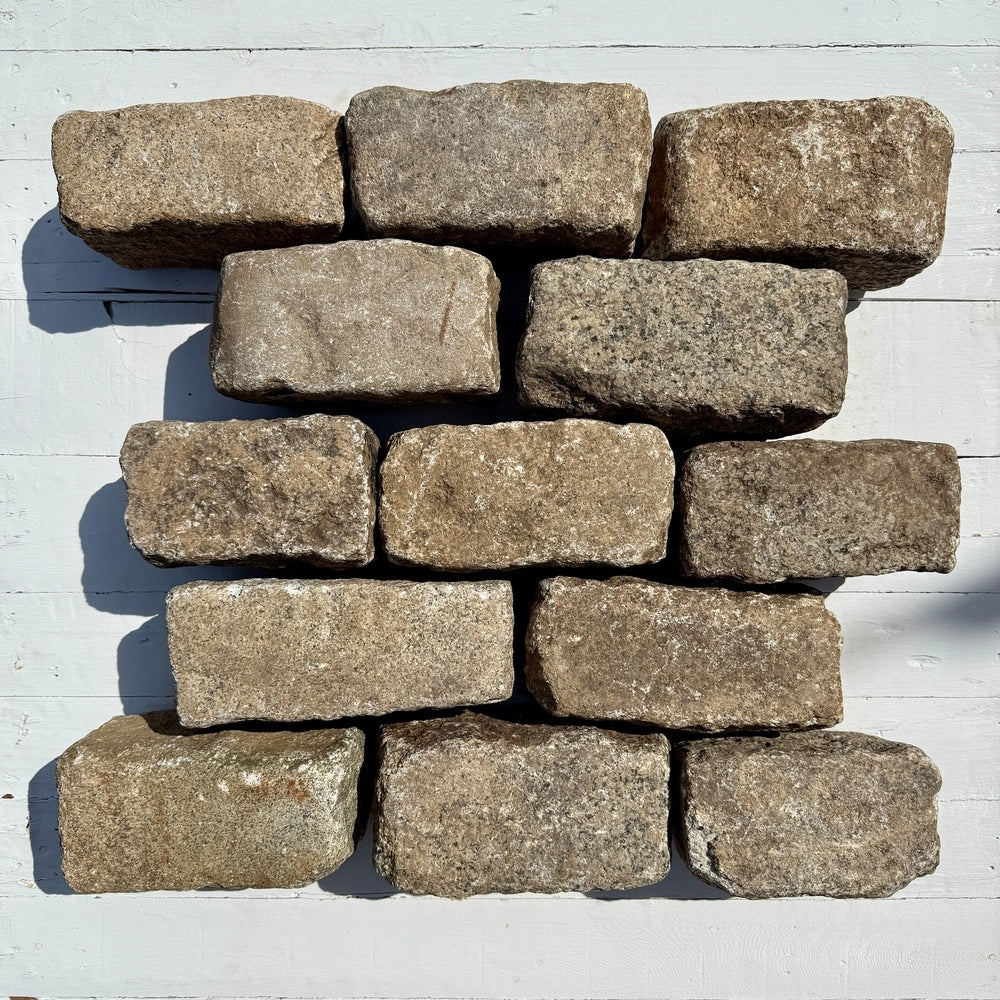
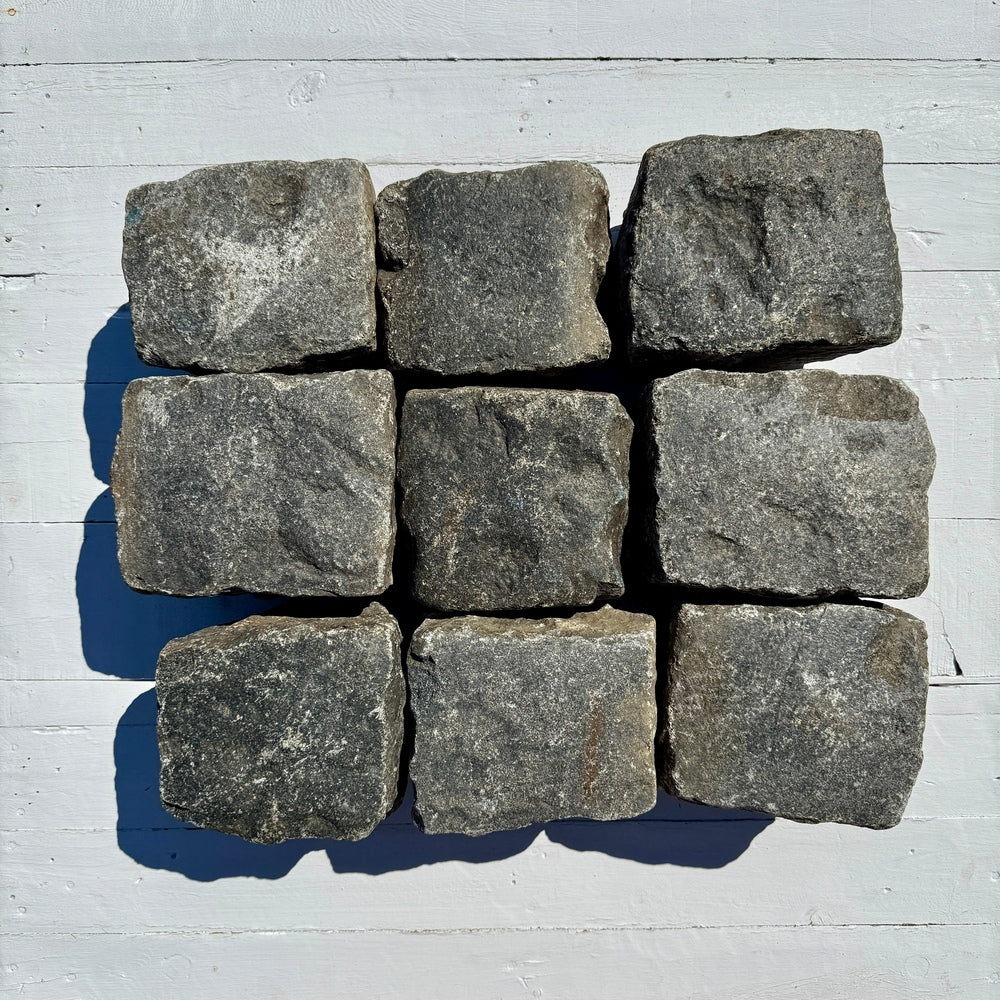
New York reclaimed cobblestones have already done the hard work. They’ve spent decades in busy streets, truck yards, and industrial sites, enduring freeze–thaw cycles, heavy loads, and constant traffic. By the time they reach your driveway or patio, they are proven performers.
Because they are typically granite or other dense stone, they resist chipping, spalling, and surface wear. They don’t flake like concrete, and they don’t fade the way many manufactured pavers do. Once they are set on a solid base, your main job is to keep the surface clean, protect the joints, and let the stone do what it does best: last.
Routine care: weekly and seasonal habits
Everyday maintenance for reclaimed cobblestone should be simple. You’re not polishing a showroom floor; you’re preserving a working surface with real history. A few small habits go a long way.
Weekly or as-needed tasks
- Sweep debris off the surface to keep leaves, soil, and organic matter from sitting in the joints.
- Rinse with a garden hose for general dust and dirt. Low to moderate pressure is usually enough.
- Spot-check high-traffic areas near garage doors, entrances, or parking spots for early signs of joint loss or movement.
Seasonal tasks
- Deep clean in spring after snow and de-icing products. A broom, mild detergent, and hose typically do the job.
- Remove weeds or moss in and around joints. Pull them by hand or use a gentle, stone-safe treatment.
- Inspect edges and transitions where cobblestone meets asphalt, concrete, or lawn, and address any settlement or gaps.
Think of it like looking after a classic New York building façade: you don’t change the character; you simply keep nature and neglect from taking over.
Read more on Removing Weeds Between Cobblestones: Best Practices Guide.
Keeping joints tight and surfaces level
The stone rarely fails; the support system around it does. Most cobblestone “issues” you’ll ever see are about joints opening up or individual stones settling slightly over time.
Maintaining joints
Joints do two jobs: they lock the cobblestones together and help manage water. When joints stay full and compacted, the surface feels more stable underfoot and under tire.
- Top up sand or joint material every few years or as needed, especially in drive lanes and turning zones.
- Use the right joint material for your climate and application: traditional sand, polymeric sand, or permeable joint media.
- Compact after filling using a plate compactor with a protective mat or by firmly tamping smaller areas by hand.
Fixing a settled stone
If one or two cobblestones sit low or rock when stepped on, it’s usually an easy fix:
- Lift the affected stones carefully.
- Adjust and re-compact the bedding layer beneath.
- Reset the stones, making sure they align with adjacent pieces.
- Refill and compact the joints around them.
Addressing small issues early keeps the whole surface feeling solid and smooth, while preserving the natural variation that people love about cobblestone.
Cleaning stains without damaging the stone
Real life happens on cobblestone: cars park, grills flare up, kids spill drinks. The key is to respond thoughtfully instead of aggressively.
General dirt and grime
- Start with water and a stiff bristle broom. Often, that’s enough.
- Add a mild, pH-neutral detergent for tougher grime. Rinse thoroughly so no residue is left behind.
Oil and grease spots
- Blot fresh spills with absorbent material rather than smearing them.
- Use a stone-safe degreaser and a brush, working in small sections.
- For stubborn stains, consider a poultice designed for natural stone instead of harsh acids.
Organic stains (leaves, berries, rust)
- Remove the source quickly so it doesn’t linger on the surface.
- Clean gently with water and mild detergent first.
- If needed, use a cleaner specifically labeled for natural stone and the type of stain you’re dealing with.
Avoid overly aggressive power-washing settings or harsh chemicals. The goal is to clean the stone while protecting its historic patina.
Should you seal reclaimed cobblestones?
Sealing is optional with reclaimed granite and dense natural stone, and the “right” answer depends on how you use the surface and how you want it to look. Many homeowners love the natural, unsealed appearance and lean into the way it ages.
Reasons to consider sealing
- Extra stain resistance in high-risk areas such as busy driveways or outdoor kitchens.
- Easier cleanup of oil drips, food spills, or leaf stains.
- Enhanced color if you prefer a slightly richer, wet-look finish (with the right product).
Reasons to skip sealing
- You want to preserve the most natural, historic appearance.
- Your surface is primarily pedestrian and not exposed to heavy staining.
- You prefer a very low-intervention approach and don’t want to reapply sealer over time.
If you do choose to seal, always use a product formulated for natural stone, follow the manufacturer’s instructions, and test a small, inconspicuous area first.
Winter care: snow, ice, and de-icing products
New York reclaimed cobblestones are no strangers to winter. They were originally set in climates that see snow, salt, and freeze–thaw cycles every year. With a few best practices, they continue to perform well in residential settings.
Snow removal
- Use a plow with a rubber or polyurethane edge or set the blade slightly above the surface to avoid catching high points.
- Shovel with a plastic shovel instead of metal when possible, especially on smaller walkways.
- Clear snow early and often to keep ice from bonding to the surface.
De-icing tips
- Use stone-safe de-icing products and follow application guidelines.
- Avoid excessive use of harsh chemicals that can impact surrounding landscaping and joint materials.
- In transitional seasons, consider sand for traction in high-traffic spots instead of more chemicals.
After winter, a good rinse and a quick inspection of joints and edges will get your cobblestone surfaces ready for spring and summer use.
Read more on How to De‑Ice Granite Steps Safely in The Winter.
When to call a pro vs DIY fixes
Part of “low maintenance” is knowing when a quick DIY fix is enough and when a trained crew should step in. Most homeowners can handle routine cleaning and small adjustments, but certain situations benefit from professional help.
Good DIY projects
- Regular sweeping, rinsing, and seasonal cleaning.
- Topping up joints with sand in small to medium areas.
- Resetting one or two stones that have settled slightly.
- Spot-treating minor stains with stone-safe cleaners.
Situations for a professional
- Widespread settlement or rutting in drive lanes.
- Drainage issues, standing water, or ice-prone spots caused by slope problems.
- Large-scale joint failure across big areas.
- Major stain removal where aggressive treatment might be needed.
When your base is solid and the stone is correctly installed, these bigger issues are rare. That’s the real advantage of choosing historic, reclaimed cobblestone: you invest up front, then enjoy a surface that needs attention, not constant work.
If you’re planning a new project or want to refresh an existing one with New York reclaimed cobblestones, our team can help you choose the right sizes, patterns, and details so your surface looks great and stays low maintenance from day one.
Learn more about Cobblestones.




Share: