

If you are looking at granite treads right now, you are likely weighing style against how much work this project will be over the next few decades. You want stairs and landings that look solid and high end, but you also do not want to be calling a contractor every spring to fix cracked concrete or warped wood. A granite tread gives you that stone permanence architects love and homeowners trust, with the kind of finish that still looks sharp after a harsh winter.
Whether you design streetscapes, run a landscape crew, or just want your front entry to feel grounded and safe, a granite tread can be that simple move that changes the whole project. Once you understand sizes, edge finishes, bases, and how people actually use those stair treads every day, it becomes a lot easier to specify the right material. This approach helps you get the install right the first time.
Incorporating natural stone into your outdoor living design elevates the entire property value. It connects the hardscape to the landscape in a way that manufactured products simply cannot match. From a simple garden path to a grand entrance, granite remains a top choice.
Table of Contents:
- What A Granite Tread Actually Is
- Why Designers Choose Granite Tread Over Other Step Materials
- Key Specs Architects and Builders Watch With Granite tread
- Popular Uses For Granite Tread That Actually Work
- Enhancing the Outdoor Aesthetic
- How To Plan A Granite tread Stair Run
- Practical Installation Tips For Long Lasting Granite Steps
- Accessibility And User Comfort With Stone Steps
- Granite tread, Reclaimed Materials, And Design Character
- Cost And Lifecycle Thoughts For Granite Steps
- Who Granite Steps Are Right For
- Conclusion
What A Granite Tread Actually Is
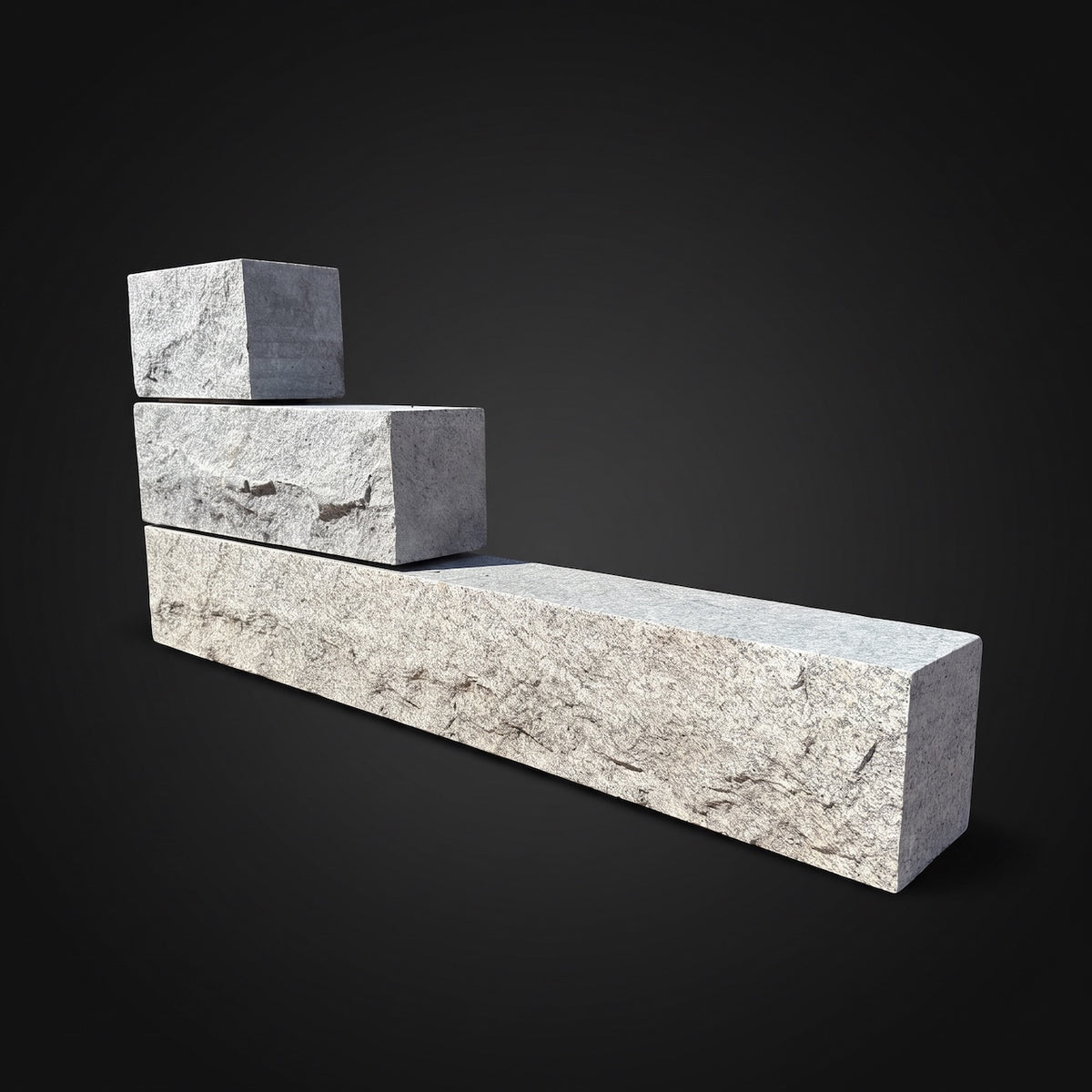
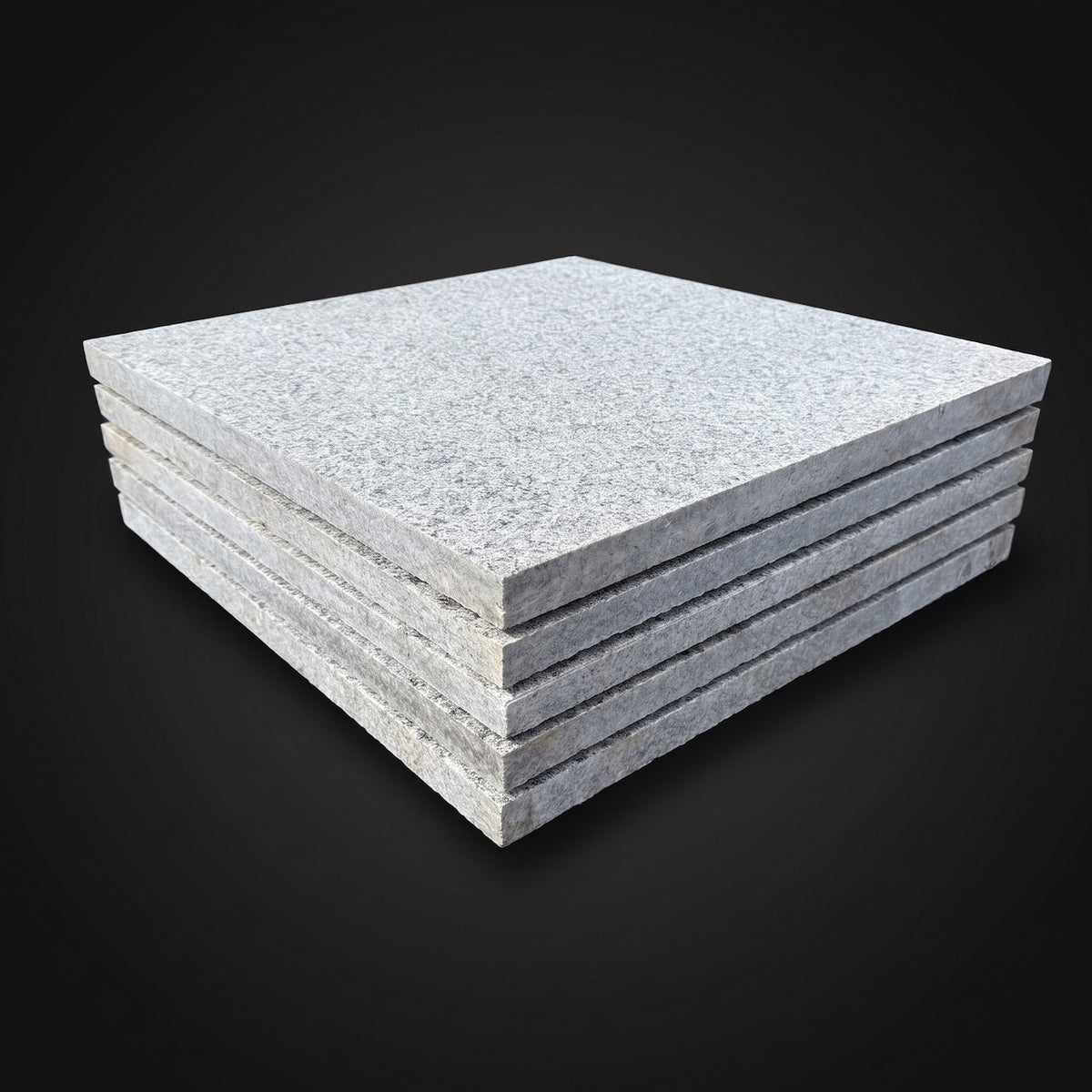
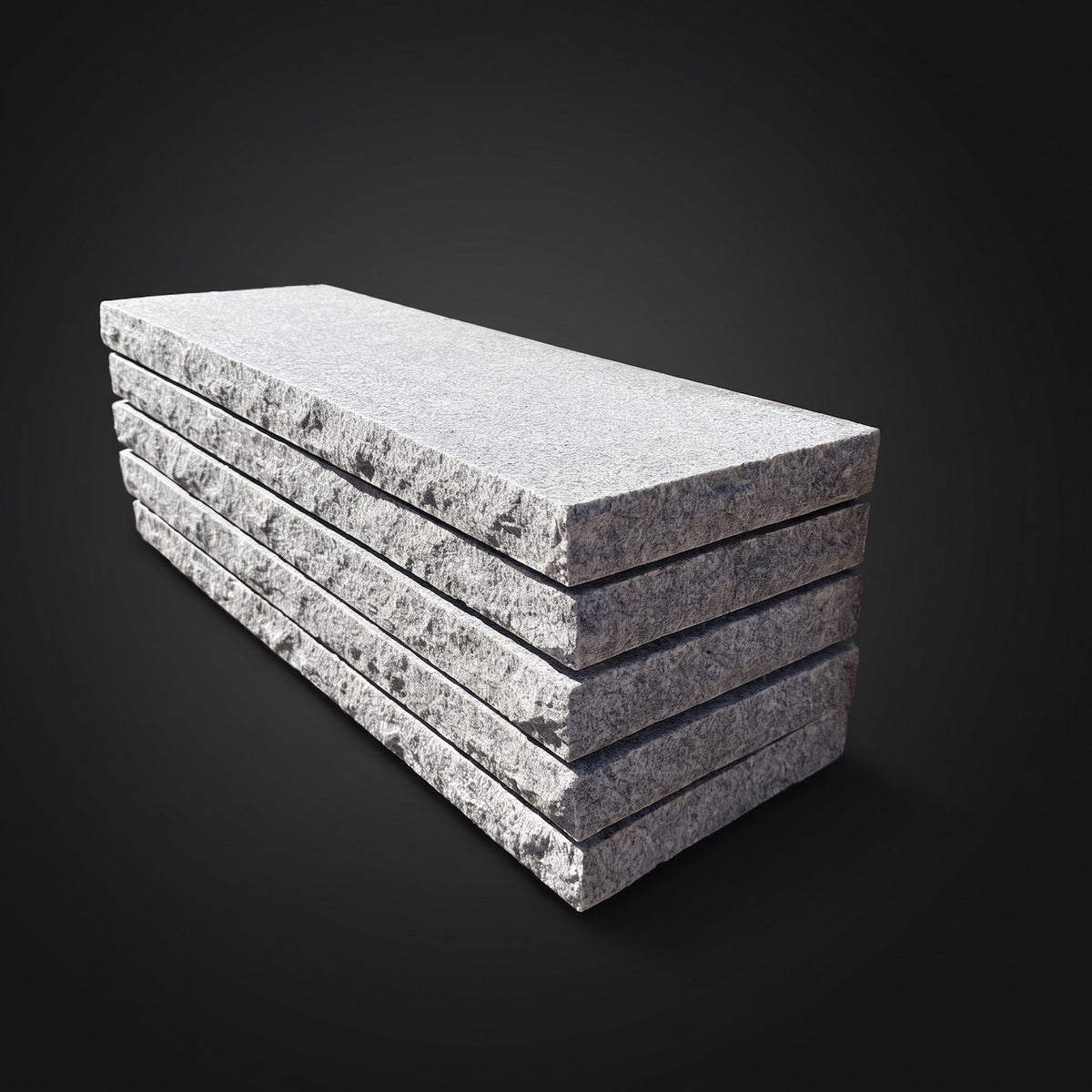
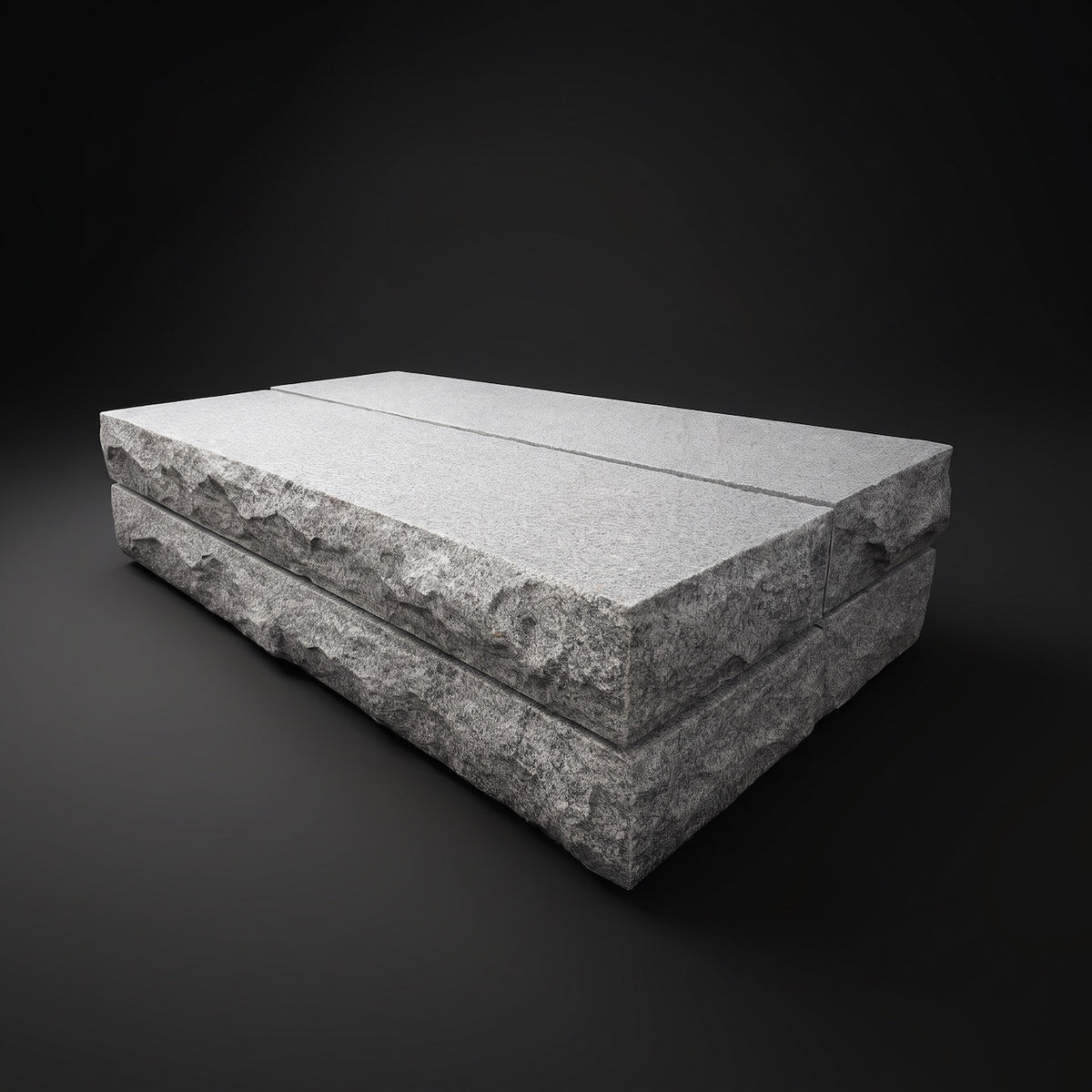
Granite treads are thick stone slabs cut for use as stair steps, landings, and caps. They are denser and stronger than poured concrete or many other stones, so they hold up very well in outdoor settings with heavy use. Because it is a natural product, each piece has distinct character while maintaining structural integrity.
Architects tend to specify granite where they expect long term traffic and low maintenance, while landscapers like the weight and durability for stoops, pool surrounds, and transitions in grade. For homeowners, the appeal is often more emotional. Real stone steps instantly make an entry / curb appeal project feel permanent and cared for.
You will find these materials at Chief Bricks. At Chief Bricks, we understand the specific needs of regional climates. We stock the heavy-duty materials required for lasting construction.
Why Designers Choose Granite Tread Over Other Step Materials
Every step material is a trade off between budget, maintenance, and aesthetics. Granite treads sit near the top of that chart for lifespan and stability. It outperforms manufactured stone in almost every durability metric.
Strength and weather resistance
Granite is an igneous stone that formed under pressure, which gives it very high compressive strength. It stands up to deicing salts, freeze thaw cycles, and foot traffic far better than many concrete mixes and most bricks used on their edge. It is an investment that pays off over decades.
At Chief Bricks, we lean on this material for steps and landings in northern climates for that exact reason. The stone surface may weather and gain patina, but it does not break down the way poured products often do. This durability makes it superior to softer stone pavers for stair applications.
Slip resistance and safety
A common concern for stone steps is slip resistance. The good news is, a thermal or flamed finish on granite creates a lightly textured surface that grips shoes and drains water away. This is far safer than smooth porcelain pavers when the weather turns wet or icy.
This matters a lot for outdoor stair runs near driveways and sidewalks. Pairing that texture with a clear, consistent nosing on every tread gives people visual cues. This helps reduce trips on dim days.
Low long term maintenance
Once a granite tread run is properly installed on a solid base, the day to day care is simple. Most projects just need sweeping and an occasional rinse to clear dirt and organic growth. You do not need to apply sealers every few months years like you might with wood.
You will rarely be patching, repainting, or resurfacing the stone itself. For pros used to getting callbacks on wood rot or concrete scaling, that shift alone can save a lot of time and frustration. It allows you to focus on other aspects of the outdoor living / backyards design.
Key Specs Architects and Builders Watch With Granite tread
If you are specifying treads on a plan, certain dimensions drive both comfort and code. Granite makes it easy to hit these with factory sawn sizes. Large pieces can also mimic the look of large format pavers for a modern aesthetic.
| Spec | Typical Range | What It Affects |
|---|---|---|
| Thickness | 2 in for single treads | Span, load capacity, visual weight |
| Tread depth | 12 in to 18 in | Walking comfort, code compliance |
| Length | 3 ft to 8 ft | Number of joints, layout options |
| Finish | Thermal, sawn | Slip resistance, appearance |
| Edge detail | Sawn, rock faced, eased | Style, comfort underfoot |
Popular Uses For Granite Tread That Actually Work
It is one thing to know granite is strong. It is another to see where it really shines in daily use. From the outdoor kitchen to the front curb, the applications are vast.
Front entry stairs and stoops
Front entries set the tone for a property. Granite treads here can replace crumbling poured steps or outdated brick that traps moisture. It instantly boosts curb appeal.
Designers often float treads slightly over a masonry base to get clean shadow lines and a feeling of lift. Homeowners notice this first, long before they look at the siding or windows. It anchors the entry / curb design effectively.
Terraced gardens and landscape transitions
Landscape architects often work on lots with big grade changes. Granite treads let you turn that slope into usable space. They pair beautifully with wall stone and wall caps.
You can build wide, shallow steps across a hill and tie them into retaining walls made from reclaimed cobblestone or block. Gardeners get safe footing and places to sit, and the site drains better as well. Adding pillar caps to nearby columns creates a unified look.
Pool decks and backyard paths
A thermal finished Granite tread handles wet feet around pools much better than smooth poured surfaces. That texture adds confidence where you have running kids and quick movements. It serves as excellent pool coping.
Long slabs also make handsome bridge pieces between patios or across narrow drainage features. They create clear walking routes without chopping the design into many small joints. This approach works well with pattern pavers in the surrounding deck.
Public spaces and civic work
For municipal projects, granite is almost a default choice for big stair runs and seat walls. Cities care about lifecycle cost more than short term savings, and they want a material that still looks right thirty years out. You will often see granite curbing used alongside these steps.
Many established stone companies talk about this kind of durability and heritage on their background pages, like the long view you see on a producer history page at this granite supplier history. That same mindset carries into the choice to use granite steps in busy plazas. This commitment to quality is evident in every Swenson Granite project.
Enhancing the Outdoor Aesthetic
Granite treads do not exist in a vacuum. They are part of a larger visual language in your yard. You can create a cohesive theme by incorporating other granite features.
Complementary Stone Features
Consider lining your walkway with granite lamp posts. These sturdy fixtures resist the elements and match the steps perfectly. A granite lamp post stands straight through winter storms, unlike aluminum alternatives.
For a touch of charm, you might add hitching posts near the driveway or granite posts to mark the property line. In the garden, stone bird baths attract wildlife and serve as focal points. Stone bird baths made from granite are heavy enough not to tip over in the wind.
Stone benches offer a place to rest and admire the garden. Placing a granite bench near your granite steps ties the hardscape together. This attention to detail defines high-quality outdoor living / spaces.
Mailboxes and Veneer
Your granite mailbox is often the first thing people see. Granite mailbox posts provide a stately introduction to your home that matches your front steps. This consistency from the street to the door creates a high-end feel.
If you are facing the risers of your steps or the foundation of your house, consider using stone veneer. The veneer series from many suppliers offers thin stone that matches the treads. The estate veneer series is particularly popular for a robust, luxurious look. You might also check out estate veneer options for covering concrete retaining walls.
How To Plan A Granite Tread Stair Run
You do not have to overcomplicate step planning, but there are a few pieces you do not want to skip. Get these right on paper first, then bring in stone. Utilizing this project planning resource can streamline this.
1. Measure the total rise and run
Measure from the finished lower surface to the finished upper landing to get total rise. Then decide on a comfortable riser height, usually between 6 inches and 7.5 inches for exterior work.
Divide total rise by that height to find the number of risers. Each riser will pair with one Granite tread, except at top landings, so this gives you your tread count fast.
2. Choose tread depth and layout
Next, pick a tread depth that works for the site and use. Deeper treads, in the 14 to 16 inch range, feel very generous and work well for formal entries.
Shallower depths save space and suit side yards or utility steps. Think about handrail placement here as well, so your treads give enough foot room on both sides.
3. Plan your base
Granite treads will only perform well if they sit on a stable base. Chief Bricks recommends either a properly poured concrete pad or a carefully compacted gravel base.
You can find clear illustrations and step by step instructions on both methods in dedicated prep documents.
4. Work through a step worksheet
Even seasoned builders miss small details from time to time, like overlap at the top threshold or how a bottom step meets pavers. This is where a checklist is helpful.
A detailed granite step worksheet will help you collect your rise, run, base, and tread data in one place.
Practical Installation Tips For Long Lasting Granite Steps

Getting granite from truck to finished stairs can look simple on paper. In practice, a few field habits make the difference between rock solid and slow settling problems. Correct installation affects the entry / curb longevity.
Mind the base compaction
If you are using a gravel pad under the granite tread, take your time with lifts and compaction. Loose or uneven fill leads to rocking steps and cracked joints down the road.
Follow the depth and material guidelines in gravel prep documents like the visual gravel pad preparation overview, which walks through material layers and basic tools. This applies whether you are using standard or large format pavers.
Check pitch for drainage
Each tread should pitch very slightly forward, enough that water moves off the surface rather than sitting near the riser. Too much pitch feels awkward to walk on, so aim for a gentle fall.
This small detail has a big impact in freeze thaw climates, since standing water near joints tends to open up gaps over time. Proper drainage is critical for natural stone.
Protect edges during placement
Even tough granite can chip if it hits another stone on a sharp corner. Use padding or wood blocks when setting treads, and keep pry bar contact off the arris of the stone.
Once they are seated and joints are packed or mortared, they handle impact much better than during that short install window. This care preserves the look of the stone veneer or base material below.
Accessibility And User Comfort With Stone Steps
For any project open to the public, you have more than aesthetics to think about. Accessibility, clear navigation, and user comfort all come into play.
Granite treads work best as one part of a bigger access plan that may include ramps, handrails, and high contrast nosing details. Getting riser heights consistent and landings wide enough for safe turns helps everyone, not just those with limited mobility.
Granite tread, Reclaimed Materials, And Design Character
One design trick that works very well for both residential and civic work is pairing crisp new granite tread with reclaimed materials. For example, granite steps can sit on walls made from old bricks or reclaimed cobblestones to give a project more warmth and story.
This mix tells visitors that the space respects age but still offers clean function where it counts. The treads carry the load and safety needs, while the reclaimed pieces soften the feel. This works well for large projects seeking a historic look.
Architects often repeat this approach at entries, garden terraces, or around fire features, because it fits both classic and modern designs without feeling forced. It creates distinct project inspiration.
Cost And Lifecycle Thoughts For Granite Steps
Up front, granite treads usually cost more than poured concrete and some manufactured products. That gap can cause sticker shock if you only look at first cost. However, comparing it to the replacement costs of manufactured stone changes the perspective.
Over time, though, most of the savings show up in the quiet years where you are not patching or replacing failed steps. Cities and institutions understand this well and pick granite as a standard for many projects because of its service life. They know the material will last months decades without failure.
If you need to build a budget or compare options, start with current price information from a producer price list, like the one shown with images and general ranges in the granite products price list. Then map that against expected lifespan and any recurring maintenance line items for other materials.
Who Granite Steps Are Right For
By now, you likely have a sense of whether granite steps are your match, but it helps to say it plainly. This material makes the most sense for people and projects that care about long service, safety, and a strong visual statement.
Architects gain peace of mind specifying granite treads on high traffic paths, school entries, and civic plazas, since the risk of failure stays low. Homeowners get to stop worrying about cracking and flaking front steps and can focus on planting or lighting around them.
Landscapers and builders get one more solid product in their toolbox, something they can stand behind in a way that aligns with long term thinking you see stressed in many stone company mission and sustainability statements, like the values shown on this granite producer sustainability overview. Looking at project inspiration / galleries can confirm if this style fits your client's vision.
Conclusion
Granite treads solve a problem that most of us feel even if we do not always name it. We want entries, walks, and terraces that feel rooted and safe year after year, not surfaces that age badly or need constant attention. Whether you are building a new outdoor living / area or fixing an old walkway, granite delivers.
By choosing the right thickness, finish, and base, and by leaning on tools like price guides, prep manuals, and step worksheets, you turn what can feel like a big stone project into a clear, manageable process. You get to enjoy that satisfying sound underfoot every time someone climbs those granite tread steps. You can know you built something that will be there for the next owner, and maybe the one after that.
Share: