
Some materials simply do their job. Others quietly change how you feel every time you walk through the door. Reclaimed brick and cobblestone fall into that second category. They don’t just build walls and walkways for homes in New York City and the Hudson Valley, they build comfort, calm, and long-term value into your everyday life.
Whether you live in a Brooklyn brownstone, a Tennessee farmhouse, or a villa in California, choosing reclaimed materials is one of the most powerful ways to create a home you’ll still love 10, 20, even 50 years from now.
Table of Contents
- Love at First Sight: The Emotional Impact of Patina
- How Reclaimed Masonry Supports a Happy Everyday Life
- Choosing Materials That Love the Environment Back
- Built to Last: Long-Term Value for New York Homes
- Where to Use Reclaimed Brick and Cobblestone in Your Home
- How to Start Your Project with Chief Bricks
Love at First Sight: The Emotional Impact of Patina
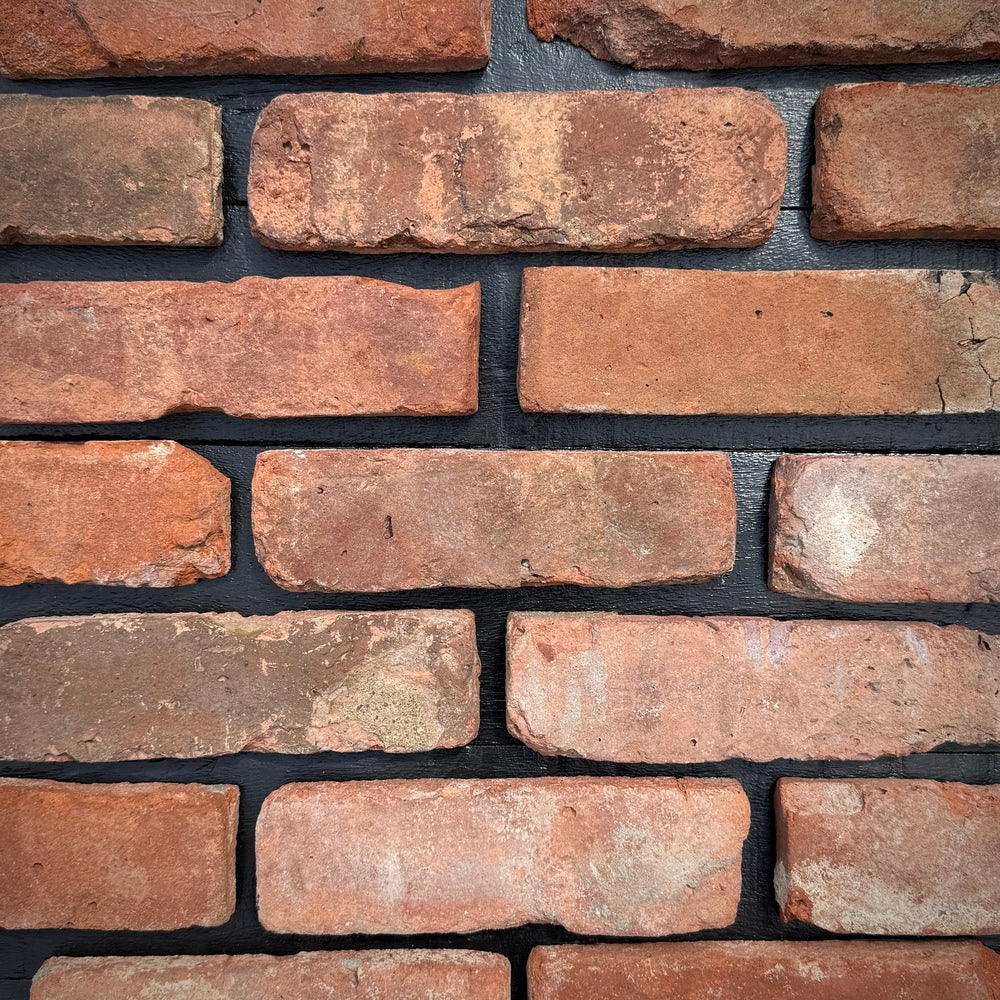
There’s a reason reclaimed brick walls and old cobblestone streets feel so instantly inviting. The softened edges, color variation, and gentle imperfections calm the eye in a way perfectly smooth, factory-fresh materials never do.
In New York and the Hudson Valley, reclaimed brick carries the story of historic row houses, factories, and warehouses. When you bring those bricks into your living room, kitchen, or garden, you’re not just adding texture, you’re adding a sense of continuity and belonging. Your home feels rooted, not temporary.
That emotional layer matters. A reclaimed brick feature wall behind your sofa, a brick arch in your kitchen, or a reclaimed cobblestone path to your front door creates a daily “moment of arrival.” It turns ordinary routines, coming home from work, making coffee, letting the dog out, into small rituals that feel grounded and memorable.
How Reclaimed Masonry Supports a Happy Everyday Life
A happy home isn’t just about big design gestures. It’s about how your space behaves on an ordinary Tuesday. Reclaimed materials quietly take care of you in the background.
Because reclaimed brick and cobblestone already have a life behind them, they’re incredibly forgiving. A bit of dust, a scuff from a boot, or a splash from a drink doesn’t scream for attention. The variation in tone and texture hides everyday wear, which means less stress about keeping every surface flawless.
In high-traffic New York households, kids, guests, pets, deliveries, this is a game changer. A reclaimed brick mudroom floor, a cobblestone entry court, or a brick kitchen floor lets you relax. Instead of tiptoeing around delicate finishes, your home can actually be lived in.
The result is subtle but important: you spend more time enjoying your home and less time worrying about it. That ease is a big part of what “happy living” really looks like.
Choosing Materials That Love the Environment Back
In a dense region like New York and the broader Hudson Valley, every material choice adds up. Reclaimed masonry is one of the most straightforward ways to lower the environmental impact of your project.
When you choose reclaimed brick or cobblestone, you’re extending the life of materials that have already been fired, transported, and installed once. Instead of sending them to a landfill and producing brand-new units, you’re keeping that embodied energy in circulation.
For homeowners focused on sustainability, this matters as much as aesthetics. Reclaimed brick and stone can support green building goals, reduce waste, and help align your renovation or new build with long-term environmental values, all while looking timeless in a New York streetscape or Hudson Valley landscape.
And unlike many trendy finishes made from plastics or short-lived composites, brick and stone remain stable, inert, and beautiful for decades. Choosing them is a commitment to a healthier material palette for both your home and the planet.
Built to Last: Long-Term Value for New York Homes
In markets like Massachusetts, New Jersey, Maryland, California, Washington, Tennessee, Texas and Connecticut long-term value is always part of the conversation. The materials you choose today shape how your property is perceived and how it performs years down the line.
Reclaimed brick and cobblestone have already proven their durability. They’ve stood up to freeze–thaw cycles, snow, summer heat, and foot or vehicle traffic for decades. Bringing those materials into your project is like choosing fixtures that arrive pre-tested by the city itself.
From a value standpoint, brick and stone send a strong message: permanence, quality, and care. A reclaimed brick façade, stoop, or garden wall immediately elevates curb appeal. A reclaimed cobblestone driveway or courtyard instantly feels more established than poured asphalt or standard pavers, especially in historic neighborhoods or older suburbs.
Because these materials age gracefully instead of going out of style, they help protect the character of your home in a way that trend-driven finishes can’t. That long view is especially important if you plan to hold your property, pass it down, or eventually sell into a competitive New York market.
Where to Use Reclaimed Brick and Cobblestone in Your Home
You don’t need to rebuild your entire house in reclaimed materials to feel the difference. Strategic placements can transform both the mood and the value of your space.
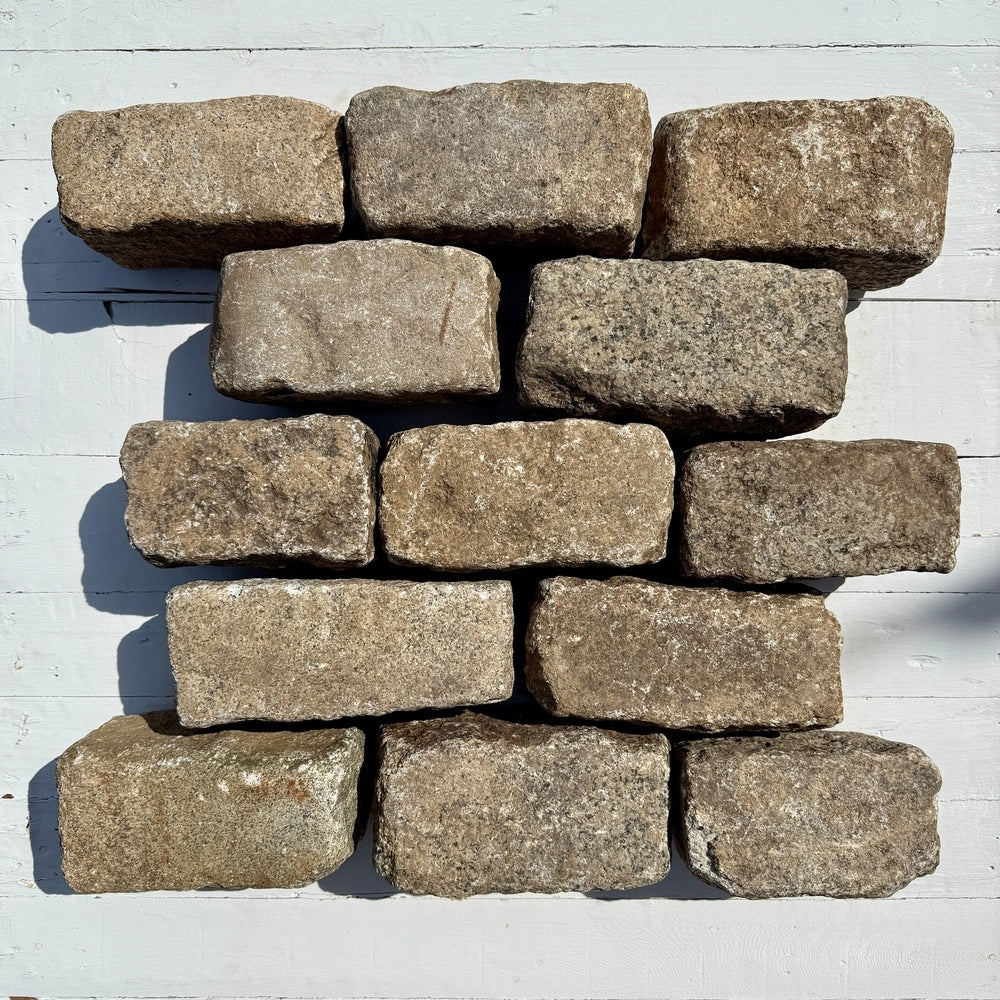
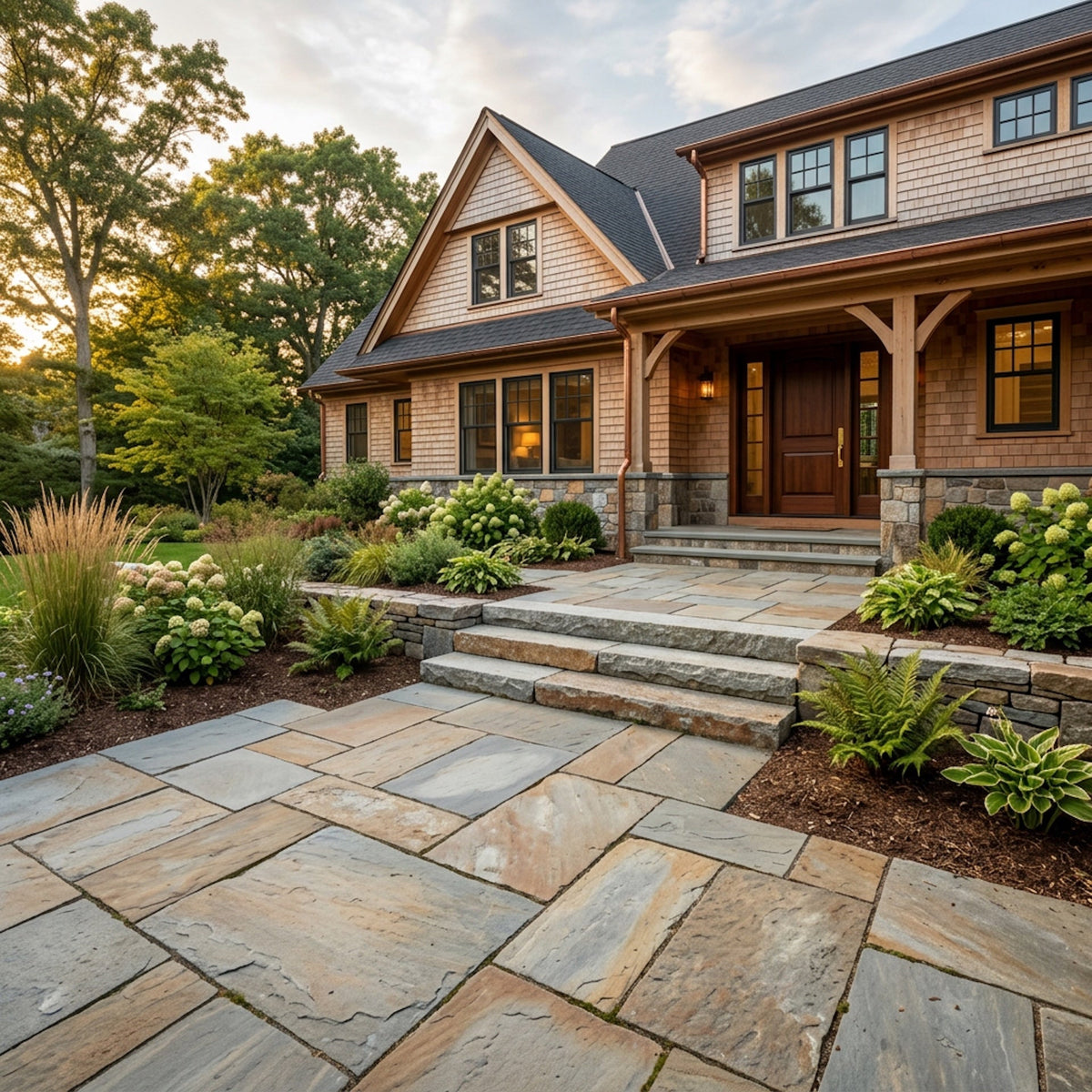
- Entryways and stoops: Set the tone the moment someone steps up to your door. Reclaimed brick or granite cobblestone stairs feel solid and welcoming.
- Kitchen floors and backsplashes: A reclaimed brick floor or accent wall adds warmth to modern cabinets and appliances, especially in New York apartments and brownstones.
- Fireplace surrounds: Reclaimed brick around a hearth instantly feels authentic, like it has always belonged in the room.
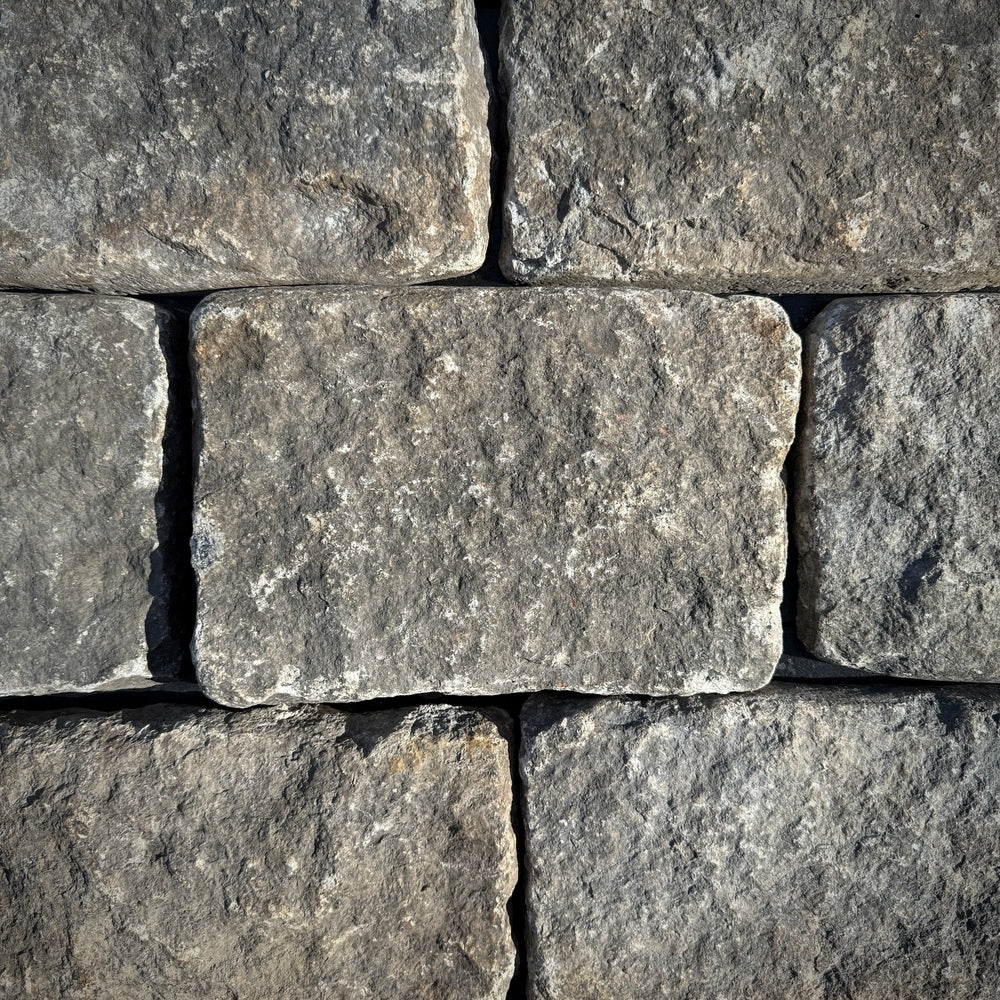
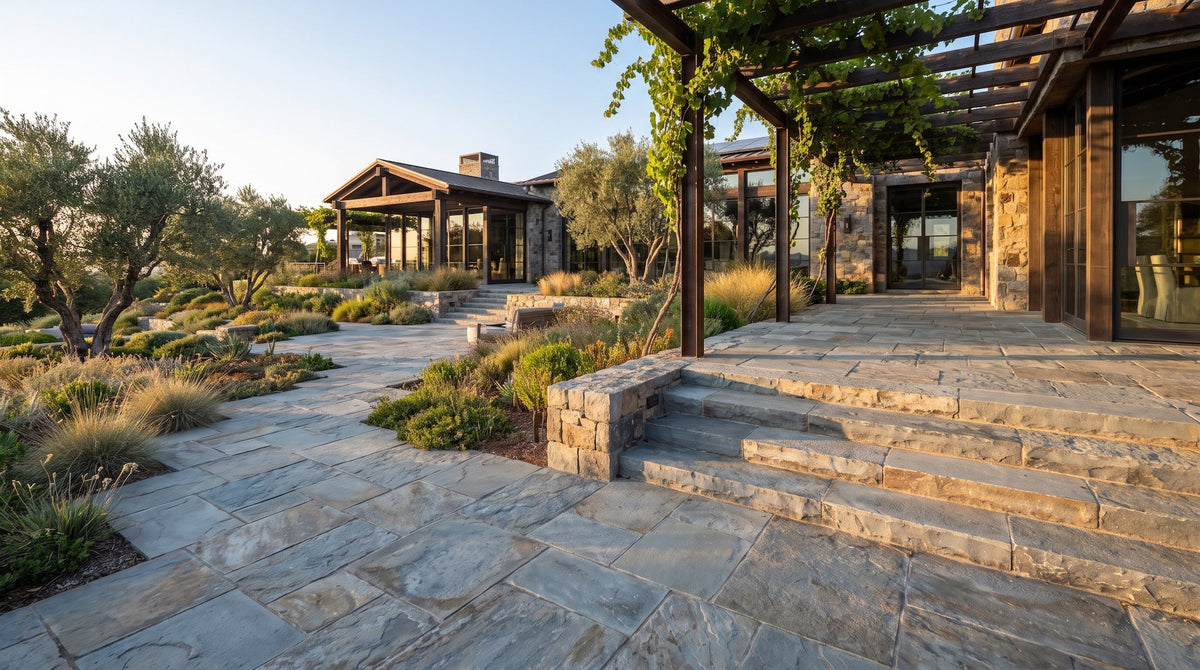
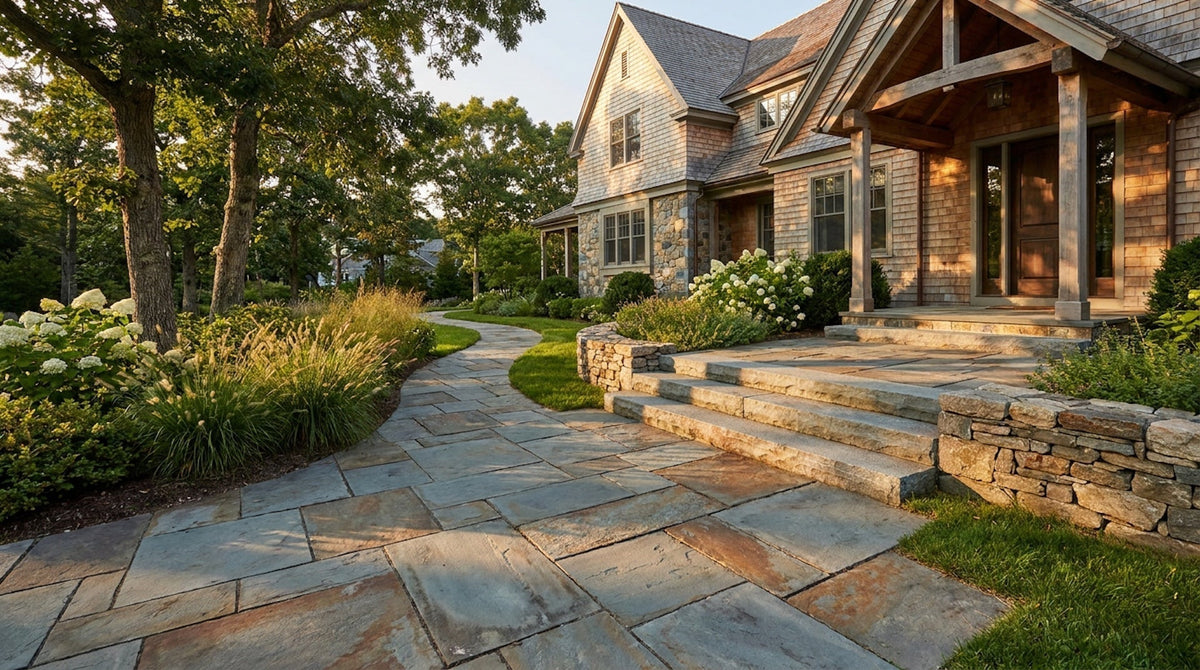
- Patios and garden paths: Cobblestone or brick outside connects the house to the landscape, creating cozy outdoor rooms for morning coffee or evening gatherings.
- Driveways and courtyards: Reclaimed cobblestone can turn a purely functional surface into a memorable arrival experience that feels right at home in historic neighborhoods.
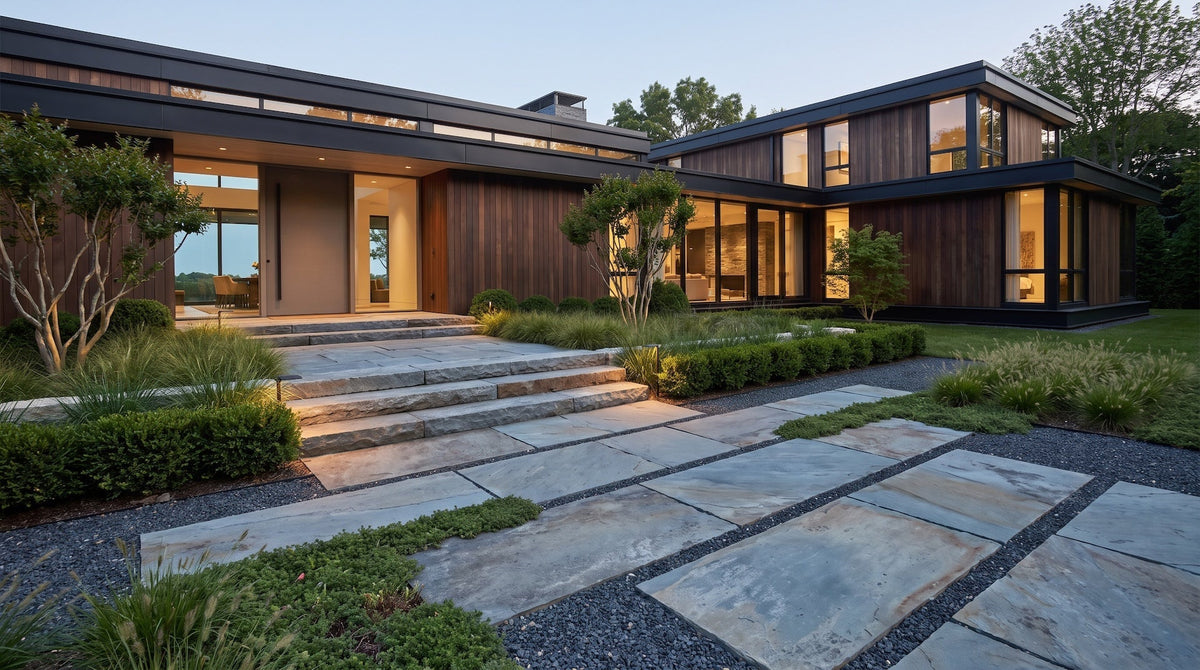
In the New York and Hudson Valley region, these applications work beautifully with existing architecture—from pre-war buildings to farmhouses and contemporary homes looking for a touch of character.
How to Start Your Project with Chief Bricks
If you’re ready to bring this kind of everyday happiness into your home, the next step is simple: choose the right reclaimed brick or cobblestone blend for your space and your story.
Start by thinking about the feeling you want to come home to. Do you picture a warm, timeworn brick wall in your living room? A cobblestone path winding through a small backyard? A reclaimed brick terrace overlooking a valley?
From there, you can explore options that match your architectural style and local context. Blends inspired by New York’s historic streets, deep reds with soot-kissed faces, or softer, weathered tones from upstate structures can all tell slightly different stories.
When you work with a supplier focused on reclaimed masonry like Chief Bricks, you’re not just buying material by the pallet. You’re partnering with people who understand how those bricks and stones will look, age, and perform in real New York weather and real New York life.
In the end, that’s what makes reclaimed brick and cobblestone so special. They don’t just help you build a house. They help you build a home you can fall in love with, and stay in love with, for a very long time.
Learn more about Cobblestones.

Share: