
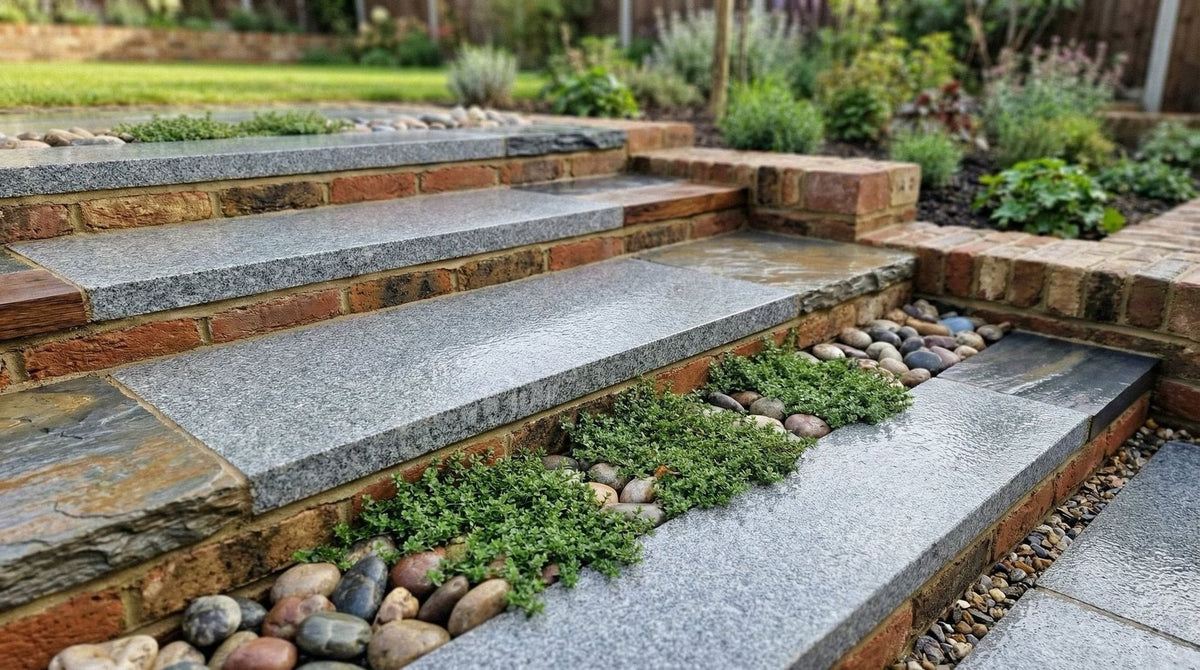
Granite is one of the best materials you can choose for exterior stairs, but homeowners and builders often get stuck on a key question: should the project use full granite steps or granite treads over an existing structure?
Solid granite steps and granite treads both offer long‑lasting, low‑maintenance solutions, yet they are built, priced, and installed very differently, so choosing the right one depends on whether you are doing a new entry, a retrofit, or a full landscape renovation.
Maybe you are a homeowner looking at a cracked concrete stoop and wondering whether it has to come out. You might be a designer deciding how much stone a new entry really needs. Or maybe you are a contractor pricing both options for a client. This guide compares the two on structure, cost, design, and upkeep so you can pick the right one.
What Are Granite Steps and Granite Treads?
In everyday language, “granite stairs” can mean either solid granite steps or a stair built from another structure with granite treads on top, but they are not the same product.
Granite steps (solid stone units)
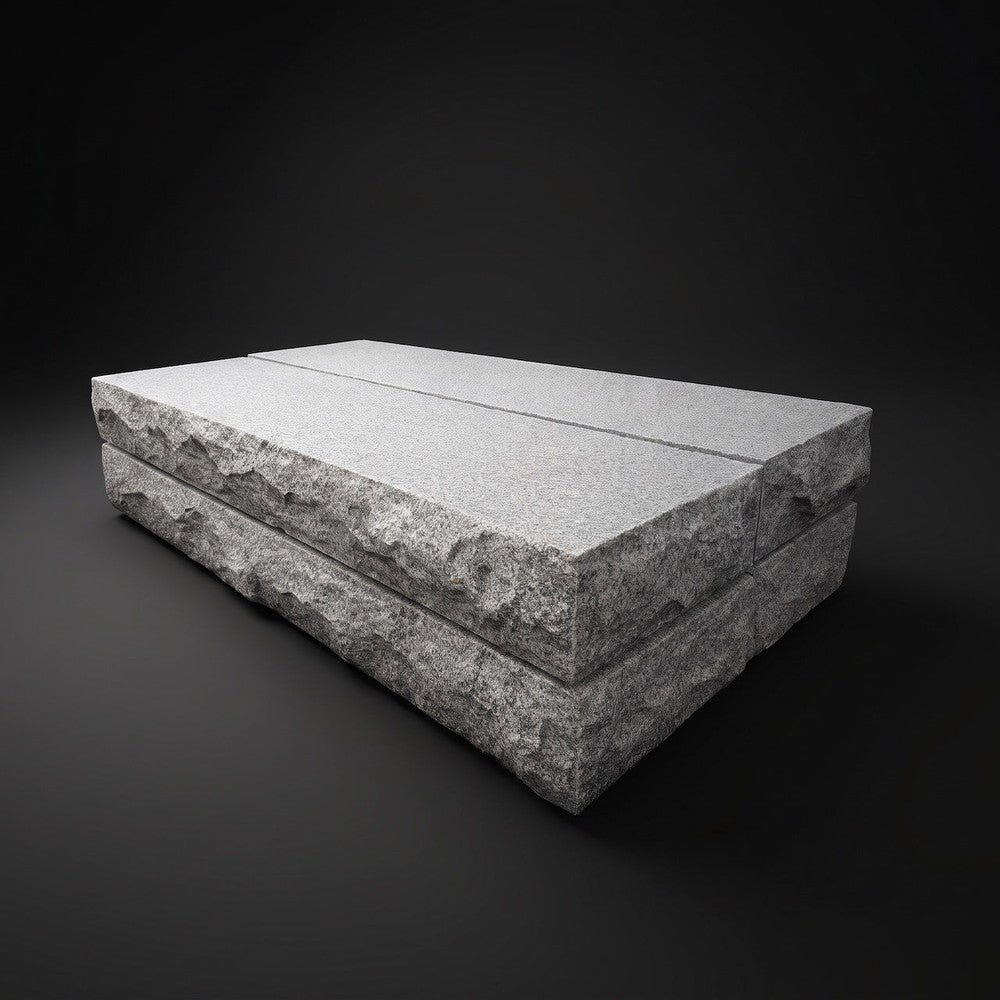
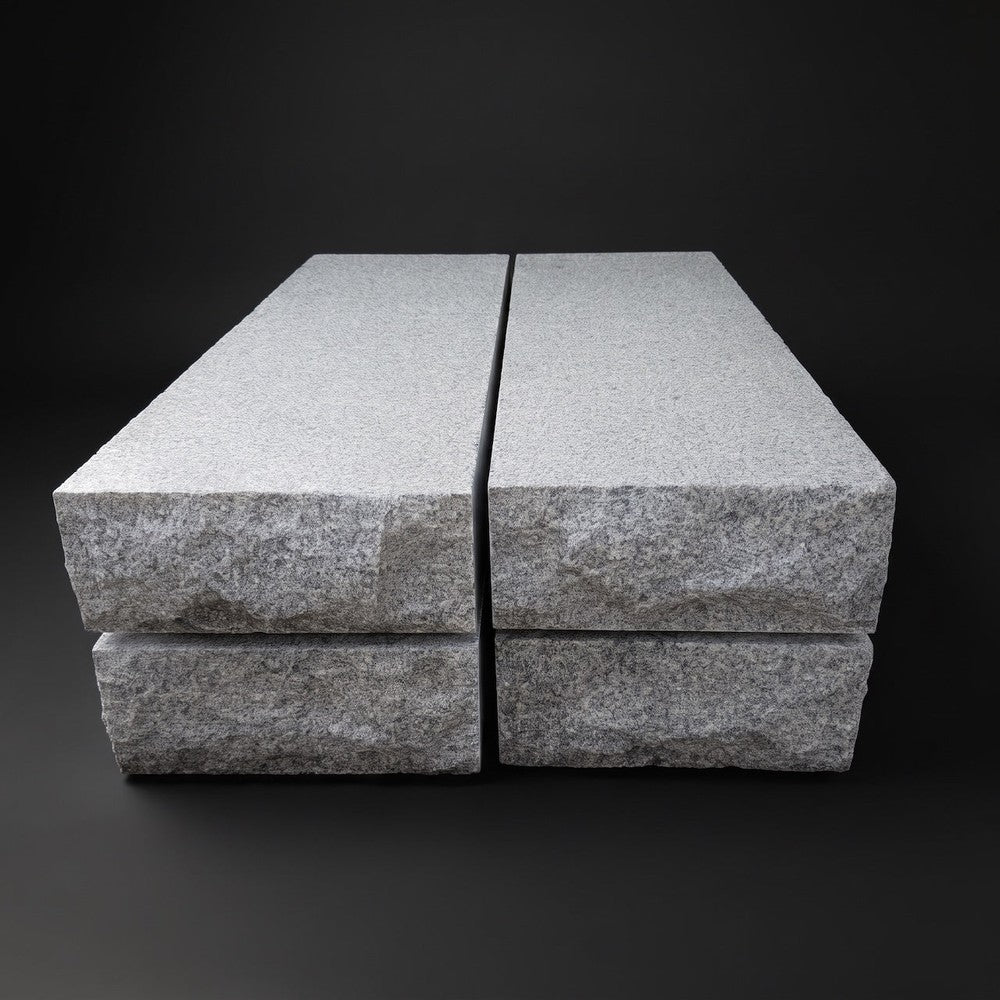
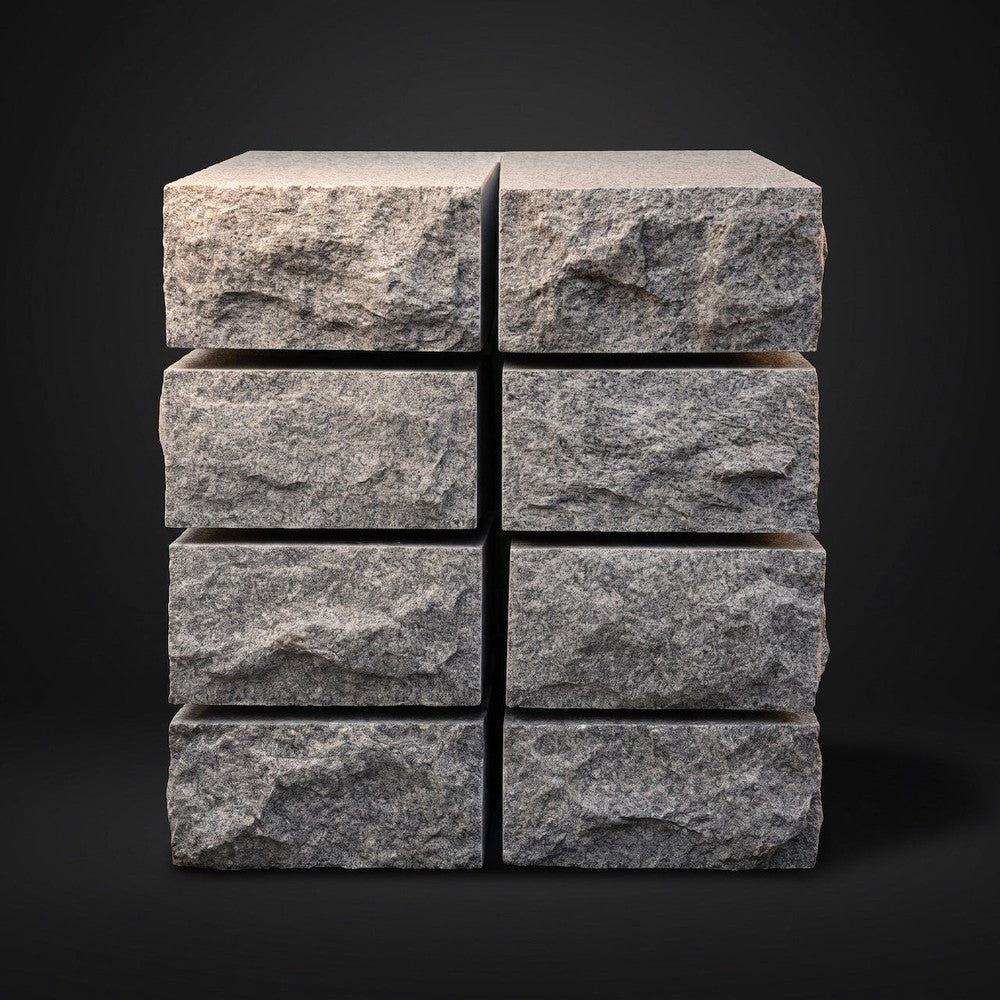
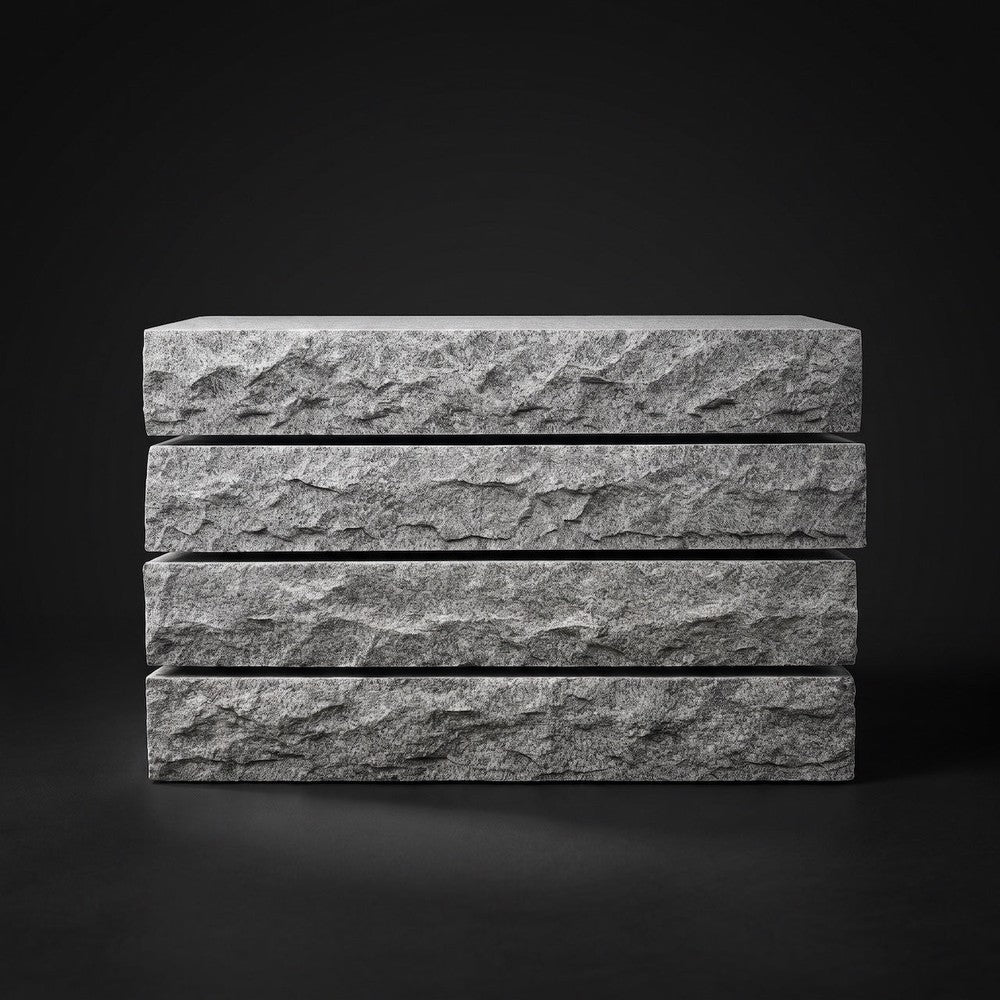
Solid granite steps are large, self‑supporting blocks of stone, 7 inches thick, that stack to create an entire stair run by themselves. Our complete homeowner guide to granite steps covers sizes, prices, and installation in detail.
- Typically used for new entries or major renovations where a proper base or pad can be built.
- Each unit weighs hundreds of pounds (a 4' x 13" step is about 437 lb, a 4' x 18" step about 605 lb), so they are set with machines, not carried by hand.
- Chief Bricks steps are in stock in 3- to 6-foot lengths and 13- to 48-inch depths; pairs of granite step fillers under each step build the rise.
- The steps themselves act as structure; you do not need an existing concrete stair to support them.
Granite treads (slabs over a base)
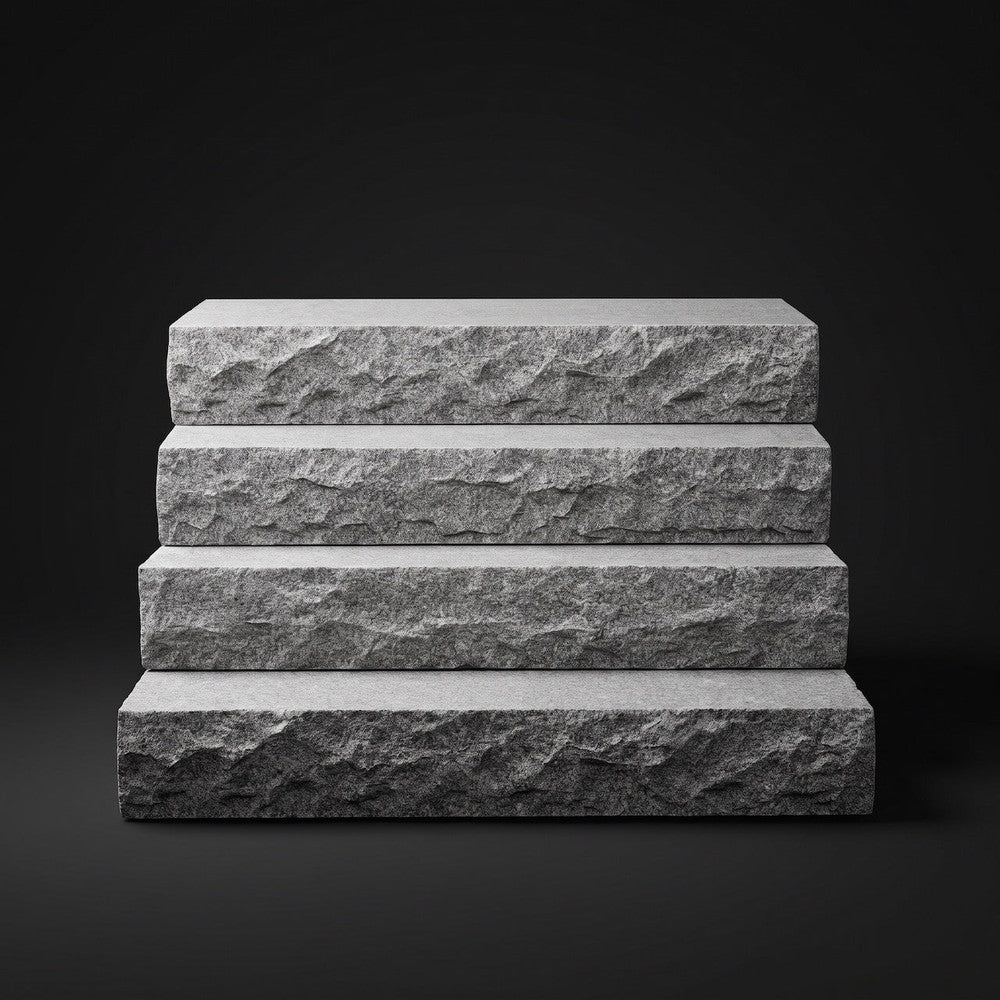
Granite treads are thinner slabs designed to sit on top of an existing structure such as a sound concrete stair or a built masonry riser structure, turning a tired stair into a stone finish without rebuilding everything.
- 2 inches thick, 12 or 18 inches deep, and in stock in 3- to 6-foot lengths, chosen to fit the width and depth of the existing steps.
- Used extensively for retrofits where the underlying stair is structurally sound but unattractive.
- Can be used on poured concrete or block stair cores that give solid, flat support, bedded in mortar, in both residential and commercial settings.
For a deeper overview of both product types, Chief Bricks already has a helpful explainer article, “Enhance Your Home with Durable Granite Steps and Treads”, which this guide builds on.
When to Choose Solid Granite Steps
Solid granite steps make the most sense when you want a structural upgrade, not just a cosmetic facelift, especially at a main front door or heavily used entry.
Best project types for granite steps
- New construction entries where you are building the front stoop and landscape from scratch.
- Full front‑entry renovations where old concrete or wood stairs are being removed, allowing for a new base and step layout.
- Sloped or terraced yards where granite steps tie into retaining walls and walkways.
Advantages of solid steps
- Structural stability: because the stone is thick and self‑supporting, each unit behaves like a massive block, with excellent resistance to cracking and movement when properly based.
- Design freedom: you can adjust riser heights, tread depths, and step count to achieve comfortable geometry and to meet code; you are not locked into existing concrete dimensions.
- Curb appeal: full blocks read as more substantial and architectural, especially at wide front entries and multi‑step stairways.
To see design ideas using full steps, you can reference Chief Bricks’ article on modern landscape designs with granite steps, which shows how solid units anchor contemporary walkways and terraces.
When to Choose Granite Treads
Granite treads are ideal when the underlying stair structure is still sound, but the surface is cracked, dated, or unattractive, and you want an upgrade without a complete rebuild.
Best project types for treads
- Existing concrete stairs that are structurally solid but have cosmetic cracks, patched repairs, or outdated finishes.
- Brick or block stair cores where you want a clean stone surface on top of a masonry structure.
- Masonry or concrete commercial staircases that need a durable, attractive finish for heavy daily traffic.
Advantages of treads
- Less demolition: instead of jack‑hammering out existing concrete, you keep the base and simply add stone, which reduces noise, mess, and time on site.
- Lower structural cost: because the treads are thinner and supported by the existing stair, they use less stone per step than full blocks.
- Faster turnaround: once the base is evaluated and leveled, treads can often be installed quickly on a mortar bed.
Chief Bricks has a detailed homeowner‑friendly guide, “Granite Treads for Outdoor Steps: Specs, Benefits, Costs & Installation”, which is a good companion read to this article.
Cost, Installation, and Disruption
Granite steps and treads use the same stone but very different amounts of it, and the installation processes are not equally disruptive, so cost and logistics become major decision factors.
Material cost drivers
- Solid steps use much more granite per linear foot than treads, so material cost per step is higher even when the stone itself comes from the same quarry.
- Treads are thinner and lighter, which can make them more economical when you are covering many existing steps.
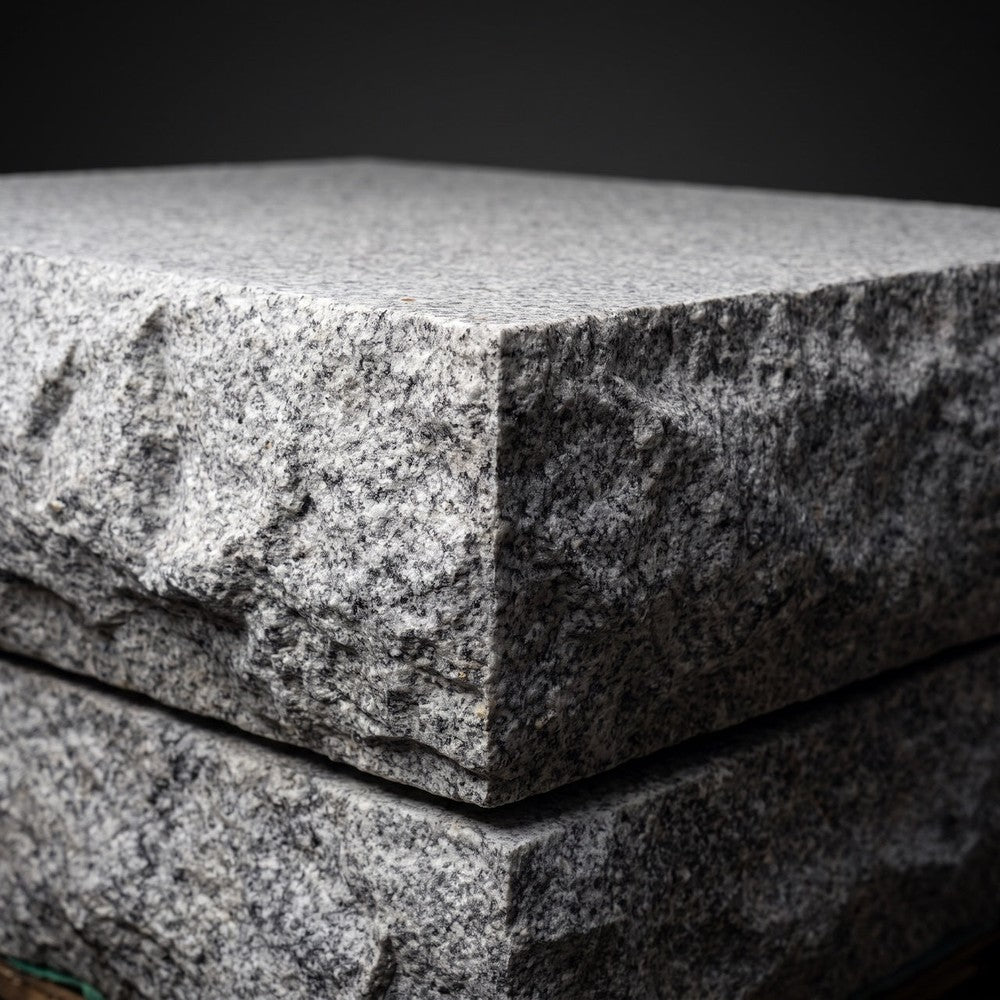
- Both products share one finish (thermal top, rock-faced front), so price comes down to size: granite steps are $69* per square foot of top surface and granite treads $34.75* per square foot.
Installation and site factors
- Solid steps require equipment such as skid steers or small cranes to move and set each unit safely, plus careful base preparation; this adds to labor and mobilization costs.
- Treads require the existing stair to be evaluated for structural integrity and level; if the base is in good shape, labor can be more focused on layout and mortar work than heavy lifting.
- Access, tight urban sites, and elevation changes can affect crane placement and install complexity for both options.
Chief Bricks’ granite steps and treads collection page, Granite Steps, Treads & Pavers, is a useful place to compare product types and start building a budget.
To put numbers on it, a 4' x 13" granite step is $299* and weighs about 437 lb, while a 3' x 12" tread is $104* and weighs about 86 lb. Labor to set either one typically runs about $12 to $24 per square foot, similar to Belgian block and bluestone flat work. That does not mean the two cost the same to install: solid steps add base work and machine time, while treads may need repairs to the old stair first, so site, base, and access decide the final number.
You can see the steps in person at our yard in Nanuet, NY (Rockland County). No appointment is needed, but if you call ahead at (718) 379-1232, we will make sure you get our full attention. Add the steps to your cart and enter your address for a shipping quote. If it looks too high, call us at (718) 379-1232; we sometimes have alternative ways to get your steps to your door for a more reasonable price.
Design, Curb Appeal, and Comfort
Both solid steps and treads can look beautiful, but they create slightly different visual and functional experiences at the entry, especially in how risers, treads, and landings are proportioned.
Geometry and comfort
- With solid steps, the riser height and tread depth are typically built into each block (for example, a 7-inch height with a 13-inch depth), giving you a uniform feel across the run.
- With treads, you are working with existing risers; if those are awkward (too tall/short or irregular), the treads will inherit that feel unless the underlying structure is modified.
- For main entries where comfort and code compliance are priorities, solid steps often give more freedom to “fix” bad geometry.
Curb appeal and integration
- Solid steps read as substantial architectural elements, especially when paired with granite landings (36- or 48-inch-deep steps) or granite walkways.
- Treads deliver a cleaner, upgraded surface but still show the existing core (such as concrete or brick) on side faces unless additional stone or veneer is added.
- Both can be coordinated with granite pattern pavers and reclaimed materials to tie into the wider landscape design, as shown in Chief Bricks’ project and design trend pieces.
To visualize how steps and treads integrate with patios and walks, the article “Patio & Walkway Design Ideas Using Reclaimed Bricks & Stones” offers useful inspiration.
Maintenance and Longevity
Because both products are made of granite, maintenance tasks are similar, but the underlying structure and installation quality influence lifespan and performance.
Shared granite advantages
- Thermal or flamed surfaces provide excellent traction in wet and snowy conditions for both steps and treads.
- Granite’s hardness and wear resistance make it very difficult to chip, scratch, or erode under normal residential traffic.
- Routine care usually means sweeping, rinsing, and in winter avoiding rock salt, using calcium or magnesium chloride sparingly or sand for traction, rather than intensive maintenance.
Where longevity can differ
- Solid steps rely on the base and soil conditions; if the gravel or concrete pad is built correctly with local code and frost depth in mind, the blocks can remain stable for decades with minimal adjustment.
- Treads rely heavily on the quality of the existing stair and the mortar bed; if the base cracks or shifts significantly, treads may need to be reset.
- In both cases, good drainage and avoiding long‑term standing water are crucial to preserve comfort and appearance.
For broader context on granite staircase durability indoors and outdoors, see Chief Bricks’ piece on designing a natural stone staircase, which discusses finishes, wear, and long‑term performance.
How to Decide What’s Right for Your Entry
Choosing between granite steps and granite treads ultimately comes down to your project type, budget, and willingness to modify the existing structure.
Quick decision guide
| Scenario | Granite Steps | Granite Treads |
|---|---|---|
| New home or major entry rebuild | Best choice: new base + full structural upgrade. | Possible, but typically unnecessary if you are rebuilding anyway. |
| Sound concrete stairs that look dated | Requires demolition first; usually overkill. | Best choice: overlay with granite treads. |
| Uneven or non‑code‑compliant risers | Best choice: new stair layout using solid steps. | Only works if risers can be corrected at the structural level. |
| Tight budget but desire for stone | Higher initial cost; better for long‑term owners. | Lower structural cost when reusing existing stairs. |
| Historic or reclaimed aesthetic | Granite steps are new granite imported from India; for a reclaimed look, consider reclaimed bluestone curbstone steps. | Treads are new granite too; pair them with reclaimed brick or cobblestone walkways for an older feel. |
For more real‑world context on how homeowners and designers use both options, browsing the Chief Bricks “steps” blog lets you see related guides, case studies, and design trend articles in one place.
Which Should You Choose?
For a new entry, a full rebuild, or stairs with uneven risers, choose solid granite steps. They cost more and need a proper base and a machine to set them, but they give you new structure, comfortable geometry, and the most substantial look.
If your concrete stairs are sound and only look tired, granite treads are usually the smarter buy. They give you the same gray granite and thermal top for less stone, less weight, and far less disruption. They will not fix a stair that is cracked through or moving, so have the old stair checked first. If you would rather go reclaimed, our guide on how to install reclaimed bluestone steps covers that path.
Compare sizes and current prices on our Granite Steps and Granite Treads pages.
* Prices as of October 2026. Confirm current pricing on each product page before ordering.

Share: