
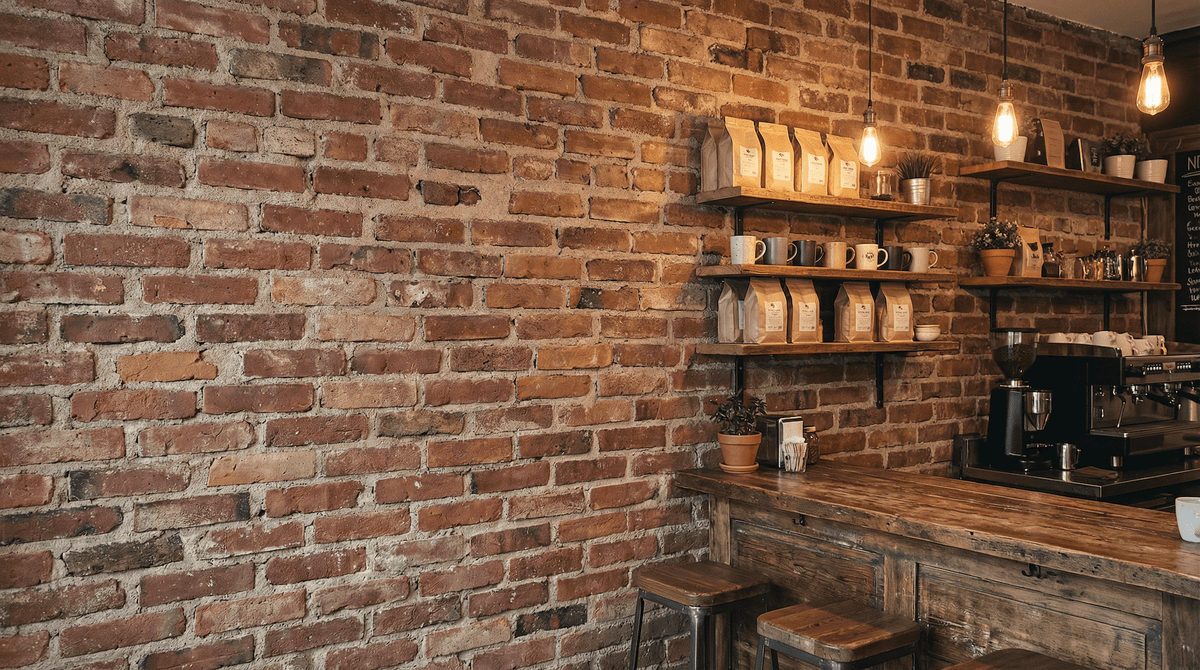
Reclaimed bricks are not just another building unit. They come with patina, history, and a completely different personality than brand‑new, factory‑fresh brick. That is a big part of their appeal, but it also means you cannot treat them as if they rolled off a modern production line yesterday.
One of the easiest ways to get a reclaimed brick project wrong is to pick mortar on autopilot. Grabbing the strongest bag at the yard might feel safe, but reclaimed bricks usually perform best with mixes that match their strength, their age, and the climate they are going back into. The right mortar becomes a quiet partner that supports the wall without stealing the show, or shortening its life.
Maybe you are a homeowner building a reclaimed brick wall and looking at a shelf full of mortar bags. You might be a designer or architect who needs to specify a mix that suits both the look and the life of the wall. Or maybe you are a mason or contractor working with salvaged brick for the first time who wants a simple way to decide.
In this guide, we will walk through a simple way to choose the right mortar for reclaimed bricks. You will learn how to read your project (structural vs veneer, interior vs exterior), why softer and more breathable mixes often win, and where a lime‑based mortar like an NHL 3.5 blend fits into the picture.
Table of Contents
- Start with Your Project Type
- Understand Brick Strength and Age
- Why Mortar Should Be the Weak Link
- How Climate and Exposure Shape Your Choice
- Where Lime‑Based Mortars Fit In
- How NHL 3.5 Helps with Reclaimed Brick
- Color and Texture Decisions
- Questions to Ask Your Mason or Architect
- Which Mortar Is Right for Your Reclaimed Brick?
Start with Your Project Type
Not every reclaimed brick project asks the same thing from its mortar. The first step is understanding what your wall needs to do in the real world, not just how it looks on a mood board.
Ask yourself a few simple questions:
- Is this structural or a veneer? A structural wall is carrying load; a brick veneer is usually tied back to a separate backup wall.
- Is it interior or exterior? Interior work sees far less moisture and temperature swings than a street‑facing facade or a garden wall.
- Is it at grade, above grade, or in constant splash zones? Walls near planting beds, paving, and driveways experience more moisture and salts than protected upper floors.
A reclaimed brick feature wall in a dry living room is one thing. A reclaimed brick townhouse front exposed to winter, rain, and de‑icing salts is another. The more weather and movement your wall sees, the more carefully you need to think about mortar strength and flexibility.
Understand Brick Strength and Age
Reclaimed bricks do not all behave the same. Some are dense and relatively strong. Others are softer, more absorbent, and full of small hairline cracks and worn edges. The mortar you choose should always be compatible with the weakest part of the assembly, not the strongest.
Here are a few clues that your reclaimed bricks need a gentler mortar:
- The bricks come from late‑1800s or early‑1900s construction, especially hand‑molded or older kiln types.
- Edges are rounded, faces show visible wear, and surfaces are easy to scratch.
- Any small bits of old mortar that remain on the bricks are soft, dusty, and easy to scrape off.
When in doubt, assume reclaimed bricks are on the softer side of the spectrum. Choosing a mortar that is equal to or slightly weaker than the brick is almost always safer than over‑specifying strength and letting the bricks pay for it later.
Why Mortar Should Be the Weak Link
There is a simple rule used in traditional masonry: the mortar should be the part that fails first. That might sound backwards, but it is what keeps historic and reclaimed brickwork alive for decades without losing its character.
When the mortar is softer and more flexible than the brick, small movements and stresses show up as hairline cracks in the joints. Those joints can be repointed when they tire out. The bricks, which are harder to replace and more valuable, stay mostly untouched. The mortar becomes the sacrificial element that protects the units around it.
Flip that relationship, and problems show up fast. If you pack soft or weathered reclaimed bricks into a very hard, dense mortar, the stress and moisture they cannot shed through the joints will start to break the bricks themselves. You see flaking faces, popped corners, and damp staining that takes a lot more effort to fix than simply renewing joints.
How Climate and Exposure Shape Your Choice
Climate is a big part of the mortar equation. A reclaimed brick wall in a mild, dry environment can put up with more than one on a busy New York street that sees road salt, sideways rain, and weeks of freeze–thaw every winter.
Pay attention to these exposure factors:
- Freeze–thaw cycles – In colder climates, moisture in the wall expands and contracts as it freezes and thaws, which amplifies stress on the brick and the mortar.
- Wind‑driven rain – Exposed facades absorb more water, so the ability of the mortar to breathe and let that moisture back out is crucial.
- De‑icing salts and splash zones – Lower courses near sidewalks, driveways, and roads see salt and constant wet‑dry cycling, which is hard on dense, non‑breathable joints.
In environments like this, mortars that are slightly softer and more vapor‑permeable help the wall manage moisture and movement without turning the bricks into the sacrificial layer. That is where lime‑rich and NHL‑based mixes have an advantage over very rigid, cement‑heavy mortars.
Where Lime‑Based Mortars Fit In
Lime‑based mortars are not a nostalgic throwback. They are a practical way to keep reclaimed and historic bricks working the way they were originally intended to work. Instead of relying on high doses of Portland cement, these mortars use lime as the main binder and bring a different balance of properties to the wall.
Lime‑rich mortars tend to be more flexible, more breathable, and more forgiving. They can take small movements without cracking up, and they let moisture migrate out instead of trapping it behind rigid joints. For reclaimed bricks that already lived a full life in lime mortars, putting them back into a similar environment simply makes sense.
You will still see different strength classes and formulations within lime‑based mortars. The goal is to pick one that lands in the same neighborhood as your reclaimed brick strength, not miles above it.
How NHL 3.5 Helps with Reclaimed Brick
Natural Hydraulic Lime (NHL) 3.5 is a sweet spot for many reclaimed brick projects. It offers more early strength and weather resistance than a very soft lime, but it still behaves like a lime mortar rather than a hard, cement‑dominant mix.
In practice, that means NHL 3.5 mortars can:
- Develop enough strength for most reclaimed brick veneers and many exterior facades.
- Remain slightly softer and more flexible than typical cement mortars, so joints stay sacrificial.
- Let moisture move through the joints, helping walls dry and reducing the risk of trapped water in the brick body.
Pre‑blended NHL 3.5 mortars designed for reclaimed bricks take out the guesswork. The binder and sand are balanced to produce joints that support, rather than overpower, the salvaged material. If you are looking for a single go‑to option for many reclaimed brick applications, an NHL 3.5 mix is usually near the top of the list.
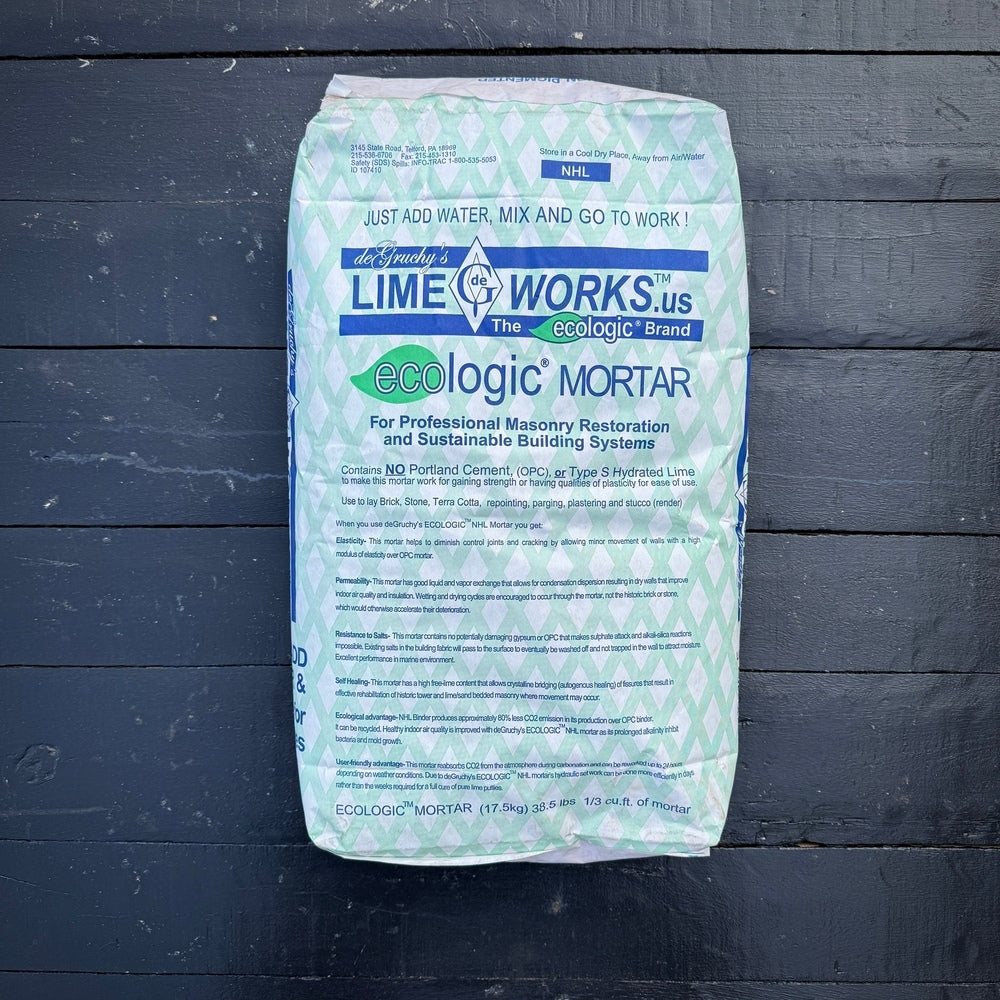
The Ecologic NHL 3.5 mortar we carry has a compressive strength of about 750 psi, in the same range as a Type N mortar, and works for both laying and repointing reclaimed brick. One 38.5 lb bag lays about 30 bricks with 1/2" joints. Our step-by-step mortar instructions cover mixing, laying, and curing.
Color and Texture Decisions
Choosing mortar is not just a technical decision; it is a design one too. Joints can either quietly disappear or frame every brick in the wall. With reclaimed material, you have the option to lean into the history or create a sharper, more contemporary look.
Think through these choices:
- Joint color – Our NHL 3.5 is non‑pigmented, the most common mortar color, and it suits most reclaimed brickwork. If you are matching existing joints, compare them with a cured sample before you commit.
- Joint profile and texture – Slightly recessed, brushed joints feel softer and more traditional. Flush, crisp joints feel sharper and more modern.
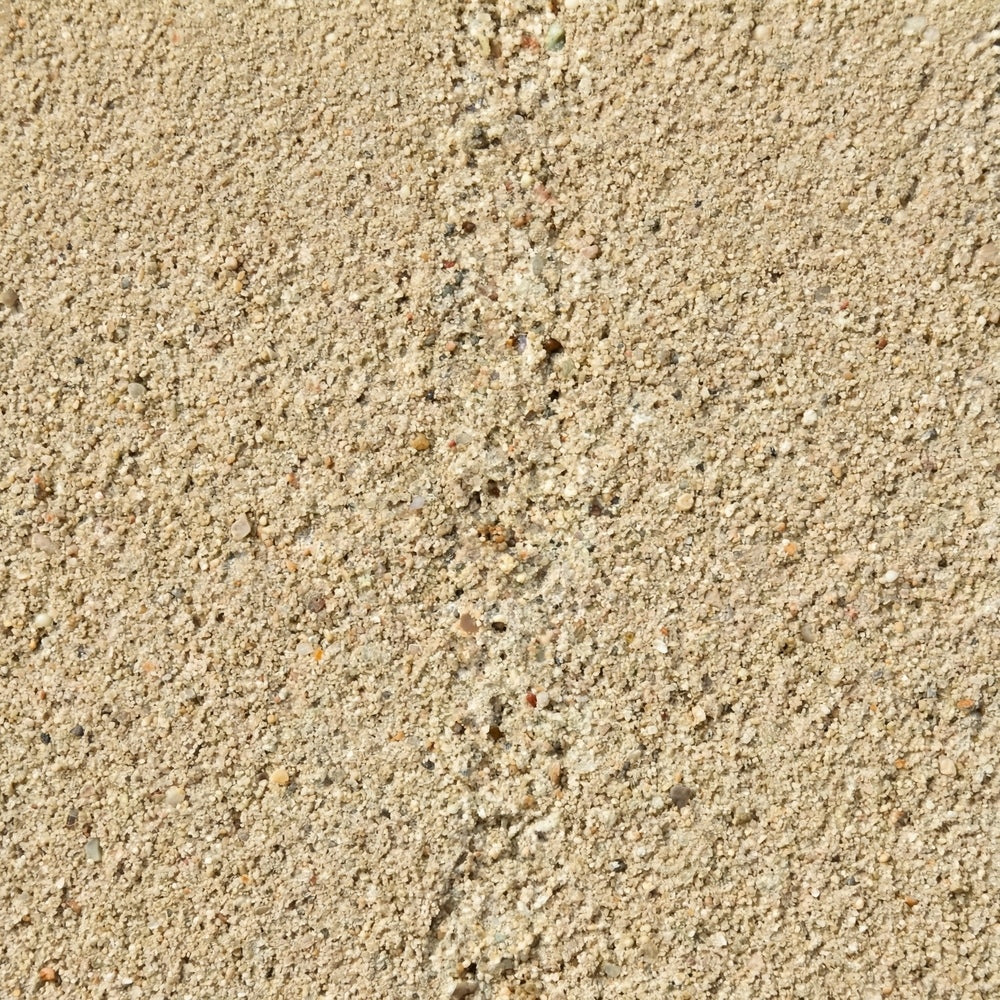
- Sand grading – Coarser sands echo older, hand‑finished joints. Finer sands read smoother and more refined. Ours is the coarse (G) grade, made for joints 3/8" and wider.
With reclaimed bricks, it is usually smart to mock up a small panel before committing. Seeing the brick, the mortar, the texture, and the joint profile together in real light is worth far more than any sample card.
Questions to Ask Your Mason or Architect
The mortar choice should not be a mystery handled off to the side. A short conversation with your mason or architect can line everyone up behind the same goal: making sure your reclaimed brick project looks good and lasts.
Here are questions worth asking early:
- What type and age of reclaimed bricks are we using, and how strong are they likely to be?
- Is there any existing brickwork we are matching in appearance or performance?
- How much exposure will the wall see—freeze–thaw, rain, salt, irrigation?
- Can we use a lime‑based or NHL 3.5 mortar so the joints stay slightly softer than the bricks?
- What joint width and profile will best support the look we are going for?
Once you frame the conversation this way, mortar stops being an afterthought and becomes part of the design and longevity strategy. That is exactly where it belongs on any reclaimed brick project.
For more on the reasoning behind lime, read Why Reclaimed Bricks Need Different Mortar Than New Bricks and Mortar for New York Reclaimed Bricks.
Which Mortar Is Right for Your Reclaimed Brick?
For most reclaimed brick projects, an NHL 3.5 lime mortar is the safer choice. It is strong enough for veneers, garden walls, and many exterior facades, yet it stays slightly softer and more breathable than the bricks, so the joints take the wear and the bricks keep their faces.
There are trade-offs to weigh. Lime cures more slowly than a cement mix and needs mild weather, damp curing for the first three days, and about 28 days to reach full cure. A heavily loaded structural wall or unusually hard, dense bricks deserve a closer look with your mason or engineer. Lime mortar is also meant for full brick joints 3/8" and wider; thin brick and brick floors are set with thin-set and grout instead.
If you are new to lime, our guide on how to use Ecologic NHL 3.5 lime mortar explains mixing, laying, and curing so your first batch goes as smoothly as your last.
Ecologic NHL 3.5 mortar ships nationwide from our yard in Nanuet, NY. Add it to your cart and enter your address for a shipping quote. If it looks too high, call us at (718) 379-1232; we sometimes have alternative ways to get your order to your door for a more reasonable price. You can also see our reclaimed New York bricks in person at the yard; no appointment is needed, but if you call ahead at (718) 379-1232, we will make sure you get our full attention.
Share: