Table of contents
- What makes Hudson Valley bricks so special?
- Exceptional durability in real‑world conditions
- Unique color, texture, and patina
- History baked into every brick
- Sustainability and local sourcing
- Summary table: Why Hudson Valley reclaimed bricks matter
- How Chief Bricks is helping
1. What makes Hudson Valley bricks so special?
From the late 1700s through the early 1900s, the Hudson Valley grew into one of the most important brick‑making regions in the United States, supplying New York City as it expanded upward and outward.
Ice Age clay deposits along the Hudson River gave local yards abundant raw material, and brickyards lined the riverbanks to fire and ship bricks downstream by barge.
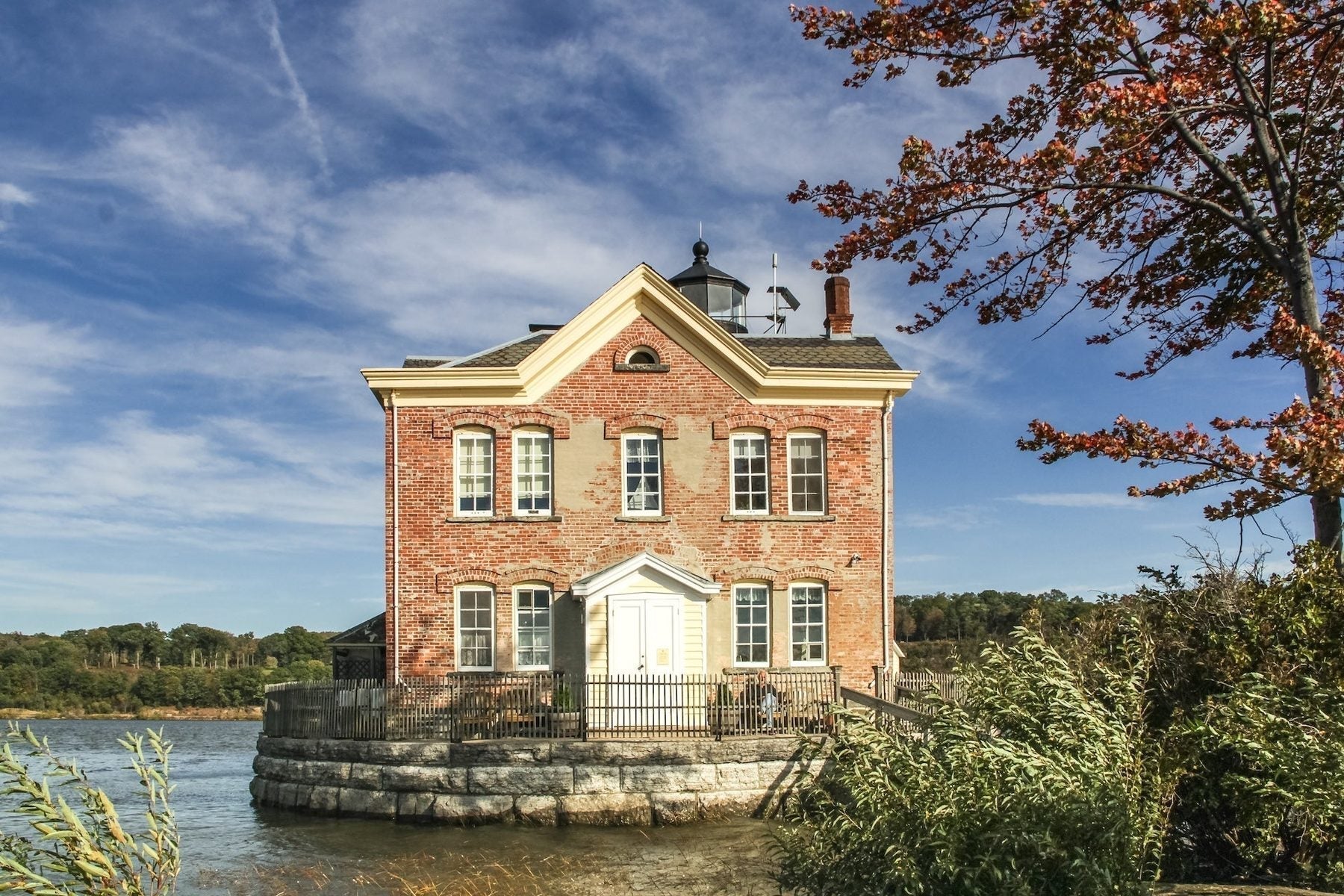
Those same bricks went into factories, brownstones, schools, and even landmark structures in New York City, where they quietly proved their strength over generations of use.
Today, when those buildings are renovated or demolished, their bricks enter a second life as reclaimed material—bringing that long history, and the performance behind it, into new work.
2. Exceptional durability in real‑world conditions
Hudson Valley bricks were engineered for work, not just for show. Local yards refined simple but robust production methods: clay and water formed into standard blocks, then fired hard to drive out moisture and lock in strength.
The result is a dense body that resists fire, water, and repeated freeze‑thaw cycles—essential in the Northeast climate.
These bricks have already endured more than a century of temperature swings, road salt, and urban pollution in New York.
That real‑world track record is why reclaimed Hudson Valley bricks remain suitable today for structural walls, stoops, patios, and other high‑demand applications where long‑term reliability matters.
3. Unique color, texture, and patina
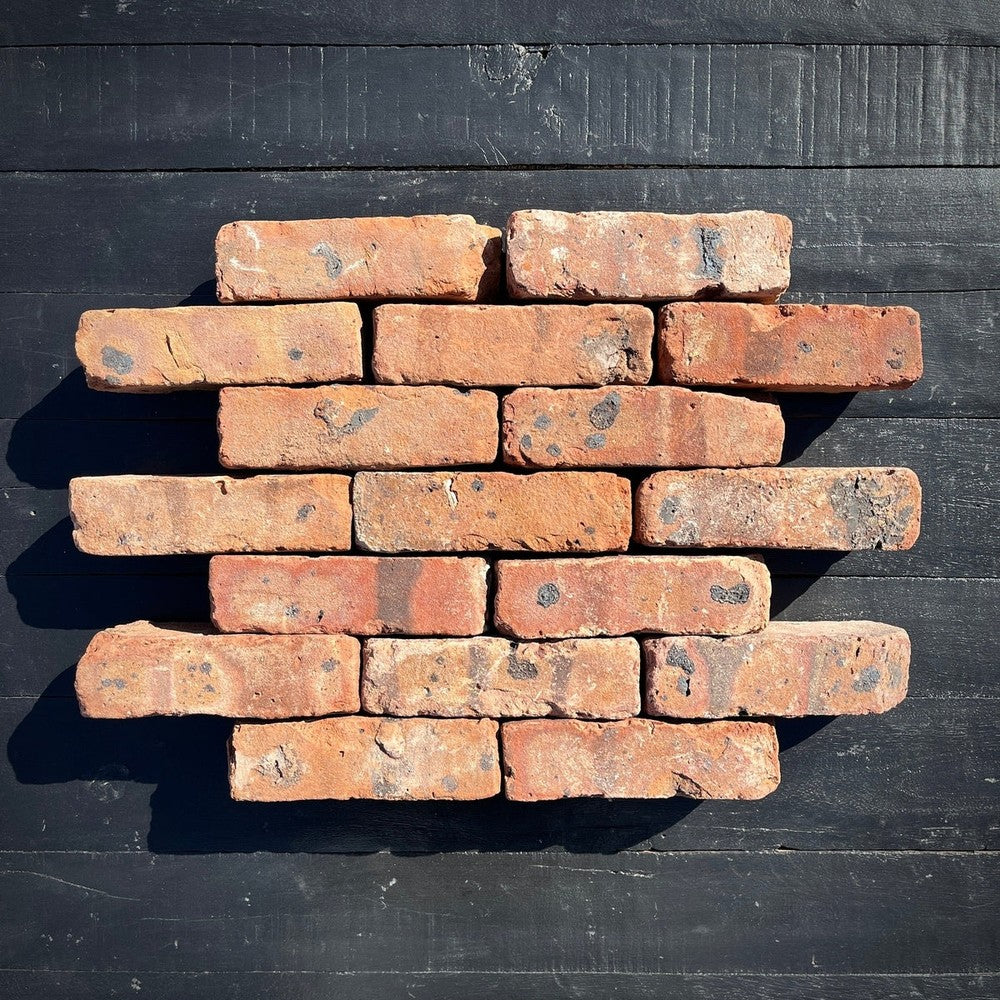
One of the reasons designers chase Hudson Valley reclaimed bricks is the way they look and feel up close. The firing process and mineral mix in the local clay give a spectrum of reds, oranges, and deeper tones, often in the same batch.
Over time, exposure adds lime stains, sooting, and subtle surface wear that soften the palette rather than flatten it.
Decades of use leave rounded corners, light chipping, and traces of old mortar, creating a surface that reads warm and authentic instead of uniform and sharp.
Many bricks also carry stamped names or distinctive frog marks from specific Hudson Valley brickyards, turning each piece into a small historical artifact as well as a building unit.
4. History baked into every brick
Hudson Valley bricks are literally the fabric of New York’s built story. At the industry’s peak, more than a hundred brickyards operated along the Hudson, and their output helped raise mansions, factories, townhouses, and civic buildings across the region.
Bricks from these yards have been linked to prominent city structures, making them part of the visual and cultural identity of New York.
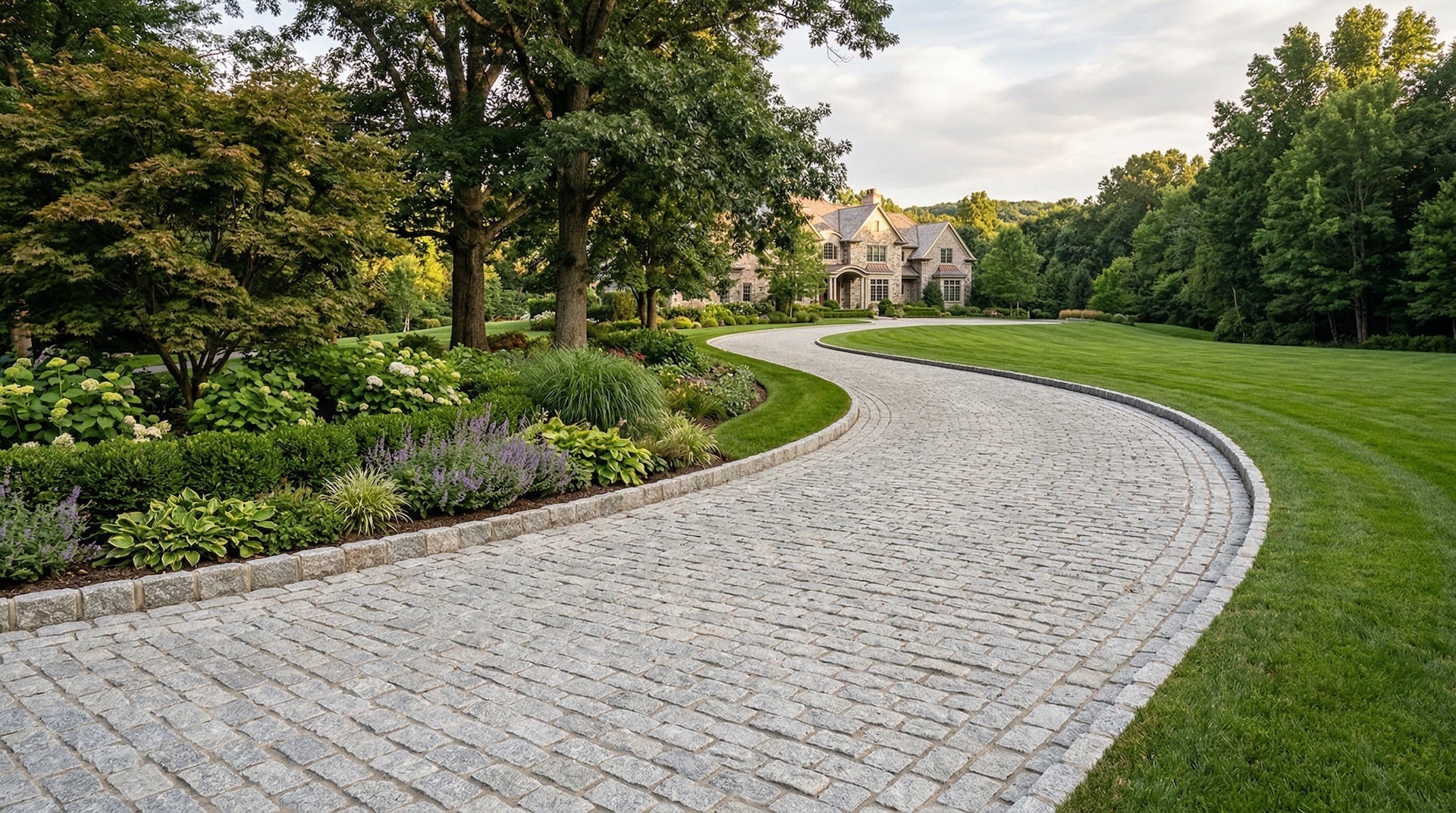
When those buildings are salvaged, each reclaimed brick carries that history forward into new projects—whether it ends up in a loft wall, a garden path, or a storefront façade.
For homeowners, architects, and builders, that connection to place and time is as valuable as the material performance itself.
5. Sustainability and local sourcing
Reclaimed Hudson Valley bricks offer a straightforward environmental win. Every brick reused is one less unit sent to landfill and one less new brick that needs fresh clay extraction and energy‑intensive firing.
Because the material originates in the wider New York region and often stays within it, transport distances and associated emissions can be significantly lower than importing new products from afar.
They also arrive pre‑tested for local conditions. A brick that has already survived a century of New York winters is a known quantity, which reduces the risk of premature failure and replacement over the life of a project.
For design teams focused on circular construction and lower embodied carbon, Hudson Valley reclaimed stock checks multiple boxes at once.
6. Summary table: Why Hudson Valley reclaimed bricks matter
| Aspect | What it means in practice | Why it matters today |
|---|---|---|
| Exceptional durability | Dense, fired clay bricks that have already endured decades of freeze‑thaw and urban exposure. | Long‑lasting walls, patios, and steps that are less likely to crack or spall over time. |
| Color and texture | Natural variation in reds and oranges, kiln marks, chips, and softened edges. | Warm, character‑rich surfaces that avoid the flat look of uniform new stock. |
| Historical significance | Made in a major brick‑making corridor that supplied New York City’s growth. | Connects projects to the region’s architectural heritage and storytelling potential. |
| Patina and character | Weathered faces, mortar ghosts, and stamped yard names on individual units. | Each brick becomes a visible reminder of past buildings and craftsmanship. |
| Sustainability & locality | Reuse of existing bricks with shorter transport routes and no new firing. | Lower embodied carbon, reduced waste, and alignment with circular construction goals. |
7. How Chief Bricks is helping
Chief Bricks focuses on capturing this Hudson Valley value before it disappears into the waste stream. Salvage teams recover bricks from New York buildings slated for renovation or demolition, then sort, clean, and organize them by tone, size, and age so they are ready to lay again.
This approach preserves both the structural integrity and visual character that make reclaimed Hudson Valley stock so desirable.
By keeping supply local and transparent, Chief Bricks helps architects, contractors, and homeowners tap into authentic New York material without guessing about quality or origin.
You can explore more about how this process turns demolition debris into high‑value building material in their article on turning demolition waste to gold with reclaimed bricks: https://chiefbricks.com/blogs/tools/turning-demolition-waste-to-gold-with-chief-bricks .


Share: