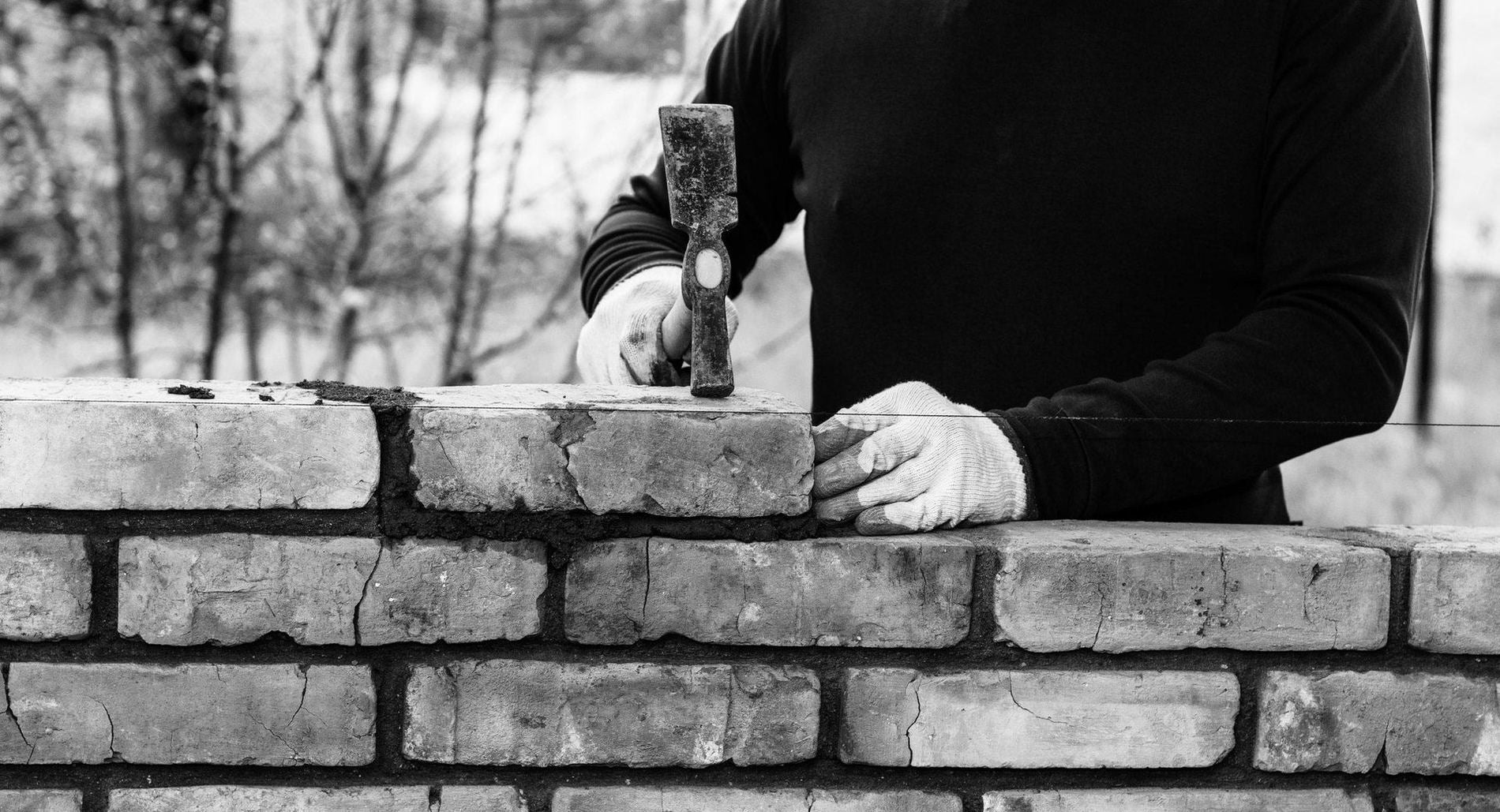
Look closely at the buildings in your city. You might see simple walls, glass windows, and flat roofs. But if you look with more intent, you see a story written in clay.
This narrative tells us how our modern world came to existence. We refer to this collective texture as the urban fabric of brick. It surrounds us every single day, yet we rarely pause to consider its origins.
Brick represents much more than just a standard red block. It is the physical result of geology meeting urgent human needs. It demonstrates how civilization transitioned from flimsy wooden shacks to towering, fire-resistant skyscrapers.
You likely walk past these structures without understanding the immense struggle behind them. You might not know about the devastating fires that once destroyed entire districts. Nor do you see the brilliant inventions that allowed builders to reconstruct them.
The urban fabric of brick holds fascinating secrets regarding our past. It also offers solutions for a greener and more durable future. We want to help you visualize these hidden connections.
To celebrate its legacy, we’re sharing a curated overview of “The Urban Fabric of Brick,” a three-part series published by Ceramic Tech Today, the official news source of The American Ceramic Society.
Our goal is not to take credit, but to highlight the original authors’ work and help readers discover the deep geological, historical, and technological roots of brick, while connecting this knowledge with the reclaimed materials we offer at Chief Bricks.
Part 1 — How Geology Shaped the Brick-Built City
Original article: https://ceramics.org/ceramic-tech-today/the-urban-fabric-of-brick-part-1/
Great cities did not simply appear in random locations. They grew and expanded where the earth allowed them to thrive. Geology plays a massive role in determining where humans can build successfully.
The first installment explains how local clay deposits formed the foundation of the world’s brickmaking centers. One standout example is the Hudson River Valley, home to some of America’s richest natural clay beds and a powerful brickmaking history that still influences the reclaimed materials we handle today.
Haverstraw, NY, once called “The Brickmaking Capital of the World”, played a major role in supplying brick for urban expansion, especially in New York City. Innovations such as James Wood’s 1836 coal-dusted brick patent and Richard Ver Valen’s steam-powered press accelerated production and improved quality.
Events such as the Great New York Fire of 1835 increased demand for fire-resistant buildings, cementing brick as the material of choice during the rapid growth of American cities.
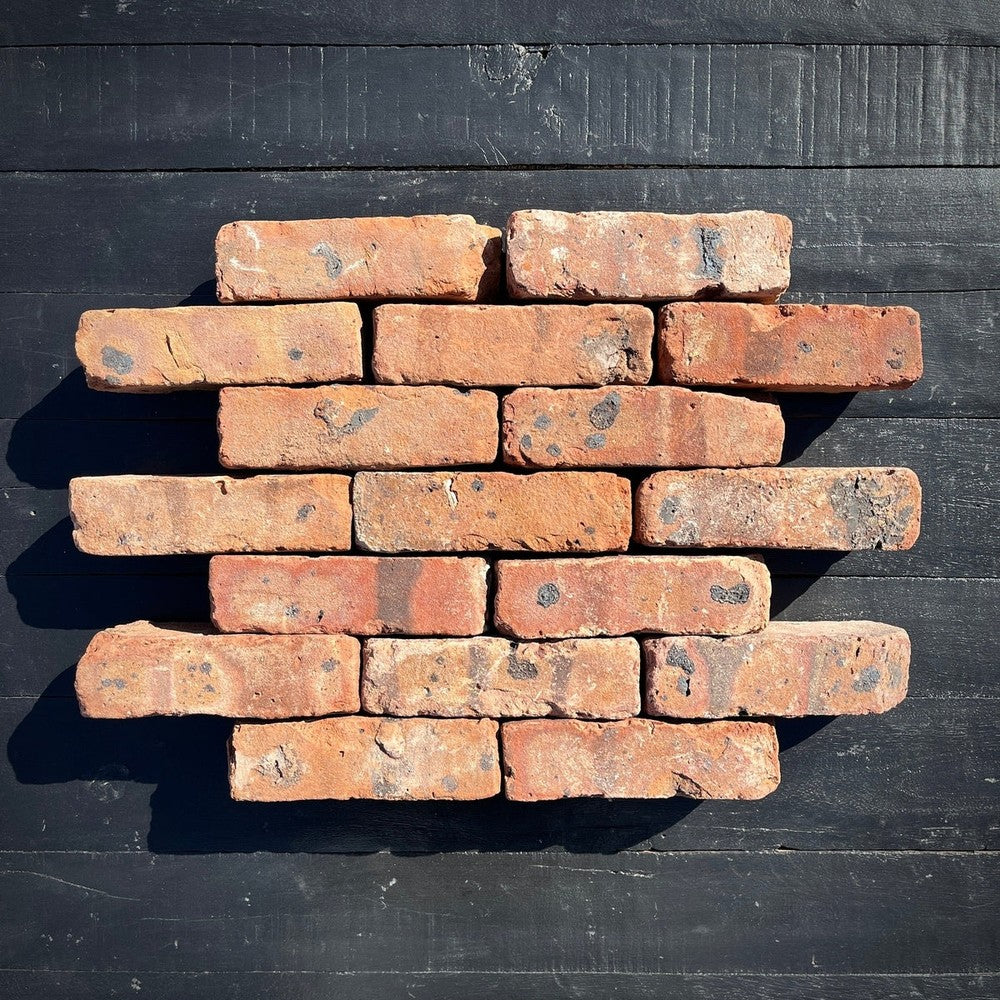
Explore our Reclaimed Bricks inspired by this industrial heritage.
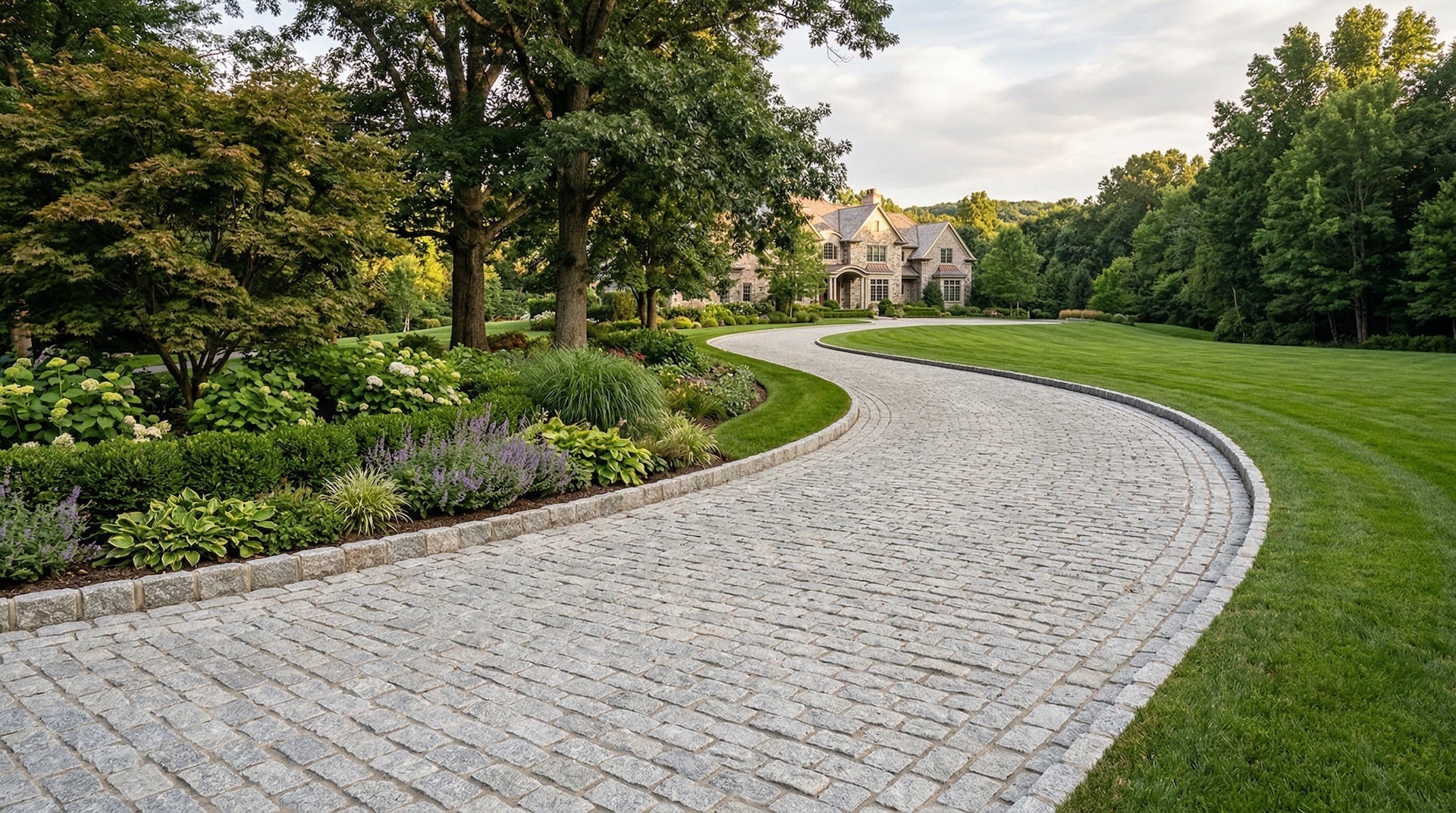
Discover Reclaimed Cobblestones from historic urban projects.
Part 2 — Brick in Ancient Civilizations
Original article: https://ceramics.org/ceramic-tech-today/the-urban-fabric-of-brick-part-2/
The second article turns to the earliest cities, where civilizations used sun-dried mud bricks to build the first permanent settlements. As kilns developed, cultures such as the Romans and the Indus Valley Harappans mastered the production of fired bricks, enabling standardized construction, drainage systems, and monumental architecture.
This part of the series highlights iconic examples such as the Ishtar Gate, Roman arches, and ancient city grids, demonstrating that brick has shaped urban life for thousands of years.
Learn why architects still choose Reclaimed Bricks for historical continuity.
Browse Reclaimed Cobblestones for old-world character in modern design.
Part 3 — Modern Innovation and the Future of Brick Architecture
Original article: https://ceramics.org/ceramic-tech-today/the-urban-fabric-of-brick-part-3/
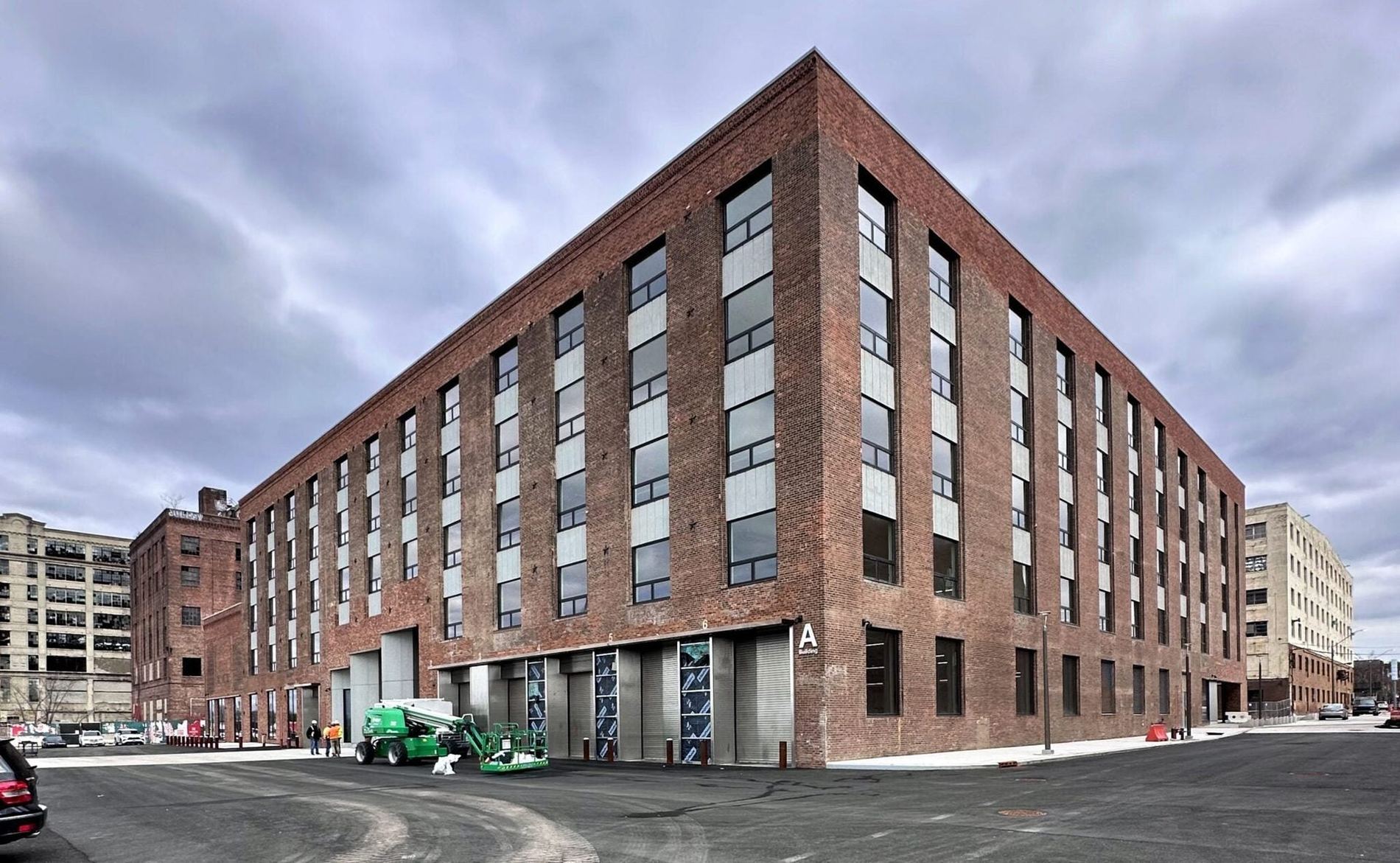
The third article explores brick in the modern era. Chicago’s post-fire rebuilding showed how brick transitioned from a structural element to an architectural façade over steel and iron frames. Today, brick continues to play an important role in sustainable design thanks to its durability, fire resistance, and ability to store thermal energy.
Innovation is accelerating at institutions like the National Brick Research Center, where researchers are developing cleaner kilns, recycled-material additives, and new fabrication methods.
The article also highlights breakthrough technologies such as:
- Bio-bricks grown through biological processes
- 3D-printed bricks for custom shapes with minimal waste
- Preservation and reuse of historic buildings as a carbon-saving strategy
These advancements complement the growing focus on circular construction, a philosophy that aligns perfectly with reclaimed materials.
Our Reclaimed Bricks help reduce demolition waste and preserve heritage.
For modern landscaping projects, explore our New Belgian Blocks and Granite Steps & Treads.
Why Chief Bricks Cares About the Past, Present & Future of Brick
At Chief Bricks, we believe brick is more than a material, it’s a carrier of history, culture, and craftsmanship.
The streets you walk down are alive with history. Every red wall has a past involving geologists, inventors, and fire safety experts. The urban fabric of brick is more than just a backdrop.
It connects us to the earth and to the people who built our world. From the mud of the Hudson to the labs at Clemson, the story continues. We are still writing the next chapter of brick today.
By reclaiming historic brick and stone, we help:
- Reduce construction waste
- Preserve urban character
- Support sustainable and circular building practices
- Make timeless materials available to architects, designers, and homeowners nationwide
Whether you are restoring a historic property or designing a modern home with character, our team can help you source sustainable, durable, and timeless masonry materials.


Share: