

Located at 225 West 99th Street in the heart of New York City, St. Michael's Church has been a cornerstone of the community since its founding in 1891. This historic parish, known for its stunning Romanesque Revival architecture, has recently undergone a thoughtful renovation that honors its storied past while embracing sustainable practices. The use of reclaimed jumbo cobblestones as retaining walls along the pathways leading to the church serves as a beautiful tribute to both history and environmental responsibility.
A Church with a Rich Legacy
St. Michael's Church, designed by the renowned architect John J. McCarthy, has stood as a beacon of faith and community for over a century. Its striking facade, adorned with intricate stonework and a towering bell tower, reflects the architectural grandeur of the late 19th century. Over the years, the church has been a gathering place for countless individuals and families, playing an integral role in the cultural and spiritual fabric of the Upper West Side.
The Story of the Reclaimed Cobblestones
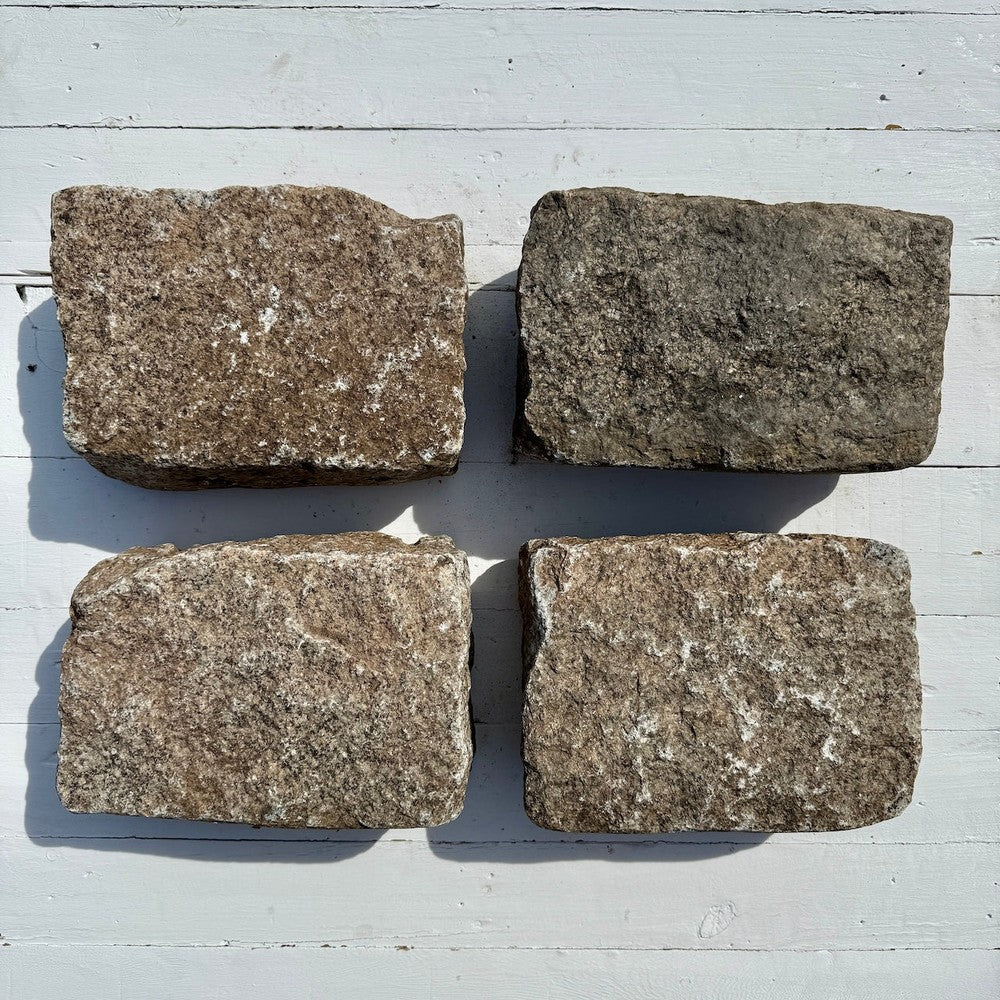
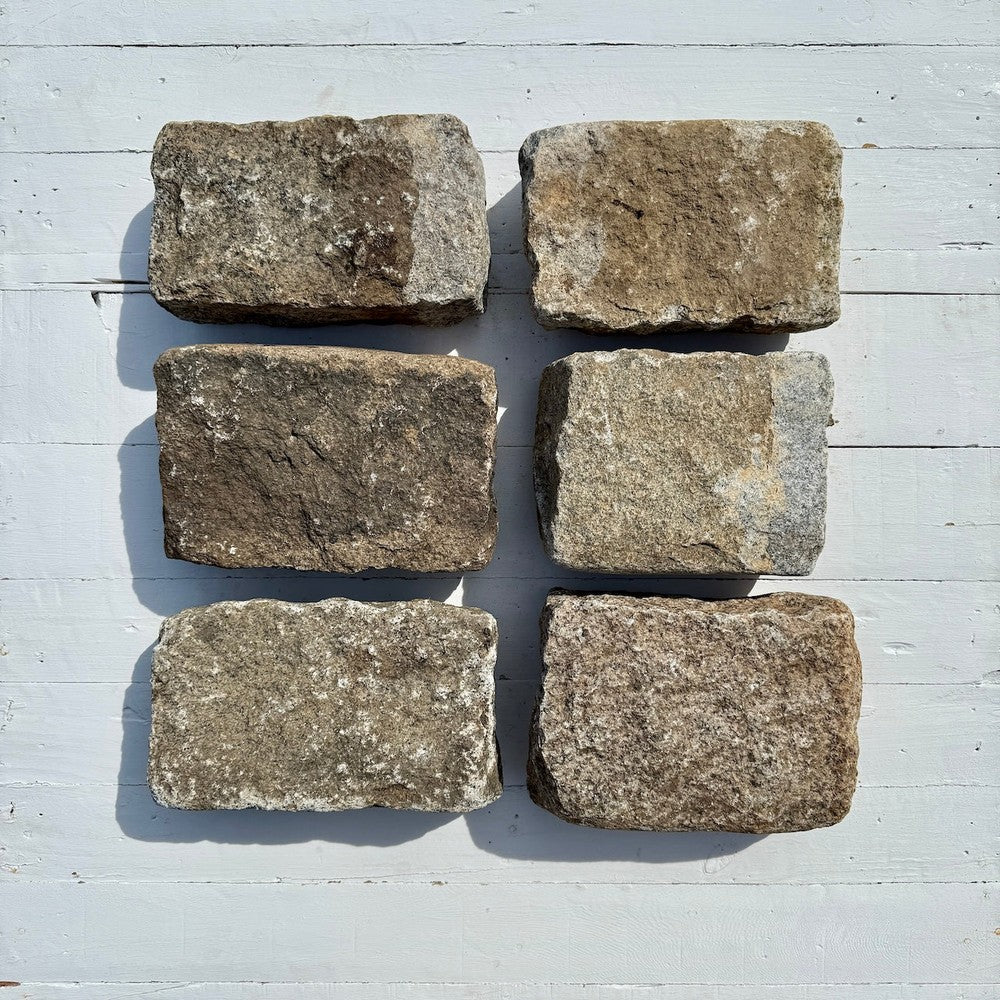
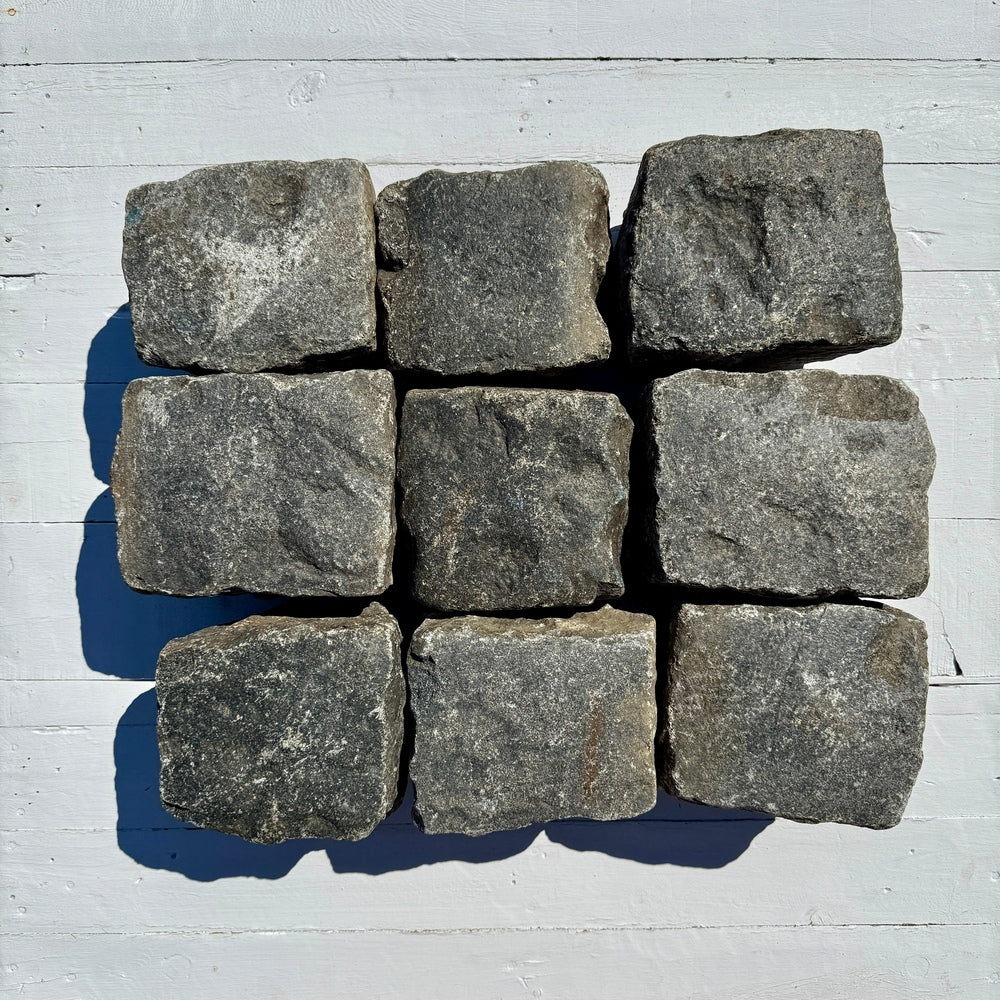
The recent renovation of St. Michael's Church involved the use of reclaimed jumbo cobblestones, which have a rich history of their own. Originally laid on the streets of New York, these stones have weathered the bustling city life for decades, each one telling a story of resilience and endurance. By repurposing these cobblestones, the church not only preserves their historical significance but also provides them with a new lease on life, diverting them from recycling centers where they might be crushed and rendered unusable.
Sustainable Design Choices
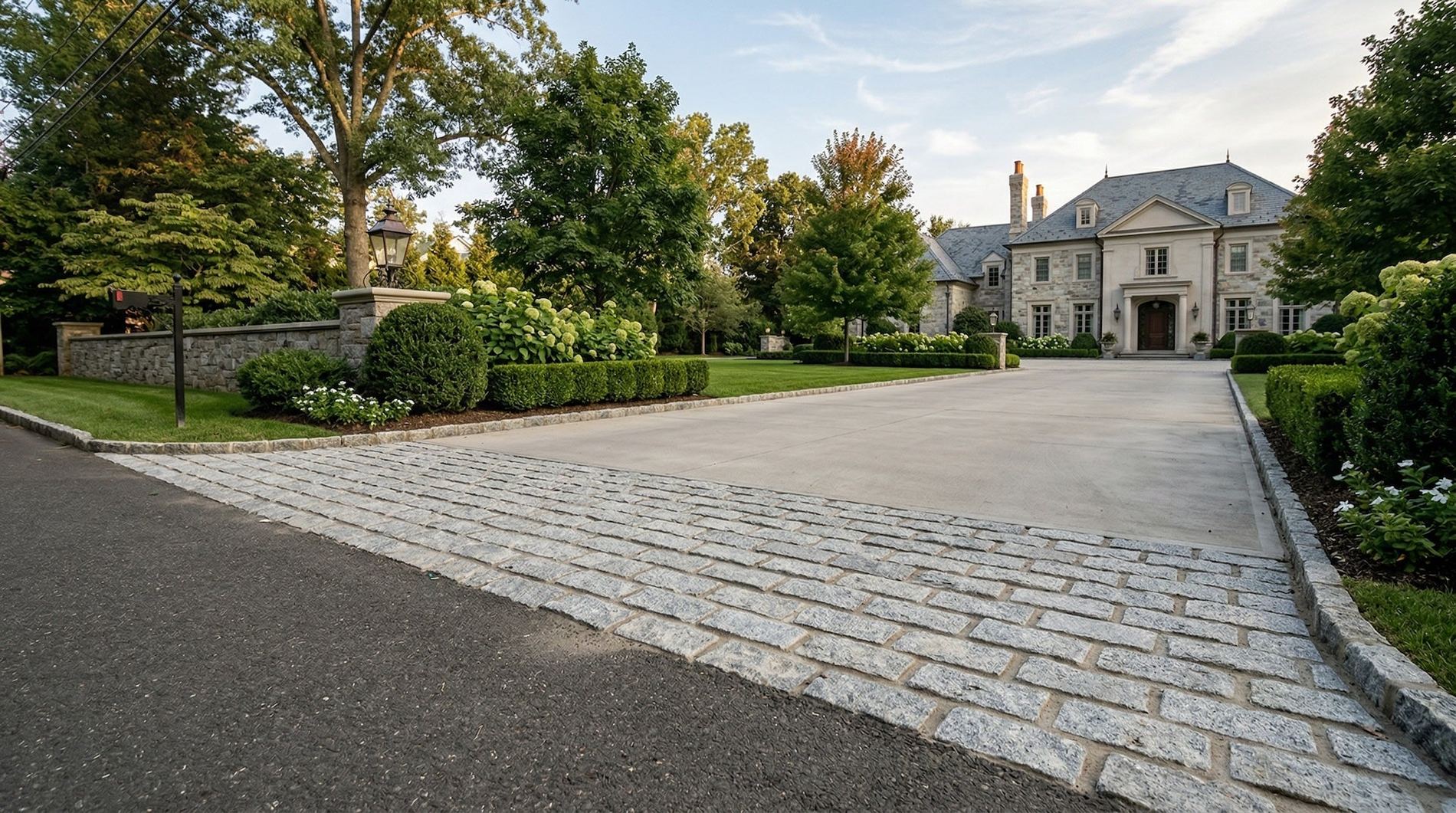
The decision to use reclaimed materials in the renovation was driven by a commitment to sustainability and a desire to maintain the church's connection to its surroundings. The cobblestones now serve as elegant retaining walls along the pathways, guiding visitors to the church entrance while echoing the charm of the city streets they once adorned. This design choice not only enhances the aesthetic appeal of the church grounds but also resonates with the community's values, as parishioners appreciate the blend of history and modern ecological responsibility.
Community Pride and Connection
The architect behind the renovation
Conclusion
The renovation of St. Michael's Church is a shining example of how historical reverence and sustainable practices can coexist harmoniously. By incorporating reclaimed jumbo cobblestones into its design, the church not only preserves a piece of New York’s history but also reinforces its commitment to environmental stewardship. As this beloved parish continues to serve its community, it stands as a testament to the beauty of reusing materials and honoring the stories they carry.
At Chief Bricks, we celebrate initiatives like this that breathe new life into historic materials, reminding us all of the potential to blend past and present in our built environments.
For a detailed account of this project, read Willem Boning’s article, “St. Michael’s Church: Paving the Way to Accessibility,” published on February 18, 2025.




Share: