
You can tell right away when a wall is built with reclaimed brick. The surface is softer, the corners are worn down, and the colors feel like they have already lived a life. That history is exactly why people love salvaged masonry, but it is also why you cannot treat it like a stack of new production bricks.
One of the biggest mistakes people make with reclaimed brick is assuming any bag of mortar from the local yard will do. Standard high‑cement mixes might seem stronger on paper, but they can quietly damage older or softer bricks over time. If you care about both the look and the lifespan of your wall, the mortar has to be chosen as carefully as the bricks themselves.
In this article, you will learn what makes reclaimed bricks different, why mortar strength and flexibility matter so much, and how lime‑based mortars like Ecologic NHL 3.5 are designed to protect rather than punish historic masonry. By the end, you will know how to talk confidently with your mason or contractor about the right mix for your project.
Table of Contents
- How Reclaimed Bricks Differ from New
- Why Mortar Choice Matters So Much
- The “Sacrificial Mortar” Principle
- Lime vs Modern Cement Mortar
- Why NHL 3.5 Mortar Pairs Well with Reclaimed Brick
- Where This Matters Most in Real Projects
- When a Standard Mortar Still Makes Sense
- How to Talk to Your Mason or Architect
- Choosing Mortar for New York Reclaimed Bricks
How Reclaimed Bricks Differ from New
Reclaimed New York bricks are not coming fresh off a modern automated line. They have been through a full service life in facades, interior walls, and chimneys built in the late 1800s and early 1900s. Many were fired in older kilns, made from local Hudson Valley clays, and laid in lime‑rich mortars that allowed buildings to move and breathe over time.
That history shows up in three main ways:
- Softer cores and varied density – Older bricks are often less uniform and can be softer than modern high‑temperature, high‑compression units.
- Existing wear and micro‑cracks – Decades of freeze–thaw cycles, moisture and movement leave hairline cracks and worn arrises that need gentle support, not additional stress.
- Original lime‑based construction – The walls these bricks come from were usually built with softer, more flexible lime mortars that matched the brick strength.
When you pull those bricks out of an old building and give them a second life as a townhouse facade, patio, or feature wall, you are inheriting all of that character plus the performance profile that goes with it.
Why Mortar Choice Matters So Much
Mortar does more than fill the gaps between units. It controls how a masonry assembly moves, drains, and handles temperature swings. In reclaimed brickwork, the wrong mortar can turn charming old material into a maintenance problem in just a few seasons.
When a mortar is harder and denser than the brick it holds, any movement or freeze–thaw stress has to go somewhere. Instead of small, manageable hairline cracks in the joints, you can see cracks and spalling develop in the brick faces themselves. In cold, wet climates like New York, that process accelerates because trapped moisture expands when it freezes.
Visually, that shows up as flaking faces, popped corners, and damp blotches around joints. Structurally, it means you are sacrificing the bricks you went out of your way to salvage. A good reclaimed brick project flips that equation around so the mortar takes the beating instead.
The “Sacrificial Mortar” Principle
Historic masonry guidelines around the world lean on a simple idea: the mortar should be the weak link on purpose. It should be easier and cheaper to repair or repoint the joints than to replace original brickwork. This is what people mean when they talk about “sacrificial mortar.”
In practice, that means you aim for a mortar that is equal to or slightly weaker than the brick itself. Under load, temperature swings, and moisture cycles, minor cracks show up in the joints, not in the faces of the brick. When the time comes, a mason can rake out and repoint the mortar while leaving the reclaimed units intact.
Lime‑based mortars make this easier because they offer a combination of moderate strength, flexibility, and vapor permeability. They can move with the wall, gently redistribute stress, and allow moisture to escape rather than trapping it behind a rigid, dense surface.
Lime vs Modern Cement Mortar
Modern bagged mortars at the home center are usually based on Portland cement and graded sands, with different type letters (M, S, N, O, K) indicating relative strength and cement content. Those mixes are great for many applications, but they can be too strong and too dense for reclaimed or historic brick.
By contrast, traditional lime mortars rely on lime as the main binder and often contain little or no Portland cement at all. They tend to be more flexible, more breathable, and slower to reach full strength, which matches the way older masonry assemblies were originally designed to work.
Natural Hydraulic Lime (NHL) sits in the middle. It is still lime, but with natural impurities that allow it to gain strength through a hydraulic set in addition to the usual carbonation. NHL 3.5 mortars fall into a moderate strength range that is well‑suited to many reclaimed brick and stone assemblies in climates that see both moisture and freeze–thaw.
Why NHL 3.5 Mortar Pairs Well with Reclaimed Brick
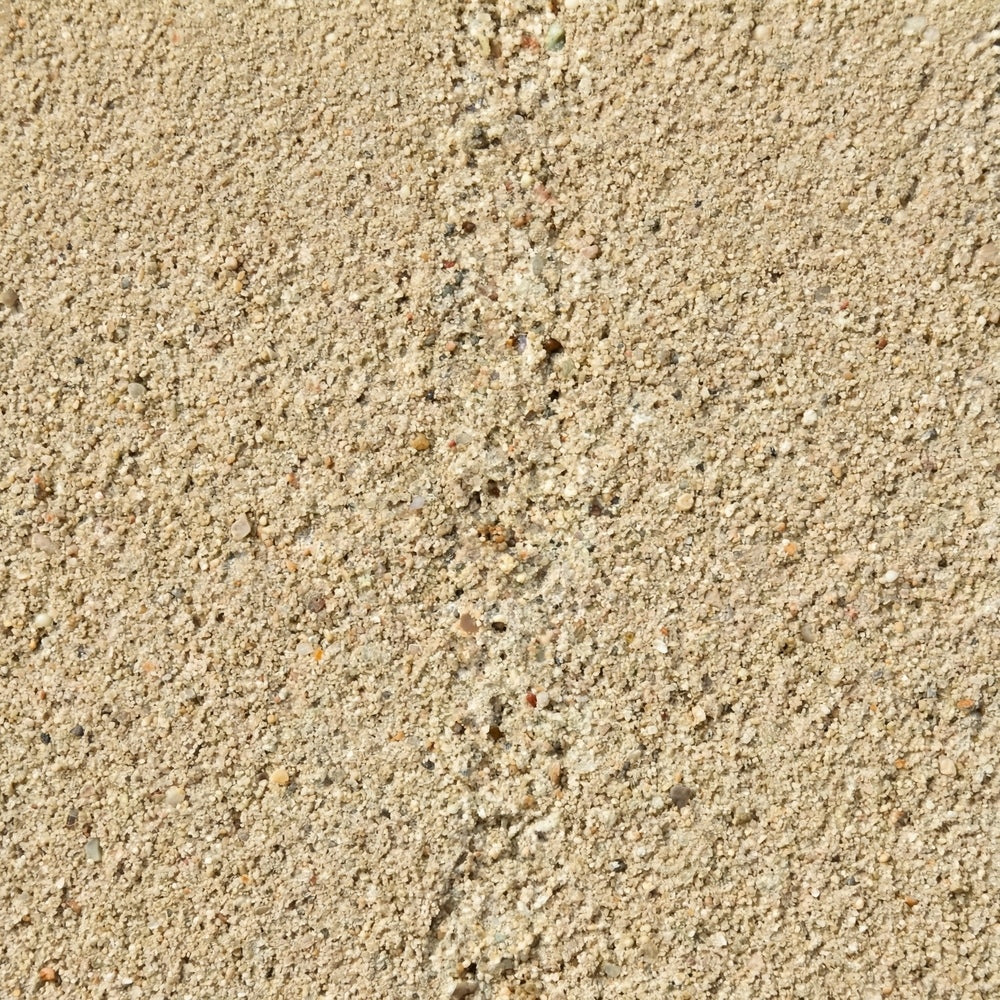
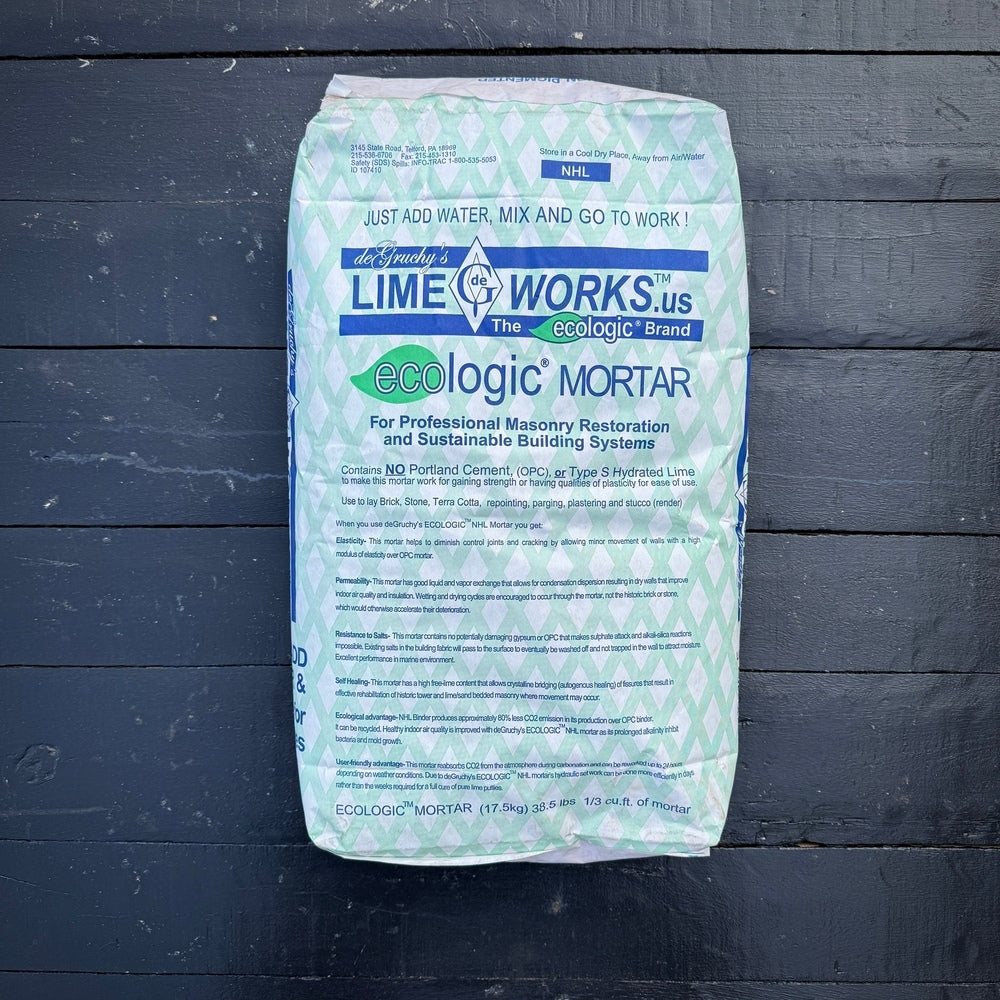
Ecologic NHL 3.5 Mortar for Reclaimed Bricks builds on that hydraulic lime base and bundles it into a pre‑blended mix with carefully graded sands and optional pigments. You do not have to guess at ratios or worry about mixing errors on site; water is the only thing you add.
For reclaimed brick projects, that product profile solves several problems at once:
- Compatible strength – NHL 3.5 delivers moderate compressive strength, designed to be more in line with older, softer brickwork rather than overpowering it.
- Breathability and moisture management – The lime‑rich formulation allows vapor to move through the joint, helping walls dry out instead of locking moisture into the brick body.
- Flexibility and micro‑crack self‑healing – Lime mortars can accommodate small movements and often re‑seal micro‑cracks as free lime migrates and carbonates at the surface.
- Color and texture options – The Ecologic line offers different sand grades and pigment‑stable mixes, making it easier to match aged joints or design a deliberate contrast.
Because it is specifically positioned for restoration and reclaimed masonry work, Ecologic NHL 3.5 lets you respect both the engineering and the aesthetics of the bricks you are reusing. You end up with joints that look appropriate next to a New York reclaimed facade and perform in a way that gives those bricks another long service life.
Where This Matters Most in Real Projects
Some applications are more forgiving than others. If you are laying new, hard‑fired bricks in a sheltered interior wall, a standard cement‑based mortar might be completely acceptable. With reclaimed bricks, the stakes get higher in a few key zones.
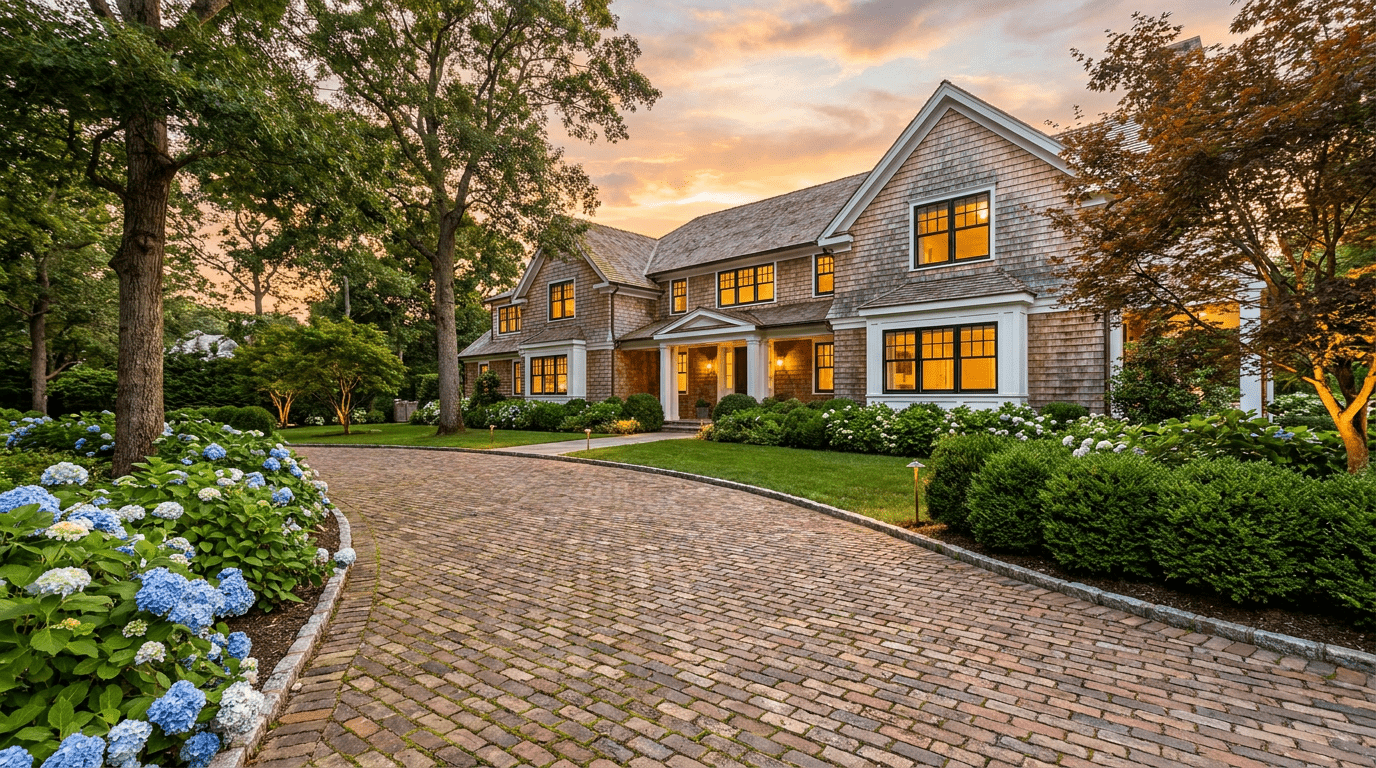
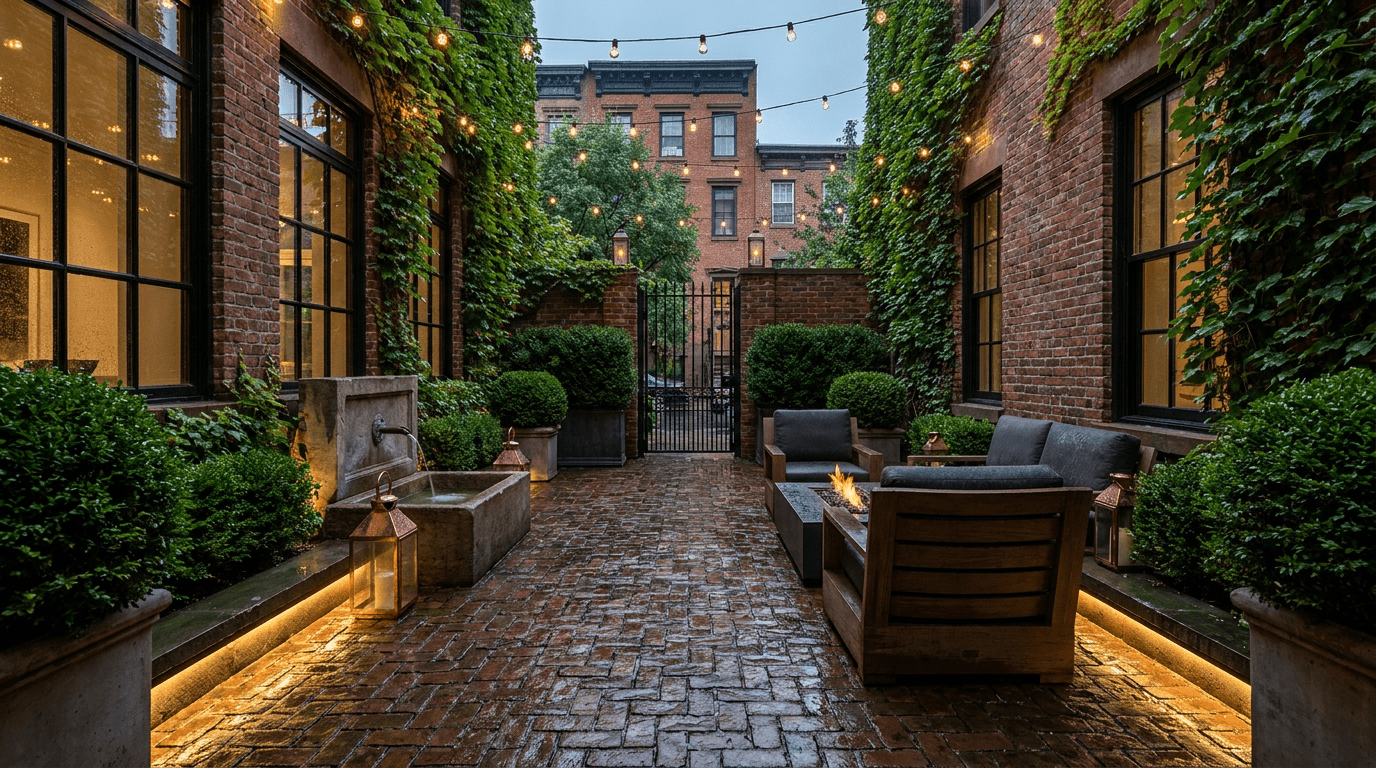
- Exterior facades in freeze–thaw climates – Townhouse fronts, garden walls, and exposed veneers in places like New York see rain, snow, and road salt. A compatible lime‑based mortar reduces the risk of face loss and spalling.
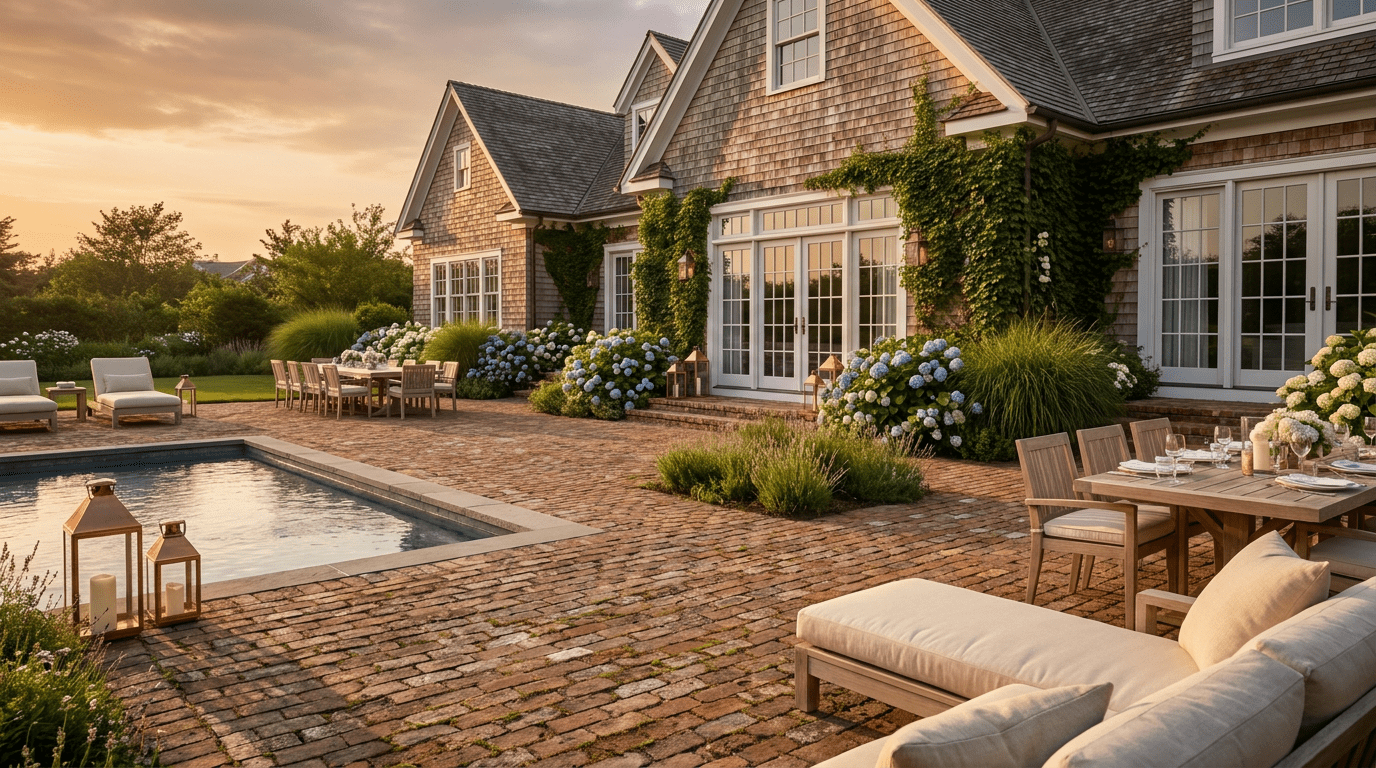
- Near grade and splash zones – Areas close to paving, planters, and grade are exposed to splashback and higher moisture loads, which makes breathability and sacrificial behavior even more important.
- Historic or decorative assemblies – Arches, cornices, and detailed brickwork built from reclaimed stock are expensive to repair if damaged. A gentler mortar protects those features for longer.
In all of these cases, choosing an NHL 3.5‑based mortar for reclaimed bricks is as much about risk management as it is about performance. You are deliberately reducing the chances of having to replace the material you spent time and budget finding.
When a Standard Mortar Still Makes Sense
There are projects where a conventional Type N or Type S mortar is a practical choice. New brick veneers, modern CMU backup walls, and utilitarian work in low‑risk areas often fall into this category, especially when the brick itself is stronger than the mortar.
The key is to avoid treating reclaimed bricks like they belong in that same bucket by default. When the units themselves are older, more absorbent, or visibly softer than contemporary products, it is safer to step down in strength and density and focus on compatibility.
If your project mixes reclaimed and new bricks in the same elevation, a lime‑based mortar like Ecologic NHL 3.5 can also act as a bridge. It lets you treat the assembly as a whole rather than over‑specifying for the sake of the newer units and unintentionally punishing the salvaged ones.
How to Talk to Your Mason or Architect
Most of the risk around mortar selection shows up at the specification stage, long before any bricks are laid. Asking a few targeted questions early can keep everyone aligned with the needs of reclaimed material.
Here are good starting points:
- What is the approximate age and strength of the reclaimed bricks we are using, and how does that compare to the proposed mortar?
- Is the wall primarily structural, or is it a veneer tied back to a modern backup system?
- How much exposure will this assembly see (freeze–thaw, wind‑driven rain, de‑icing salts, irrigation spray)?
- Can we use a lime‑based mortar, such as an NHL 3.5 pre‑blended mix, to keep the joints more compatible with the reclaimed units?
These questions do two things. They signal that you are thinking about long‑term performance, not just initial strength, and they open the door for professionals to consider lime‑rich mixes they might not use on a standard new‑build project.
Choosing Mortar for New York Reclaimed Bricks
If you are working specifically with reclaimed New York bricks, you are dealing with material that has already proven itself in the local climate. Matching that with a mortar designed for restoration‑grade work completes the picture.
Ecologic NHL 3.5 Mortar for Reclaimed Bricks was developed with that kind of application in mind: salvaged bricks, freeze–thaw exposure, and clients who want the patina to last, not just the structure. It gives you the visual flexibility to match aged joints and the performance profile that historic masonry guidelines have been pointing toward for decades.
When you put that all together, the logic becomes straightforward. You are investing in reclaimed brick because you care about character, story, and sustainability. Pairing those bricks with a compatible lime‑based mortar is the step that makes sure that investment pays off for the long run.

Share: