
Reclaimed New York bricks, especially historic Hudson River brick, anchor New York townhouse facades in real city history—delivering authentic character, lower embodied carbon, and streetscapes that feel genuinely “of” Brooklyn and Manhattan rather than newly staged.
Table of contents
- Why reclaimed New York bricks matter
- What makes Hudson River bricks unique
- Townhouse facades and neighborhood context
- A Brooklyn example: Bushwick townhouse character
- Why designers choose reclaimed over new
- Curated mixes and modern performance
- Reclaimed bricks inside the townhouse
- Reclaimed brick and New York’s circular building economy
Why reclaimed New York bricks matter
Reclaimed Hudson River bricks were originally fired from local clays and used extensively as New York shifted from wood to fire‑safe masonry after the 1835 and 1845 fires. Those bricks built rowhouses, townhouses, and early high‑rises, so reusing them today reconnects new work to the same material DNA while dramatically reducing demolition waste and embodied carbon in the city’s housing stock.
If you are planning a project and want to work with historic material, explore our full range of reclaimed units in the all reclaimed bricks collection.
What makes Hudson River bricks unique
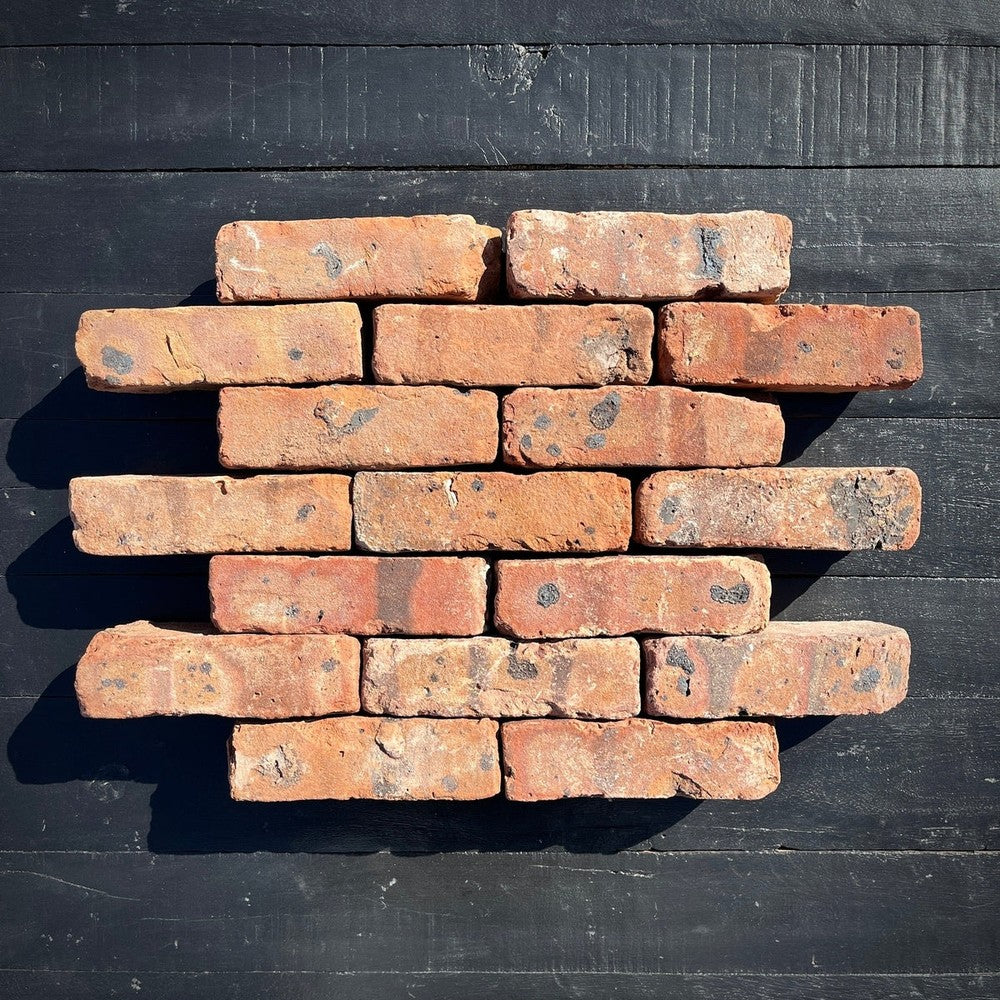
Historic Hudson River brickmakers produced lighter clay bodies and often dusted or coated them with iron‑rich sand to achieve the warm reds associated with classic New York facades. The resulting bricks show nuanced variations in color, kiln marks, and subtle imperfections that read as depth and age, which modern, highly uniform brick struggles to replicate.
For a deeper dive into how reclaimed units compare with factory‑new options, read Reclaimed vs New Bricks, What Should I Pick?
Townhouse facades and neighborhood context
On Manhattan and Brooklyn streets, reclaimed New York bricks allow new or renovated townhouses to blend into established blocks instead of looking like obvious, smooth‑faced infill. Mixed batches can echo long horizontal bonds and decorative bands seen on older facades, which is particularly valuable when replacing non‑original stucco or building rear extensions that must feel continuous with the original masonry.
Choosing the right pattern matters as much as the material itself; see Brick Bonds – Patterns For Walls, Patios And Paths for bond ideas that work beautifully on townhouse fronts and garden walls.
A Brooklyn example: Bushwick townhouse character

On Jefferson Street in Bushwick, a plain beige stucco facade “didn’t reflect the neighborhood’s rich history,” as designer–builder Joseph Aghelian of Park Slope Associates put it. Familiar with the “antique brick facades on Bushwick’s historic homes” and the “subtle, elegant combinations of bricks” on new luxury buildings nearby, he and his client wanted a home that “authentically contributed to the neighborhood’s character,” not a generic modern frontage.
Reclaimed Hudson River bricks sourced through Chief Bricks became the core material for that transformation, providing a curated mix of batches and colors that captured the “rustic, historic vibe” of Bushwick’s 19th‑century industrial and brewing past. Aghelian credits the diverse, hand‑picked reclaimed bricks for giving the Jefferson Street townhouse a facade that acts as an “homage to Bushwick’s past while embracing its dynamic present,” turning a flat stucco box into a richly textured, context‑aware brick townhouse elevation.
Why designers choose reclaimed over new
Architects and builders often choose reclaimed New York bricks for three reasons: authentic appearance, sustainability, and narrative value. The aged surface and varied tones provide instant depth; reusing existing brick avoids the impacts of quarrying and firing new units; and each salvaged brick brings a story that supports premium positioning in townhouse sales and marketing.
To see the broader palette of brick and stone reuse ideas, browse more stories tagged “bricks” in the Chief Bricks bricks articles.
Curated mixes and modern performance
Specialized suppliers curate reclaimed Hudson River bricks into graded, color‑balanced mixes that suit townhouse facades and structural needs. This approach lets design teams specify particular tonal ranges while relying on tested durability, frost resistance, and compatibility with modern masonry details like breathable mortars and proper flashing.
When you are ready to estimate quantities for a facade, patio, or garden wall, the masonry brick and stone calculator can help you quickly translate square footage into brick counts.
Reclaimed bricks inside the townhouse
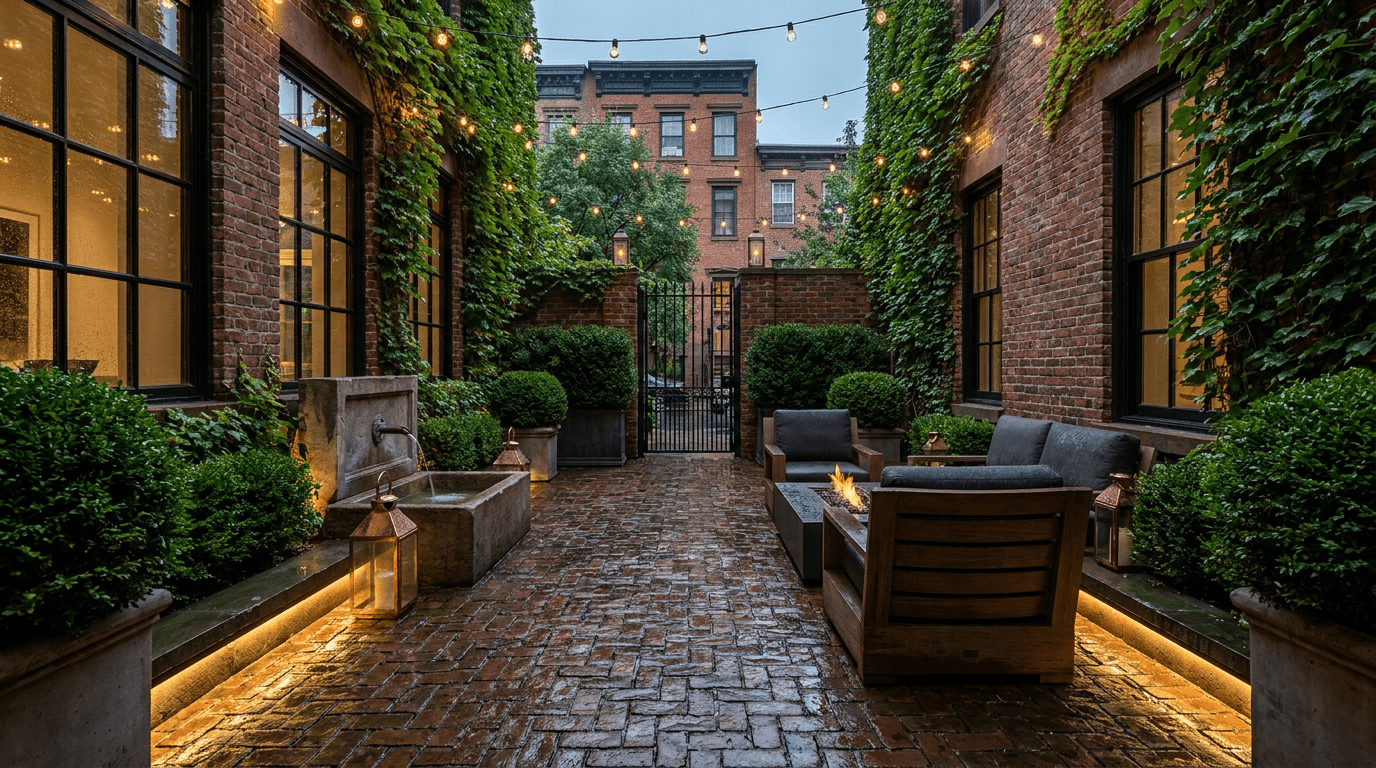
Reclaimed New York bricks also move inside, appearing as exposed party‑wall treatments, stair‑core backdrops, fireplaces, kitchen feature walls, and thin‑brick floor tiles. Interior use extends the historic material language from the facade into daily life, and thin reclaimed veneer products make this possible even where structure and thickness are constrained.
For inspiration on interior applications, especially floors, see Reclaimed Thin Brick Tiles: A Floor That Tells a New York Story.
Reclaimed brick and New York’s circular building economy
Using reclaimed New York bricks in townhouse architecture aligns with New York State’s growing emphasis on deconstruction and material reuse. Each pallet of salvaged brick represents masonry intercepted before landfill, helping chip away at the hundreds of millions of tons of annual U.S. construction and demolition debris while keeping New York’s architectural character alive.
To explore all available historic masonry options for your own circular project, start with the full reclaimed bricks collection and related reclaimed stone and cobblestone collections.




Share: