Key Takeaways

New York is shifting from fast, wasteful demolition toward planned deconstruction, where buildings are carefully taken apart so brick, stone, timber, and other components can be salvaged, reused, and fed into a growing reuse economy that benefits the environment, workers, and local communities.

Explore Reclaimed Materials
At Chief Bricks, we believe in sustainability and giving new life to old materials. A recent white paper, Constructing a Circular Economy in New York State: Deconstruction and Building Material Reuse, provides a comprehensive look at how New York can transition from a wasteful demolition process to a circular construction economy. This shift has the potential to create jobs, reduce carbon emissions, and transform how we think about building materials.

The Problem: Wasteful Demolition & Landfills


New York State generates over 18 million tons of construction and demolition (C&D) waste each year, with a significant portion ending up in landfills. With two major landfills set to close by 2025, the state faces an urgent waste crisis. The traditional “take-make-waste” model of demolition not only depletes valuable materials but also contributes to carbon emissions and rising construction costs.

The Solution: Deconstruction & Reuse


Deconstruction—the careful dismantling of buildings to salvage materials for reuse—presents a sustainable alternative. The report outlines how replacing demolition with deconstruction could:
✔ Reduce waste: Up to 90% of building materials can be reused or recycled.
✔ Lower carbon emissions: Salvaging materials reduces demand for new production, cutting embodied carbon.
✔ Create jobs: If just 75% of NYS’s residential demolitions switched to deconstruction, 12,600 new green jobs could be created.
✔ Boost the economy: The estimated economic impact could reach $3.05 billion by promoting material reuse and resale.

Key Policy Recommendations


The report highlights policy changes needed to scale up deconstruction, including:
  • Municipal Deconstruction Ordinances to encourage material reuse.
  • Revised Building Codes to support salvaged materials in new construction.
  • Investment in Reuse Infrastructure to develop a stronger reclaimed materials market.
  • Workforce Training Programs to build expertise in deconstruction trades.

Chief Bricks’ Role in the Circular Economy


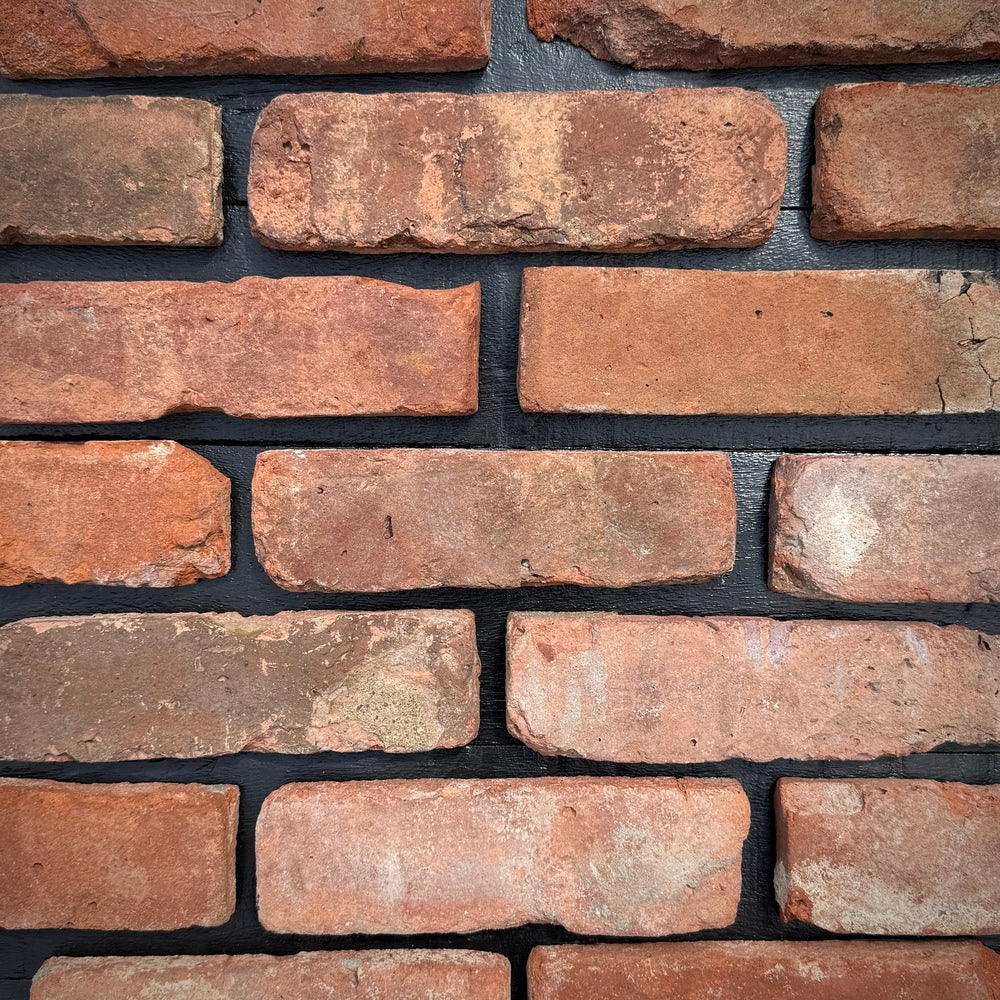
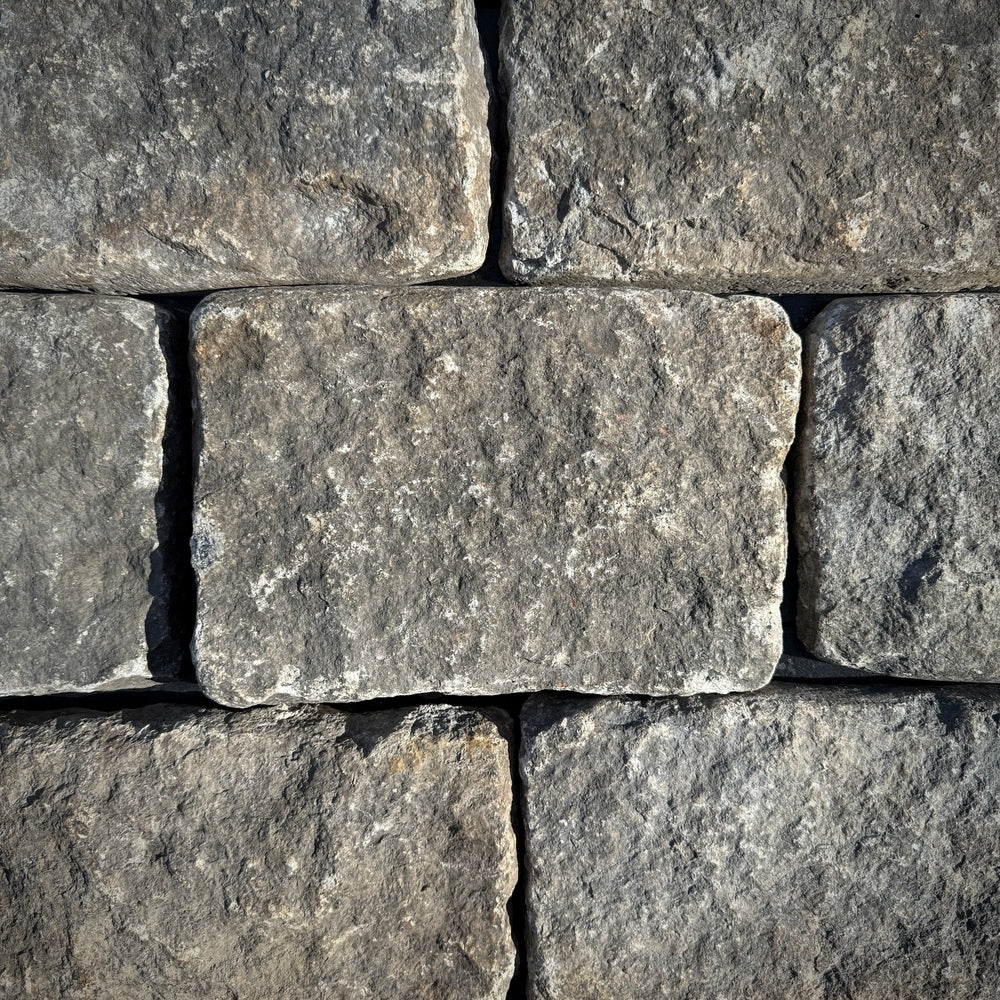
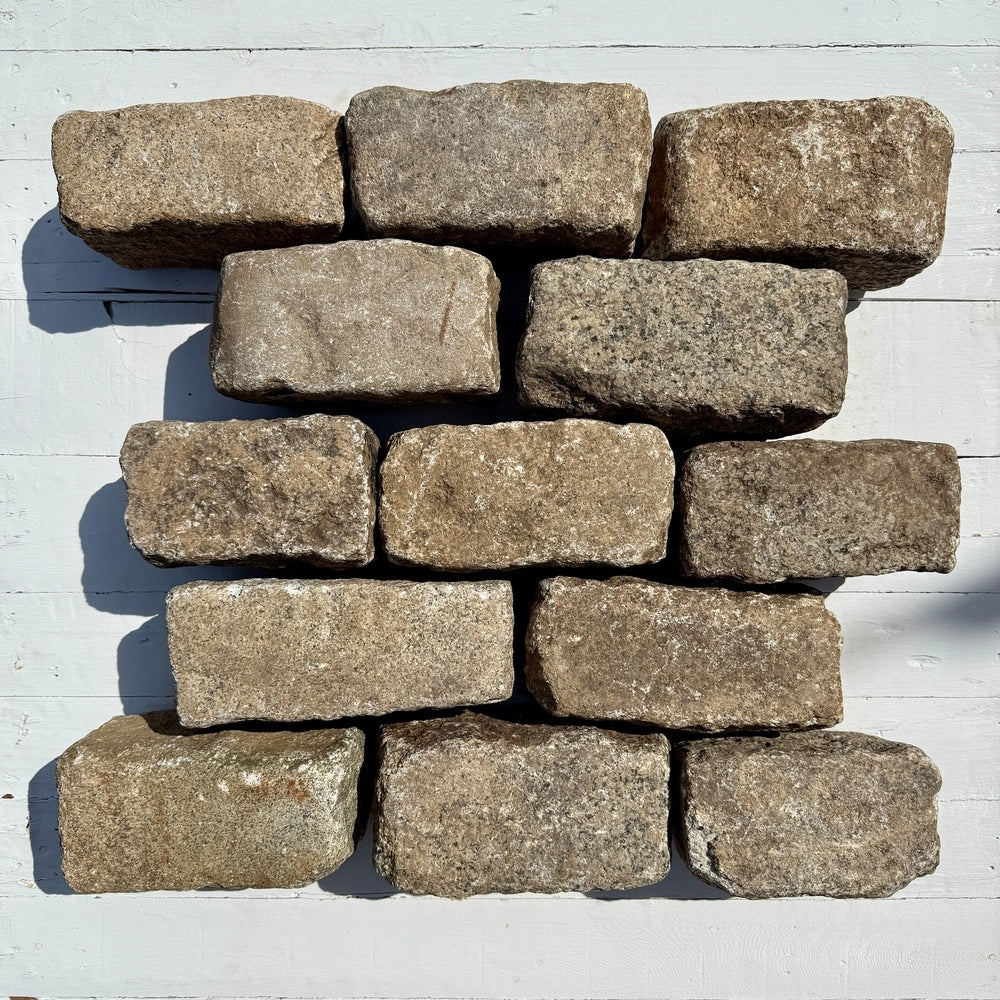
As a leader in reclaimed materials, Chief Bricks is already contributing to this shift by salvaging and supplying reclaimed bricks and cobblestones for new construction. We are committed to supporting policies and practices that promote sustainable building material reuse.

🔗 Read the full white paper here.

By embracing deconstruction, New York State can build a more sustainable, cost-effective, and environmentally responsible future. The time to act is now!

Frequently Asked Questions

What is deconstruction and how is it different from demolition?

Demolition is a quick, mechanical teardown that turns most of a building into mixed debris destined for landfills or low‑value fill.
Deconstruction is a planned, systematic disassembly that prioritizes material recovery, allowing brick, stone, wood, fixtures, and other components to be removed intact for reuse or high‑value recycling.

Why is New York State focusing on deconstruction and material reuse?

Construction and demolition generate hundreds of millions of tons of waste annually in the U.S., far exceeding regular household trash and putting massive pressure on landfills.
New York’s climate goals, waste‑reduction targets, and aging building stock make deconstruction and reuse powerful tools to cut embodied carbon, conserve resources, and support more sustainable development.

What policies or initiatives support deconstruction in New York?

Municipalities and state agencies are exploring deconstruction requirements, salvage plans, and incentives on public projects to ensure reusable materials are identified and recovered instead of landfilled.
Nonprofits, museums, and reuse-focused companies in the Hudson Valley and NYC are partnering on training, research, and pilot projects that demonstrate how policy, practice, and market demand can align around material reuse.

How does deconstruction create jobs and economic value?

Deconstruction is more labor‑intensive than mechanical demolition, which can translate into significantly more on‑the‑ground jobs per project, particularly for entry‑level and skilled trade positions.
Reuse and resale of reclaimed brick, cobblestone, lumber, and architectural elements create new revenue streams for material yards and local businesses, while giving owners cost‑competitive alternatives to new materials.

What building materials are most promising for reuse in New York?

Historic brick, cobblestones, heavy timber, doors, windows, and architectural details are among the most sought‑after reclaimed materials in New York’s reuse market.
These salvaged components offer durability, patina, and provenance that appeal to architects, preservationists, and homeowners designing projects that blend sustainability with authentic New York character.

Disclaimer

The information provided in our guides, installation tips, and blog content is for general reference only. Every project is unique, and site conditions can vary. We strongly recommend consulting a qualified professional installer to review your specific project and provide final guidance.

About The Author

Alkis Valentin is the founder of Chief Bricks and a specialist in reclaimed brick, cobblestone, and natural stone for high-end residential and landscape projects nationwide.