

Overview of Hudson Valley Brickmaking
The lower Hudson Valley, especially places like Haverstraw, Stony Point, and stretches of river up toward Albany, sat on unusually thick beds of brick‑quality clay. By the mid‑1800s, dozens of brickyards lined the river, each with its own clay pits, tempering sheds, molding machines or tables, drying yards, and kilns.
Between roughly 1815 and the early 1900s, brickmaking became one of the region’s defining industries, with Haverstraw alone running over 40 brickyards at its peak. The combination of local clay, river transport, and growing demand from New York City turned the valley into one of the world’s largest brick‑producing corridors.
Step‑by‑Step Process in the 1800s

1. Digging clay from the riverbank
The first step was cutting into the riverbank clay in tall walls behind the yards. Workers dug by hand with picks and shovels, but for safety and efficiency, they worked in stepped benches rather than at the full bank height.
Fresh clay, sometimes many dozens of feet deep in total strata, was loaded into carts or small rail cars and hauled to tempering pits near the molding sheds. The quality and depth of these beds are why towns like Haverstraw could support so many brickyards side by side.
2. Tempering: mixing clay, sand, and coal
In the tempering pit, a skilled pitmaster combined raw clay with sand and crushed coal, plus water, in ratios that varied by yard. Each operation guarded its own recipe to balance plasticity, shrinkage, and firing behavior.
The moistened clay mixture was allowed to soak so water penetrated and the mass became workable. This step reduced lumps and helped the material feed smoothly into hand molds or, later, mechanical presses.
3. Molding: from hand molds to machines
Early in the 1800s, molding was done entirely by hand using wooden molds dusted with sand. Workers packed soft clay into each mold, struck it off flush, and turned out green bricks onto boards to start drying.
As the century progressed, powered brick machines transformed this step. Automatic machines allowed yards to press thousands of bricks per day, often multiple bricks per stroke with several machines running at once. This jump in efficiency is what allowed production to scale to hundreds of millions of bricks annually along the river.
4. Air‑drying in the yard
Freshly molded bricks were too soft to go directly into a kiln, so they were laid out in open drying yards. Workers first spread them flat for several hours, then stood them on edge with small gaps between courses to let air circulate.
Depending on weather, this air‑drying stage could last several days before the bricks were strong enough to be moved and stacked for firing. Rain, humidity, and cold snaps all affected drying time, which is why large yards devoted so much space to open drying fields.
5. Firing in coal‑fueled kilns
Once dry, green bricks were wheelbarrowed to kiln sheds, where setters stacked them into large temporary kilns or loaded them into more permanent structures. In clamp or scove setups, each firing essentially meant building a new stacked kiln with brick flues and setting paths for the heat.
The kilns were fired with coal for roughly a week, reaching temperatures high enough to vitrify the outer surfaces and sinter the body of the clay. After firing, the bricks cooled slowly for another week or so, with kiln doors closed to avoid rapid temperature changes that could crack or weaken the load. The position of a brick in the kiln—near the fire, higher up, or along the edges—had a big influence on its color and hardness.
6. Sorting, loading, and shipping by barge
Once cool, the temporary kiln stacks were dismantled and the bricks were sorted by quality, sometimes into grades based on color and density. Bricks were then wheeled to the riverfront and loaded directly onto barges, each holding hundreds of thousands of units.
Tugboats tied multiple barges together into long tows heading downriver, stopping at yard after yard to collect additional loads. Many of the brick townhouses and industrial buildings of 19th‑ and early‑20th‑century New York City trace their material back to these Hudson Valley brickyards.
Industrial Advances in the Late 1800s and 1900s
Mechanization and scale
While the basic stages stayed the same, major steps became mechanized over the late 1800s. Steam‑powered brick machines increased molding speeds, and mechanical handling reduced the amount of wheelbarrow labor between pits, mixers, and presses.
By the 1880s, Haverstraw alone counted more than 40 active yards producing hundreds of millions of bricks a year, with well over 100 brands across the region. This industrialization cemented the valley’s reputation as a brickmaking capital.
Environmental and social impacts
Aggressive clay mining carved steep banks and undercut riverfront land, contributing to events like the Great Haverstraw landslide in 1906. The industry depended heavily on immigrant labor, with long days and seasonal work dictated by weather and demand.
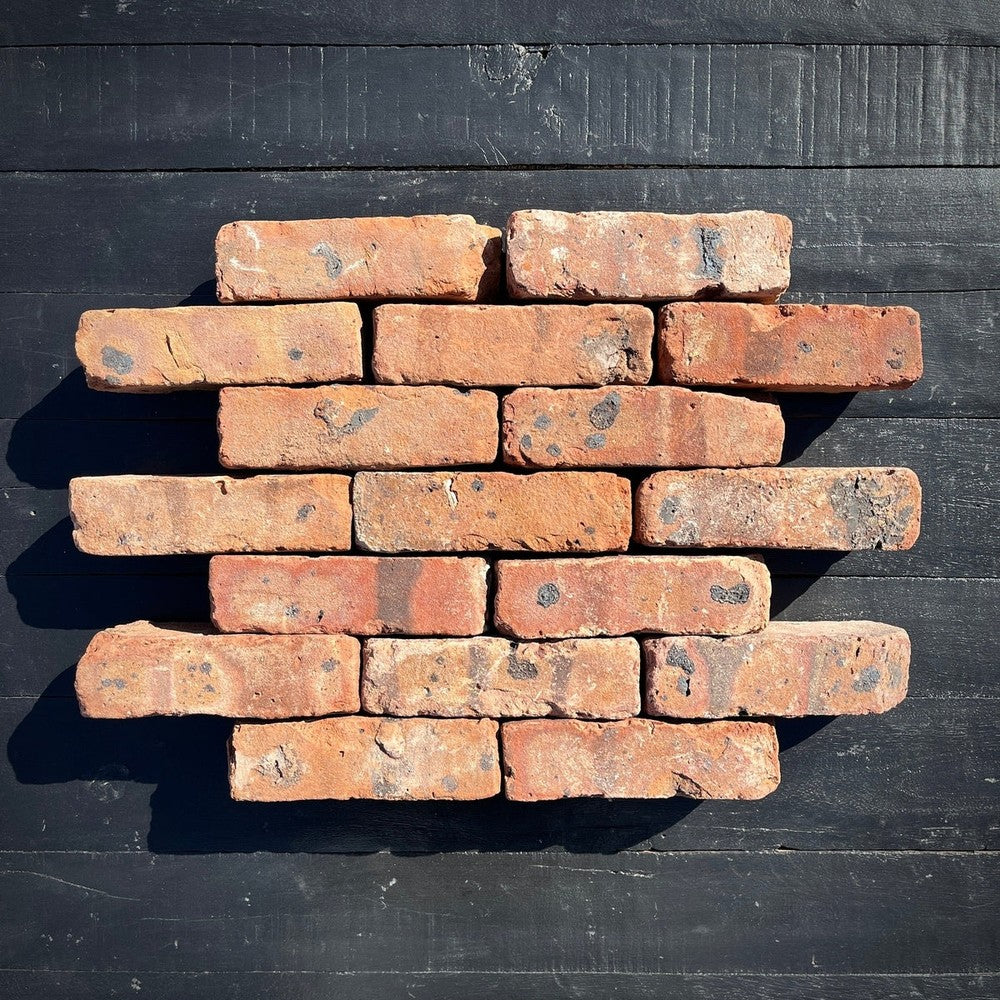
At the same time, brickmaking created dense working communities, local economies, and multigenerational skills around the yards. The legacy lives on in museums and historical societies along the river, as well as in the reclaimed bricks salvaged from buildings the industry helped construct.
Summary Table: Process, Tools, and Changes
| Stage | 1800s method | 1900s developments | Effect on the bricks |
|---|---|---|---|
| Clay extraction | Hand‑dug benches in tall riverbank clay walls. | Some mechanized hauling and deeper pits; continued benching for safety. | Same clay source; high consistency across yards, ideal for strong face brick. |
| Tempering | Clay mixed with sand, coal dust, and water in pits by a pitmaster using horses or manual tools. | Improved mixing equipment and more standardized recipes. | More uniform plasticity and shrinkage control, better firing results. |
| Molding | Wooden hand molds, each filled and struck off by workers. | Steam‑powered and automatic brick machines molding thousands per day. | More consistent dimensions; occasional marks from machine dies. |
| Drying | Open air yards, sun and wind, manual turning and stacking. | Larger drying fields, some covered sheds for weather control. | Seasonal color variation, occasional warping in poor weather. |
| Firing | Clamp or scove kilns built from each batch; coal‑fired over about a week. | Continued coal firing, gradual adoption of more permanent kilns in some yards. | Wide range of colors and hardness depending on kiln position. |
| Sorting & shipping | Hand sorting, wheelbarrow or cart to barges, towed to New York City. | Larger barge fleets and organized branding for different yards. | Branded Hudson Valley bricks became a recognizable urban standard. |
How Hudson Valley Bricks Built New York City
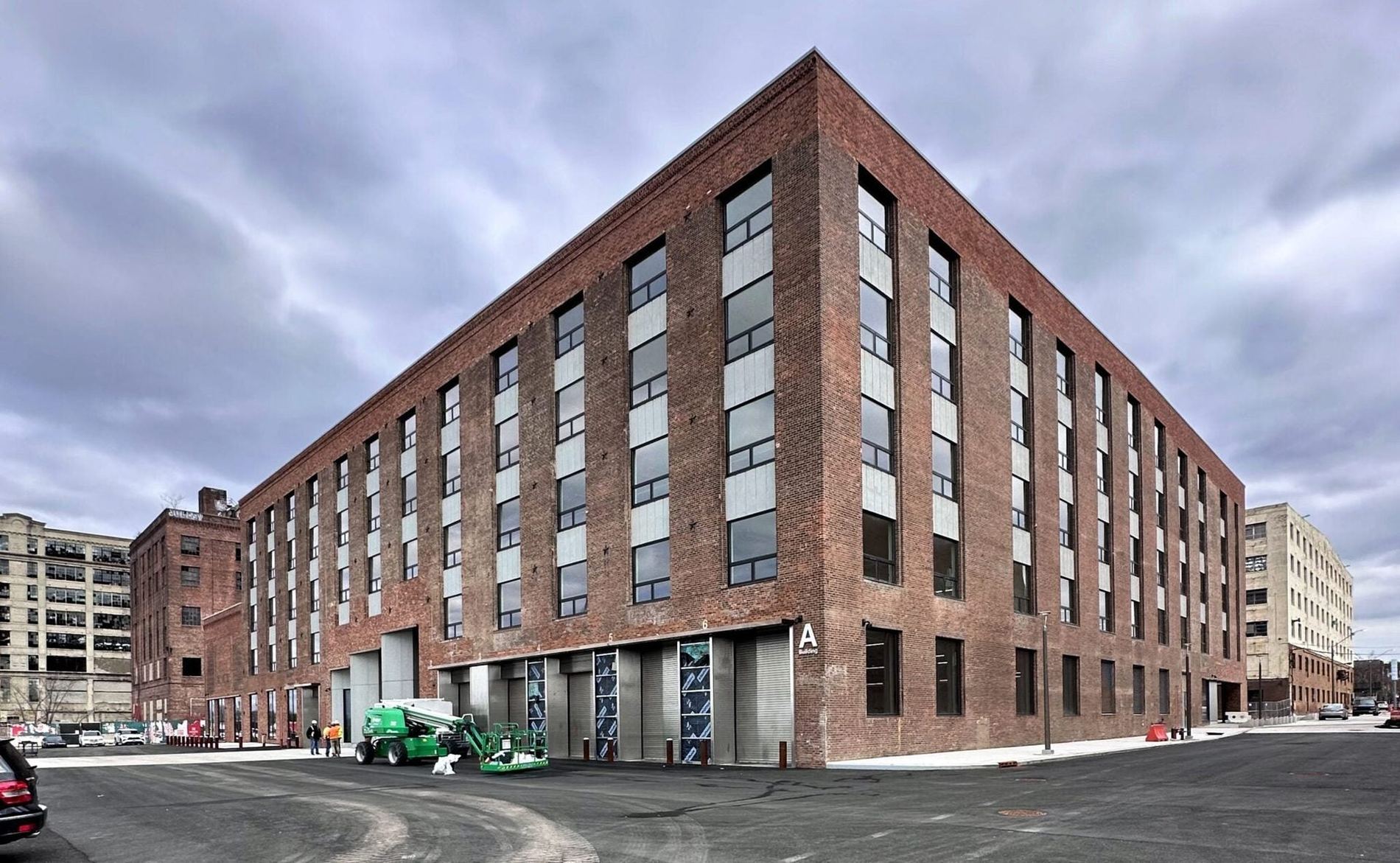
By the late 19th century, a huge share of New York City’s row houses, factories, warehouses, and institutional buildings were laid up in Hudson River bricks. Haverstraw and neighboring towns shipped millions of units per barge convoy, season after season, turning local clay into the fabric of the growing metropolis.
Today, reclaiming those same bricks pulls that history back into circulation, keeping the material in use and preserving the color, size, and tooling that defined the original Hudson Valley production. For projects that want real New York character rather than an imitation, those 19th‑ and early‑20th‑century bricks are still doing the job they were fired for more than a hundred years ago.
Sources
- Feat of Clay: Looking Back at the Once‑Mighty Hudson Valley Brick Industry – Hudson Valley One
https://hudsonvalleyone.com/2018/01/11/feat-of-clay-looking-back-at-the-once-mighty-hudson-valley-brick-industry/ - Bricks – Hudson River Valley Institute (HRVI)
https://www.hudsonrivervalley.org/documents/d/guest/bricks - About – Haverstraw Brick Museum
https://www.haverstrawbrickmuseum.org/about - Haverstraw Brick Museum – Hudson River Valley Institute Site Profile
https://www.hudsonrivervalley.org/haverstraw-brick-museum - The Hudson Valley Brick Industry – ArcGIS StoryMaps
https://storymaps.arcgis.com/stories/7cfcdeb53bda440593ce973fd21a4760




Share: