
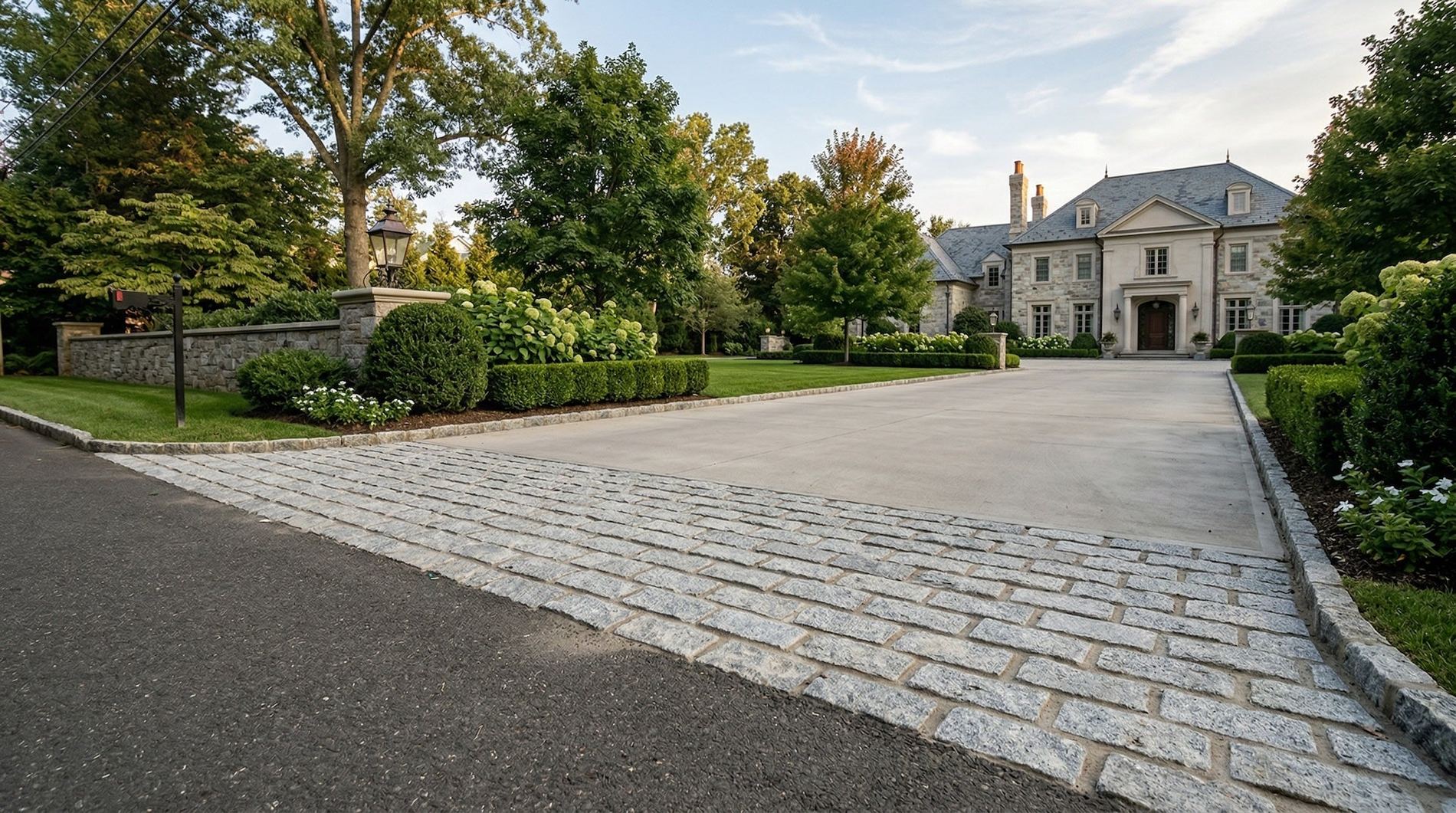
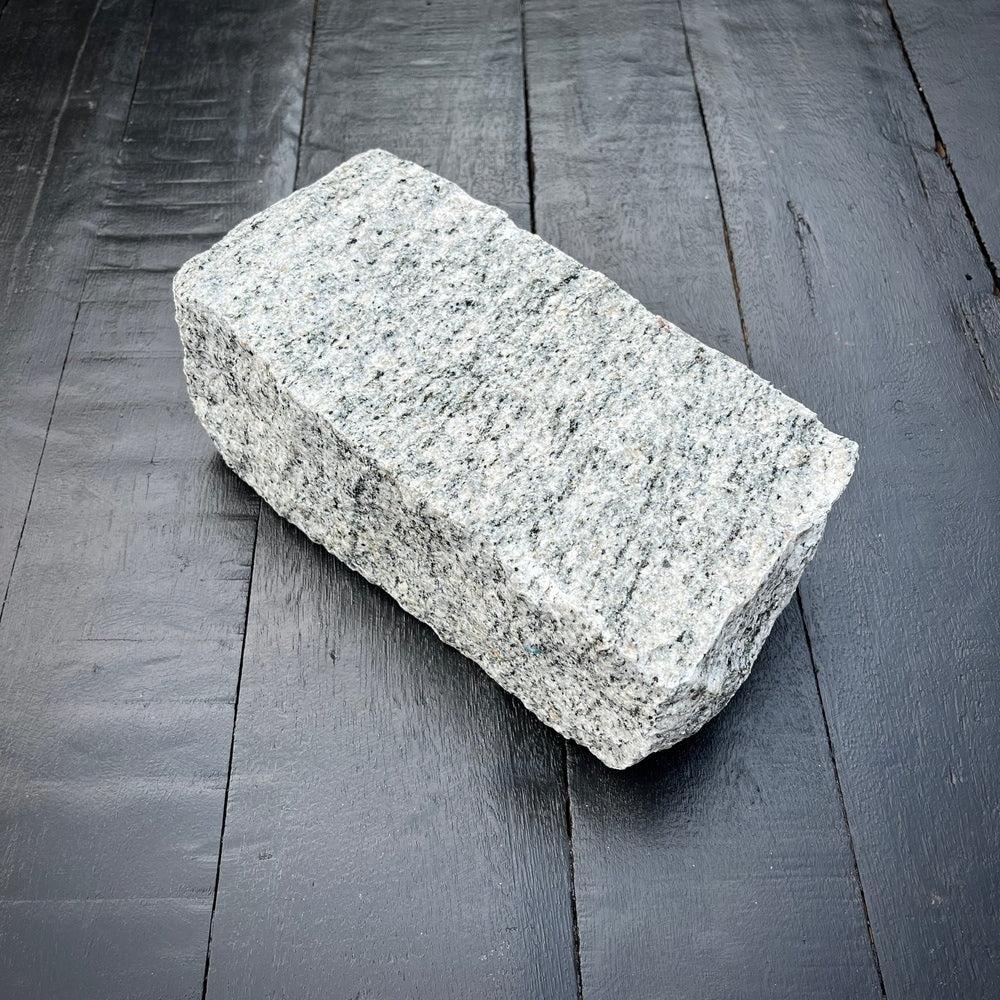
Granite Belgian blocks have a certain presence you can’t fake. A driveway framed in chunky stone, a crisp apron at the street, or a neat row of blocks holding a garden bed in place always feels more permanent than plastic edging or poured borders. They also come with a higher price tag than many alternatives, which naturally raises the question: are they actually worth it?
To answer that, you have to look past the first quote. Granite Belgian blocks sit at the intersection of structure and design. They support edges, handle real weight, and quietly shape how your project looks for years. This article unpacks where the money goes, how long they tend to last, and how to think about cost vs value so you can decide if granite Belgian blocks are the right move for your driveway, edging, or landscape upgrade.
Table of Contents
- What You’re Really Paying For
- Material Costs: Blocks vs Cheaper Alternatives
- Installation Costs: DIY Savings vs Professional Work
- Long‑Term Value: Lifespan, Repairs, and Maintenance
- Where Granite Belgian Blocks Make the Most Sense
- How to Maximize Value on Your Project
What You’re Really Paying For
The headline number on a Belgian block quote can feel high if you compare it directly to basic concrete curbs or plastic edging. But granite blocks aren’t just an edging product; they’re thick pieces of natural stone that do structural work as well as visual work.
You’re paying for several things at once: the quarrying and cutting of dense granite, the sheer weight and durability of each block, and the ability of those blocks to act as a long‑term curb or paving surface rather than a temporary trim. When you evaluate them as part of the overall lifespan of a driveway or garden layout instead of as a short‑term cosmetic upgrade, the math starts to look different.
Material Costs: Blocks vs Cheaper Alternatives
Granite Belgian blocks will almost always cost more per linear metre or per square metre than poured edges, lightweight edging strips, or basic small pavers. That said, they’re also doing more heavy lifting than those options. A single row of blocks can act as curb, wheel stop, and visual frame all at once.
How they compare on materials
- Versus plastic or metal edging: Those products are inexpensive and quick to install but mainly serve as separators; they don’t add much structure or character and are easier to damage.
- Versus poured concrete curbs: Concrete curbs are relatively affordable and can be cast quickly, but they’re more prone to cracking and spalling over time, especially at driveway edges.
- Versus small concrete pavers: Pavers can be cost‑effective for borders, but they don’t offer the same visual weight or thickness at the edge, and they may chip more readily.
Belgian blocks sit at the premium end of that spectrum. The key is deciding where you actually need that premium performance and where a simpler solution is enough.
Installation Costs: DIY Savings vs Professional Work
Installation is where the budget can swing dramatically. Granite Belgian blocks are heavy, unforgiving, and only as good as the base beneath them, so labour is a significant part of the overall cost. How you handle that part of the equation has a big impact on whether the investment feels comfortable or painful.
What affects installation pricing
- Length and complexity: Long runs, tight curves, and detailed patterns take more time than short, straight borders.
- Access and site conditions: Narrow access, poor subsoil, or existing surfaces that need cutting and disposal all add to labour and equipment time.
- Chosen installation method: Dry‑laid borders on compacted stone are generally faster than fully mortared or concrete‑set systems, but each has its place.
DIY can bring costs down on smaller, simpler projects if you’re ready for serious physical work and careful layout. For large driveway edges, aprons, or full surfaces, most people find that paying for a professional crew is worth it simply for the speed, accuracy, and warranty that comes with the finished work.
Long‑Term Value: Lifespan, Repairs, and Maintenance
Where granite Belgian blocks start to shine is not the first year, but the tenth or twentieth. Unlike thin edging or vulnerable curbs, they tend to shrug off day‑to‑day impacts, weather, and minor shifts without falling apart or looking tired.
How they pay you back over time
- Long lifespan: Properly installed blocks can outlast the driveway or path they’re framing, which means you can sometimes reuse them if you ever resurface.
- Minimal maintenance: Routine sweeping, occasional joint topping, and the rare reset of a single block are usually all that’s required.
- Reduced edge damage: Solid stone curbing helps prevent pavement from crumbling or spreading at the sides, which can extend the life of adjacent surfaces.
When you spread the initial investment over those extra years of service and reduced repair needs, the cost per year often compares surprisingly well with cheaper materials that need repair or replacement more often.
Where Granite Belgian Blocks Make the Most Sense
You don’t have to use Belgian blocks everywhere to benefit from them. In fact, they often deliver the best value when they’re used strategically, in the places where durability and appearance matter most.
High‑impact, high‑value locations
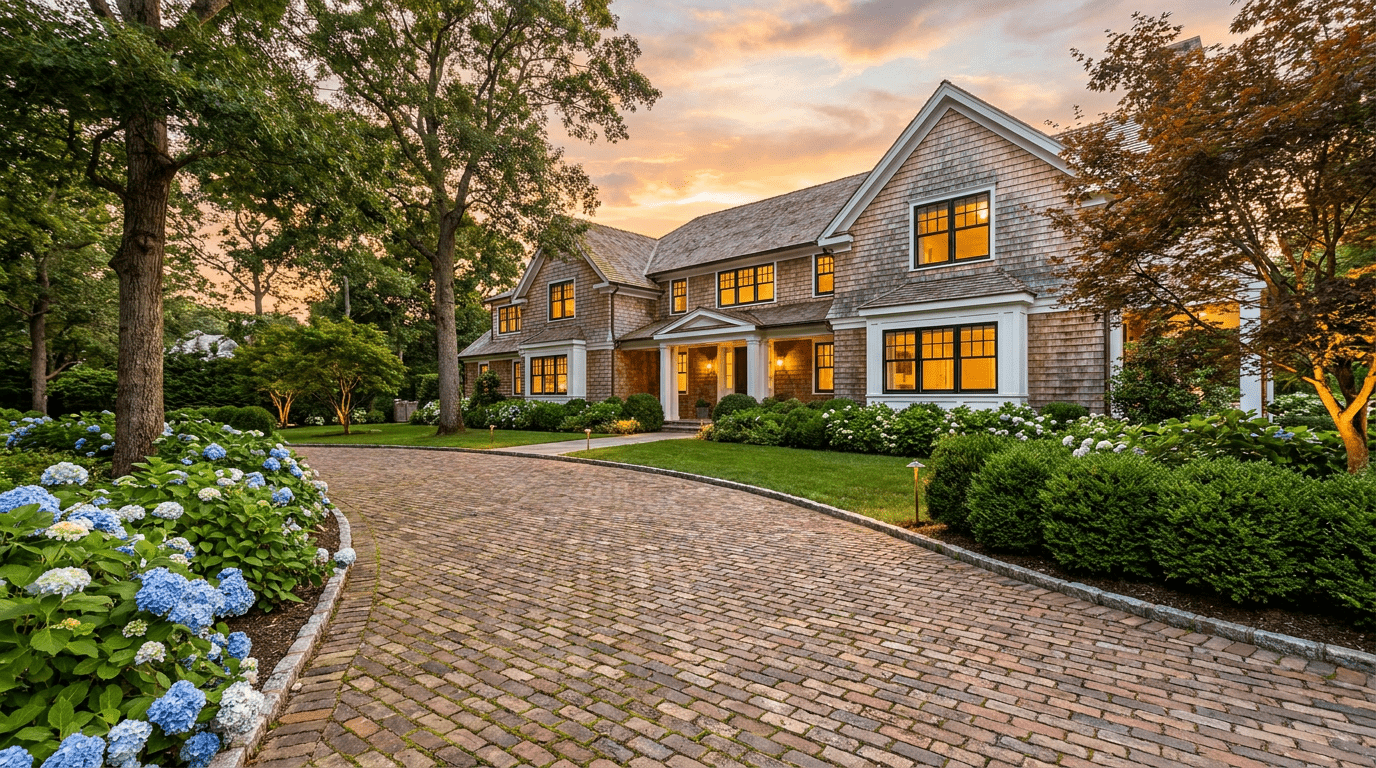
- Driveway entrances and aprons: These are the first thing you see and the places that receive the most wheel traffic and turning forces.
- Primary driveway edging: A strong stone edge can define the entire front of a property and keep the pavement where it belongs.
- Key garden borders: Around front beds, terraces, or outdoor living spaces where a crisp, permanent edge makes everything else feel upgraded.
- Transition points: Where different materials meet (asphalt to gravel, pavers to lawn), Belgian blocks make the junction clean and robust.
Thinking this way lets you put the budget where it will be most visible and most effective, instead of spreading it thin across low‑priority areas.
How to Maximize Value on Your Project
If you’ve decided granite Belgian blocks might be worth it, the next step is making sure you get the most out of every metre you install. A few smart choices in planning, sourcing, and design can stretch the budget without watering down the effect.
Practical ways to stretch your budget
- Prioritize key lines: Use Belgian blocks at the main driveway edges and entrance, and simpler edging in less visible side areas.
- Choose sizes strategically: Jumbo blocks for vehicle edges, smaller pieces for garden borders or secondary paths.
- Keep the layout clean: Straight runs and gentle curves are faster to install and often look more timeless than overly intricate shapes.
- Pair with durable companions: Combine Belgian blocks with surfaces that also have good lifespans so you’re not replacing what they’re protecting every few years.
When you treat granite Belgian blocks as a long‑term structural and visual upgrade rather than a decorative extra, it becomes easier to justify the upfront cost. The payoff is a border, curb, or surface that keeps earning its keep every time you pull into the drive or walk through the garden.

Share: