

Reclaimed street bricks carry a presence that most indoor flooring materials can't match. They were built to live outdoors, endure weather, and hold up under real use. When you bring that same material inside, you get all that toughness plus a warmth and texture that makes transitional spaces feel intentional and grounded.
Mudrooms, sunrooms, and entryways are the places where inside meets outside, where boots land after a rainy walk, and where sunlight streams in through big windows. These are exactly the spots where reclaimed brick floors make the most sense. This guide walks you through how to use reclaimed street bricks indoors, from substrate and installation to sealing, heating, and design choices that make the most of this timeless material.
Table of Contents
- 1. Why reclaimed street bricks work indoors
- 2. Best interior spaces for reclaimed brick floors
- 3. Substrate and installation methods
- 4. Thickness, height, and transitions
- 5. Sealing reclaimed brick for indoor use
- 6. Radiant floor heating and reclaimed brick
- 7. Cleaning and maintenance indoors
- 8. Design ideas: patterns, borders, and color
- 9. Comfort, acoustics, and feel underfoot
- 10. Common mistakes and how to avoid them
1. Why reclaimed street bricks work indoors
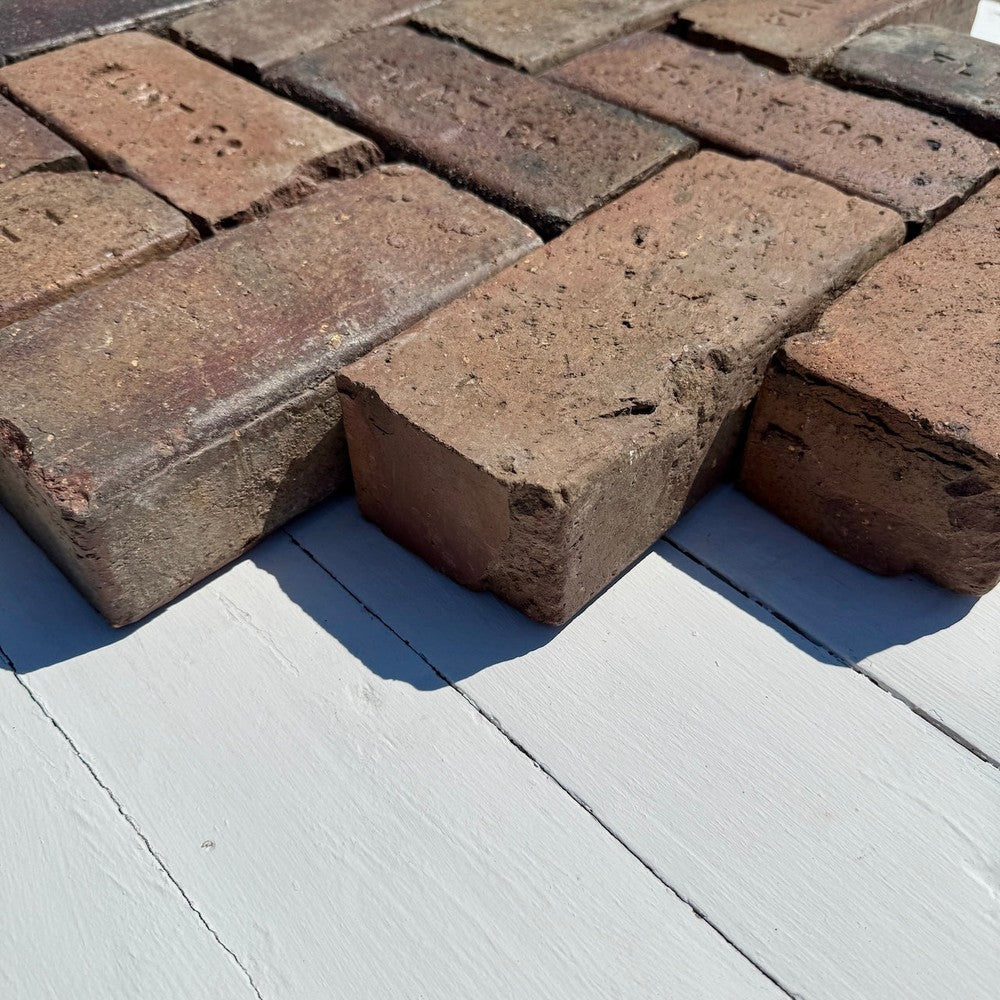
Indoor brick floors aren't a new idea, but using reclaimed street bricks specifically brings something different. These aren't thin brick veneers trying to look old; they're full units that have already lived a complete life outdoors. The worn faces, softened edges, and color shifts are authentic, and that authenticity reads clearly once the bricks are inside.
There's also the practical side. Reclaimed street bricks are dense, durable, and resistant to moisture and wear. In spaces like mudrooms where you track in water, dirt, and salt, or sunrooms where UV light streams in for hours a day, those qualities matter. You're not babying the floor; you're using a material that was designed to take a beating and keep going.
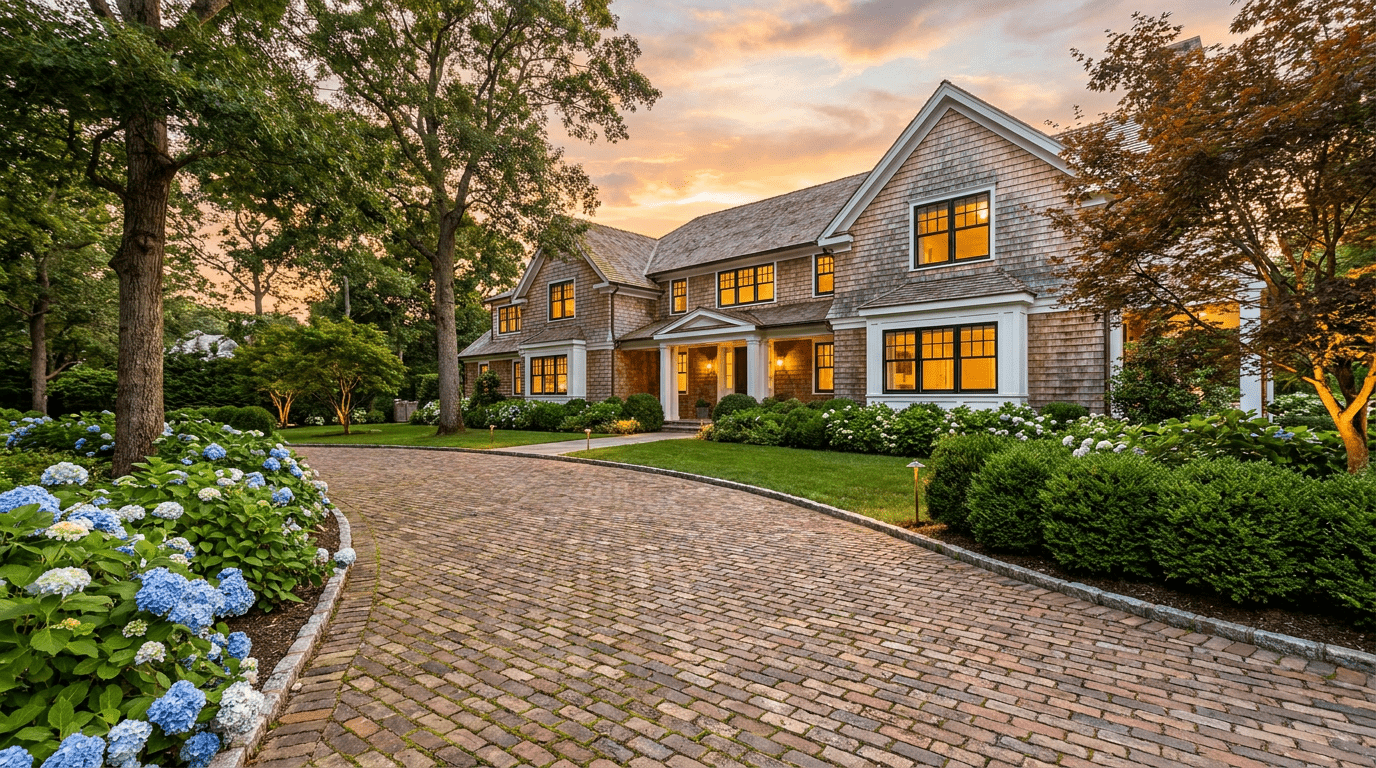
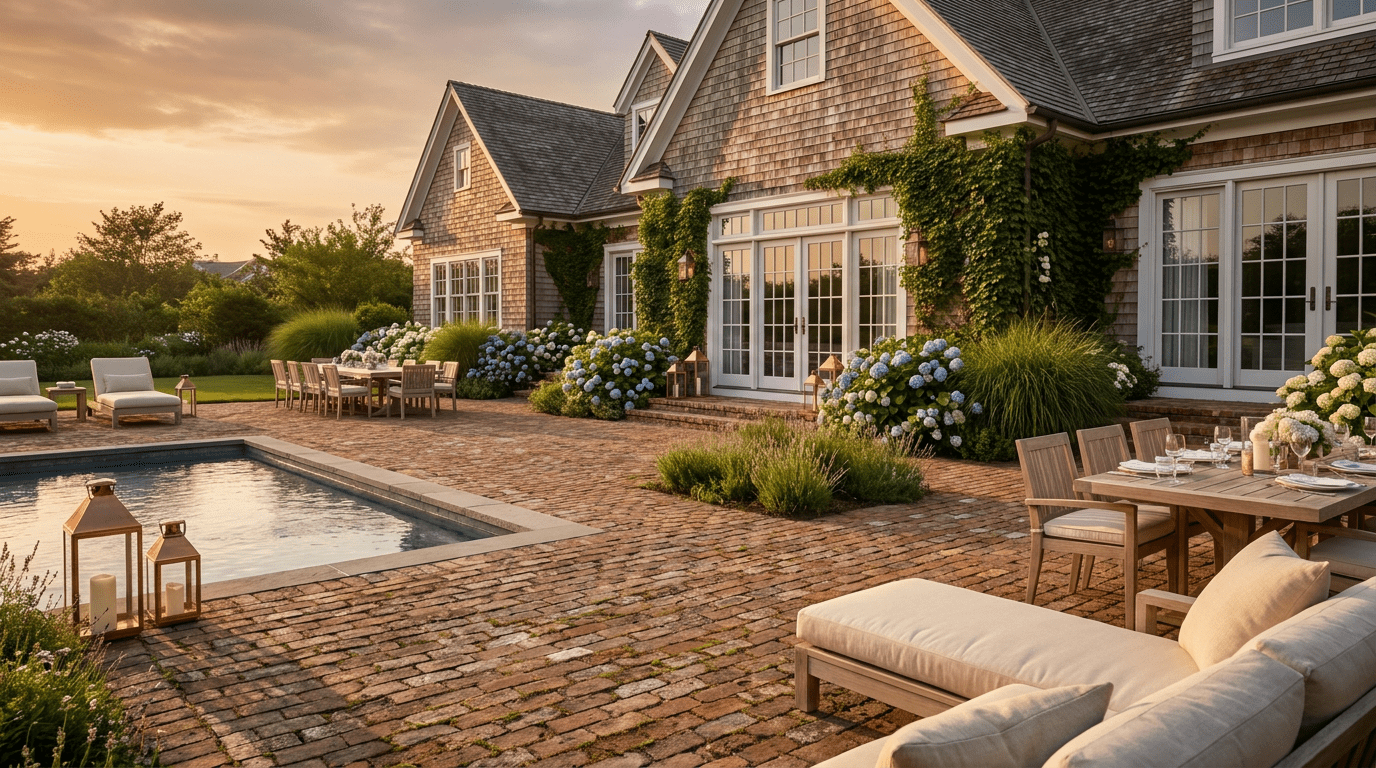
Visually, brick creates continuity. If you have reclaimed brick outside on a patio or walkway, carrying the same material into an entryway or sunroom blurs the line between inside and out in a way that feels deliberate and cohesive. Even if your outdoor spaces use different materials, reclaimed brick indoors still creates that sense of connection to the landscape.
2. Best interior spaces for reclaimed brick floors
Reclaimed brick can technically go anywhere inside a home, but it makes the most sense in spaces where its strengths align with how the room is used. Transitional and high-traffic areas are usually the sweet spot.
Mudrooms and entry halls. These are the workhorse spaces where wet boots, bags, and everyday mess land first. Reclaimed brick handles moisture and dirt without complaint, cleans easily, and looks better with a little patina rather than worse. It's also visually warm, which keeps mudrooms from feeling cold or industrial.

Sunrooms and garden rooms. Sunrooms often feel like they should be part of the garden, and reclaimed brick reinforces that connection. It handles temperature swings and UV exposure well, and it pairs beautifully with plants, natural light, and casual furniture.

Kitchens and breakfast nooks. Some homeowners bring reclaimed brick into kitchens or informal dining areas for a European farmhouse feel. It's durable and forgiving under foot traffic, though you'll want to seal it properly to handle spills and make cleanup easier.

The common thread is spaces where durability, texture, and a sense of age work in your favor rather than against you. If you're looking for ultra-smooth, perfectly uniform floors, this might not be the right material. If you want character and resilience, reclaimed brick delivers.
3. Substrate and installation methods
Installing reclaimed street bricks indoors is different from outdoor paver installation. You're not working over a thick gravel base; you're typically setting brick over an existing concrete slab, plywood subfloor, or another solid substrate. The method you choose affects height, flexibility, and long-term performance.
Thin-set mortar over concrete. If you have a concrete slab (common in basements, garages converted to mudrooms, or slab-on-grade construction), you can bond reclaimed bricks directly using thin-set mortar. This method keeps the floor relatively thin, and once the mortar cures, the surface is very stable.
Mortar bed over plywood or subfloor. For wood-framed floors, you'll often use a mortar bed or backer board system to create a stable base for the brick. This adds thickness and requires careful planning around floor height and transitions, but it allows reclaimed brick to work in spaces that don't have concrete slabs.
Dry-set or sand-bed methods. Some homeowners explore dry-laying brick indoors over sand, similar to outdoor installations. This is less common and typically only practical in very specific applications like enclosed porches or sunrooms with slab bases and good edge containment.
Whatever substrate you choose, make sure it's flat, clean, and structurally sound before you start. Reclaimed bricks will follow the shape of what's underneath, so any dips or irregularities in the substrate will show through in the finished floor.
4. Thickness, height, and transitions
One of the first practical questions when planning an indoor reclaimed brick floor is height. Brick plus mortar or setting bed can add noticeable thickness, and that has to work with door swings, adjoining rooms, and appliances.
Reclaimed street bricks are typically thicker than thin brick veneers, which means they add real height to a floor. That's often fine in mudrooms or sunrooms where you can step down or up slightly, but it requires planning in kitchens or entryways that flow into the rest of the house.
Transitions are key. You'll likely need threshold pieces, tapered transitions, or step-downs to move smoothly from brick to wood, tile, or carpet in adjacent rooms. Those transitions should be planned before installation so they look intentional rather than improvised. Some homeowners use a contrasting border or a metal strip; others create a subtle ramp with thinset.
If height is tight, you can sometimes use thinner reclaimed units or slice full bricks, though that requires specialized equipment and adds cost. In most cases, embracing the thickness and designing around it yields better results than fighting to make the floor paper-thin.
5. Sealing reclaimed brick for indoor use
Sealing is more important indoors than out because you're trying to protect the brick from stains that would be harder to scrub away inside. The right sealer makes cleanup easier and helps reclaimed brick coexist comfortably with furniture, rugs, and everyday living.
Look for a breathable sealer designed for clay brick and interior use. You want something that enhances or maintains the natural look without creating a thick, glossy film. Many homeowners prefer matte or low-sheen products that deepen the color slightly while keeping the surface looking like brick, not plastic.
Application is straightforward: clean the brick thoroughly, let it dry completely, and apply the sealer according to the label. Work in sections and avoid puddling. Most sealers need reapplication periodically, especially in high-traffic areas, but the maintenance is minimal and the payoff in stain resistance is real.
If you're on the fence about sealing, consider how the space will be used. A sunroom with mostly bare feet and plants may not need it. A mudroom with wet boots, dog paws, and bags of groceries landing on the floor probably benefits from the extra protection.
6. Radiant floor heating and reclaimed brick
One of the best pairings for indoor reclaimed brick is radiant floor heating. Brick holds and radiates warmth beautifully, which makes mudrooms and sunrooms feel comfortable even in colder months. The thermal mass of the brick helps even out temperature swings and keeps the floor from feeling icy underfoot.
If you're planning radiant heat, discuss it early with your installer so the system is placed correctly under the brick and mortar bed. Electric mat systems and hydronic (water-based) loops both work, though installation methods vary. The key is to embed the heating elements in a way that doesn't create stress points or interfere with brick layout.
Once the system is running, you'll appreciate how well reclaimed brick responds. It doesn't feel like walking on a hot plate; it just quietly raises the ambient warmth so the whole room feels more inviting. That's especially valuable in spaces with large windows or exterior doors where heat loss is common.
7. Cleaning and maintenance indoors
Indoor reclaimed brick floors are surprisingly easy to maintain. Because they're sealed and not exposed to the full range of outdoor weather, most of the work is simple sweeping and occasional mopping.
For everyday cleaning, a broom or vacuum with a hard-floor setting handles dust and grit. When you need a deeper clean, use a damp mop with a pH-neutral cleaner designed for masonry or tile. Avoid harsh acids or abrasive scrubbers that can strip sealer or etch the brick surface.
Spills should be wiped up promptly, especially things like wine, coffee, or oils that can stain unsealed or lightly sealed surfaces. The beauty of sealed reclaimed brick is that most spills sit on top long enough for you to clean them before they soak in.
Over time, high-traffic paths may show slight wear in the sealer. When water stops beading and the surface feels more porous, it's time to clean thoroughly and reapply a fresh coat. That maintenance window is measured in years, not months, and the process is straightforward.
8. Design ideas: patterns, borders, and color
Design choices for indoor reclaimed brick floors mirror outdoor paver decisions, but with a few differences in scale and context. Indoors, you're often working in smaller, more defined spaces where every detail is visible up close.
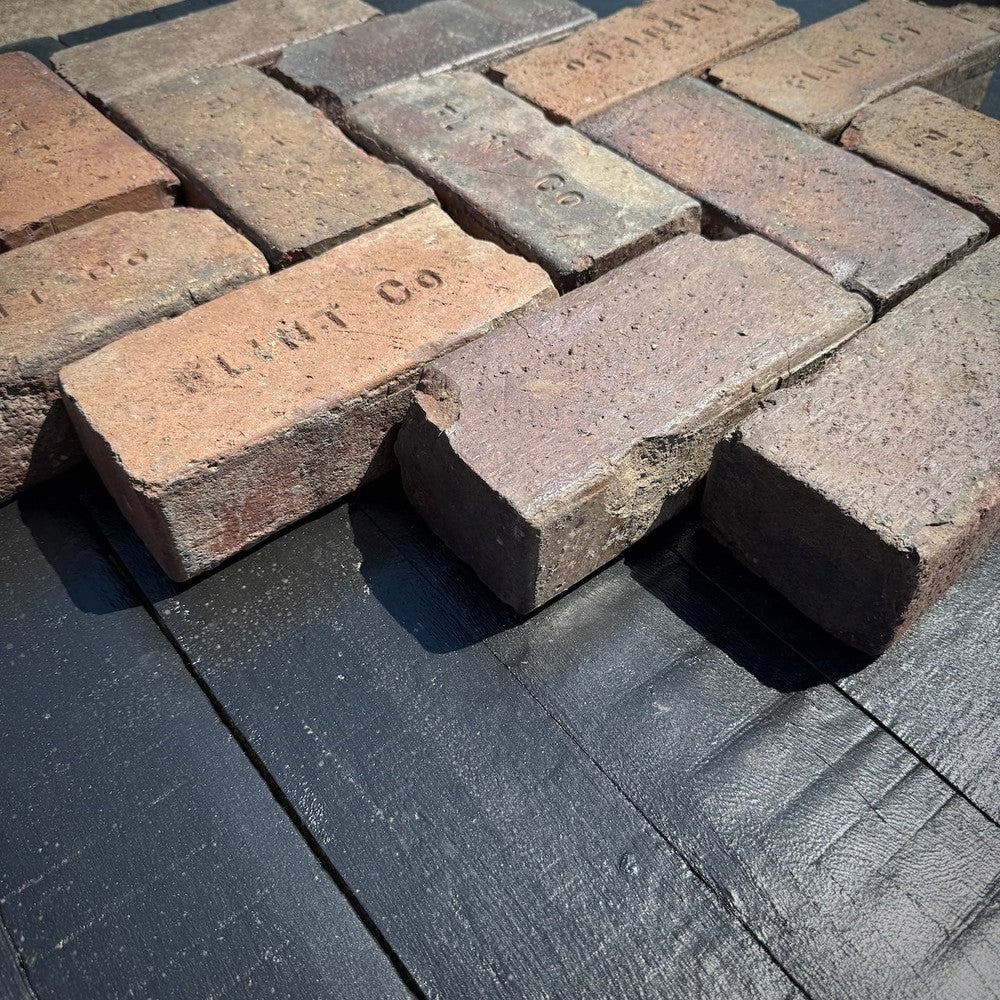
Patterns. Running bond is classic and clean, especially in narrow mudrooms or hallways. Herringbone adds visual interest and works beautifully in sunrooms or larger entryways where you can appreciate the pattern from a distance. Basketweave and stacked bond are less common indoors but can create a striking look in the right setting.
Borders and bands. A contrasting border or soldier course around the perimeter of a sunroom or entry helps frame the space and visually separate the brick floor from adjacent rooms. You can also use borders to define functional zones, like a "landing" area inside a mudroom door versus the rest of the room.
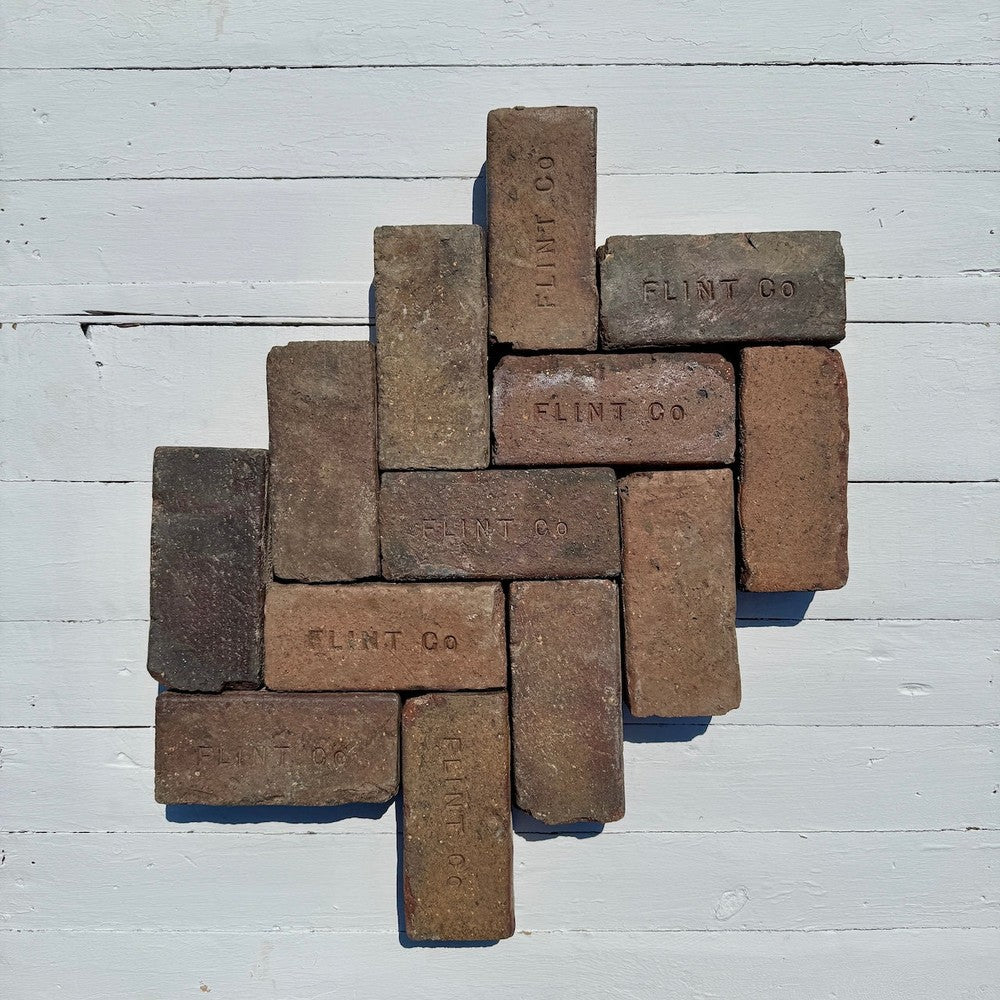
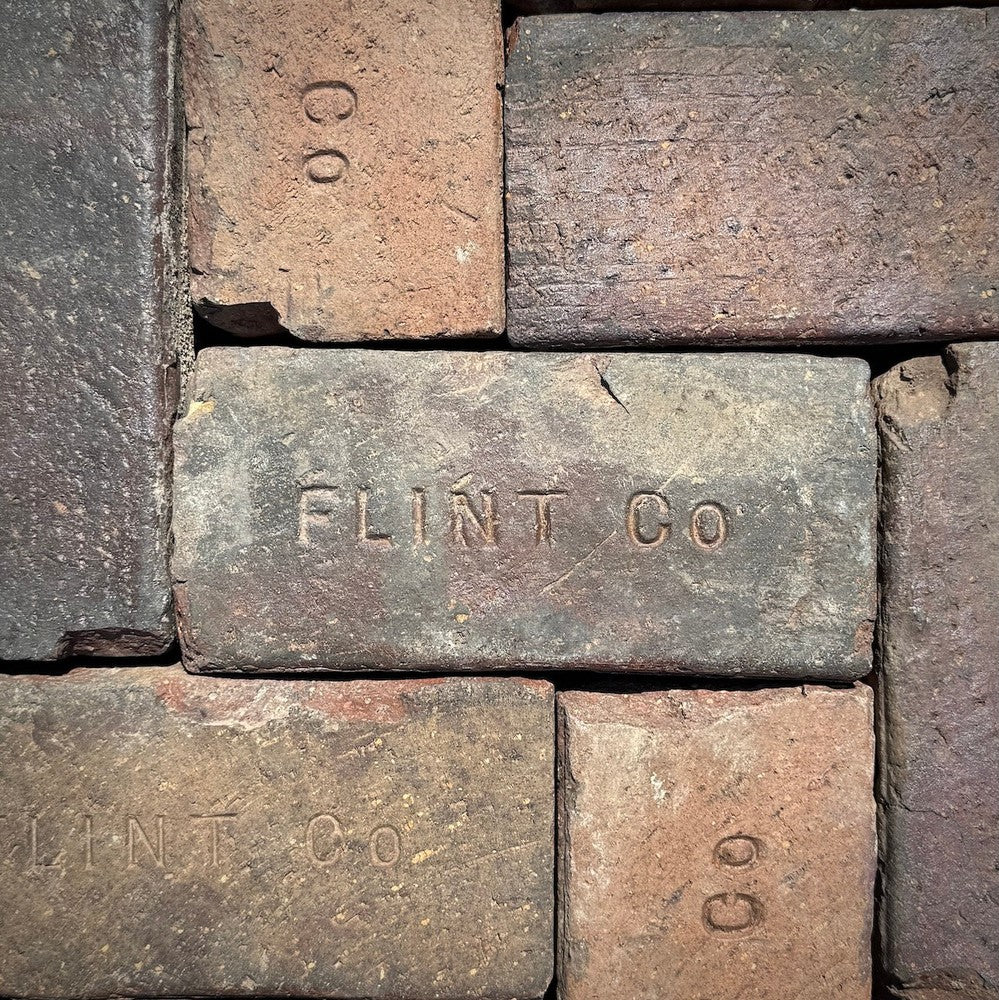
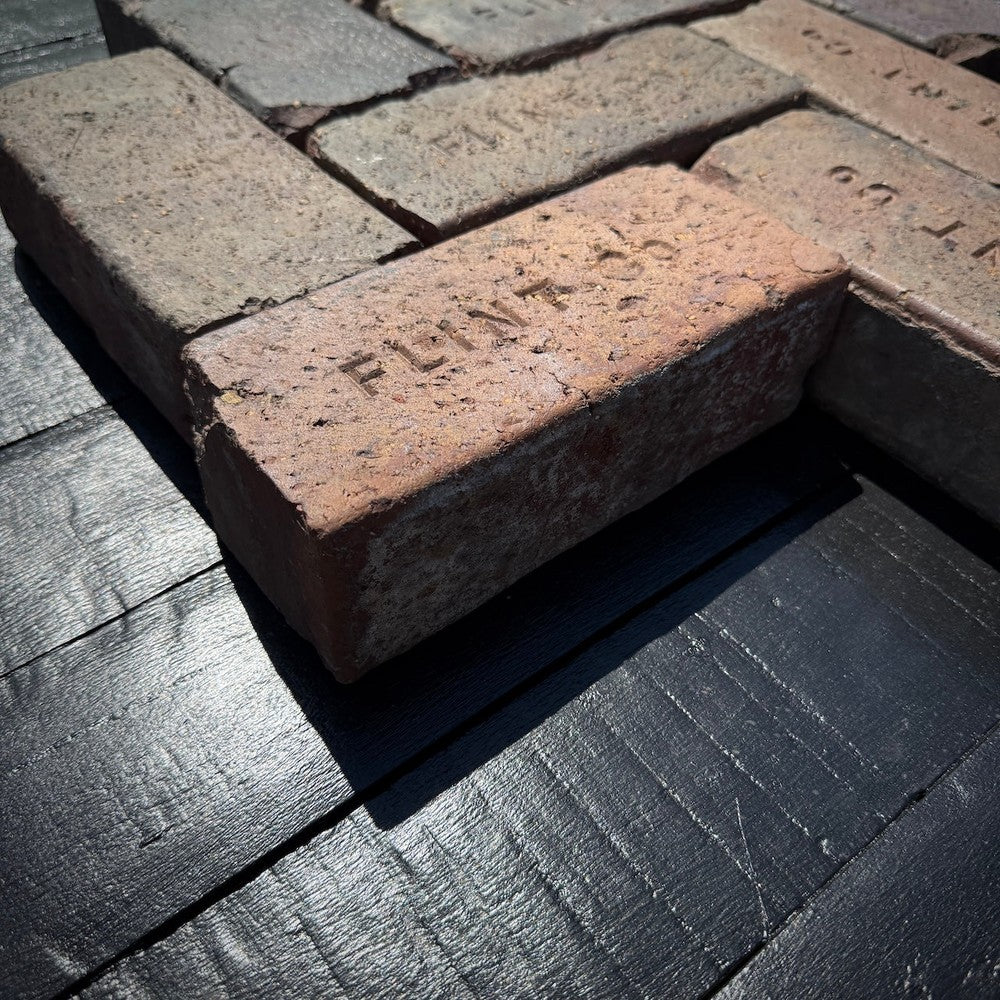
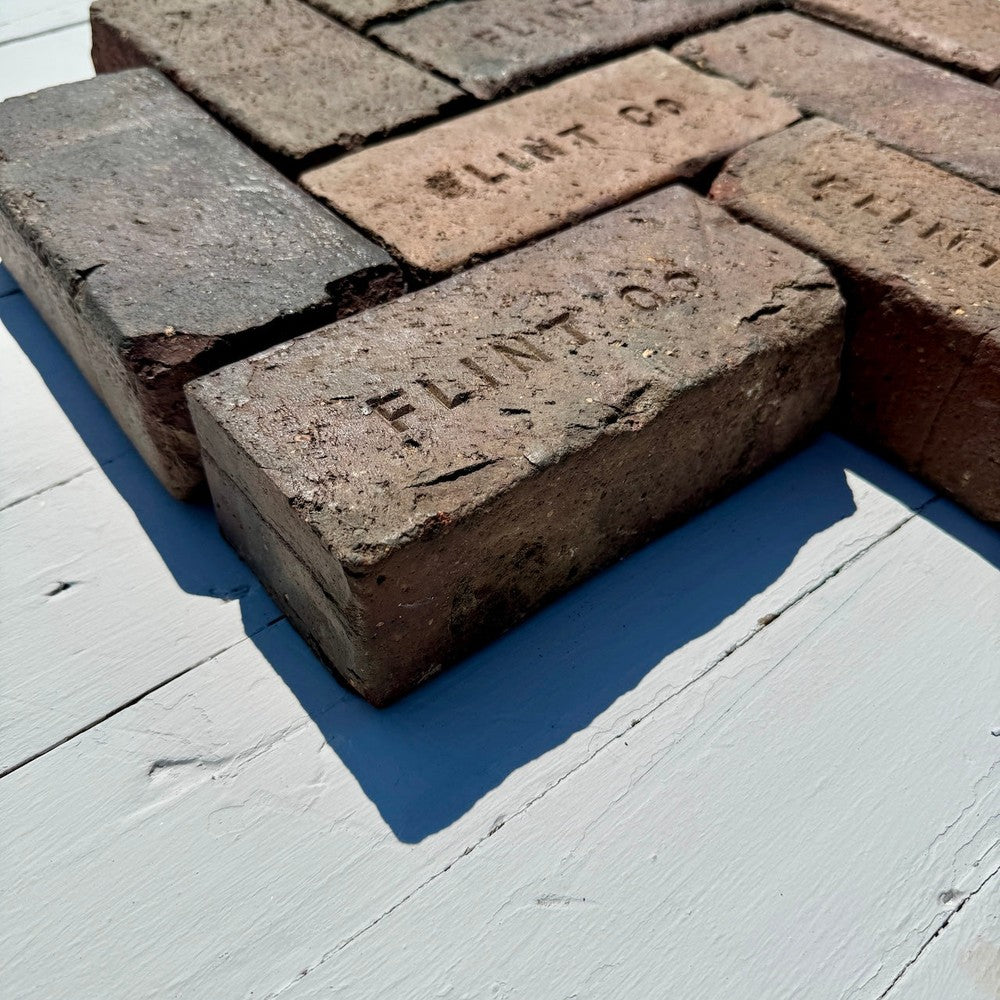
Color and patina. Because you're seeing the floor up close and often under controlled lighting, color matters. Deep reds and browns feel warm and grounding; lighter, more varied tones keep spaces feeling open. Stamped or marked bricks can become intentional accents rather than surprises, especially if you cluster them near doorways or in corners as design moments.
The key is to think about how the brick floor relates to everything around it: walls, trim, furniture, and natural light. Reclaimed brick is forgiving and flexible, but a little planning ensures it enhances rather than overwhelms the room.
9. Comfort, acoustics, and feel underfoot
Comfort is subjective, but most people find reclaimed brick floors pleasant indoors once they adjust to the texture and firmness. It's not plush carpet, but it's also not cold, hard tile. Brick has a natural warmth and a slight give that makes it more comfortable than concrete or stone.
Acoustics are worth considering. Hard floors reflect sound, so a brick-floored mudroom or sunroom can feel livelier (or noisier) than a carpeted space. If that's a concern, area rugs, soft furnishings, and window treatments help absorb sound and make the room feel balanced.
The feel underfoot depends partly on the brick's surface texture and partly on how it's installed. Smooth, worn reclaimed bricks feel softer to bare feet than newer, sharper-edged units. If you're planning to walk barefoot regularly, pay attention to surface condition when choosing your brick, and consider sealing to reduce any dustiness or grittiness.
10. Common mistakes and how to avoid them
Bringing reclaimed brick indoors is a beautiful choice, but a few common mistakes can turn a great idea into a frustrating project. Knowing what to watch for helps you plan smarter from the start.
Ignoring floor height and transitions. Brick adds thickness, and failing to account for that early leads to awkward door clearances, appliances that don't fit, or jarring steps between rooms. Measure and plan transitions before you order materials.
Skipping proper sealing. Unsealed brick indoors can absorb stains and feel dusty underfoot. A good breathable sealer solves both problems without changing the look dramatically. If you're unsure, test a small area or a few loose bricks to see how you like the sealed finish.
Not checking substrate flatness. Reclaimed bricks will follow the contours of whatever they're laid on. If your concrete slab or subfloor has dips, humps, or loose areas, address those before installation or they'll show through as uneven spots in your finished floor.
Choosing the wrong space. Reclaimed brick works best where its strengths (durability, texture, character) align with how the room is used. In formal living rooms or bedrooms, it can feel out of place unless the whole home has a very specific design language. Stick to transitional, high-traffic, or casual spaces where the material makes sense.
When you avoid these pitfalls and plan thoughtfully, reclaimed street bricks indoors deliver exactly what you're hoping for: floors that feel historic, intentional, and built to last, connecting your home's interior to the wider world in a way that's both practical and deeply satisfying.


Share: