
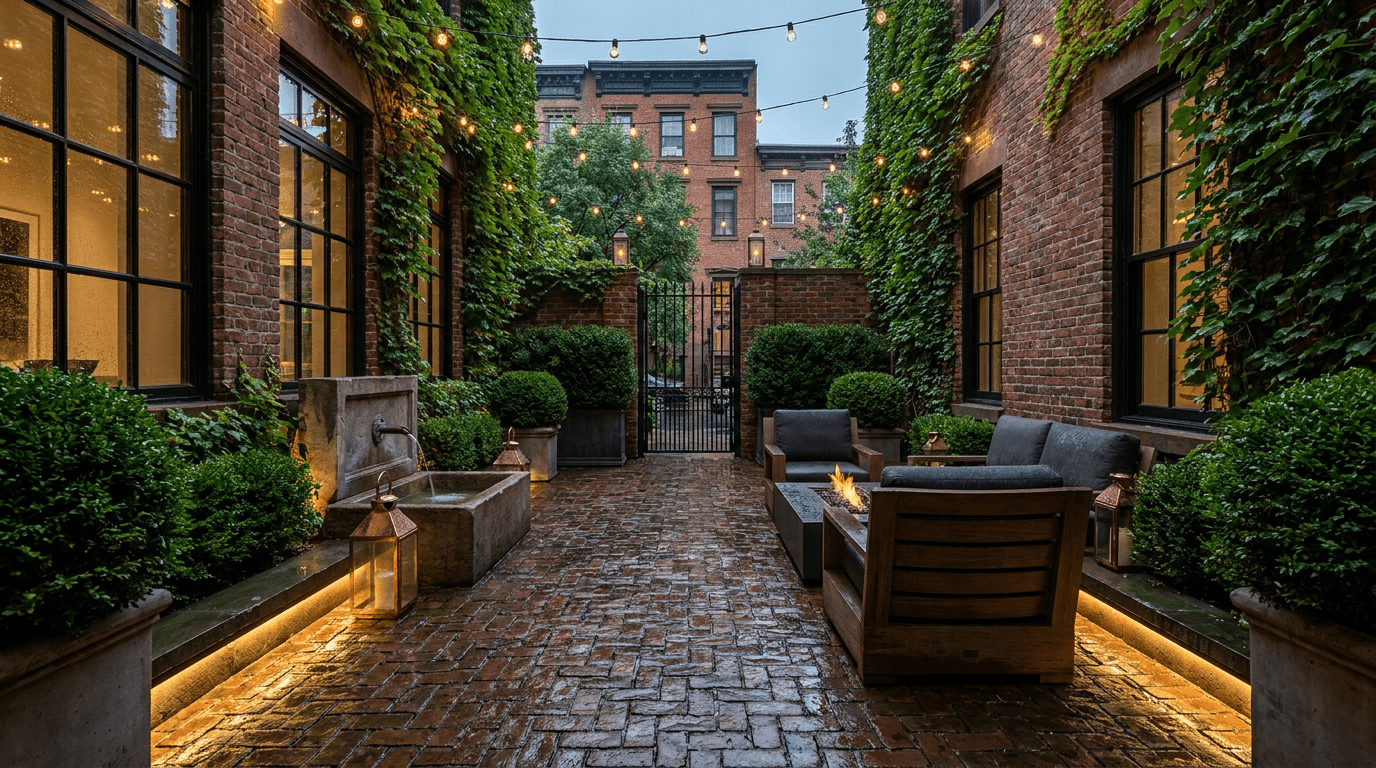
Reclaimed street brick pavers are a different category from the usual big-box patio materials. They already lived one full life in real streets, carrying traffic, handling weather, and collecting a patina that new concrete can only imitate. When you bring those bricks into your own project, you are not just choosing a color – you are borrowing a little history.
The challenge is that reclaimed options can feel overwhelming at first. You will see different sizes, thicknesses, colors, markings, and levels of wear. Some brick batches come from old streets, others from buildings, and each type behaves a little differently underfoot and under wheels. This guide is here to help you sort through the choices so you can pick reclaimed street brick pavers that match your project, your climate, and your budget.
Table of Contents
- 1. Why choose reclaimed street brick pavers
- 2. Matching reclaimed brick types to patios, walkways, and driveways
- 3. Size, thickness, and what they mean for your project
- 4. Color, character, and markings
- 5. Brick condition, grading, and tolerances
- 6. Performance factors: climate, freeze-thaw, and traffic
- 7. Design decisions: patterns, borders, and layout
- 8. Budgeting, quantities, and waste factors
- 9. Sourcing reclaimed street bricks and shipping nationwide
- 10. Quick checklist before you order
1. Why choose reclaimed street brick pavers
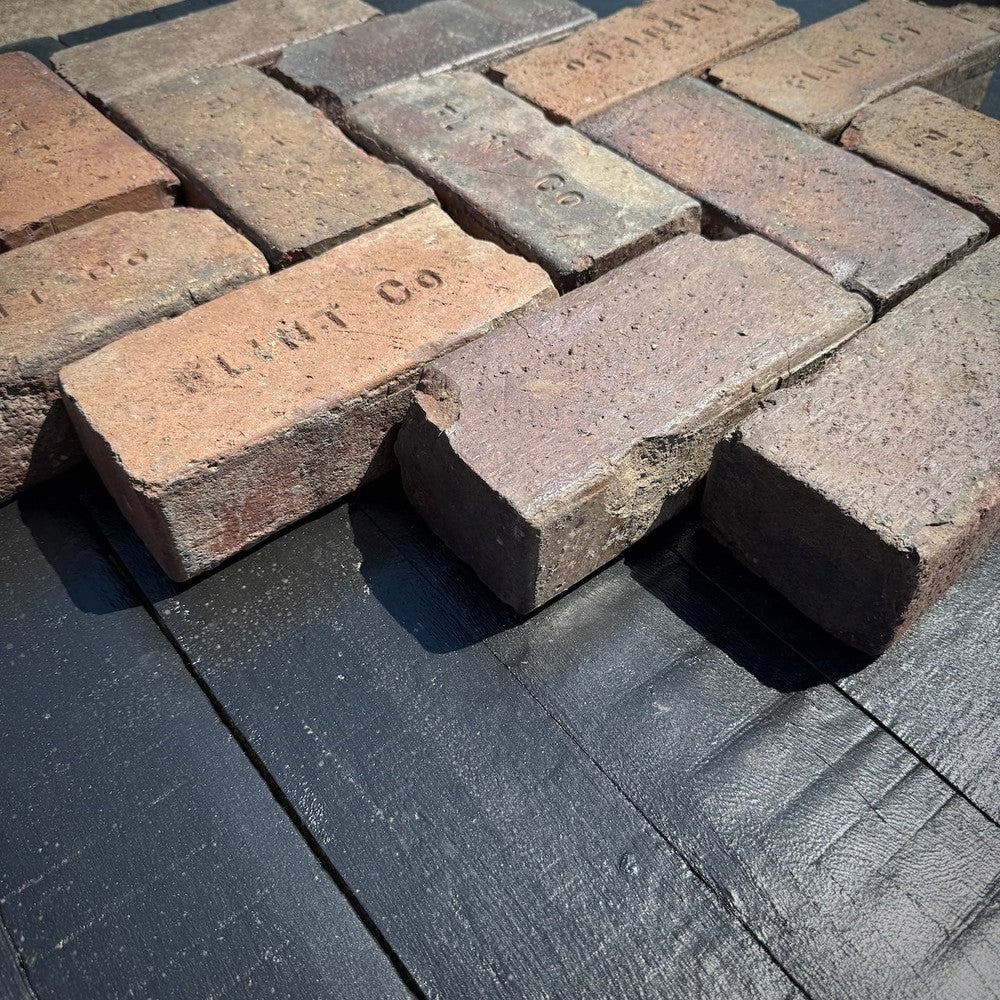
Reclaimed street bricks stand out for three main reasons: durability, character, and sustainability. They were originally fired to handle the weight of vehicles and decades of weather, so they arrive at your project already proven. The worn faces and softened edges are not damage – they are a sign that the bricks did their job and still have more life to give.
Visually, reclaimed pavers offer nuance that factory-fresh products can’t match. You get subtle color shifts, surface texture, and small imperfections that make patios, walkways, and driveways feel like they have always belonged there. If you want a space that looks “finished” on day one instead of brand new, reclaimed street bricks get you there quickly.
There is also the sustainability side. Choosing reclaimed pavers means reusing material instead of sending it to a landfill and firing new units. You get authentic vintage brick while cutting down on the energy that would have gone into producing something similar from scratch.
2. Matching reclaimed brick types to patios, walkways, and driveways
Before you fall in love with a specific batch of bricks, think about where they are going. Not every project has the same structural demands, and matching the right type of reclaimed paver to the right use is one of the smartest decisions you can make.
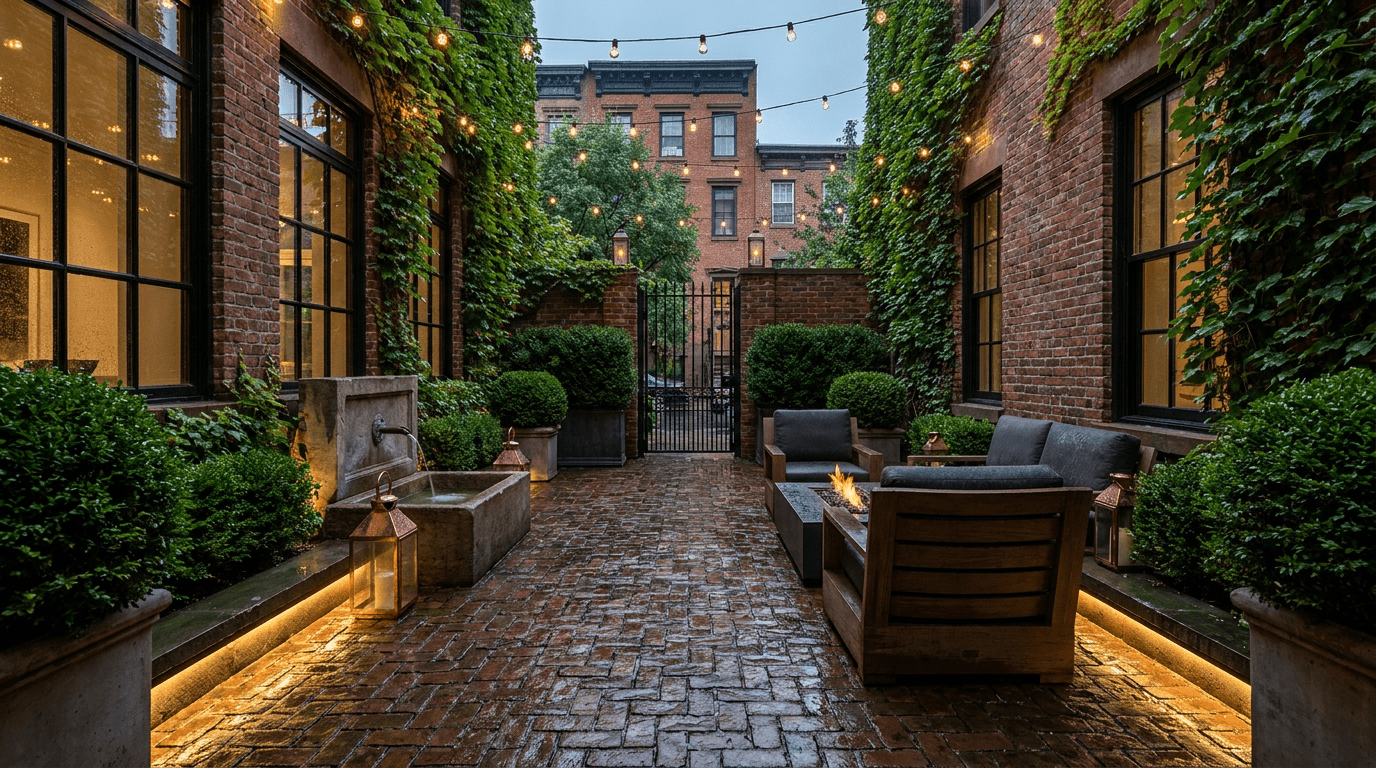
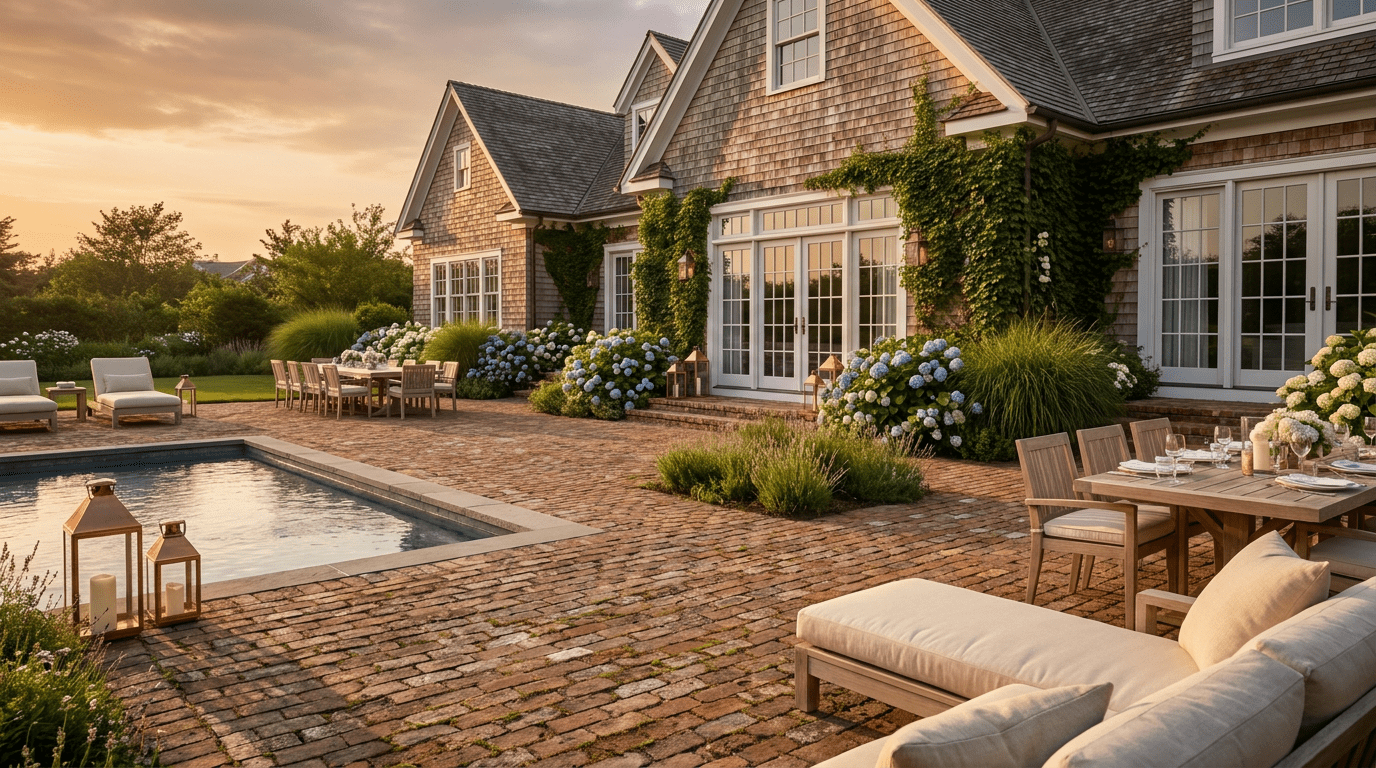
Patios. Patios usually carry people, furniture, planters, and maybe an outdoor kitchen. Most dense reclaimed street bricks are more than strong enough for this use. Here, your priorities are comfort underfoot, slip resistance, and a look that complements your home and landscape.
Walkways and garden paths. Walkways are more about guidance and experience than heavy loads. They can handle thinner bricks as long as the base is sound. Many homeowners like slightly softer textures and warmer color mixes in these spaces because you are often viewing them up close.
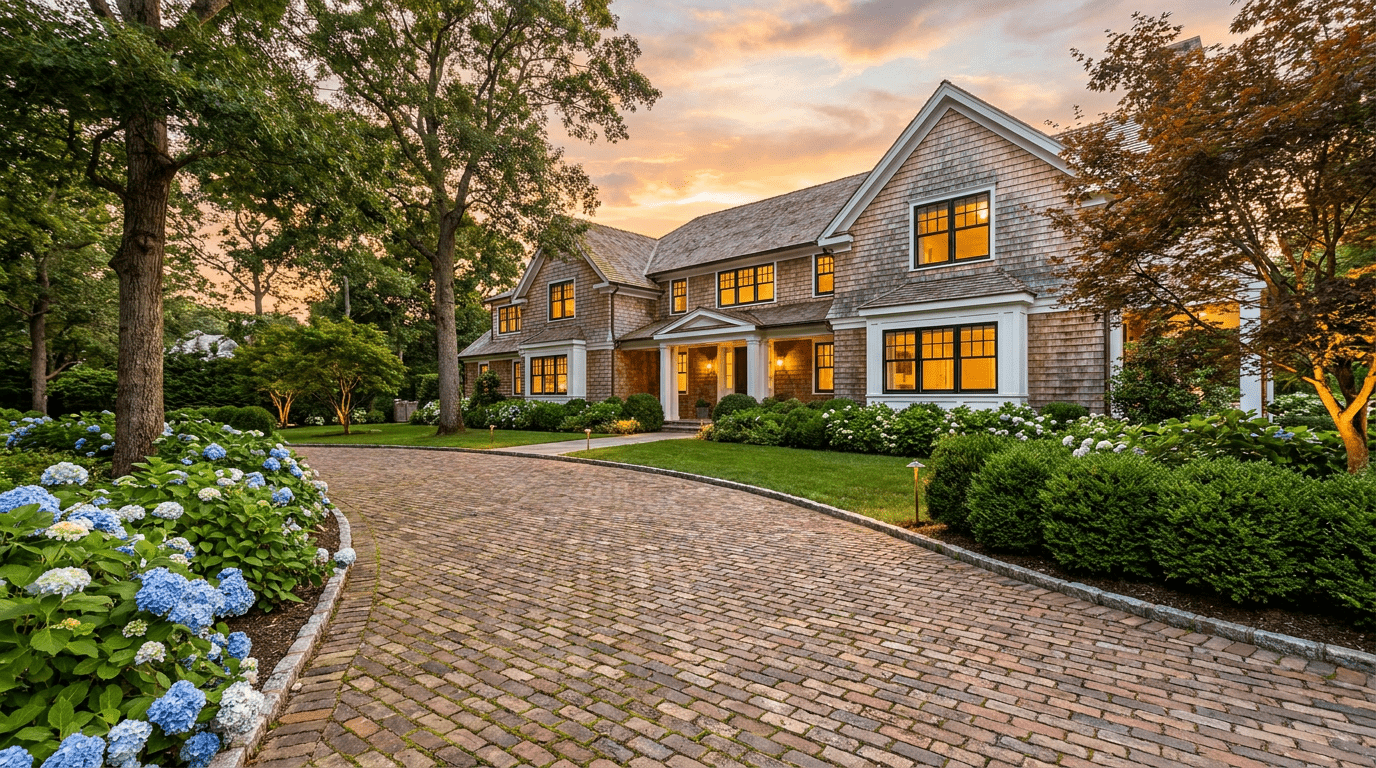
Driveways and parking areas. Driveways are the most demanding application. They see repeated vehicle loads, turning wheels, and occasional drips from cars. For these spaces, focus on dense street-grade bricks, enough thickness, and patterns like herringbone that are designed to interlock under stress.
When in doubt, choose a brick that is strong enough for your most demanding area. You can always use the same material across patios, walkways, and driveways for a consistent look.
3. Size, thickness, and what they mean for your project
Reclaimed street brick pavers come in slightly different formats depending on where they were salvaged from and how they were originally made. Size and thickness have a direct impact on how your project performs and how quickly it installs.
Length and width. Most street bricks sit somewhere near the classic brick footprint, but dimensions can vary by region and manufacturer. Smaller bricks create more joints and more visual texture, while larger units can give a calmer look. For most homeowners, the important part is that bricks in a batch are consistent enough to lay in clean patterns.
Thickness. Thickness matters for structure. Thicker bricks offer more “meat” and are generally better suited to driveways and heavy-use spaces. Thinner reclaimed pavers, or bricks sliced from full units, can work well for patios, walkways, and overlay projects where you have limited height to work with.
As you compare options, pay attention to the stated thickness and how it lines up with your base design, door thresholds, and transitions to surrounding surfaces. Knowing your total depth ahead of time helps you avoid surprises later.
4. Color, character, and markings
Color and character are often what draw homeowners to reclaimed street brick pavers in the first place. Unlike new products that aim for consistency, reclaimed brick embraces variation. The key is to decide what kind of variation you want and where.
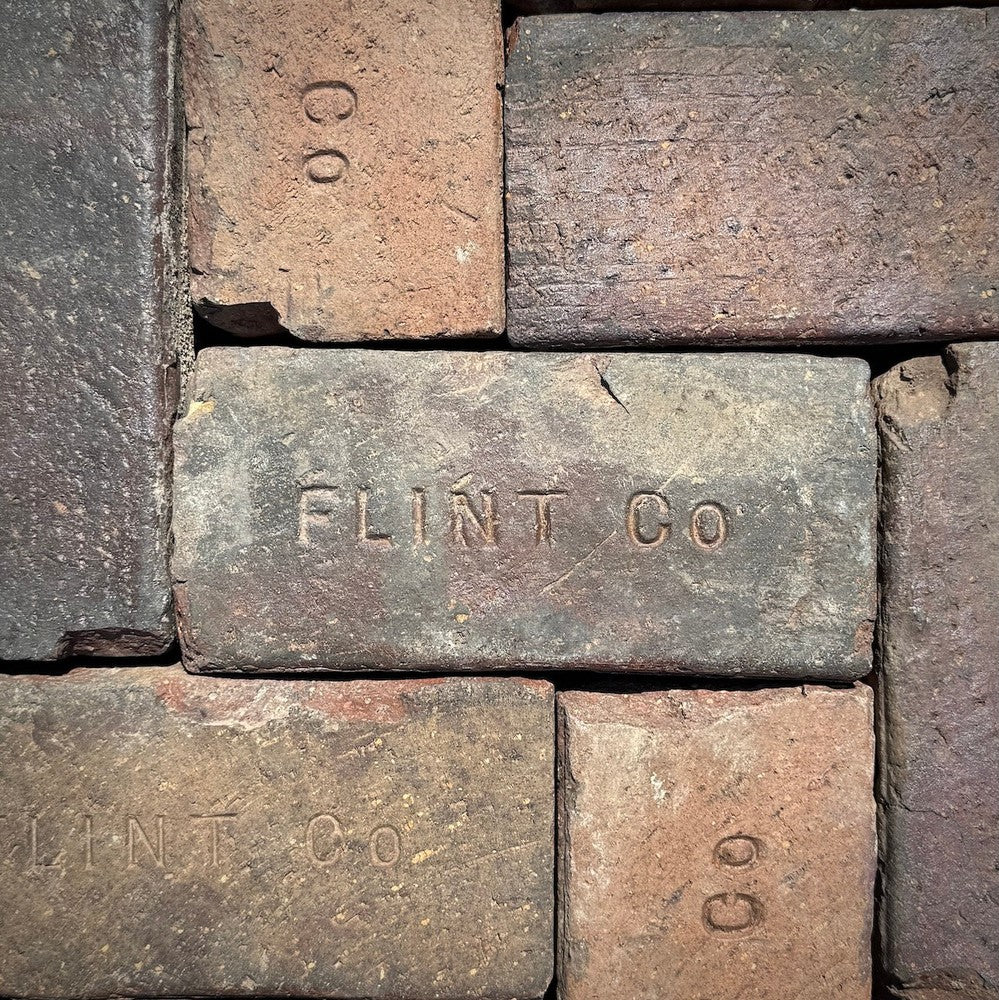
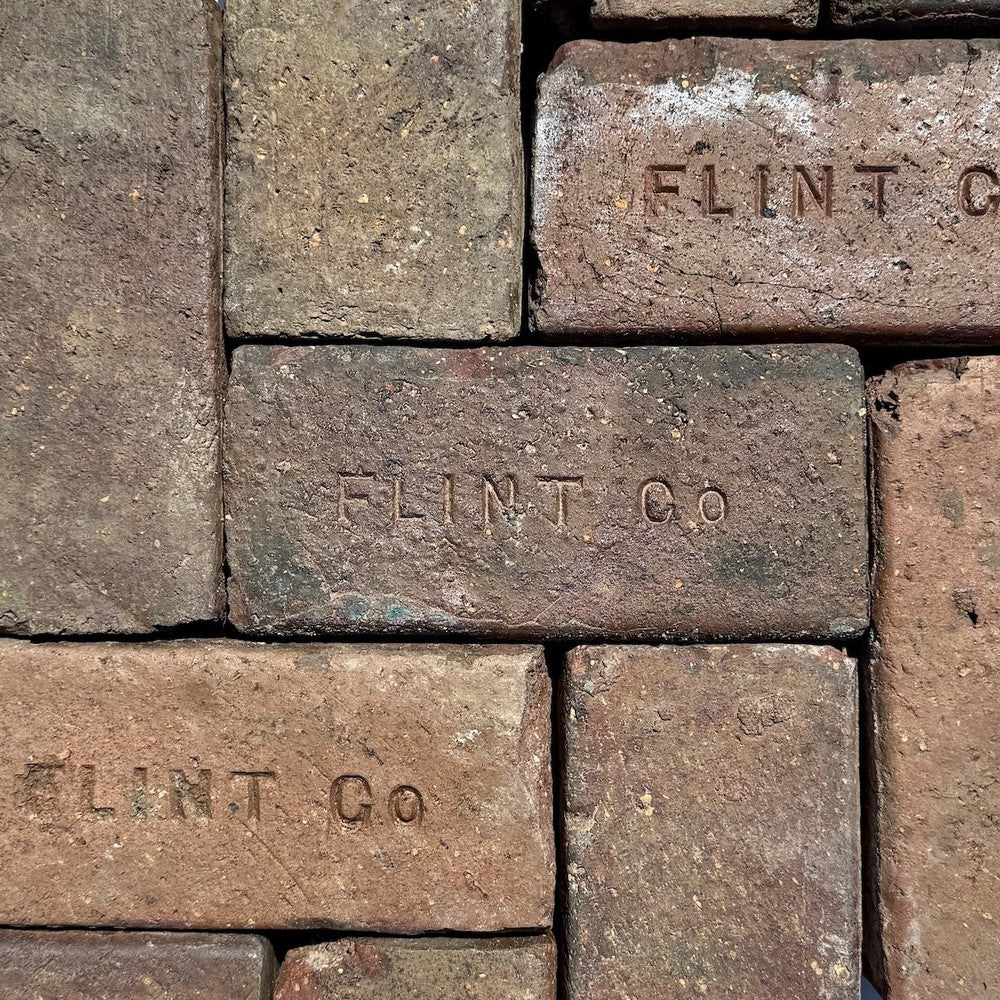
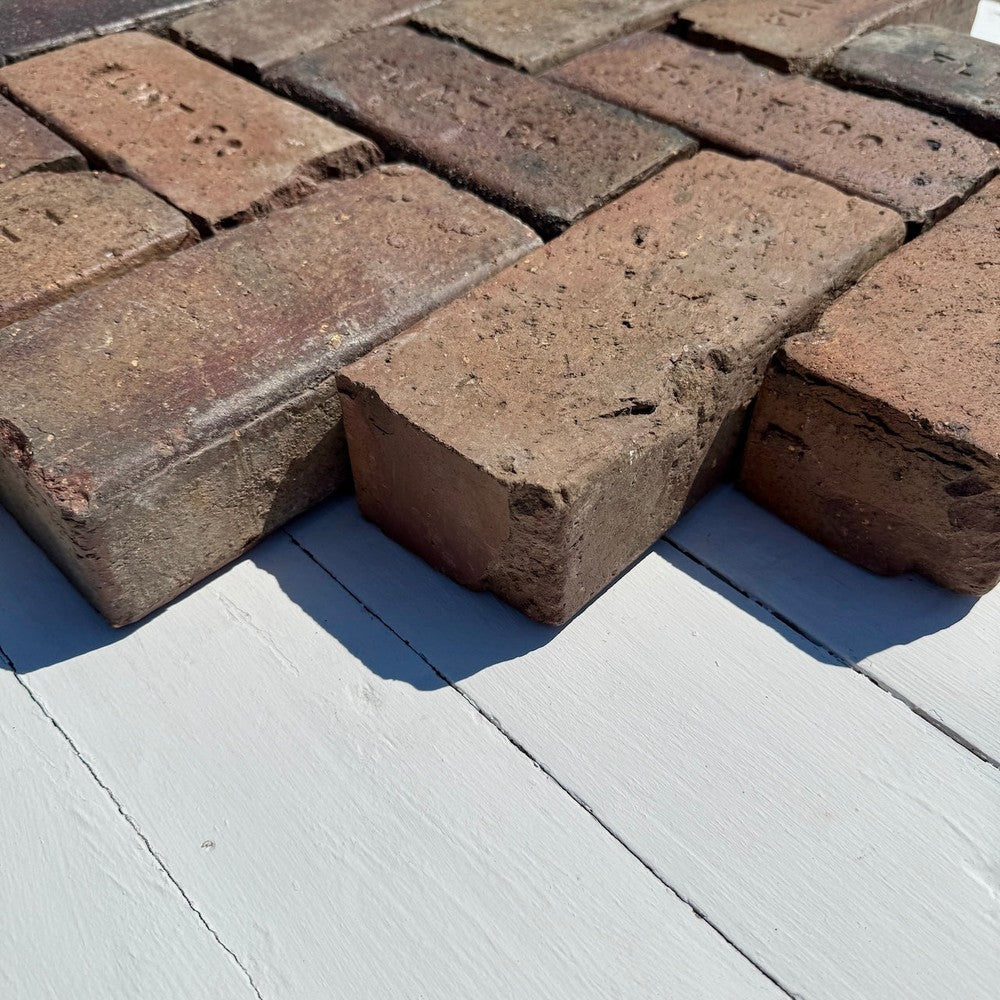
Color range. Common reclaimed mixes include deep reds, warm browns, charcoal flashes, and even hints of orange or buff. Some batches lean very dark and moody, others stay light and warm. Ask to see photos of wet and dry bricks so you understand how they shift in different light and weather.
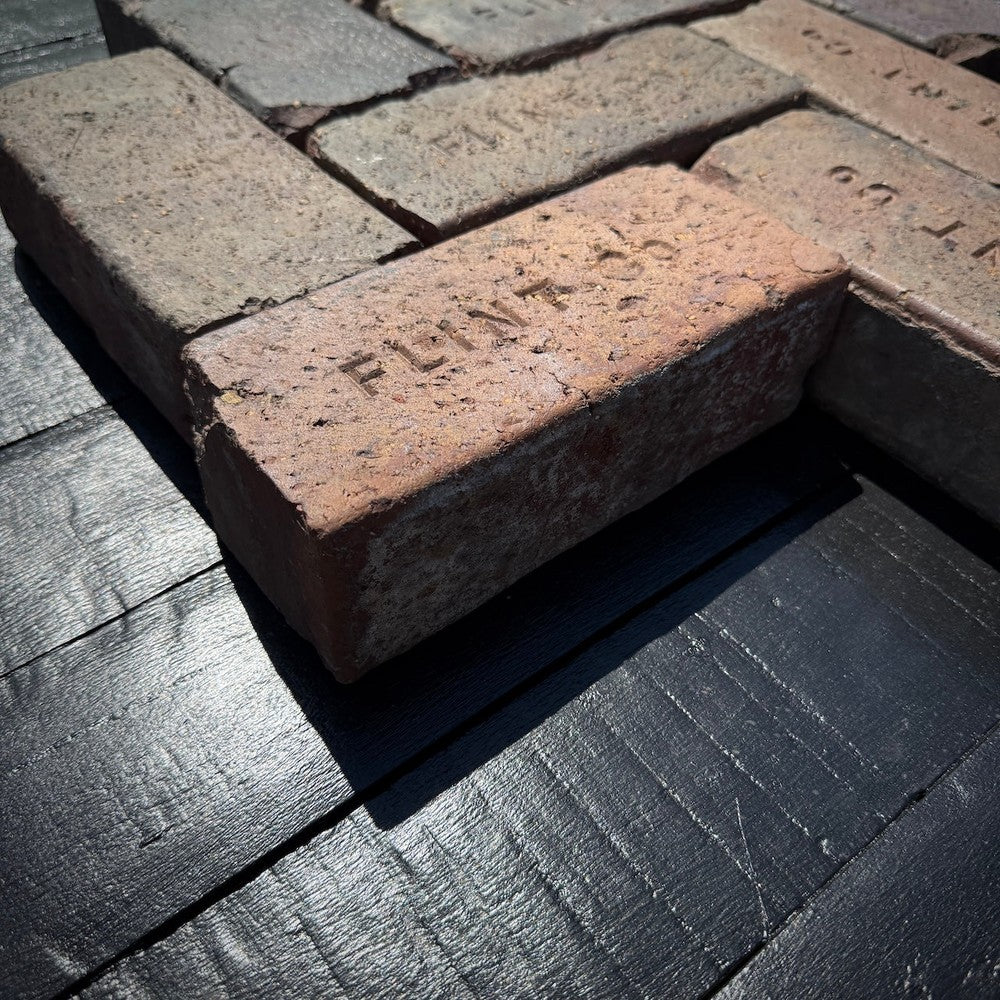
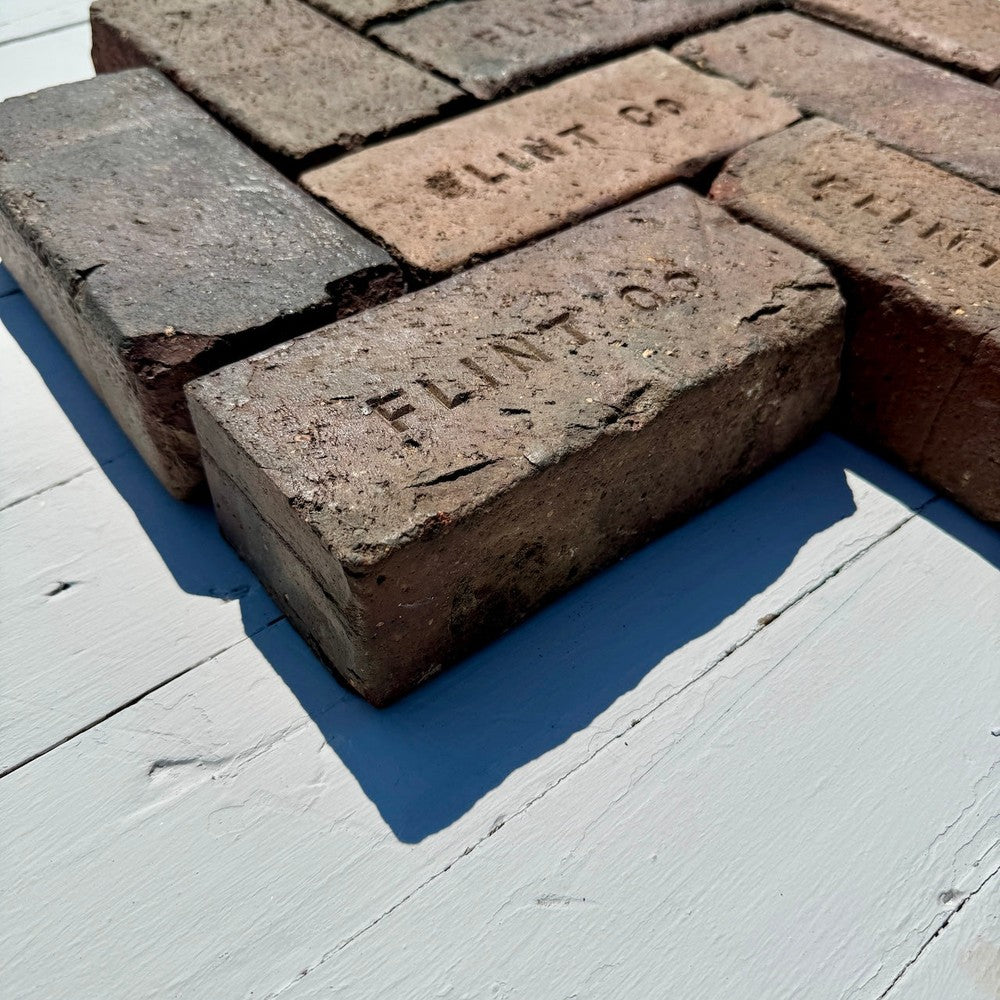
Surface wear. Rounded corners, smoothed faces, and small chips are part of the reclaimed story. On a patio or walkway, those softened surfaces feel welcoming and lived-in. On a driveway, they help disguise minor scuffs from everyday use.
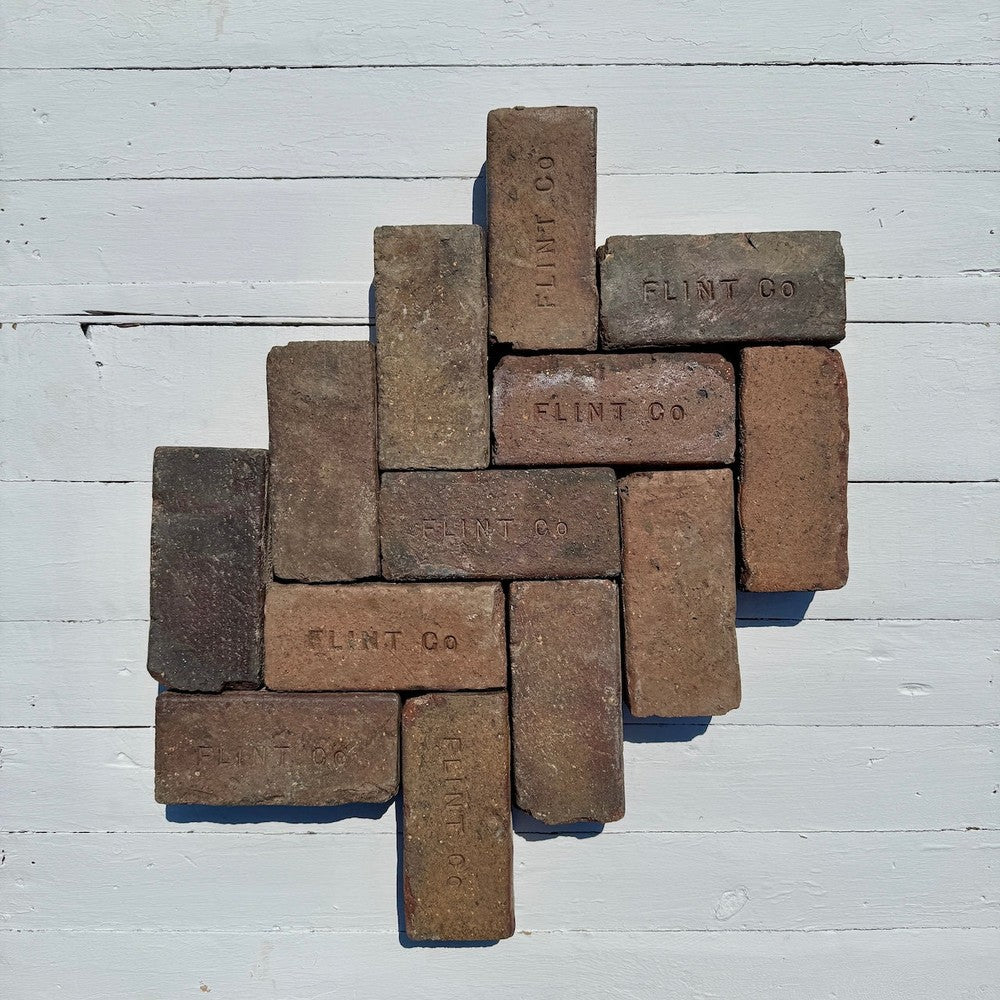
Stamped and marked bricks. Some street bricks carry city names, manufacturers’ marks, or other stamps. These pieces can make fantastic accents, borders, or focal points inside a larger field. If stamped bricks matter to you, ask what percentage of the batch is marked so you can plan how to use them.
When you order, plan to mix from different pallets as you install. That keeps colors and markings evenly distributed instead of forming obvious blocks of one tone.
5. Brick condition, grading, and tolerances
Not all reclaimed bricks are sorted the same way. Good suppliers clean, sort, and grade their bricks so you know what to expect when the pallets arrive. Understanding grading helps you match your expectations to the material.
Cleaned and de-nailed. Reputable suppliers remove mortar, debris, and any metal before bricks are stacked and shipped. That saves you hours of prep time and lets you focus on layout and installation rather than cleanup.
Grading and tolerances. Expect some range in length, width, and thickness with reclaimed material. A well-graded batch keeps those tolerances tight enough that you can still lay consistent patterns and joint lines. If precise lines are important to you, look for notes on sorting standards and allowable variation.
It’s also normal to receive a small percentage of bricks you choose not to use in the main field because they are more heavily worn or irregular. Many homeowners repurpose those pieces for cuts, borders, or small landscape projects nearby.
6. Performance factors: climate, freeze-thaw, and traffic
Performance comes down to how your reclaimed street brick pavers behave in real-world conditions. Climate, soil, and traffic all play a part. The bricks themselves are only one piece of the puzzle – your base and installation matter just as much.
Freeze-thaw cycles. In regions with cold winters, choose dense, fully fired bricks that have already proven they can handle freeze-thaw in their first life. Good drainage and a well-compacted base help keep water from sitting under or between bricks where it can cause movement over time.
Heat and sun. In hot, sunny climates, darker brick colors will absorb more heat, which may affect comfort under bare feet on patios or pool decks. If that matters to you, consider mixes with lighter tones in high-use barefoot areas.
Traffic and use. Driveways and high-traffic walkways benefit from street-grade bricks and interlocking patterns. Quieter garden spaces may do well with slightly softer historic bricks that emphasize texture and patina over maximum load capacity.
Ask how the bricks you are considering were originally used. Street bricks that held up to trucks for decades will be more than comfortable under patio chairs.
7. Design decisions: patterns, borders, and layout
Choosing reclaimed street bricks is only half the design story. How you lay them has a big impact on both the look and performance of your project. Patterns, borders, and layout all deserve a little thought up front.
Field patterns. Herringbone is a classic for driveways and high-traffic zones because it locks together under load. Running bond is simple and elegant for walkways and patios. Basketweave and other patterns can add visual interest in courtyards or smaller areas where you see the pattern from above.
Borders and bands. A soldier course border (bricks turned on edge or oriented vertically) creates a strong visual frame around your main field. You can also use a contrasting color band or a row of stamped bricks to define edges, steps, or transitions between spaces.
Think about how your brick layout will line up with doors, steps, and property lines. A little sketching at this stage helps you avoid tiny slivers of brick at edges and makes your finished space feel intentional.
8. Budgeting, quantities, and waste factors
Reclaimed street brick pavers are a long-term investment in your property. Once they are down on a proper base, they are designed to stay put for decades. Planning your budget and quantities with a bit of margin makes the whole process smoother.
Estimating quantity. Measure your project area in square feet and add at least 5–10% for cuts and waste. If your design has curves, borders, or lots of obstacles to cut around, lean toward the higher end of that range.
Material vs. installation costs. Reclaimed bricks themselves are often only one part of your budget. Base material, labor (if you are not DIY-ing), edge restraints, jointing material, and any design extras all add up. That said, a well-built reclaimed brick surface can outlast other options, which spreads your investment over a long lifespan.
Keep in mind that availability is tied to salvage. If you find a brick you love and your project is ready, it can be smart to secure the material before a particular batch sells out.
9. Sourcing reclaimed street bricks and shipping nationwide
With reclaimed materials, where you buy matters. You want more than just a pile of old bricks – you want a supplier who curates, grades, and stands behind what they ship. That is especially important when you are ordering from outside your local area and relying on nationwide delivery.
Look for specialists. Suppliers who focus on reclaimed brick pavers tend to have better grading, more consistent pallets, and a deeper understanding of what works in real projects. They know the difference between building brick and street pavers and can guide you to the right choice for patios, walkways, or driveways.
Ask questions up front. Before you order, ask about brick origin, typical uses, thickness, color range, and how the material is cleaned and stacked. Clarify lead times and shipping options to your region so you can coordinate delivery with your installation schedule.
One advantage of working with a reclamation-focused supplier that ships nationwide is that you are not limited to whatever happens to be available at the nearest yard. You can match the exact style of reclaimed street brick you want to your project, wherever you are in the country.
10. Quick checklist before you order
Before you commit to a specific batch of reclaimed street brick pavers, run through a simple checklist. It helps you confirm that what you are buying lines up with the project you have in mind.
- Have you decided whether the bricks will serve a patio, walkway, driveway, or a combination?
- Do you know the brick thickness and how it works with your base design and door thresholds?
- Have you seen photos or samples that show the real color range and character, both wet and dry?
- Is the material graded, cleaned, and ready to lay with tolerances that fit your expectations?
- Have you accounted for climate, traffic, and any special performance needs for your region?
- Do you have a general plan for patterns, borders, and transitions between spaces?
- Did you add at least 5–10% to your square footage for waste, cuts, and future repairs?
- Are you working with a supplier who can answer questions and ship reliably to your location?
Once those boxes are checked, you are in a great position to place your order with confidence. Choosing reclaimed street brick pavers is not just a design decision – it is a way of giving historic materials a new role in your home, while creating outdoor spaces that feel grounded, enduring, and genuinely yours.


Share: