

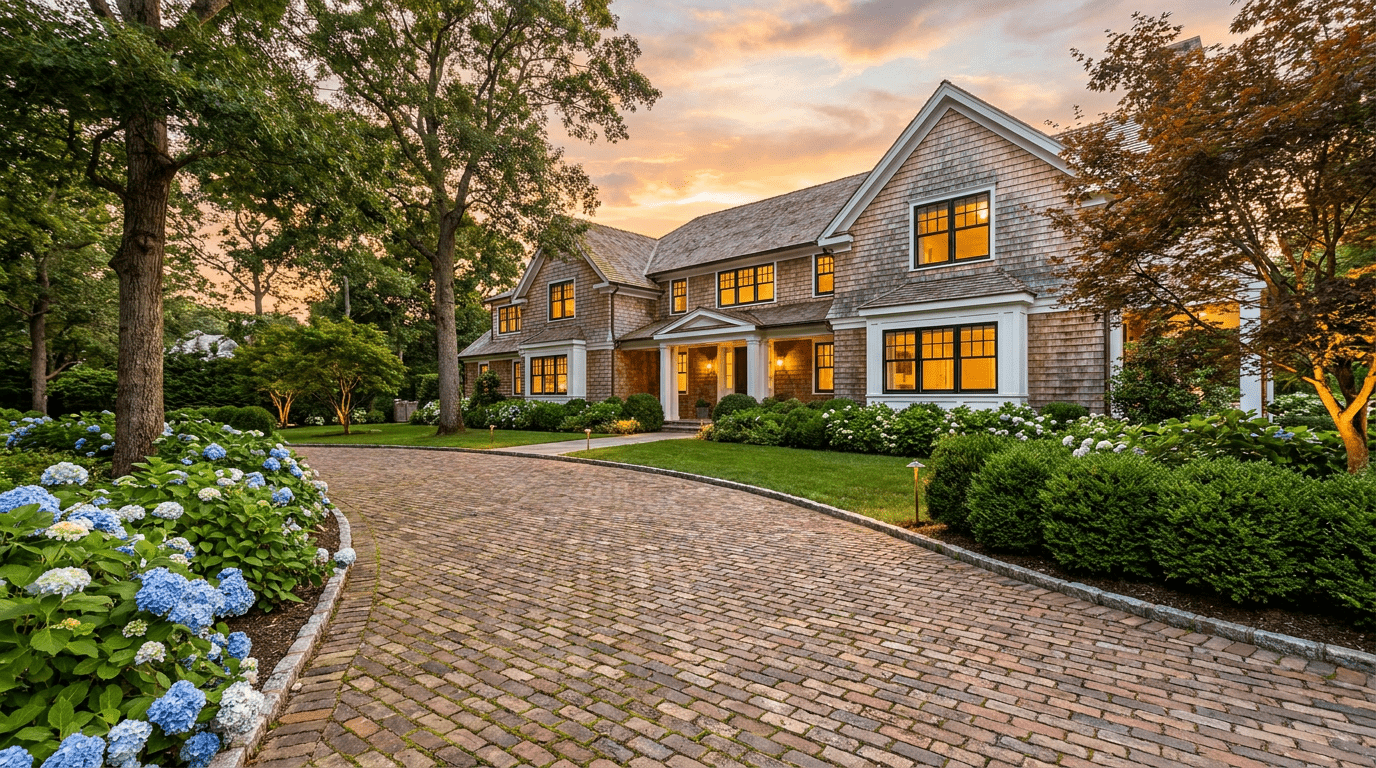
Reclaimed brick street pavers are one of those materials that stop people in their tracks. A brick driveway with real history under the tires feels different from poured concrete or stamped patterns trying to look like something else. Each brick carries its own small story from the streets it came from, and together they create a driveway that looks settled in from day one.
Still, choosing reclaimed street brick for a driveway is a bigger decision than picking a color at the paint store. Driveways handle real loads, turning vehicles, weather, and daily use. You want beauty, but you also need performance. In this homeowner guide, we’ll walk through what makes reclaimed brick street pavers such a compelling option, where they shine, where they require extra care, and how to know if they’re the right choice for your driveway anywhere in the country.
Table of Contents
- 1. What are reclaimed brick street pavers?
- 2. Key benefits of a reclaimed brick driveway
- 3. Important considerations and potential drawbacks
- 4. Structural needs: base, thickness, and patterns
- 5. Climate and soil: how your region affects performance
- 6. Design choices: color, character, and curb appeal
- 7. Cost, lifespan, and long-term value
- 8. Everyday maintenance for reclaimed brick driveways
- 9. Decision checklist: are reclaimed brick pavers right for you?
1. What are reclaimed brick street pavers?
Reclaimed brick street pavers are bricks salvaged from historic roads, alleys, plazas, and industrial sites. Unlike modern concrete pavers, these units were originally fired for serious work: carrying vehicles, handling weather, and holding up decade after decade in real streets.
When those streets are resurfaced or reconfigured, the bricks can be carefully lifted, cleaned, sorted, and stacked on pallets instead of being crushed or discarded. The result is a batch of dense, time-tested clay pavers that already proved what they can do under traffic. You’re not guessing about performance; you’re reusing something that has already done the job.
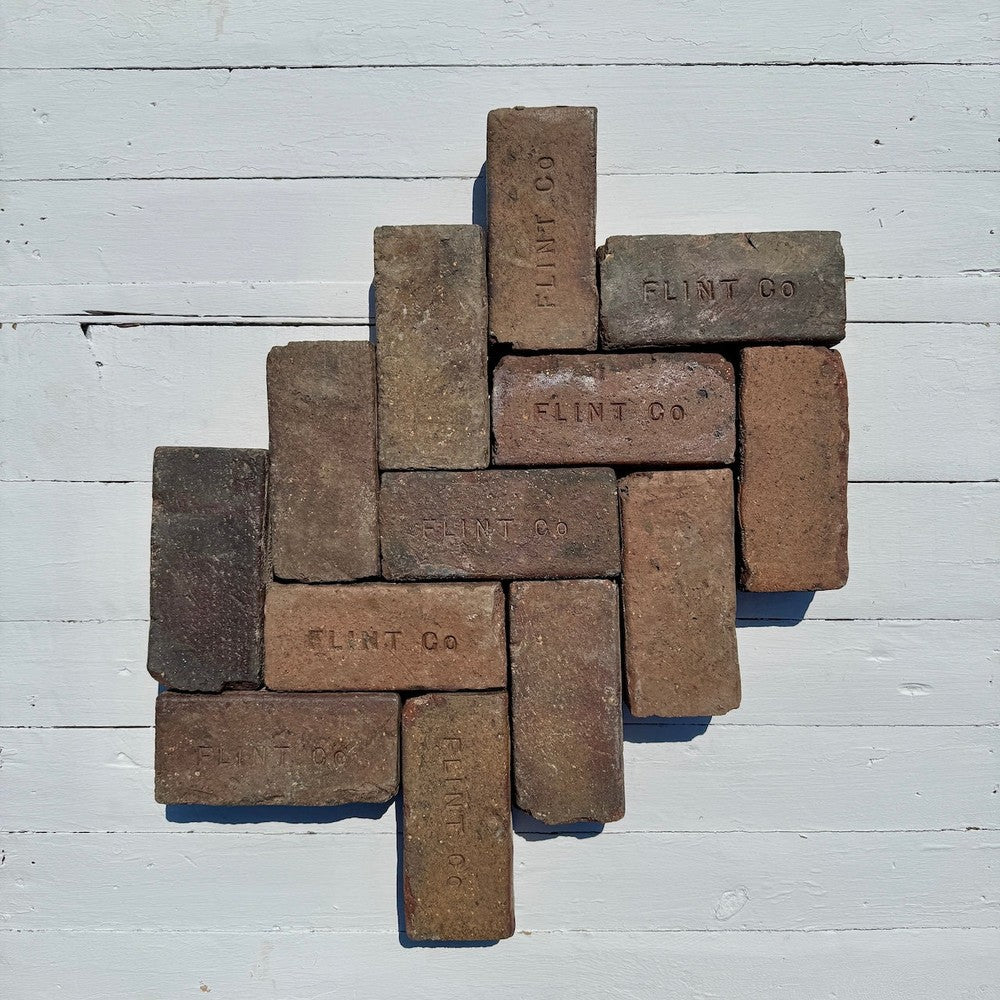
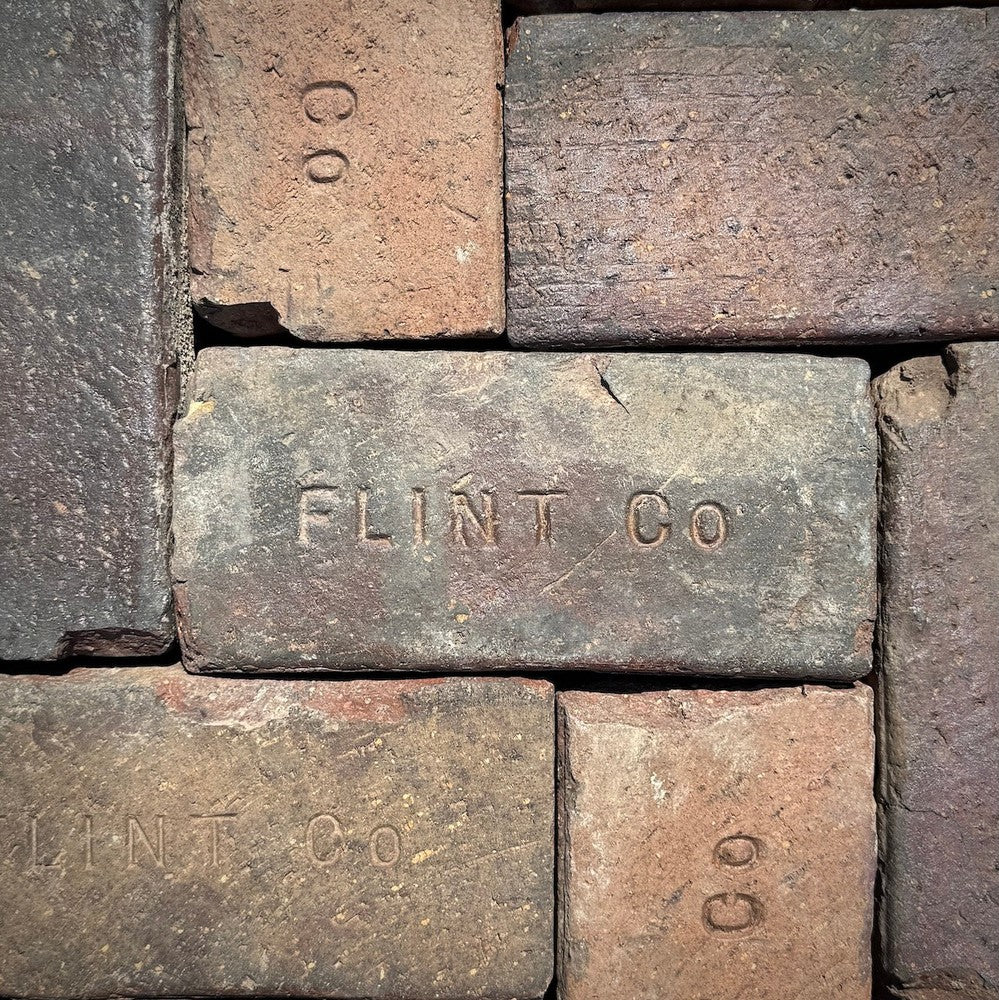
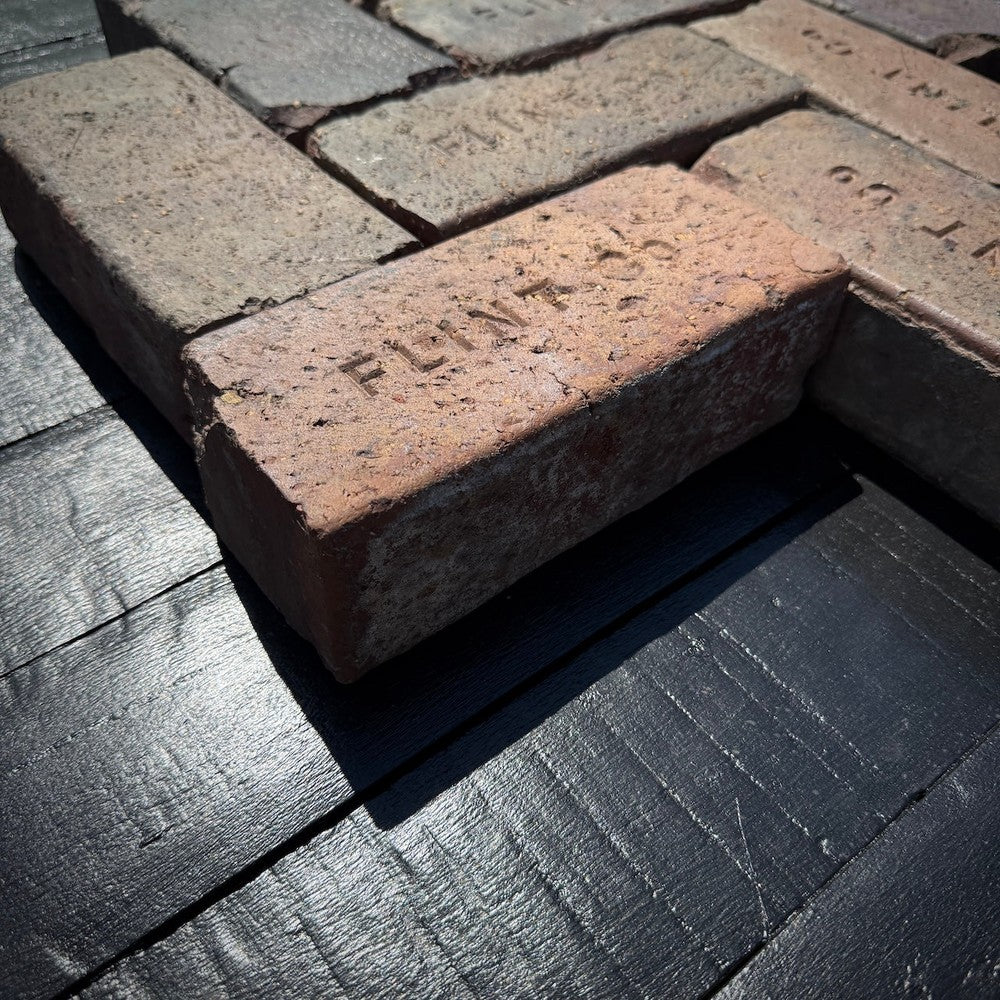
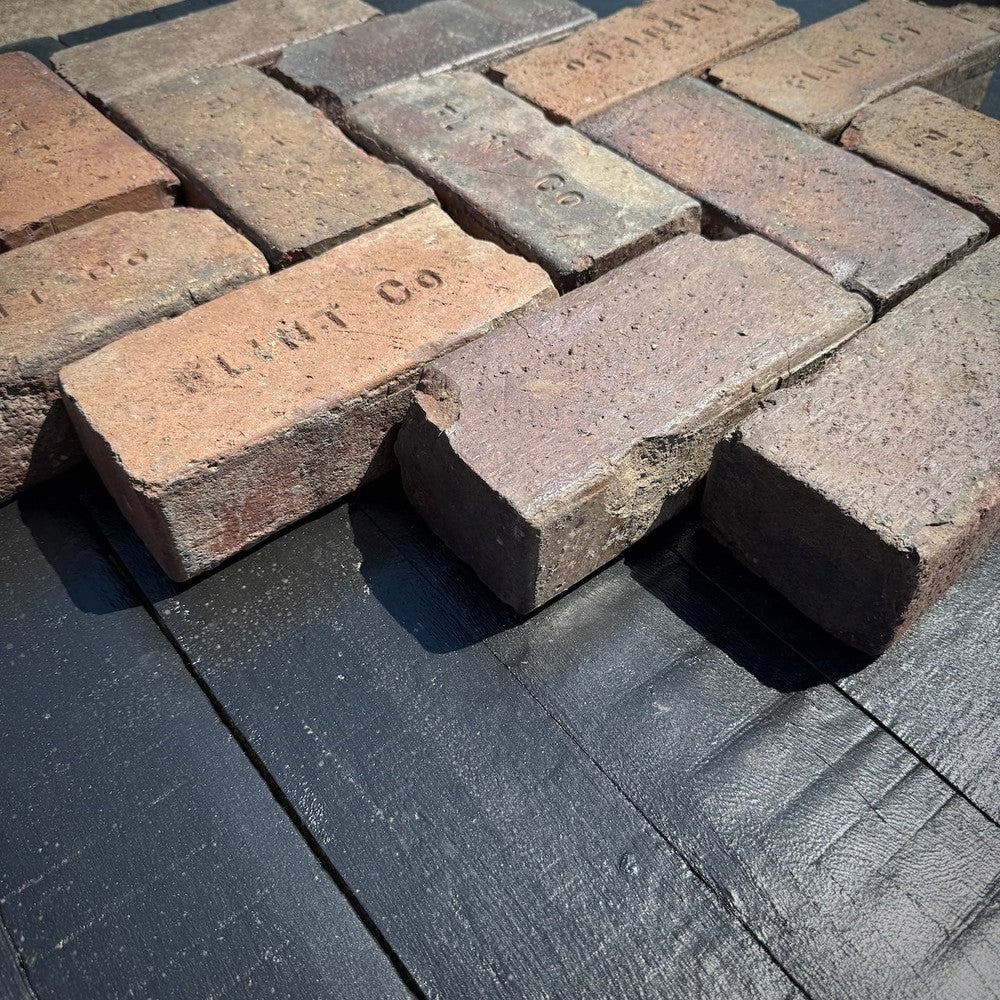
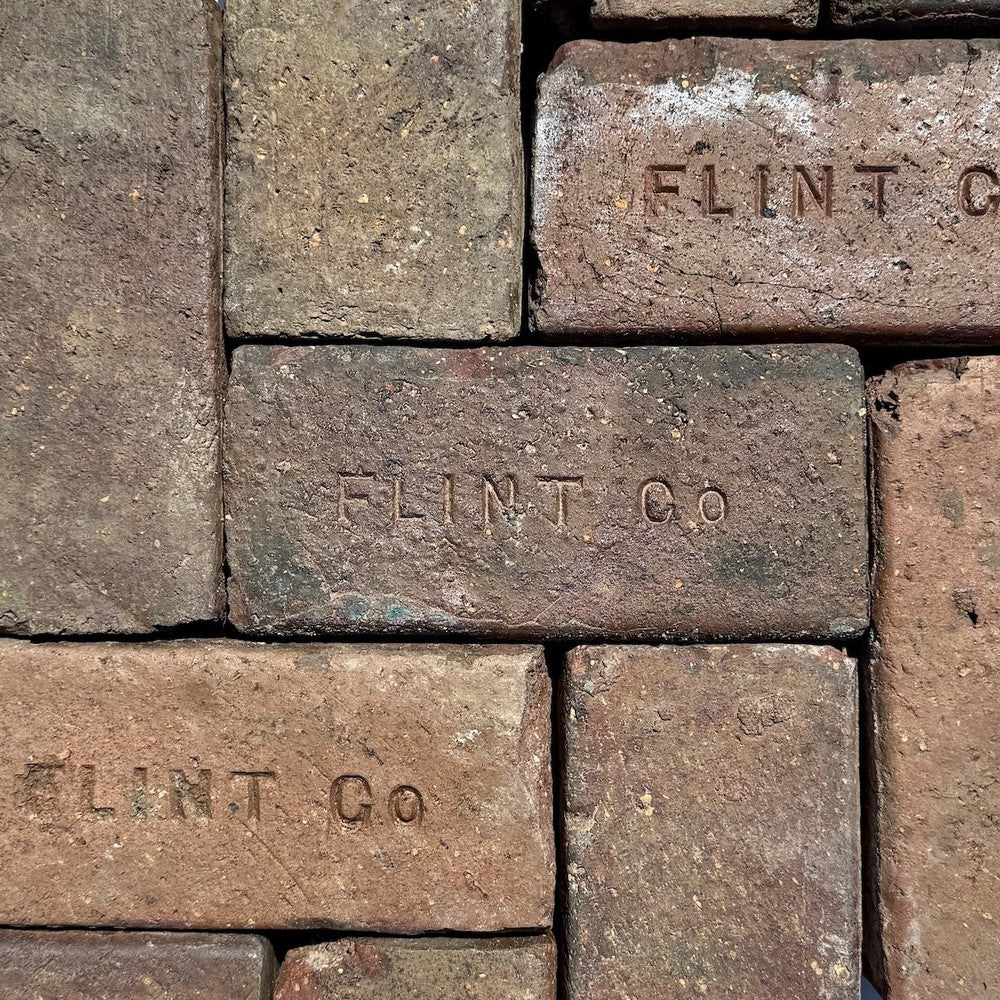
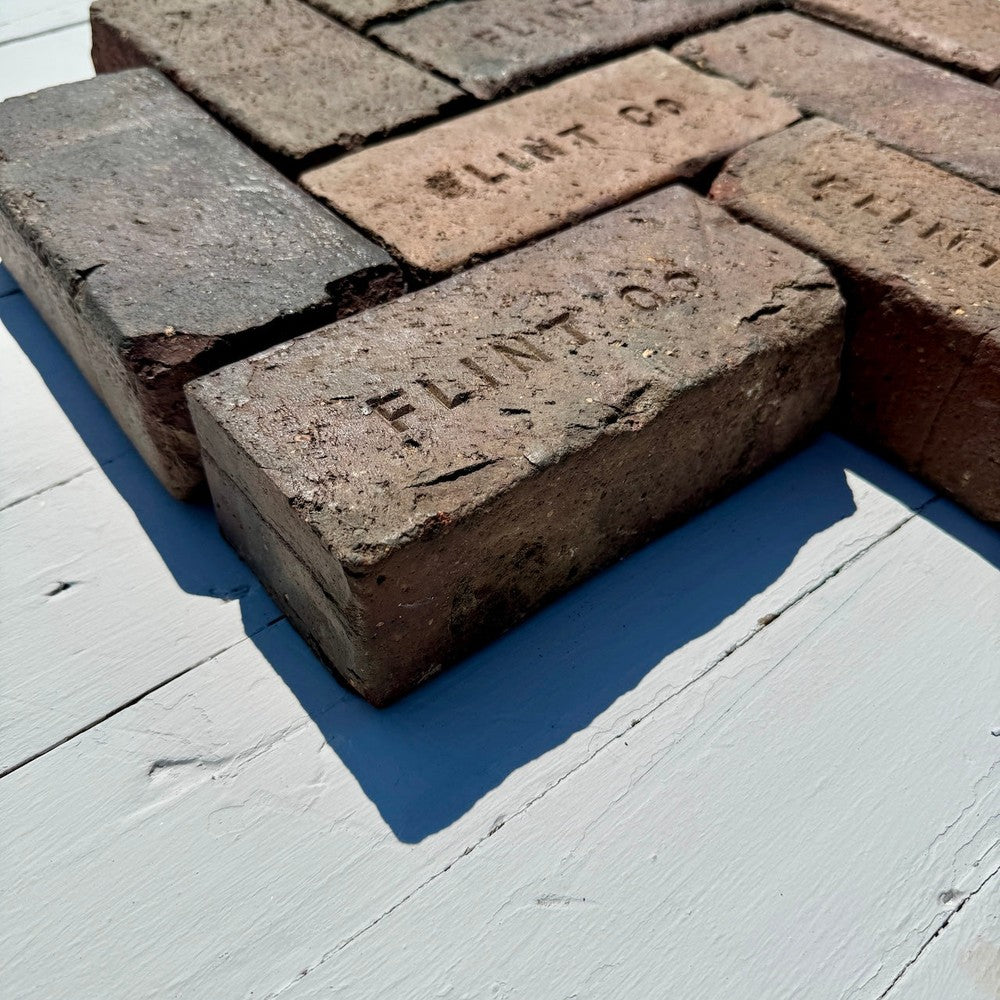
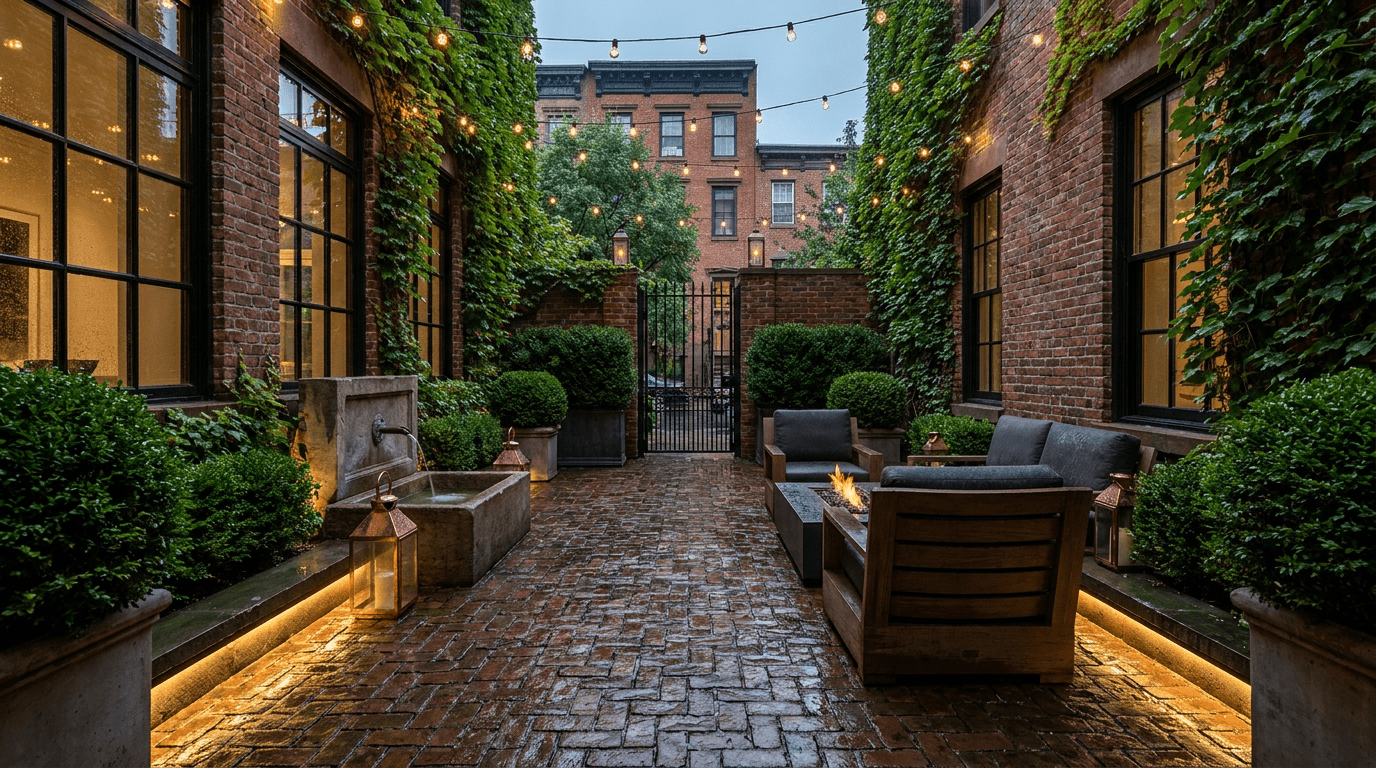
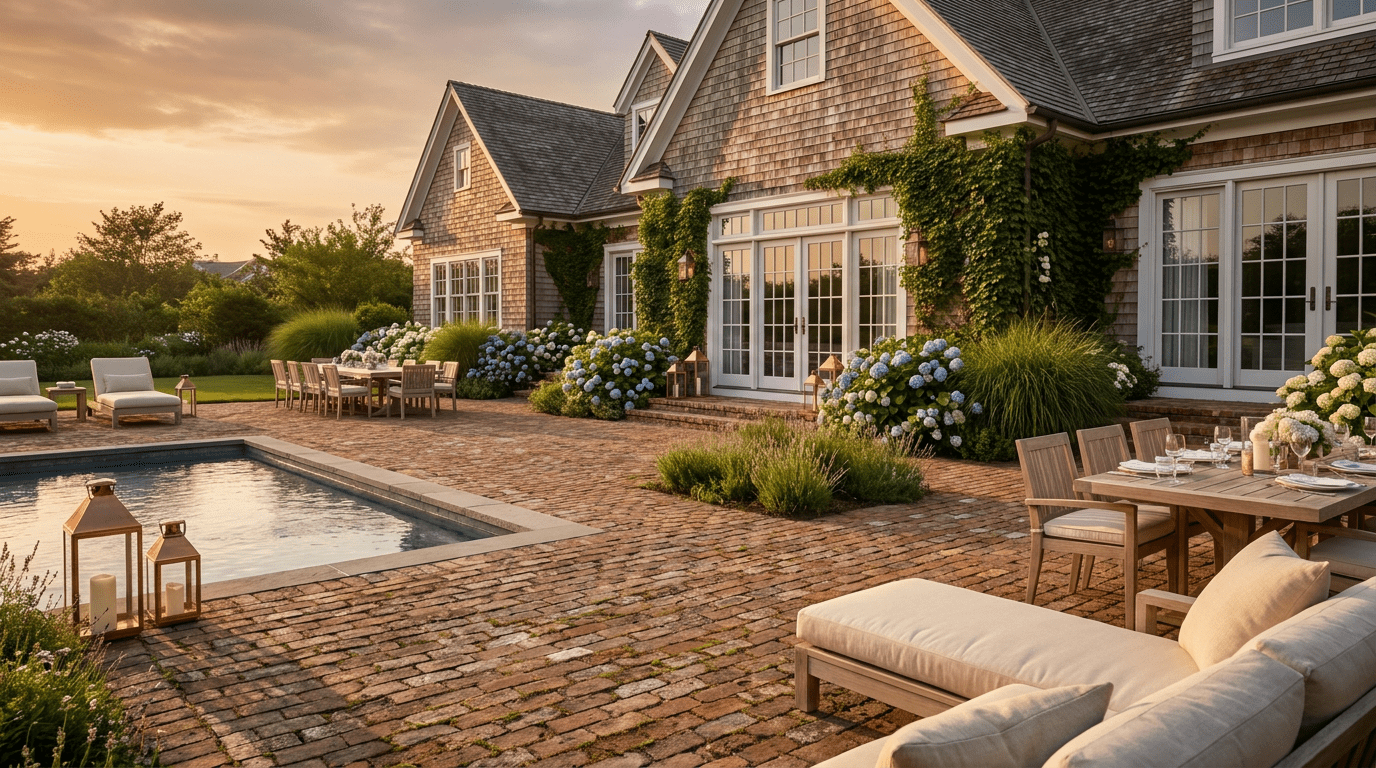
Visually, reclaimed street bricks carry the marks of their first life: softened edges, worn faces, color variation, and sometimes stamps from the original manufacturer or city. Those details are exactly what set a reclaimed brick driveway apart from a brand new surface.
2. Key benefits of a reclaimed brick driveway
If you’ve ever pulled up to a home with a brick driveway and thought “this feels solid,” you already know the first benefit: presence. Reclaimed street bricks add instant character and curb appeal that concrete and asphalt struggle to match.
Timeless curb appeal. A reclaimed brick driveway reads as both classic and intentional. It doesn’t shout for attention, but it quietly upgrades the entire front of the home. Because the bricks already have patina, they blend comfortably with older homes and give newer houses a sense of maturity.
Proven durability. These bricks lived under real traffic in their previous life. With the right base and pattern, they’re more than capable of handling everyday residential vehicles. You’re building with materials that have already passed their durability test out in the world.
Repairable and flexible. If a section of driveway ever settles, or you need to access utilities, you can lift bricks, address the issue, and relay them. You’re not stuck with a cracked slab that can only be patched or replaced.
There’s also a sustainability story built in. By choosing reclaimed bricks, you’re extending the life of existing material instead of firing new units, which is good for both the planet and the character of your home.
3. Important considerations and potential drawbacks
Reclaimed brick street pavers are not the right fit for every homeowner or every driveway. Knowing the trade-offs up front helps you make a clear decision instead of falling for photos alone.
Up-front investment. A reclaimed brick driveway typically costs more up front than basic asphalt or plain broom-finished concrete. You’re paying for curated material, proper base construction, and skilled installation if you hire a contractor. The flip side is that you’re also investing in a surface with a long service life and strong visual impact.
Installation details matter. Because driveways carry vehicle loads, there’s less room for shortcuts. You need enough compacted base, a well-designed drainage plan, and patterns that interlock. If you’re hiring help, it pays to work with an installer familiar with pavers, not just flatwork.
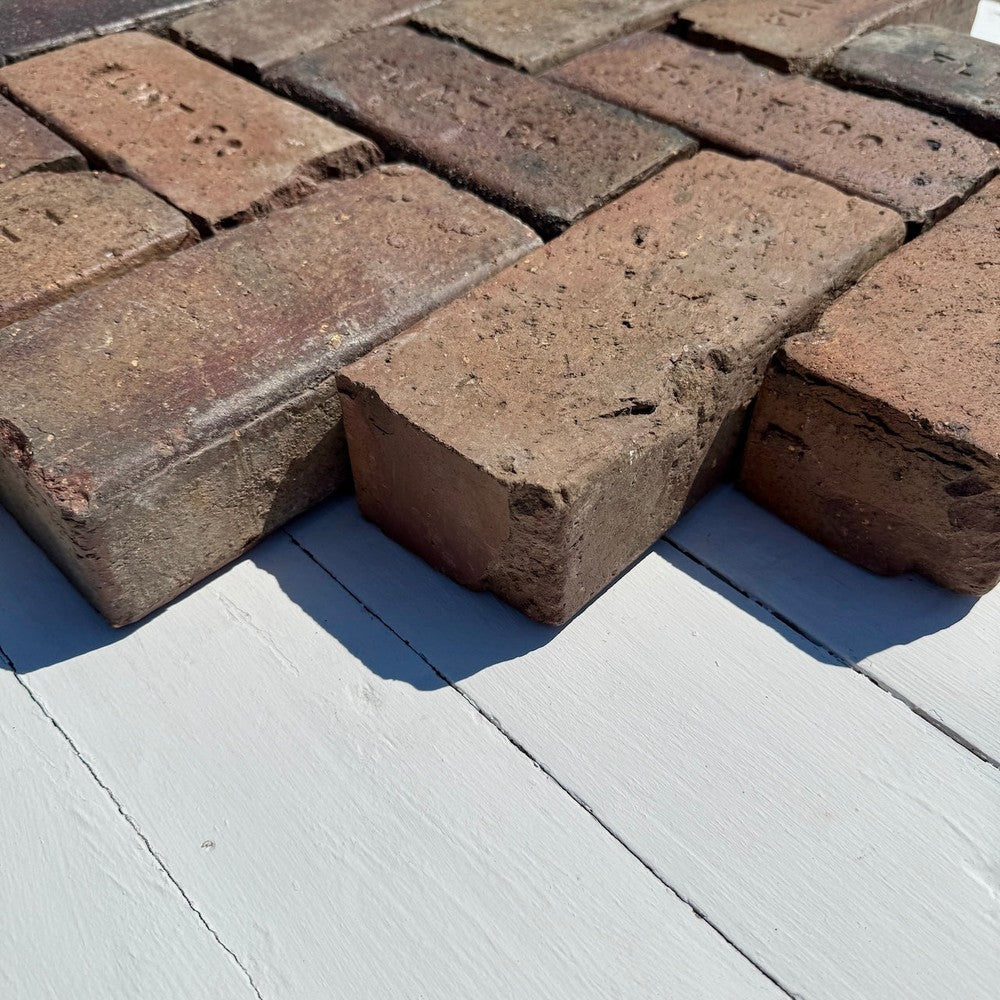
Subtle variation underfoot. Reclaimed bricks have personality. That usually means minor differences in size, color, and surfacewear. On a driveway, that variation is part of the charm, but if you’re expecting something laser-uniform and perfectly smooth, a manufactured concrete paver might line up better with your expectations.
The good news is that when reclaimed brick driveways are planned and built correctly, they tend to feel solid, comfortable, and intentionally imperfect in all the right ways.
4. Structural needs: base, thickness, and patterns
The bricks you see on top are only part of the story. A reclaimed brick driveway’s strength comes from the material, the base underneath, and the pattern that ties everything together. All three need to work as a system.
Base depth and compaction. Driveways typically require a deeper compacted base than patios or walkways. In many residential settings, that means several inches of crushed stone, built up in layers and compacted thoroughly. The goal is a firm, well-drained foundation that doesn’t pump, shift, or hold water.
Brick thickness. For driveways, you want bricks with enough thickness and density to comfortably handle vehicle loads. Street-grade reclaimed bricks are a strong candidate because they were built for that purpose from the beginning. Thinner reclaimed pavers can still work in some designs, especially over concrete bases, but they require careful planning.
Patterns that lock together. Pattern choice is not just cosmetic on a driveway. Herringbone (laid at 45 or 90 degrees to the main direction of travel) is a classic for a reason: it interlocks under load and resists spreading. Running bond can be used in some driveway designs, but it’s more likely to show movement at turning points, especially near garage doors or tight curves.
Edge restraints are the final structural piece. Solid borders or concealed edging keep the field from slowly creeping sideways under repeated car traffic. Done right, your driveway behaves like one unified surface rather than a loose collection of bricks.
5. Climate and soil: how your region affects performance
Driveways live outdoors year round, so your climate and soil conditions should be part of the decision. Reclaimed brick can handle a wide range of environments, but the details change from place to place.
Freeze–thaw regions. In areas with real winters, it’s worth paying attention to drainage and base design. Dense, fully fired reclaimed street bricks have already proven they can handle freeze–thaw cycles, but water still needs a way to move. Good grading, the right base material, and edge care all help keep heaving and movement in check.
Warm and sunny climates. In hotter regions, darker brick driveways will absorb more heat from the sun. That may be fine for vehicles, but if you regularly walk barefoot across the driveway, you might lean toward mixes with more medium or lighter tones.
Soft or expansive soils. If your soil tends to hold water or expand and contract significantly, your base design becomes even more important. Sometimes that means extra base depth, geotextile fabric, or other site-specific measures. A good local installer or engineer can help tailor the foundation to your conditions.
The bricks themselves are versatile. Matching installation techniques to your climate and soil is what takes a reclaimed brick driveway from “pretty good” to “haven’t worried about it in years.”
6. Design choices: color, character, and curb appeal
Once you’re comfortable with the structural side, you get to lean into design. Reclaimed brick driveways stand out because they look intentional and timeless instead of like an afterthought. A few key choices help you get there.
Color range and mix. Some reclaimed street bricks skew deep red and brown, others are more orange, buff, or even dark and moody. Ask to see representative photos and think about how the color plays with your siding, roofing, and trim. Many homeowners like a blend that picks up on accents from the house without matching anything exactly.
Borders and bands. You can frame the driveway with a contrasting border course, highlight the apron near the street, or introduce a subtle band near the garage. Borders are both functional and visual: they reinforce edges and help your driveway feel custom-fitted to the property.
Transitions and pathways. Because you’re working with modular pieces, it’s easy to tie your driveway into front walkways, side paths, or small patios. Repeating the same brick or pattern in select areas creates a sense of continuity around the home.
Think of the driveway as part of a bigger picture: the entry sequence, front garden, and architecture all working together. Reclaimed bricks are the material that quietly connects those elements.
7. Cost, lifespan, and long-term value
Cost is often the practical question that follows the first “wow” reaction. Reclaimed brick driveways usually sit above basic asphalt and standard concrete in terms of initial price, but that’s only part of the story.
Up-front vs. lifetime. Asphalt and budget concrete can be less expensive initially, but they tend to show wear sooner and are more difficult to repair invisibly. Reclaimed brick pavers, installed over a proper base, are designed for a long service life. You can swap individual bricks or address small areas without replacing the whole surface.
Resale and curb appeal. An attractive driveway is one of the first things visitors and potential buyers see. A reclaimed brick surface signals care, quality, and a sense of place. While it’s hard to put an exact number on it, increased curb appeal can be a real factor in resale value and how people perceive the property.
As you compare options, it can be helpful to think in terms of cost per year of service rather than just cost per square foot on install day. Reclaimed street brick often looks better, not worse, as it ages into the landscape.
8. Everyday maintenance for reclaimed brick driveways
No driveway is truly “set it and forget it,” but reclaimed brick doesn’t ask for much. Most of the maintenance is common sense and uses tools you already have.
Regular cleaning. Sweeping away grit and debris helps protect the surface from grinding wear. Rinsing occasionally with a garden hose clears off dust, pollen, and light dirt. For oil drips or stubborn stains, you can use cleaners designed for masonry and spot-treat as needed.
Joint care. Over time, jointing material can settle, especially on slopes or high-traffic areas. Topping up sand or polymeric sand when joints look low helps keep the field locked together and discourages weeds. It’s a simple weekend task that pays real dividends in stability.
Snow and ice. In snowy climates, using a plastic shovel or snow blower with plastic edges helps avoid chipping brick corners. Many homeowners use de-icers sparingly and choose products that are friendlier to masonry surfaces. Reclaimed street bricks are resilient, but a little care goes a long way.
If you like the idea of extra stain resistance or a slightly enriched color, you can also explore breathable sealers made for clay pavers. Those are optional, not mandatory, and can be added later once you’ve lived with the natural surface for a season or two.
9. Decision checklist: are reclaimed brick pavers right for you?
If you’re still weighing your options, a simple checklist can help clarify whether a reclaimed brick driveway fits your goals and site. Use these questions as a quick gut-check before you commit.
- Do you want a driveway that adds real curb appeal and feels like part of the architecture rather than an afterthought?
- Are you comfortable investing in a higher-quality surface up front in exchange for long-term durability and repairability?
- Can you commit to proper base construction, either by working with an experienced paver installer or following best practices if you DIY?
- Does your climate and site allow for good drainage and base design to support a paver driveway?
- Do you appreciate natural variation, patina, and the look of materials that already carry a bit of history?
If you find yourself nodding “yes” to most of these, reclaimed brick street pavers are likely a strong match for your driveway. You’ll end up with an entrance that is more than just a place to park cars – it becomes part of the way your home greets people, with warmth, substance, and a story under every tire.


Share: