

Mercato Westwood shows how reclaimed brick interior walls can transform a restaurant into a warm, character‑filled space that feels both historic and current. By using real salvaged bricks instead of faux panels, the design adds depth, texture, and a memorable backdrop that supports the brand and guest experience.
Mercato Westwood’s reclaimed brick story
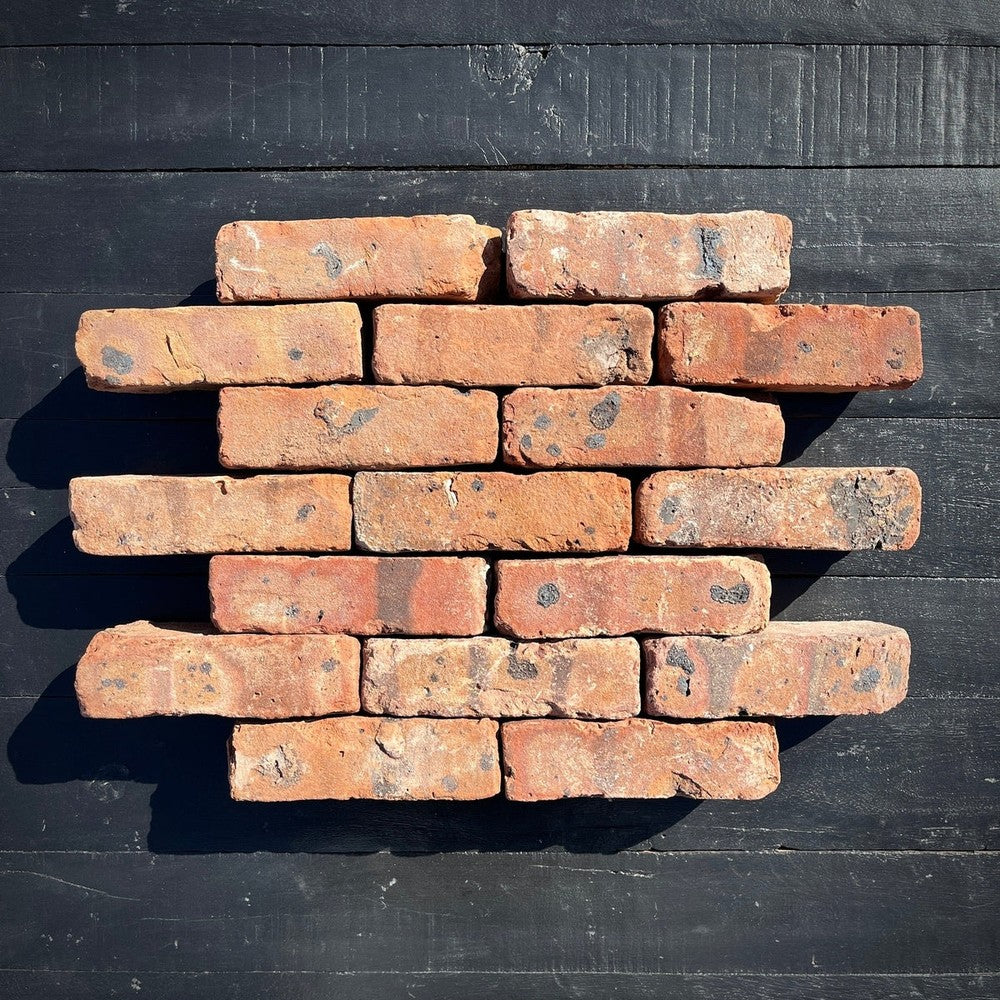
Mercato Westwood features reclaimed red bricks supplied specifically for interior wall applications, rather than newly manufactured units. Many of these bricks retain original maker’s stamps, names like Washburn, Terry, Terry Bros, and Lynch, so the walls literally display traces of past brickmakers and buildings.
These historic markings give the interior a sense of authenticity that is hard to reproduce with new materials or printed surfaces. Guests see not just color and texture, but physical evidence of history baked into each brick, which enriches the atmosphere of the dining room and bar.
Warm, authentic atmosphere in a modern restaurant
Reclaimed bricks naturally vary in color, surface wear, and edge shape, which creates a warm, layered visual effect on interior walls. The slight irregularities and patina soften the space and keep it from feeling flat or overly polished, even when paired with modern fixtures.
In Mercato Westwood, the reclaimed brick backdrop helps highlight key features like the pizza oven, bar area, and seating zones. The rougher brick surface plays well with warm lighting, metal accents, and wood furniture, giving the space a cozy, lived‑in feel that encourages guests to linger.
Why designers choose reclaimed brick over faux options
Reclaimed brick interiors deliver genuine patina and depth that faux brick panels, printed tile, or stamped products struggle to match. Each salvaged piece has slight differences in tone, texture, and history, which come together to form a wall that looks naturally evolved rather than manufactured.
Designers also tend to favor reclaimed brick when they want to tell a story about craft, locality, or heritage. In a hospitality setting, this can reinforce themes of handmade food, traditional techniques, and neighborhood roots, all supported by the visual language of aged masonry.
Sustainability benefits of reclaimed brick interiors
Choosing reclaimed brick helps reduce the environmental impact of a project because it reuses existing material instead of producing new brick. This lowers embodied carbon associated with firing clay in kilns and cuts down on raw material extraction.
Salvaging and repurposing brick also keeps high‑quality masonry out of landfills. For clients who prioritize sustainable design or want to highlight eco‑friendly decisions in their branding, reclaimed brick interiors provide both visual value and a compelling sustainability story.
Reclaimed thin brick veneer for flexible interiors
To make reclaimed brick practical for interior walls, many projects use thin brick veneer cut from full salvaged bricks. This approach preserves the original face and patina while reducing weight so the material can be installed like tile over standard substrates.
Thin reclaimed brick veneer works well on framed walls, furring strips, or non‑load‑bearing partitions where full brick would be too heavy. Installers can lay it with traditional mortar joints and then clean and seal the surface to suit restaurant or retail maintenance needs.
Where reclaimed brick interiors work best
The Mercato Westwood project illustrates how reclaimed brick is ideal for restaurants and pizzerias that want a classic, welcoming atmosphere. Brick feature walls, bar backs, entry corridors, and seating alcoves all benefit from the warmth and texture of reclaimed masonry.
Beyond restaurants, reclaimed brick interiors are popular in home accent walls, fireplace surrounds, kitchen backsplashes, and basement or bar areas. Commercial designers also use reclaimed thin brick veneer in offices, hotel lobbies, breweries, and retail spaces to introduce a historic or industrial feel without overloading existing structures.
New vs. reclaimed: look and feel
Newly quarried or manufactured brick often appears more uniform, with clean edges and consistent colors that read as modern and crisp. This style suits contemporary spaces where a controlled, minimal look is the priority.
Reclaimed bricks, by contrast, show wear, soft edges, and color variation that immediately convey a historic, old‑world character. In a space like Mercato Westwood, this difference helps establish a sense of permanence and history even in a relatively new interior.


Share: