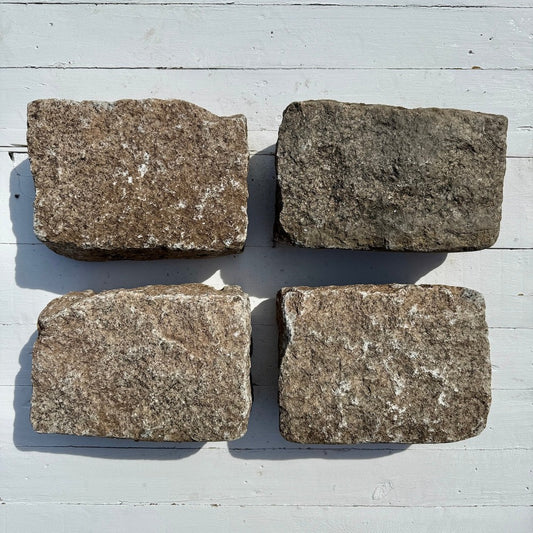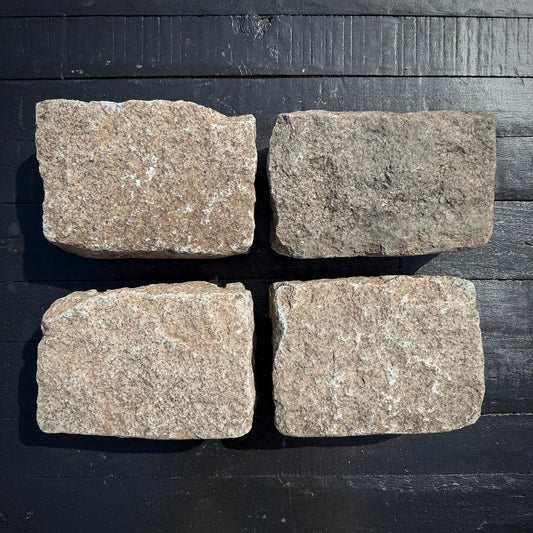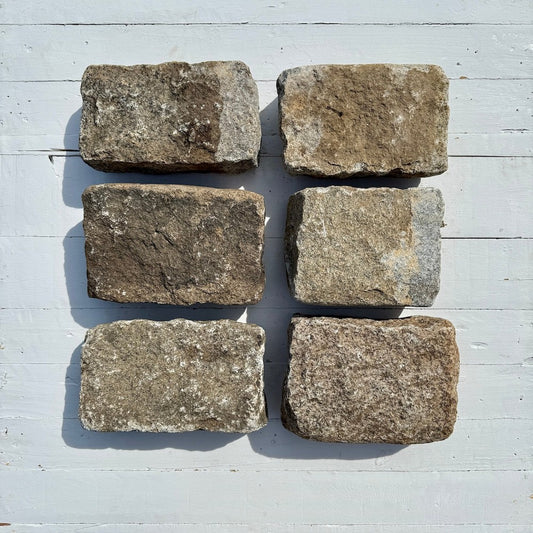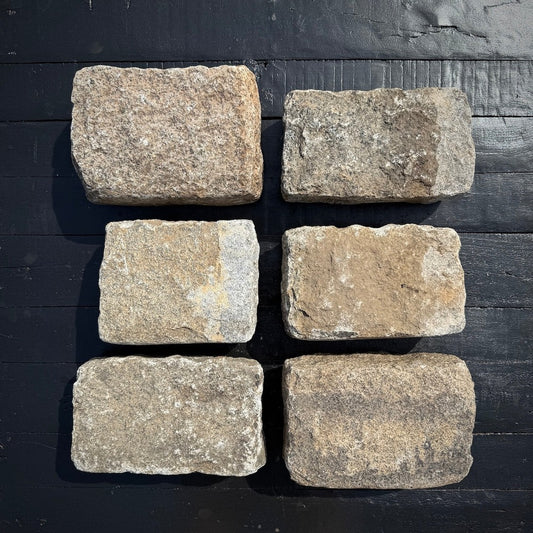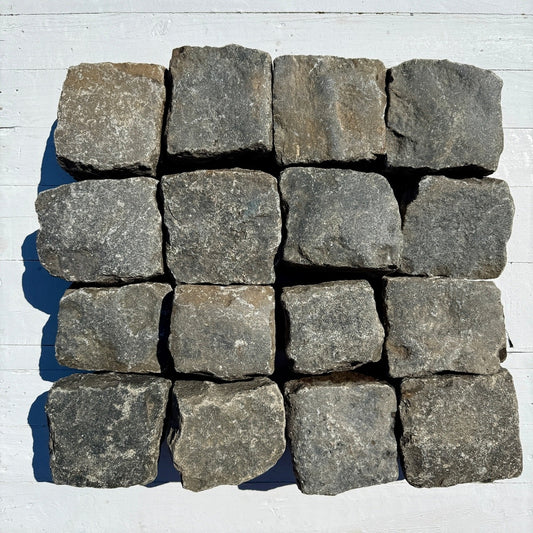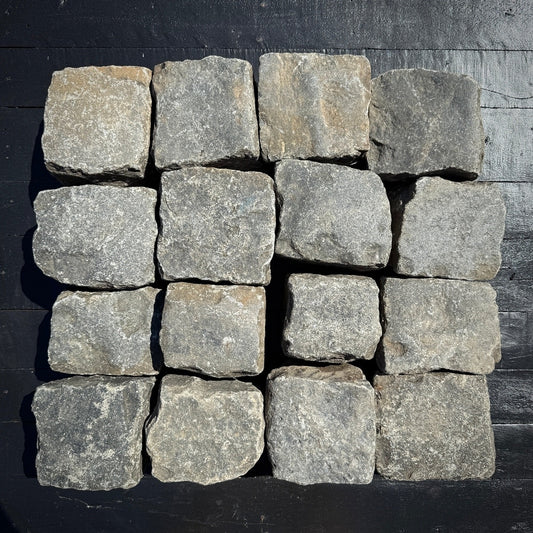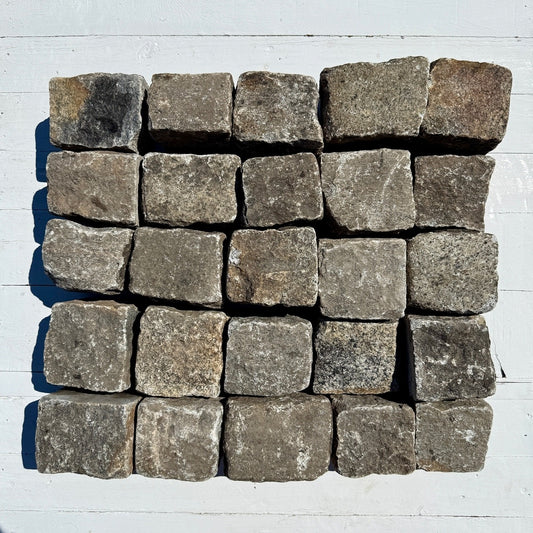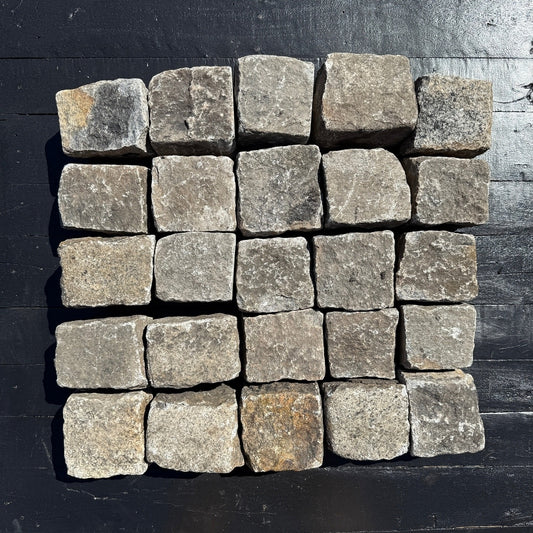

Walking through the busy avenues of York City, you might notice something special beneath your feet. Those old cobblestones tell stories that span centuries of growth and change. What makes the New York cobblestones so special? They represent a piece of American history that is literally built into the streets we walk on today.
These stones serve as more than just pavement for busy pedestrians. They act as artifacts from a time when craftsmanship mattered more than speed. Exploring the city's historic streets offers a direct link to the past.
Table of Contents:
- The History Behind New York's Cobblestones
- What Makes the New York Cobblestones Different
- Where to Find Authentic Cobblestones Today
- The Value of Reclaimed Cobblestones
- How Cobblestones Were Made and Installed
- The Cultural Impact of Cobblestone Streets
- Preservation Efforts and Challenges
- Why Designers Choose Reclaimed New York Cobblestones
- The Economics of Cobblestone Reclamation
- Technical Specifications of New York Cobblestones
- Comparing Cobblestones to Modern Paving
- The Future of New York's Cobblestone Streets
- How to Incorporate Cobblestones in Your Projects
- The Emotional Connection to Historic Materials
- How is Chief Bricks Helping to Reclaim Cobblestones?
- FAQ
- Conclusion
The History Behind New York's Cobblestones
New York's cobblestones started appearing in the early 1800s as the city expanded. Before that, the city's streets were mostly dirt and gravel, which became difficult to manage. Early settlers needed a more durable solution for the growing population.
The stones came from various places to meet the high demand for paving materials. Some were quarried locally, while others arrived as ballast on ships crossing from Europe. Paving materials also traveled via the Erie Canal, connecting the city to resources near Lake Ontario.
Belgian block, often confused with true rounded cobblestones, became popular in the mid-1800s. These rectangular stones were more uniform than their rounded counterparts. They allowed for a smoother ride for carriages and wagons.
The installation process was labor intensive and required skilled hands. Workers laid each stone by hand, fitting them together like a puzzle. This cobblestone construction method created a surface capable of withstanding decades of wear.
By the late 1800s, cobblestone streets covered much of lower Manhattan. They could handle heavy wagon traffic better than dirt roads. The stones provided necessary traction for horses navigating the city streets.
The stones also helped with drainage during heavy storms. Water could flow between the gaps instead of creating muddy messes. This practical benefit was essential for maintaining sanitary conditions in the crowded city.
What Makes the New York Cobblestones Different
New York cobblestones have characteristics that set them apart from other paving methods. Their durability has allowed them to survive for over a century of constant use. This resilience contributes to their lasting historical significance.
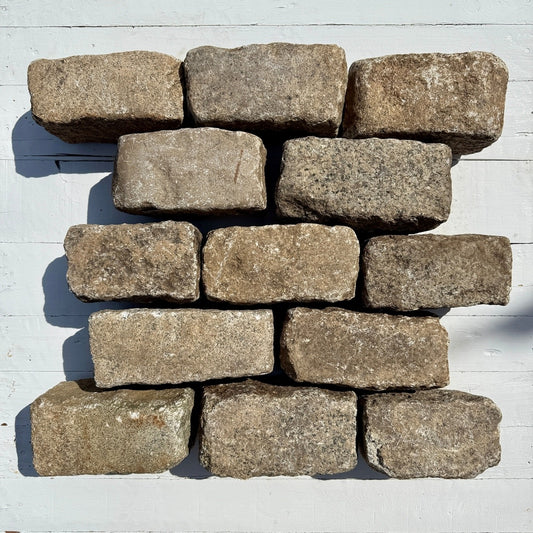
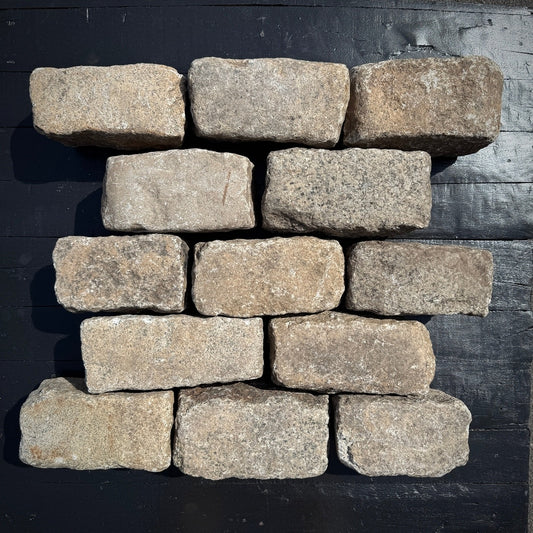
The stones came in different materials, adding to the diversity of the streets. Granite cobblestone was most common because it held up well under pressure. This hard stone resists cracking even under the weight of modern vehicles.
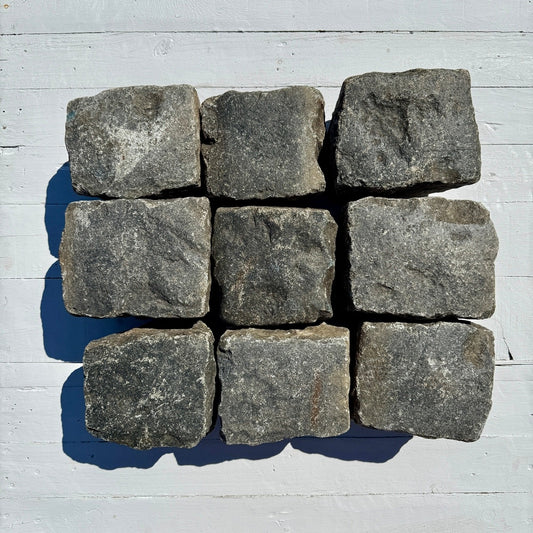
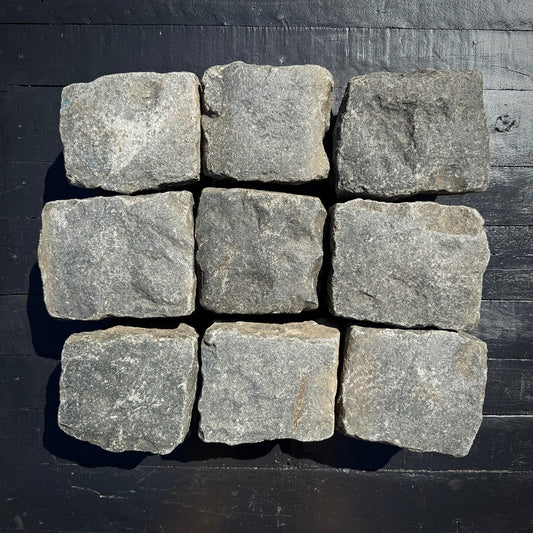
Basalt and trap rock were also used in various neighborhoods. These darker stones added visual variety to the streets and differentiated certain districts. The aesthetic appeal of these varying colors defines the look of historic areas.
The size and shape varied depending on when they were laid. Earlier cobblestones tended to be more irregular and rounded. These naturally shaped stones are distinct from the cut blocks that followed.
Later installations used more uniform Belgian blocks for efficiency. These measured about 4 by 8 inches and were easier to install in straight lines. This shift reflected the evolution of urban planning in the 19th century.
The craftsmanship involved was remarkable and stood the test of time. Each stone had to be placed carefully to create a stable surface. Skilled workers maintained a level of quality that is rare in modern road work.
Workers considered drainage patterns and traffic flow during installation. They angled stones slightly to direct water toward gutters. This attention to detail protected the roadbed from erosion.
Where to Find Authentic Cobblestones Today
Many original cobblestone streets remain in New York, hidden in plain sight. They are mostly found in historic neighborhoods that resisted modernization. These districts protect the city's architectural heritage.
SoHo and Tribeca have several preserved streets that draw tourists and locals alike. Greene Street between Canal and Houston is a great example of this preservation. Walking here feels like stepping back into a different era.
The South Street Seaport area maintains its cobblestone character to honor its maritime past. These streets give visitors a glimpse into old New York. It is a designated historic district known for its atmosphere.
The Meatpacking District also features iconic stone-paved roads. The uneven surfaces contrast with the modern high-end shops now lining the streets. This blend of old and new defines the neighborhood's current vibe.
Some streets in Brooklyn Heights and DUMBO feature original stones as well. They have been maintained or restored over the years to keep the neighborhood's charm alive. A quiet walk here reveals the beauty of York's historic streets.
The city protects these historic streets through landmark preservation laws. Removing or damaging cobblestones without permission is illegal. Violators can face significant fines for altering these protected sites.
Property owners near cobblestone streets sometimes find stones during renovations. These discoveries offer tangible connections to the past. Thanks to Chief Bricks, reclaimed cobblestones find new life in local construction projects.
Beyond the city, one might find a cobblestone house or two in the wider region. In Upstate New York, specifically near Lake Ontario, a prosperous farmer might have built cobblestone homes using similar glacial stones. This style of cobblestone architecture is distinct to the region.

New York City, Trenton Street, 1900s
The Value of Reclaimed Cobblestones
Reclaimed cobblestones have become highly sought after for various building projects. Designers and homeowners love their authentic character and history. Using them adds a sense of permanence to a property.
The stones work well for a cobblestone driveway or walkway. They add instant history to any landscape project. A cobblestone driveway tells a story that new concrete simply cannot.
Garden paths made with old cobblestones have a timeless appeal. They fit both traditional and contemporary designs. Cobblestone paths guide visitors through gardens with rustic elegance.
The durability factor can not be overstated when choosing materials. These stones have already proven they can last over a century. They withstand freeze-thaw cycles better than many modern products.
They are environmentally friendly building materials too. Reusing old materials reduces the need for new quarrying. This sustainable approach is gaining popularity in green construction.
The patina on aged cobblestones is impossible to replicate with new stone. Weather and time create surfaces that new stones simply can not match. This worn look creates an immediate sense of established history.
Architects often specify reclaimed cobblestones for restoration projects. They maintain historical accuracy while meeting modern standards. Using authentic York cobblestone ensures the integrity of the design.
How Cobblestones Were Made and Installed
Creating cobblestones required skilled stonecutters working with raw materials. They split larger rocks into usable sizes using hammers and chisels. It was a physically demanding job that required precision.
The process was physically demanding for everyone involved. Each stone had to be shaped to roughly uniform dimensions. Consistency was important for creating a relatively smooth riding surface.
Installation started with preparing the base of the road. Workers dug down and added layers of sand and gravel for drainage. A solid foundation was critical to prevent sinking.
Stones were set in a bed of sand to cushion them. This allowed for some adjustment as they were tamped down. The sand bed also provided flexibility as heavy loads passed over.
The gaps between stones were filled with sand or fine gravel. This locked everything in place and prevented shifting. Properly filled joints kept the surface stable for years.
Over time, the stones would settle and shift slightly. This gave cobblestone streets their characteristic uneven surface. While charming today, this settling required regular maintenance in the past.
Maintenance involved resetting stones that became loose from heavy traffic. City workers would lift them out, add more sand, and replace them. This cycle of repair kept the city streets navigable.
The Cultural Impact of Cobblestone Streets
Cobblestone streets have shaped New York's identity and visual culture. They appear in countless photos, films, and artworks depicting the city. They are an instantly recognizable symbol of urban history.
The distinctive sound of walking or driving on cobblestones is memorable. It is part of the city's soundtrack in older neighborhoods. The rumble of tires on stone is a familiar auditory cue.
These streets slow down traffic naturally due to their texture. The bumpy surface forces drivers to reduce speed. This traffic calming effect benefits residents and pedestrians.
This creates safer, more pedestrian friendly neighborhoods. People feel more comfortable walking where cars move slowly. It encourages foot traffic and community interaction.
Artists and photographers are drawn to cobblestone streets for their lighting and texture. The textures and patterns create compelling visual elements. Rain on cobblestones creates beautiful reflections that photographers love.
Real estate near cobblestone streets often commands premium prices. The historic character adds to property values significantly. Buyers are willing to pay for the charm of living on a historic block.
Film crews regularly use these locations for period pieces. They provide instant period authenticity for movies and TV shows. A single shot on a cobblestone street can establish a timeline immediately.
Preservation Efforts and Challenges
Maintaining cobblestone streets takes effort and money from the city. The city must balance preservation with modern infrastructure needs. It is a constant negotiation between history and progress.
Utility work poses a major challenge to preservation. Installing or repairing pipes and cables requires removing stones. This disruption often threatens the integrity of the historic paving.
When this happens, workers carefully document stone placement. They photograph and number each stone before removal. This meticulous recording is necessary for accurate restoration.
After completing underground work, stones are reinstalled in their original positions. This maintains the street's historic integrity. It prevents the patchwork look that comes from poor repairs.
Some streets have been lost to asphalt paving over the decades. During the 20th century, many cobblestone streets were covered for smoother driving. Asphalt repairs were often seen as a quick fix for uneven roads.
When paving crews begin street restoration in New York City, they’re often surprised to uncover original cobblestones beneath the asphalt. That’s where Chief Bricks steps in. We reclaim these historic stones and give them a second life in new residential and landscape projects.
Why Designers Choose Reclaimed New York Cobblestones
Interior designers incorporate cobblestones into residential projects for texture. They create feature walls or flooring accents that stand out. A wall veneer made of sliced cobblestones adds rustic warmth.
Landscape architects use them for outdoor spaces and gardens. Patios and courtyards gain character from these historic materials. Cobblestone paths link different areas of a landscape design naturally.
Restaurant and retail designers love the authentic look for branding. Cobblestones add an urban industrial vibe to commercial spaces. This aesthetic appeals to customers seeking a genuine atmosphere.
The stones work well with both rustic and modern aesthetics. They bridge different design styles effortlessly. A modern urban loft looks grounded with a cobblestone accent.
Each stone is different from the next in color and shape. This natural variation creates visual interest that manufactured materials can not match. Uniformity is often boring compared to the randomness of natural stone.
The sustainability angle appeals to environmentally conscious clients. Reusing century old materials aligns with green building practices. It gives new life to material that might otherwise be discarded.
Cobblestones also have practical benefits beyond looks. They are slip resistant and extremely durable for high traffic areas. This makes them ideal for commercial entryways and public spaces.
The Economics of Cobblestone Reclamation
Salvaging cobblestones has become a specialized business niche. Paving companies carefully remove stones from sites being redeveloped. Chief Bricks reclaims these materials by sorting, cleaning and packaging them for sale.
The market for authentic New York cobblestones extends beyond the city. Buyers across the country want these historic materials. Shipping stones across the country is common for high-end projects.
The supply is limited by what becomes available. Not many streets are torn up anymore, restricting inventory. This scarcity drives up the value of genuine stones.
Transportation costs factor into pricing significantly. Moving heavy stone materials is not cheap. Buyers must account for freight when planning their budget. At Chief Bricks, we give you an upfront shipping cost.
Cleaning and sorting add to the expense of the final product. Stones must be prepared before they can be resold. Removing century-old mortar requires labor.
Despite costs, demand remains strong among enthusiasts. The authenticity and character justify the investment for many buyers. People want the real deal, not concrete imitations.
Technical Specifications of New York Cobblestones
Understanding the dimensions helps with project planning and estimation. Traditional cobblestones ranged from 4 to 12 inches in size. This variance reflects the lack of standardization in early quarries.
Newly quarried Belgian blocks are more standardized for paving efficiency. Common sizes include 9x5x5 inches and 10x7x4 inches. These predictable dimensions make calculating coverage areas easier.
Weight is an important consideration for shipping and handling. A single stone can weigh anywhere from 15 to 40 pounds. Structural support must be adequate when using them indoors.
Material composition affects durability and appearance over time. Granite cobblestones are typically gray with some variation. They are the hardest and most common type found.
Basalt stones tend to be darker, sometimes almost black. They have a fine grain structure that wears smoothly. These are often found in specific historic districts.
Surface texture varies from smooth to quite rough. Wear patterns show where wagon wheels and feet traveled. These wear marks tell the history of the stone.
Installation depth matters for structural integrity. Stones should be set at least 4 inches deep in proper base material. This depth prevents the stones from popping out under load.
Comparing Cobblestones to Modern Paving
Modern asphalt and concrete offer smooth surfaces for high-speed travel. They are easier to install and maintain than stone. However, they lack the aesthetic appeal of historic materials.
But they lack the character of cobblestones. There is no history embedded in newly poured concrete. A stone veneer can mimic the look, but not the feel.
Cobblestones are more environmentally sustainable in the long run. They can be reused multiple times over centuries. Asphalt eventually ends up in landfills or requires energy-intensive recycling.
The installation cost for cobblestones is higher upfront. The labor intensive process requires skilled workers. It is an investment rather than a quick paving solution.
Maintenance approaches differ significantly between the two. Asphalt needs periodic resurfacing while cobblestones need occasional resetting. A well-laid cobblestone street can outlast several cycles of asphalt.
Aesthetics clearly favor cobblestones for historic contexts. They fit seamlessly into period appropriate settings like a Greek Revival district. Modern paving can ruin the immersive feel of a historic neighborhood.
Functionality depends on the application and traffic needs. For highways, modern paving makes sense. For historic cobblestone streets, preservation is the better choice.
The Future of New York's Cobblestone Streets
Cities are recognizing the value of historic streetscapes. More preservation efforts are underway across the country. New York is often misinformed on the existence of cobblestones in many of its districts.
Yet, landmark designations help prevent inappropriate alterations. The Landmarks Preservation Commission plays a key role here.
Public awareness of architectural history is growing. People appreciate the craftsmanship of earlier generations. Groups like the local historical society offer road tours to educate the public.
Educational programs teach about historic infrastructure. Schools and museums include cobblestones in their curriculum. Books like those from Footprint Press document this history.
How to Incorporate Cobblestones in Your Projects
Start by determining your needs and budget. Authentic New York cobblestones require investment. It is wise to check the service area of your supplier to ensure delivery is feasible.
Work with suppliers who specialize in reclaimed materials. They can help match stones to your project requirements. You can often copy link to their catalog to share with your contractor.
Consider the scale of your project carefully. Small accent areas need fewer stones than large driveways. Even a small brick wall veneer with cobblestone accents makes a statement.
Hire experienced installers familiar with historic materials. Proper installation makes all the difference in longevity. Incorrect installation can lead to drainage issues.
Plan for adequate base preparation before laying stone. Cobblestones need proper foundation layers to perform well. Do not skip this step or the work will fail.
Think about pattern and layout before installation starts. Different arrangements create different visual effects. You can mimic the streets of York City or create a new design.
Factor in long term maintenance for the surface. While durable, cobblestones may occasionally need resetting. Check the privacy policy of your maintenance provider regarding service guarantees.
The Emotional Connection to Historic Materials
There is something powerful about touching history. When you walk on century old cobblestones, you are literally following in countless footsteps. This tangible link to the past grounds us in the present.
These stones witnessed New York's transformation from a colonial port to a global metropolis. They carried horse drawn carriages and early automobiles. They connect the days of the early settlers to the modern urban dweller.
Immigrants arriving at Ellis Island walked on these streets. Entrepreneurs built businesses on cobblestone lined blocks. The stones have seen the city grow around them.
The stones absorbed the energy of generations. They have seen celebrations, protests, daily commutes, and quiet moments. York's historic buildings stand as silent witnesses alongside them.
This historical resonance can not be manufactured. It only comes from authentic materials that have lived through time. This is why York's historic preservation efforts are so vital.
Homeowners often report feeling connected to the past. Using reclaimed cobblestones creates a tangible link to history. Whether it is a full driveway or a simple garden border, the feeling is there.
That emotional value adds to the practical benefits. It is why people seek out these materials for special projects. The cultural history embedded in the stone is priceless.
How is Chief Bricks Helping to Reclaim Cobblestones?
Chief Bricks is in the right place at the right time. With a thirst to keep history alive, Chief Bricks leads the effort to keep precious New York Reclaimed Cobblestones intact by actively salvaging them from sites that might otherwise destroy them with a crane or wrecking ball.
Chief Bricks remains dedicated to breathing new life into reclaimed local cobblestones throughout the region wherever history, texture and architectural context meet.
FAQ
What is the difference between Belgian block and cobblestones?
True cobblestones are naturally rounded stones pulled from riverbeds. Belgian blocks are rectangular quarried stones that are cut to specific dimensions. In New York City, Belgian block is the most common material found on historic streets.
Are cobblestone streets protected in New York?
Yes, many cobblestone streets are located within historic districts. The Landmarks Preservation Commission oversees changes to these streets. Unauthorized removal or alteration is prohibited.
Can I use reclaimed cobblestones for a driveway?
Absolutely, reclaimed cobblestones make excellent driveway materials. They are incredibly durable and can withstand the weight of modern vehicles. They also add significant curb appeal and value to a home.
Where did the stones come from originally?
Many stones came from local quarries in the region. Others arrived as ballast on ships from Europe. The Erie Canal also facilitated the transport of stone from upstate and Lake Ontario regions.
Why are there cobblestone houses in New York State?
Cobblestone architecture is a specific style found mainly in Western New York. A prosperous farmer named Olaf William might have built such a home using glacial stones. The book Cobblestone Quest details many of these cobblestone structures.
Where can I find cobblestone streets in NYC?
You can find them in the Meatpacking District, SoHo, and Tribeca. The South Street Seaport also features extensive cobblestone paving. Additionally, parts of DUMBO in Brooklyn retain their original paving.
Conclusion
So what makes the New York cobblestones so special? They serve as more than just old stones pulled from forgotten streets. They act as enduring symbols of the city's historic resilience and evolution.
These cobblestones represent American craftsmanship, urban history, and architectural heritage. They tell stories of how cities were built when quality mattered more than speed. From the streets of Tribeca to the cobblestone landmarks of the state, they define a region.
Their durability has proven itself over more than a century. Their beauty comes from authentic age and wear that can not be faked. Whether viewing a Spring House in the country or walking a city street, the stone leaves an impression.
Whether preserved in place or reclaimed for new projects, these stones continue to add value. They connect us to our past while serving practical purposes today. Reclaimed bricks and stones carry the legacy of the builders.
Understanding what makes the New York cobblestones so special helps us appreciate the built environment around us. These humble stones carry the weight of history with quiet dignity. They ensure that York city's history remains beneath our feet.
About the author
Alkis Valentin is the founder of Chief Bricks and a specialist in reclaimed brick, cobblestone, and natural stone for high-end residential and landscape projects nationwide.